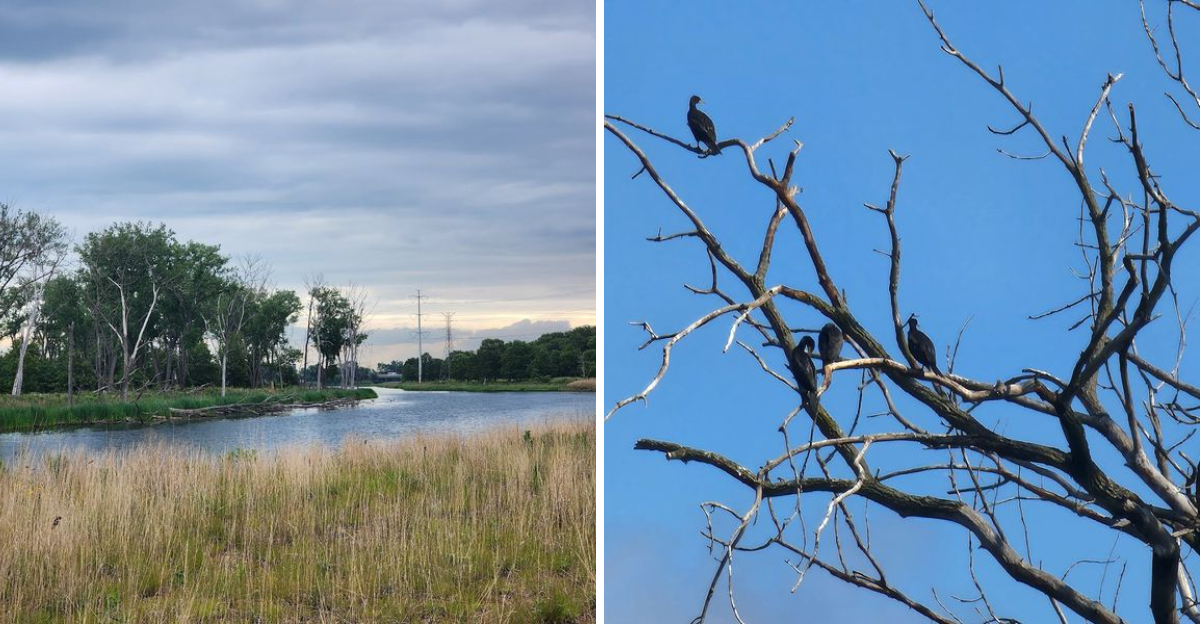
There are places in Indiana that quietly hold the weight of something extraordinary, and this nature preserve is one of them. I grew up in the region knowing the area mostly for its industry and highways, so discovering a preserve this remarkable right in the middle of it all genuinely surprised me.
Towering dunes rise alongside narrow swales, and the mix of plants and wildlife here feels almost otherworldly compared with the surrounding urban landscape. It protects a landscape so rare that few places on Earth can match it.
If you have never heard of dune-and-swale topography, you are not alone, but once you see it, you will never forget it. This is a place where nature fought back against decades of industrial pressure and won, and that story alone makes it worth your time.
A Globally Rare Dune-and-Swale Topography You Will Not Find Just Anywhere
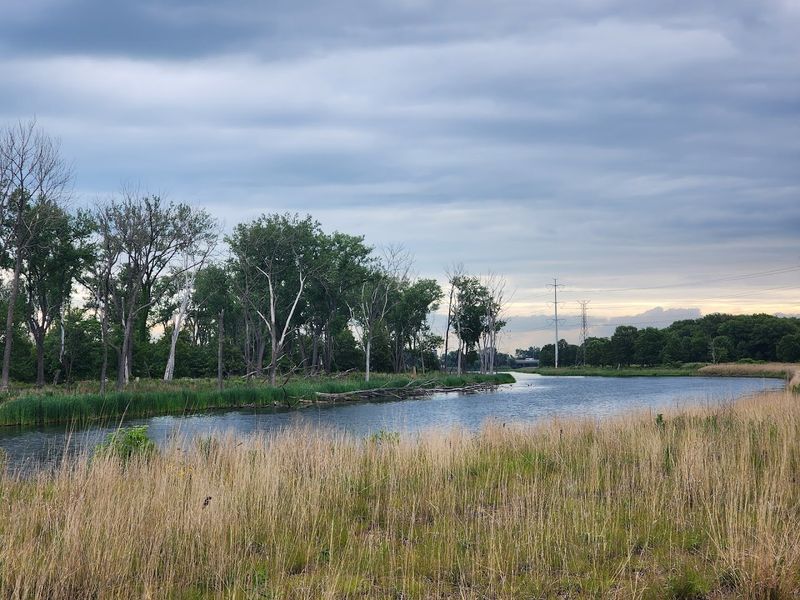
Most people have never heard the phrase dune-and-swale topography, and honestly, that is part of what makes Seidner so special. This landscape pattern of alternating sand ridges and low-lying wetland depressions formed over thousands of years as ancient Lake Michigan slowly receded, leaving behind a series of parallel ridges that look almost like frozen waves pressed into the earth.
The formation is considered globally rare, found primarily in the Great Lakes region, and Seidner Dune and Swale protects one of the most intact examples remaining in Indiana. Walking across it, you can actually feel the terrain shift beneath your feet as you move from a dry sandy ridge down into a cool, damp swale hollow.
That physical experience of the land is something no photograph can fully capture.
Scientists and conservationists consider this type of landscape a living record of geological history. Each ridge and depression tells a chapter of how the Great Lakes evolved over millennia.
For Indiana locals, this is a rare chance to stand on ground that predates every factory, highway, and building in the region by thousands of years. The preserve is open daily from 6 AM to 8 PM, giving you plenty of daylight to explore and appreciate this one-of-a-kind terrain without feeling rushed.
Views of the Restored Grand Calumet River That Tell a Story of Comeback
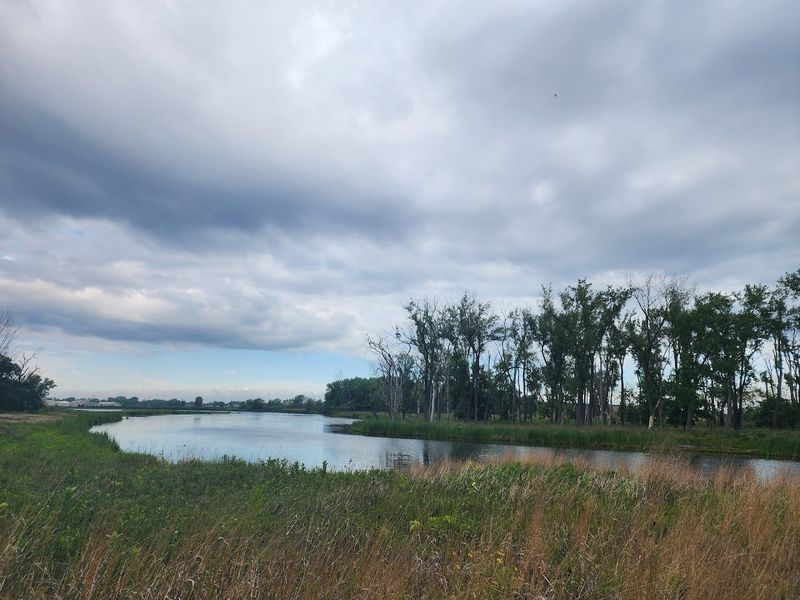
The Grand Calumet River has one of the most dramatic environmental comeback stories in the entire Midwest. For much of the twentieth century, it was heavily polluted by surrounding steel mills and industrial operations, ranking among the most contaminated waterways in the country.
Seeing it today, winding peacefully through Seidner Dune and Swale with herons standing in the shallows, feels genuinely moving.
Significant remediation efforts led by conservation organizations including The Nature Conservancy helped transform this river from an ecological disaster into a functioning habitat corridor. The water quality improvements took years of hard work and coordination between agencies, landowners, and volunteers.
What you see from the preserve trail today is the direct result of that sustained commitment.
I find it almost impossible to stand at the river’s edge here without thinking about what this place looked like just a few decades ago. The contrast between the restored waterway and the industrial skyline still visible in the background creates a striking visual tension that feels uniquely Northwest Indiana.
Bald eagles have returned to nest in the area, which is perhaps the most powerful symbol of the river’s recovery. Watching one glide over the water while smokestacks loom in the distance is a sight that stays with you long after you leave the preserve.
Rich Biodiversity That Surprises Every First-Time Visitor
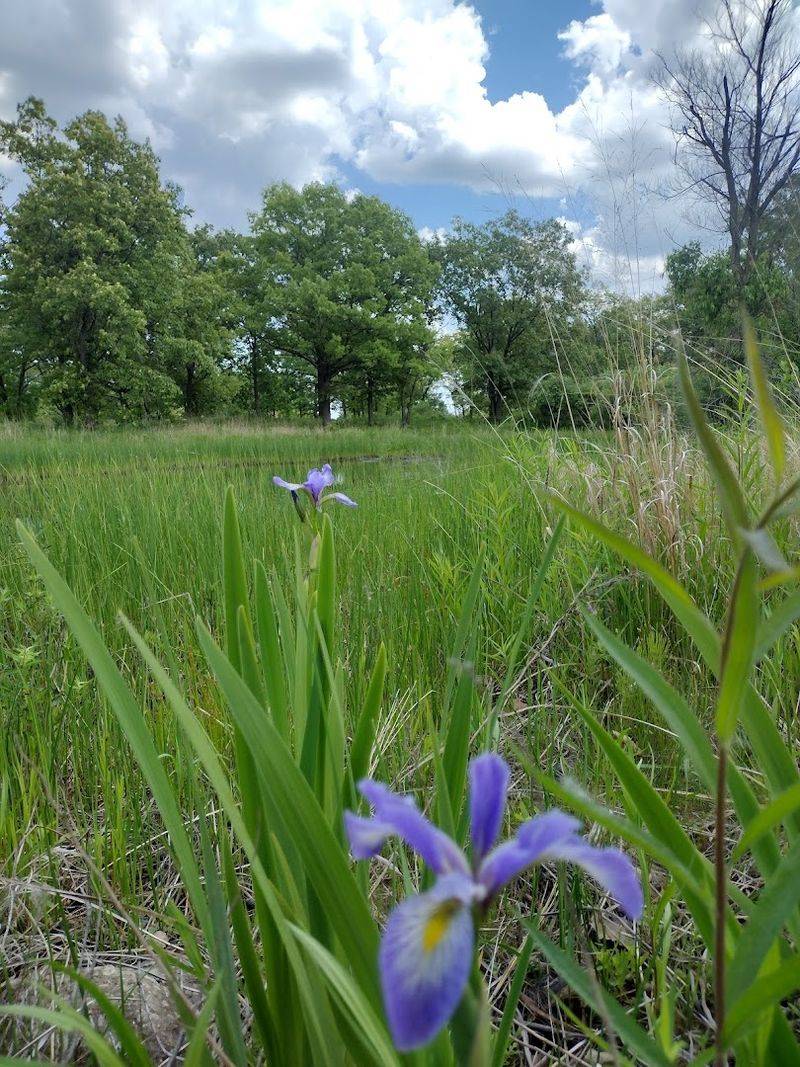
Walking the trail at Seidner for the first time, I was not prepared for how much life was packed into such a compact space. The preserve supports an impressive variety of rare and native plant species, including wild blue lupine, blazing stars, and gentians, all thriving in the sandy soils of the dune ridges.
These plants are adapted to conditions that most vegetation cannot tolerate, which makes their presence here all the more fascinating.
The animal diversity matches the plant diversity in ways that consistently catch visitors off guard. Egrets, great blue herons, mute swans, and bald eagles have all been spotted along the Grand Calumet corridor within the preserve boundaries.
The wetland swales provide critical breeding and foraging habitat for amphibians, insects, and waterfowl that depend on exactly this kind of mosaic landscape.
What makes the biodiversity here so meaningful is the context. This is not a remote wilderness preserve far from human activity.
It is surrounded by expressways, factories, and neighborhoods, which makes every thriving plant and nesting bird a small act of ecological defiance. The preserve demonstrates that with enough protection and restoration effort, nature can hold its ground even under enormous pressure.
For anyone curious about Indiana’s natural heritage, Seidner offers a concentrated, accessible, and genuinely surprising window into what this region once looked like before industrialization changed everything.
Seasonal Wildflower Displays That Change the Landscape Throughout the Year
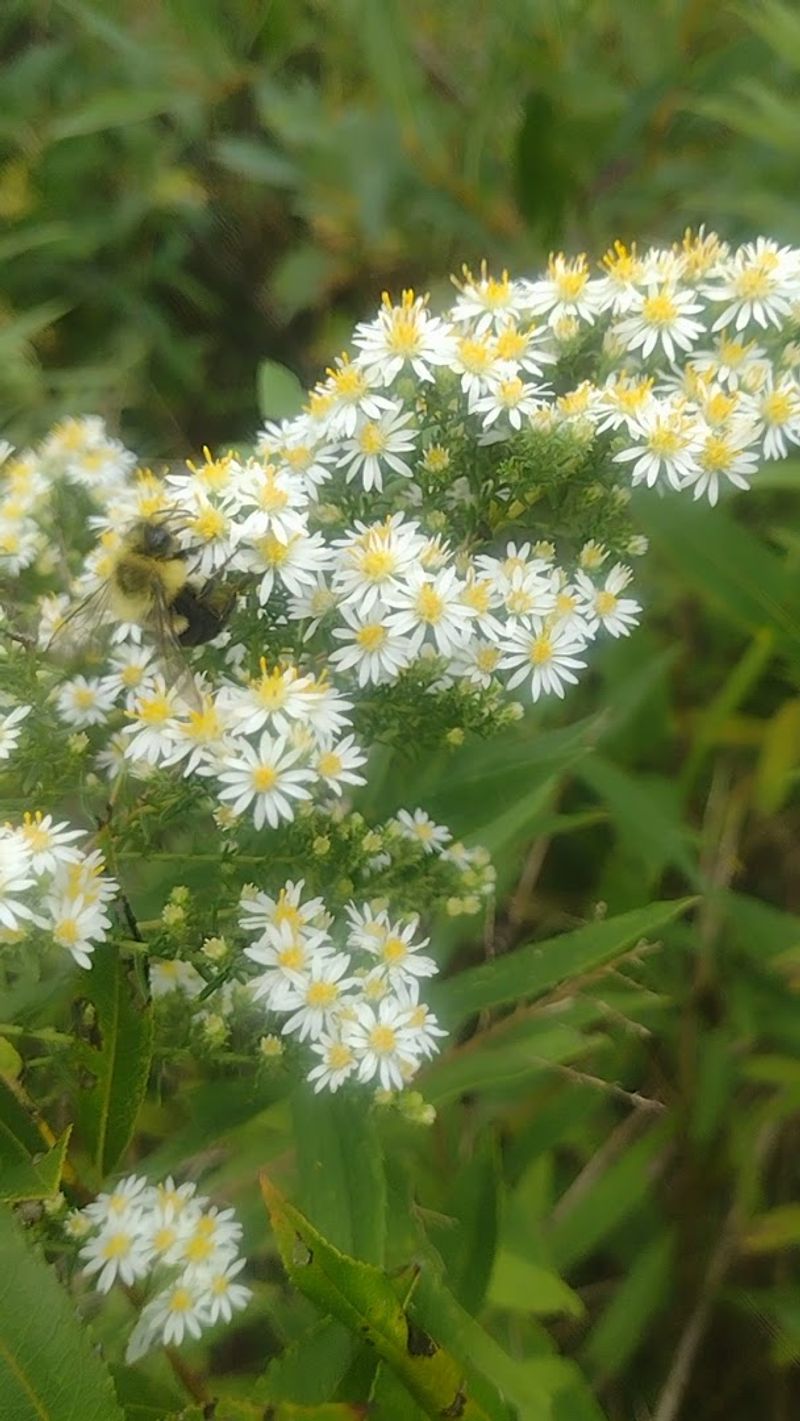
One of the quiet pleasures of visiting Seidner Dune and Swale is that the preserve never looks exactly the same twice. The wildflower displays shift with the seasons in ways that reward return visitors throughout the year.
Spring brings the delicate blooms of wild blue lupine and early woodland species to the sandy ridges, painting the dunes in soft purples and whites before summer heat sets in.
By midsummer, blazing stars and other prairie species take over with bold, upright spikes of color that attract pollinators in impressive numbers. Butterflies, native bees, and hummingbirds work the blooms along the trail, creating a kind of quiet, buzzing energy that feels completely at odds with the industrial landscape just beyond the preserve boundary.
Fall brings its own gentler palette, with asters and goldenrod carrying color well into October.
For photographers and nature enthusiasts, timing a visit around peak bloom periods is genuinely worth planning. The gravel trail makes it easy to move through the preserve without damaging fragile vegetation, and the relatively flat terrain means you can focus your attention on what is growing around you rather than watching your footing.
The preserve opens at 6 AM, which means early morning light during wildflower season offers some of the most beautiful conditions you will find anywhere in Northwest Indiana. That golden hour quality of light on blooming lupine is something worth setting an early alarm for.
Birdwatching Opportunities That Rival Far More Famous Destinations
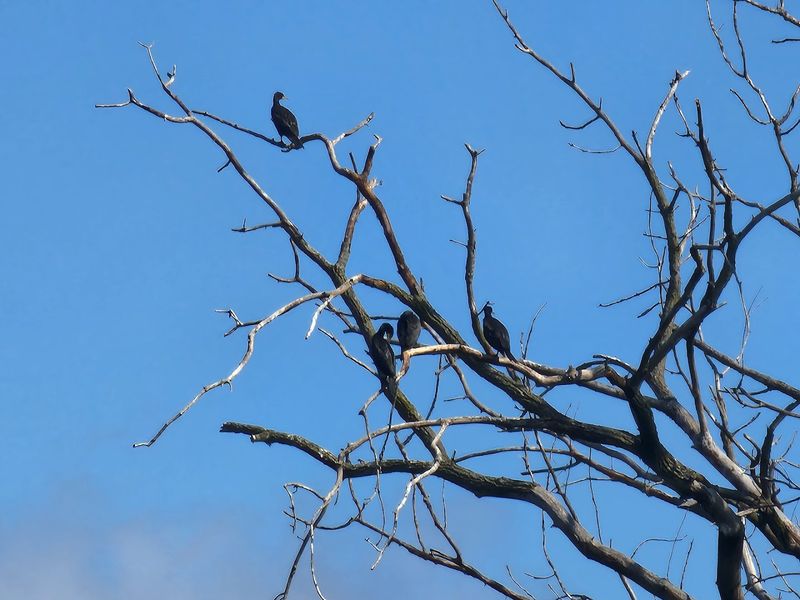
Northwest Indiana sits within a significant migratory bird corridor, and Seidner Dune and Swale takes full advantage of that geography. The combination of open water along the Grand Calumet River, dense marsh vegetation in the swales, and elevated dry habitat on the dune ridges creates a layered environment that attracts an unusually wide variety of bird species for such a small preserve.
Gulls, great blue herons, egrets, mute swans, and bald eagles are among the species regularly reported here. The eagles in particular have become a signature feature of the preserve, with several nesting in the area and regularly visible from the trail.
Watching a bald eagle work the river corridor against a backdrop of refinery towers is one of those only-in-Northwest-Indiana experiences that feels almost surreal the first time you see it.
Experienced birders appreciate the preserve because it rewards patience and careful observation. The habitat variety means you are rarely looking at just one type of species at a time.
Waterfowl work the river while wading birds patrol the swale edges and raptors circle overhead, all within a relatively compact viewing area. Bringing binoculars is strongly recommended, and early morning visits tend to produce the most active bird behavior.
The preserve is open from 6 AM daily, making it easy to arrive at first light when birds are most vocal and visible throughout every season of the year.
An Easy 1.3-Mile Loop Trail That Works for Almost Every Fitness Level
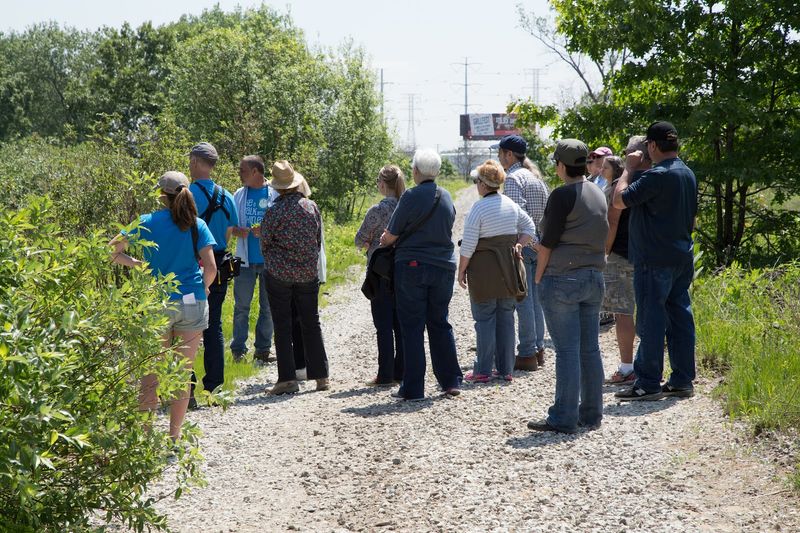
Not every great nature experience requires a strenuous hike, and Seidner Dune and Swale proves that point convincingly. The preserve features a 1.3-mile loop trail surfaced with gravel, which keeps the path accessible even after rain and makes for comfortable walking across the varied terrain of ridges and swales.
The distance is manageable for most visitors, including older adults and families with children who are reasonably comfortable on their feet.
The trail moves through distinct habitat zones as it loops through the preserve, giving walkers a sense of real ecological variety without covering a lot of ground. You transition from open sandy ridges with dry prairie vegetation into shaded swale corridors with dense marsh plants and standing water, then back again, all within a single easy circuit.
That constant shift in surroundings keeps the walk interesting from start to finish.
A few practical notes worth knowing before you go: the gravel surface includes some larger stones in sections, so sturdy footwear is a better choice than sandals or thin-soled shoes. Ticks have been reported by visitors, particularly in warmer months, so checking your clothing and skin after the walk is a smart habit.
The entrance area can sometimes be overgrown depending on the season, but the trail itself is generally easy to follow once you are inside.
A Living Conservation Success Story Surrounded by Industrial Northwest Indiana
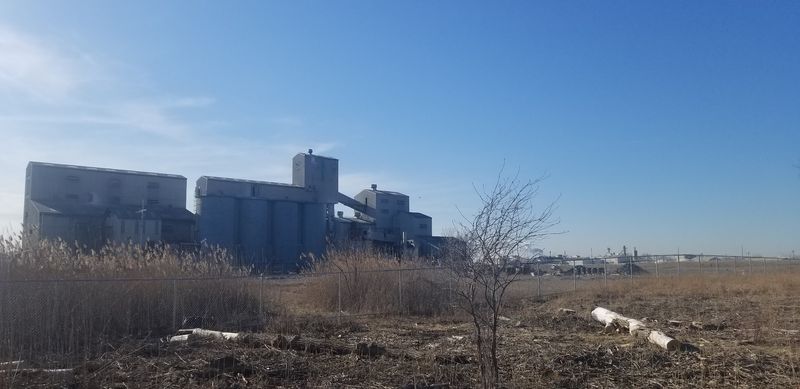
There is something genuinely powerful about a place that should not exist but does anyway. Seidner Dune and Swale, located at 5501-5599 Kennedy Ave, Hammond, IN 46323, sits in the middle of one of the most heavily industrialized corridors in the entire Midwest, surrounded by factories, expressways, and rail lines that have defined Northwest Indiana’s identity for over a century.
The fact that this preserve exists at all is a conservation victory worth understanding and celebrating.
The land was rescued from surrounding industrial pressure through coordinated efforts involving conservation organizations, land trusts, and public agencies committed to protecting what remained of the region’s pre-settlement landscape. The Heinz Environmental Trust and other partners played key roles in securing and restoring the site.
Today it stands as a functioning example of what the Calumet region looked like before European settlement fundamentally altered the terrain and waterways.
For Indiana locals, this history adds a layer of meaning to every visit that you simply do not get at more remote or pristine natural areas. Knowing what this land survived, and what it took to protect it, changes how you experience the quiet of the trail and the sight of eagles over the river.
If you want to explore more of the broader Calumet conservation landscape after your visit, the Indiana Dunes National Park at 1215 N State Road 49, Porter, IN 46304, and Wolf Lake Memorial Park at 2500 E Jeffery Ave, Hammond, IN 46394, are both worth adding to your itinerary for a fuller picture of regional natural heritage.
