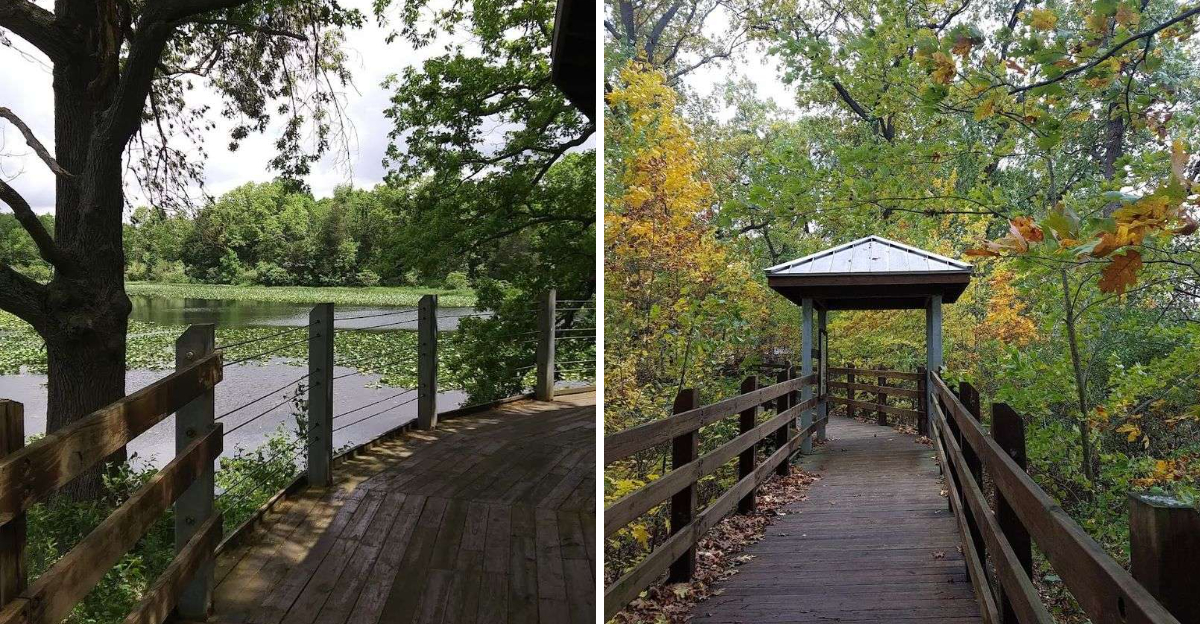
I never expected a place in Indiana to stop me in my tracks the way this nature preserve did. Sitting at the corner of several counties, this 118-acre preserve quietly holds one of the last high-quality glacial fens in the entire state.
That alone makes it worth knowing about. Most people drive right past without realizing what is tucked into this corner of northeast Indiana.
This preserve is the kind of place that rewards the curious, the patient, and the nature-loving. Whether you are a birder, a hiker, or someone who just wants to breathe in something real and wild, it offers peaceful trails, glimpses of elusive wildlife, and a quiet beauty that feels almost rare in today’s world.
Diverse Habitats That Feel Like a World of Their Own
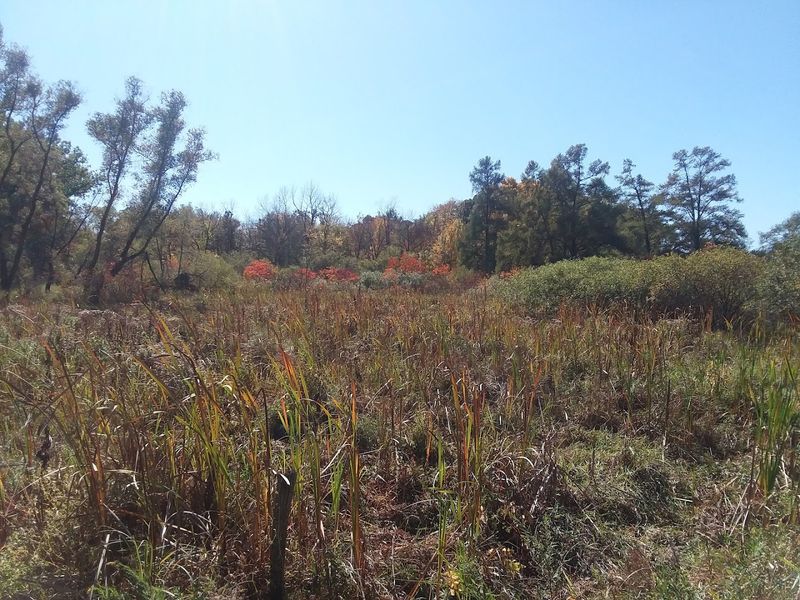
Walking into Pisgah Marsh, located at 9939 E 350 N, North Webster, IN 46555, feels like stepping through several different worlds within a single afternoon. Grasslands stretch out in open patches, then give way to dense sedge meadows, quiet lake edges, and shadowy upland forest corridors.
Each zone has its own sounds, smells, and wildlife, and the transitions between them happen almost without warning. This kind of habitat variety is genuinely rare in Indiana.
Most natural areas lean heavily toward one ecosystem type, but Pisgah Marsh layers them together in a way that feels almost orchestrated. The high-quality glacial wetland sits at the center, drawing water, birds, and animals from every surrounding habitat into one shared space.
For a first-time visitor, the variety can feel almost overwhelming in the best possible way. You might spot a deer in the forest edge, then turn around to find a great blue heron standing perfectly still in the shallows.
The grasslands attract butterflies and ground-nesting birds, while the fen fringes support specialized orchids and carnivorous plants that most Hoosiers have never seen up close. Pisgah Marsh is not a single-note experience.
It rewards slow walking, careful listening, and a willingness to let the landscape lead you wherever it wants to go that day.
Geological Significance You Can Actually Feel Underfoot
Pisgah Marsh sits on ground that tells a story millions of years in the making. The glacial fen here is not a quirk or an accident.
It exists because of ancient geological forces that left calcium-rich gravel deposits just below the surface, creating alkaline groundwater conditions almost never found outside of specific post-glacial pockets. That is what makes this place genuinely one of a kind in Indiana.
Fens like this one are extraordinarily rare. While most marshes are fed by surface water, a fen is fed by mineral-rich groundwater that bubbles up from below.
Finding one thriving in the middle of the Midwest is the kind of thing that makes geologists and ecologists pay close attention. The water chemistry here supports “calciphilic” or lime-loving plant communities that simply cannot survive in ordinary acidic wetlands.
Visiting Pisgah Marsh means walking on land that has been ecologically significant since long before Indiana was a state. The preserve protects not just the living plants and animals above ground, but the specific hydrological conditions beneath them that make everything possible.
That is a layered kind of conservation, one that goes deeper than most nature areas ever reach. If you have ever wanted to stand on a piece of the earth that feels genuinely ancient and irreplaceable, Pisgah Marsh is the place where that feeling becomes completely real.
Rich Biodiversity That Surprises Even Seasoned Naturalists
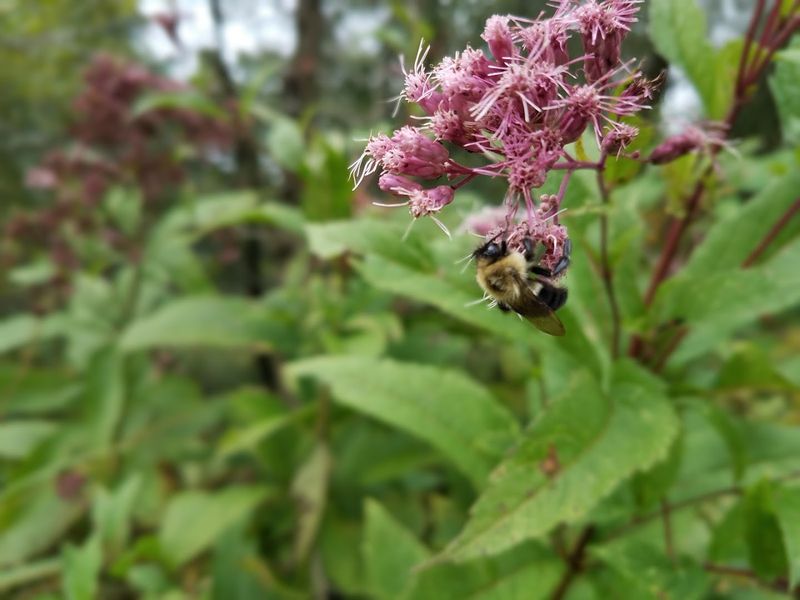
Sandhill cranes moving through at dusk. Beavers reshaping the shoreline overnight.
Raccoons leaving perfect tracks in the soft mud near the boardwalk. The wildlife at Pisgah Marsh is not just present, it is active, visible, and genuinely surprising for a preserve this size.
The marsh provides habitat for migratory waterfowl that pass through Indiana each year, and the dense vegetation offers cover for secretive marsh birds that most people never get to see. Squirrels and deer move through the upland forest edges, while rails and other wading birds work the shallows with quiet efficiency.
Every visit tends to produce at least one sighting that makes you stop and reach for your binoculars.
What makes the biodiversity here feel special is how interconnected it all is. The marsh feeds the forest.
The forest shelters the upland animals. The lake edges support the aquatic species.
Nothing at Pisgah Marsh exists in isolation. The whole 118 acres functions as a working ecological web, and watching any one piece of it means you are really watching all of it at once.
For anyone who loves nature in a hands-on, eyes-open kind of way, this preserve delivers the kind of richness that larger, more famous parks sometimes struggle to match in sheer density of life.
A Sanctuary for State-Endangered Species
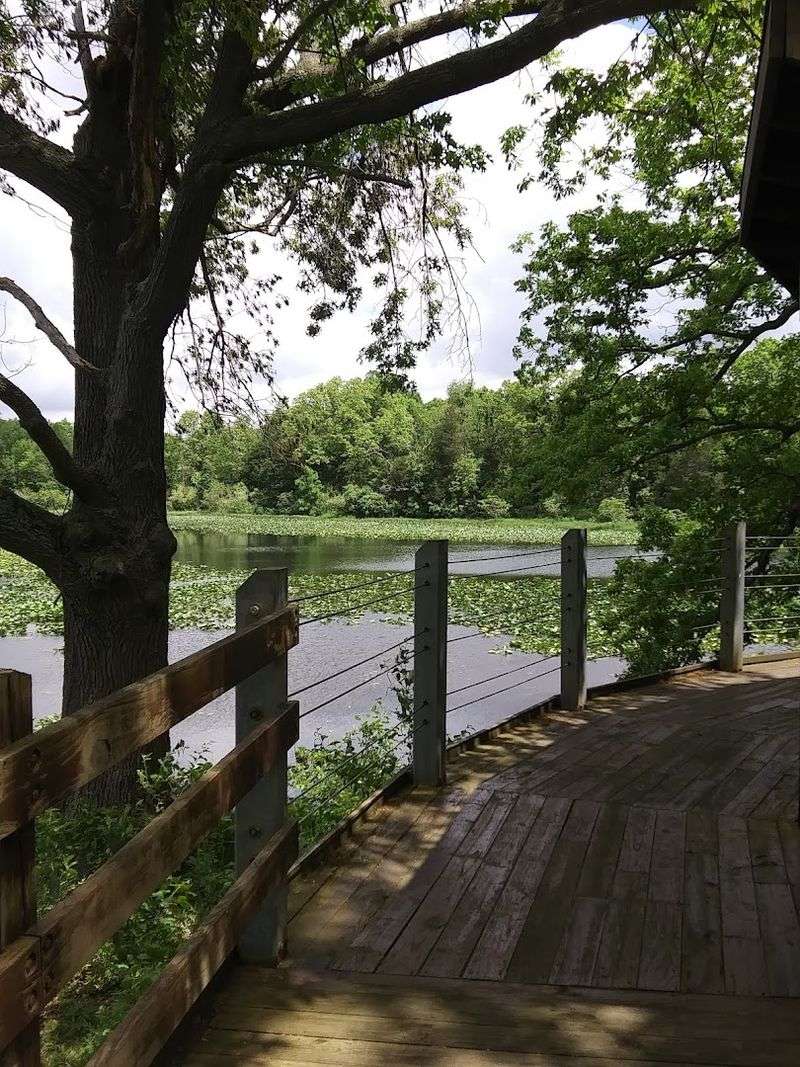
Not many places in Indiana can say they shelter the massasauga rattlesnake and Blanding’s turtle at the same time. Both are state-endangered species, and both depend on the specific conditions that Pisgah Marsh provides.
That makes this preserve something more than a pleasant walk in the woods. It is an active lifeline for animals that are running out of places to exist in this state.
The massasauga rattlesnake is a small, secretive species that most people will never encounter even if they visit regularly. It needs wetland edges and undisturbed ground cover, exactly what Pisgah Marsh protects.
Blanding’s turtle, with its distinctive yellow-throated shell, requires clean, shallow water and stable nesting sites on land nearby. The preserve delivers both.
Knowing that a place you are visiting is genuinely critical to the survival of these species adds a layer of meaning to every step you take there. Conservation is not always visible, but at Pisgah Marsh it is woven into the landscape itself.
The Indiana Department of Natural Resources manages the preserve with these vulnerable populations in mind, keeping human impact low while maintaining the ecological conditions they need. Visiting responsibly here means you become part of that conservation story, which is a quietly powerful thing to carry home with you.
An ADA-Accessible Boardwalk That Brings Everyone Into the Marsh
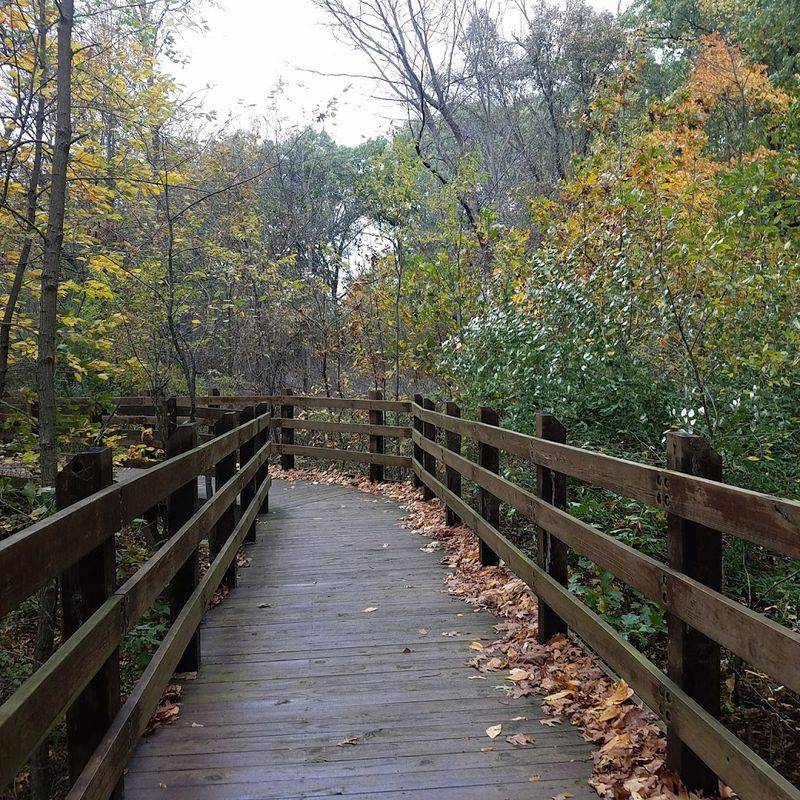
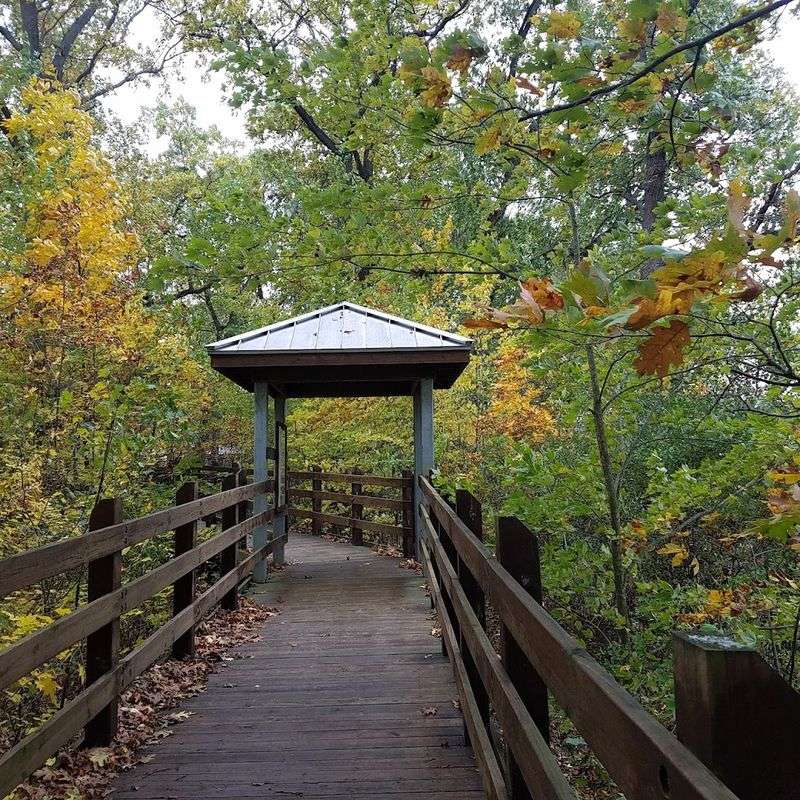
One of the most thoughtful features at Pisgah Marsh is the ADA-accessible boardwalk that carries visitors directly into the heart of the marsh. Not around it, not beside it, but through it.
The boardwalk puts you right above the water, surrounded by marsh grasses, with open sky overhead and the sounds of frogs and birds coming from every direction.
Accessibility in nature preserves is not something to take for granted. Many natural areas in Indiana remain difficult or impossible to navigate for visitors with mobility challenges.
Pisgah Marsh does better than that. The boardwalk makes the most immersive part of the experience available to a much wider range of people, from young children in strollers to older adults who need stable footing.
The boardwalk also functions as a slow-down mechanism for every visitor, regardless of ability. When you are walking on a raised wooden path over water, you naturally move more carefully and quietly.
You notice more. You hear the rustle of unseen birds in the reeds.
You catch the ripple of a turtle sliding off a submerged log. The boardwalk does not just provide access, it creates the right conditions for a genuinely attentive experience.
That combination of inclusivity and ecological mindfulness makes it one of the best features Pisgah Marsh has to offer any visitor.
Birdwatching Opportunities That Draw Enthusiasts From Across the Region
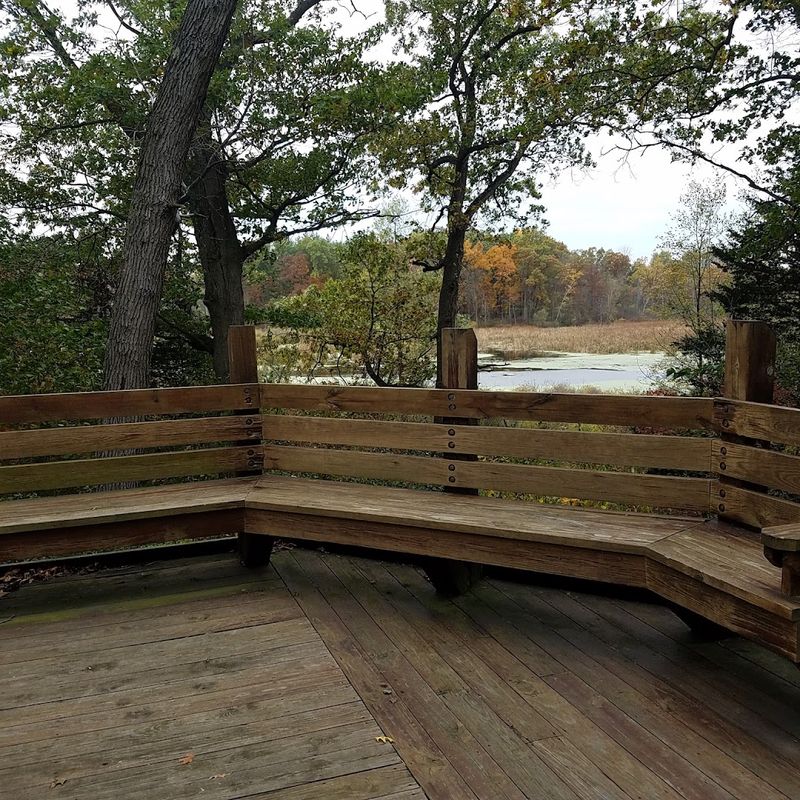
More than 290 bird species have been recorded at Pisgah Marsh. That number is not a boast, it is a testament to what this small preserve manages to deliver for birders of every experience level.
Common Gallinule, Soras, Green Heron, Virginia Rail, and Black-billed Cuckoo are among the species that draw serious birders from well beyond Kosciusko County.
The marsh and its surrounding habitats create a layered birding environment that changes with the seasons. Spring migration brings waves of waterfowl and wading birds moving north.
Summer nesting season fills the reeds with secretive species that are heard far more often than they are seen. Fall migration reverses the flow, and patient observers are sometimes rewarded with uncommon or unexpected sightings.
Winter can bring its own surprises, especially in years when the water stays open longer than usual.
For Indiana locals who bird regularly, Pisgah Marsh belongs on a short list of must-visit sites in the northern part of the state. The combination of rare habitat type, habitat diversity, and sheer species count makes it competitive with much larger preserves.
Bringing a good pair of binoculars and arriving early in the morning gives you the best chance of experiencing the marsh at its most alive. The Indiana Birding Trail recognizes Pisgah Marsh as a premier destination, and that recognition is completely earned by what the land delivers on any given morning.
Educational Programs and Guided Events Worth Planning Around
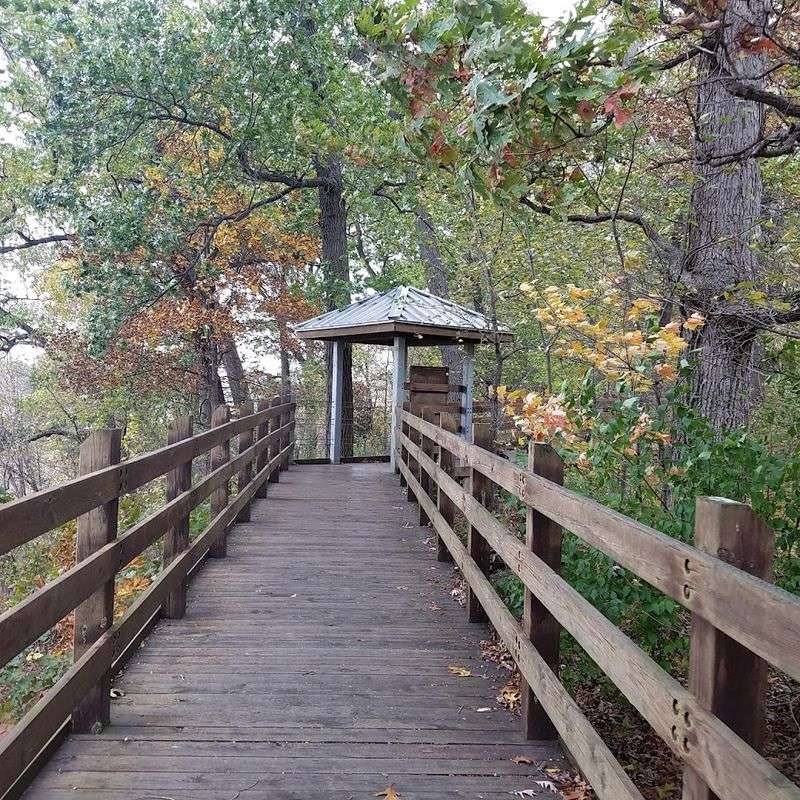
The Indiana Department of Natural Resources does not just protect Pisgah Marsh, it actively invites people to learn from it. Guided hikes and educational events are offered throughout the year, giving visitors a chance to experience the preserve with knowledgeable naturalists who know its rhythms and secrets in ways that a solo visit simply cannot replicate.
One of the most beloved annual events is the Big Sit, a birding event where participants count every bird species observed from a single fixed location over a set period. It sounds simple, but the results at Pisgah Marsh tend to be genuinely impressive given how much avian activity moves through this landscape.
Events like this turn a visit into a shared experience, connecting you with other nature lovers who care about the same things you do.
Guided hikes are particularly valuable for families with children, first-time visitors, or anyone who wants context for what they are seeing. A naturalist can point out the difference between a healthy marsh plant community and one under stress, explain why a beaver dam matters to the whole ecosystem, or help you identify a bird call you have heard a hundred times without ever knowing its source.
Checking the Indiana DNR events calendar before your trip is worth the extra few minutes. Some programs fill up quickly, and arriving without a reservation can mean missing out on one of the most memorable parts of what Pisgah Marsh has to offer.
