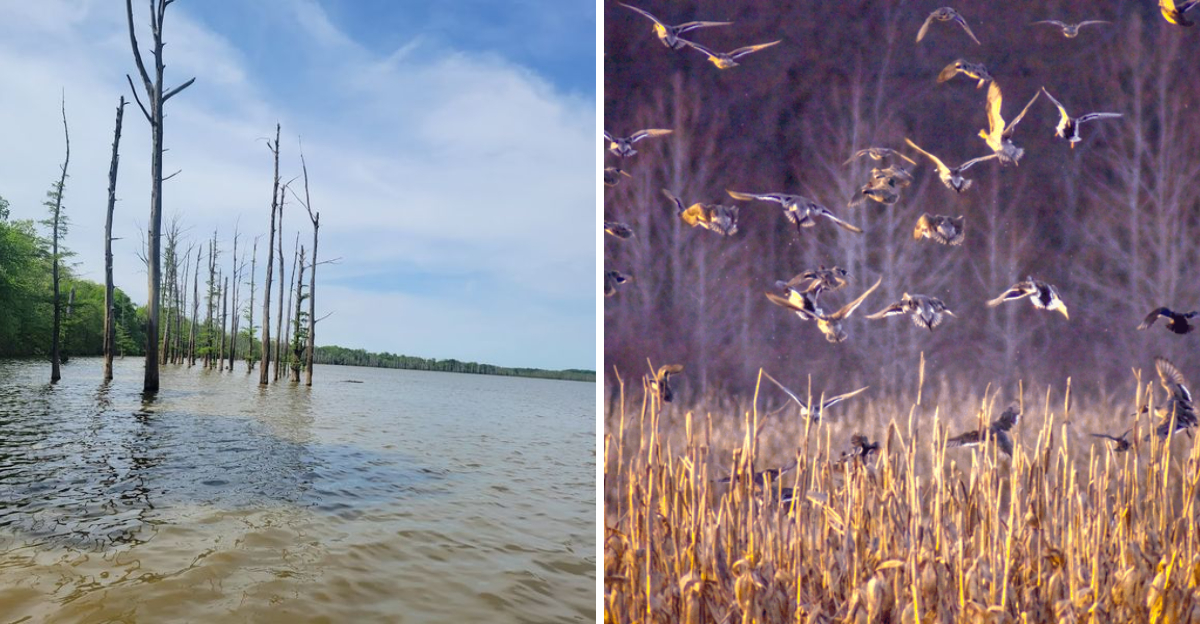
I never expected to find something that felt this wild in Indiana. When I first paddled out onto this lake, the sight of bald cypress trees rising straight out of the water stopped me cold.
It looked more like Louisiana than the Midwest, and that contrast is exactly what makes it so unforgettable. Tucked into the far southwestern corner of the state where the Ohio River bends south, the five-mile paddle route through the flooded cypress swamp is one of the most unique outdoor experiences in all of Indiana.
Whether you are a seasoned kayaker or someone just getting started, this route has a way of pulling you back again and again, with quiet beauty, unexpected wildlife, and a sense of adventure that feels almost otherworldly.
The Flooded Cypress Swamp Feels Like Another World
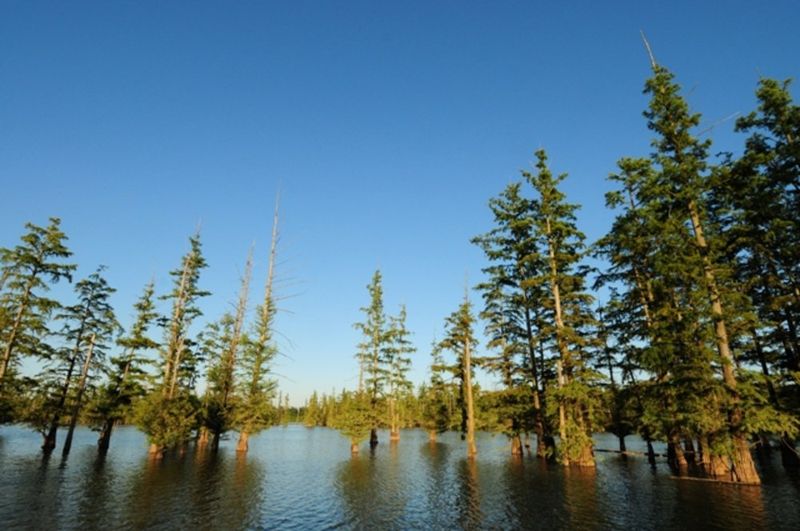
Nothing quite prepares you for the moment your kayak slides between the first bald cypress trunks and you realize you are paddling through a genuine swamp in Indiana. The trees grow straight up from the water, their knobby knees poking above the surface in clusters that look almost prehistoric.
Morning light filters through the canopy in long golden strips, and the whole scene reflects perfectly off the still, dark water below.
Hovey Lake is one of the only places in Indiana where bald cypress trees grow naturally, making it a genuinely rare ecological pocket in the Midwest. The flooded forest creates a layered habitat that feels dense and alive in a way that open water simply cannot.
Every paddle stroke sends ripples through reflections of bark and sky.
The five-mile route takes you deep enough into the swamp that the outside world disappears completely. You stop hearing road noise.
You start hearing frogs, herons, and the occasional splash of a turtle dropping off a log. Local paddlers who have done this route multiple times still say it never gets old, because the swamp shifts with every season and every hour of the day.
Spring floods push the water higher and open new channels. Summer thickens the green canopy overhead.
Fall turns the cypress needles a burnt orange that glows against the dark water. This place earns every mile of the paddle.
Wildlife Sightings That Will Genuinely Surprise You
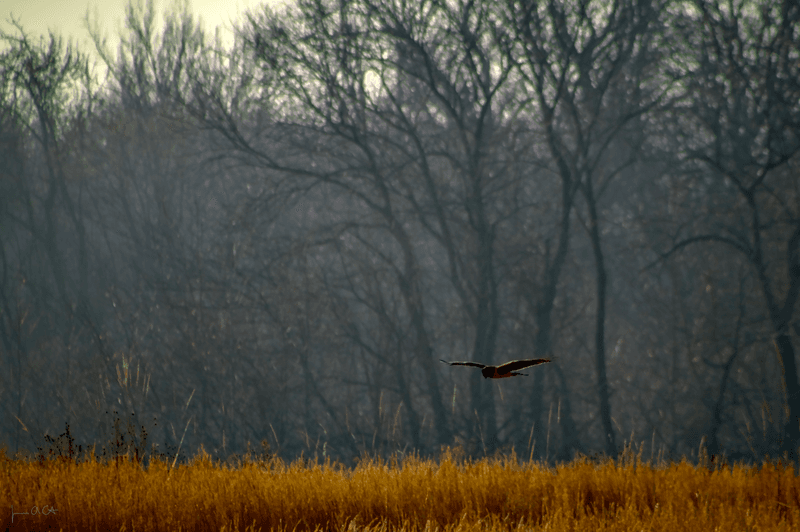
Hovey Lake is a magnet for wildlife, and the variety you encounter on a single paddle can be genuinely jaw-dropping. Great blue herons are practically residents here, standing statue-still in the shallows until you drift too close and they lift off with that slow, prehistoric wingbeat.
Egrets wade along the edges of the cypress stands, bright white against the dark water and green vegetation.
Bald eagles have been spotted along this stretch of the Ohio River corridor, and Hovey Lake sits right in that flyway. Wood ducks nest in the hollow cypress trunks, and during spring migration the bird diversity spikes dramatically.
Birders from across the region make the trip to Posey County specifically for what Hovey Lake offers during those peak weeks.
Below the waterline, the lake holds largemouth bass, bluegill, crappie, and catfish. Anglers who know the area well say the cypress root structures create natural fish habitat that is hard to match anywhere else in southwestern Indiana.
Turtles of several species sun themselves on every available log, and river otters have been reported in the area as well. Deer often appear at the water’s edge in the early morning hours, especially along the dirt roads that border the wildlife area.
The sheer concentration of observable wildlife on a single five-mile paddle is one of the biggest draws this place has going for it.
A Paddling Route That Rewards Every Skill Level
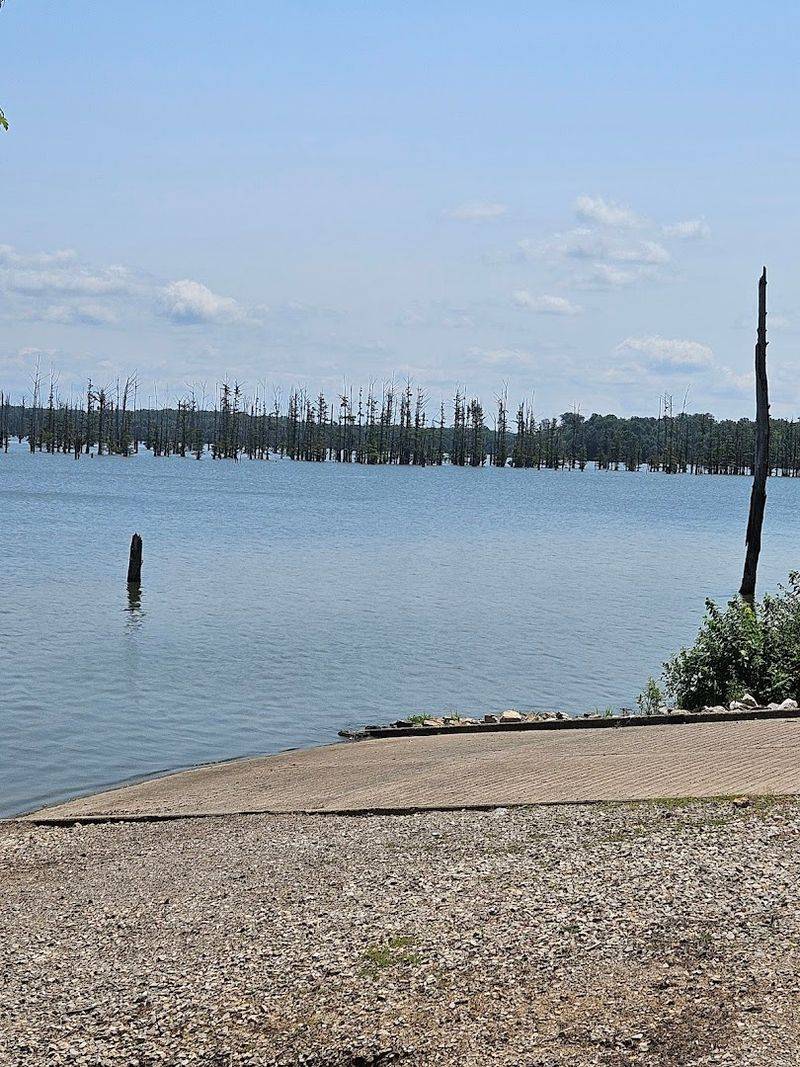
One of the most appealing things about the Hovey Lake paddle route is how accessible it actually is. The water stays calm through most of the route because the cypress swamp buffers wind and current.
There are no rapids, no portages, and no sections that require advanced technique. Beginners can handle this route comfortably with basic paddling skills and a stable kayak or canoe.
That said, the route is long enough to give experienced paddlers a satisfying workout. Five miles of open water and winding swamp channels keeps things interesting without ever becoming monotonous.
You can push your pace on the open lake sections and then slow way down when you enter the cypress stands, where the trunks narrow the channels and force you to navigate more carefully.
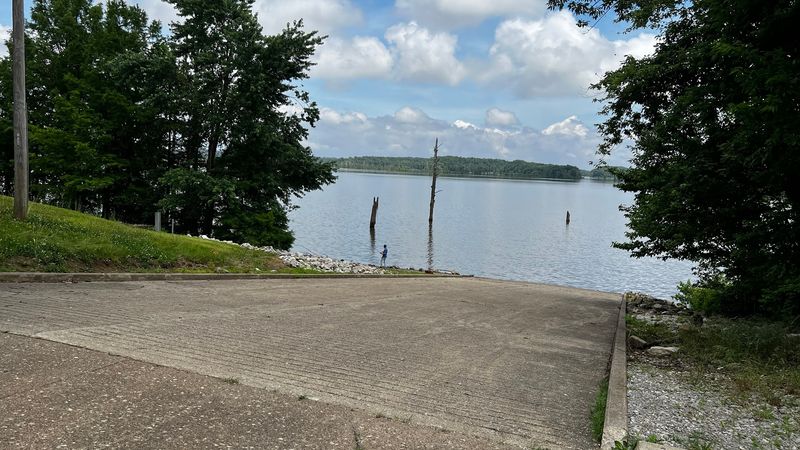
The boat ramp at Hovey Lake provides easy access to the water, and the lake itself is large enough that you can customize your route depending on how much time and energy you have. Some paddlers do the full five miles in one push.
Others break it up with rest stops along the shoreline, pulling their kayaks up on a muddy bank to eat lunch and watch herons work the shallows. The flexibility of the route makes it a good fit for solo paddlers, couples, and small groups looking for a relaxed outdoor adventure in southern Indiana without a lot of logistical overhead.
Scenery That Photographers Chase All Year Long
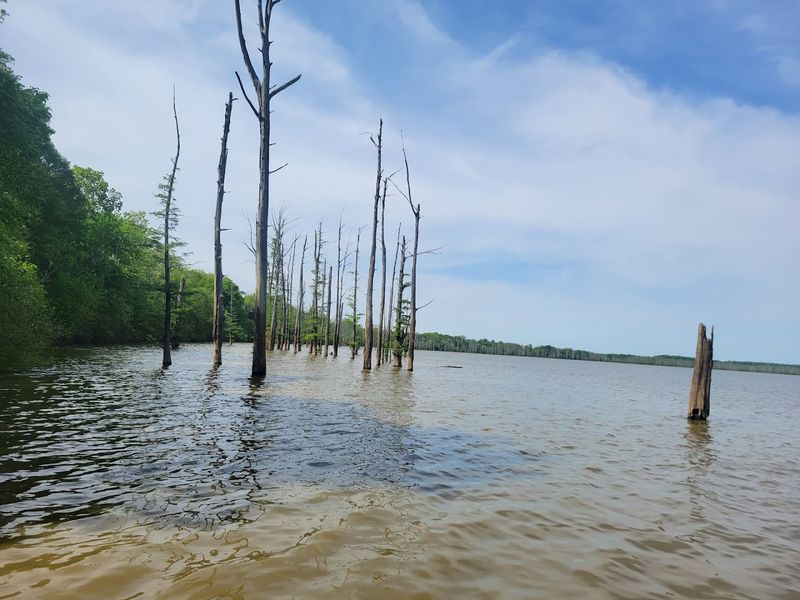
Photographers have been quietly discovering Hovey Lake for years, and it is easy to see why. The combination of flooded cypress trees, open lake water, and abundant wildlife creates a visual environment that produces striking images in almost any light or season.
Early morning paddlers are rewarded with glassy reflections and soft fog that lifts slowly off the water as the sun rises above the treeline.
Fall is arguably the most photogenic season at Hovey Lake. Bald cypress trees turn a warm russet orange before dropping their needles, and that color against the dark water and blue October sky creates a palette that feels almost too vivid to be real.
Photographers who make the drive to Posey County in mid-October consistently come home with some of their best shots of the year.
Spring brings a completely different kind of beauty. Fresh green growth on the cypress tips, blooming wildflowers along the water’s edge, and the constant movement of migrating birds give photographers something new to chase with every passing week.
Even on overcast days, the muted light softens the reflections on the water and gives the swamp a moody, atmospheric quality that works beautifully in black and white. If you are bringing a camera on this paddle, bring more memory cards than you think you need.
The scenery here has a way of filling up storage fast.
The Remote Location Creates a True Escape
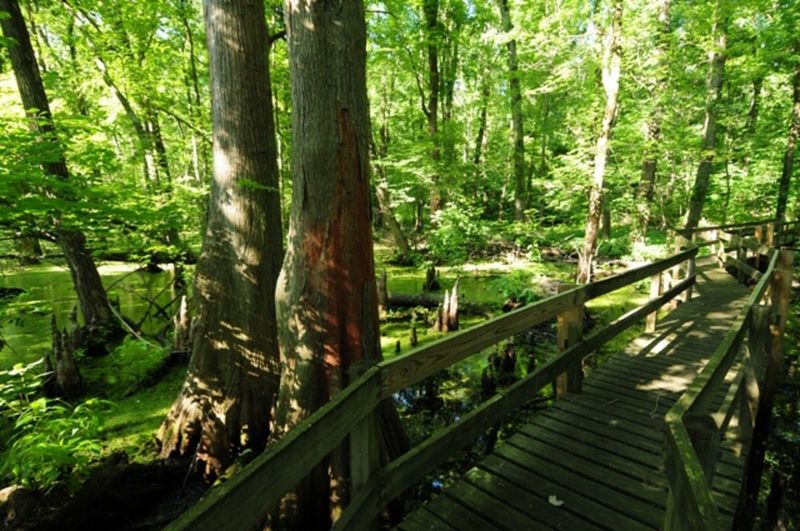
Getting to Hovey Lake requires a bit of a drive, and the final stretch of road into the wildlife area is unpaved and can get rough after rain. That inconvenience is actually part of what makes the place feel so special.
By the time you reach the water, you have already left the familiar behind. There are no crowds, no concession stands, and no background noise from nearby development.
The wildlife area covers thousands of acres along the Ohio River floodplain, and much of it remains undeveloped by design. That means the solitude you find here is genuine and consistent.
On a weekday morning you might have the entire lake to yourself. Even on busy weekends, the sheer size of the area absorbs visitors without feeling crowded.
For Indiana locals who spend most of their outdoor time at state parks that fill up fast on summer weekends, Hovey Lake offers something genuinely different. The remoteness feels earned in a satisfying way.
You drove the dirt road, you put in the miles on the water, and what you get in return is a pocket of southern Indiana that looks and feels completely untouched. Mount Vernon is the closest town, sitting about 15 miles to the north along the Ohio River.
The drive back through Posey County farmland after a day on the water has its own quiet satisfaction to it.
Mount Vernon Offers a Worthwhile Stop Before or After
Mount Vernon is a small river town with more character than it gets credit for. Sitting right on the Ohio River, it has the kind of unhurried pace that makes it a pleasant place to spend a few hours before or after a day on the water at Hovey Lake.
The town square has local restaurants and shops worth browsing, and the riverfront itself offers a nice view of one of the widest stretches of the Ohio in Indiana.
The Posey County Courthouse stands at the center of town and is one of the most photographed historic buildings in southwestern Indiana. The surrounding streets have a walkable, old-town feel that rewards a slow afternoon stroll.
If you are looking for a meal after your paddle, Capers Restaurant at 322 Main Street in Mount Vernon serves comfort food with a local following that goes back years.
The Soaper Community Park along the riverfront at 601 Mulberry Street gives you a place to stretch your legs with a view of the Ohio River after a long paddle. It is a simple, well-maintained green space that locals use regularly.
Mounds State Recreation Area, located just across the river in Illinois, adds another layer of outdoor options for visitors making a full weekend of the trip. Mount Vernon is small enough to feel personal and close enough to Hovey Lake to make the combination a natural pairing.
The Ecological Significance Makes Every Visit Feel Meaningful
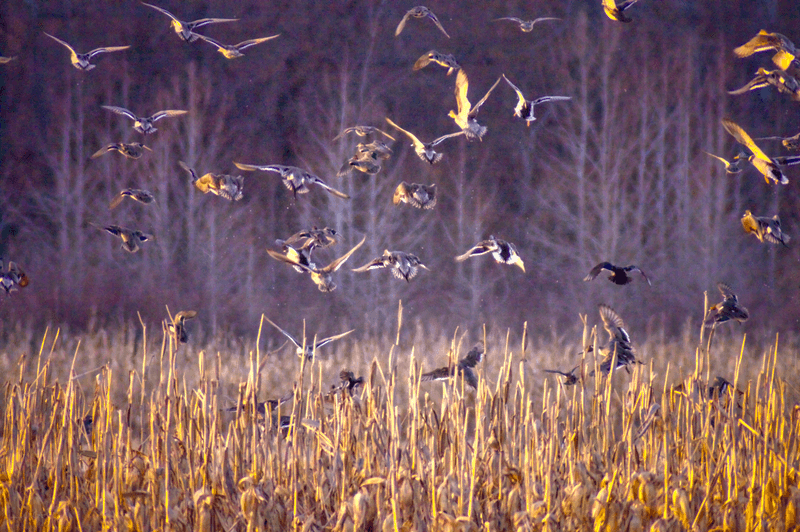
Hovey Lake is not just a pretty paddle. It is one of the northernmost natural bald cypress swamps in the United States, which gives it a scientific and ecological significance that goes well beyond recreation.
The cypress trees here are believed to be remnants of a population that established itself during a warmer climate period thousands of years ago. That history is embedded in every root and trunk you paddle past.
The Indiana Department of Natural Resources manages the Hovey Lake Fish and Wildlife Area with conservation as a central priority. The wetland habitat supports a chain of species that depend on flooded forest ecosystems, from the fish that shelter in root structures to the birds that nest in hollow trunks to the amphibians that breed in the shallow margins.
Visiting this place means entering a functioning ecosystem with real ecological value.
That awareness tends to change how you paddle. You slow down.
You watch more carefully. You start noticing things you would have missed if you were just trying to cover distance.
The cypress knees become fascinating rather than just obstacles. The sound of a woodpecker working a dead trunk overhead becomes something worth stopping for.
Hovey Lake is the kind of place that reminds you why protected natural areas matter, not in an abstract policy sense, but in the immediate, sensory way that only comes from actually being there on the water, surrounded by something genuinely irreplaceable.
Dear Reader: This page may contain affiliate links which may earn a commission if you click through and make a purchase. Our independent journalism is not influenced by any advertiser or commercial initiative unless it is clearly marked as sponsored content. As travel products change, please be sure to reconfirm all details and stay up to date with current events to ensure a safe and successful trip.
