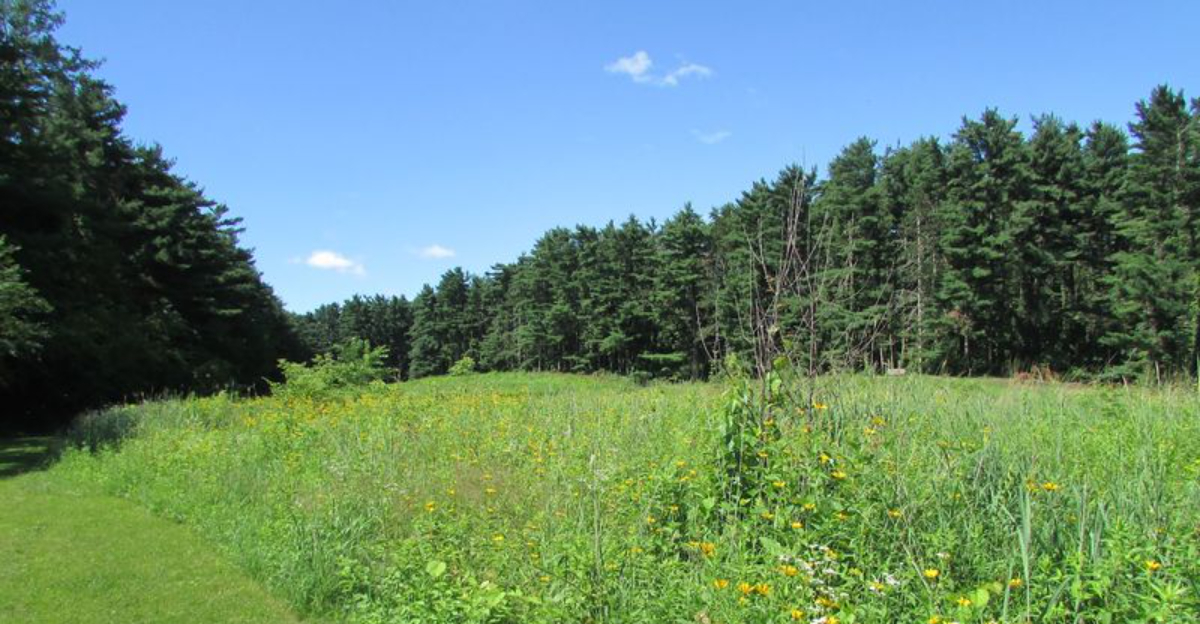
There are parks, and then there are places that genuinely stop you in your tracks. This one is one of those rare spots where history, nature, and pure Indiana character come together in a way that feels almost unreal.
I grew up hearing about the giant tree sign visible from above, and the first time I actually stood near it, I understood why people keep coming back. It is one of those details that sounds simple until you see the scale of it in person.
This 195-acre park carries stories from a long-gone industrial era, offers trails that feel refreshingly wild, and hosts seasonal traditions that bring the whole community out. Whether you are a lifelong Hoosier or just passing through, it is the kind of place that earns a spot on your must-visit list without even trying hard.
The World-Record Studebaker Tree Sign
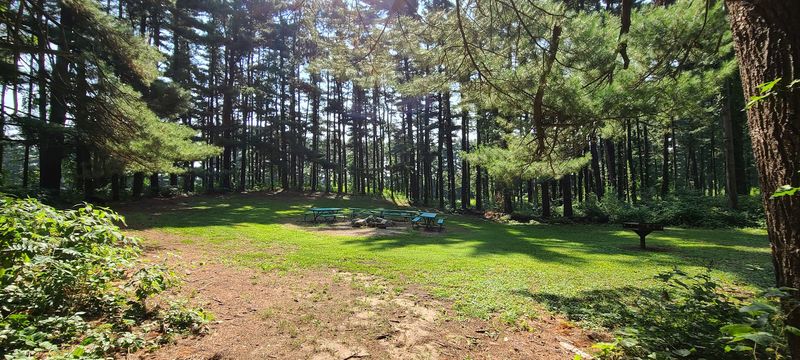
Back in 1938, someone had a bold idea: plant over 8,000 pine trees in a field to spell out a company name so large it could be read from the sky. That idea became the Studebaker Tree Sign at Bendix Woods, and it earned a spot in the Guinness Book of World Records in 1987 as the world’s largest living advertisement.
It is one of those facts that sounds almost too wild to believe until you see it.
The trees were originally planted as a salute to the growing aviation industry, meant to be spotted by pilots flying overhead. Decades later, the sign still stands, the pines tall and full, the letters still legible from above.
Walking near the formation on the ground gives you a sense of the sheer scale involved.
For Indiana locals, this is the kind of landmark that sparks genuine pride. There is nothing else quite like it in the state, and honestly, very little like it anywhere in the world.
Visiting feels like stepping into a chapter of American industrial history that most textbooks skip over. Bring your curiosity and maybe a pair of binoculars if you want the full effect from a distance.
The sign is a living reminder that creativity and craftsmanship ran deep in this corner of Indiana long before anyone thought to put it on a map.
Rich Automotive History Rooted in the Land
Most people do not realize they are walking on what was once a full-scale automobile proving ground. The Studebaker Corporation established this site in 1926 as a place to test their vehicles, and the land still carries that legacy in quiet but meaningful ways.
Bendix Woods is essentially a living museum layered beneath the grass and trees.
The proving grounds covered a massive stretch of St. Joseph County, and Studebaker engineers used this space to push their cars to the limit before sending them to market. That kind of industrial history gives the park a weight and a story that most green spaces simply do not have.
Walking the trails here, you are covering ground that some of the most iconic American automobiles once rolled across.
For anyone who grew up in northern Indiana, Studebaker is more than a brand name. It is a piece of regional identity, woven into family stories and local memory.
Bendix Woods keeps that memory alive in a way that feels organic rather than forced. There are no flashy exhibits demanding your attention.
Instead, the history is simply present, embedded in the land itself. If you have ever felt curious about what made this corner of Indiana so significant during the early twentieth century, a visit here answers that question in a way no museum display quite can.
Five Miles of Trails Through Wooded Terrain
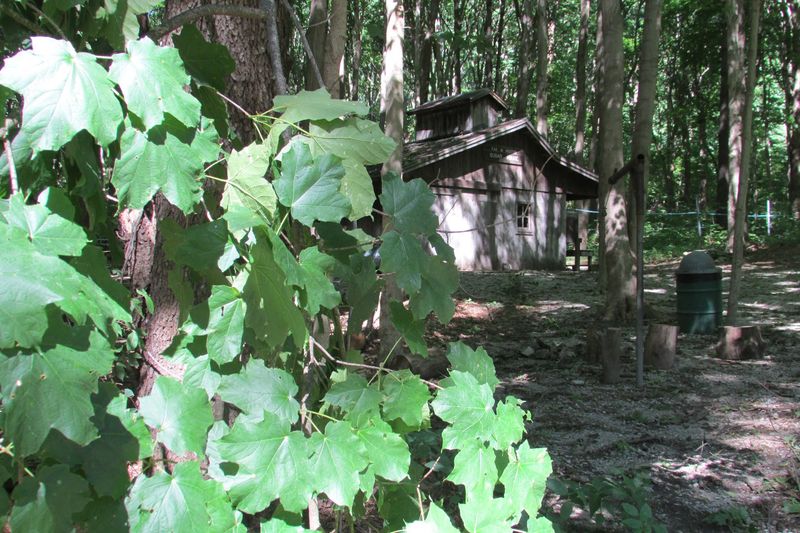
Few things clear the mind faster than a solid walk through dense Indiana woodland, and Bendix Woods delivers that experience across more than five miles of hiking trails. The paths wind through a mix of mature trees, open meadows, and quiet pond edges, giving every walk a slightly different feel depending on the season.
Spring brings wildflowers that practically glow along the trail edges.
The terrain is accessible enough for casual walkers but interesting enough to keep seasoned hikers engaged. You are not going to find dramatic elevation changes here, but the variety of ecosystems packed into 195 acres makes each stretch of trail worth paying attention to.
Birdwatchers in particular find this park rewarding, with a solid mix of species passing through or nesting throughout the year.
Mountain bikers also have their own dedicated six-mile trail, which keeps foot traffic and bike traffic from competing for the same space. That kind of thoughtful layout makes the park feel well-organized without feeling sterile.
I find that the trails here have a genuinely wild quality that some larger, more manicured parks lose over time. The sound of the wind through the pines near the tree sign area is something that stays with you.
Pack comfortable shoes, bring water, and plan to spend at least a couple of hours exploring. You will almost certainly want more time than you budgeted for.
Maple Syrup Season Brings the Park to Life
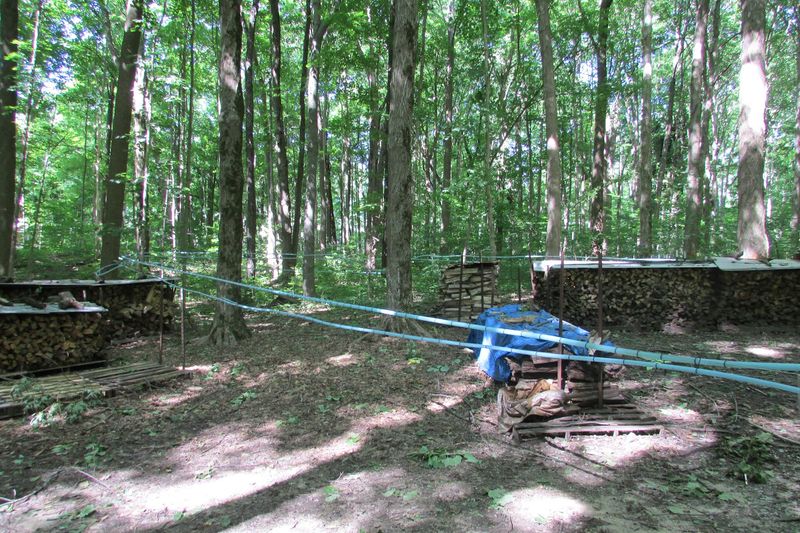
Every year from late February through mid-March, Bendix Woods transforms into something that feels genuinely festive. Around 60 maple trees get tapped for sap, and the park opens up the process for visitors to watch and learn.
Sugar camp season here is a beloved local tradition that draws families, school groups, and curious adults from across the region.
Watching sap get collected and processed into syrup is one of those experiences that connects you to something old and satisfying. There is a patience to the whole process that modern life rarely asks of us, and spending time at the sugar camp is a quiet reminder of how much work goes into simple, good things.
Kids especially seem to light up when they realize syrup comes from a tree and not a factory.
The event has a community feel that is hard to manufacture and impossible to fake. People show up bundled in coats, steam rises from the processing area, and the whole park smells faintly sweet.
It is the kind of seasonal tradition that Indiana families return to year after year, sometimes bringing the same kids who are now bringing their own children. If you have never attended sugar camp at Bendix Woods, this is genuinely one of the more charming late-winter activities available in St. Joseph County.
Mark your calendar well in advance because word gets around fast.
Educational Programs That Actually Stick
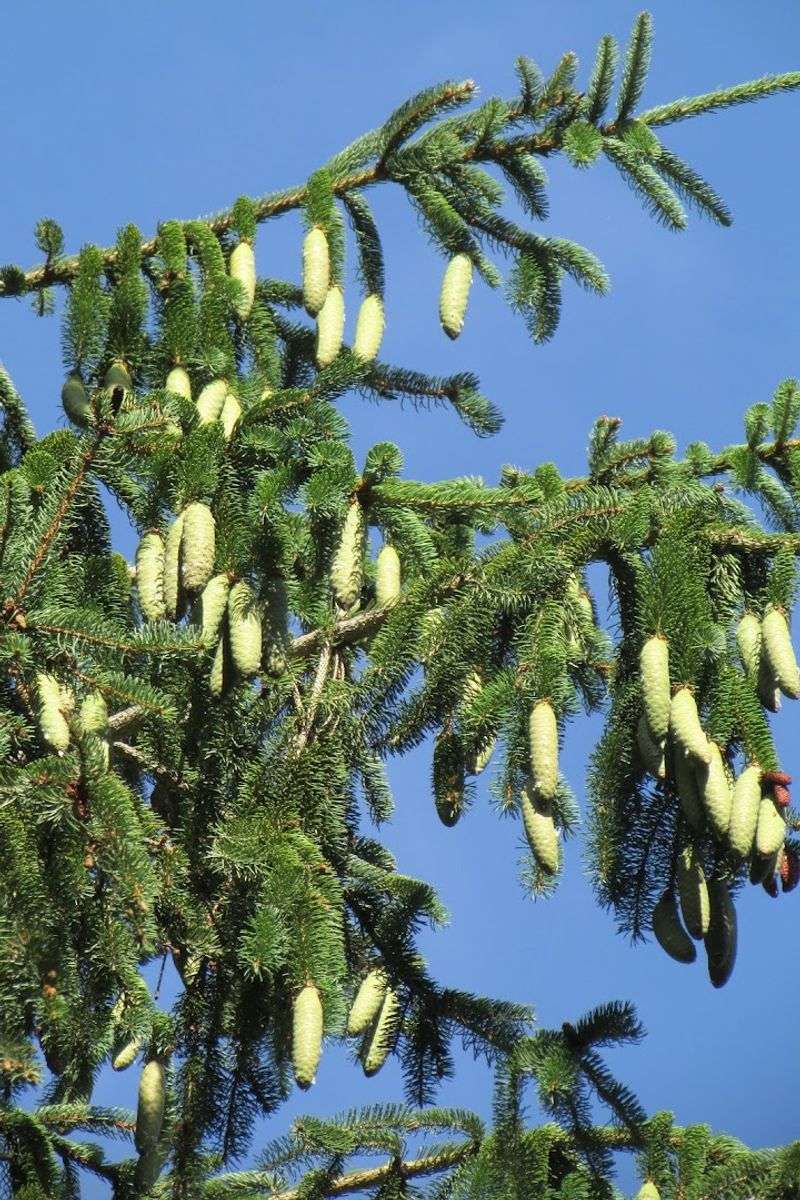
Not every park offers programming that goes beyond a printed trail map, but Bendix Woods takes education seriously in a way that feels refreshing. The park runs interpretive programs covering wildflowers, trees, birds, and pond ecology, giving visitors a structured way to understand what they are actually looking at when they walk the grounds.
These are not dry lectures. They are hands-on, place-based experiences that make the natural world click.
For school groups, the programs align well with science curriculum goals while still feeling like an adventure rather than a classroom. Kids who might tune out a textbook tend to pay close attention when a naturalist is pointing out a great blue heron thirty feet away.
That kind of learning stays with a person in a way that worksheets rarely do.
Adults benefit just as much from these programs, especially those who want to sharpen their plant or bird identification skills. There is always something new to notice at Bendix Woods, and having a knowledgeable guide along changes the entire experience.
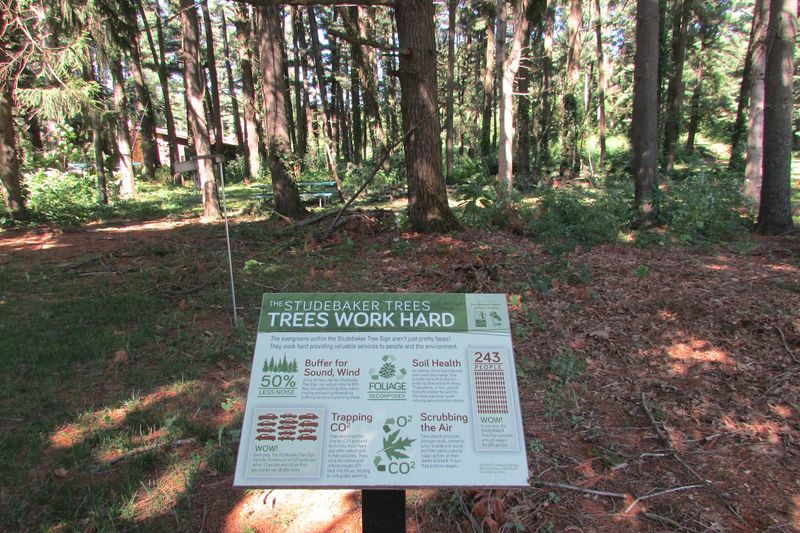
Even if you visit on your own without joining a program, the park’s interpretive signage adds context that enriches the walk. The educational dimension here is one of the reasons Bendix Woods feels like more than just a pretty place to wander.
It is a place where you can genuinely learn something about the natural world of northern Indiana without even trying that hard.
Family-Friendly Facilities That Make a Full Day Easy
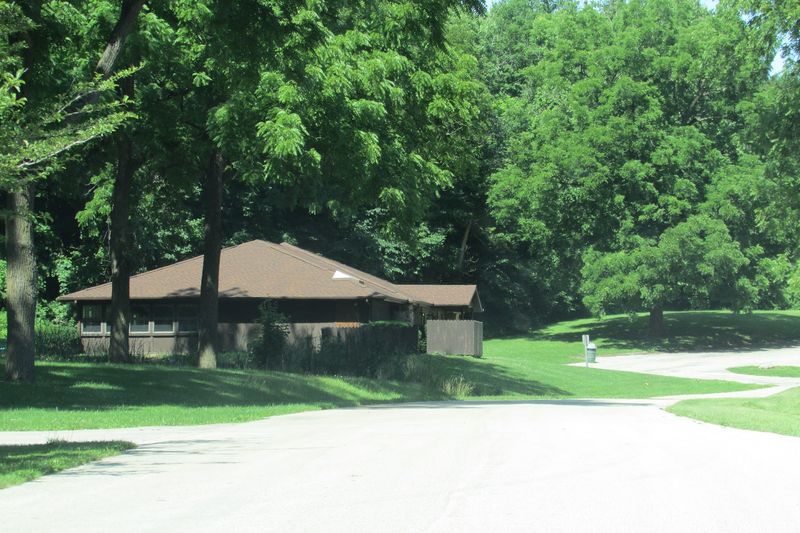
Planning a full day at a park only works when the facilities actually support it, and Bendix Woods, located at 32132 State Road 2, New Carlisle, IN 46552 gets that balance right. Picnic sites and covered shelters are spread throughout the property, making it easy to claim a comfortable spot for lunch without hiking far from the trailhead.
The shelters can be reserved for larger gatherings, which makes this a popular choice for family reunions and group outings.
A playground gives younger kids a dedicated space to burn energy between trail walks, and the sledding hill turns winter visits into something genuinely exciting for the whole family. There is a seasonal quality to Bendix Woods that means no two visits feel quite the same, and the facilities are designed to support activity in all four Indiana seasons.
That kind of year-round usability is not something every county park can claim.
What I appreciate most about the setup here is that it feels lived-in rather than over-designed. The shelters are sturdy and functional, the grounds are well-maintained, and the overall vibe is welcoming without being overly polished.
It is the kind of park where you can show up with a cooler, a frisbee, and a group of people ranging from toddlers to grandparents and have everyone genuinely happy by the end of the afternoon. That is a harder thing to pull off than it sounds, and Bendix Woods does it with what feels like very little effort.
The Historic Studebaker Clubhouse and Nature Center
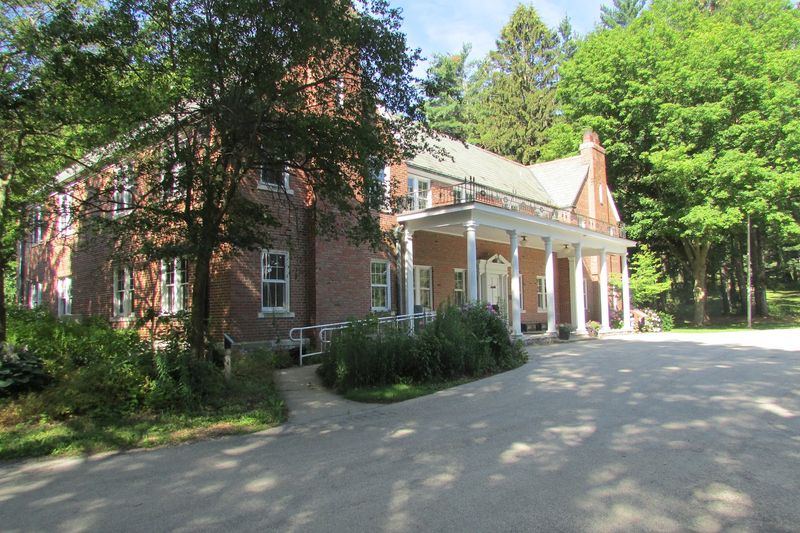
Built in 1926 as part of the original Studebaker proving grounds, the clubhouse at Bendix Woods is one of those buildings that earns your attention the moment you see it. It now functions as a nature center, but its bones are pure 1920s craftsmanship, and its listing on the National Register of Historic Places is well deserved.
The structure carries a quiet authority that newer buildings rarely manage.
Inside, the nature center connects the park’s ecological programming to its physical home in a way that feels cohesive. Visitors can stop in to learn about the park’s history, pick up trail information, or participate in scheduled programs.
The building itself is part of the story, a tangible link between the industrial ambitions of the Studebaker era and the conservation values that define the park today.
For history enthusiasts, the clubhouse alone is worth the drive to New Carlisle. Standing inside a structure that has witnessed nearly a century of change in northern Indiana gives you a different perspective on the landscape around you.
The park sits at 56990 Timothy Rd, New Carlisle, IN 46552, and is easy to reach from South Bend. Nearby, the Studebaker National Museum at 201 Chapin St in South Bend offers an excellent complement to the experience if you want to extend your exploration of the region’s automotive heritage into a full day of discovery.
Dear Reader: This page may contain affiliate links which may earn a commission if you click through and make a purchase. Our independent journalism is not influenced by any advertiser or commercial initiative unless it is clearly marked as sponsored content. As travel products change, please be sure to reconfirm all details and stay up to date with current events to ensure a safe and successful trip.
