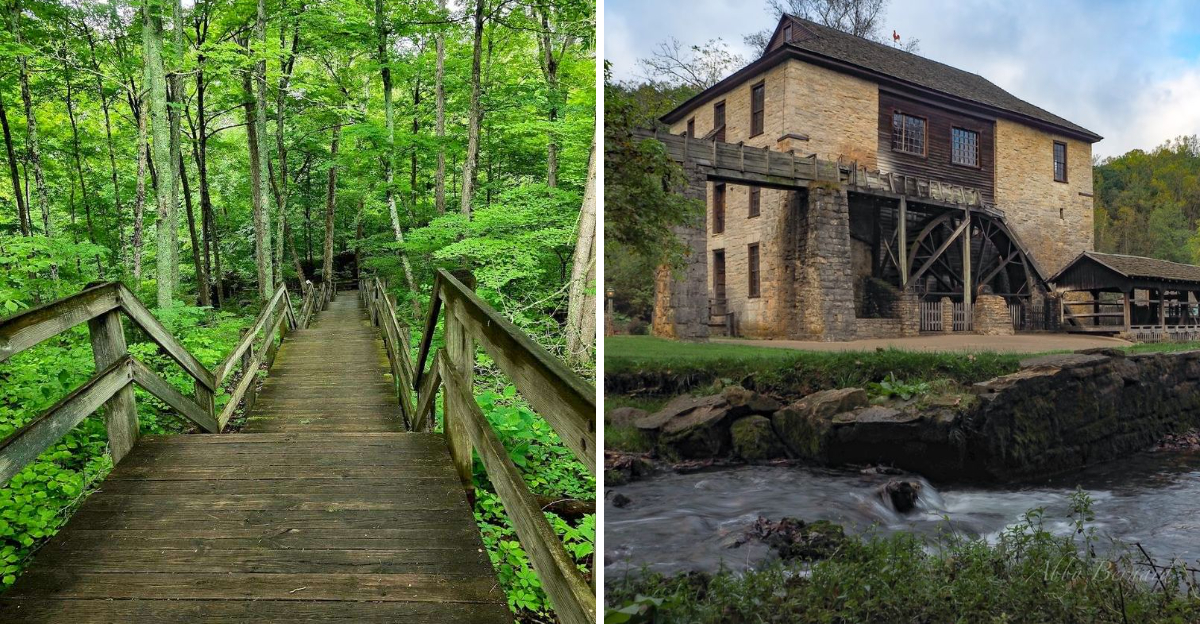
I still remember the first time I walked into Spring Mill State Park and felt like I had stepped into two completely different worlds at once.
Above ground, there were pioneer cabins, a working grist mill, and forest trails that seemed to go on forever, winding through limestone bluffs and thick stretches of hardwood trees.
The reconstructed 19th-century village feels almost cinematic, with the steady rhythm of the mill wheel and the quiet creak of wooden porches pulling you straight into another era. Below ground, hidden rivers and blind cave fish move through ancient passages carved out over millions of years, inside caves that most visitors do not even realize are there.
The cool air, the echo of dripping water, and the sense of standing inside something far older than the town above create a contrast that is hard to describe until you experience it yourself.
The Secret Cave System Hiding Right Under the Park
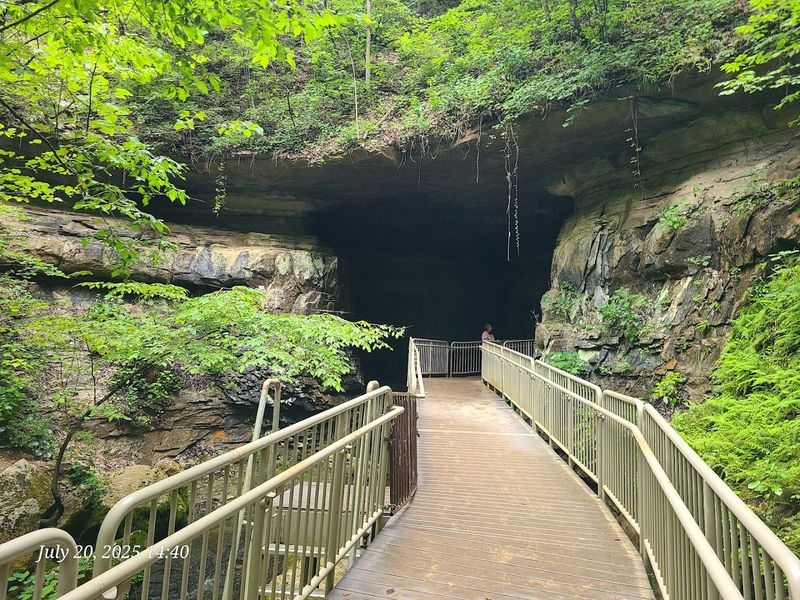
Most people show up at Spring Mill State Park expecting a nice walk in the woods. What they do not expect is a boat ride into the earth itself.
The cave system here is genuinely one of the most jaw-dropping natural features in all of Indiana.
Twin Cave is the crown jewel of the underground experience. You board a flat-bottomed boat and glide into a carved-out limestone passage where the ceiling drips and the air turns cool in an instant.
The tour runs about 20 to 30 minutes and costs just $3 per person, which feels almost too good to be true. Blind cave fish drift through the water beneath you, their pale bodies adapted to a life without light.
Donaldson Cave is a different kind of adventure altogether. You hike down a staircase, and the mud and slippery surfaces are part of the charm.
Visitors who have been there describe it as something that never gets old, no matter how many times they return.
A few important things to keep in mind: boat tours for Twin Cave fill up fast. The sign-up sheet opens at 9 AM, and by 11 AM the schedule is often completely full for the day.
Getting there early is the single best advice anyone can give you. The caves alone are worth the trip to 3333 IN-60 E, Mitchell, IN 47446.
A Pioneer Village Frozen in the 1800s
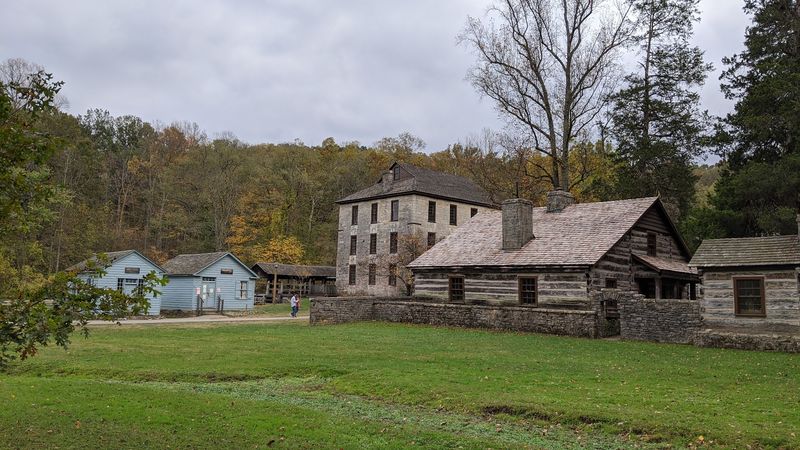
Walking into the Pioneer Village at Spring Mill feels less like a museum visit and more like accidentally wandering into a living history film. The limestone buildings are original structures, not replicas, and that detail changes everything about how the place feels.
The grist mill is the centerpiece of the whole village. Powered by spring water, it actually grinds corn right in front of you, and the staff and volunteers who run it are genuinely enthusiastic about sharing what they know.
You can buy the fresh-ground cornmeal right there, and visitors consistently say it is one of the best souvenirs you can take home.
Beyond the mill, there are buildings dedicated to leatherworking, blacksmithing, weaving, and even an apothecary. During warmer months, historic interpreters in period clothing bring the whole place to life in a way that is especially engaging for kids.
One visitor mentioned that their child developed a lifelong love of history after a single afternoon here.
The village sidewalks are stroller-friendly, which makes it easy for families with young children to explore without stress. The gift shop near the entrance sells homemade items at prices that are noticeably lower than most typical park gift shops.
If you visit in September, plan your trip around the Persimmon Festival and the magical Candlelight Tour, two community events that transform the village into something truly unforgettable.
The Gus Grissom Memorial That Most Visitors Miss
Here is something that surprises almost every first-time visitor: Spring Mill State Park is home to a full memorial dedicated to Gus Grissom, one of the original Mercury Seven astronauts and a proud son of Mitchell, Indiana. The park and the space program exist side by side here, and somehow it works perfectly.
The Gus Grissom Memorial sits right inside the park and houses a collection of artifacts, photos, and displays that tell the story of Grissom’s life from his small-town Indiana roots to his role in America’s earliest space missions. Seeing his actual space equipment up close is a surprisingly emotional experience, especially if you grew up in Indiana hearing his name.
One couple who visited in January described the memorial as one of the highlights of their trip, calling it a fascinating blend of pioneer history and space age history all wrapped up in one park. That combination is genuinely rare.
Most parks offer one theme. Spring Mill offers at least three.
The memorial is free with park admission and easy to find near the main park area. Even visitors who are not space enthusiasts tend to linger longer than they planned once they start reading the displays.
For Indiana locals especially, there is something quietly powerful about standing in the same county where a man grew up who later rode a rocket into orbit.
Hiking Trails That Surprise You at Every Bend
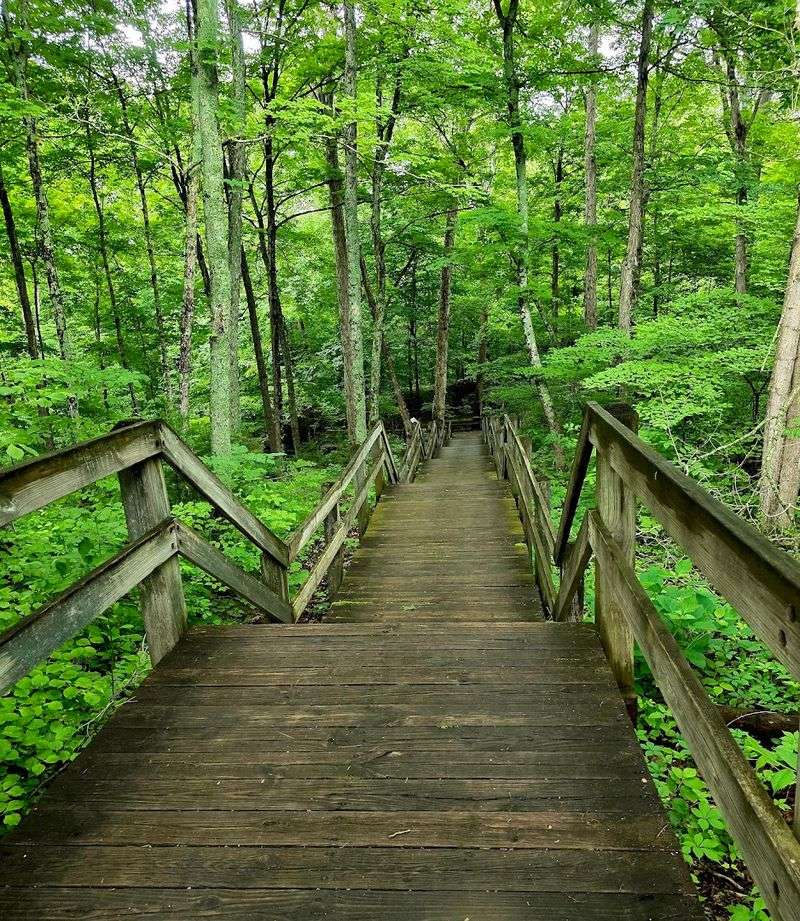
Spring Mill sits on a karst landscape, which means the terrain does things that flat Indiana farmland simply cannot. Sinkholes open up beside the trail without warning.
Cliffs appear where you least expect them. The whole place feels geologically alive in a way that is hard to describe until you have experienced it yourself.
The trail network here ranges from easy paved paths to more rugged routes that wind through dense hardwood forest and past cave openings. Families with young children can enjoy the gentler loops near the Pioneer Village, while more experienced hikers can push toward the back trails where the landscape gets wilder and quieter.
Fall is an especially popular time to visit. Visitors who come in mid-October describe the colors as genuinely lovely, and the lower water levels in autumn sometimes allow adventurous hikers to explore cave entrances that would otherwise be inaccessible.
One returning visitor mentioned taking dozens of trail photos specifically to use as reference for watercolor paintings during winter, which says something about how visually striking the scenery really is.
A nature center near the trail system houses live animals and gives visitors helpful context about the local ecosystem before they head out. The lake trail is a particular favorite, offering calm water views that reward a longer hike.
Parking lots near most cave and trail access points make it easy to plan your route without backtracking across the whole park.
Spring Mill Inn: A Place to Actually Stay and Slow Down
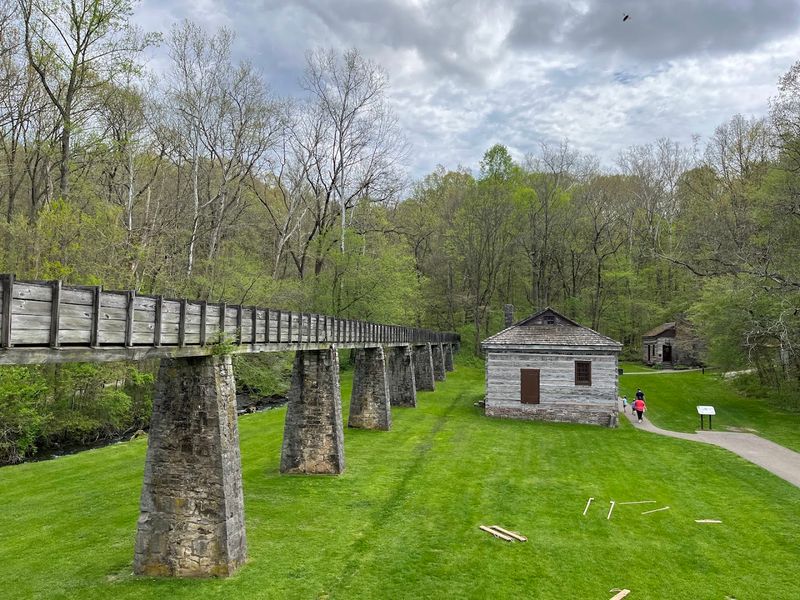
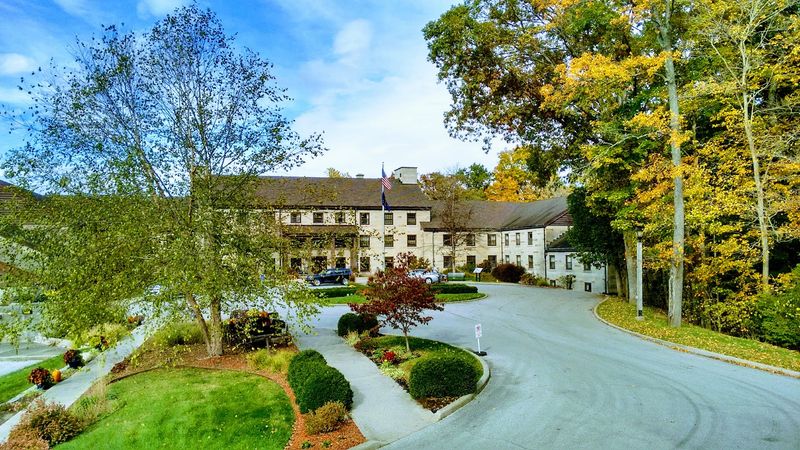
Not every state park in Indiana gives you the option to sleep inside the park itself, wake up to birdsong, and walk to breakfast without getting in your car. Spring Mill Inn makes that possible, and after a recent renovation, the inn is better than it has been in years.
Visitors consistently praise the breakfast buffet and the overall atmosphere of the inn as warm and unhurried. The restaurant has become a destination in its own right.
One visitor raved about a peanut butter burger they tried at lunch, calling it delicious. Another couple celebrated their anniversary at the inn after having spent their honeymoon there 56 years earlier, which tells you something about the kind of loyalty this place inspires.
The lower level of the inn is a genuine surprise. There is a game room with a pool table, chess, board games, and even a piano.
Indoor and outdoor splash pads make it a solid choice for families with younger kids who need to burn off energy after a day of hiking and cave touring.
Camping is also available for those who prefer to sleep under the stars. The campground has full hookups, though some sites are on steeper grades so checking the layout before booking is smart.
Whether you book the inn or a campsite, staying overnight completely changes the experience. The park at dusk, when the day visitors have gone home, has a stillness that is worth every penny.
The Pool, the Lake, and Every Reason to Splash Around
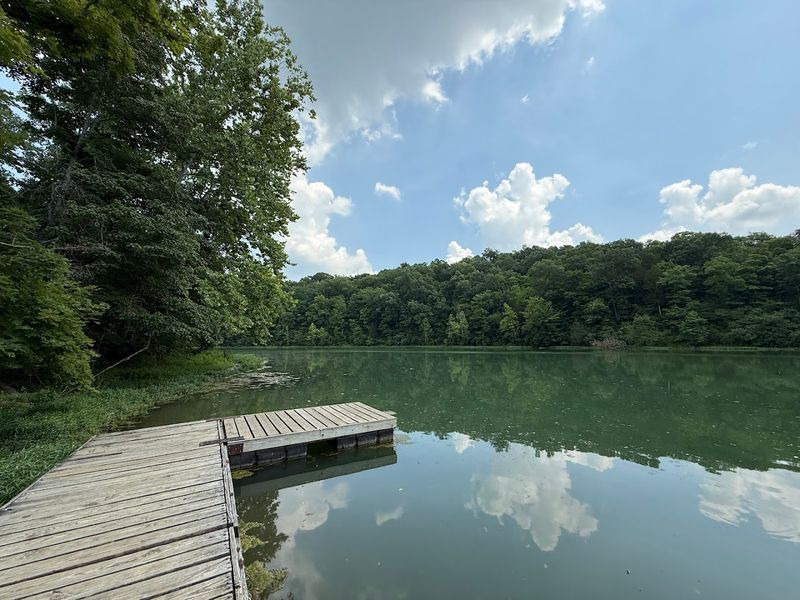
Outdoor recreation at Spring Mill goes well beyond hiking. The park has a large swimming pool that draws families all summer long, and at just $3 per adult when last checked, it is one of the more affordable ways to spend a hot Indiana afternoon.
Pool hours typically run from 11 AM to 6 PM, so planning your cave tour in the morning and pool time in the afternoon makes for a genuinely full day.
The lake inside the park is beautiful in a quieter way. Hiking around it gives you some of the most scenic views in the whole park, and the calm water surrounded by mature trees makes it feel removed from the rest of the world.
Several visitors have described the lake as worth the hike on its own, even if you never make it to the caves or the village.
Mountain bike trails add another layer of activity for those who want to cover more ground. The park also offers numerous picnic areas with grills scattered throughout, making it easy to set up a full family cookout without hauling equipment far from your car.
Spring Mill has a rare quality among Indiana state parks in that it genuinely offers something for every energy level. Whether you want to sit quietly by the water or spend the whole day physically active, the park accommodates both without feeling like it is trying too hard.
That kind of balance is harder to find than it sounds.
The Living History Crafts and Hands-On Experiences You Cannot Get Anywhere Else
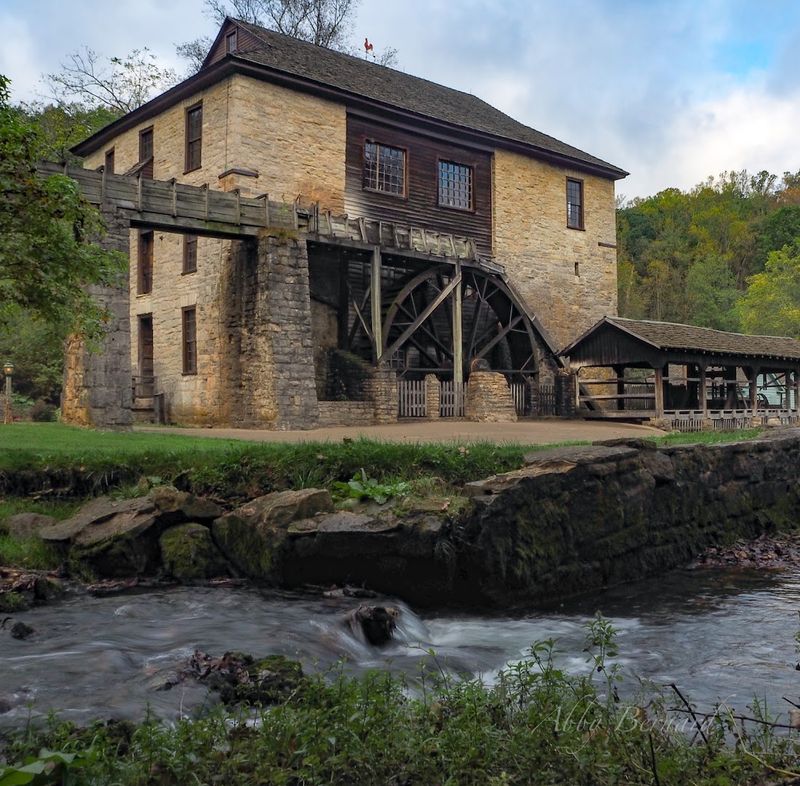
There is a foot-powered Golding Pearl hand-fed printing press operating inside the Pioneer Village at Spring Mill State Park. That single detail tells you everything you need to know about the level of authenticity this place commits to.
Most history museums show you things behind glass. Spring Mill lets you watch them work.
The textile and weaving demonstrations give visitors a real sense of how labor-intensive daily life was in the early 1800s. Volunteers and staff members who run these demonstrations are knowledgeable and genuinely enjoy talking with visitors, which makes the whole experience feel more like a conversation than a lecture.
Kids who might normally tune out in a history class tend to stay completely engaged here because the learning is tactile and immediate.
The leather shop, the blacksmith demonstration, and the apothecary building all add to a sense of a fully functioning community rather than a collection of isolated exhibits. The museum housed within the mill building covers three floors and traces the entire story of the village from its founding through its decline and eventual restoration.
One visitor described it as a great crash course in history for students, and that description is accurate without being reductive.
Even small details like the gift shop selling handmade goods at reasonable prices reinforce the park’s commitment to keeping history accessible. Buying a bag of freshly ground cornmeal from the actual mill is one of those small moments that somehow sticks with you long after you have driven back home on IN-60.
Dear Reader: This page may contain affiliate links which may earn a commission if you click through and make a purchase. Our independent journalism is not influenced by any advertiser or commercial initiative unless it is clearly marked as sponsored content. As travel products change, please be sure to reconfirm all details and stay up to date with current events to ensure a safe and successful trip.
