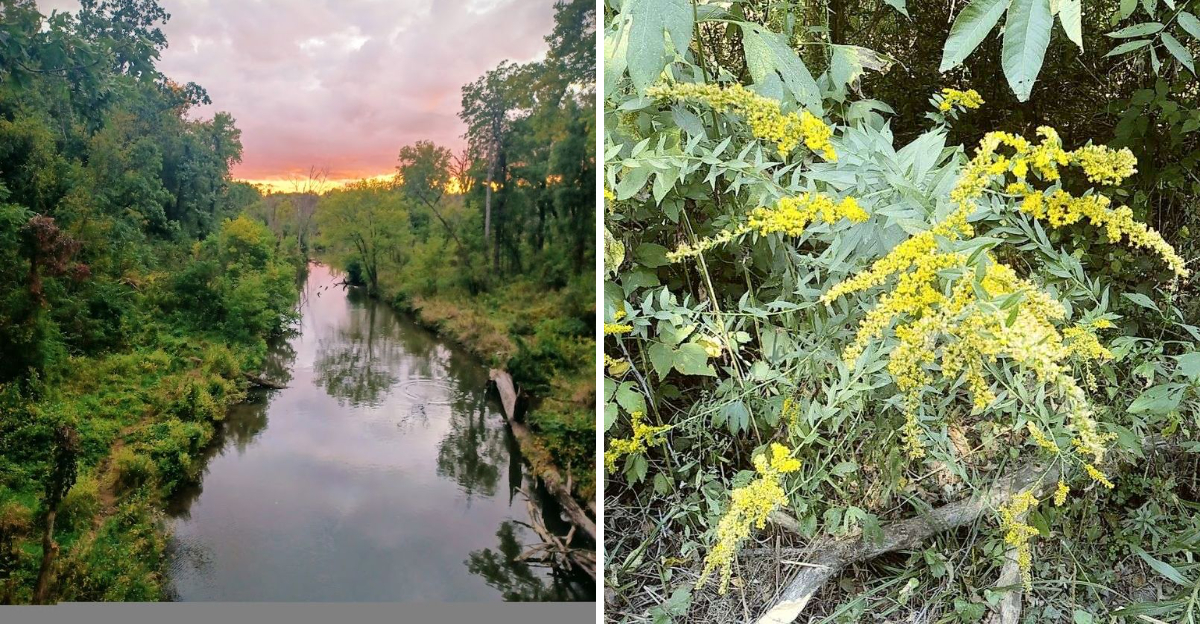
There is something about a flat, open trail in northwest Indiana that makes you slow down, breathe, and notice the world around you in a way that city streets rarely allow. From the moment I learned it winds through rare wildflower habitats and stretches of natural prairie, I knew it was worth exploring.
The paved path makes walking or cycling effortless, while the wide-open skies and native plant life give every step a sense of calm and purpose. Birds flit overhead, the breeze carries the scent of grass and earth, and the landscape unfolds slowly, inviting you to take your time.
For locals and visitors coming from nearby Chicago, this trail offers more than a casual stroll; it’s a chance to connect with nature, unwind, and experience a side of Indiana that feels quietly extraordinary.
10 Miles of Flat, Smooth Pavement Built for Everyone
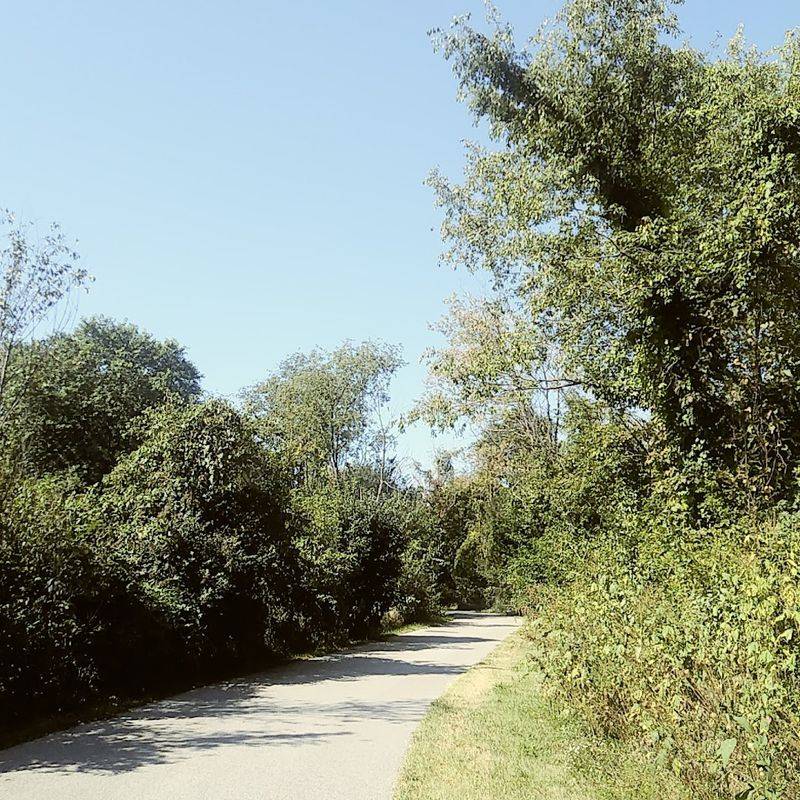
Not every trail is built with accessibility in mind, but Prairie Duneland Trail genuinely is. The entire route runs approximately 10 miles of smooth, flat pavement that welcomes cyclists, joggers, walkers, and even those using mobility aids.
That kind of inclusive design is rare and worth celebrating.
Flat terrain might sound boring to serious mountain bikers, but it is exactly what casual riders and families need. You can cruise along without worrying about steep climbs or technical descents.
The surface stays consistent, which makes planning your outing simple and stress-free.
Indiana’s northwest region is not exactly known for dramatic elevation changes, and this trail leans into that geography beautifully. The flatness lets your eyes wander outward across the surrounding landscape instead of constantly watching your footing.
That shift in focus changes the whole experience.
Whether you are introducing a young child to trail riding or recovering from an injury and easing back into outdoor activity, the pavement here feels almost thoughtfully designed. Bring your cruiser bike, your walking shoes, or your inline skates.
The trail handles all of them well and keeps the focus on enjoying the scenery rather than surviving the route.
Rare Wildflower Habitats Found Along the Route
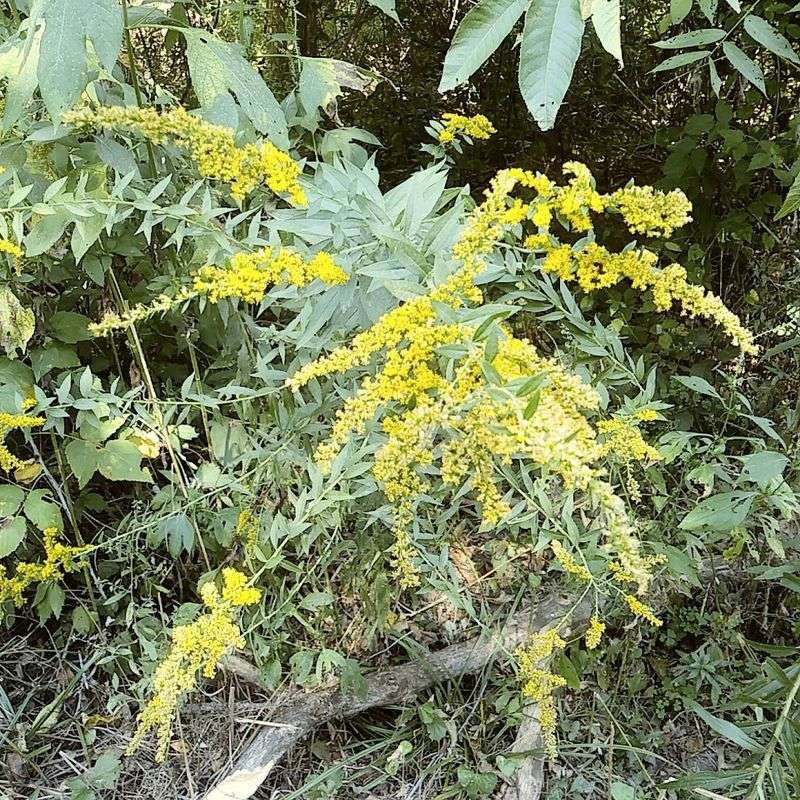
One of the most surprising things about Prairie Duneland Trail is what grows alongside it. The corridor passes through rare wildflower habitats that are increasingly hard to find in the Midwest.
Seeing native blooms in their natural setting feels almost like stumbling onto something secret.
Indiana’s natural prairies were largely converted to farmland over the past two centuries, which makes preserved wildflower habitats genuinely significant. The plant communities here represent what the region looked like long before modern development reshaped the landscape.
That historical connection adds real depth to a simple walk or bike ride.
Depending on the season, you might spot black-eyed Susans, wild bergamot, prairie blazing star, or goldenrod lining the trail edges. Spring and early summer tend to bring the most vibrant displays, but even late summer and fall offer interesting textures and colors from dried seed heads and grasses.
Bringing a wildflower identification guide or downloading a plant ID app before your visit can turn the outing into an educational adventure. Kids especially respond well to the treasure-hunt feeling of spotting and naming plants along the way.
The wildflower habitats alone make this trail stand apart from the standard paved greenway experience you find in most Indiana towns.
Prairie Landscapes That Feel Genuinely Untouched
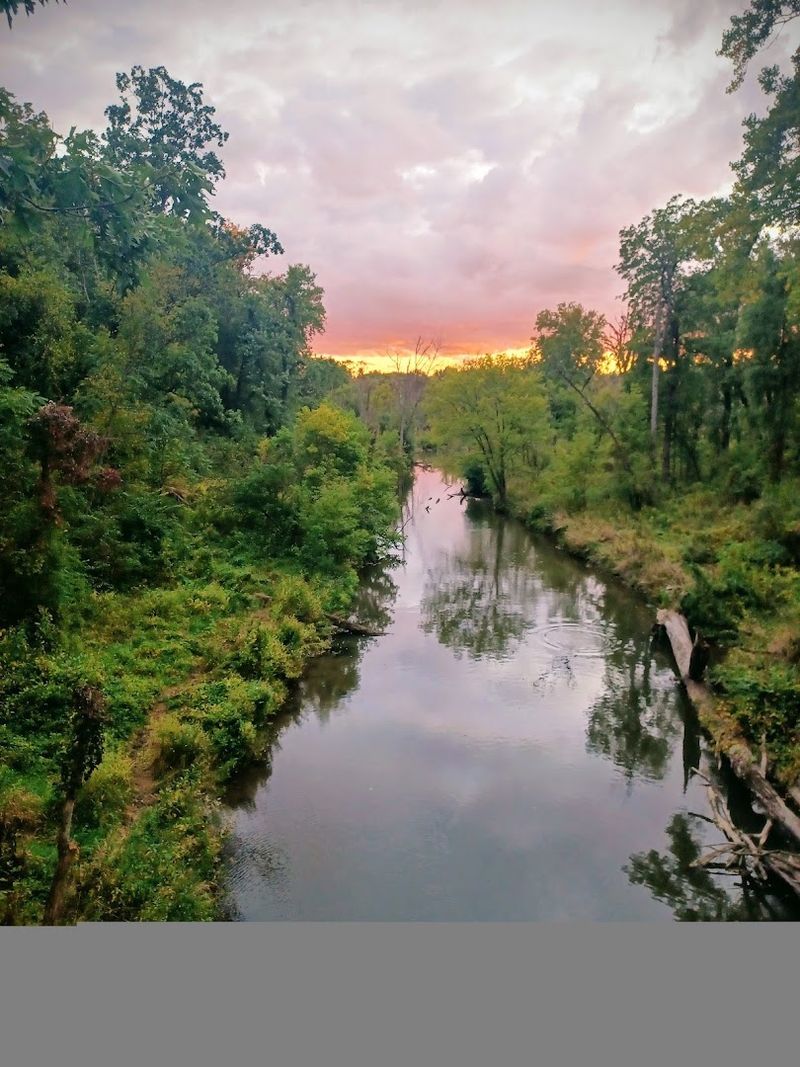
Open prairie has a way of making you feel both small and completely free at the same time. Prairie Duneland Trail moves through stretches of landscape that have held onto their natural character in a region where development pressure is constant.
That kind of preserved openness is something you notice immediately.
The trail sits in Indiana’s Duneland region, a unique geographic area shaped by ancient glacial activity and Lake Michigan’s influence. The resulting landscape is a mix of sandy soils, native grasses, and scrubby vegetation that differs noticeably from the flat farmland dominating much of the state.
It has its own distinct personality.
On a clear day, the sky above the prairie section feels enormous. There are no tall trees blocking the horizon, and the wind moves through the grasses in waves that are genuinely mesmerizing to watch.
It is the kind of scenery that encourages you to stop pedaling or walking and just stand still for a moment.
Photographers and nature lovers find this stretch particularly rewarding. The light hits differently here, especially in the early morning or late afternoon.
If you have only experienced Indiana as endless cornfields and interstate highways, the prairie sections of this trail will genuinely surprise you with their quiet, unhurried beauty.
A Welcoming Spot for Cyclists of All Skill Levels

Cycling culture in the Chicago metro area spills naturally into northwest Indiana, and Prairie Duneland Trail benefits from that energy. The flat, paved surface makes it genuinely accessible for riders who are just getting comfortable on a bike, not only seasoned cyclists looking for a training route.
Beginners often struggle to find trails that do not punish them with hills or rough terrain right from the start. This trail removes those obstacles entirely.
You can focus on building confidence, enjoying the surroundings, and finding your own comfortable pace without feeling outmatched by the route.
Families with young riders will appreciate how manageable the distance and terrain feel. A 10-mile round trip is achievable for most kids with a little encouragement, and the flat surface means adults are not constantly waiting at the top of climbs.
Everyone moves together, which keeps the mood light and the experience enjoyable.
More experienced riders can use the trail as a warm-up or recovery ride between harder efforts. The smooth pavement rewards riders who want to spin at a relaxed cadence and clear their heads.
Bring a water bottle, pack a snack, and take your time. The trail rewards the unhurried rider just as generously as the one chasing miles.
Proximity to Indiana Dunes National Park
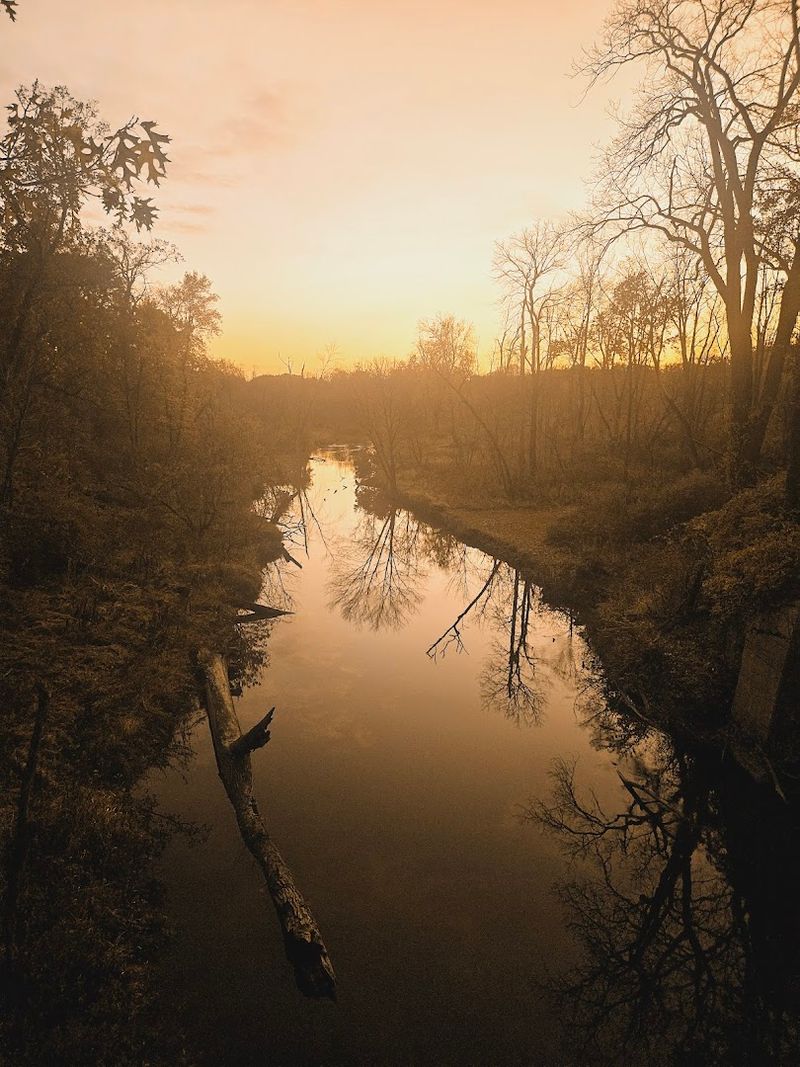
Spending a day on Prairie Duneland Trail and then heading to Indiana Dunes National Park is one of the best one-two combinations the northwest corner of the state offers. The two destinations are close enough to combine into a single outing without feeling rushed.
Indiana Dunes National Park is located along the Lake Michigan shoreline in Porter County.
The national park protects over 15,000 acres of dunes, beaches, wetlands, and forests. It draws visitors from across the Midwest and beyond, and for good reason.
The contrast between the sandy lake shore and the prairie landscape of the trail creates a genuinely varied outdoor experience within a compact geographic area.
After finishing your ride or walk on the paved trail, driving a short distance to the national park lets you swap smooth pavement for sandy beach and rolling dunes. The physical contrast between the two environments makes each feel more distinct and memorable.
Both deserve your full attention.
The national park also offers its own trail network, visitor center, and picnic areas, so you can extend your outdoor time well beyond the morning. Checking the national park website before your visit helps you plan which beach access points and trails fit your group’s energy level.
Together, these two destinations make a compelling case for a full day trip from Chicago or Indianapolis.
Nearby Towns With Local Eats and Coffee Worth Stopping For
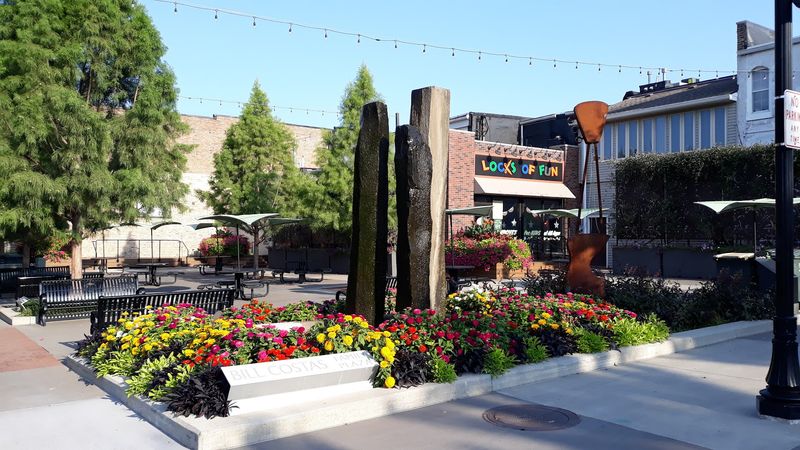
No trail day is complete without a good meal or a strong cup of coffee waiting at the end of it. The towns surrounding Prairie Duneland Trail have enough local character to make the off-trail portion of your visit just as enjoyable as the ride itself.
Valparaiso, Indiana is one of the closest and most rewarding stops.
Valparaiso sits just a short drive from the trail corridor and has a genuinely charming downtown filled with independent restaurants and cafes. The Strongbow Inn, located at 2405 US-30 in Valparaiso, has been a local institution for decades and offers hearty meals in a relaxed setting that feels distinctly Midwestern.
It is the kind of place that regulars return to without needing a special occasion.
For coffee, Caffe Borrone at 57 Indiana Ave in Valparaiso draws a loyal crowd of locals who appreciate a well-made espresso drink and a comfortable place to sit. After a few miles on the trail, a quiet corner booth and a warm drink feel like a genuine reward.
Chesterton, Indiana is another nearby town worth exploring. Its brick-lined downtown includes small shops and a Saturday farmers market during warmer months.
The community has a relaxed, arts-friendly vibe that complements a laid-back trail day perfectly. Exploring these towns adds local flavor to what might otherwise be just a workout.
A Peaceful Escape That Does Not Require a Long Drive
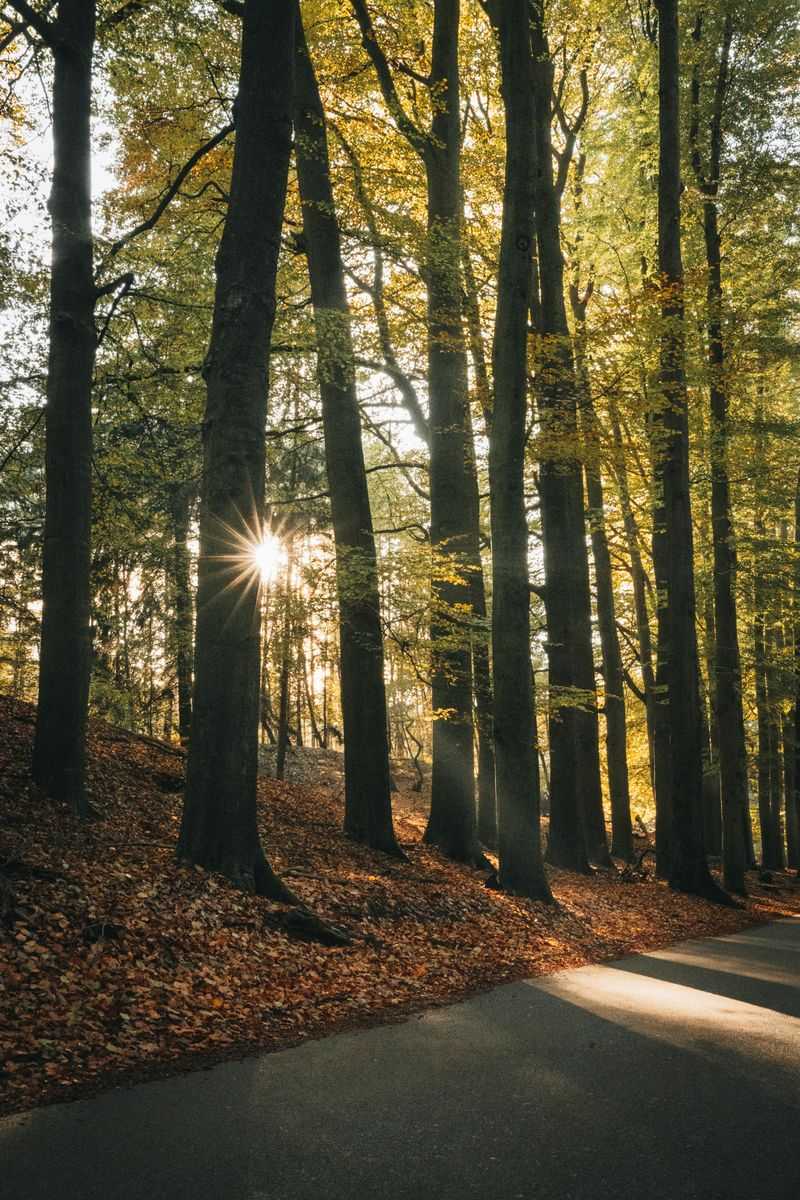
Sometimes the best outdoor experiences are the ones closest to home. For residents of northwest Indiana and the south Chicago suburbs, Prairie Duneland Trail sits within a reasonable drive that does not eat up half the day before you even start moving.
That convenience factor genuinely matters when you are trying to fit outdoor time into a busy week.
The trail offers a mental reset that longer road trips cannot always provide. There is something about being able to grab your bike, drive twenty or thirty minutes, and find yourself surrounded by prairie and woodland that makes the decision easy.
You do not need to plan weeks in advance or pack an overnight bag.
Weekday mornings tend to be especially peaceful here. The trail sees less traffic than weekend afternoons, and the quiet allows you to notice small details you might otherwise miss.
Bird calls carry further, the grasses move more visibly in the breeze, and the whole experience feels more personal.
Coming from the Chicago area, the short distance across the state line makes this trail a genuinely underused gem. Many people drive past it on the way to better-known destinations without realizing what is right there.
Once you stop and spend an hour or two on the trail, the urge to come back becomes surprisingly strong. It earns its place on the regular rotation.
Dear Reader: This page may contain affiliate links which may earn a commission if you click through and make a purchase. Our independent journalism is not influenced by any advertiser or commercial initiative unless it is clearly marked as sponsored content. As travel products change, please be sure to reconfirm all details and stay up to date with current events to ensure a safe and successful trip.
