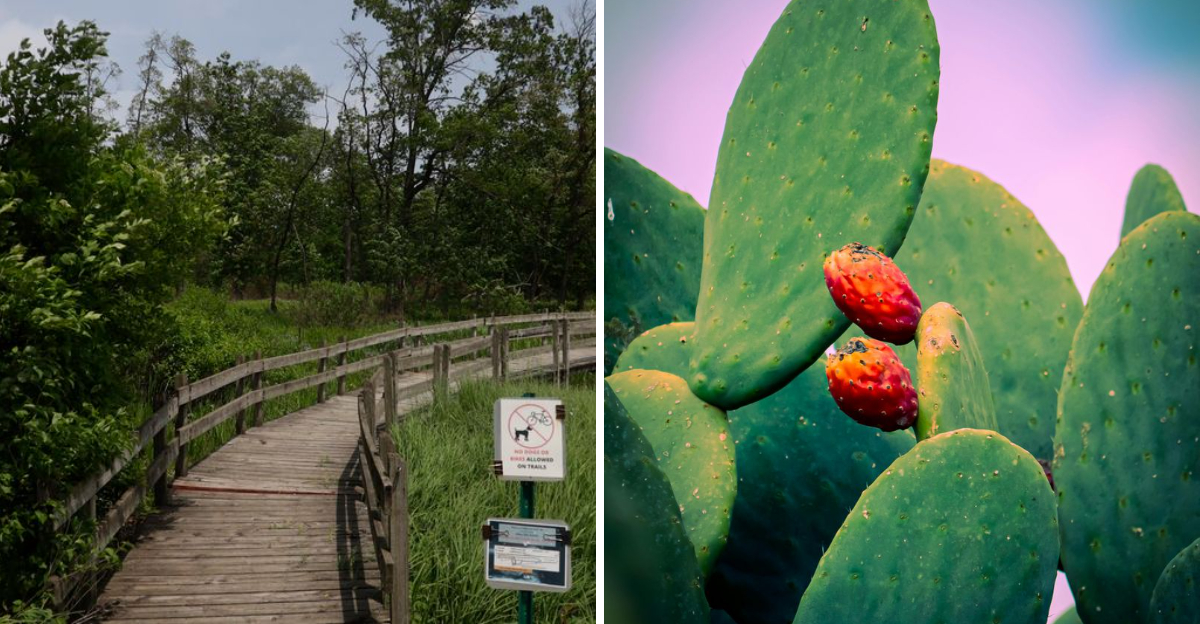
I never expected to find prickly pear cacti growing in Indiana, but this nature preserve completely changed everything I thought I knew about the Midwest. Hidden away in a quiet corner of Hammond, this 179-acre sanctuary is one of the most quietly extraordinary places in the entire state.
Its landscape was sculpted by glacial forces thousands of years ago, leaving behind rolling terrain, hidden groves, and serene wetlands that somehow still feel wild, untouched, and deeply alive. Every path you wander, every glade you discover, seems to hold a new surprise.
If you have ever wanted to explore a place that genuinely astonishes you at every turn, this preserve is exactly that kind of destination.
A Rare Inland Dune and Swale Ecosystem Found Nowhere Else in the Midwest
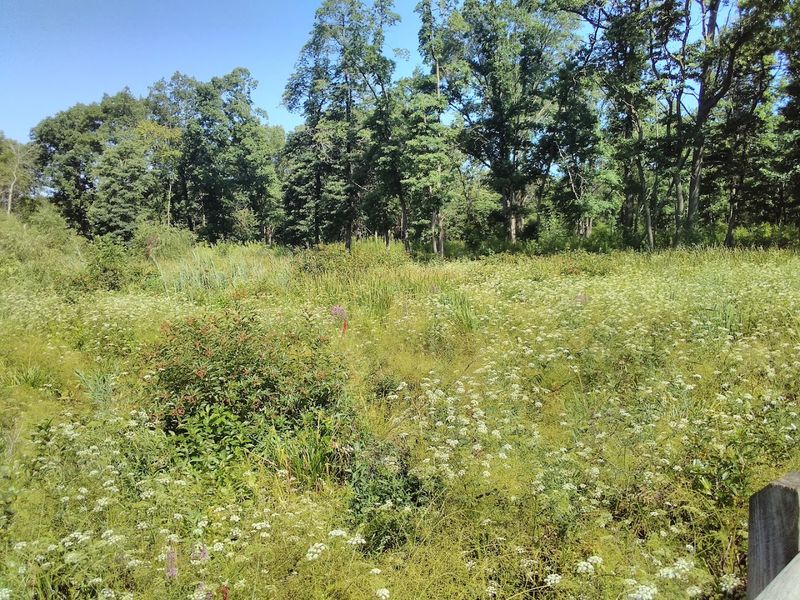
Thousands of years ago, glacial Lake Chicago slowly retreated and left behind a series of parallel sand ridges and low-lying depressions across what is now northwest Indiana. That ancient process created the dune and swale topography you can still walk through today at Gibson Woods.
It is one of the last sizable remnants of this globally rare landscape in the entire Midwest.
What makes it so special is the contrast. High sandy ridges rise above wetland swales in a repeating pattern that feels almost rhythmic as you move through the trails.
Each ridge and each depression supports its own distinct set of plants and animals, making the biodiversity here remarkably rich for such a compact area.
Geologists and naturalists consider this kind of ecosystem to be a living record of prehistoric climate and hydrology. Walking through it feels less like a casual hike and more like reading a chapter of Earth’s history written in sand and soil.
For Indiana locals who think they have seen everything the state has to offer, this landscape genuinely reframes what the region is capable of. It is the kind of place that earns a second and third visit without ever feeling repetitive.
Prickly Pear Cacti Growing Wild on Indiana Sand Dunes

Most people associate cacti with the desert Southwest, so finding prickly pear cactus thriving in Indiana feels like a genuine plot twist. Gibson Woods is home to Indiana’s only native cactus species, and it grows right here on the sandy, sun-baked crests of the preserve’s inland dunes.
Seeing it in person for the first time is one of those moments that makes you stop walking and just stare.
The prickly pear does not just survive here, it belongs here. The well-drained sandy soils and open sunny conditions of the dune ridges mimic the dry environments this plant loves.
When it blooms in late spring and early summer, the bright yellow flowers are surprisingly delicate against the spiny pads, creating a visual contrast that is hard to forget.
This is the kind of ecological quirk that puts Gibson Woods in a category all its own among Indiana nature preserves. It challenges assumptions about what the Midwest looks like and what lives here.
Whether you are a plant enthusiast, a casual hiker, or someone who just wants to show their kids something genuinely unexpected, the prickly pear patch at Gibson Woods delivers every single time. Few places in this state can offer you a cactus sighting without a plane ticket.
Over 300 Plant Species and 160 Bird Species Call This Preserve Home
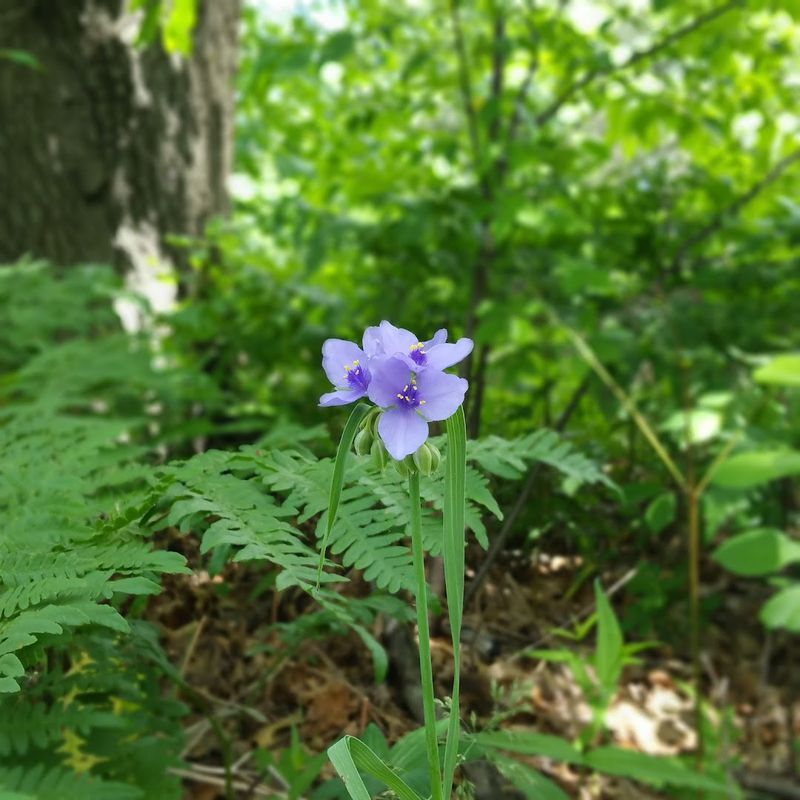
The numbers alone are staggering. More than 300 plant species have been documented within Gibson Woods, including several that are considered threatened or endangered in Indiana.
Add to that over 160 bird species, and you have a preserve that punches well above its weight for a 179-acre parcel of land surrounded by urban development.
For birders, this place has a magnetic pull. The variety of habitats, from black oak savannas to wetland swales to open meadows, creates layered environments that attract an impressive range of species throughout the year.
Woodpeckers, hummingbirds, and a long list of migratory visitors have all been spotted here by regular visitors.
Beyond birds, the preserve is also habitat for rare animals including the Blanding’s Turtle and Franklin’s Ground Squirrel, both of which are considered species of concern in the region. Wildflower enthusiasts will find plenty to photograph across the seasons, from early spring bloomers to late summer prairie flowers.
The sheer concentration of biodiversity packed into this relatively small preserve makes every single visit feel like a new discovery. Bring a field guide, wear comfortable shoes, and plan to slow down.
Gibson Woods rewards patience in ways that most parks simply cannot match.
The Gibson Woods Environmental Awareness Center Brings Learning to Life
Established in 1984, the Gibson Woods Environmental Awareness Center is the kind of nature center that makes you wish school field trips happened every week. The exhibits inside cover local flora and fauna in ways that are accessible to kids but genuinely interesting for adults too.
Live reptiles, fossil displays, and interactive learning stations fill the space with energy and curiosity.
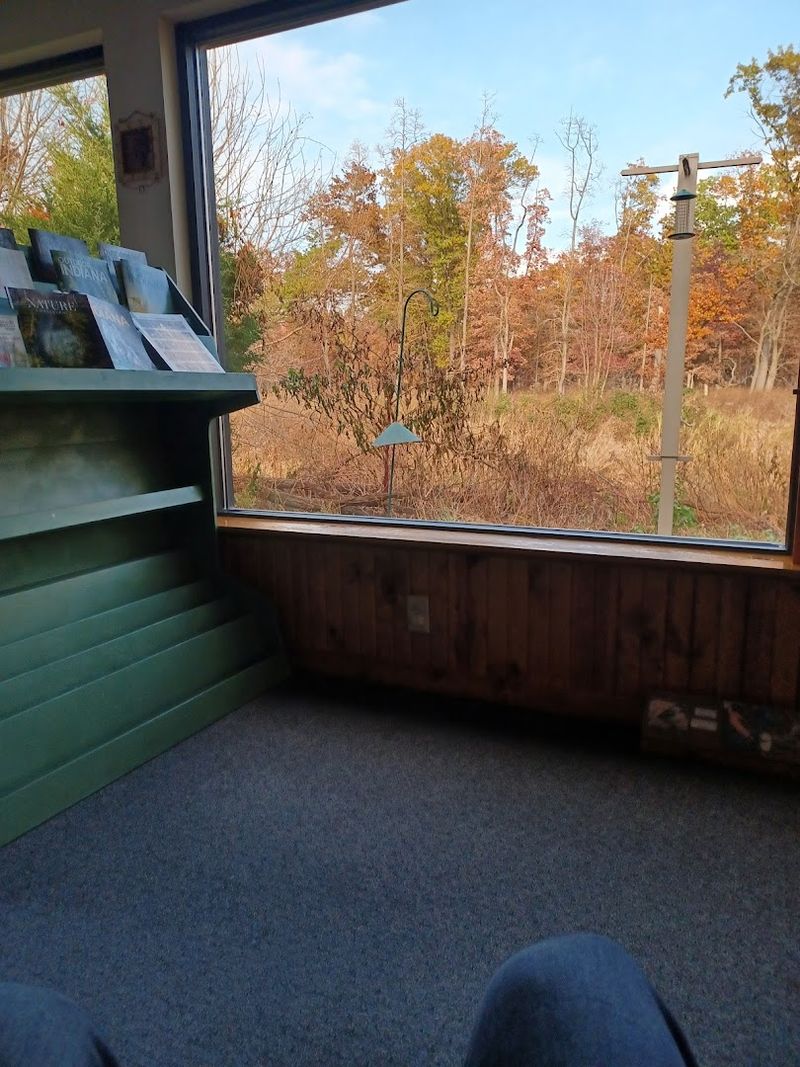
One of the most beloved features of the center is the bird viewing room. Visitors can sit in comfortable chairs and watch birds come and go from feeding platforms just outside the window.
The sounds from outside are piped in, so the experience feels immersive even from the warmth of indoors. Mastodon bones and local fossil finds add a deep-time perspective that puts the preserve’s ancient dune landscape into even sharper context.
Throughout the year, the center hosts interpretive tours, programs, and lectures for all age groups. Events like turtle feedings and nature walks draw families and solo visitors alike.
The nature center is open select days from noon to 4 PM, so checking the schedule before your visit is a smart move. For anyone who wants more than just a walk in the woods, the Environmental Awareness Center turns a visit to Gibson Woods into a full learning experience worth lingering over.
Self-Guided Trails Through Black Oak Savannas and Tallgrass Prairies
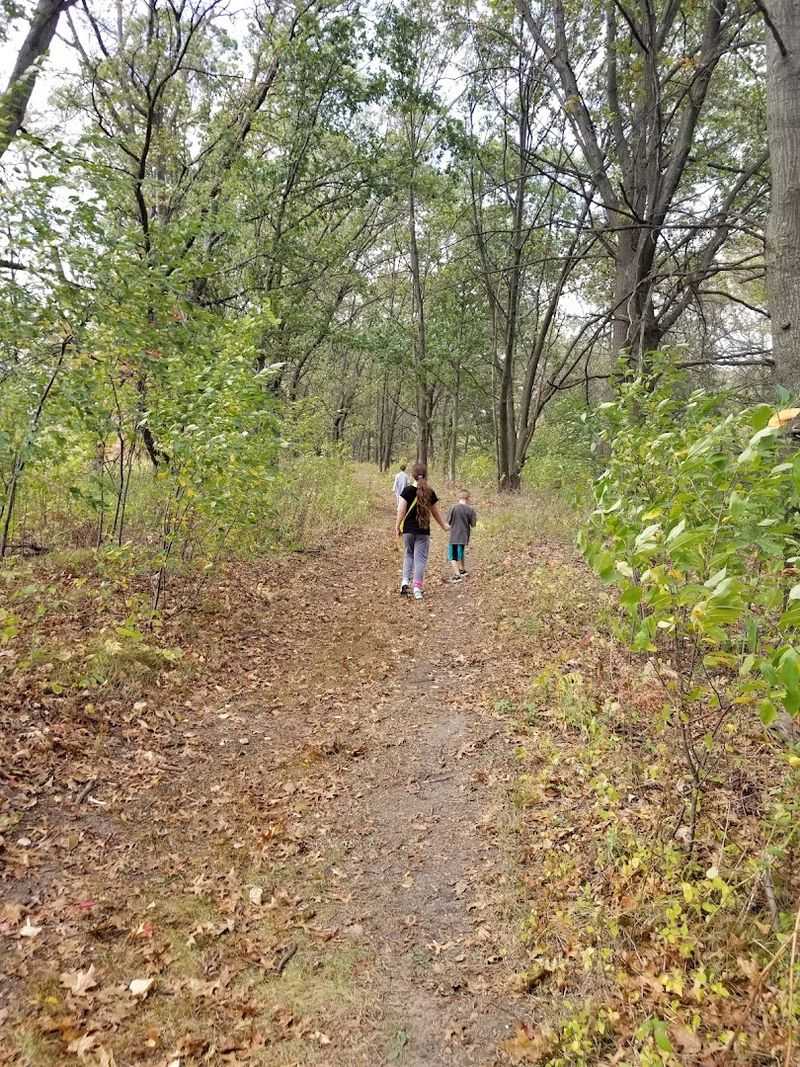
There is something satisfying about a trail that lets you set your own pace without a tour group or a timed program. Gibson Woods offers self-guided trails that wind through some of the most ecologically rich terrain in northwest Indiana, including black oak savannas, tallgrass prairies, and wetland edges.
The paths are mostly compacted sand with wooden boardwalks in wetter sections, making them accessible for a wide range of visitors.
The trails are relatively flat and easy to walk, which means you can focus on what is around you rather than where you are putting your feet. That matters here because there is a lot to notice.
Wildflowers bloom in succession from early spring through fall, and the changing light through the oak canopy shifts the mood of the preserve dramatically depending on the time of day and season.
Full moon hikes organized through the preserve have become a favorite seasonal tradition for many northwest Indiana residents. The trails take on a completely different character under moonlight, and the ancient feeling of the landscape becomes even more pronounced after dark.
Whether you visit on a bright summer morning or a crisp autumn afternoon, the self-guided trail system at Gibson Woods gives you genuine freedom to explore at your own rhythm. It is the kind of hiking that stays with you long after you have left the parking lot.
Active Conservation of One of Indiana’s Most Vulnerable Ecosystems
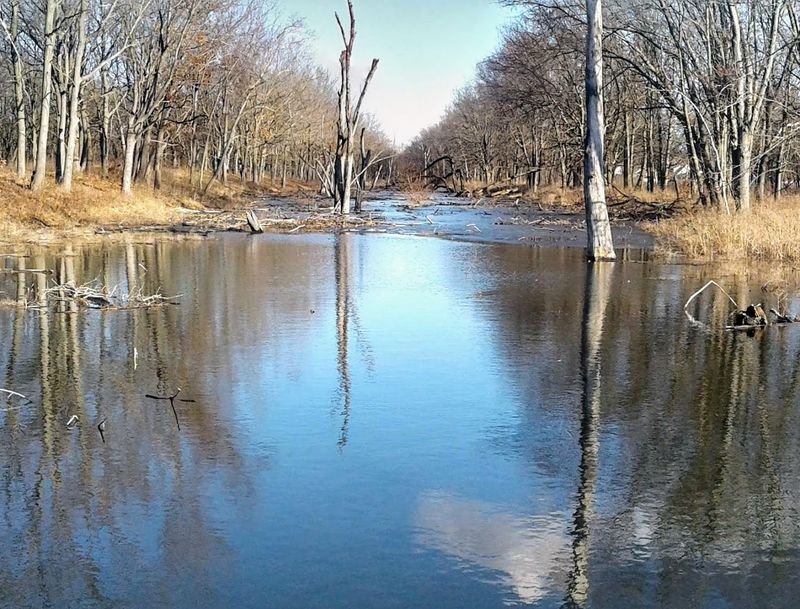
Gibson Woods is not just a place to visit. It is a place that is actively being protected and restored.
The preserve has been officially designated as a state nature preserve in Indiana, a recognition that reflects just how irreplaceable its dune and swale ecosystem truly is. That designation also comes with real responsibility, and the Lake County Parks system takes it seriously.
Conservation efforts at Gibson Woods focus on maintaining the health of native plant communities, controlling invasive species, and protecting habitat for the rare and endangered animals that depend on this landscape. The ongoing work is what keeps the prickly pear cactus blooming and the Blanding’s Turtle finding suitable nesting ground year after year.
Visitors who come here are not just spectators. Following the preserve rules, staying on designated trails, and leaving the environment undisturbed all contribute directly to the long-term health of this ecosystem.
It is one of those places where responsible visitation genuinely makes a difference. For anyone who cares about the natural heritage of Indiana, spending time at Gibson Woods feels like both a privilege and a small act of solidarity with the conservation community working to keep it intact.
The preserve stands as proof that urban areas and wild ecosystems can coexist when people decide they are worth protecting.
Easy Access from Hammond with Nearby Places to Round Out Your Day
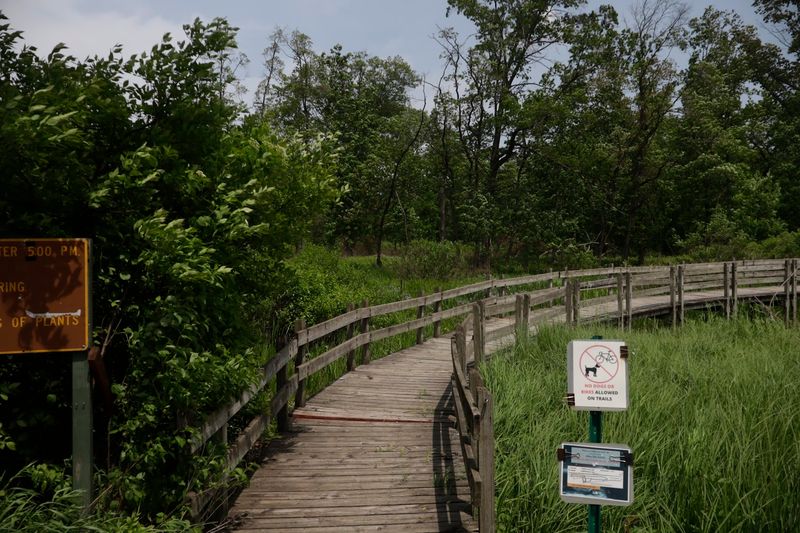
Gibson Woods sits at 6201 Parrish Avenue in Hammond, Indiana, making it one of the most accessible nature preserves in the Chicago metropolitan region. The preserve is open Tuesday through Sunday, with trails and gates open from 9 AM to 5 PM between March and October, and from 9 AM to 4 PM during November through February.
Mondays are closed, so planning around that will save you a wasted trip.
After your visit, the Hammond area offers several options worth exploring. Wolf Lake Memorial Park, located at 7hellip; Calumet Avenue in Hammond, provides a beautiful lakeside setting for a relaxed afternoon.
For a meal nearby, Gibson Inn Restaurant at 5765 Hohman Avenue in Hammond is a local favorite with a comfortable, neighborhood feel. The South Shore Arts Center at 1040 Ridge Road in Munster is worth a stop for anyone interested in regional art and cultural programming.
The proximity of Gibson Woods to the broader northwest Indiana corridor means you can combine a morning at the preserve with an afternoon exploring the communities that surround it. Whether you live in Hammond, Munster, Griffith, or across the state line in Illinois, Gibson Woods is genuinely close by.
Dear Reader: This page may contain affiliate links which may earn a commission if you click through and make a purchase. Our independent journalism is not influenced by any advertiser or commercial initiative unless it is clearly marked as sponsored content. As travel products change, please be sure to reconfirm all details and stay up to date with current events to ensure a safe and successful trip.
