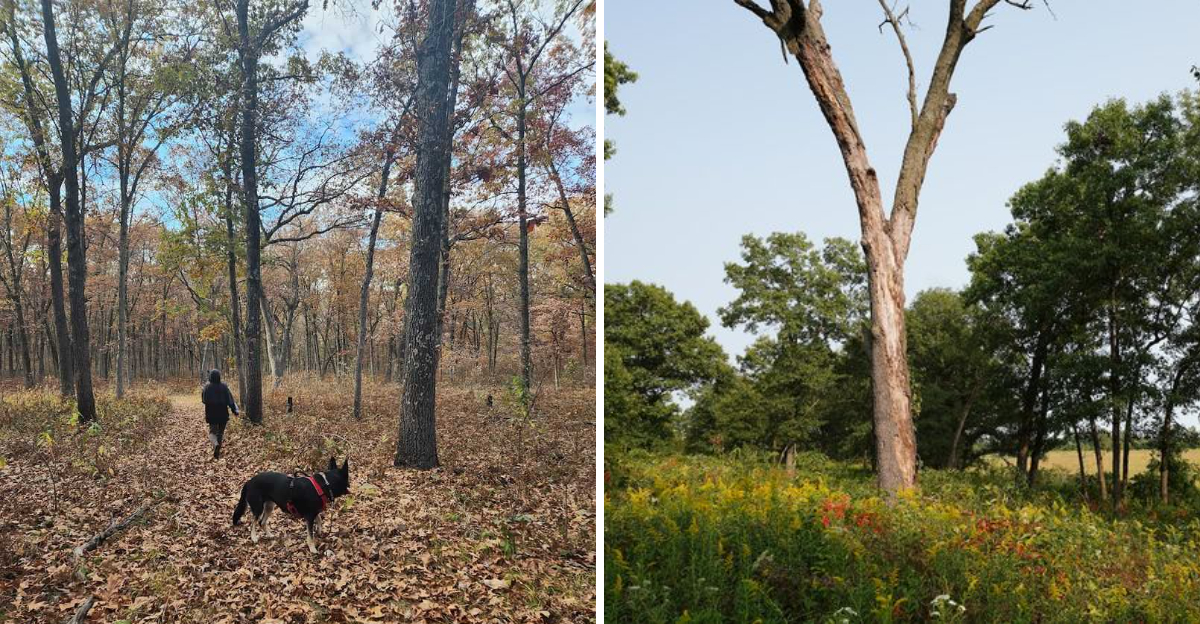
I grew up in Indiana thinking I knew what the land here looked like. Cornfields, flat stretches of highway, the occasional forest.
Then I discovered this savanna in Newton County, and everything I thought I knew shifted a little. This 360-acre preserve near Lake Village is one of the last places in the entire Midwest where you can walk through a genuine tallgrass oak savanna, a landscape that once stretched across millions of acres and now survives only in scattered pockets.
Knowing that makes every step on the trail feel meaningful, a chance to connect with something rare and enduring. The Nature Conservancy manages this land with care, and what they have nurtured here is truly special.
If you care about Indiana’s natural history, or simply want a quiet, breathtaking hike that feels unlike anywhere else in the region, this savanna deserves a spot on your list.
Rich Biodiversity That Will Genuinely Surprise You
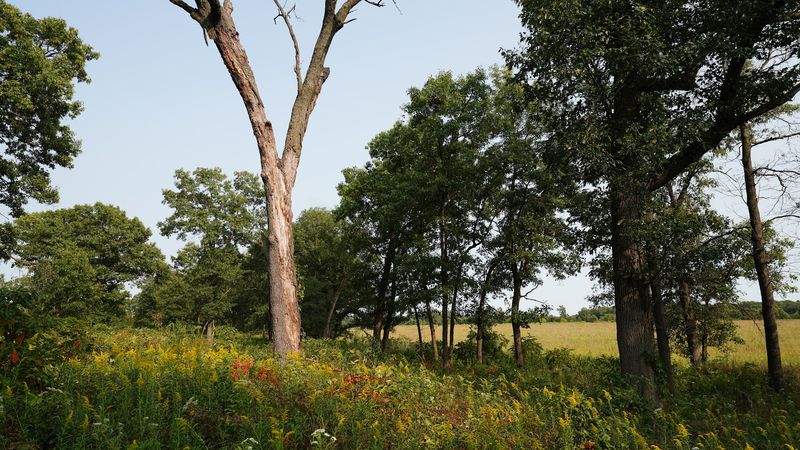
Walking through Conrad Station Savanna, you quickly realize the wildlife here is not what you expect from a typical Indiana nature trail. Red-headed woodpeckers flash their bold crimson caps between the black and white oaks, and if you move quietly enough, you might catch one drilling into bark just a few feet away.
The variety of life packed into 360 acres is genuinely impressive.
Glass lizards slip through the grass in a way that makes you do a double take. Swallowtail butterflies drift over the prairie plants in slow, unhurried arcs.
Promethea moths, with their rich reddish-brown wings, add a touch of drama to the summer evenings near the preserve.
What makes this biodiversity so special is context. Oak savannas once formed a critical transition zone between the eastern forests and the western prairies of North America.
Most of that habitat is gone. Conrad Station Savanna is one of the few places where the species that depended on it still have somewhere to live.
Bringing binoculars is a smart move, especially for birders. The open canopy of the savanna creates ideal conditions for species that need both tree cover and open grassland.
Visiting in early morning during spring or summer gives you the best chance of spotting the most activity. The biodiversity here is not a background detail.
It is the whole point.
A Ghost Town Hidden Beneath the Oaks
There is something quietly haunting about knowing that a town once stood where the oaks now grow. Conrad was platted in 1908 by Jennie M.
Conrad, and for a brief time it had all the ambitions of a real community, including a hotel. Today, all that remains are the stone foundations slowly being reclaimed by the savanna itself.
The trail passes directly through this forgotten townsite, and interpretive signs along the path give you enough history to make the ruins feel vivid rather than mysterious. Reading about the town while standing on the exact ground where it stood is a strange, grounding experience.
History has a different weight when you are physically inside it.
Northern Indiana locals who grew up nearby are sometimes surprised to learn a whole town existed and disappeared here. The region has its own layered past, including the draining of the Grand Kankakee Marsh, which dramatically changed the landscape in the late 1800s and early 1900s.
Conrad was part of that story.
If you want to get the most out of the historical side of this visit, doing a little background reading before you arrive pays off. There is even a documentary called The Grand Kankakee Marsh, the Everglades of the North, which some visitors recommend watching beforehand to understand how radically this entire region was transformed.
The ruins alone are worth the trip.
A Trail That Feels Just Right for Almost Anyone
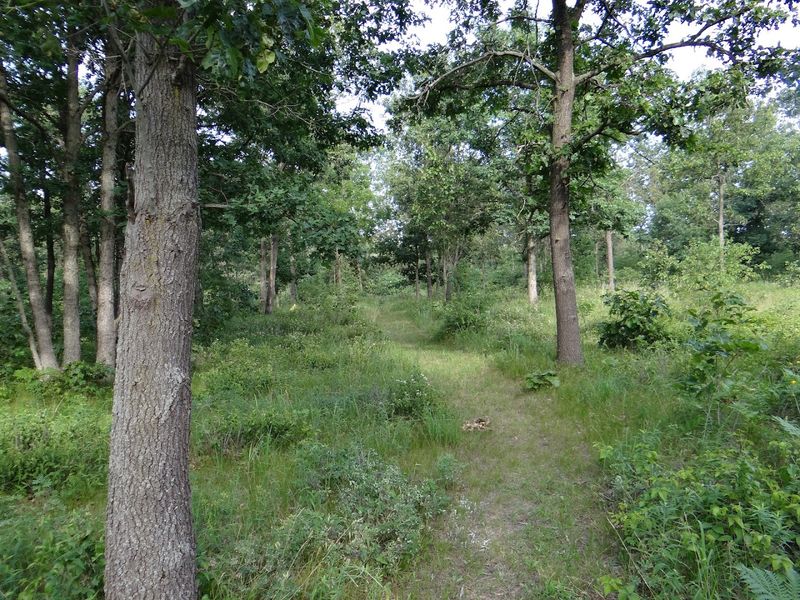
Not every great nature preserve needs a grueling hike to justify the visit. The main loop at Conrad Station Savanna runs about 1.8 miles, and the terrain is gentle enough that most people, including kids and older visitors, can handle it comfortably.
There is a slight incline in places, but nothing that slows you down for long.
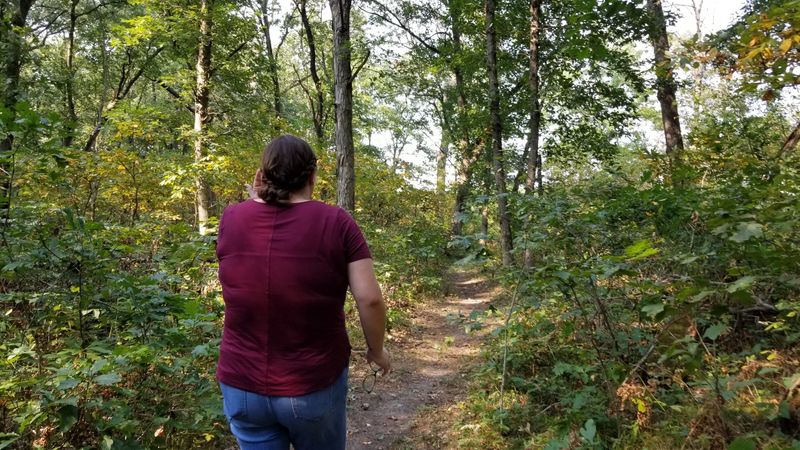
The trail winds through a genuinely beautiful landscape. Scattered black and white oaks cast partial shade over rolling sand dunes that remind you this part of Indiana has a geological story of its own.
Prairie grasses and wildflowers fill the open spaces between the trees, giving the whole path a wide-open, airy feeling that feels nothing like a dense woodland hike.
Informational signs appear at regular intervals along the route, covering topics like savanna management, the history of prescribed burns, and the ecological role of native plants. You can move through quickly or take your time reading each one.
Either approach works, and neither feels like homework.
Families with younger children tend to do well here. The trail is not overly technical, and there is enough variety in the scenery to keep curious kids engaged.
One practical note worth passing along: ticks are present, especially in warmer months, so wearing long pants and checking yourself thoroughly after the hike is genuinely good advice. Pack bug spray and wear it.
Seasonal Beauty That Changes Every Single Visit
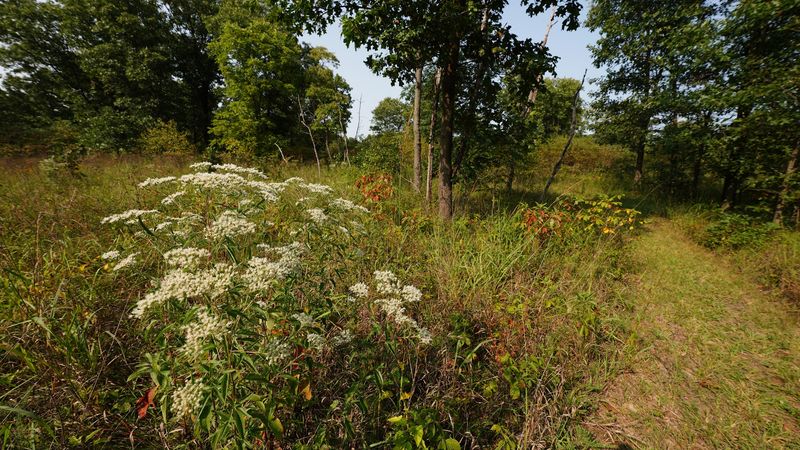
One of the quiet pleasures of Conrad Station Savanna is that it rewards repeat visitors. The landscape shifts with each season in ways that make the same 1.8-mile trail feel meaningfully different depending on when you show up.
Spring is probably the most visually dramatic, with wildflowers covering the open areas in waves of color that feel almost excessive in the best way.
Summer brings a different kind of richness. The oaks fill in overhead, providing patches of shade that make midday hiking far more comfortable than you might expect.
The grasses grow tall and full, and the insect life peaks during these months. Butterflies and moths are especially active, and the whole savanna hums with a kind of low-level energy.
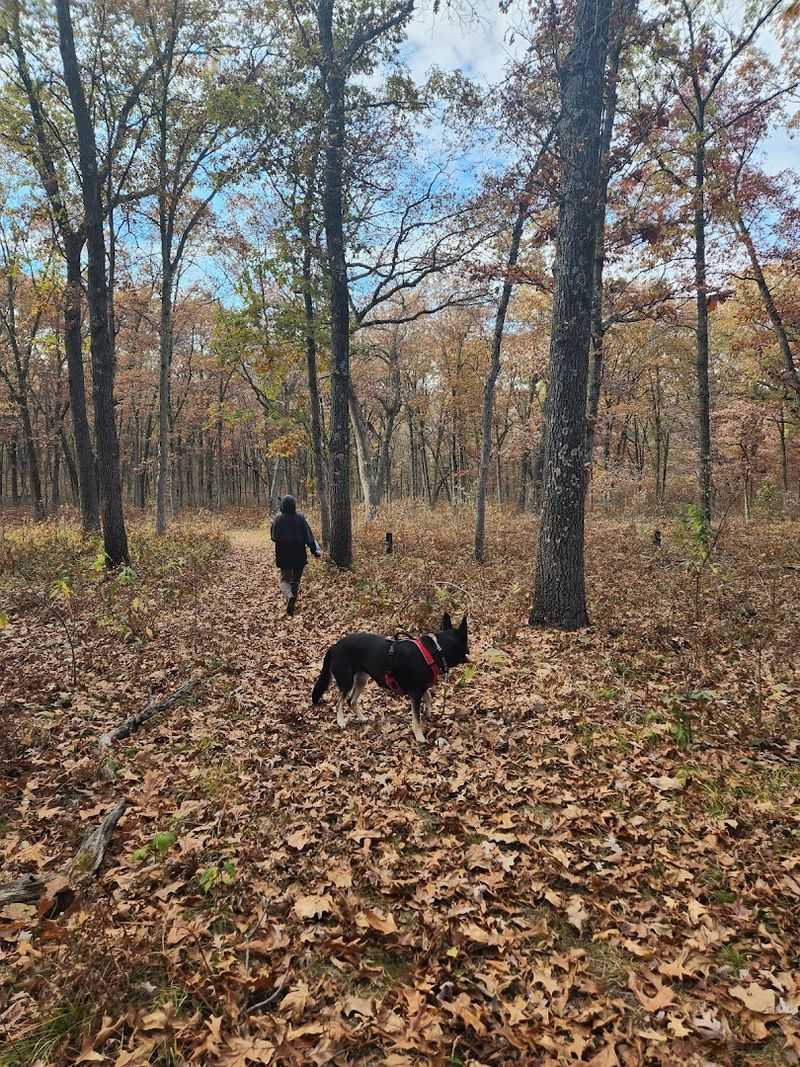
Fall is when the light gets interesting. The oaks shift through amber, gold, and rust, and the prairie grasses turn bronze and copper against the pale sky.
Visiting on a clear October morning, with the leaves just starting to turn and the air carrying that particular cool sharpness, is one of those simple Indiana experiences that sticks with you.
Winter visits are quieter and less traveled, but they have their own appeal. The structure of the savanna becomes visible without the foliage, and the sand dune topography stands out more clearly against the bare ground.
Each season offers something genuinely worth seeing, which makes Conrad Station Savanna a place you can return to throughout the year.
Conservation Work That Actually Shows Results
Twenty-five years of active restoration work have transformed Conrad Station Savanna into something genuinely remarkable. The Nature Conservancy and the Indiana Department of Natural Resources manage the preserve through a combination of prescribed burns and invasive species removal, and the results are visible to anyone who walks the trail.
This is not a passive preserve. It is an actively managed ecosystem.
Prescribed fire is central to savanna health in a way that surprises a lot of visitors. Oak savannas evolved with fire, and without it, woody shrubs and invasive trees quickly crowd out the native grasses and wildflowers that define the habitat.
The burns here are carefully planned and controlled, and they are one of the main reasons the biodiversity at Conrad Station Savanna remains so strong.
Invasive species removal is the other major piece of the work. Plants like European buckthorn and honeysuckle can overwhelm native vegetation quickly if left unchecked.
The ongoing effort to clear them out is labor-intensive but essential, and the interpretive signs along the trail explain this process in approachable, easy-to-understand terms.
For anyone interested in conservation science or environmental stewardship, this preserve is a working example of what sustained effort looks like over decades. The progress here is not theoretical.
You can see the native plants thriving, the wildlife returning, and the landscape slowly regaining something close to what it looked like before European settlement changed everything.
Educational Value That Goes Beyond the Trail Signs
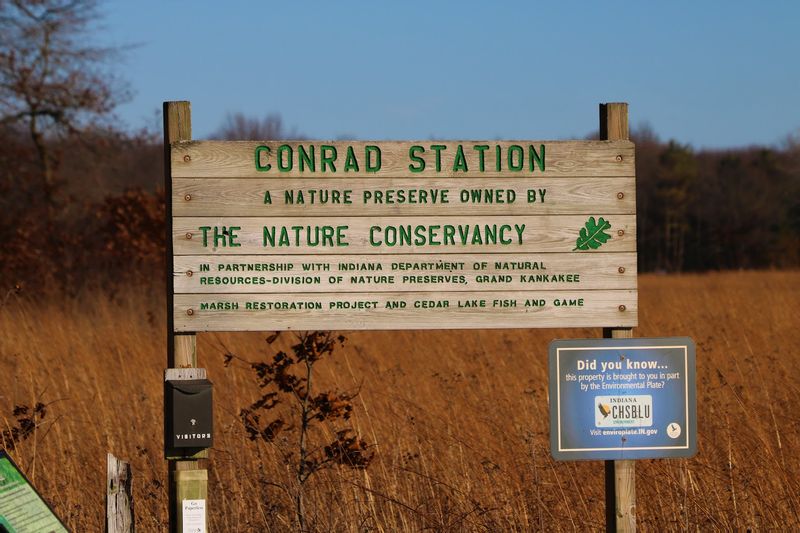
Conrad Station Savanna is the kind of place that teaches you things without feeling like a lesson. The interpretive signs along the trail cover a surprising range of topics, from the ecological role of fire in savanna maintenance to the history of the town of Conrad and the broader story of how the Kankakee region was transformed by drainage projects in the late 1800s.
Reading them feels like a conversation rather than a lecture.
For students, teachers, and curious adults alike, the preserve offers a tangible way to understand concepts that can feel abstract in a classroom. Seeing the difference between a healthy native plant community and an area where invasive species have taken hold makes ecological ideas click in a way that diagrams and textbooks cannot always achieve.
The savanna is a living classroom.
The Nature Conservancy also provides additional educational materials and programming connected to the preserve. The preserve is located at County Rd 725 N, Lake Village, IN 46349.
Even for visitors with no particular interest in ecology, the historical layer alone makes the educational experience worthwhile. Understanding that a whole town vanished here, and that the land itself has been actively healing for decades, gives the visit a depth that a simple nature walk does not always carry.
You leave knowing more than when you arrived.
Open Year-Round and Easy to Reach from Northern Indiana
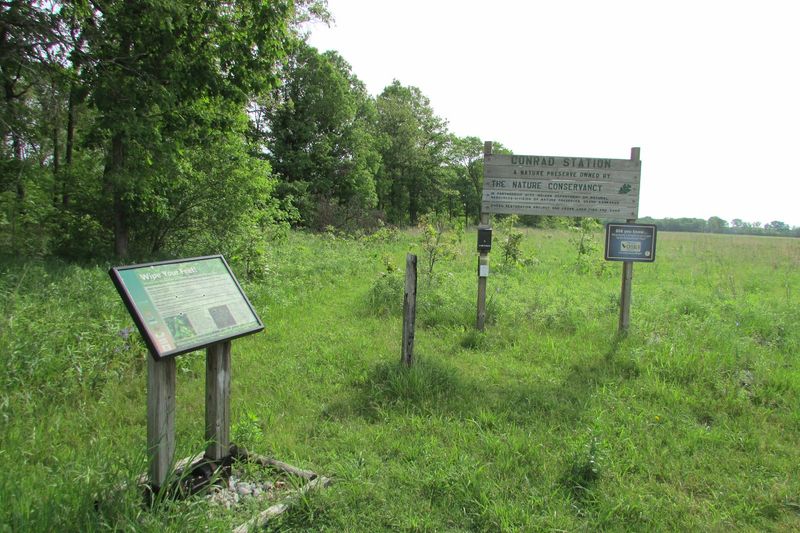
Accessibility matters when you are trying to get people out into nature, and Conrad Station Savanna does well on this front. The preserve is open every day from 7 AM to 7 PM, which means you have a reasonable window to visit before or after work on a weekday, or to make it part of a full day out on the weekend.
There is no admission fee, which removes one more barrier to actually going.
Getting there from towns across northern Indiana is straightforward. The preserve sits in Newton County near Lake Village, a part of the state that feels genuinely rural and removed from the noise of larger cities.
That sense of distance is part of the appeal. You are not fighting traffic or crowds once you arrive.
The parking area is simple and functional, and the trailhead is easy to locate. For anyone visiting the broader Kankakee Sands area managed by The Nature Conservancy, Conrad Station Savanna pairs well with other nearby natural areas.
The Kankakee Sands main office is located at 3294 N US Highway 41, Morocco, IN 47963, and staff there can point you toward additional trails and programming in the region.
Planning your visit around the shoulder seasons, late spring or early fall, tends to yield the best combination of comfortable temperatures and active wildlife. Summer visits are great for wildflowers and insects.
Winter visits offer solitude and a stripped-down view of the savanna structure. Any time of year, the drive out to Newton County feels like a worthwhile escape.
Dear Reader: This page may contain affiliate links which may earn a commission if you click through and make a purchase. Our independent journalism is not influenced by any advertiser or commercial initiative unless it is clearly marked as sponsored content. As travel products change, please be sure to reconfirm all details and stay up to date with current events to ensure a safe and successful trip.
