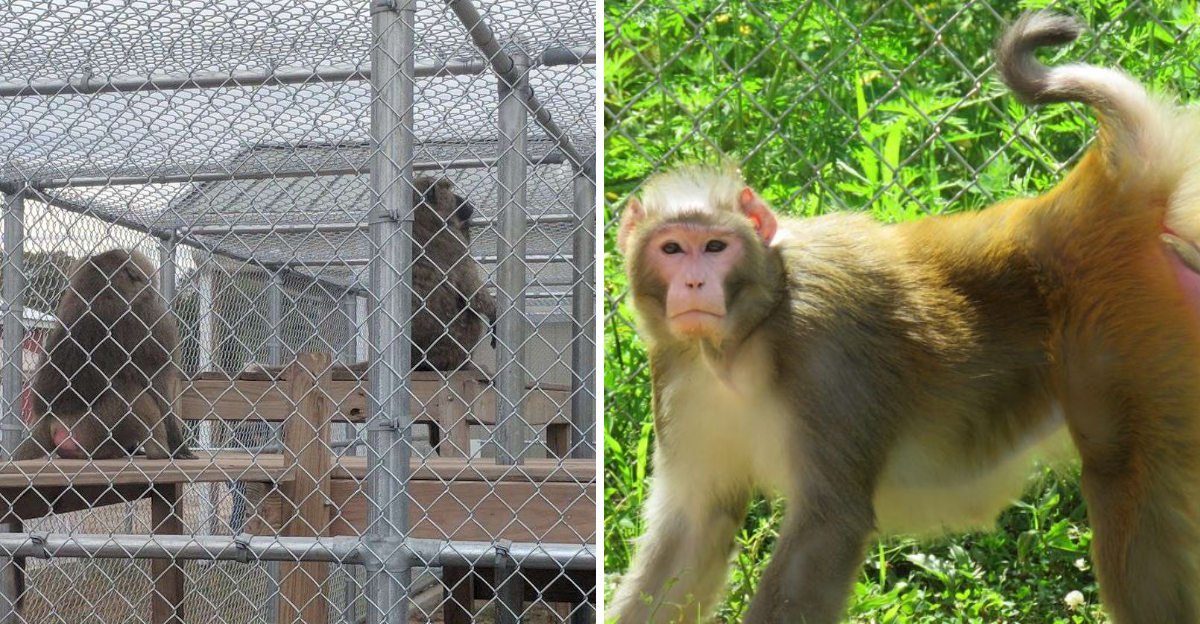
I’ll admit that when I first heard about a primate sanctuary tucked away in rural Winamac, I was curious. Not many people realize that right here in Indiana, rescued baboons and macaques have found a peaceful home after spending years in research facilities.
Peaceable Primate Sanctuary isn’t just another roadside attraction. It’s a place where compassion meets conservation, where these intelligent animals finally get to experience what it means to live without bars and cages defining their world.
The sanctuary has been quietly transforming lives since it opened, giving primates who served science a chance to simply be primates again. I think what makes this place so special is the genuine care you can see in every enclosure and every interaction.
If you’ve ever wondered where retired research animals go or how sanctuaries actually work, this is your chance to find out firsthand. The experience stays with you long after you leave.
Witnessing Rescued Primates Thrive After Years in Research Facilities
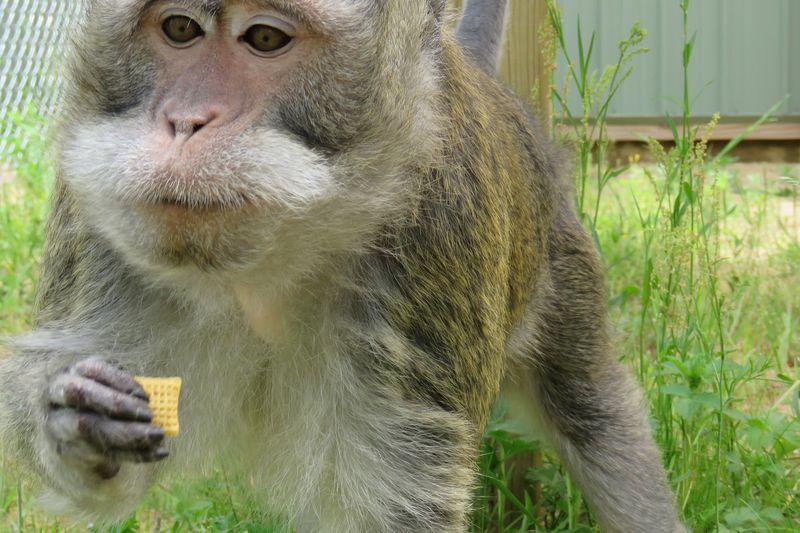
Many of the primates at Peaceable Primate Sanctuary spent their entire lives serving medical research. These baboons and macaques never knew what grass felt like under their hands or what it meant to climb a tree.
When they arrive at the sanctuary, some don’t even recognize their own species because they’ve been isolated for so long.
The transformation you witness here is remarkable. Animals that once lived in small laboratory cages now explore expansive enclosures designed to mimic their natural habitats.
You’ll see them grooming each other, playing, and forming the social bonds that primates are hardwired to need. The sanctuary staff explains how long it takes for some primates to learn these basic behaviors again.
What strikes me most is watching them discover simple pleasures. A baboon feeling sunshine on his face.
A macaque tasting fresh fruit for the first time. These moments might seem small, but they represent everything the sanctuary stands for.
The primates here aren’t just surviving anymore. They’re actually living.
You can see it in how they move through their spaces with confidence, how they communicate with their groupmates, and how they rest peacefully instead of pacing anxiously. Understanding where these animals came from makes seeing them now that much more meaningful.
Their resilience reminds us why places like this matter so deeply.
Learning from Passionate and Knowledgeable Tour Guides
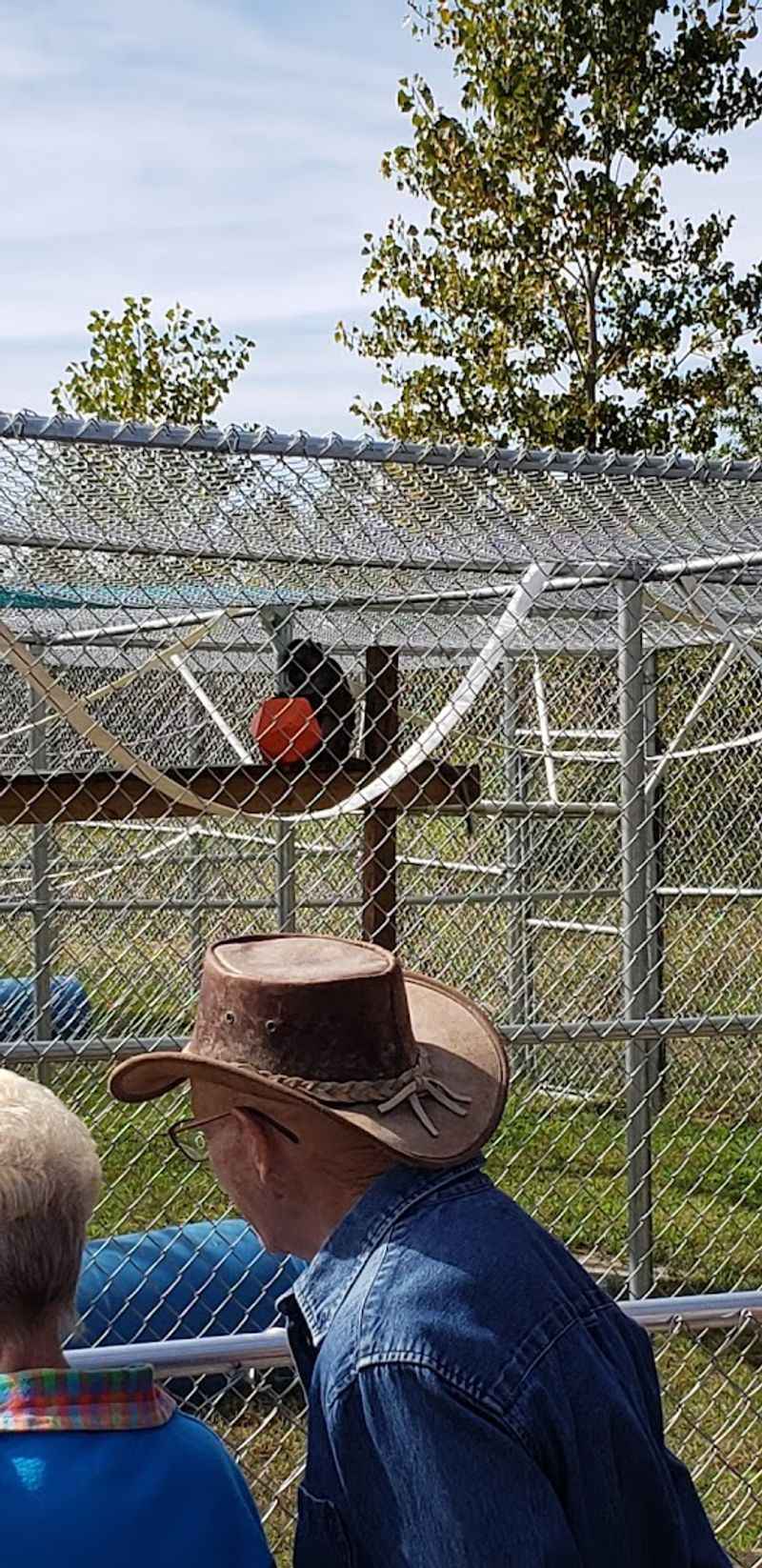
The people who work at Peaceable Primate Sanctuary bring something special to every tour. They don’t just recite facts from a script.
They genuinely care about each individual primate and can tell you stories about their personalities, quirks, and backgrounds. When you visit, you’re not getting a generic zoo experience where information feels rehearsed.
Guides share insights about primate behavior that you won’t find in textbooks. They explain why one baboon prefers certain foods or how a macaque group established their social hierarchy.
These details come from years of observation and daily interaction. The staff welcomes questions and takes time to make sure visitors understand the complex needs of these intelligent animals.
I find their dedication impressive. They’ve built their expertise through hands-on experience and genuine passion for primate welfare.
You can tell the difference between someone reading from a pamphlet and someone who spends every day working to improve these animals’ lives.
The educational component goes beyond basic primate facts. Guides discuss the ethics of animal research, the importance of sanctuaries, and what happens to research animals when their studies end.
They make complex topics accessible without talking down to visitors.
After spending time with these knowledgeable staff members, you leave understanding primates and conservation work in ways you never expected.
Exploring Thoughtfully Designed Natural Enclosures
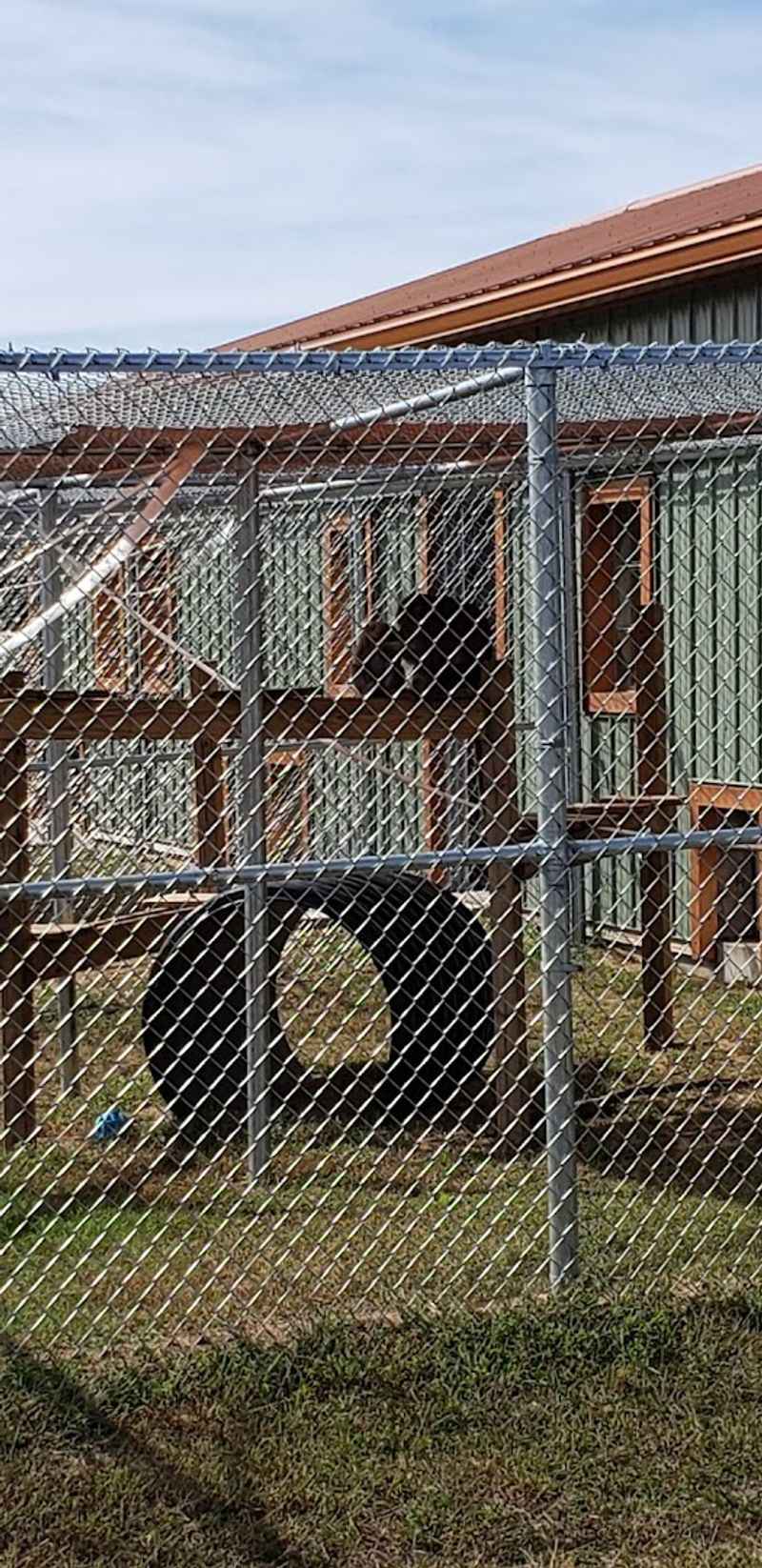
Walking through Peaceable Primate Sanctuary, you immediately notice how different the enclosures look from typical zoo exhibits. These spaces were designed with the primates’ psychological and physical needs as the top priority.
Instead of concrete and steel bars, you see wooden climbing structures, living trees, and areas that encourage natural behaviors.
Each enclosure provides room for primates to move, climb, and explore. The sanctuary uses the natural Indiana landscape to create environments where these animals can experience weather changes, seasonal shifts, and outdoor living.
Sheltered areas protect them during harsh conditions while still allowing them choices about where to spend their time.
The design philosophy focuses on making primates feel safe rather than trapped. You won’t see small cages or sterile environments.
The enclosures incorporate elements that stimulate their minds and bodies. Primates can forage, climb to different heights, and find private spots when they need solitude from their group.
What really stands out is how the spaces allow for social interaction. Primates are incredibly social creatures, and these enclosures accommodate groups so they can form natural hierarchies and relationships.
Watching them navigate their environments with confidence shows how successful the design truly is.
The sanctuary continues expanding and improving these spaces, always putting the animals’ wellbeing first in every decision they make.
Experiencing the Peaceful Rural Winamac Setting
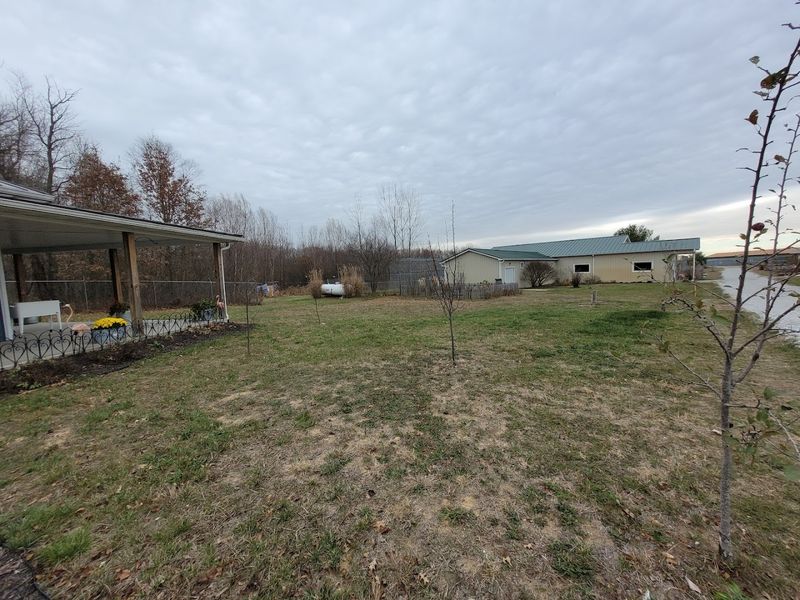
Winamac provides the perfect backdrop for a primate sanctuary. Located in rural Pulaski County, Indiana, the area offers quiet farmland, open spaces, and the kind of peace these animals need after years in research facilities.
The location at 6415 N 800 W in Winamac sits well away from city noise and traffic, creating a tranquil environment. The sanctuary property reflects this rural character.
Natural wooded areas blend with open fields, and the setting feels far removed from the sterile laboratories these primates once knew. You can hear birds singing, feel the breeze moving through the trees, and appreciate how different this environment is from urban life.
The sanctuary’s rural setting supports consistent care routines and minimizes outside stressors, which is important for animals transitioning from controlled laboratory environments. It also allows staff to maintain a stable environment where long-term wellbeing and rehabilitation can remain the focus throughout the year.
Winamac’s surrounding Pulaski County landscape, with its farmland and wooded pockets, reinforces the sanctuary’s quiet and grounded atmosphere. This combination of rural isolation and practical accessibility makes the location well suited for long-term primate care and responsible sanctuary operations.
Seasonal changes bring lush green summers and quiet winters, further enhancing the calm atmosphere that supports the sanctuary’s long-term care and daily routines and continuity of care.
Supporting Vital Conservation Through Sanctuary Visits
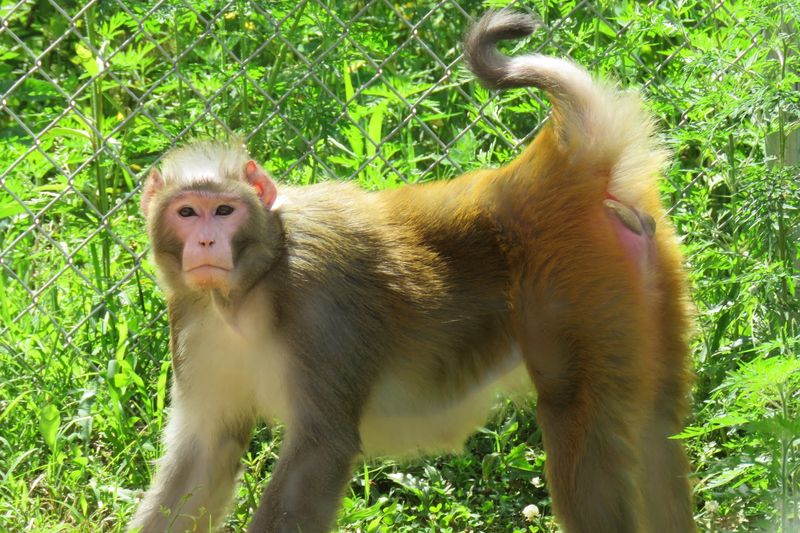
The revenue from your scheduled tour or event fee directly supports the daily care of rescued primates living at the sanctuary. Every contribution helps provide nutritious meals, routine veterinary care, and ongoing habitat improvements that enhance the wellbeing of baboons, macaques, and other residents.
This steady support plays an important role in allowing the sanctuary to continue caring for animals that have come from challenging and often stressful backgrounds, giving them a more stable and enriched environment over time. Beyond these organized visits, many guests leave with a deeper awareness of primate welfare and the conditions these animals experienced before arriving.
That awareness often leads to further involvement, whether through direct donations, volunteering, or simply sharing the sanctuary’s mission with others in their communities. These ripple effects help extend the impact of each scheduled visit far beyond a single day on the property.
The ongoing work depends on public support and the willingness of donors to contribute to the long-term care and protection of the animals who now call this place home. It is this consistent engagement that helps ensure the sanctuary can maintain proper facilities, support specialized staff, and continue providing lifelong care for its residents in a safe and compassionate setting year after year.
By prioritizing private, pre-arranged tours over general public walk-ins, the sanctuary ensures that funding never comes at the cost of animal peace.
Observing Complex Social Bonds Between Primate Groups
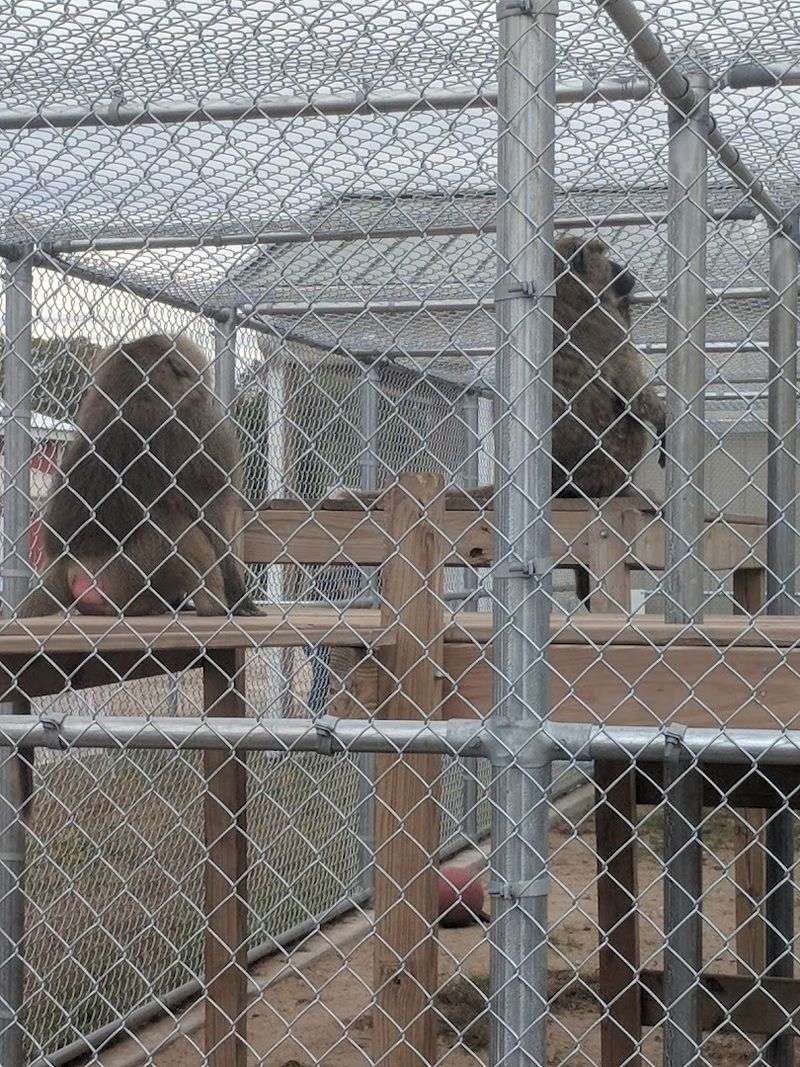
Watching primates interact reveals just how similar they are to humans in surprising ways. You will see family members grooming each other with gentle care, youngsters playing chase through climbing structures, and elders settling disputes with gestures and vocalizations.
These social behaviors show intelligence and emotional depth that many visitors did not realize animals possessed before seeing them up close. Over time, these interactions also highlight how complex their communication can be, from subtle body language to more expressive calls that carry meaning within the group.
Each primate group has its own unique dynamics and personalities you can learn to recognize during a visit. Some individuals are natural leaders who help guide movement and group decisions, while others prefer quiet observation from the sidelines, staying slightly apart but still engaged with the group’s rhythm.
Staff members can often point out these relationships and explain how rescued primates gradually learned to trust again and form stable bonds after difficult or traumatic past experiences in research environments. Seeing these changes unfold in a safe setting helps visitors understand the importance of long-term care and patience in rehabilitation work.
These moments often create lasting impressions and a deeper appreciation for the lives of the animals who now live in a protected and supportive environment.
Understanding the Importance of Primate Rescue Efforts
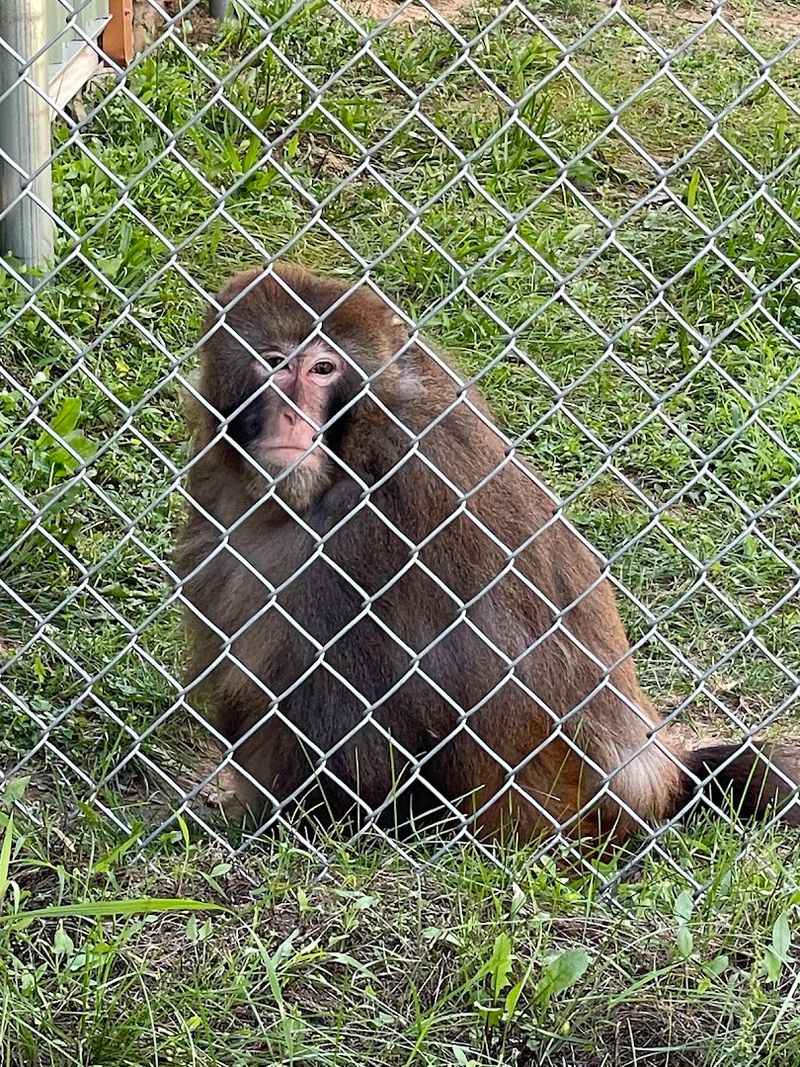
Learning about where these primates came from puts their current happiness into powerful perspective. Many arrived from biomedical research facilities where they spent years in confined enclosures.
Others were surrendered by private owners who later realized that monkeys are not suitable companion animals, despite trends seen online and on social media. The sanctuary’s educational mission helps visitors understand why primates require specialized care, protection, and appropriate long-term environments.
You will learn how the exotic pet trade can negatively impact wild populations and why the use of primates in certain types of research continues to raise ethical discussions worldwide. These topics are presented in a way that encourages reflection rather than judgment, helping visitors see the broader context behind each animal’s story.
This knowledge can empower people to make more informed choices and to support efforts that improve welfare standards for primates both in captivity and in the wild. Even small actions, such as spreading accurate information or supporting reputable sanctuaries, can contribute to meaningful change over time.
Real progress often begins with awareness, empathy, and a willingness to understand the lives behind the animals you see. We encourage visitors to continue learning after they leave and to share what they discovered with others in thoughtful responsible ways that support long-term primate welfare efforts and change.
