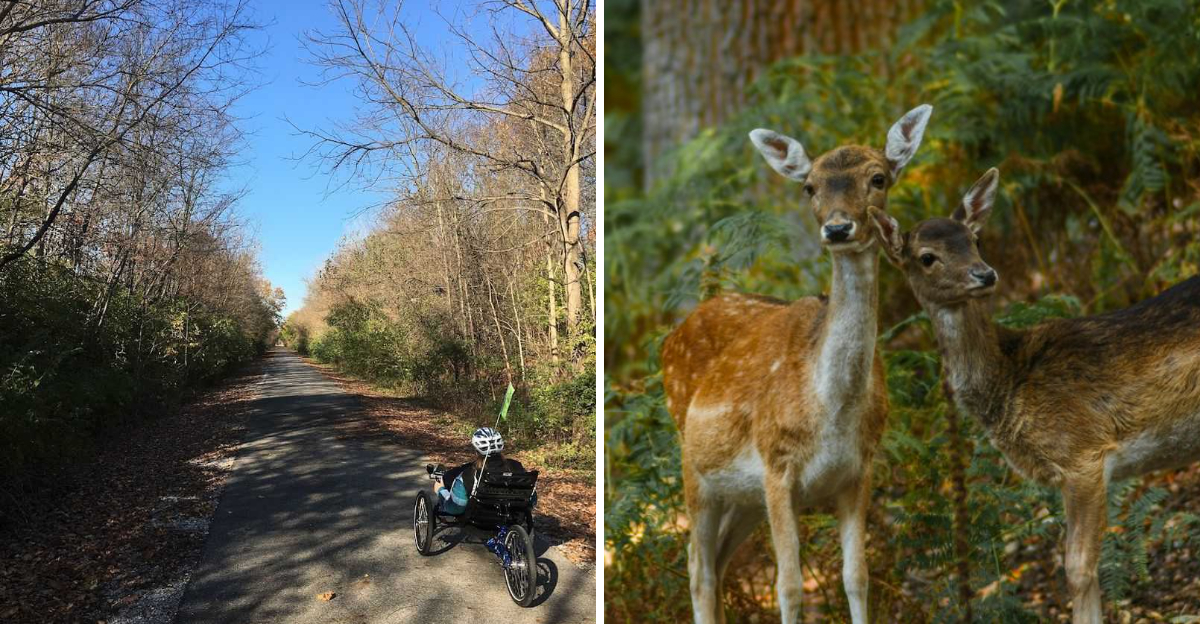
There is something quietly special about a trail that follows the same path trains once traveled through the heartland. Stretching for miles through peaceful countryside, it traces an old rail line in a way that still feels connected to its past, like the history never fully left, it just slowed down.
I have always believed that the best way to understand a place is to move through it slowly, and this trail makes that beautifully possible. There is a rhythm to it, steady, unhurried, where open fields, tree-lined stretches, and small glimpses of rural life unfold at just the right pace.
Whether you are a seasoned cyclist, a casual walker, or someone who just needs a long, quiet stretch of open sky, it delivers something genuinely worth the drive.
A Concrete Bridge with Unforgettable Tippecanoe River Views
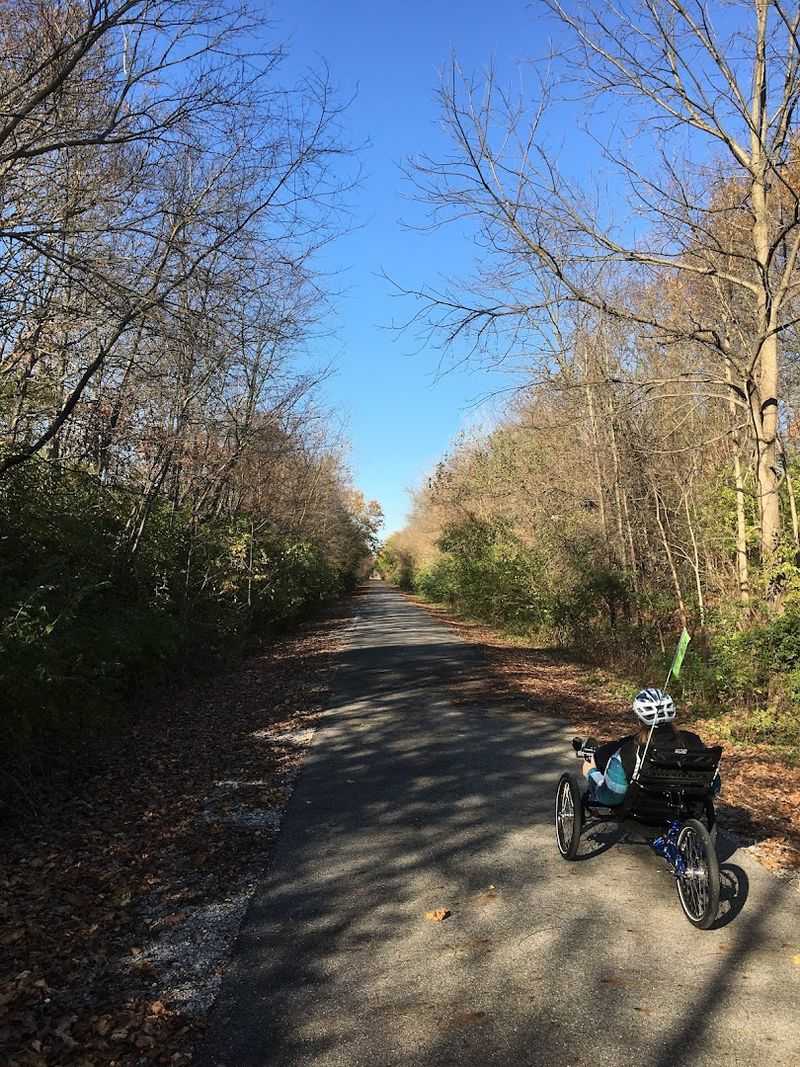
About two miles south of Winamac, the trail crosses a long concrete bridge that stops most visitors right in their tracks. Metal-screened fencing lines both sides, giving you a safe and wide-open view of the Tippecanoe River flowing calmly beneath you.
It is one of those spots where you naturally slow down, lean against the railing, and just take it all in.
The river below reflects the surrounding tree canopy, especially in early morning when the light is soft and golden. In autumn, the colors framing that water view are nothing short of breathtaking.
Locals know this bridge as one of the most photographed spots along the entire route, and it is easy to understand why.
Families often stop here for a short rest before continuing their ride or walk. Birdwatchers find it a prime spot to scan the water and riverbanks for herons, kingfishers, and other wetland species.
The gentle sound of the current below adds a meditative quality that you simply cannot replicate anywhere else on the trail. If there is one moment on the Panhandle Pathway that will stick with you long after you leave, it is standing on that bridge, watching the Tippecanoe River move quietly beneath your feet on a perfect Indiana afternoon.
22 Miles of Smooth, Flat Trail Perfect for Every Pace
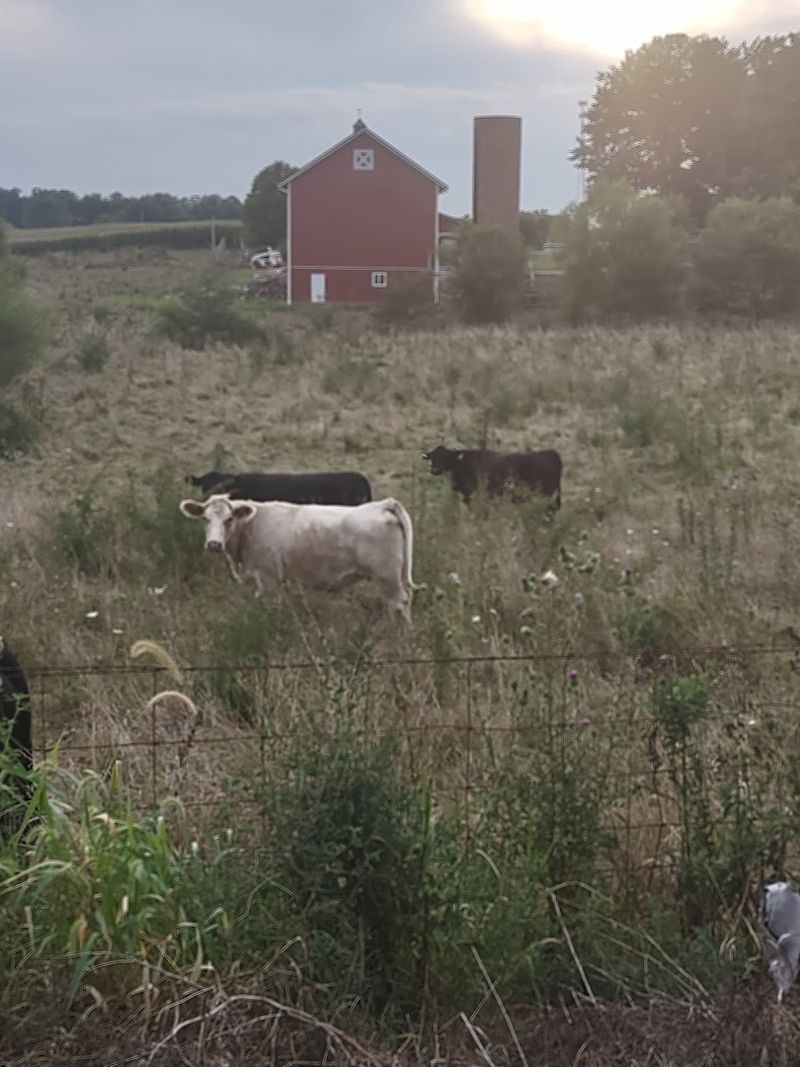
Not every trail can honestly claim to welcome everyone, but the Panhandle Pathway comes close. The surface is smooth, flat, and wide enough for cyclists, walkers, runners, and skaters to share comfortably without crowding each other out.
That kind of accessibility is rarer than people think.
The rail-trail design means almost no elevation change across the full 22 miles, which is a genuine gift for families with young kids, older adults, or anyone recovering from an injury. You can set your own pace without worrying about steep climbs or rough terrain catching you off guard.
That consistency makes planning a long-distance outing genuinely stress-free.
Volunteers from the Friends of the Panhandle Pathway organization work hard to keep the surface in excellent condition year-round. Their dedication shows in the quality of the trail, which feels well-loved rather than neglected.
Whether you want to knock out a quick five-mile loop or commit to the full out-and-back distance, the trail accommodates your ambition without complaint. Indiana has no shortage of outdoor spaces, but finding one this well-maintained and this beginner-friendly is something worth celebrating.
Bring your bike, lace up your walking shoes, or strap on your skates, because this trail was genuinely built to be used and enjoyed by real people of all fitness levels.
Rich Wildlife Encounters Along Every Mile
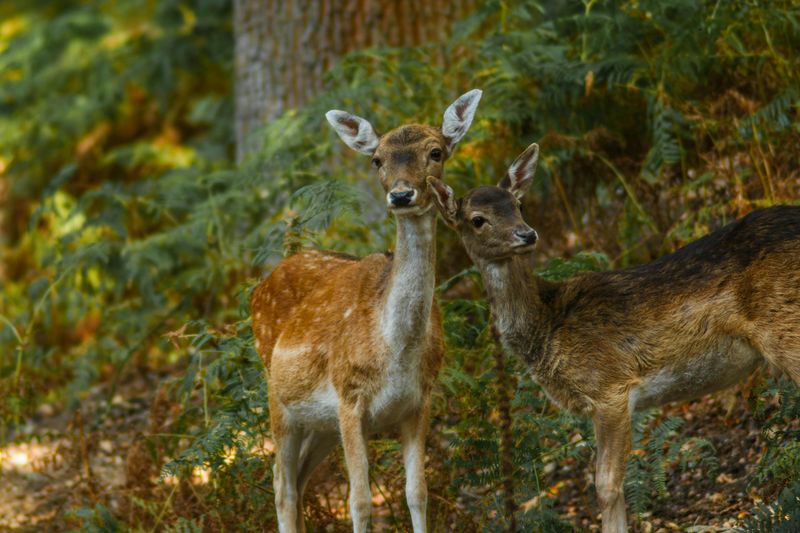
Wildlife watching on the Panhandle Pathway is not a rare lucky moment. It is practically a guarantee.
Deer graze near the tree lines in the early morning hours, rabbits dart across the path, and woodchucks sun themselves on grassy embankments like they own the place. If you move quietly and pay attention, the trail becomes its own living nature documentary.
The variety of habitats along the route is what makes the wildlife so diverse. Open farmland sections attract hawks and kestrels hunting from above, while the wooded stretches shelter songbirds, owls, and woodpeckers.
Creek crossings are especially productive for spotting great blue herons standing motionless in shallow water, waiting patiently for their next meal.
Spring and early summer bring out the most activity, with migratory birds passing through and wildflowers blooming along the trail edges. Autumn shifts the mood entirely, with rustling leaves and deer moving more visibly as the season changes.
Even a midwinter walk can surprise you with fox tracks in fresh snow or a red-tailed hawk perched low on a fence post. For anyone who loves nature but does not want to bushwhack through unmarked wilderness, this trail offers a genuinely rewarding outdoor experience that feels both accessible and authentically wild in the best Indiana tradition.
Five Creek Crossings That Keep the Scenery Changing
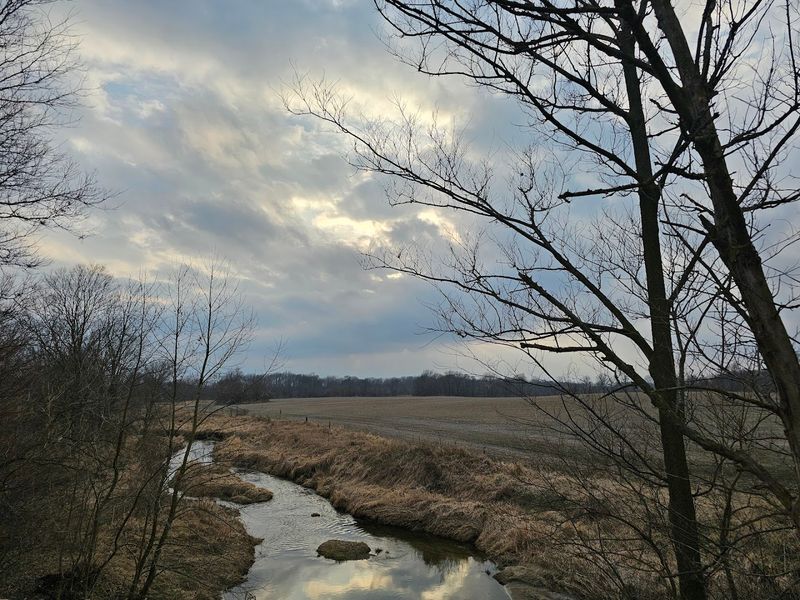
One of the quiet pleasures of the Panhandle Pathway is how the scenery keeps refreshing itself as you move south from Winamac. The trail crosses five named creeks along its length, including Mill Creek, Mud Creek, Indian Creek, Little Indian Creek, and Crooked Creek.
Each crossing brings a slightly different view and a welcome change of pace.
Creek crossings have a way of breaking up a long trail into satisfying chapters. You reach one, pause for a moment to look at the water, maybe spot a turtle on a log or a minnow darting through the shallows, and then continue on feeling like you have arrived somewhere new.
It gives the journey a natural rhythm that longer, featureless trails often lack.
After a good rain, the creeks run fuller and louder, adding a soundtrack to your walk that feels genuinely refreshing. In dry late summer, the water levels drop and the rocky creek beds become visible, offering their own kind of beauty.
The vegetation around each crossing tends to be denser and greener than the open sections, creating cool shaded pockets that are especially welcome on warm Indiana afternoons. These five creek crossings are small moments, but together they make the full 22-mile experience feel like a journey through multiple distinct landscapes rather than one long monotonous stretch.
A Living History Lesson on the Old Pennsylvania Railroad
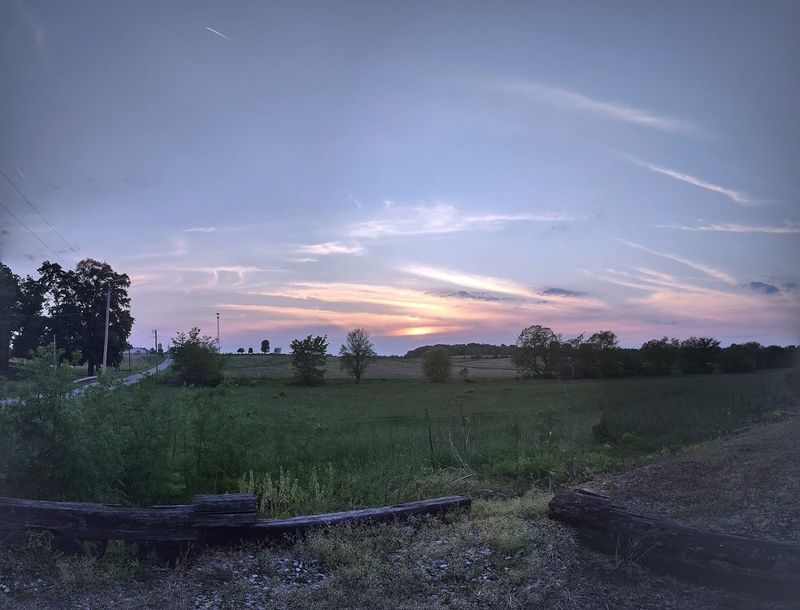
Before it became a beloved trail, this corridor carried freight and passengers across north-central Indiana on the Pennsylvania Railroad line, locally known as the Panhandle Railroad. That history does not just sit in a museum somewhere.
It lives in the very shape of the path you are walking on, in the straight-shot alignment and the gentle grades engineered for heavy locomotives.
Rail-to-trail conversions preserve something that road construction and development often erase: the original movement patterns of a working landscape. Walking this corridor, you are following the same line that connected small Indiana towns to larger markets and communities for generations.
There is something grounding about that continuity, even if the trains stopped running long ago.
The towns along the route, including Winamac, Star City, Thornhope, and Royal Center, each carry pieces of that railroad history in their architecture and community memory. Older residents in these towns can often recall the sound of trains passing through, and that living memory adds depth to what might otherwise feel like just a pleasant walk.
History enthusiasts will find the trail a compelling reason to dig deeper into Pulaski County and Cass County records. The Panhandle Pathway honors its past without being stuck in it, which is exactly the kind of balance that makes a historic trail feel relevant and alive today.
Small-Town Charm in Winamac, Star City, and Royal Center
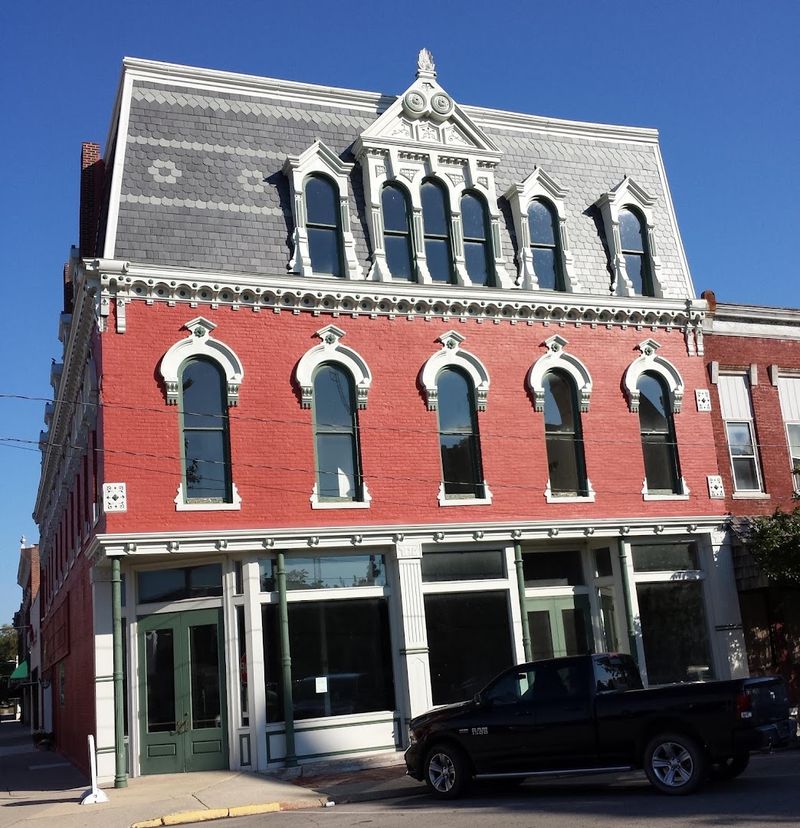
The Panhandle Pathway does not exist in isolation. It threads through real communities with real character, and that connection to local life is one of the things that makes it genuinely special.
Winamac, the northern trailhead town, sits at the heart of Pulaski County and offers a welcoming starting point with nearby amenities and a classic small-town Indiana feel.
Star City and Royal Center are smaller stops along the route, but they carry the kind of quiet pride that rural Indiana towns do well. Picnic areas and restroom facilities along the trail make longer visits practical, and the communities themselves invite you to linger rather than just pass through.
A stop at a local diner or gas station along the way often turns into a short conversation about the trail, the county, or the weather, which is just how things work in this part of the state.
For a meal near the trail, the Winamac area has local options worth exploring. Families visiting the trail often pair their outing with a stop at Winamac Town Park, located on West Main Street in Winamac, which offers additional green space and facilities.
The combination of outdoor recreation and genuine small-town hospitality is what separates the Panhandle Pathway from more anonymous trail experiences. This is Indiana community life at its most honest and most welcoming.
Community Spirit That Keeps the Trail Thriving

Behind every well-maintained trail is a group of people who genuinely care about it, and the Panhandle Pathway has exactly that. The Friends of the Panhandle Pathway is a nonprofit organization built entirely around keeping this corridor clean, safe, and welcoming for everyone who uses it.
Their volunteer-driven work is visible in every well-swept stretch and every clearly marked access point.
Community-supported trails have a different feel from government-maintained ones. There is a personal investment in the upkeep that shows up in small details, like a cleared drainage ditch or a freshly painted trailhead sign.
When volunteers care about a place, visitors feel it, even if they cannot always name exactly why the experience feels warmer than expected.
Supporting the trail is easy and meaningful. The Friends organization welcomes new members, donations, and volunteer hours, and information about getting involved is available through their website at panhandlepathway.org.
Events and trail clean-up days bring the local community together in a way that strengthens both the path and the people around it. For visitors, knowing that a trail is actively loved by its community adds something intangible but real to the experience of using it.
The Panhandle Pathway is not just a recreational asset. It is a living example of what Indiana communities can build and sustain when they decide something is worth protecting together.
Dear Reader: This page may contain affiliate links which may earn a commission if you click through and make a purchase. Our independent journalism is not influenced by any advertiser or commercial initiative unless it is clearly marked as sponsored content. As travel products change, please be sure to reconfirm all details and stay up to date with current events to ensure a safe and successful trip.
