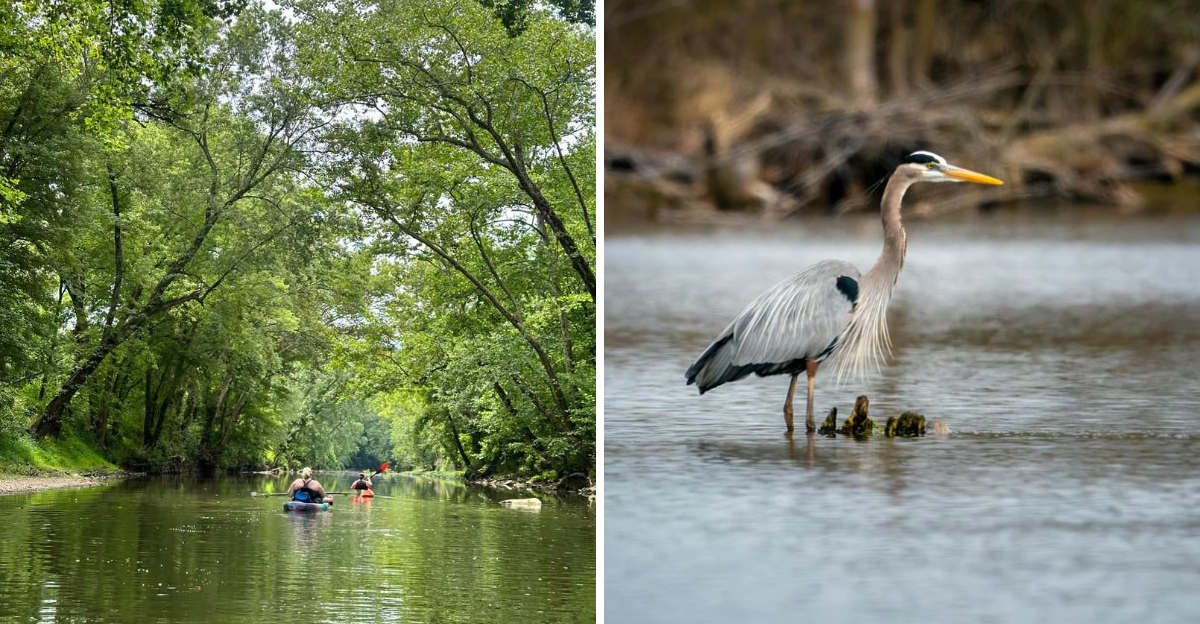
I first paddled Blue River on a bright May morning, and I remember thinking the water looked like liquid glass reflecting the limestone bluffs above. Southern Indiana holds plenty of hidden gems, but this river stands out as something truly special for anyone who loves getting out on the water or watching wildlife in their natural habitat.
The current flows gently enough for beginners yet offers just enough character to keep experienced paddlers interested, winding through forests and farmland with surprises around every bend. What makes Blue River remarkable is how it manages to feel remote even though it runs through populated areas of Harrison, Washington, and Crawford counties.
The old iron bridge near Fredericksburg creates a perfect photo opportunity that locals have cherished for generations. Whether you are planning your first kayaking trip or your hundredth, this southern Indiana waterway delivers an experience that keeps people coming back year after year.
Crystal Clear Waters Perfect for Beginner Paddlers
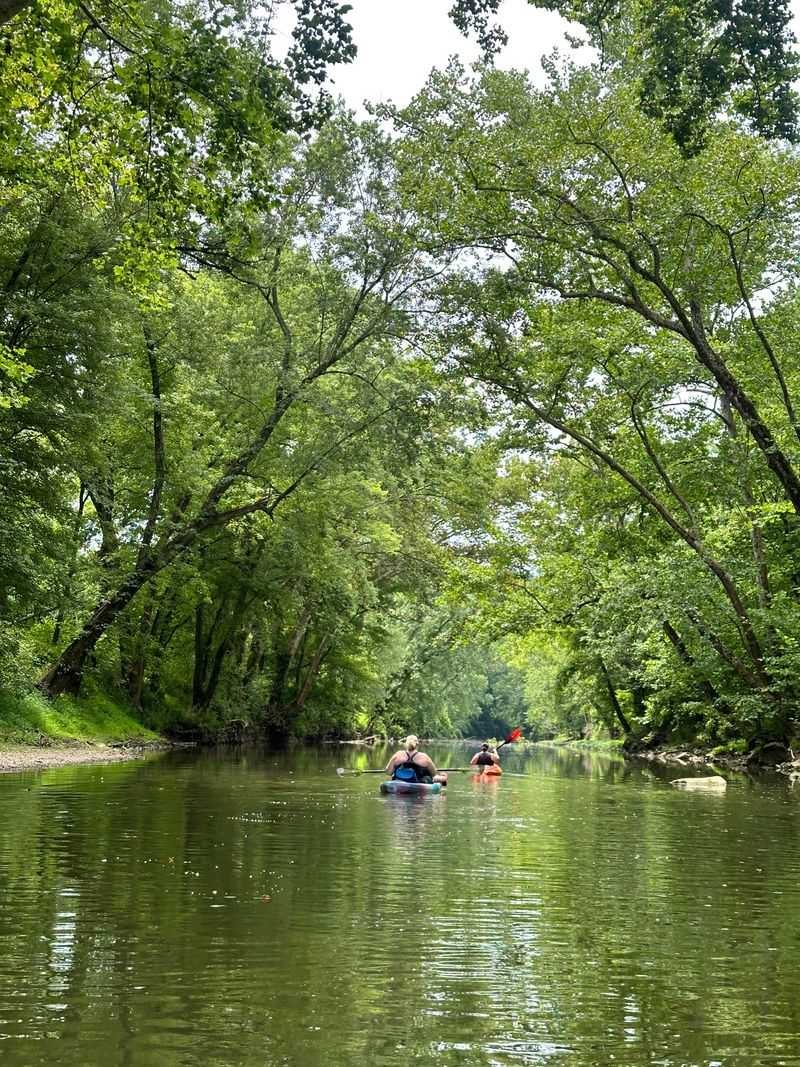
Blue River earned its reputation as one of the most approachable waterways in southern Indiana for good reason. The current moves at a pace that gives newcomers confidence without boring experienced kayakers.
Water clarity here exceeds what you will find on many nearby rivers, allowing you to spot fish darting beneath your boat and see the rocky bottom in shallower sections.
Families with children appreciate how forgiving this river can be. The gentle flow means less worry about getting swept into difficult situations, and the relatively shallow depth in many stretches provides reassurance for parents introducing kids to paddling.
Summer months bring warm water temperatures that make an accidental swim more refreshing than frightening.
The section between Milltown and Rothrock Mill offers particularly calm conditions ideal for first-timers. This stretch flows through scenic countryside where you can focus on developing your paddling technique without navigating tricky obstacles.
Local outfitters near Fredericksburg provide rentals and shuttle services, making logistics simple for visitors without their own equipment.
Spring runoff can raise water levels and increase current speed, so timing matters if you want the easiest experience. Late summer and early fall typically provide the most predictable conditions when the river settles into its lazy, clear-water personality that makes photography and wildlife watching equally rewarding.
Limestone Bluffs Create Stunning Natural Scenery
Towering limestone formations rise along certain stretches of Blue River, creating dramatic backdrops that photographers dream about. These ancient bluffs tell geological stories spanning millions of years, their layered faces revealing different eras of sediment deposition.
Sunlight plays across the rock surfaces throughout the day, changing the character of the scenery from soft morning pastels to golden afternoon warmth.
The most impressive bluffs appear along the middle sections of the river between Milltown and the Harrison County areas. Paddling beneath these towering walls gives you a perspective impossible to achieve from land, with the water reflecting the stone above and creating mirror images on calm days.
Small caves and overhangs in the limestone provide shelter for swallows and bats, adding ecological interest to the visual appeal.
Geologists recognize this region for its karst topography, where water has carved elaborate patterns through soluble bedrock over countless centuries. Blue River itself contributes to this ongoing process, slowly shaping the landscape even as you float past.
The bluffs also support unique plant communities adapted to the rocky, well-drained conditions, including species rarely found elsewhere in Indiana.
Seasonal changes transform the bluffs throughout the year. Spring brings cascading wildflowers down the rock faces.
Autumn paints the trees crowning the formations in brilliant colors that contrast beautifully with gray stone, creating postcard-worthy scenes around nearly every bend.
Abundant Wildlife Viewing Opportunities Year-Round
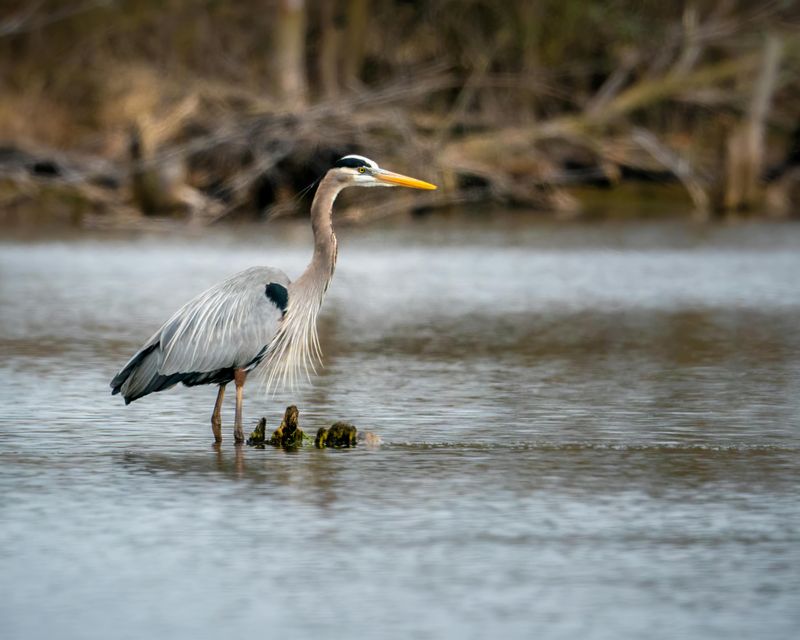
Birdwatchers consider Blue River a southern Indiana hotspot for good reason. Great blue herons stand sentinel in the shallows, their patience rewarded when unsuspecting fish swim too close.
Belted kingfishers announce their presence with rattling calls before diving headfirst after prey. During migration seasons, the corridor attracts warblers, vireos, and other songbirds moving between northern breeding grounds and southern wintering areas.
Mammals make regular appearances along the riverbanks too. Deer come to drink at dawn and dusk, sometimes watching kayakers pass with curious expressions.
Raccoons leave distinctive handprint tracks in the mud. Patient observers occasionally spot river otters, though these playful creatures remain relatively uncommon and sighting one counts as a special treat.
Reptiles and amphibians thrive in the diverse habitats Blue River provides. Painted turtles stack themselves on logs like plates in a cupboard, soaking up sunshine.
Water snakes swim with undulating grace, often mistaken for more dangerous species but completely harmless to humans. Spring evenings fill with frog choruses that create a soundtrack worthy of any nature documentary.
The river supports healthy fish populations including bass, bluegill, and catfish that attract anglers and provide food for the birds and mammals living nearby. This abundance of life at all levels creates an ecosystem where something interesting always seems to be happening if you stay quiet and observant while drifting downstream.
Historic Iron Bridge Near Fredericksburg
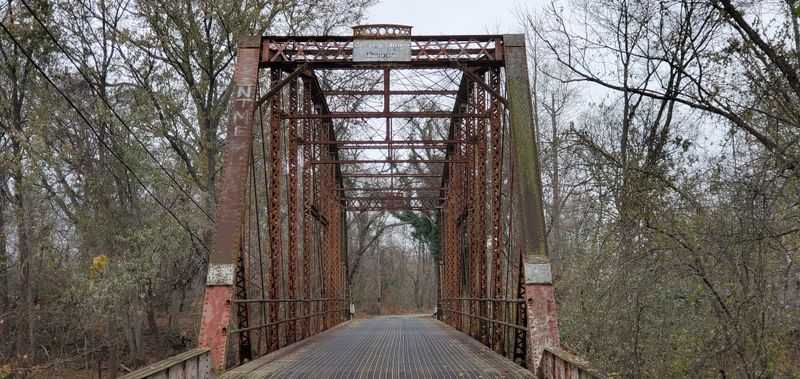
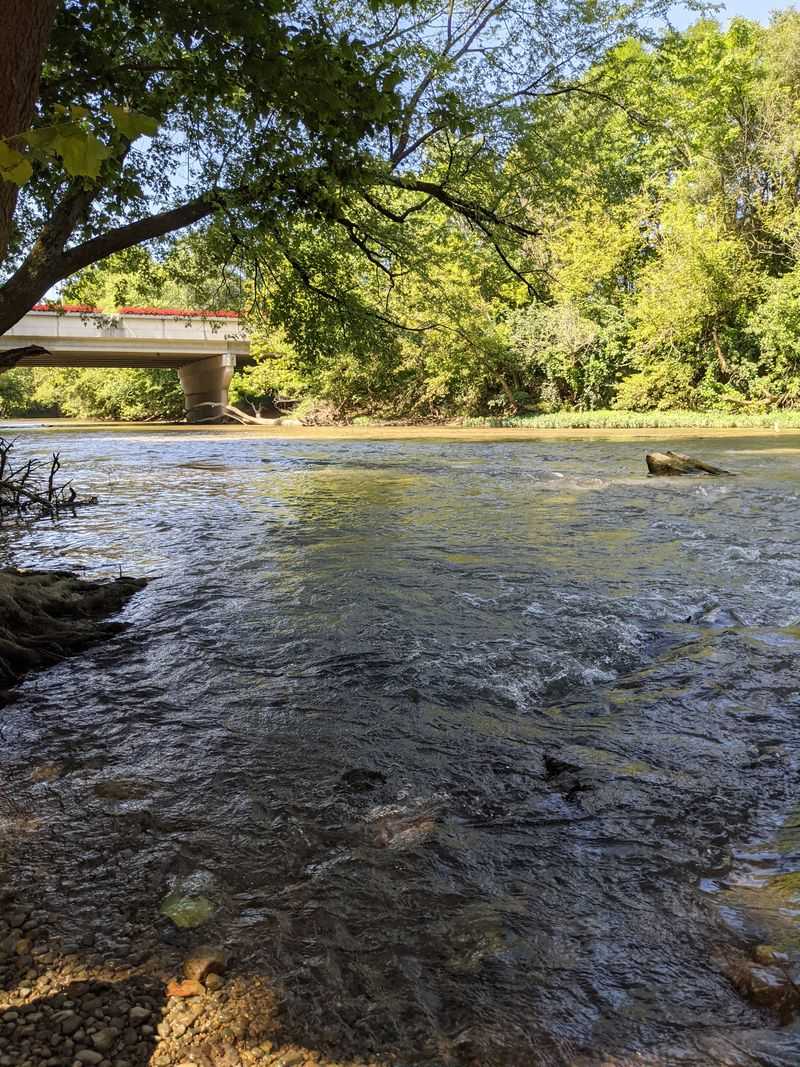
An iconic iron bridge spans Blue River near Fredericksburg, standing as a testament to early 20th-century engineering and community connection. This structure represents more than just a river crossing; it symbolizes the agricultural heritage of Washington County and the practical ingenuity of rural Indiana communities.
The bridge’s dark metal framework creates striking geometric patterns against the sky and water below.
Paddlers approaching from upstream see the bridge emerge gradually through the trees, its silhouette growing larger until you glide directly beneath the span. The experience feels almost cinematic, especially when afternoon light filters through the ironwork creating shadow patterns on the water.
Many kayakers pause here to take photographs, the bridge providing a recognizable landmark that anchors memories of their Blue River adventure.
Local history enthusiasts appreciate how structures like this connected isolated farming communities before paved roads became common. Farmers hauled crops across these bridges to reach markets in larger towns.
School children walked the wooden planks on their way to one-room schoolhouses. The bridge witnessed generations of southern Indiana life flowing past just as surely as the river flows beneath it.
The area around the bridge offers convenient access for launching or retrieving watercraft, making it a popular spot for shorter paddling trips. Nearby Fredericksburg provides basic services, though the town maintains its quiet, rural character that complements rather than competes with the natural beauty drawing visitors to the river.
Multiple Access Points Along the River Corridor
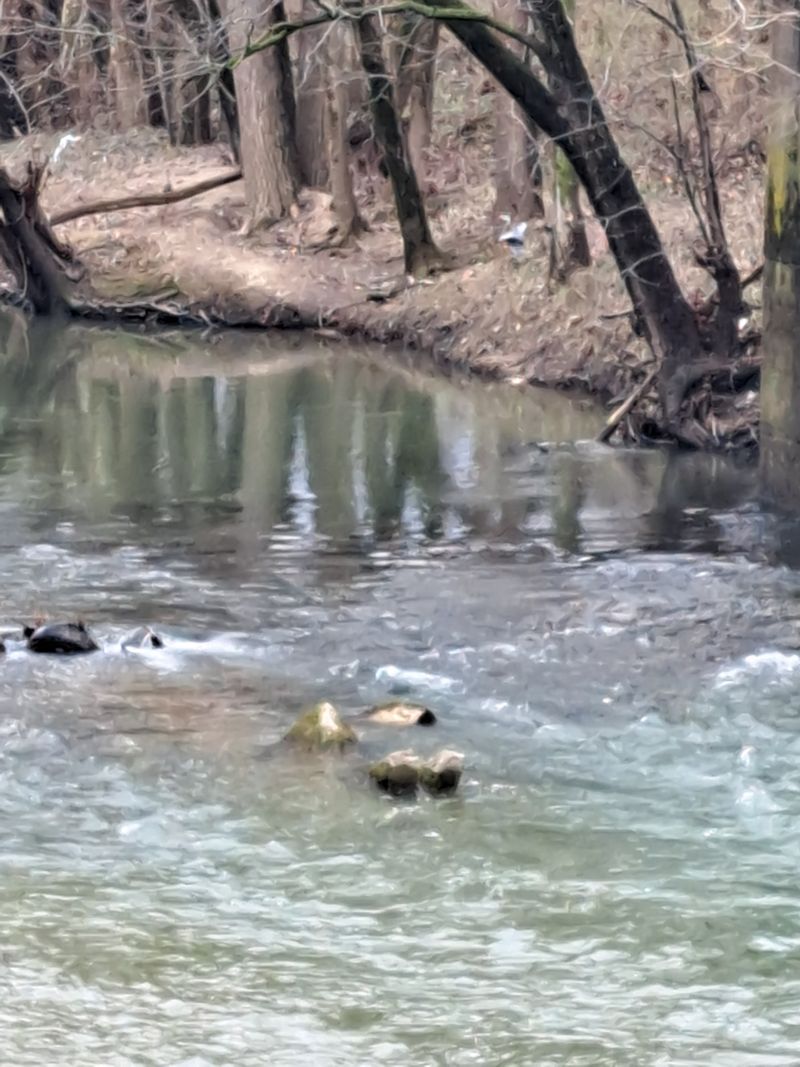
Blue River’s popularity stems partly from how accessible it remains despite flowing through relatively undeveloped countryside. Several public access points allow paddlers to customize trip lengths based on skill level, available time, and desired scenery.
This flexibility makes the river welcoming for everyone from families planning a two-hour float to serious kayakers tackling all-day expeditions.
The stretch from Milltown to Rothrock Mill ranks among the most popular, offering approximately ten miles of consistently beautiful paddling. Put-in options exist at multiple points along this section, with the most developed facilities found near the communities that have served river users for decades.
Parking areas vary from formal gravel lots to informal roadside pull-offs that locals have used for generations.
Roger’s Corner to Rothrock represents another favored section, praised in reviews dating back decades for its scenic quality and manageable distance. Veterans who have paddled Blue River since the 1970s speak fondly of this stretch, noting how it has retained its character even as other Indiana waterways have changed.
The continuity of experience across generations speaks to effective conservation and the river’s inherent resilience.
Private outfitters operating near Fredericksburg and other communities simplify logistics by providing shuttle services that eliminate the two-car shuffle. They know the river intimately and offer advice about current conditions, water levels, and which sections best match your interests and abilities on any given day.
Peaceful Escape from Urban Indiana
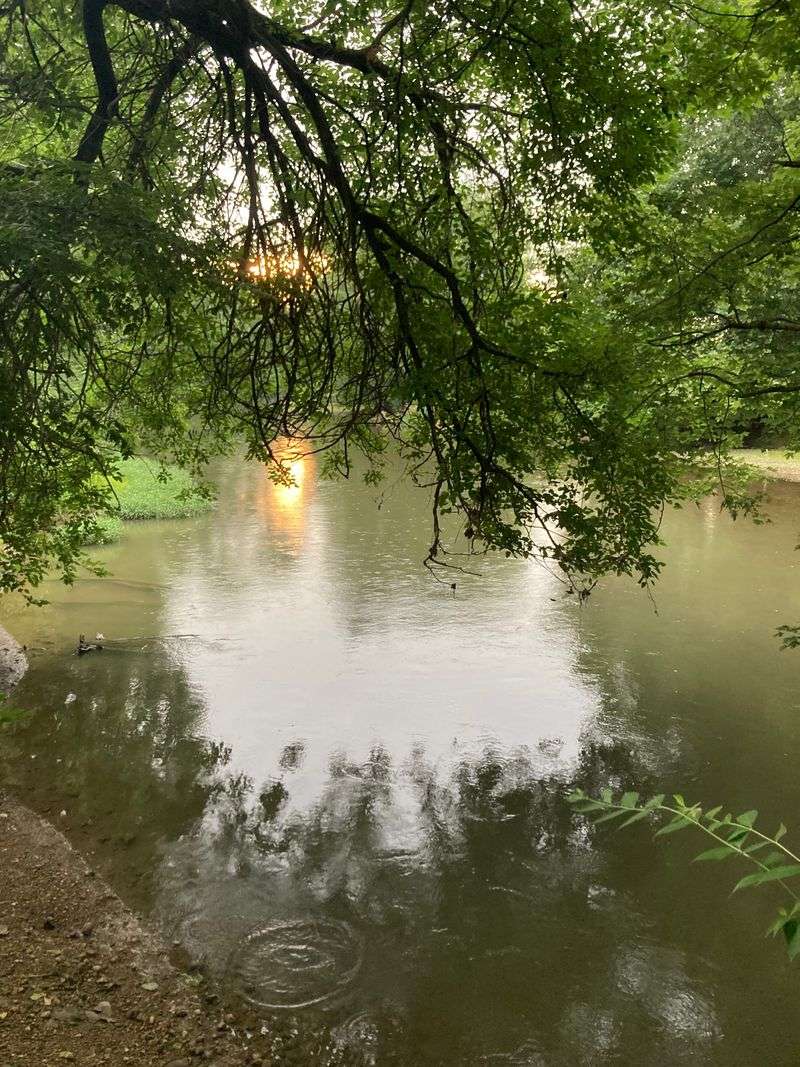
Southern Indiana’s rolling hills and forested valleys create a landscape that feels worlds away from Indianapolis or Louisville despite being within reasonable driving distance of both cities. Blue River captures this rural character perfectly, winding through countryside where the loudest sounds come from birds, rustling leaves, and water moving over rocks.
Cell phone reception becomes spotty in places, which most paddlers consider a feature rather than a bug.
The river corridor preserves agricultural heritage alongside natural beauty. Pastures slope down to the water where cattle graze, creating pastoral scenes that could illustrate a calendar celebrating Indiana’s farming traditions.
Barns and farmhouses appear occasionally on higher ground, their presence reminding you that people have lived alongside this river for generations without overwhelming it.
Mental health benefits of time spent in nature have been well documented by researchers, and Blue River provides the kind of environment where those benefits become tangible. The repetitive motion of paddling combined with the gentle sensory input of moving water creates a meditative state.
Stress seems to dissolve into the current, carried downstream and away from your consciousness.
Unlike some Indiana waterways that suffer from development pressure, Blue River retains an unspoiled quality in most sections. You can paddle for hours seeing more trees than buildings, more wildlife than people.
This scarcity of human impact allows genuine disconnection from daily pressures, offering mental and emotional restoration that keeps people returning whenever they need to recharge.
Excellent Fishing Opportunities Throughout the Seasons
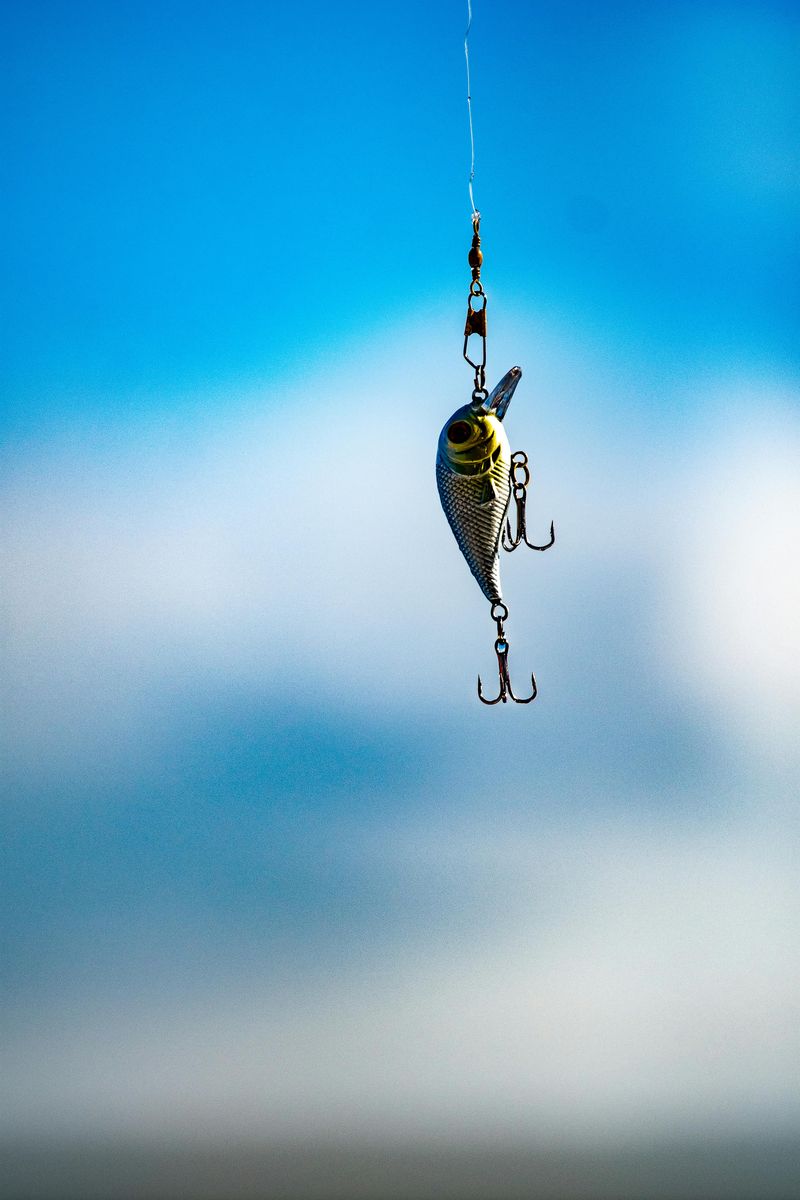
Anglers recognize Blue River as a productive fishery supporting diverse species that provide action throughout the year. Smallmouth bass thrive in the rocky sections, their fighting spirit making them favorites among sport fishers.
Largemouth bass prefer the quieter pools where fallen trees create structure. Bluegill and other panfish populate shallow areas, offering reliable catches that make children smile and fill skillets with sweet, flaky meat.
Catfish prowl the deeper holes, especially where tributaries join the main channel. Channel cats dominate the catches, though flatheads grow to impressive sizes in certain sections that local experts guard like classified information.
Spring spawning runs bring fish into shallower water where they become more accessible to kayak anglers who can reach spots inaccessible from shore.
The combination of kayaking and fishing creates an especially enjoyable way to experience Blue River. Paddling allows you to cover water efficiently, trying different spots until you find where fish are actively feeding.
The quiet approach of a kayak avoids spooking wary fish in clear water. Specialized fishing kayaks with rod holders and storage compartments have become increasingly common on the river as this style of angling gains popularity.
Seasonal patterns influence fishing success, with spring and fall generally producing the most consistent action. Summer fishing remains productive early and late in the day when temperatures moderate.
Winter brings challenges but also opportunities for dedicated anglers willing to bundle up and target species that remain active in cold water.
Dear Reader: This page may contain affiliate links which may earn a commission if you click through and make a purchase. Our independent journalism is not influenced by any advertiser or commercial initiative unless it is clearly marked as sponsored content. As travel products change, please be sure to reconfirm all details and stay up to date with current events to ensure a safe and successful trip.
