I never expected a hike through the woods of southern Indiana to stop me cold in my tracks.
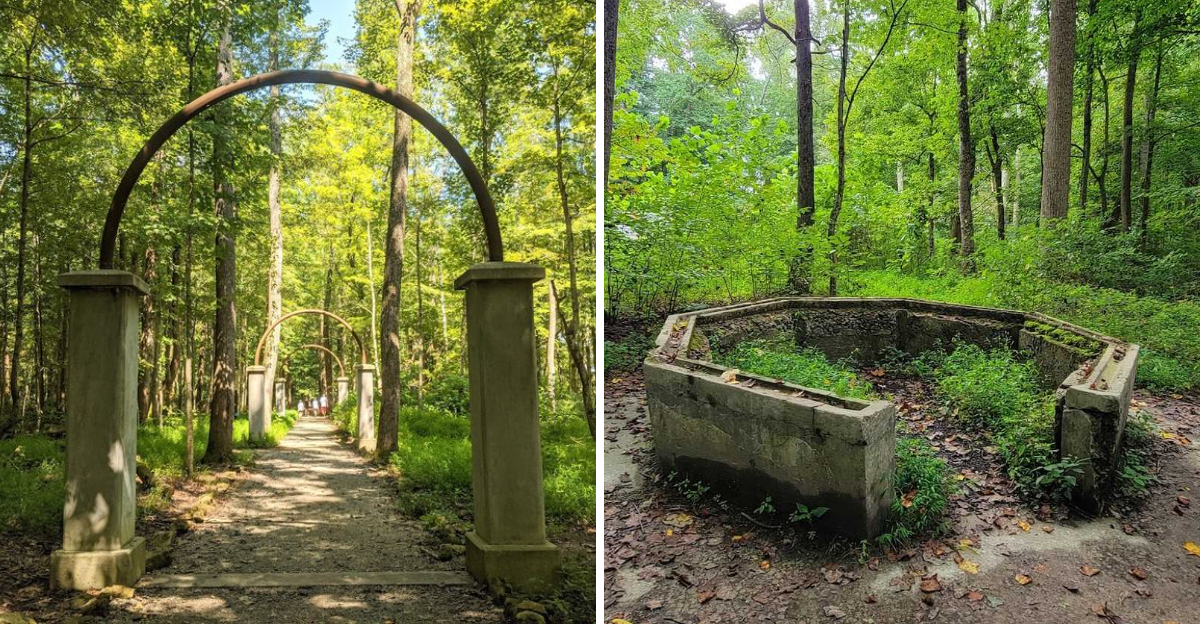
But standing among the crumbling stone walls and moss-covered foundations of Rose Island, I felt something rare: the weight of a place that used to pulse with laughter, music, and thousands of summer visitors.
Rose Island was once one of the most beloved amusement destinations in the region, drawing crowds from Louisville and beyond to its riverfront rides, hotel, and swimming pool.
Today it sits quietly inside Charlestown State Park, slowly being reclaimed by the forest, and honestly, it might be the most fascinating ruin in all of Indiana.
Rose Island Was Built as a Premier 1920s Amusement Resort
Back in 1923, a man named James Guthrie had a vision that felt almost cinematic for its time. He wanted to build a full-scale resort and amusement park on a peninsula of land along the Ohio River in Clark County, Indiana.
What he created was Rose Island, a destination that quickly became the crown jewel of summer entertainment for the entire tri-state region.
The resort featured a hotel, a ballroom, a swimming pool, carnival rides, a miniature train, and even a roller coaster. Families packed the riverboats and ferries that carried them across the Ohio River from Louisville, Kentucky, just to spend a day at this magical place.
At its peak, Rose Island was drawing tens of thousands of visitors each season, which was a staggering number for rural Indiana in that era.
The park sat on a natural peninsula shaped by Fourteen Mile Creek, giving it an almost island-like feel. Lush trees, river breezes, and the sounds of a working amusement park made it feel like a world apart from everyday life.
Locals from Charlestown, Jeffersonville, and New Albany all considered Rose Island part of their shared summer identity. It was more than just a fun spot.
It was a genuine community landmark that shaped how an entire generation remembered childhood.
A Devastating Flood in 1937 Wiped It All Away
The Great Flood of 1937 is still talked about in hushed, serious tones across southern Indiana and Kentucky. That January, the Ohio River swelled to catastrophic levels, breaking records that had stood for generations.
The floodwaters rose so high and so fast that entire towns were swallowed whole, and Rose Island never had a chance.
The park sat in a low-lying river valley, which made it especially vulnerable. When the Ohio crested at nearly 80 feet above flood stage, the water rushed through Rose Island with brutal force.
The roller coaster, the hotel, the ballroom, the rides, and nearly every structure on the property were either destroyed outright or left so damaged that rebuilding was simply not possible.
What makes this moment so heartbreaking is the timing. Rose Island had survived the Great Depression by slimming down its offerings and keeping ticket prices low.
It had weathered lean years through sheer community loyalty. But nature proved to be a far more powerful force than economic hardship.
The 1937 flood essentially erased the resort in a matter of days.
James Guthrie reportedly walked the ruined grounds after the waters receded and made the painful decision not to rebuild. The land was eventually sold, and the forest quietly began taking back what had once been a thriving, joyful place.
That loss still echoes through the history of Clark County.
The Ruins Are Now Preserved Inside Charlestown State Park
After the flood, the Rose Island property sat largely forgotten for decades. Nature moved in fast, covering the broken foundations and crumbled walls with vines, moss, and towering hardwood trees.
It was not until the land became part of Charlestown State Park that the ruins received any kind of formal recognition or protection.
Today, the Indiana Department of Natural Resources manages the site carefully. Interpretive signs have been placed throughout the grounds, marking where specific structures once stood.
You can walk past a sign that tells you a roller coaster used to rise right where a tangle of tree roots now grows. Another marker shows where the hotel welcomed guests in their Sunday best.
The park itself is located at 12500 IN-62 in Charlestown, Indiana, and is open daily from 7 AM to 11 PM. Getting to Rose Island requires a hike, and that hike involves a notably steep hill.
Going down to the ruins is manageable for most people, but the climb back up is the part that gets your heart pumping. Rangers and regular visitors both recommend wearing good walking shoes and bringing plenty of water.
The DNR has done a thoughtful job of balancing preservation with accessibility. The trail is well-maintained, the signage is genuinely informative, and the overall experience feels respectful of the history buried in that ground.
For history lovers, it feels like walking through a quiet, open-air museum.
Guided Tours Bring the History to Life in a Remarkable Way
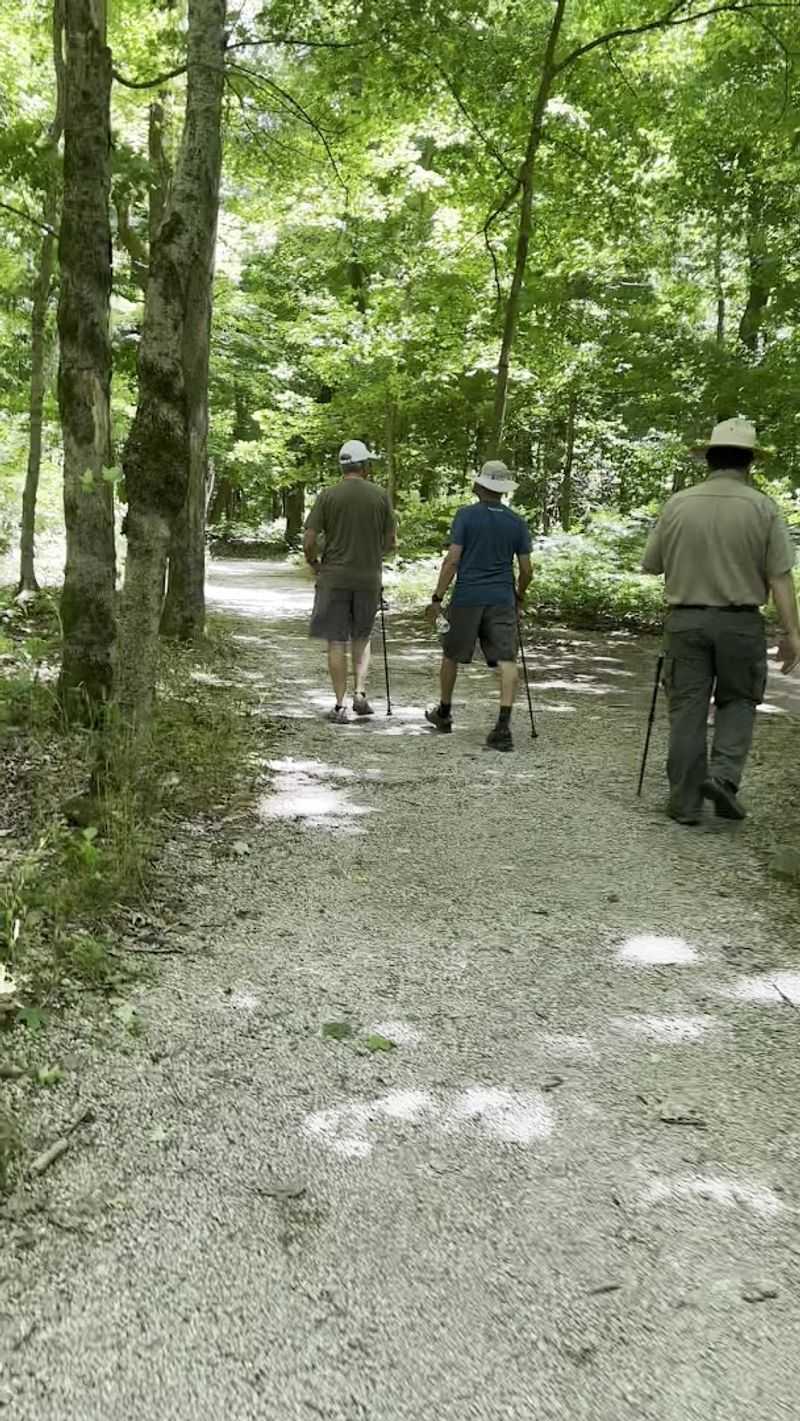
If you visit Rose Island without a guide, you will still have a meaningful experience. But if you can catch one of the guided tours led by park guide Jeremy Beavin, you will leave with a completely different understanding of what this place once was.
Multiple visitors have described his storytelling as genuinely transporting, the kind that makes you forget you are standing in a forest.
Jeremy has a gift for taking dry historical facts and turning them into vivid, personal stories. He talks about the families who came by riverboat, the dances held in the ballroom, and the way Rose Island felt like an escape from ordinary life during a very difficult era in American history.
His tours run on Fridays at 2 PM and Saturdays at 10 AM, though schedules can shift seasonally, so checking ahead with the park is always a smart move.
One practical bonus worth knowing: the guided tours use a van to transport visitors down the steep road to the ruins, which makes the experience far more accessible for seniors, young children, and anyone with mobility concerns. Dogs are welcome if you are hiking in on your own, though the tour van has different rules.
The tour lasts roughly two hours, and reviewers consistently say it is worth every minute. If you are the kind of person who loves history paired with a strong sense of place, this tour is genuinely not to be missed on any visit to southern Indiana.
What Little Remains Is Hauntingly Beautiful and Worth Seeing
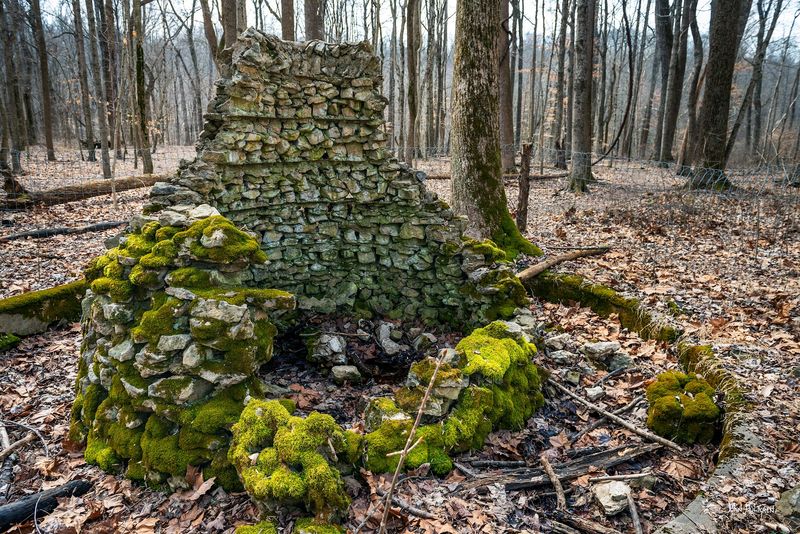
Some visitors arrive expecting a full-scale abandoned amusement park with rusted rides and crumbling buildings still standing tall. The reality of Rose Island is quieter and more subtle than that, but it carries its own kind of magic.
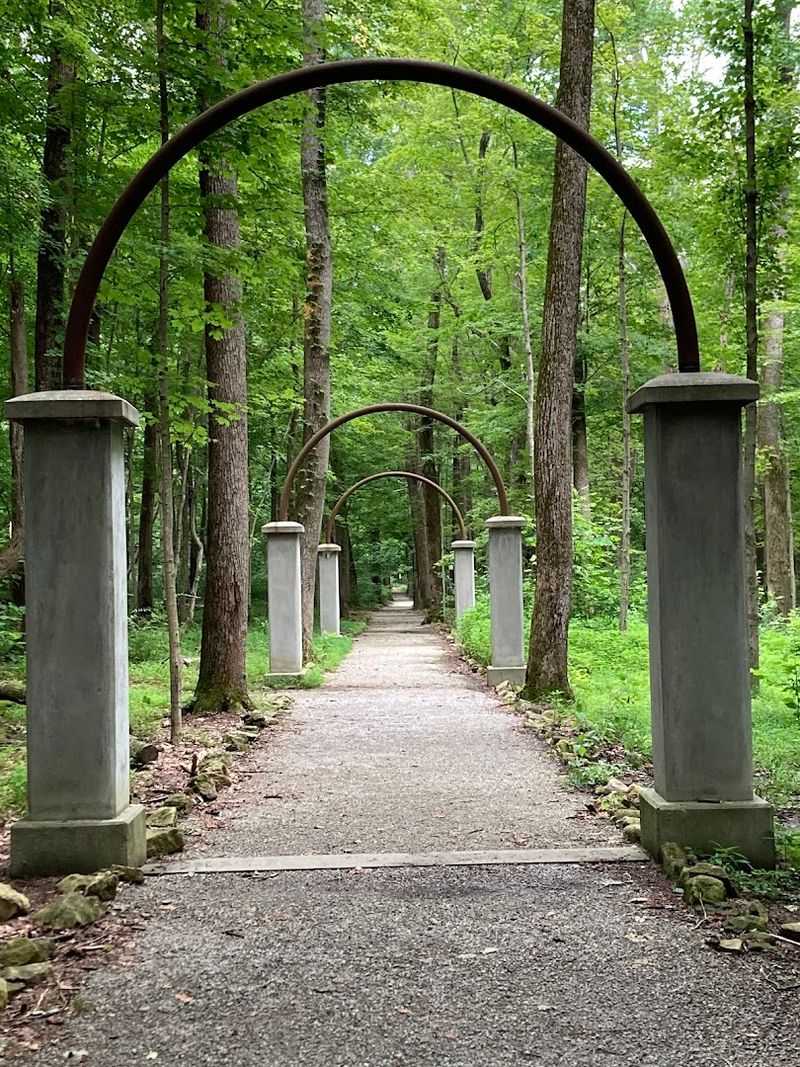
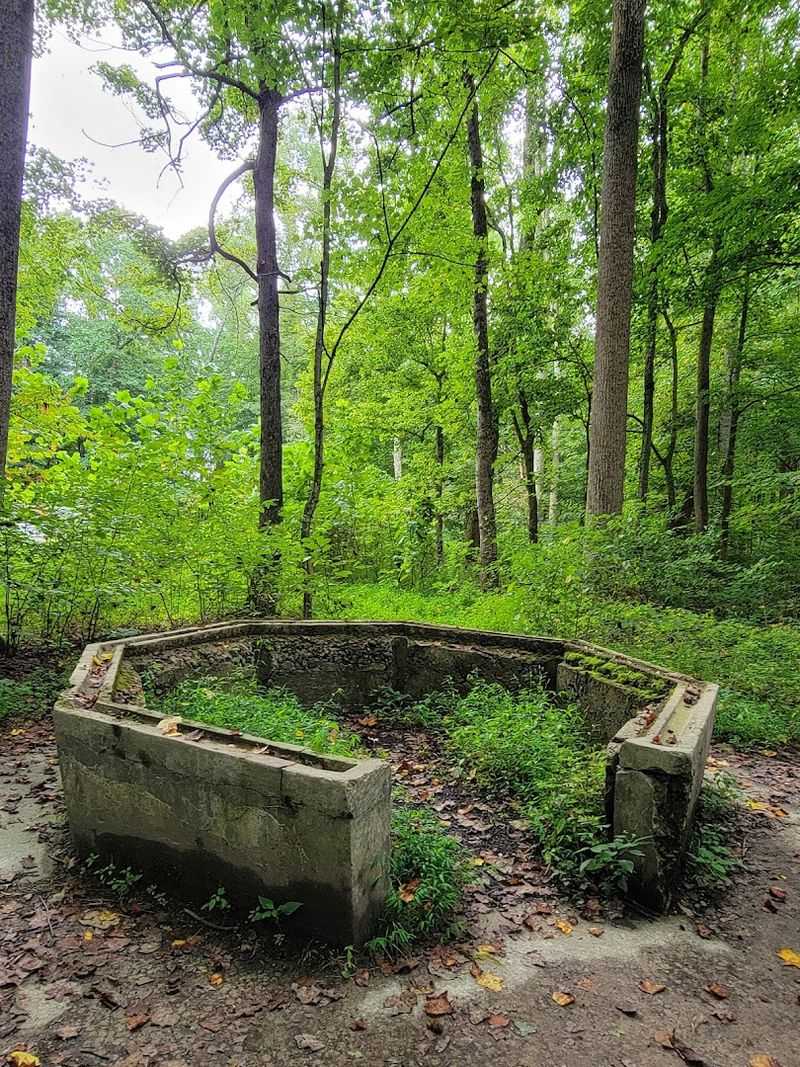
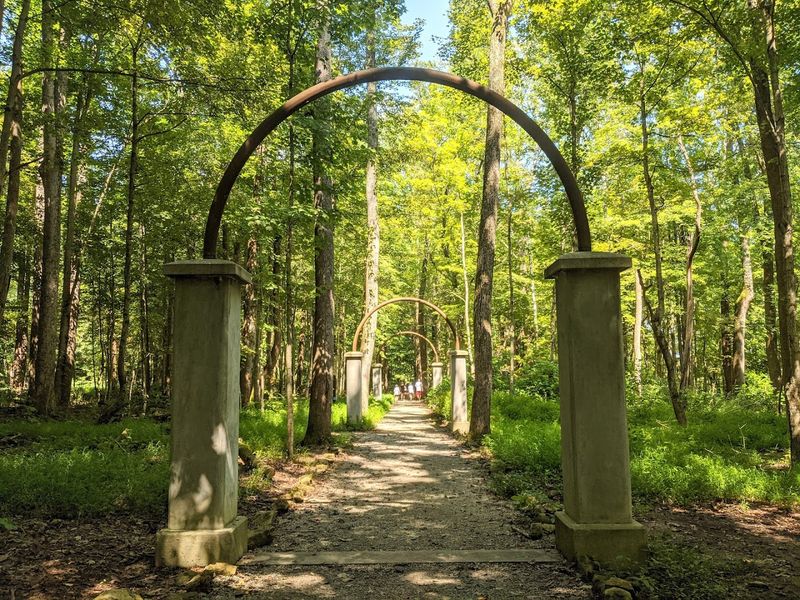
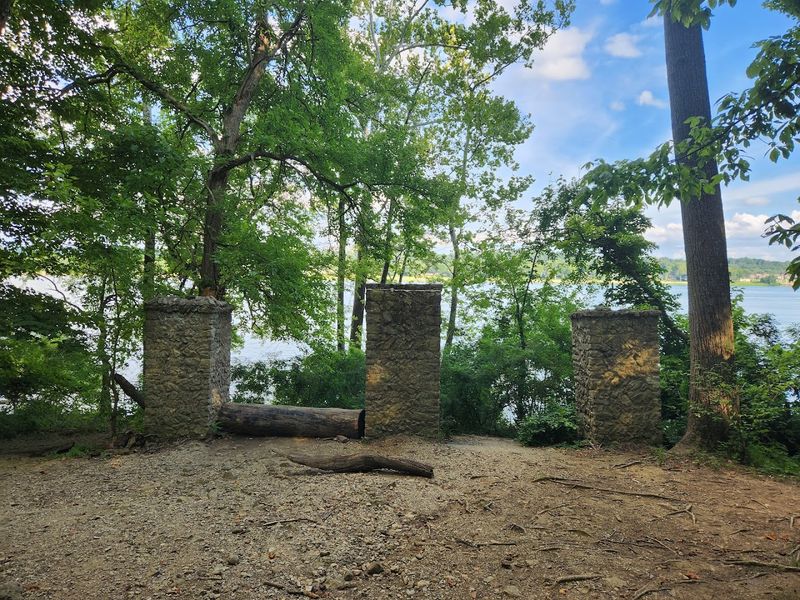
What the forest has left behind is a collection of stone foundations, concrete remnants, flood markers, and the occasional structural ghost that hints at what once stood there.
The swimming pool basin is one of the most evocative sights on the property. Overgrown and leaf-filled, it still holds its rectangular shape in the earth, giving you a clear picture of how large and ambitious the resort really was.
The bridge crossing over Fourteen Mile Creek to reach the island is another highlight, and several visitors have noted that even a weathered old picnic table found on the grounds feels like it might be an original piece from the resort era.
Flood markers along the trail show just how high the 1937 waters rose, and seeing those measurements in person makes the disaster feel visceral and real in a way that reading about it simply cannot replicate. Photographers especially love this spot in every season, from the stark winter light to the lush green canopy of summer.
One reviewer called it hauntingly beautiful, and that phrase really does capture the mood perfectly. Rose Island does not overwhelm you with spectacle.
Instead, it pulls you in slowly, asking you to use your imagination to fill in what time and water have taken away.
The Hike to Rose Island Is a Workout With a Reward at the End
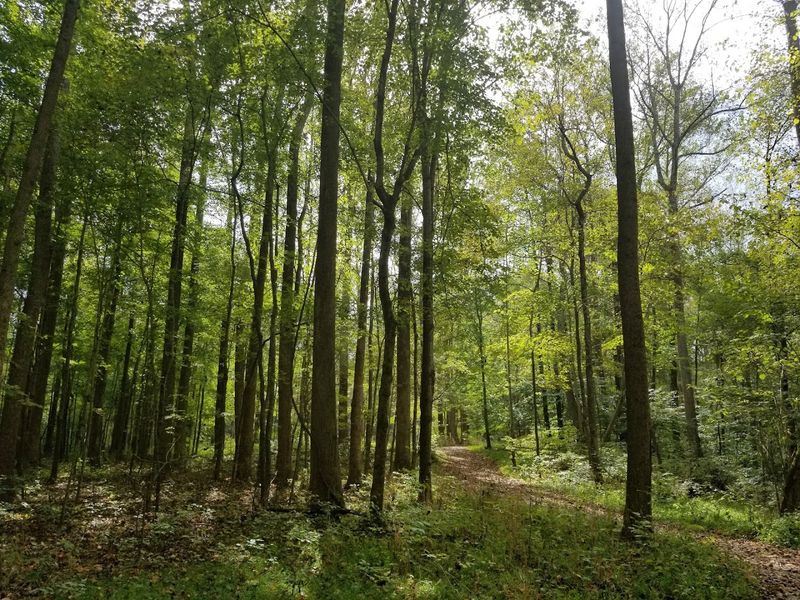
Nobody is going to pretend the hike to Rose Island is flat and easy. The trail drops steeply into the river valley where the ruins sit, and while going down is straightforward enough, the return trip uphill is a genuine physical challenge that catches a lot of visitors off guard.
Multiple reviewers have mentioned carrying a dog partway up because even four-legged companions find it tough.
The main access road is paved, which helps, and there are a few benches placed along the steeper sections where you can stop and catch your breath. Trail 3 is an alternate route that is longer but significantly less steep on the return, and experienced hikers often recommend it as the smarter exit strategy, especially on warm days when the humidity in southern Indiana can make any climb feel twice as hard.
The total round-trip distance for a full exploration of the ruins and surrounding area can reach around 10 miles if you combine multiple trails in Charlestown State Park. Most people doing just the Rose Island loop cover considerably less than that, but you should still plan for a solid half-day outing.
Bring more water than you think you need.
The reward for all that effort is real. Arriving at the ruins after a forest hike gives the whole experience a sense of discovery that a flat, paved walkway simply could not provide.
The physical effort actually deepens the emotional payoff of seeing what remains of Rose Island.
Rose Island Sits Near Other Southern Indiana Gems Worth Exploring
A trip to Rose Island fits naturally into a full day of exploring Clark County and the surrounding area of southern Indiana. The region has a lot going for it beyond the ruins, and pairing your visit with a stop at a nearby attraction makes the drive worthwhile from just about anywhere in the state.
Charlestown State Park itself offers multiple trail systems beyond the Rose Island loop, so bringing extra energy and an appetite for more hiking is never a bad idea. The park’s overlooks of the Ohio River valley are genuinely stunning, especially in fall when the hardwoods turn gold and rust across the hillsides.
For a meal after your hike, the nearby town of Jeffersonville has a strong local food scene. River Ridge Brewing and Parlour Pizza at 420 Spring Street in Jeffersonville offers a casual, welcoming spot to refuel.
The Falls of the Ohio State Park at 201 W Riverside Drive in Clarksville is also close by and features a remarkable fossil bed and interpretive center that history-minded visitors tend to love.
The Howard Steamboat Museum at 1101 E Market Street in Jeffersonville is another local gem, telling the story of the riverboat era that once connected Rose Island to Louisville by ferry. Spending a full weekend in this corner of Indiana, with Rose Island as the centerpiece, is a genuinely rewarding way to experience the depth and character of the region.
Dear Reader: This page may contain affiliate links which may earn a commission if you click through and make a purchase. Our independent journalism is not influenced by any advertiser or commercial initiative unless it is clearly marked as sponsored content. As travel products change, please be sure to reconfirm all details and stay up to date with current events to ensure a safe and successful trip.
