
I still remember the first time I drove through Prophetstown State Park on a crisp February morning and felt my breath catch at the sight of the white sycamore trees standing like silent sentinels across the prairie.
Their bark peeled away in ghostly patches, creating an otherworldly landscape that seemed almost too beautiful to be real.
Every winter, when the sycamores shed their outer bark and reveal their pale white trunks, the park transforms into something magical that draws visitors from across Indiana and beyond. Prophetstown State Park sits just outside West Lafayette and offers much more than its famous white forest.
The 900-acre property blends restored prairie, hardwood forests, and the confluence of two historic rivers into one spectacular natural playground. Whether you visit in February to see the ghostly sycamores or any other season to explore the trails and historic farm, the park delivers experiences you won’t find anywhere else in Indiana.
The Ghostly White Sycamore Forest Along Trail 3
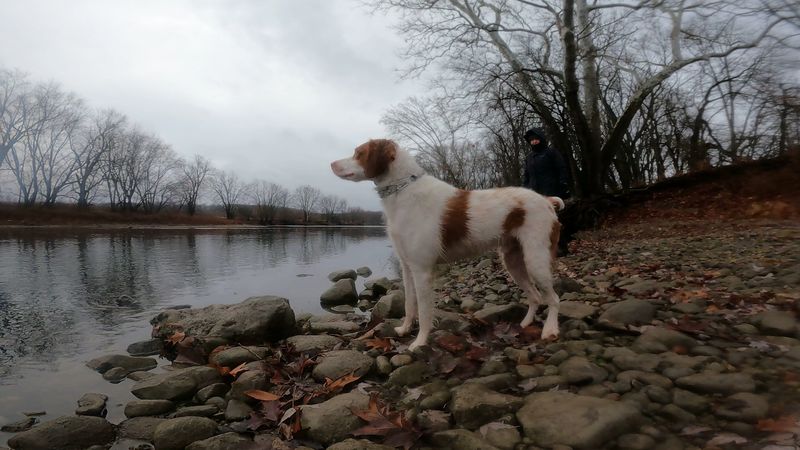
Trail 3 becomes the star attraction every February when the American sycamores reveal their stunning white bark in full glory. These massive trees shed their outer bark throughout winter, exposing the brilliant white and cream-colored inner bark that gives the forest its ghostly appearance.
Walking through this section feels like stepping into a black-and-white photograph brought to life.
The trail stretches for about three miles and takes you through diverse terrain, but the sycamore groves near the river confluence steal the show. Morning light filters through the bare branches and makes the white trunks practically glow against the darker understory.
Photographers arrive early to capture this ethereal scene when frost still clings to the grass and mist rises from the nearby rivers.
Trail 3 offers more than just the famous white trees. You will encounter steep sections that challenge beginners while rewarding everyone with incredible views of where the Tippecanoe and Wabash Rivers meet.
The boardwalk sections protect sensitive wetland areas while giving you front-row seats to watch beavers, minks, and waterfowl going about their business.
Bring sturdy boots because parts of this trail can get muddy, especially during spring thaw. The park maintains the path well, but nature takes priority here, so expect some roots and uneven ground that add to the authentic hiking experience.
The Historic 1920s Farm Experience
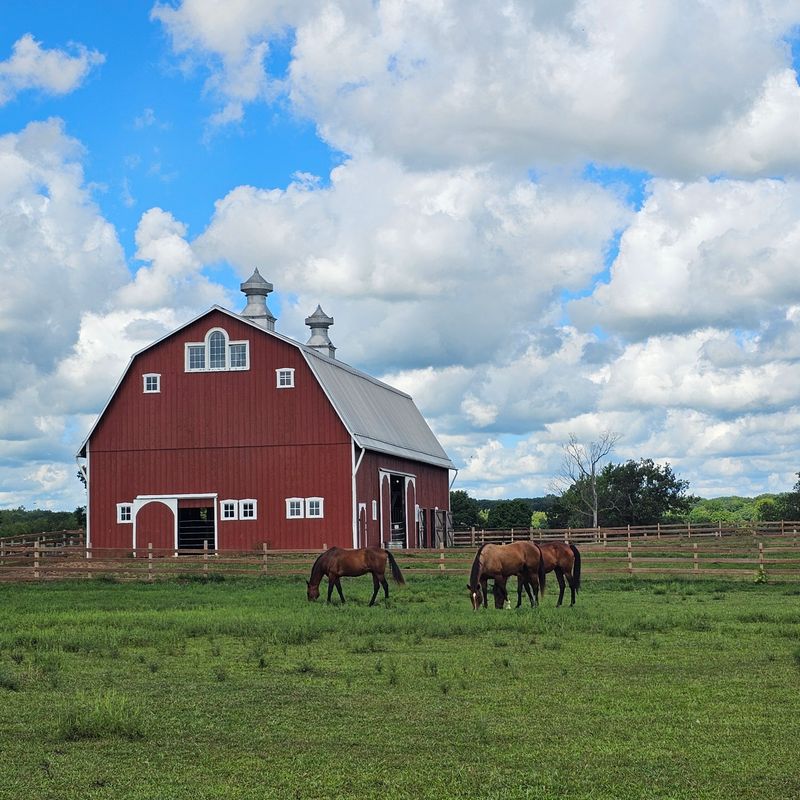
Stepping onto the grounds of the 1920s farm feels like traveling back to a simpler time when Indiana agriculture shaped entire communities. This working farm operates as a living history museum where you can pet friendly chickens, watch pigs root around in their pen, and learn how families lived nearly a century ago.
The staff recreates authentic farming practices that help kids and adults understand where their food comes from.
The big red barn stands as the centerpiece, housing cows, horses, and other livestock that seem perfectly content with their park life. On weekends and during special events, you might catch demonstrations of old-fashioned farming techniques or square dancing on the barn floor.
The farm hosts seasonal programs throughout the year, making each visit unique depending on when you arrive.
Children absolutely light up when they discover they can hold baby chicks or brush the horses under staff supervision. The hands-on approach makes this more than just a look-but-don’t-touch attraction.
You will find picnic areas near the farm where families spread out blankets and enjoy their packed lunches while watching the animals.
The farm typically closes around 5 PM, so plan your visit earlier in the day. Check the park website before heading out because hours can vary seasonally, and you would hate to drive all the way just to find the gates closed.
The Prairie Restoration and Wildflower Displays
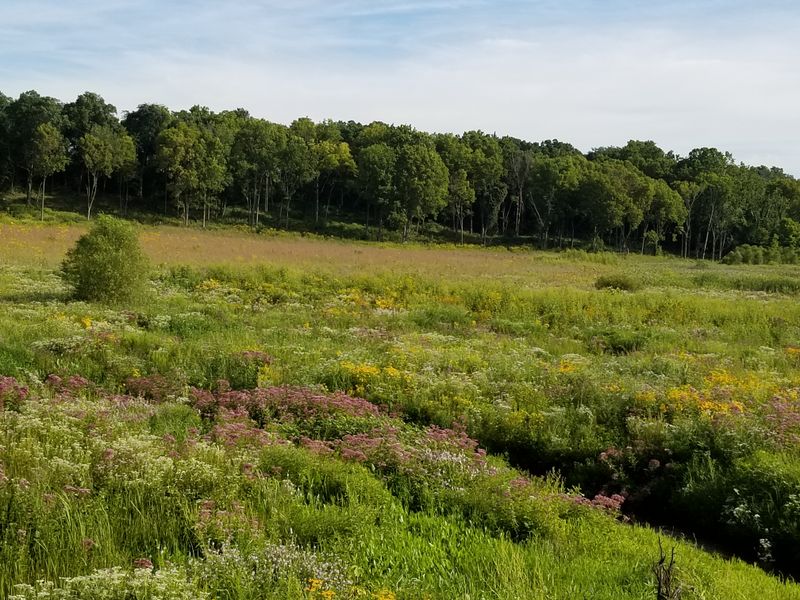
Prophetstown stands apart from other Indiana state parks because of its commitment to restoring native prairie ecosystems that once covered much of the Midwest. Walking through these grasslands in late summer reveals a sea of wildflowers painting the landscape in purples, yellows, and whites that stretch toward the horizon.
The park manages over 400 acres of prairie, making it one of the largest restoration projects in the state.
Spring brings the famous wildflower sale in May when the park sells native plants to help residents create their own prairie gardens at home. Volunteers and staff spend months growing these plants from local seed sources, ensuring genetic diversity that supports native pollinators.
Birders flock here year-round because the prairie habitat attracts species you simply will not find in heavily forested areas.
The prairie looks different every month as various plants bloom and fade in natural succession. February might showcase the ghostly sycamores, but August explodes with color when coneflowers, black-eyed Susans, and blazing stars reach their peak.
Even winter prairie has its own stark beauty when seed heads poke through snow and provide food for overwintering birds.
Educational signs along the trails explain the importance of prairie ecosystems and how fire management helps maintain these grasslands. You will gain appreciation for the complex work required to bring back landscapes that European settlement nearly wiped out completely.
The Aquatic Center and Family Water Activities
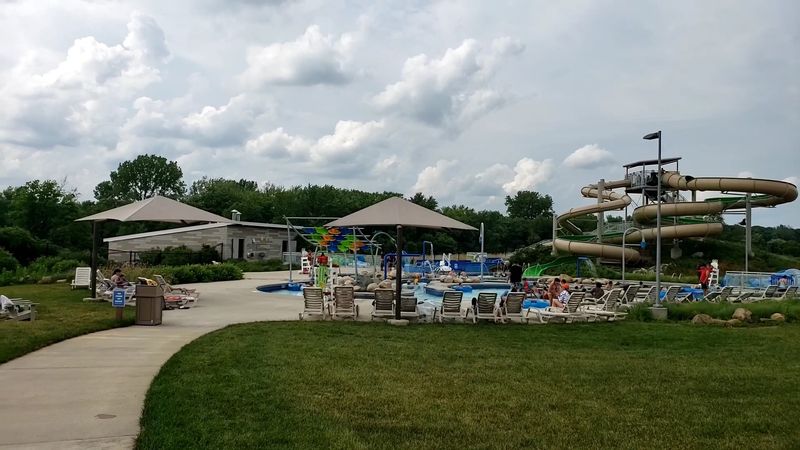
When summer heat arrives, the aquatic center becomes the most popular destination at Prophetstown. The facility features water slides that send kids squealing with delight, a lazy river perfect for floating away an afternoon, and a splash pad designed for younger children.
At just five dollars per person, this represents one of the best family entertainment values in the Lafayette area.
The lazy river winds through the complex, allowing swimmers to float along without any effort while soaking up sunshine. After the regular pool hours end, the park sometimes offers water walking sessions in the lazy river, giving adults a low-impact exercise option in a beautiful setting.
Lifeguards maintain careful watch over all areas, and the staff keeps everything impressively clean considering the heavy use during peak season.
Concessions sell snacks and refreshments, so you can make a full day of it without leaving the aquatic center area. Shaded pavilions provide relief from the sun, and plenty of lounge chairs let parents relax while keeping eyes on their splashing kids.
The water park operates seasonally from late May through early September, depending on weather and staffing.
You will need to be at least 48 inches tall for the big slides, though lifeguards sometimes show flexibility with this rule. Pack sunscreen, towels, and water shoes to protect feet on hot concrete surfaces between pools.
The Native American Heritage Village
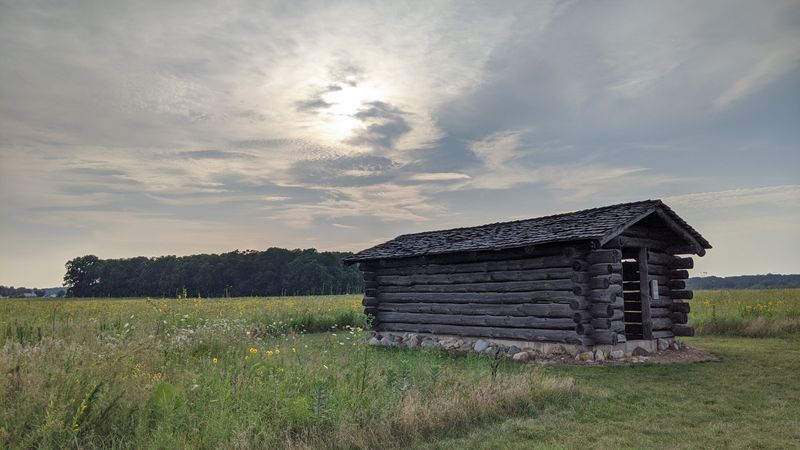
Before European settlers arrived, this land belonged to Native American communities who thrived along these riverbanks for thousands of years. The heritage village recreates structures and displays that honor this history and help visitors understand the sophisticated cultures that called this area home.
Walking through the village provides perspective on how indigenous peoples lived in harmony with the land long before modern Indiana existed.
The reconstructed buildings showcase different architectural styles and purposes, from family dwellings to communal gathering spaces. Interpretive signs explain the significance of each structure and the materials used in construction.
The village sits in a peaceful wooded area that feels appropriately respectful and contemplative, encouraging visitors to slow down and reflect on the deep history beneath their feet.
Special programs throughout the year bring the village to life with demonstrations of traditional crafts, storytelling sessions, and educational presentations. These events often coincide with cultural observances and provide opportunities to learn directly from tribal members and historians.
The park takes its educational mission seriously, working to present accurate information that honors Native American heritage.
The village location near the river confluence holds particular significance because this junction of waterways served as an important gathering place and travel route for indigenous peoples. Standing where the Tippecanoe meets the Wabash, you can almost imagine canoes gliding past centuries ago.
The Extensive Paved Bike Trail Network
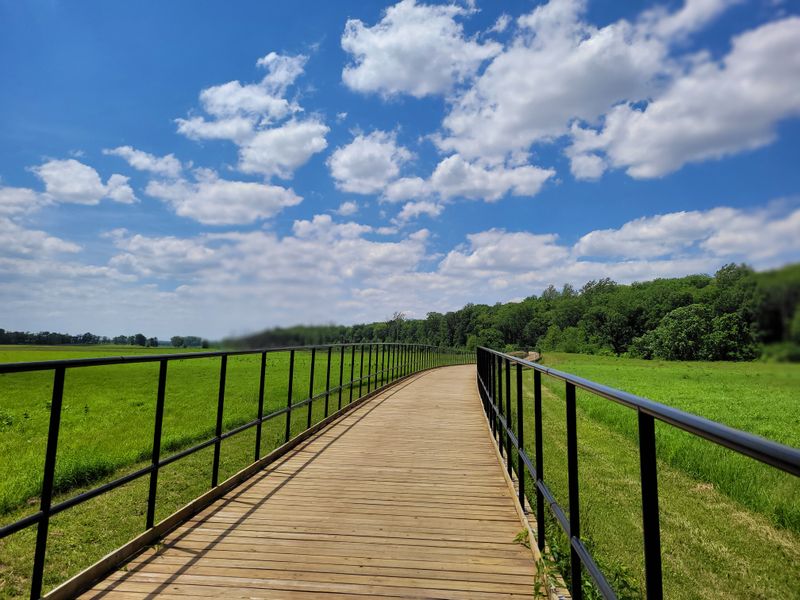
Cyclists rave about the paved trail system that winds through Prophetstown, connecting all the major attractions while showcasing the park’s diverse landscapes. These smooth paths accommodate everything from training rides to leisurely family bike outings, and the relatively flat terrain makes them accessible to riders of all skill levels.
You can easily log ten miles without repeating any sections, giving serious cyclists a solid workout.
The trails take you from prairie openings into shaded forest sections, past the aquatic center, through the campground, and out to the farm. Well-placed benches and water fountains appear at regular intervals, showing thoughtful planning by park designers.
The pavement stays in excellent condition despite heavy use, and the park maintains clear signage at intersections so you never feel lost.
Watch out for speeding e-bikes, which some visitors ride dangerously fast around blind corners where kids might suddenly appear. The park technically limits speeds, but enforcement remains challenging.
Most riders follow proper trail etiquette by calling out when passing and keeping to the right side.
Fall brings spectacular color to the tree-lined sections, while February offers those famous white sycamores from a different perspective. Bring your own bike or rent from nearby outfitters in West Lafayette.
The trails connect to the entrance road, so you can ride straight from your campsite or the day-use parking areas without loading bikes onto vehicles.
The River Confluence and Wildlife Viewing Opportunities
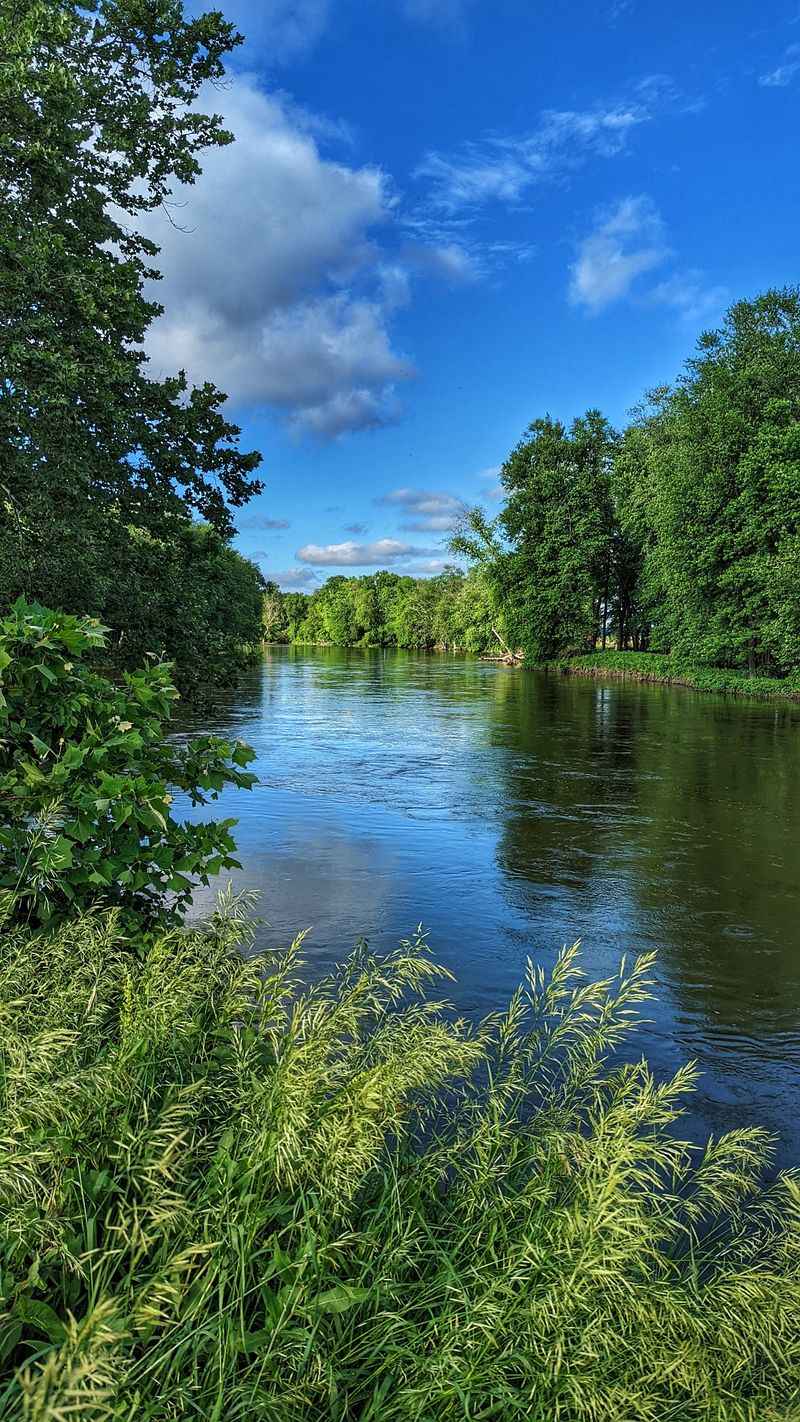
Geography buffs and nature lovers alike appreciate the dramatic point where the Tippecanoe River flows into the mighty Wabash. This confluence creates unique habitat conditions that attract incredible wildlife diversity, from great blue herons standing statue-still in the shallows to beavers building their engineering marvels along the banks.
Patient observers regularly spot deer, woodchucks, minks, and even the occasional pelican that surprises birders expecting more common species.
The boardwalk extending over wetland areas provides stable viewing platforms without disturbing sensitive ecosystems. These elevated walkways put you at eye level with tree canopies where warblers and other songbirds flit through branches during migration seasons.
Bring binoculars and a camera with a good zoom lens because the wildlife here rarely disappoints.
Spring flooding sometimes closes trails near the confluence when the Wabash rises above its banks, transforming the landscape into temporary wetlands. Check trail conditions before planning a visit during wet seasons.
The flooding actually benefits the ecosystem by depositing nutrient-rich sediment and creating habitat for amphibians and aquatic species.
Early morning and late afternoon offer the best wildlife viewing when animals are most active and light conditions make photography magical. The confluence looks particularly stunning in February when ice formations create natural sculptures and the white sycamores frame the river junction in ghostly beauty that seems almost too perfect to be real.
Dear Reader: This page may contain affiliate links which may earn a commission if you click through and make a purchase. Our independent journalism is not influenced by any advertiser or commercial initiative unless it is clearly marked as sponsored content. As travel products change, please be sure to reconfirm all details and stay up to date with current events to ensure a safe and successful trip.
