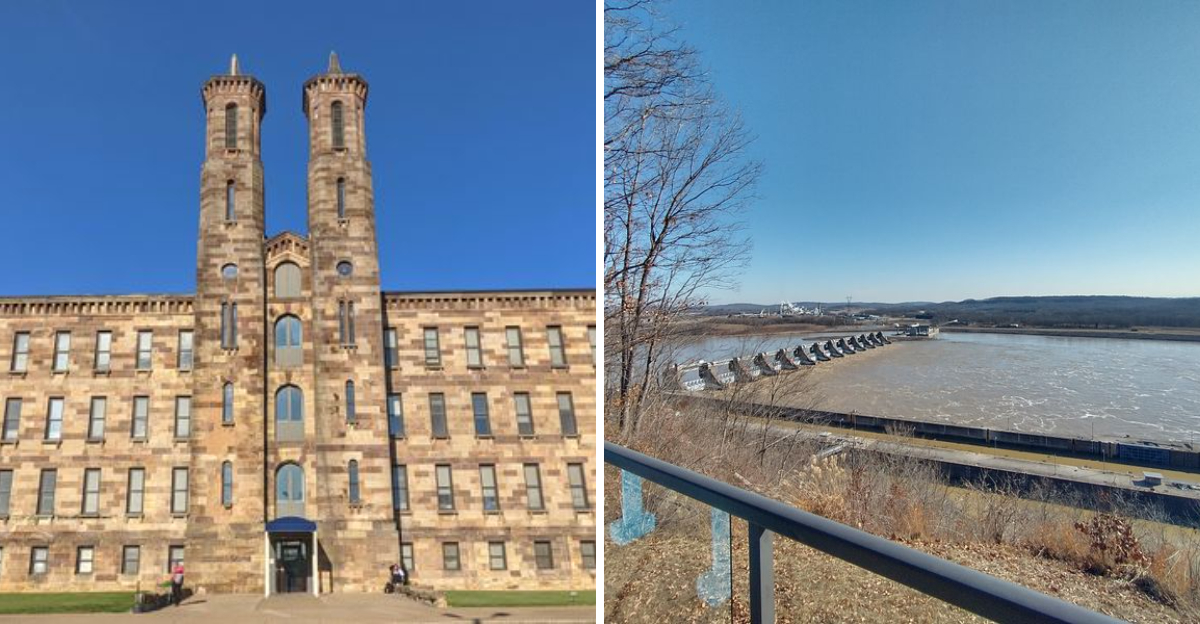
I’ve driven past Cannelton dozens of times without giving it a second thought, just another small town along Highway 66. But one afternoon I decided to pull off and explore, and what I found changed everything.
The Ohio River curves around this historic community like a protective arm, and locals speak about it with a reverence that made me curious. Walking through streets lined with 19th-century architecture, I realized this place holds secrets that most travelers miss completely.
The river isn’t just scenery here. It’s woven into every brick, every story, every reason people choose to stay.
Cannelton’s population might hover around 1,500, but the town’s character feels much larger. Former county seat turned quiet river haven, this community guards its treasures carefully.
I spent hours discovering why residents protect this place so fiercely, and I’m sharing what makes Cannelton worth your time. If you’re looking for authentic Indiana river culture without the tourist traps, you’ve found it.
Historic Cotton Mill Architecture
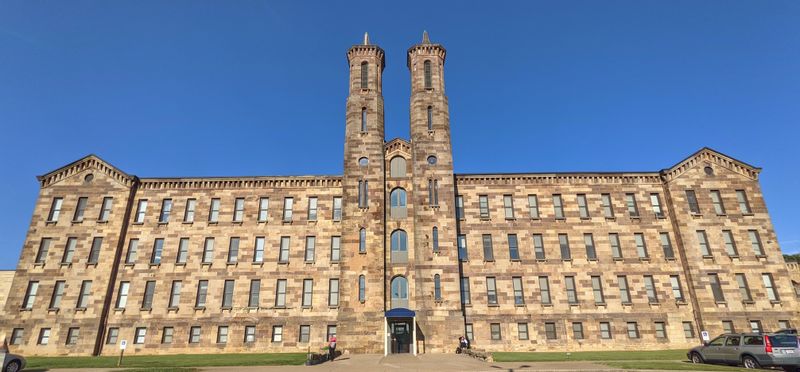
The Cannelton Cotton Mill stands as one of Indiana’s most impressive industrial monuments. Built in 1849, this massive brick structure stretches along the riverfront like a fortress from another era.
You can’t miss it when you enter town.
Walking around the building’s exterior reveals architectural details that modern construction simply doesn’t replicate. The craftsmanship in every brick placement tells stories of workers who built this mill by hand.
Large windows march across each floor in perfect rhythm.
This mill once employed hundreds of local residents and drove the regional economy for decades. Cotton from southern states arrived by riverboat and transformed into finished goods right here.
The building’s sheer size demonstrates how important Cannelton was to 19th-century commerce.
Though the mill no longer operates as originally intended, preservation efforts continue protecting this landmark. Local historians conduct occasional tours sharing stories about the families who worked these floors.
The building represents Cannelton’s determination to honor its industrial heritage.
Photography enthusiasts find endless angles capturing the mill’s imposing presence against river backdrops. Sunset light hitting those old bricks creates magical moments worth the visit alone.
This isn’t just architecture; it’s a monument to American industrial ambition.
Ohio River Lock and Dam Views
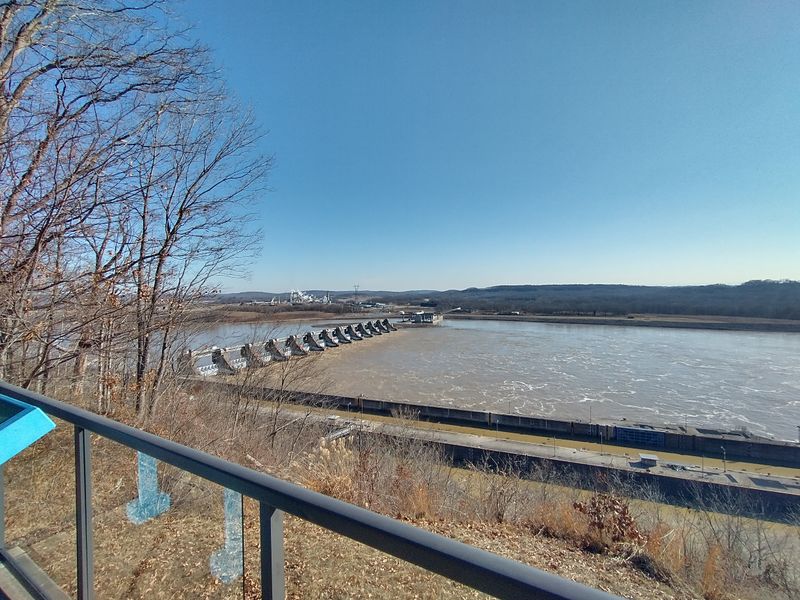
The Cannelton Locks and Dam system offers front-row seats to river commerce that most people never witness. Watching massive barges navigate through the locks feels like witnessing choreographed industrial ballet.
The process takes time, giving you plenty of opportunity to appreciate the engineering.
River traffic moves constantly through this section of the Ohio, carrying everything from coal to grain to manufactured goods. Standing near the observation areas, you can feel the power of water being controlled and redirected.
The dam creates a pool stretching miles upstream.
Locals know the best times to catch barge traffic, usually mid-morning through early afternoon. Some families pack lunches and spend hours watching boats from various vantage points along the shore.
The river’s width here makes for spectacular views in every direction.
Fishing near the dam attracts anglers from surrounding counties seeking catfish, bass, and other species. The churning water below the dam creates ideal feeding conditions for fish.
You’ll often see dozen of lines cast from the banks.
Educational signage explains how the lock system works and its importance to regional shipping. Understanding this infrastructure helps you appreciate why the river matters so deeply to Cannelton residents.
It’s living history happening right before your eyes.
Riverside Walking Trails
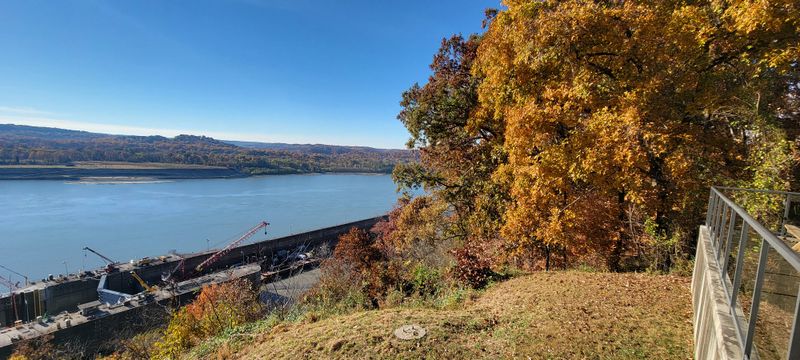
Cannelton’s riverfront trails offer peaceful escapes that feel worlds away from highway noise. These paths wind along the shoreline, providing constantly changing perspectives of the Ohio River.
Morning walks here come with sunrise reflections dancing across the water.
The trails aren’t paved perfection, which actually adds to their charm. Natural surfaces keep things feeling authentic rather than overly manicured.
Trees provide shade during summer months, making even hot days manageable for walking.
Wildlife sightings happen regularly along these routes. Herons fish in the shallows while turtles sun themselves on fallen logs.
Birdwatchers bring binoculars to spot species migrating along the river corridor.
Local residents use these trails daily, creating a friendly community atmosphere. Don’t be surprised when people greet you warmly or stop to chat about the weather.
This welcoming spirit defines small-town Indiana river culture.
Different sections of trail offer varying difficulty levels and scenery. Some stretches run right along the water’s edge while others climb slightly for elevated views.
You can easily spend an entire morning exploring without covering the same ground twice.
Benches positioned at scenic overlooks invite you to pause and simply absorb the river’s presence. These quiet moments explain why locals guard this resource so carefully.
The river provides daily renewal for anyone willing to visit.
Small-Town Fishing Culture
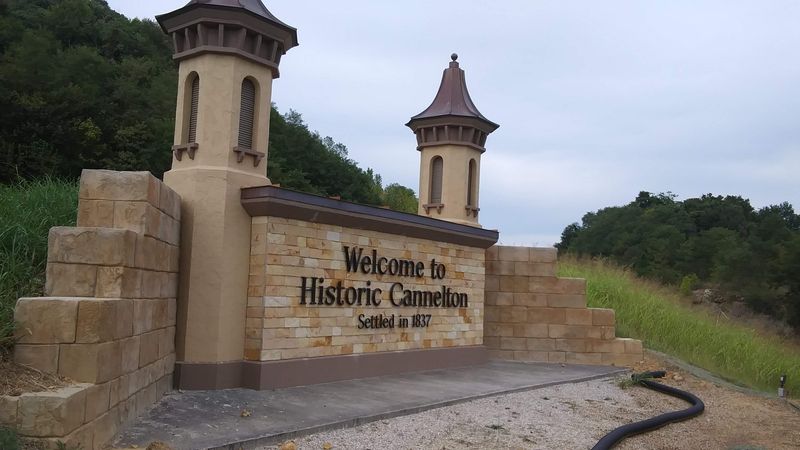
Fishing culture runs deep in Cannelton’s community identity. The Ohio River provides year-round opportunities for anglers of every skill level.
You’ll find locals casting lines from dawn until dusk, especially during peak seasons.
Catfish dominate conversations among serious fishermen here. Channel cats, blues, and flatheads all thrive in these waters, with some specimens reaching impressive sizes.
Stories about the ones that got away circulate through town like local legends.
Bank fishing requires minimal equipment, making it accessible for families introducing children to the sport. Many Cannelton kids learn patience and perseverance with a rod in hand along these shores.
Generational knowledge passes down about best spots and techniques.
Seasonal patterns dictate what species are biting and where to find them. Spring brings spawning runs while summer heat pushes fish to deeper, cooler water.
Fall fishing often produces the most consistent action as fish feed heavily before winter.
The fishing community here welcomes newcomers willing to learn and respect the river. Experienced anglers often share tips with visitors struggling to get bites.
This generosity reflects broader community values about sharing natural resources.
Watching sunrise from a riverbank with a fishing pole teaches you why Cannelton residents treasure their river access. It’s meditation, recreation, and connection to nature all rolled into one peaceful activity.
Perry County History

Cannelton served as Perry County’s seat from 1859 until 1994, leaving behind rich governmental history. The town’s role as administrative center shaped its development and architecture for over a century.
Buildings constructed to house county offices still stand as reminders of that era.
Understanding this history helps explain Cannelton’s outsized influence despite its small population. Important decisions affecting the entire county happened right here along the river.
Residents took pride in their town’s official status and responsibilities.
The county seat relocation to Tell City in 1994 marked a significant transition for Cannelton. Some viewed it as loss while others saw opportunity to redefine the town’s identity.
Either way, the change reshaped community dynamics in lasting ways.
Historical societies preserve documents and artifacts from Cannelton’s county seat years. These collections offer fascinating glimpses into regional governance, legal proceedings, and civic life.
Researchers interested in Indiana history find valuable primary sources here.
Walking through town, you can identify buildings that once served governmental functions. Their architecture reflects the dignity and permanence expected of county administration.
These structures now house different purposes but retain historical significance.
Local residents who remember the county seat days share stories about courtroom dramas and political debates. Their memories keep that chapter of Cannelton’s story alive for younger generations.
History here isn’t just books and plaques; it’s living memory.
Quiet River Town Atmosphere
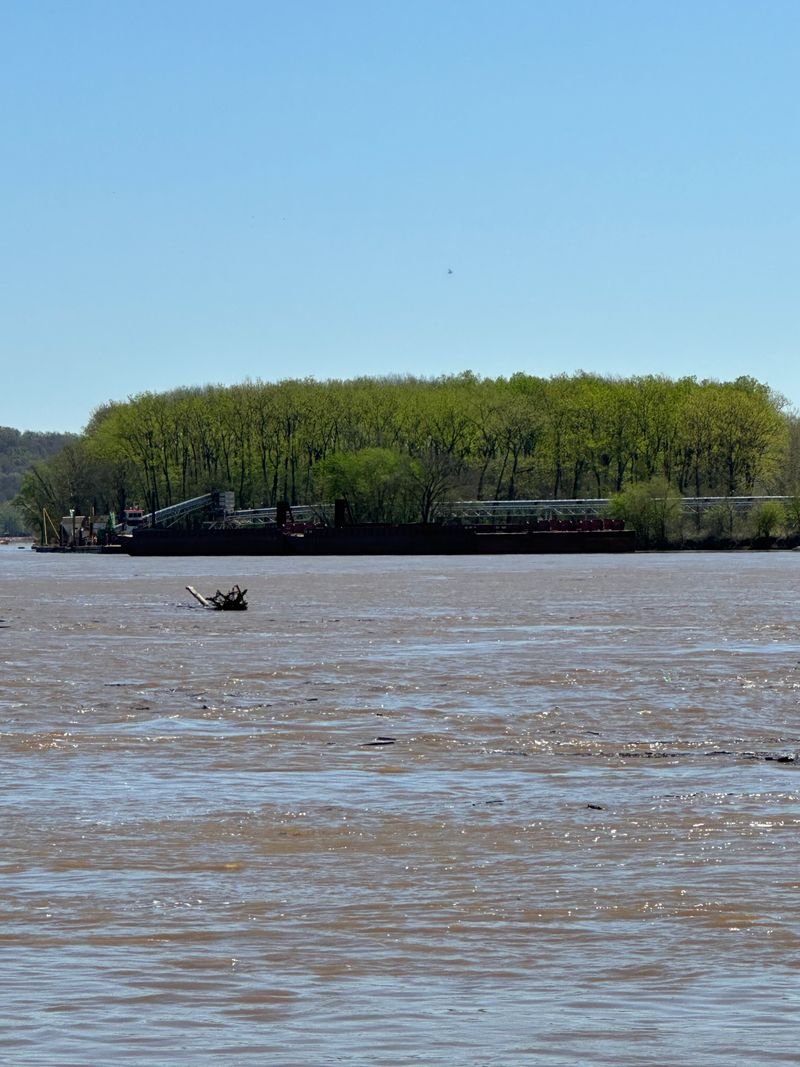
Cannelton’s population of roughly 1,500 creates an atmosphere impossible to find in larger cities. Everyone doesn’t literally know everyone, but the sense of community connection runs strong.
This size allows for genuine neighborliness without feeling claustrophobic.
Main streets here don’t buzz with constant activity, and that’s exactly the point. The quiet allows you to hear birds singing and leaves rustling.
Traffic noise barely registers compared to urban environments.
Local businesses operate at a pace that values conversation over transaction speed. Shop owners remember customers and ask about their families.
These interactions restore faith in human connection for visitors accustomed to impersonal city shopping.
The river’s presence influences the town’s entire mood and rhythm. Water flowing past creates subtle background sound that becomes meditation for long-time residents.
This natural soundtrack beats car horns and sirens any day.
Seasonal changes feel more pronounced in communities this size. Spring blooms get noticed and celebrated, fall colors inspire commentary, winter quiet deepens the town’s peaceful character.
Nature’s cycles matter here in tangible ways.
Visitors seeking authentic small-town Indiana experience find it in Cannelton without artificial tourism development. The town doesn’t perform for outsiders; it simply exists as it always has.
That authenticity represents the real treasure locals guard so carefully.
Slowing down to Cannelton’s pace might challenge you initially, but most people find it refreshing. Sometimes the best travel experiences come from places that don’t try too hard.
River Commerce Heritage
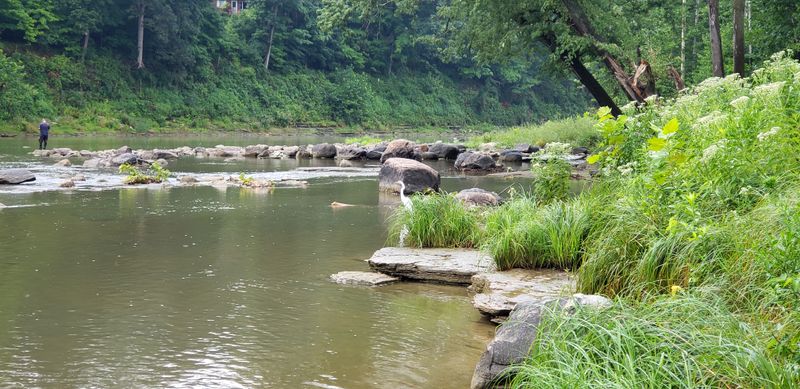
River commerce shaped Cannelton’s existence from its earliest days. The Ohio River served as the region’s primary highway long before roads connected these communities.
Boats brought goods, people, and ideas that built the town’s foundation.
Steamboat traffic once filled these waters with activity and opportunity. Cannelton’s location made it a natural stopping point for vessels moving between Pittsburgh and the Mississippi River.
Wharves bustled with workers loading and unloading cargo around the clock.
The cotton mill depended entirely on river transportation for raw materials and finished product shipment. Without the Ohio River, Cannelton’s industrial development would have followed a completely different path.
Water access determined the town’s economic possibilities.
Modern barge traffic continues this commercial tradition, though the cargo and vessels have evolved. Today’s towboats push barges carrying millions of tons of goods annually past Cannelton.
The river remains a working waterway, not just scenic backdrop.
Understanding this heritage helps explain local attitudes toward the river. It’s not simply natural beauty to admire; it’s economic lifeline and historical foundation.
Protecting river access and health matters deeply to community identity.
Older residents remember when river commerce employed more local workers directly. Their stories connect present-day Cannelton to its commercial past.
This continuity creates strong sense of place and purpose.
Watching barges pass today links you to centuries of river trade tradition. That connection to history makes Cannelton’s river something truly worth treasuring.
Dear Reader: This page may contain affiliate links which may earn a commission if you click through and make a purchase. Our independent journalism is not influenced by any advertiser or commercial initiative unless it is clearly marked as sponsored content. As travel products change, please be sure to reconfirm all details and stay up to date with current events to ensure a safe and successful trip.
