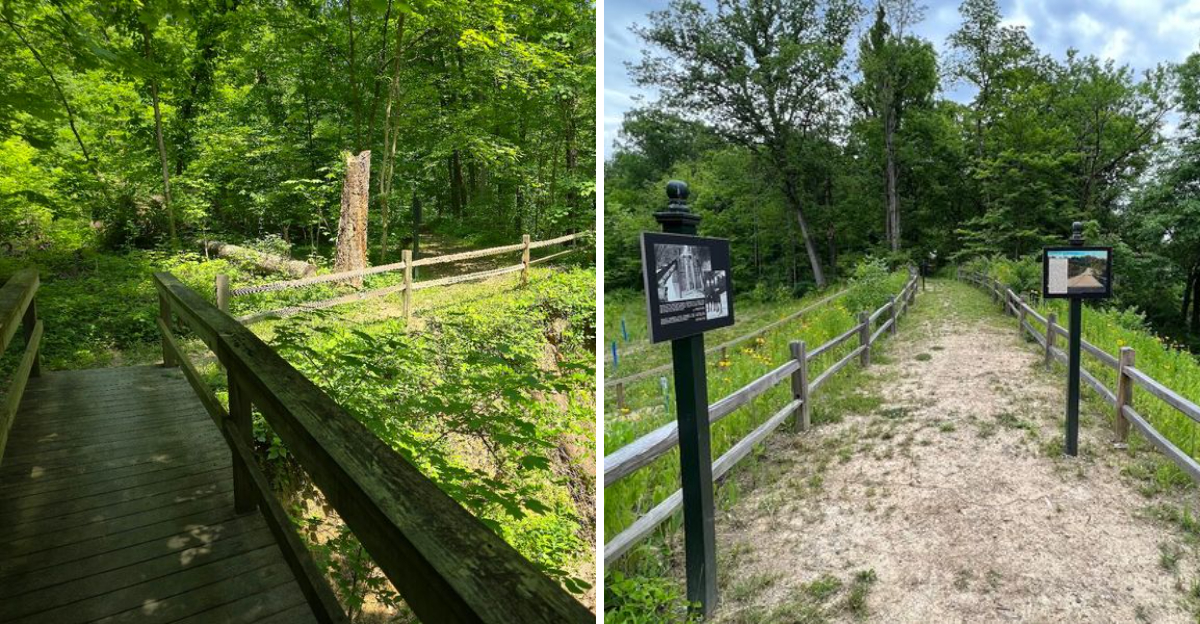
I never expected to find a piece of 19th-century railway history quietly buried beneath a canopy of trees just minutes from downtown.
This historical nature trail and wildlife sanctuary is exactly that kind of place, the sort of spot that makes you feel like you stumbled onto something most people have somehow missed.
Spanning 16.5 acres along the gentle slopes above a creek, the trail winds past moss-covered stones, old rail ties, and patches of wildflowers, weaving together local history and living nature in a way that genuinely surprises you. Whether you grew up in southern Indiana or you are just passing through, this trail offers something rare, peaceful, and worth your time.
A Railway That Changed the Region Forever
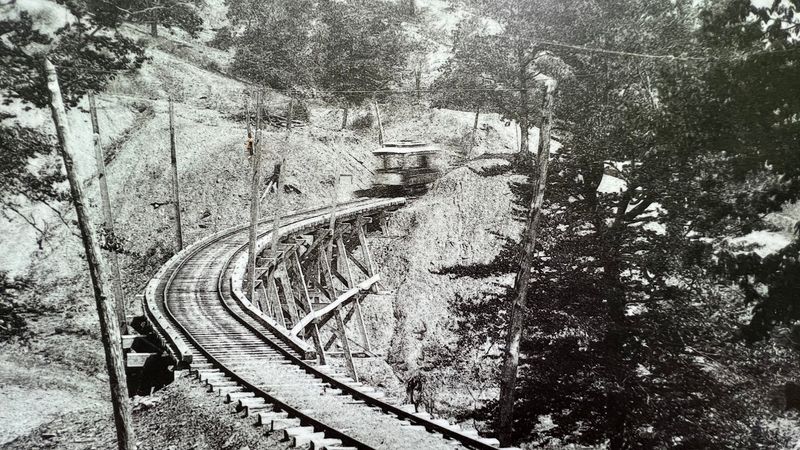
Back in 1891, a small but ambitious electric railway began carrying passengers through the hills of New Albany, and its story has never fully faded. The New Albany Highland Railway Trolley Car Line ran for over four decades, connecting the Silver Hills community to local landmarks like Scenic Park and the Silver Heights Camp Grounds before finally closing in 1932.
Walking the Silver Hills Historical Nature Trail today means literally walking on what remains of those original trolley beds and carriage roads. The trail loops along old rail grades, and once you know what you are looking for, you start to see the landscape differently.
The slight embankments, the steady grades, the way the path curves through the ravine, all of it was shaped by engineering decisions made more than 130 years ago.
Few trails in Indiana offer this kind of layered experience, where a simple afternoon hike doubles as a journey through transportation history. It is easy to imagine the hum of early electric cars climbing these same slopes, carrying families toward a summer afternoon in the hills.
That sense of connection to the past is genuine here, not manufactured or staged. The trail earns its historical title with every step you take along its well-worn path, making it one of the most quietly remarkable spots in Floyd County.
Falling Run Creek and the Wild Beauty of 16.5 Acres
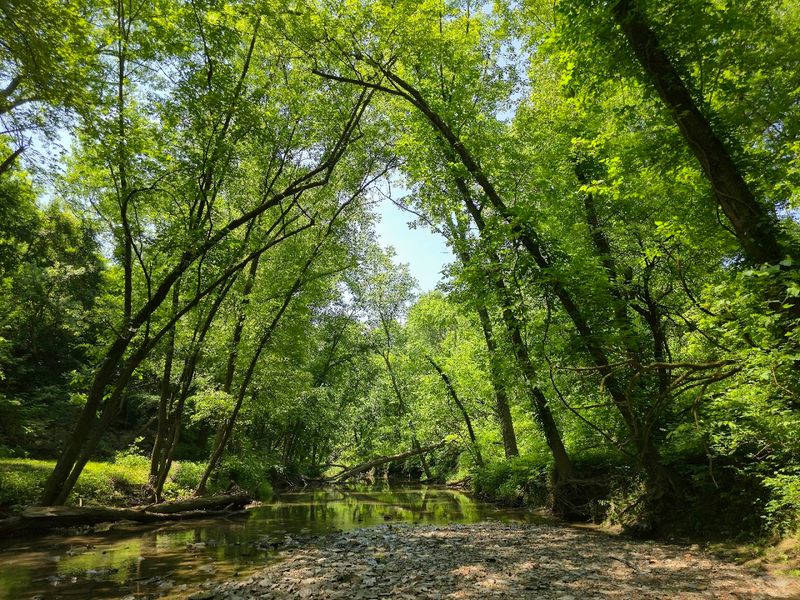
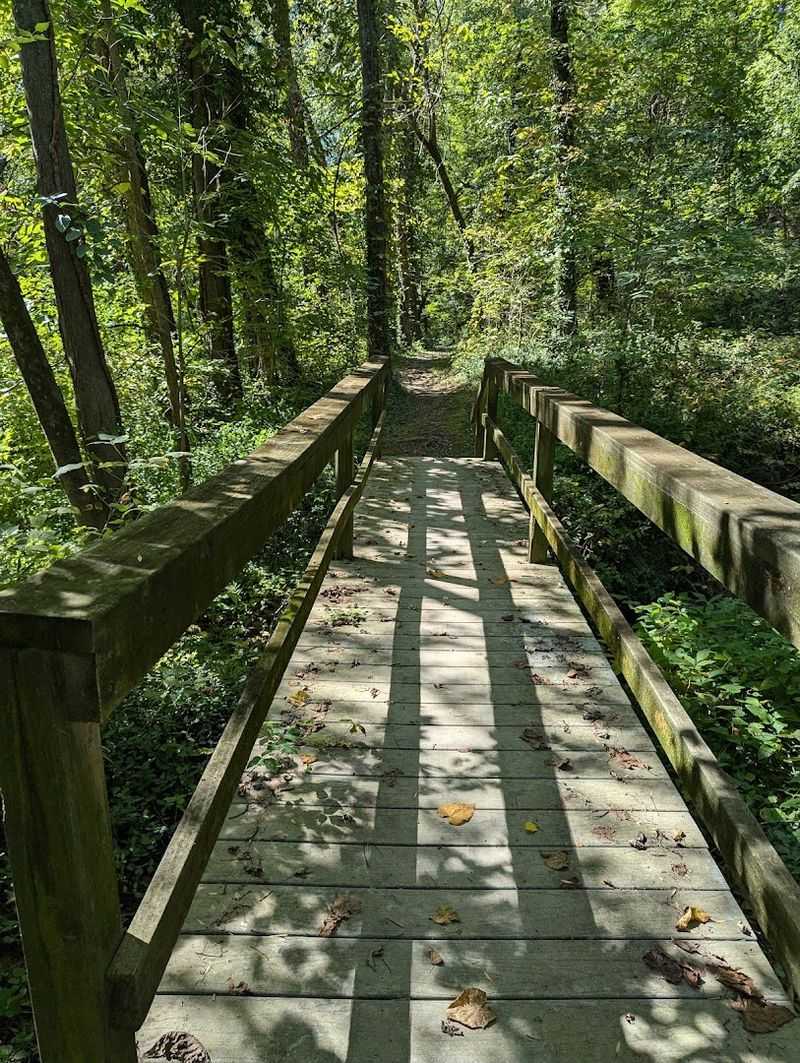
There is something about walking alongside a creek in the middle of a city that immediately resets your mood. Falling Run Creek runs through the heart of the Silver Hills sanctuary, and the trail meanders right along its banks, giving visitors a front-row seat to one of New Albany’s most overlooked natural features.
The 16.5 acres that make up this sanctuary feel much larger once you are inside. Dense tree cover, creeping vines, patches of wildflowers in season, and the sound of moving water all combine to create an atmosphere that feels genuinely removed from the surrounding city.
Visitors have noted spotting everything from native birds to curious woodland mammals on a single afternoon walk.
After a good rainfall, the creek swells and the lower sections of the loop may flood, so timing your visit matters. On dry days, the full one-mile loop is absolutely worth completing, especially the stretch that winds down toward the water where the light filters through the canopy in long golden shafts.
Mid-spring brings wildflowers, and autumn turns the whole sanctuary into a patchwork of amber and red that locals have called genuinely photogenic. The natural variety packed into such a compact space is impressive, and it is a reminder that protecting small green spaces inside urban areas pays off in ways that are easy to feel but hard to quantify.
Interpretive Signs That Actually Teach You Something
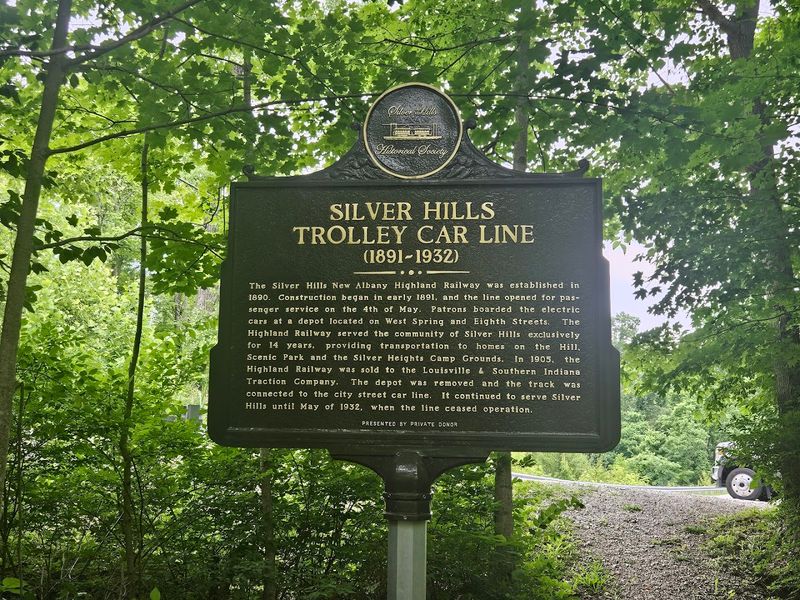
Most trail signs tell you to stay on the path or remind you not to litter. The signs at Silver Hills Historical Nature Trail do something far more interesting.
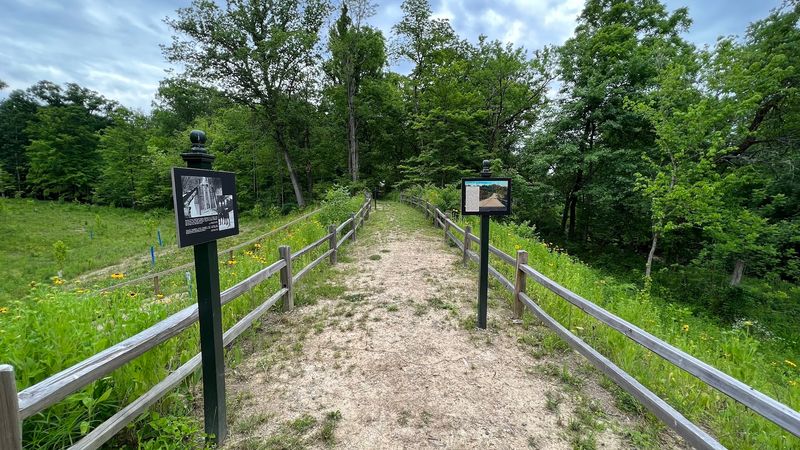
Placed at key points throughout the loop, these interpretive markers tell the story of the trolley line, the families who rode it, and the community that grew up around the Silver Hills area during the late 1800s and early 1900s.
Some signs include historical photographs, and that visual element makes a real difference. Seeing an old image of the trolley car alongside the actual landscape where it once operated creates a connection that reading alone cannot replicate.
Visitors consistently mention that these markers genuinely enhanced their experience, turning a pleasant walk into something much more memorable and educational.
One frequently noted detail is the story of the conductor himself, a figure whose personality apparently left a lasting impression on the community he served. The signs bring these human stories forward in a way that feels respectful and genuine rather than overly polished or touristy.
For teachers, parents, or anyone curious about regional history, this trail functions almost like an outdoor museum. The Silver Hills Historical Society, which manages the trail, has clearly put thought into making the history accessible to visitors of all ages and backgrounds, and that effort shows in every well-placed sign along the route.
Wildlife Watching in a Designated Sanctuary
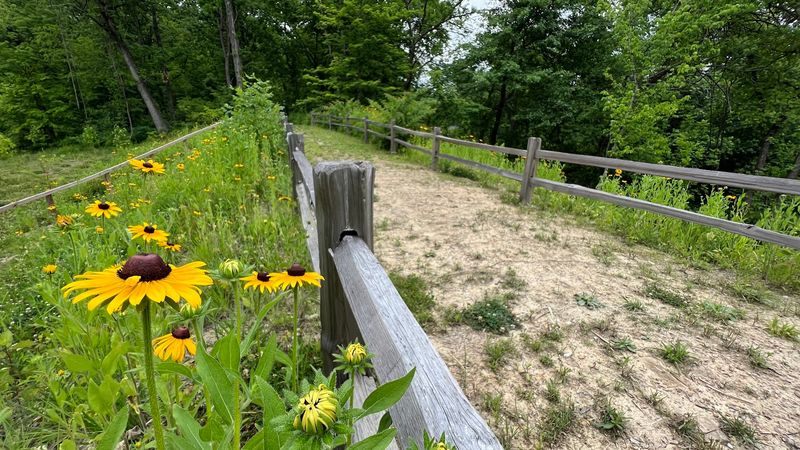
The word sanctuary carries real meaning at Silver Hills. This is not just a trail that happens to have trees around it.
The entire 16.5-acre property is formally designated as a wildlife sanctuary, which means the land is actively managed with the needs of its animal residents in mind.
Birdwatchers will find plenty to keep their binoculars busy. The combination of mature hardwood forest, creek habitat, and dense undergrowth creates ideal conditions for a wide range of bird species throughout the year.
Beyond birds, the sanctuary supports various mammals and other woodland creatures, and the relatively low foot traffic means animals here are not constantly disturbed by crowds.
Beaver Hill, one of the named sections along the trail, hints at the kind of wildlife activity that has shaped this landscape over time. Visitors who move quietly and take their time are regularly rewarded with sightings that feel genuinely exciting rather than incidental.
Bringing a pair of binoculars and a field guide adds a whole new layer to the experience. The sanctuary status also means the vegetation is left largely undisturbed, which benefits not just animals but also the native plant communities that shelter and feed them.
For families looking to introduce kids to real wildlife observation without driving hours into the countryside, Silver Hills offers a surprisingly rich and accessible starting point right inside city limits.
An Easy Loop That Works for Almost Every Fitness Level
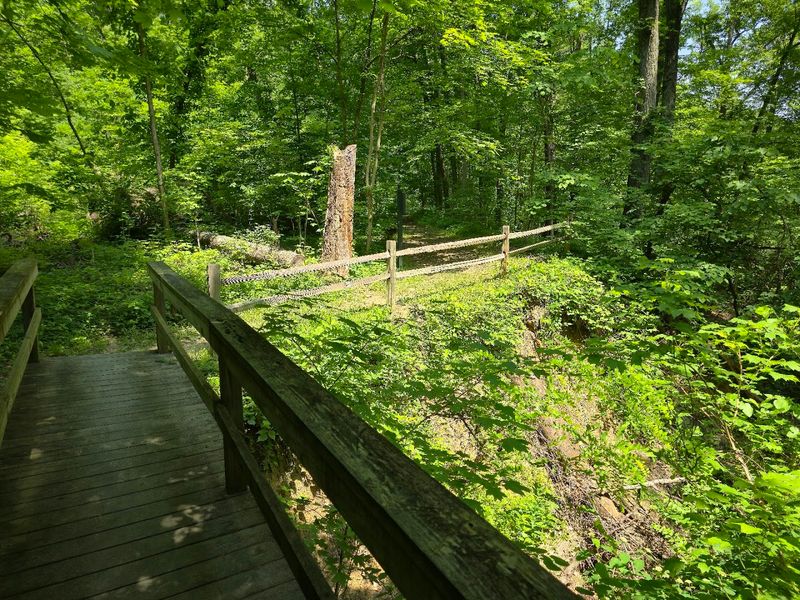
At roughly one mile in total length, the Silver Hills trail loop is genuinely approachable for a wide range of visitors. Families with older children, casual walkers, dog owners, and history enthusiasts who are not looking for a strenuous workout will all find the pace and distance comfortable.
Dogs are welcome and seem to love the creek access in particular.
That said, the trail does involve some elevation change. There is a semi-steep ravine section, and some stone stairways that require a bit of care, especially after rain when surfaces can become slippery.
Wearing sturdy shoes with good grip is strongly recommended, and if the ground is damp, extra caution on the steps is genuinely warranted. The trail is not recommended for visitors with significant mobility limitations due to these sections.
Parking at the trailhead on Spring Street Hill accommodates around five to seven vehicles, which keeps the crowd size naturally manageable. Most visitors report having the trail largely to themselves, particularly on weekday mornings or warm summer afternoons.
There are no restroom facilities on site, so planning ahead is a good idea. The lack of an entry fee makes this one of the most accessible outdoor experiences in the New Albany area, and that open-door approach reflects the community spirit that the Silver Hills Historical Society has built around this space over the years.
Community Preservation at Its Most Genuine
Not every trail has a dedicated group of people behind it who genuinely care about its future. Silver Hills Historical Nature Trail, located at 900-1198 Spring Street Hill, New Albany, IN 47150, does.
The Silver Hills Historical Society has taken on the responsibility of managing, maintaining, and sharing the story of this land, and the results of that commitment are visible everywhere you walk.
The trails are consistently described as clean and well-kept. The historical markers are thoughtfully placed and well-maintained.
The overall condition of the sanctuary reflects ongoing care rather than the kind of benign neglect that can quietly diminish a public space over time. One of the trail maintainers, a figure who has become something of a local legend among regular visitors, takes obvious pride in keeping the paths in excellent shape.
Community-led preservation like this matters more than it might seem at first. When a neighborhood takes ownership of its own history and natural spaces, the result tends to feel authentic in ways that top-down park management sometimes cannot replicate.
The Silver Hills sanctuary is a genuine grassroots success story, a piece of land saved from development and transformed into something that serves the public for free. Supporting spaces like this, simply by visiting and spreading the word, helps ensure they remain viable for future generations.
It is a small act with a real impact, and this trail makes it easy to feel good about showing up.
Close to New Albany’s Best Nearby Spots
One of the quiet advantages of Silver Hills Historical Nature Trail is its location. Sitting on the west side of New Albany, the trail is just a short drive from several spots worth building a full day around.
After your hike, New Albany’s downtown area offers a genuinely charming mix of local restaurants, cafes, and cultural attractions that reward exploration.
Destinations like Destinations Booksellers at 604 East Spring Street make for a wonderful post-hike browse. The Carnegie Center for Art and History at 201 East Spring Street offers rotating exhibits and permanent collections that complement the historical theme of the trail beautifully.
For a meal, New Albanian Brewing Company Pizzeria and Public House at 3312 Plaza Drive serves up wood-fired pizza in a relaxed setting that feels very much like southern Indiana.
Bicentennial Park along the Ohio River waterfront is another nearby option for extending your outdoor time, and the views of Louisville across the water are genuinely impressive. Schimpff’s Confectionery at 347 Spring Street is a beloved local candy shop with roots going back to 1891, which happens to be the same year the Silver Hills trolley line opened.
That kind of historical parallel is exactly the sort of detail that makes a day in New Albany feel cohesive and satisfying. The trail is not just a destination on its own.
It is an ideal starting point for a fuller experience of everything this corner of Indiana has to offer.
