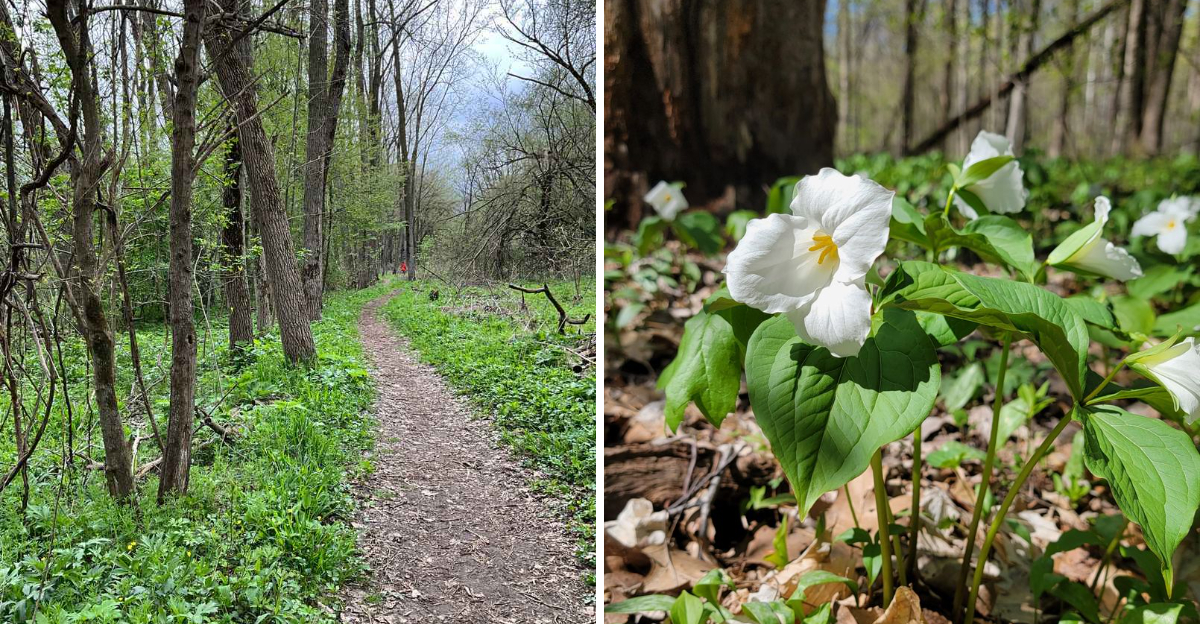
I remember the first time I walked the Heron Rookery Trail on a cool May morning. The air smelled like wild phlox and damp earth, and the forest came alive with sounds I had never really noticed before.
Birds I couldn’t name sang from every direction while the Little Calumet River whispered beside the path. I felt like I had stepped into a secret world just minutes from the highway.
Spring transforms this trail into something extraordinary. Wildflowers carpet the forest floor in colors that seem almost unreal, and migratory songbirds fill the canopy with music that makes you stop walking just to listen.
Located at 1336 600 E in Michigan City, this preserve sits quietly among farmland, waiting for people to discover what makes it special. The trail stretches about 1.7 miles one way, narrow and winding, hugging the riverbank through woods that feel untouched.
If you have never experienced Indiana’s natural side during spring migration, this place will change how you see our state.
Wildflower Carpets That Bloom Nowhere Else
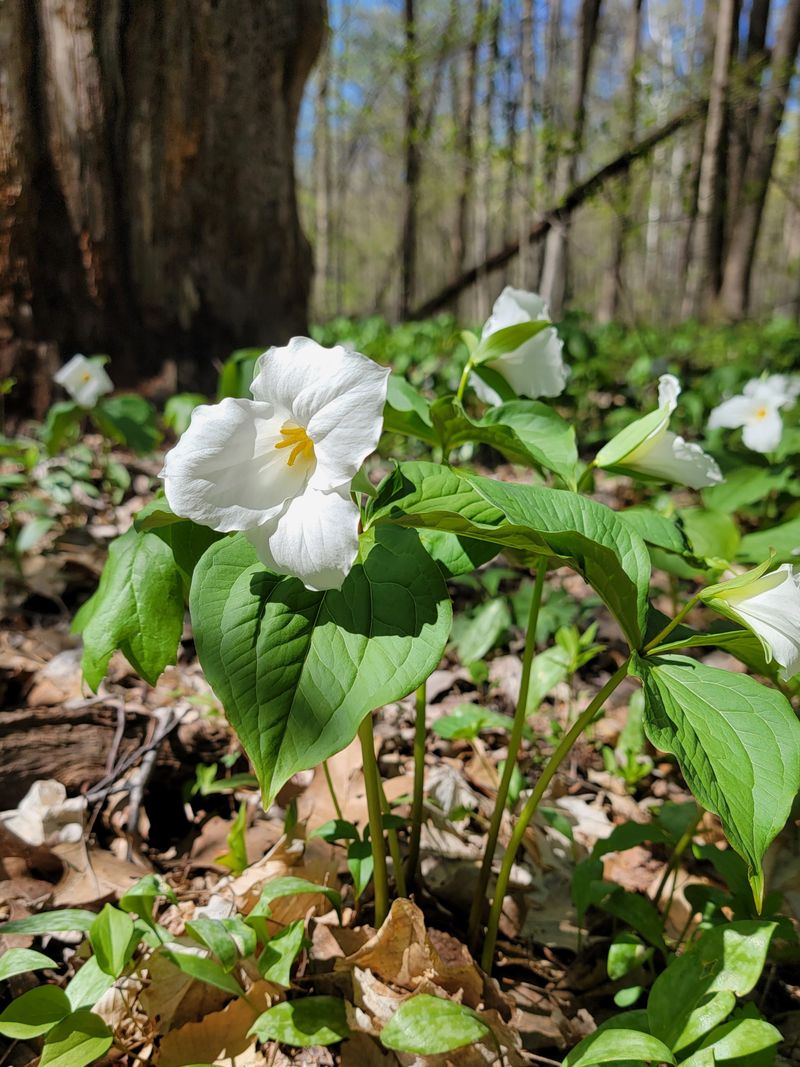
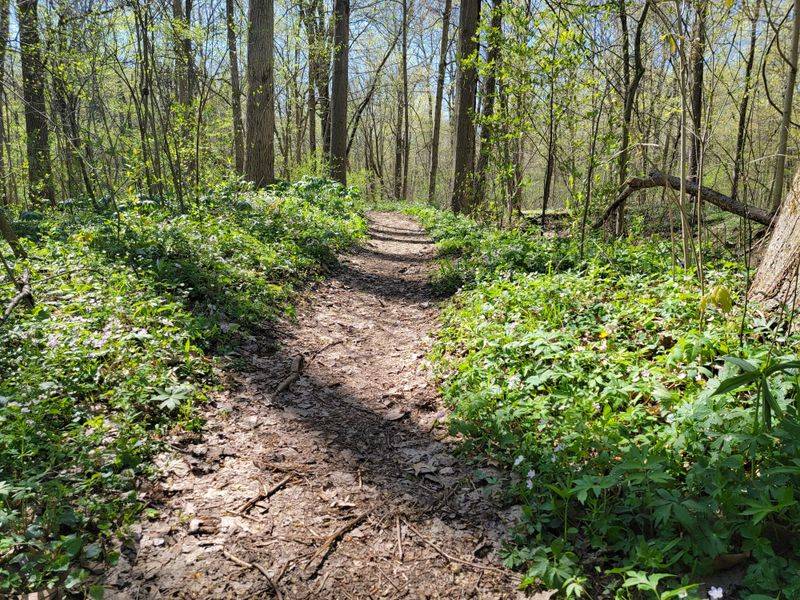
Spring ephemerals transform the Heron Rookery forest floor into something that looks like a painting. These wildflowers bloom fast and bright before the tree canopy closes in, creating a narrow window of color that peaks in late April through May.
Wild phlox spreads in fragrant purple waves, trillium nods on delicate stems, and bloodroot opens white petals that seem to glow in the shade.
Walking here feels different than other Indiana trails because the diversity surprises you. Visitors mention seeing wildflower displays unlike anywhere else they have hiked.
The combination of river moisture, rich soil, and protected woodland creates perfect conditions for species that struggle in more disturbed areas.
Plan your visit for mid to late May if you want to catch peak bloom. The flowers change weekly, so checking back multiple times rewards you with different species.
Bring a wildflower guide or use a plant identification app to learn what you are seeing.
The sweet smell of blooming phlox fills the air on warm days, making the experience as much about scent as sight. Photography enthusiasts find endless subjects here, though staying on the narrow trail protects these delicate plants.
Early morning light filters through the canopy beautifully, highlighting colors that fade by afternoon.
Over Thirty Bird Species Identified in One Morning
Birders consider Heron Rookery one of northwest Indiana’s best spring migration spots. The preserve sits along a natural corridor that funnels traveling songbirds through on their journey north.
One visitor identified over thirty different species during a single late May walk using just the Merlin sound identification app.
Magnolia warblers flash their bright yellow and black plumage in the understory. Wood thrushes sing their flute-like songs that echo through the river valley.
Even if you cannot spot the birds themselves, the symphony of calls creates an unforgettable soundtrack. The sounds overlap and blend into something you simply cannot experience in summer when most migrants have moved on.
You don’t need expensive binoculars or expert knowledge to enjoy this. Download a free bird identification app before you visit and let it listen as you walk.
The technology identifies songs automatically, teaching you which species surround you even if they stay hidden in thick foliage.
Late April through late May offers the best variety, though different species pass through at different times. Early mornings provide the most active birdsong when males establish territories and attract mates.
Bring a small notebook to record what you hear and see, building your own migration timeline over multiple visits.
Peaceful Riverside Walk With Constant Water Sounds
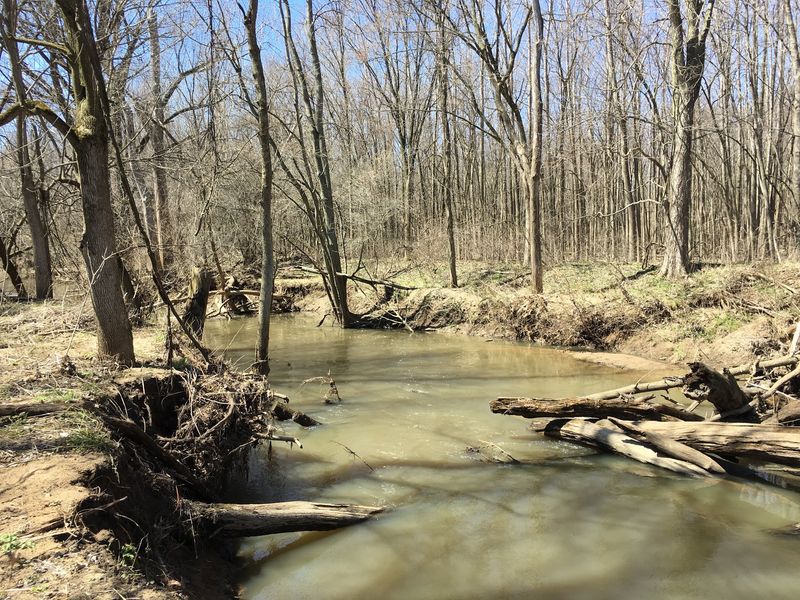
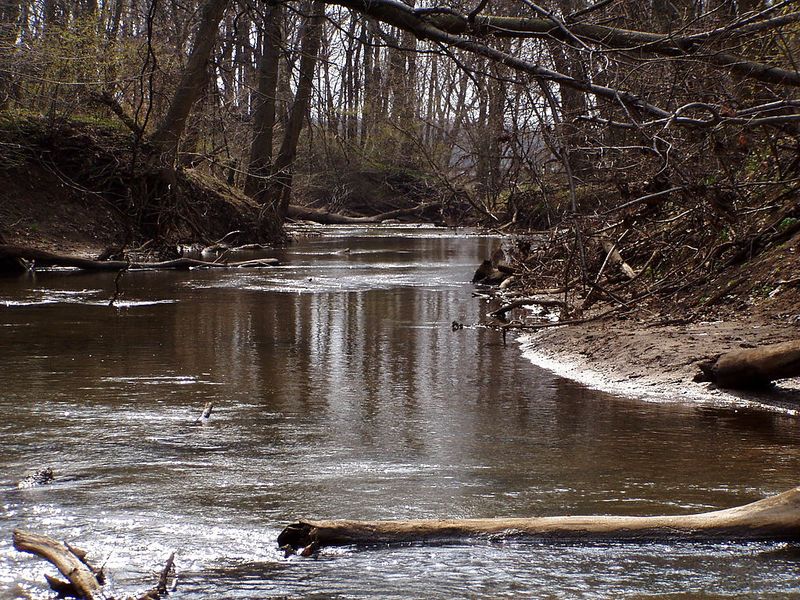
The entire trail follows the East Arm of the Little Calumet River, keeping water within sight or earshot for the whole journey. This creates a calming backdrop that makes the hike feel meditative.
The river flows quietly most of spring, though higher water after rain adds more dramatic sound.
Something about walking beside moving water changes the experience. Your mind settles into the rhythm of footsteps and current.
Birds and rustling leaves layer over the water’s constant whisper, building a soundscape that feels restorative in ways city parks cannot match.
The narrow trail hugs the riverbank closely in many sections, sometimes just a foot wide with the water below. This intimacy with the landscape makes you pay attention to each step and notice details you might miss on wider paths.
Roots cross the trail, small wildflowers bloom at eye level, and the river catches light differently around each bend.
Families find this trail manageable despite its rustic nature, though very young children need supervision near steeper sections. The mostly level path works for various fitness levels.
Just remember this is not a paved nature center stroll but a genuine woodland experience that rewards those seeking something authentic.
Two Parking Areas Make Planning Easy

Heron Rookery offers parking at both ends of the trail, giving you flexibility other preserves lack. The eastern lot holds more vehicles and serves as the main access point.
The western lot fits only about five cars but works perfectly if you arrive early or want a quieter starting point.
This setup lets you choose your experience. Start at the larger eastern lot and walk as far as you want before turning back.
Or arrange a car shuttle and hike the full length one way, experiencing the entire preserve without retracing steps. Some visitors prefer out-and-back hikes that let them notice different details on the return journey.
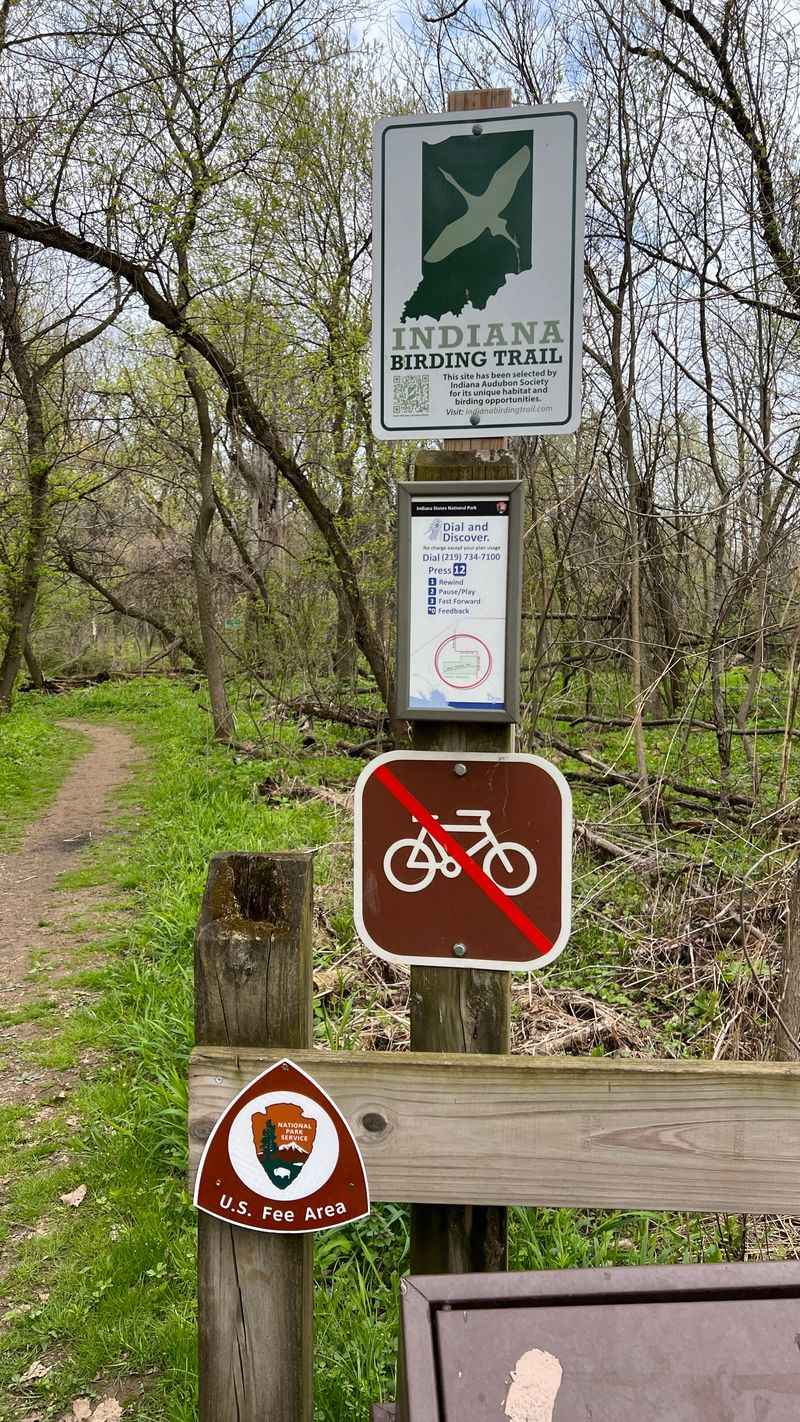
You need to display your national park pass on your windshield since this preserve falls under Indiana Dunes National Park management. Annual passes cost less than you might expect and cover all national park sites.
Senior passes offer incredible value for frequent visitors.
The parking areas sit along quiet rural roads surrounded by farmland, which adds to the preserve’s remote feeling despite being close to Michigan City. No facilities exist at either lot, so plan accordingly.
The trail stays open from 6 AM to 11 PM daily, giving flexibility for early morning birding or evening walks when different species become active.
Bug Spray Transforms Your Comfort Level
Mosquitoes and biting flies inhabit riverside habitats naturally, and Heron Rookery proves no exception. Multiple visitors mention bugs as the main challenge, especially during peak wildflower season when standing water from spring rains creates perfect breeding conditions.
One hiker even turned back because small biting flies became too persistent despite repellent.
Here is what works based on visitor experiences. Apply bug spray before you start walking, not after you notice bites.
Products with higher DEET concentrations perform better near the river. Wear long sleeves and long pants even on warm days, choosing lightweight fabrics that breathe while protecting skin.
The bug situation varies dramatically by timing. Early spring before leaves fully emerge tends to be better.
Mid to late summer brings the worst conditions, with July visitors reporting bites even through 40% DEET spray. May offers the best balance of wildflowers and birds with manageable insect activity if you come prepared.
Don’t let bug concerns stop you from visiting during prime season. Proper preparation makes all the difference between misery and enjoyment.
Some people also tuck pants into socks and wear light-colored clothing that makes ticks easier to spot, though tick reports here seem less common than mosquito complaints.
Accessible Trail Despite Rustic Character
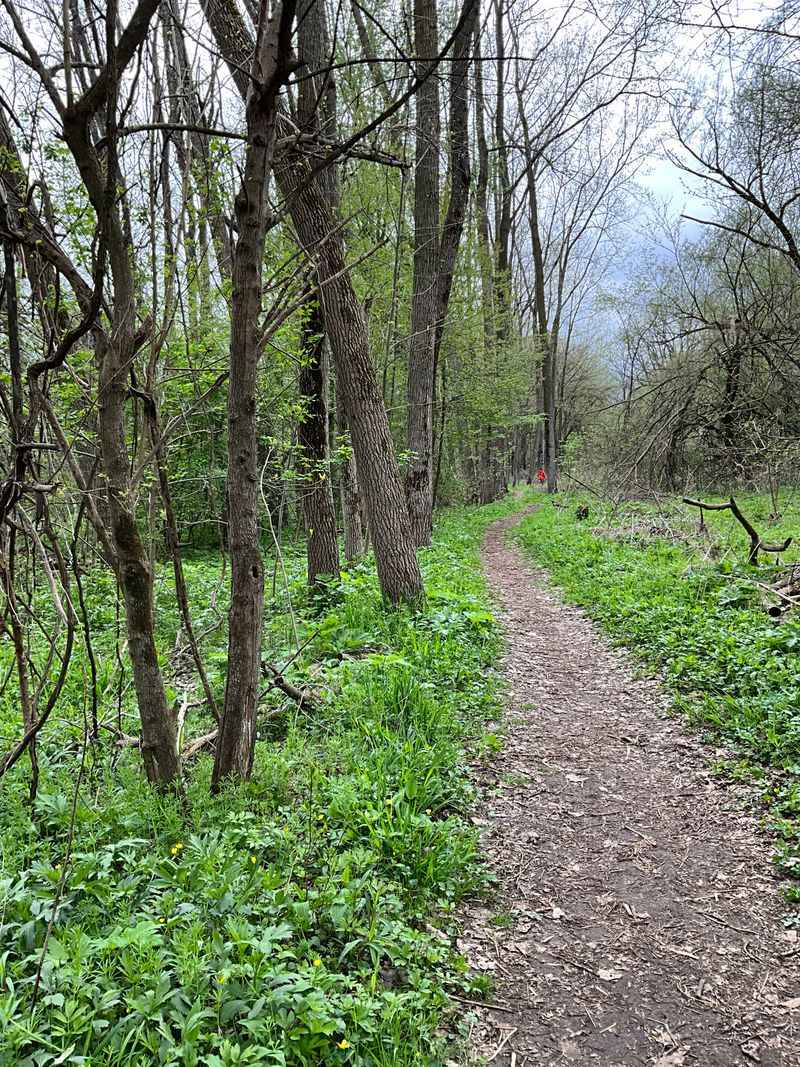
Heron Rookery balances rustic charm with reasonable accessibility. The trail stays mostly level following the river grade, avoiding steep climbs that challenge less experienced hikers.
Families with older children manage it well, and the dirt surface feels easier on joints than pavement.
That said, this is not a wheelchair-accessible boardwalk or paved path. The trail narrows to about a foot wide in places, roots cross the walking surface, and some sections drop steeply toward the river.
You need to watch your footing and accept this as a genuine woodland experience rather than a manicured nature center loop.
Strollers can handle parts of the trail according to some reviews, though I would recommend baby carriers for more flexibility and safety. The narrow sections make passing other hikers tricky with a stroller.
Dogs of all sizes enjoy this trail based on visitor reports, though keeping them leashed protects wildlife and prevents river accidents.
The trail stretches about 1.7 miles end to end, making a round trip just over three miles if you start from one parking area. Most people complete this in under two hours including stops for photos and bird listening.
You can also walk partway and turn back whenever energy or time runs short.
Close Enough for Repeat Visits Throughout Spring
Location matters when you want to catch different stages of spring migration and wildflower succession. Heron Rookery sits at 1336 600 E in Michigan City, reachable within an hour from most of northwest Indiana and Chicago’s south suburbs.
This proximity makes weekly visits realistic during the peak April through May window.
Experienced visitors recommend checking the trail at least once a week during spring because changes happen fast. Different wildflower species bloom in sequence, and bird populations shift as migration waves pass through.
What you see one weekend will differ noticeably from the next, rewarding repeat exploration.
After your hike, Michigan City offers dining options within a short drive. Matey’s Restaurant at 115 W 10th St serves classic American food in a casual setting.
Frankie’s Restaurant at 3832 Franklin St offers Italian specialties that satisfy post-hike appetites. Both places feel welcoming after you have spent a morning in the woods.
The preserve’s rural setting surrounded by farmland adds to its charm but means planning ahead. No facilities exist on site, so use restrooms before arriving.
Bring water and snacks since nothing sits nearby. The national park website provides current conditions and seasonal highlights worth checking before each visit.
Dear Reader: This page may contain affiliate links which may earn a commission if you click through and make a purchase. Our independent journalism is not influenced by any advertiser or commercial initiative unless it is clearly marked as sponsored content. As travel products change, please be sure to reconfirm all details and stay up to date with current events to ensure a safe and successful trip.
