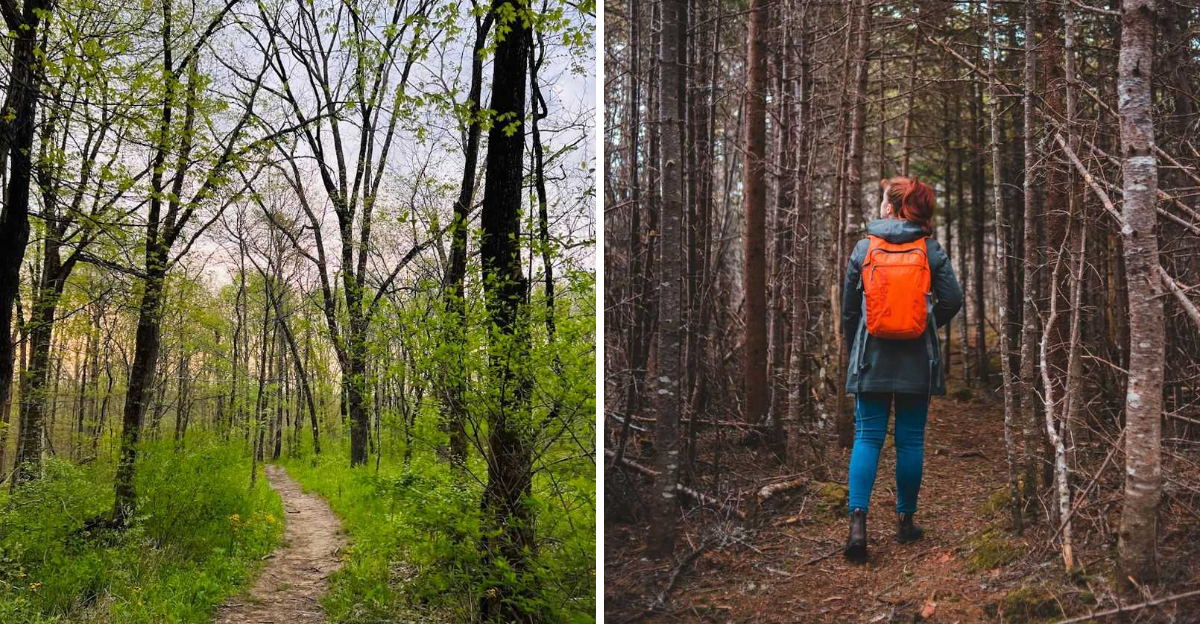
Indiana is not usually the first state that comes to mind for serious backpacking, but there’s a trail here that changes that conversation quickly. Stretching roughly 58 to 60 miles through the rugged hills of southern Indiana, it delivers steep climbs, constant elevation changes, and a challenge that feels both unexpected and genuinely rewarding.
It’s surprising more people outside the state haven’t heard of it, because the scenery slowly wins you over. Dense forests, quiet ridgelines, and those pause-and-take-it-in moments make every mile count.
Whether you’re a weekend warrior or a seasoned thru-hiker, this is the kind of trail that proves Indiana can absolutely hold its own when it comes to real adventure.
Unmatched Scenic Beauty Along the Knobstone Escarpment
Few trails in the Midwest can match the raw, natural drama of the Knobstone Escarpment. The trail winds through steep ridges and plunging valleys that feel more like the Appalachian foothills than anything most Hoosiers expect to find in their own backyard.
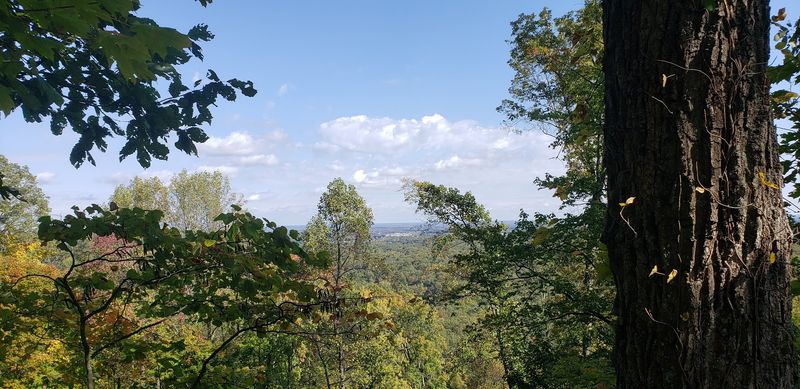
It genuinely catches you off guard the first time you crest a ridge and see miles of unbroken forest stretching out ahead.
The landscape shifts constantly as you move through the trail. Oak-hickory woodlands give way to beech-maple forests, and the canopy changes with every mile.
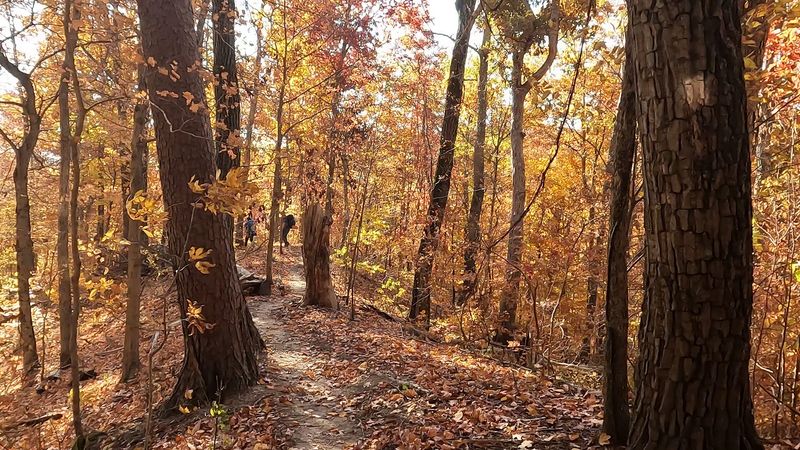
In the fall, the colors are absolutely breathtaking, painting the hills in deep reds, burnt oranges, and golden yellows that make every steep climb feel completely worth the effort.
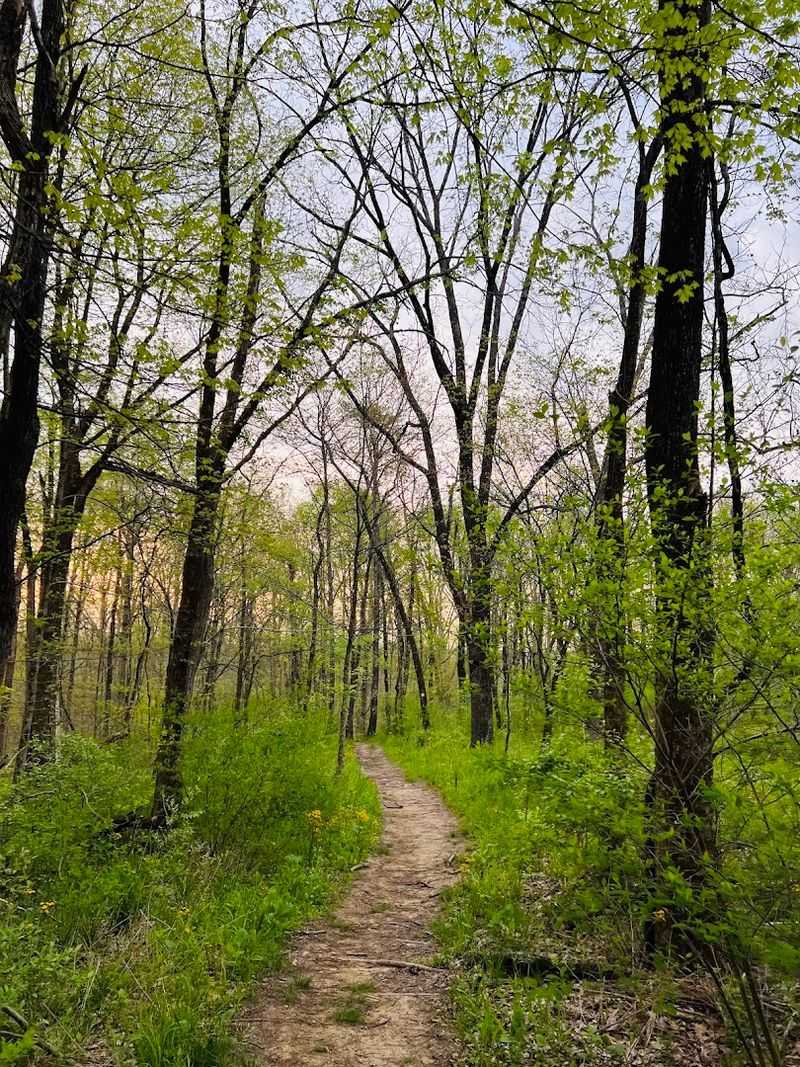
Spring brings its own reward, with wildflowers dotting the forest floor and streams running full and clear after winter rains. Even in the dead of winter, the bare trees reveal the bones of the escarpment in a way that feels ancient and powerful.
Photographers and nature lovers will find endless inspiration here, and honestly, even seasoned hikers often stop mid-trail just to take it all in. The views from the high points along the KT remind you why places like this need to be protected and celebrated.
Seriously Challenging Terrain That Tests Your Limits
The Knobstone Trail does not hold back. It is widely considered the most difficult trail in Indiana, and that reputation is fully earned with relentless climbs and sharp descents that push even experienced hikers to dig deep.
Locals who have tackled trails across the country often come back to the KT specifically because it builds real strength and endurance.
The elevation changes are no joke. You will find yourself grinding up steep pitches only to drop sharply into a hollow, then climb again almost immediately.
It is the kind of trail that humbles you on the first day and rewards you with serious confidence by the time you finish.
For hikers training for bigger adventures like the Appalachian Trail or the John Muir Trail, the Knobstone is a genuinely smart choice. The mileage is manageable enough to complete in a long weekend, but the terrain packs enough punch to prepare your legs and lungs for much longer journeys.
First-timers should not underestimate it, though. Proper footwear, trekking poles, and a realistic pace plan make a huge difference out here.
The trail rewards preparation and punishes overconfidence, which is exactly the kind of honest challenge that serious outdoor adventurers seek out and remember long after they get home.
Rich Biodiversity and Wildlife You Won’t Forget
Walking the Knobstone Trail feels like stepping into a living nature documentary. The mixed hardwood forests that blanket the escarpment support an impressive variety of wildlife, and patient hikers are often rewarded with close encounters that feel genuinely magical.
White-tailed deer are common sights, especially in the early morning hours when the trail is quiet and the mist still hangs low in the valleys.
Birders will find the KT particularly exciting. The forest canopy hosts warblers, woodpeckers, wild turkeys, and a wide range of migratory species depending on the season.
Spring migration is especially active, and the sounds of the forest at dawn can be almost overwhelming in the best possible way.
The plant life along the trail is equally impressive. Ferns carpet the forest floor in shaded hollows, and native wildflowers like trillium and wild ginger bloom in early spring.
The trail passes through several distinct forest communities, each with its own character and set of species. Reptiles, amphibians, and small mammals round out a surprisingly diverse ecosystem for a Midwestern state.
Nature lovers and amateur naturalists will find that the KT rewards slow, attentive hiking more than speed. Taking the time to look closely at what surrounds you turns every mile into a genuine discovery, and that sense of wonder never really fades no matter how many times you return.
A Deep History That Stretches Back Decades
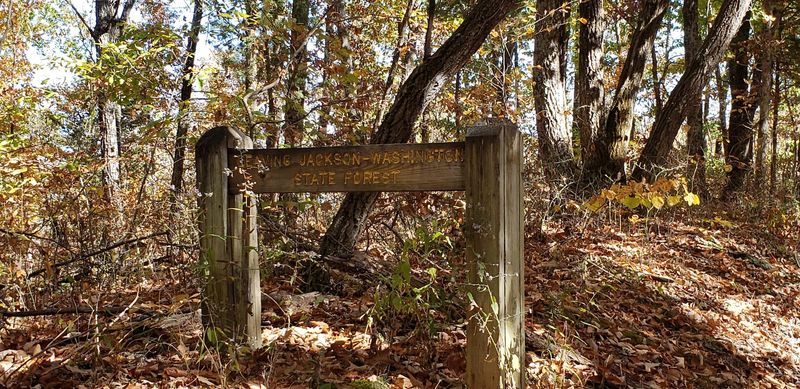
The Knobstone Trail has a history worth knowing before you lace up your boots. The first 32-mile segment opened in 1980, making it one of Indiana’s earliest long-distance hiking trails.
Over the following decades, the trail was extended and refined through a combination of state agency planning and dedicated volunteer effort, eventually reaching its current length of approximately 58 to 60 miles.
That history gives the trail a certain character you can almost feel underfoot. The route was carefully designed to follow the natural contours of the Knobstone Escarpment, a geological formation that has shaped the landscape of southern Indiana for millions of years.
Understanding that geology makes the steep terrain feel less like an obstacle and more like a story you’re reading with your body.
The trail runs through Clark, Scott, and Washington counties, crossing land managed by the Indiana Department of Natural Resources. Each county adds its own flavor to the experience, from the southern terminus near Deam Lake State Recreation Area at 452 Deam Lake Rd, Borden, IN 47106, to the northern end near Spurgeon Hollow and beyond.
Knowing the trail’s roots gives hikers a deeper appreciation for the effort that went into creating and maintaining this resource. It didn’t happen overnight, and every mile reflects years of thoughtful work by people who genuinely loved this land.
Primitive Camping That Puts You Fully in Nature
Primitive camping along the Knobstone Trail is one of those experiences that reminds you how good it feels to completely unplug. Backcountry camping is permitted in areas where no houses are visible within 50 feet of the trail, and outside of designated park boundaries, giving hikers a true wilderness feel without requiring a permit reservation system.
You pick your spot, set up camp, and let the forest do the rest.
Falling asleep to the sound of wind moving through the canopy and waking up to birdsong at first light is genuinely hard to beat. There are no amenities, no cell service in most sections, and no crowds.
Just you, your gear, and the quiet rhythm of the woods. For anyone who has spent too many nights in crowded campgrounds with noisy neighbors and generator hum, this is the antidote.
Smart campers come prepared with a water filter, since stream sources exist along the route but should always be treated. Leave No Trace principles are taken seriously on the KT, and the trail community actively encourages hikers to pack out everything they bring in.
The result is a trail that stays clean and wild year after year. Multi-day trips on the Knobstone build a kind of self-reliance that day hikes simply cannot replicate, and the satisfaction of completing a full overnight section stays with you for a very long time.
Diverse Trail Sections for Every Experience Level
One of the smartest things about the Knobstone Trail is how it naturally breaks into sections that suit different goals and fitness levels. You don’t have to commit to the full 60 miles to have an incredible experience.
Day hikers, weekend backpackers, and thru-hikers all find something meaningful here, and the trailheads are spaced in a way that makes planning flexible and practical.
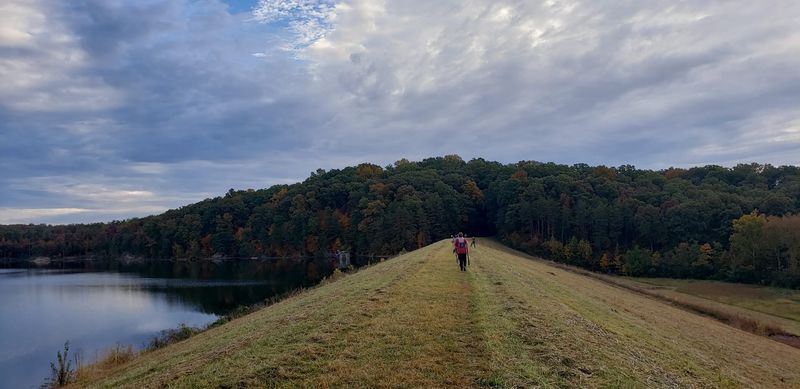
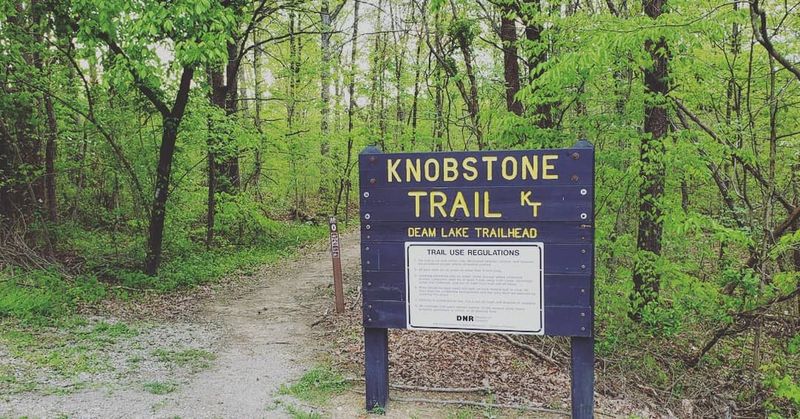
The southern terminus at Deam Lake State Recreation Area is one of the most popular starting points, offering parking, lake views, and a relatively accessible entry into the trail system. From there, hikers can tackle a single section out and back, string together two or three segments for a multi-day trip, or commit to the full thru-hike from south to north.
Each segment has its own personality, with some sections featuring dramatic ridge walks and others dipping into quiet creek hollows.
The northern end of the trail connects near Spurgeon Hollow and Delaney Creek Park, and for those who want even more, the trail can be extended northward along the Knobstone Escarpment toward Martinsville for an epic 160-mile journey. That kind of scalability is rare and genuinely valuable.
It means the Knobstone grows with you as a hiker, offering new challenges each time you return. Beginners can build confidence on shorter sections before eventually tackling the full route, making it a trail for life rather than just a single adventure.
A Thriving Community of Volunteers and Outdoor Enthusiasts
The Knobstone Trail exists in its current condition because of people who genuinely care about it. The Indiana Department of Natural Resources manages the trail, but a dedicated volunteer community does much of the hands-on maintenance work that keeps it passable and well-marked year-round.
That kind of grassroots investment gives the KT a spirit that you can actually feel when you’re out there walking it.
The Knobstone Hiking Trail organization serves as a hub for that community, connecting volunteers, sharing trail condition updates, and organizing work weekends that attract hikers from across the state. Getting involved is easy and rewarding, and many regular KT hikers credit their volunteer work with deepening their connection to the trail in ways that pure recreation never quite does.
There’s something powerful about maintaining a trail you love.
Online forums and local hiking groups keep the conversation going between trips, with hikers sharing condition reports, gear tips, and trip planning advice that genuinely helps newcomers get started on the right foot. The community is welcoming without being exclusive, and experienced KT hikers are usually happy to answer questions from first-timers.
Nearby, the town of Scottsburg in Scott County offers convenient resupply options and serves as a practical base for hikers tackling the middle sections of the trail. That combination of community support and practical infrastructure makes the Knobstone Trail more accessible and enjoyable for everyone who chooses to experience it.
Dear Reader: This page may contain affiliate links which may earn a commission if you click through and make a purchase. Our independent journalism is not influenced by any advertiser or commercial initiative unless it is clearly marked as sponsored content. As travel products change, please be sure to reconfirm all details and stay up to date with current events to ensure a safe and successful trip.
