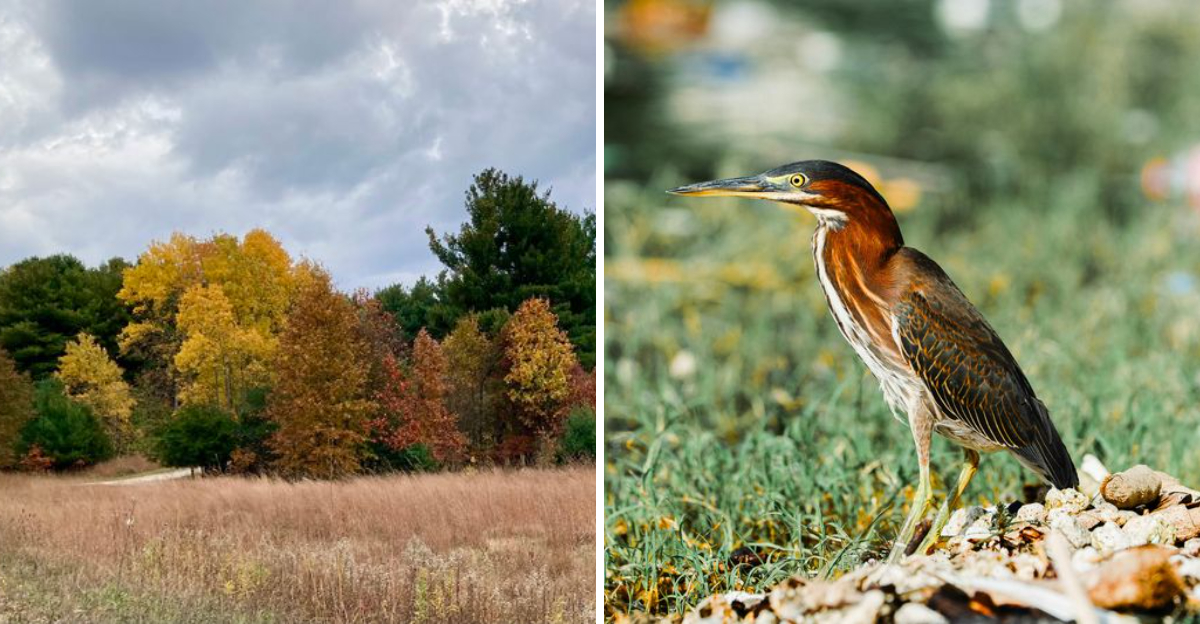
There is something quietly remarkable about a place where sand prairies blur into hardwood forests and wetlands stretch wide enough to make the world feel still. The North Judson Erie Trail in Starke County, Indiana does exactly that.
Covering roughly 11 miles of diverse natural landscape, this trail offers an outdoor experience that feels rare in the Midwest. I find myself drawn back to places like this because they remind me how much Indiana has to offer beyond the ordinary.
The blend of ecosystems here is genuinely special, from open prairies to shaded forests and tranquil wetlands, each section feels like its own little world. Whether you are a seasoned hiker or just looking for a peaceful afternoon outside, Erie Trail has something worth discovering.
If you have never explored this stretch of rural Indiana, now is a perfect time to change that and immerse yourself in its quiet beauty.
Sand Prairies That Feel Like Another World
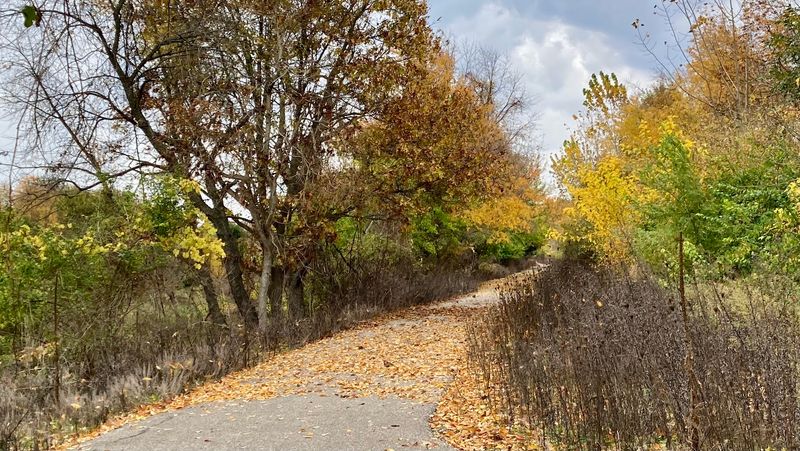
Walking onto the sand prairie sections of Erie Trail feels like stepping into a completely different state. The open, sandy ground supports plant communities that you would not expect to find in Indiana, and that surprise alone makes it worth the visit.
These prairie patches carry a quiet wildness that is hard to put into words. Sand prairies are considered rare ecosystems in the Midwest, and Erie Trail gives you direct access to a well-preserved stretch of one.
The soil here drains quickly, which means the plants that survive have adapted in fascinating ways. You will notice low-growing native species clinging to the ground where taller vegetation simply cannot compete.
What makes this section particularly rewarding is the sense of openness. After walking through dense tree cover, emerging onto a sandy prairie feels like a breath of fresh air in the most literal sense.
The light hits differently here, and on a clear morning, the whole landscape glows. For Indiana locals who associate the state mostly with cornfields and flat farmland, the sand prairie at Erie Trail genuinely challenges that assumption.
It is one of those spots where the natural history of the region becomes visible underfoot. Bring a field guide if you have one, because the plant diversity here rewards a curious eye.
Hardwood Forests With Canopy Cover Worth Seeking Out
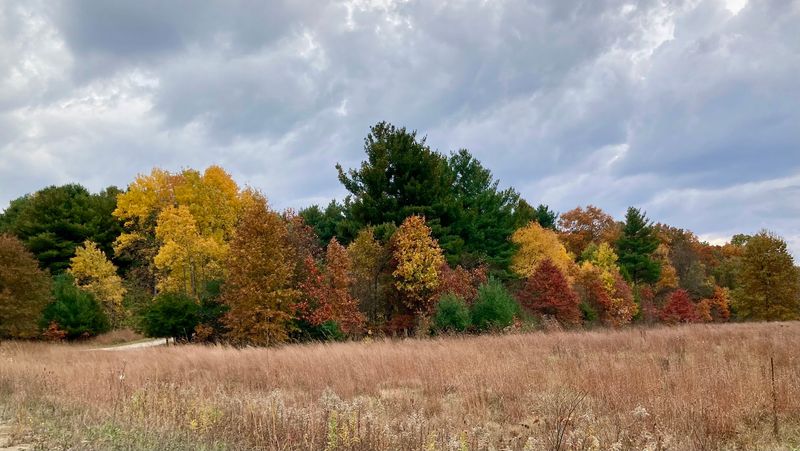
The hardwood forest sections of Erie Trail offer a completely different mood from the open prairies. Tall oaks, maples, and other native trees form a canopy that filters sunlight into soft, shifting patterns on the trail below.
Walking through here on a warm afternoon feels genuinely restorative. Indiana has a long history with its hardwood forests, and what remains in protected areas like this carries real ecological value.
These trees support an entire web of wildlife, from nesting birds in the upper canopy to ground-dwelling insects and mammals moving through the understory. Every layer of the forest is doing something important.
I find that hardwood forest trails have a particular quality of sound, too. Wind moves through the leaves in a way that feels almost like conversation, and the crunch of the trail underfoot changes depending on the season.
In fall, the color transformation here is genuinely stunning. For hikers looking for shade and a cooler experience during warmer months, these forest stretches are a welcome relief.
The tree cover keeps the temperature noticeably lower, and the visual complexity of the forest keeps your attention engaged throughout. This is the kind of trail section that makes you slow down naturally, not because you are tired, but because you want to take it all in.
Wetland Ecosystems That Support Surprising Wildlife
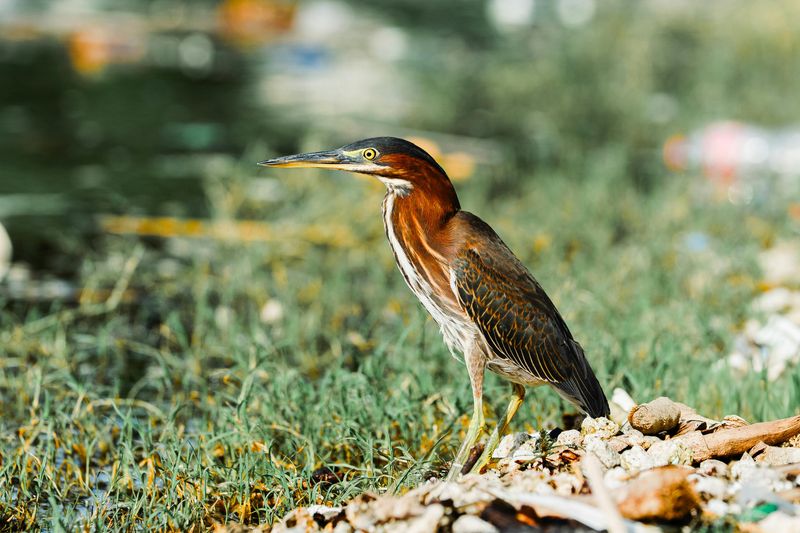
Wetlands are among the most productive ecosystems on the planet, and Erie Trail runs through some genuinely rich examples of them. The shallow water areas along the trail support a remarkable variety of wildlife, from frogs and turtles to herons and migratory waterfowl.
If you move quietly, you will see more than you expect. Wetland birding along this trail is a real highlight.
Northern Indiana sits along important migratory corridors, and the wetland habitats here attract species that pass through seasonally as well as those that nest locally. Early morning visits in spring and fall tend to offer the most active wildlife sightings.
Beyond birds, the wetland plant communities are fascinating in their own right. Cattails, sedges, and water-tolerant shrubs create dense habitat that supports insects, amphibians, and small mammals.
The ecological interconnectedness of these areas becomes obvious when you spend time observing rather than just walking through. What I appreciate most about the wetland sections is how they shift your pace naturally.
You find yourself stopping more, listening more, and paying attention to small movements at the water’s edge. For families with curious kids, these stretches are endlessly entertaining and educational without feeling like a classroom.
The wetlands at Erie Trail are not just scenery; they are a living, active system worth your full attention.
An 11-Mile Distance That Rewards Committed Hikers
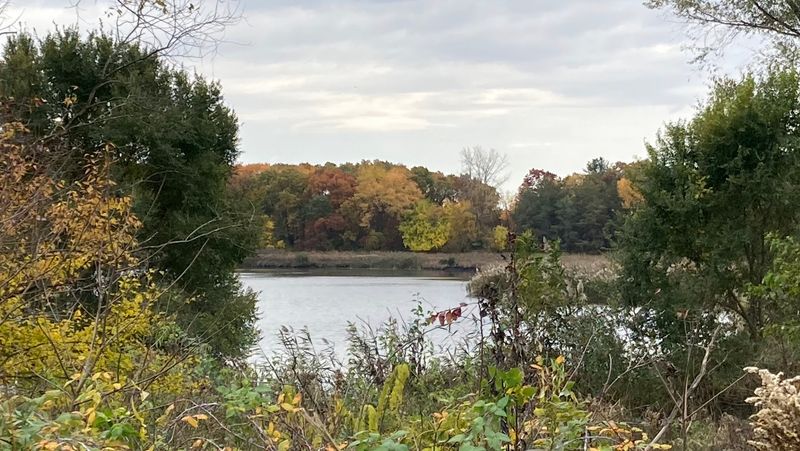
Eleven miles is a satisfying distance for hikers who want a full day outdoors without venturing into extreme terrain. Erie Trail offers that middle ground between a casual stroll and a demanding backcountry experience.
You will feel the effort by the end, but it is the kind of tiredness that comes with accomplishment. The varied terrain across those 11 miles keeps the experience from feeling monotonous.
Moving through wetlands, sand prairies, and hardwood forests means the landscape is constantly changing, which makes the miles pass more naturally than a single-ecosystem trail would. There is always something new ahead.
Planning matters on a trail this length. Bringing enough water, wearing appropriate footwear for mixed terrain, and starting early in the morning are all practical moves that will improve your experience significantly.
The trail can get warm and exposed in the prairie sections, so sun protection is worth thinking about too. For Indiana locals looking to build their hiking endurance or simply spend a meaningful day outside, this trail length hits a sweet spot.
It is long enough to feel like a real adventure and short enough to complete comfortably in a single day without rushing. I think there is real value in a trail that challenges you just enough to make the finish feel earned.
Erie Trail does that well.
Starke County Location Close to Real Northern Indiana Character
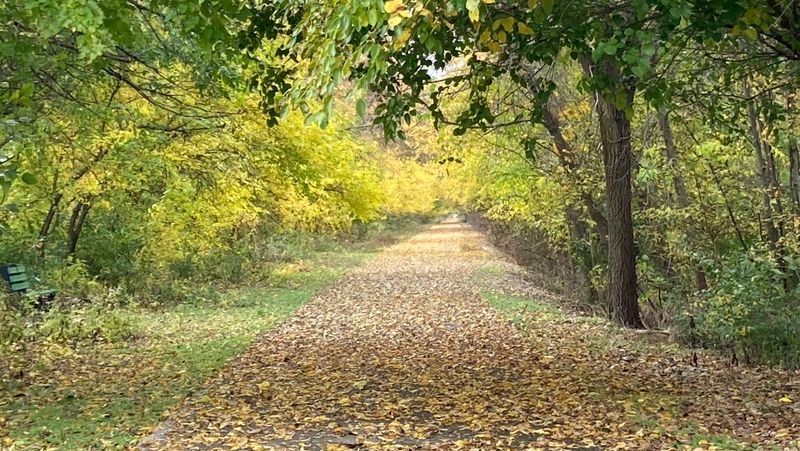
Starke County sits in rural northern Indiana, and the area carries that particular Midwestern character that feels both familiar and underappreciated. The landscape here is honest and unpretentious, and Erie Trail fits that personality perfectly.
There is no fanfare, just a genuinely good natural space available to anyone willing to show up. Being centered around North Judson and extending toward Bass Lake means the trail is accessible to a significant number of residents across the region without requiring a long drive.
That proximity to small-town communities makes Erie Trail an especially valuable green space for people who need nature within reach. Access matters, and this location delivers it.
The surrounding community takes quiet pride in its natural areas, and that care is visible in the condition of the trail and its ecosystems. Local conservation efforts, particularly from the Prairie Trails Club, have helped preserve the diversity of habitats that make Erie Trail worth visiting in the first place.
That kind of community investment deserves recognition. Nearby, you can explore the Hoosier Valley Railroad Museum in North Judson after your hike for a dose of local history.
Seasonal Changes That Make Every Visit Feel Different
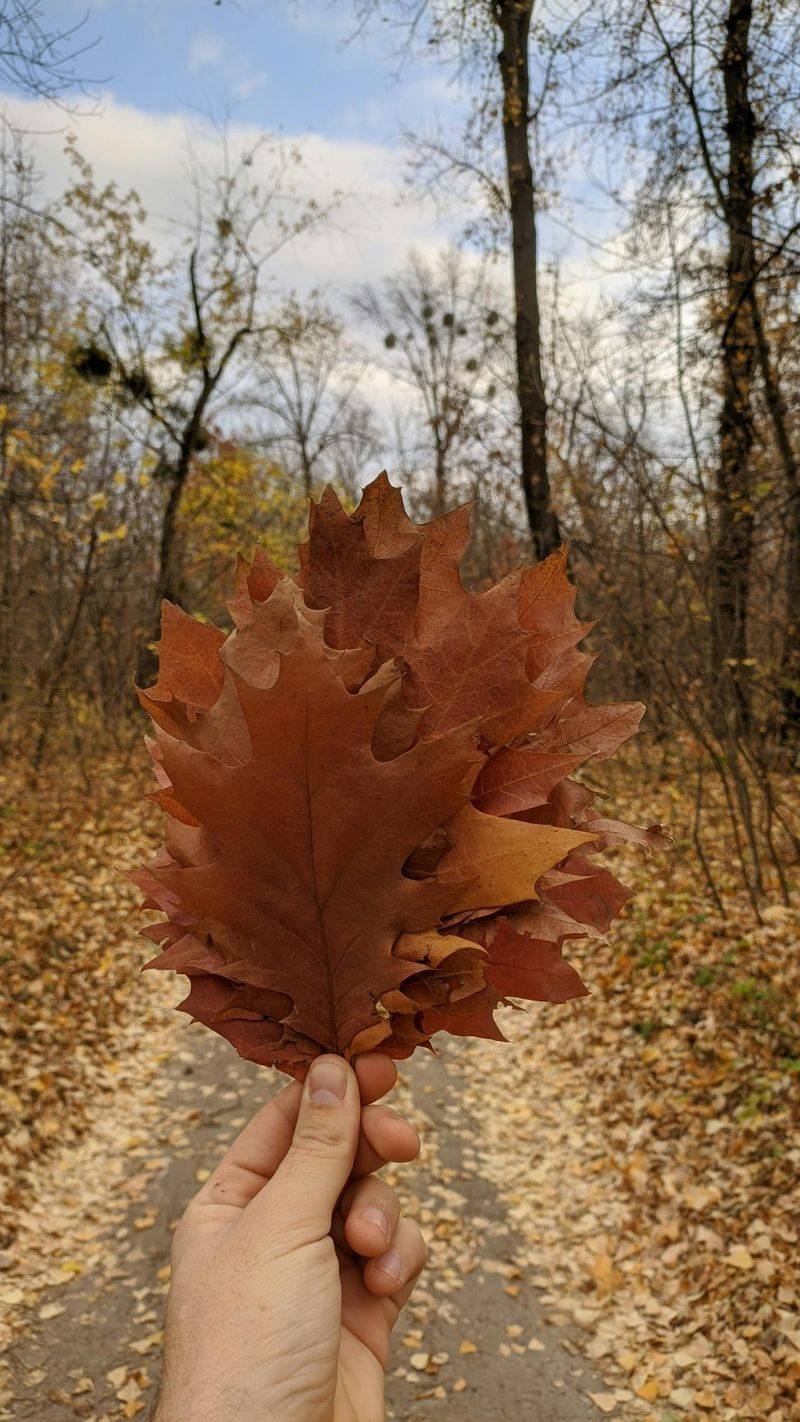
One of the most honest things I can say about Erie Trail is that it genuinely rewards repeat visits throughout the year. The same path feels like a different experience depending on whether you are walking it in early spring, midsummer, fall, or the quieter winter months.
Each season reveals something the others hide.
Spring brings the most dramatic wildlife activity. Migratory birds return, amphibians emerge from the wetlands, and the forest floor fills with early wildflowers before the canopy fully leafs out.
That brief window when the trees are just beginning to green is one of the most beautiful times to be on any northern Indiana trail.
Summer offers the fullest canopy cover and the most active insect and butterfly populations in the prairie sections. Fall transforms the hardwood forest into something genuinely spectacular, with warm reds and golds that reflect off the wetland water surfaces.
Winter strips the landscape back to its bones and reveals the structural beauty of the trees and the quiet honesty of the wetland edges.
Planning your visit around a specific season gives you something to look forward to returning for. Trail conditions vary with rainfall and temperature, so checking local updates before heading out is always a smart move.
The variety of ecosystems at Erie Trail means that no matter when you visit, something is worth seeing. That kind of consistent reward is rare and genuinely worth appreciating.
A Rare Ecosystem Overlap That Indiana Naturalists Love
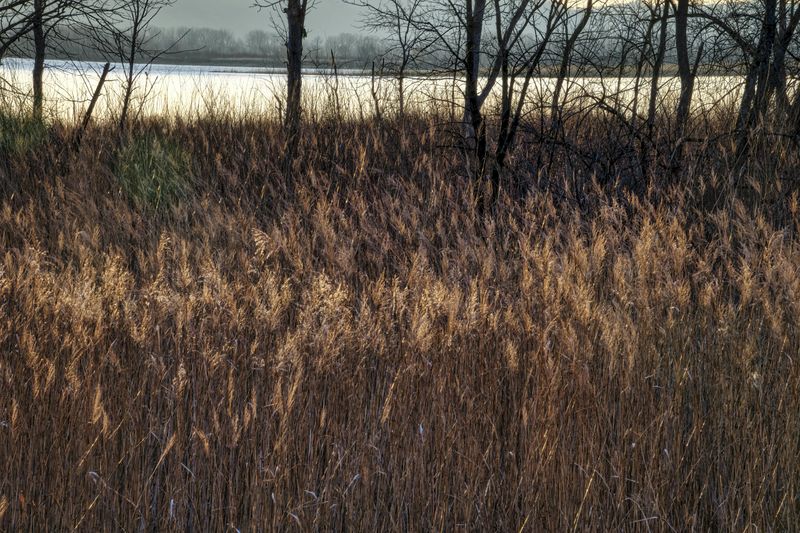
Ecotones, the transition zones where two different ecosystems meet, are among the most biologically rich environments in nature. Erie Trail passes through one of the more compelling examples of this in Indiana, where sand prairies give way to hardwood forests and wetlands intersect with both.
That layering of habitats creates exceptional biodiversity in a relatively compact area.
Indiana naturalists have long valued this part of the state for exactly this kind of ecological complexity. The combination of sandy soils, standing water, and forest cover creates conditions that support species found nowhere else in the region.
For anyone interested in native plants, insects, birds, or mammals, the overlap zones here are endlessly interesting.
What makes this particularly meaningful is that such habitats are increasingly rare. Development, drainage, and land conversion have reduced the extent of natural wetlands and prairies across Indiana significantly over the past century.
What remains at Erie Trail represents something worth protecting and celebrating.
The nearby Spicer Lake Nature Preserve at 13547 McKinley Hwy, New Carlisle, IN 46552 offers a related natural experience for those who want to extend their exploration of St. Joseph County ecosystems. The Fernwood Botanical Garden and Nature Preserve at 13988 Range Line Rd, Niles, MI 49120 is also within reasonable driving distance and provides a curated look at regional plant diversity.
Both pair naturally with a visit to Erie Trail for anyone serious about northern Indiana natural history.
Dear Reader: This page may contain affiliate links which may earn a commission if you click through and make a purchase. Our independent journalism is not influenced by any advertiser or commercial initiative unless it is clearly marked as sponsored content. As travel products change, please be sure to reconfirm all details and stay up to date with current events to ensure a safe and successful trip.
