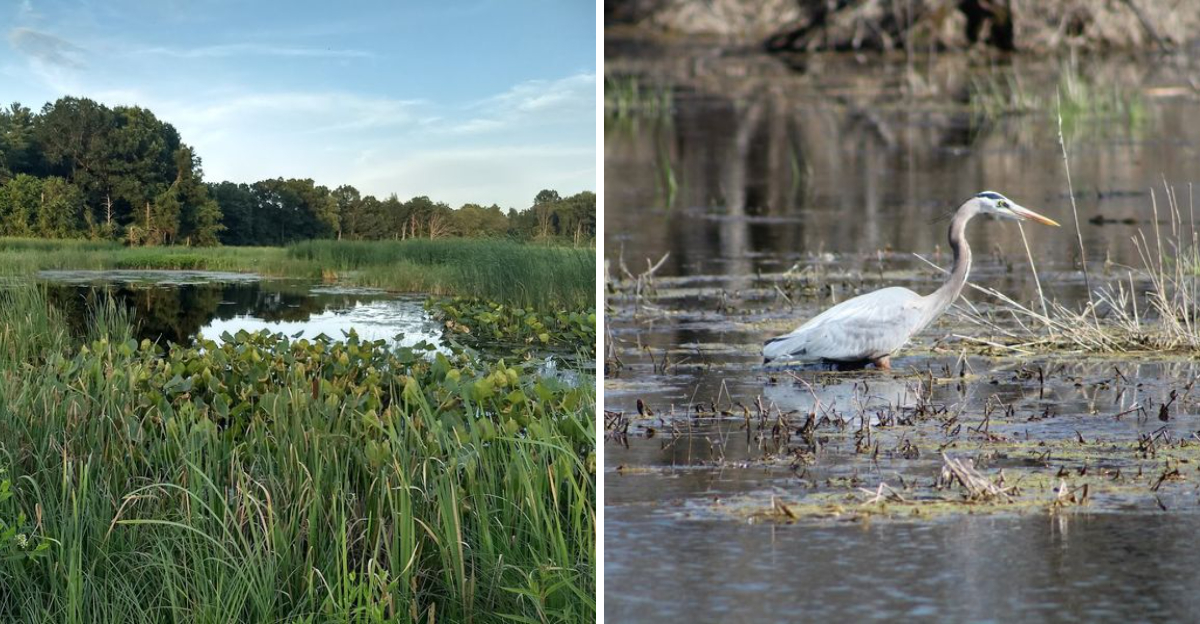
I have always believed that the best nature experiences happen when you least expect them, and there is a massive fish and wildlife area in northeastern Indiana that proves exactly that. Sprawling across nearly 12,000 acres of wetlands, hardwood forests, open fields, and winding river corridors, it has been quietly drawing birders, anglers, hunters, and outdoor lovers for decades.
What makes it stand out is not just its size, but the sheer variety of life packed into every corner. One stretch might open into quiet marshland filled with birds, while another leads you through dense woods or along slow-moving water.
Whether you are chasing a rare sighting or just want to step into wide-open countryside and breathe for a while, it is the kind of place that rewards the drive in ways you do not always expect.
Diverse Habitats That Support an Incredible Range of Bird Species
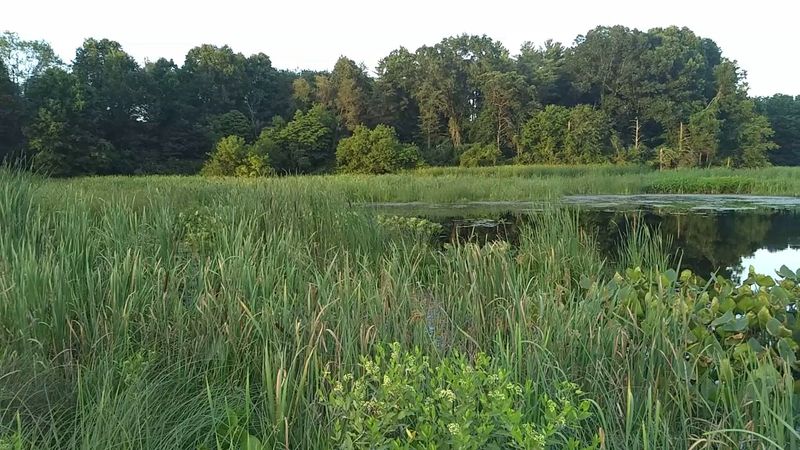
Few places in Indiana pack this much habitat variety into a single property. Pigeon River Fish and Wildlife Area offers mature woodlands, open upland fields, fens, marshes, lakes, and agricultural crop plots, all within the same 11,794-acre stretch of northeastern Indiana landscape.
That kind of diversity is exactly what draws such a wide variety of bird species to a single location.
For birders, habitat variety is everything. A marsh edge attracts entirely different species than a woodland interior, and having both within walking distance means your checklist grows fast.
The mix of wetland and upland habitats here creates natural corridors that funnel migrating birds through the property season after season.
Even on a slow day, you can move from one habitat type to another and find something new. The transition zones between forest and field, or between open water and emergent marsh, tend to be especially productive.
Indiana locals who know this area well often say it feels like several different wildlife areas rolled into one.
The Indiana Birding Trail recognizes Pigeon River as a standout destination for exactly this reason. Birding here rewards patience and curiosity in equal measure.
Whether you are scanning a flooded field or listening for movement in the treetops, this landscape constantly surprises you with what it holds.
Over 36 Woodland Warbler Species Recorded During Migration
Warbler season at Pigeon River is the kind of thing birders talk about all winter while they wait for it to arrive. At least 36 woodland warbler species have been identified on-site during migration months, which puts this area in seriously impressive company for a midwestern wildlife area.
That number represents years of dedicated observation and reflects just how productive the woodlands and edge habitats here truly are.
Warblers are notoriously tricky to spot. They move fast, stay high in the canopy, and often blend into the foliage with frustrating ease.
But Pigeon River gives you the kind of dense, mature forest that concentrates these birds during migration waves, especially after a weather front pushes a big fallout of birds down to lower elevations.
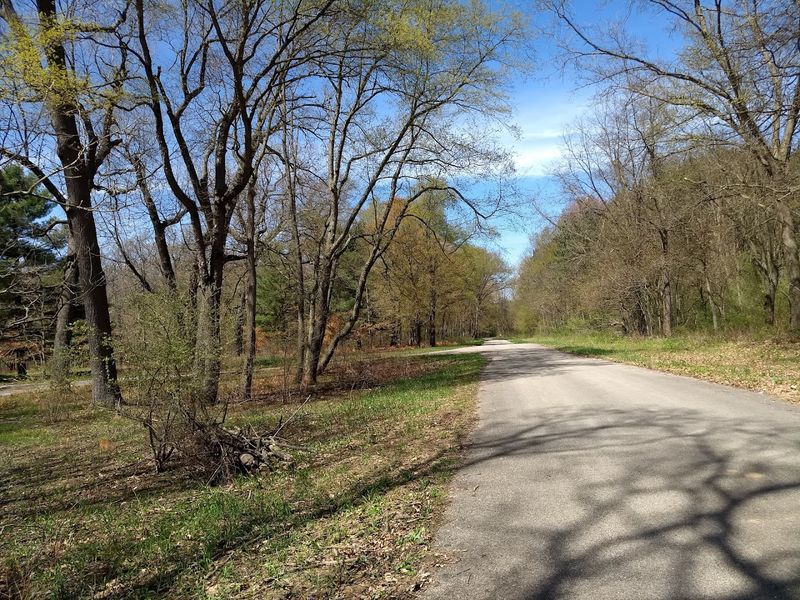
Road birding along 200 North between 900 East and 1100 East, and along 300 North between 400 East and the town of Mongo, are two stretches that warbler enthusiasts return to year after year. The tree canopy hangs close to the road in spots, giving you eye-level views that would be impossible deeper in the woods.
For anyone building a life list or simply chasing the joy of finding a new species, warbler season here delivers real excitement. Spring mornings in early May, when the trees are just leafing out, tend to produce the most activity and the best visibility.
Massassauga Marsh and Its Rare Nesting Marsh Birds
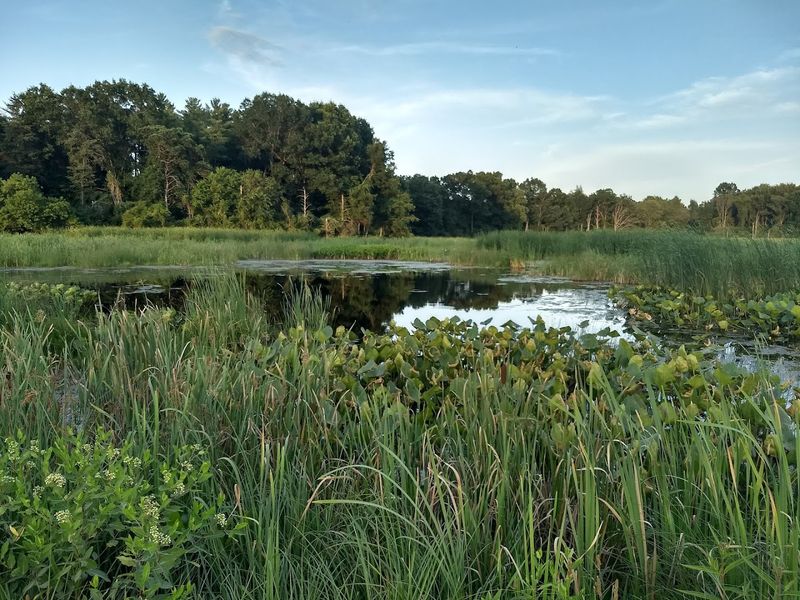
Massassauga Marsh is one of those places that feels genuinely special the moment you arrive. Located south of parking lot D12 toward parking lot D11, this wetland area is home to a remarkable collection of nesting marsh birds that most birders spend years trying to find.
Common Gallinule, Least Bittern, Marsh Wren, Virginia Rail, and Sora all nest here and can be heard calling during the summer months.
Hearing a Virginia Rail call from deep in the cattails on a warm June morning is one of those experiences that stays with you. These are birds that many people never see clearly, but their voices carry across the marsh in a way that feels almost theatrical.
Marsh birds are secretive by nature, but patient observers standing quietly at the edge of the reeds are often rewarded.
The marsh also draws owls year-round. Great Horned Owl, Barred Owl, and Eastern Screech-Owl have all been recorded at this site across all four seasons.
An evening visit during late summer can produce both marsh bird activity and owl calling, sometimes within the same hour.
For newer birders, Massassauga Marsh is a perfect place to sharpen your listening skills. Learning bird calls here opens up a whole new dimension of the hobby.
You do not always need to see a bird to count it, and this marsh teaches you that lesson beautifully.
Year-Round Birding With Something New Every Season
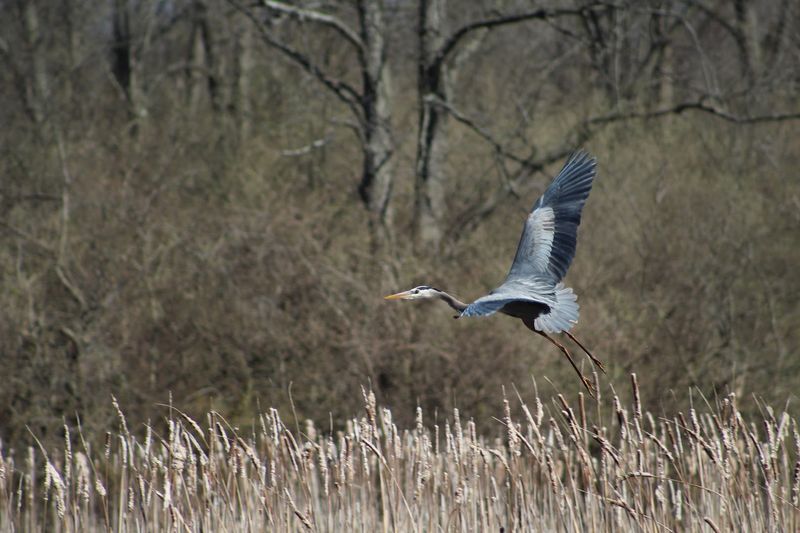
One of the things I appreciate most about Pigeon River is that it never really goes quiet. While spring and fall migration bring the greatest diversity of species, every season here offers something worth getting up early for.
Winter brings raptors and sparrows to the open fields. Summer fills the wetlands and woodlands with nesting activity.
There is always a reason to visit.
Year-round productive birding areas include the stretch along 450 North between 225 East and 350 East, as well as Parking Lot B-6, which consistently delivers sightings in all seasons. These spots reward regular visitors who learn the rhythms of the land and know when to expect certain species to appear.
Winter birding here has its own quiet appeal. Short-eared Owls have been known to hunt the open fields at dusk, and Northern Harriers cruise low over the grass with that unmistakable buoyant flight.
Rough-legged Hawks from the Arctic sometimes perch in the treetops along the road edges, looking almost out of place against the Indiana farmland backdrop.
The beauty of a year-round destination is that you can build a personal connection to the place over time. Watching the same marsh shift through ice, green growth, peak summer activity, and autumn stillness gives you a sense of the land that a single visit simply cannot provide.
Pigeon River rewards the repeat visitor generously.
Road Birding and Accessible Hotspots for All Skill Levels
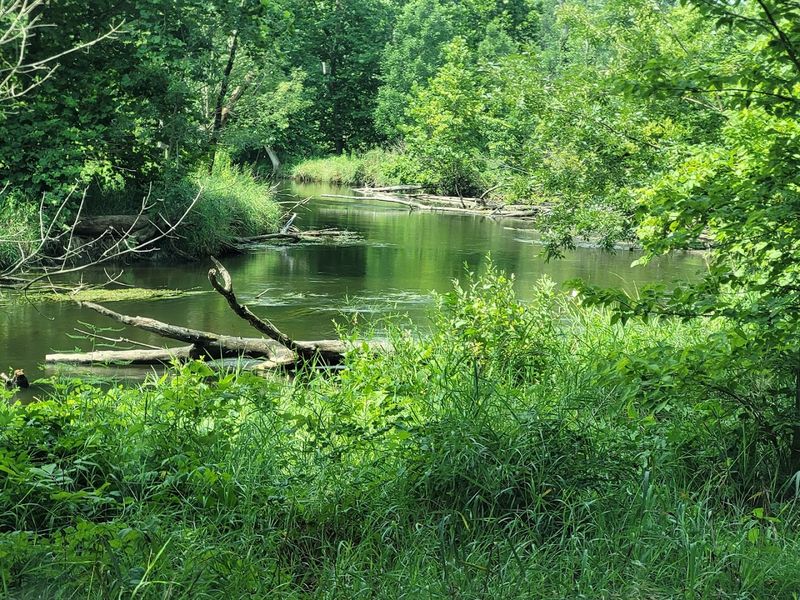
Not every great birding experience requires a strenuous hike through dense forest. At Pigeon River, much of the best birding happens right from the road, making it one of the most accessible wildlife areas in Indiana for people of all ages and physical abilities.
The network of roads winding through the property puts you within easy viewing distance of forests, wetlands, and open fields without ever leaving your vehicle.
Road birding is a legitimate and highly effective technique, especially in a property this large. Driving slowly with the windows down lets you hear bird calls before you spot the birds, and pulling over at promising spots along 300 North between 400 East and the town of Mongo often yields unexpected finds.
The road through Mongo itself passes right through the heart of some of the most productive habitat on the property.
Parking lots are well distributed across the area, and many of them sit adjacent to key habitat features like lake edges, marsh overlooks, or forest trailheads. This means you can park, scan, and move on without committing to a long walk if conditions are not ideal.
For families introducing kids to birding, or for visitors who are newer to the hobby, this accessibility makes Pigeon River an ideal starting point. You do not need fancy equipment or expert knowledge to have a genuinely rewarding morning here.
A basic pair of binoculars and a little patience go a long way.
Waterfowl Viewing During Spring and Fall Migration
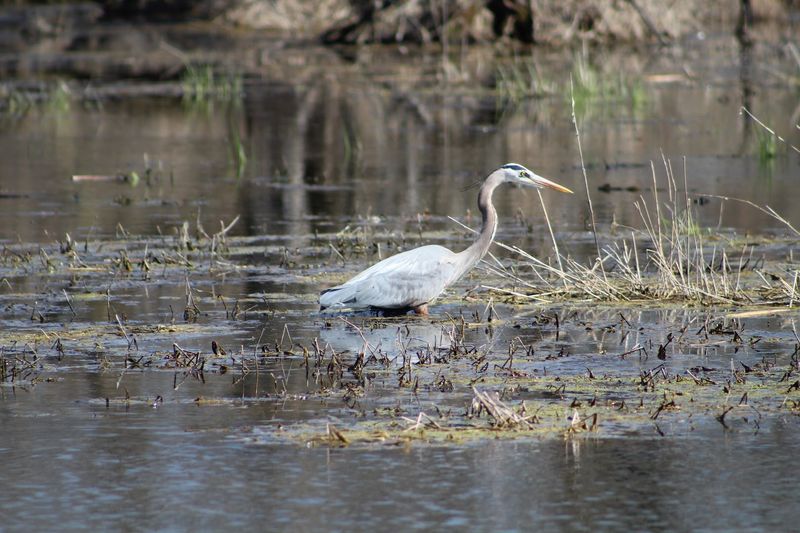
When migration season hits northeastern Indiana, Pigeon River becomes one of the most exciting places to be with a pair of binoculars. Spring and fall bring waterfowl in peak abundance, and the property has several well-known hotspots that consistently deliver great sightings.
Deep Lake near parking lot L-2, Mongo Reservoir near parking lot G-1, Nasby Dam near parking lot E-3, Pigeon River 390 Bridge near parking lot C-5, and the Ontario Millpond near parking lot B-1 are all reliable viewing areas.
Each of these locations offers a slightly different experience. The reservoir tends to attract diving ducks, while the river sections bring in dabbling species and mergansers.
Timing your visit around peak migration windows in April or October can reward you with impressive numbers.
What makes waterfowl watching here especially enjoyable is the accessibility. Most of these spots are reachable by car, so you can cover several locations in a single morning without a strenuous hike.
That makes it a great option for families, older birders, or anyone who wants a productive outing without a lot of physical effort.
The quiet farmland surrounding the area adds to the atmosphere. There is something deeply satisfying about watching hundreds of ducks work their way across a gray Indiana sky while cornfields stretch out behind you in every direction.
Fishing, Hunting, Shooting Ranges, and Beyond
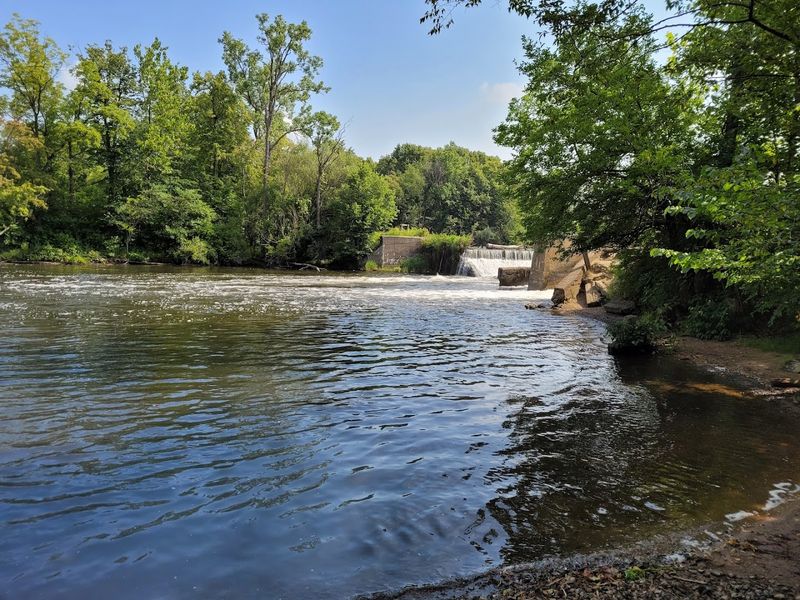
Birding gets most of the spotlight at Pigeon River, but this property offers a full outdoor experience that goes well beyond watching birds. Fishing is a major draw, with the Pigeon River itself and several lakes on the property holding trout, bass, and other species.
Trout fishing in particular has a loyal following here, with some families returning year after year for the experience.
Hunting opportunities cover deer, waterfowl, pheasant, and more, with designated seasons managed by the Indiana DNR. The archery range features an elevated shooting platform that hunters use for tree stand practice, which is a thoughtful addition for anyone preparing for deer season.
The free public shooting range is another standout feature, offering pistol, rifle, and shotgun lanes at no cost to visitors.
Wildlife watching beyond birds is equally rewarding. The property supports a healthy deer population, and a small fox population has been spotted in various parts of the area.
Kayaking and canoeing along the Pigeon River offer a water-level perspective on the landscape that you simply cannot get from the road.
For anyone looking for a full day outdoors with the whole family, this place covers all the bases. You can fish in the morning, bird in the afternoon, and end the day at the shooting range.
Few public lands in Indiana pack this much variety into a single location, and the address is 8310 E 300 N Box 71, Mongo, IN 46771.
