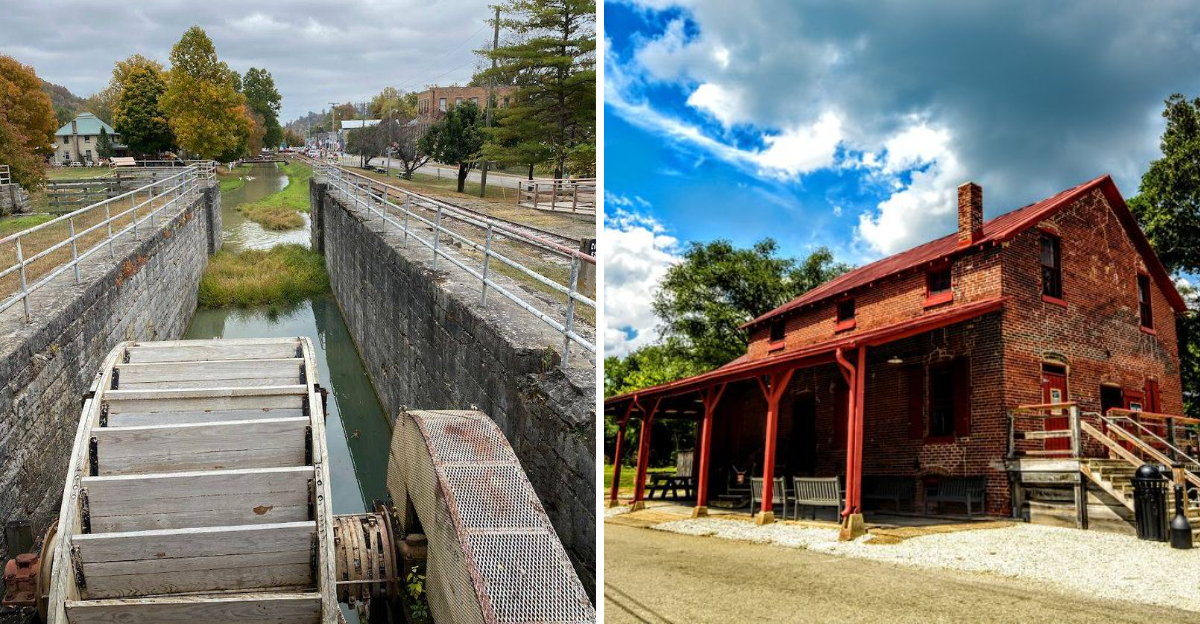
I grew up in Indiana thinking I had seen most of what this state had to offer, but one small town genuinely caught me off guard. Nestled along the Whitewater River Valley, this historic canal site is one of those rare places where history feels alive rather than dusty and distant.
Walking the old towpaths, watching water move through locks built nearly two centuries ago, and hearing the creak of the grist mill made me feel like I had stepped right into another era. With its charming streets and timeless scenery, it’s the kind of place that invites you to slow down and really take it all in.
If you have never made the drive out there, let me give you seven solid reasons why you absolutely should.
The Whitewater Valley Railroad Adds a Whole New Layer of Adventure
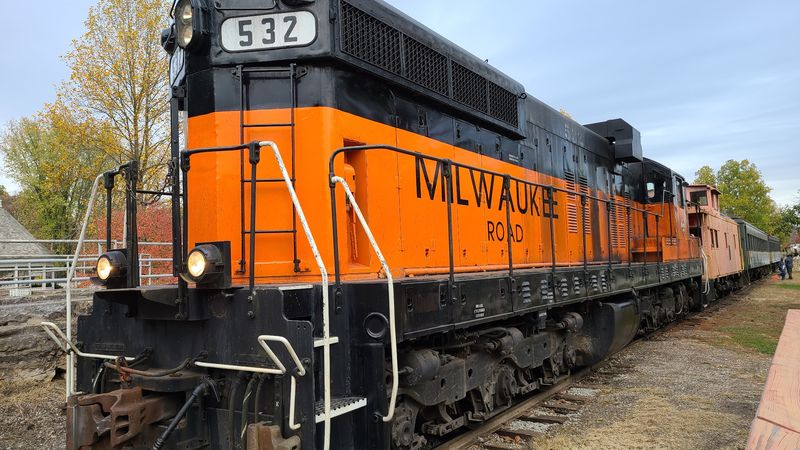
Riding the Whitewater Valley Railroad is one of those experiences that puts a grin on your face before the train even leaves the station. The two-mile scenic excursion aboard the Metamora Local winds along the restored canal corridor, giving passengers views that you simply cannot get from the road.
Trees press in close on both sides, and the old machinery of the canal comes into view at just the right moments.
The train cars themselves are vintage, which means they are not exactly plush, but that is part of the charm. You are riding the same kind of equipment that once hauled workers and supplies through this valley, and that context makes every clunk and rattle feel intentional rather than uncomfortable.
Several visitors describe the ride as relaxing, almost meditative.
At around five dollars for the excursion, the railroad is one of the most affordable and memorable experiences in the region. Families with young children especially love it since the slow pace and open scenery make for easy conversation and natural wonder.
The train operates seasonally, so checking ahead at metamoraindiana.com before your visit is smart. Go on a weekday if you prefer a quieter ride with fewer crowds.
The Duck Creek Aqueduct: America’s Only Operating Wooden Aqueduct
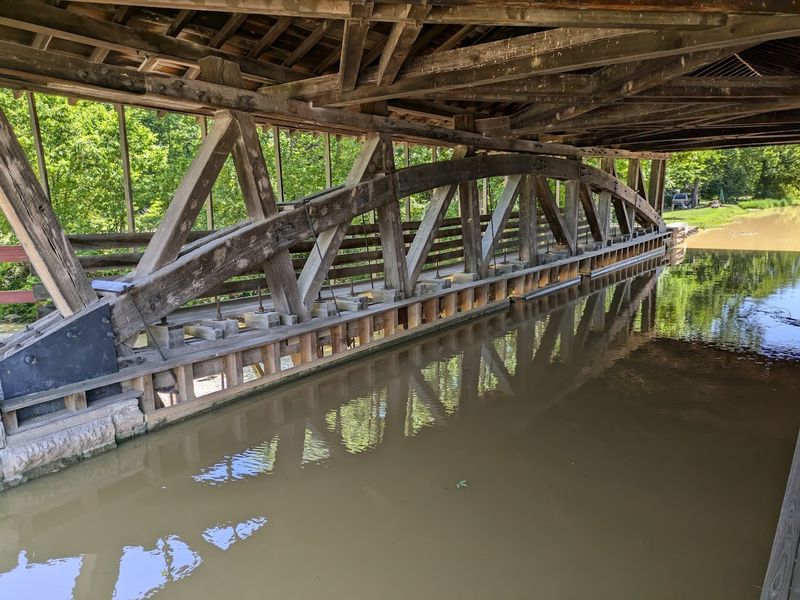
Picture a wooden bridge, but instead of cars or horses crossing it, an entire canal floats across the top. That is exactly what the Duck Creek Aqueduct does, and it has been doing it since 1846.
Built from hand-hewn timber and restored with painstaking care, this 75-foot structure is the only known operating wooden aqueduct in the entire United States.
Standing underneath it while water flows silently overhead is genuinely one of the most surreal experiences in all of Indiana. Engineers today still marvel at how 19th-century builders managed to keep a canal suspended in the air using wood and iron hardware.
The craftsmanship reflects a level of ingenuity that modern construction sometimes forgets to appreciate.
Visitors can walk the towpath right up alongside the aqueduct and get a close look at the wooden framework. Interpretive signs explain how the structure works and why it matters to American engineering history.
Located at 19073 Main St, Metamora, IN 47030, the site is open Thursday through Sunday from 10 AM to 5 PM. Bring a camera because no filter is needed when the late afternoon light catches the water flowing through that old wooden trough.
The Whitewater Trail Offers a Peaceful Hike Through Living History
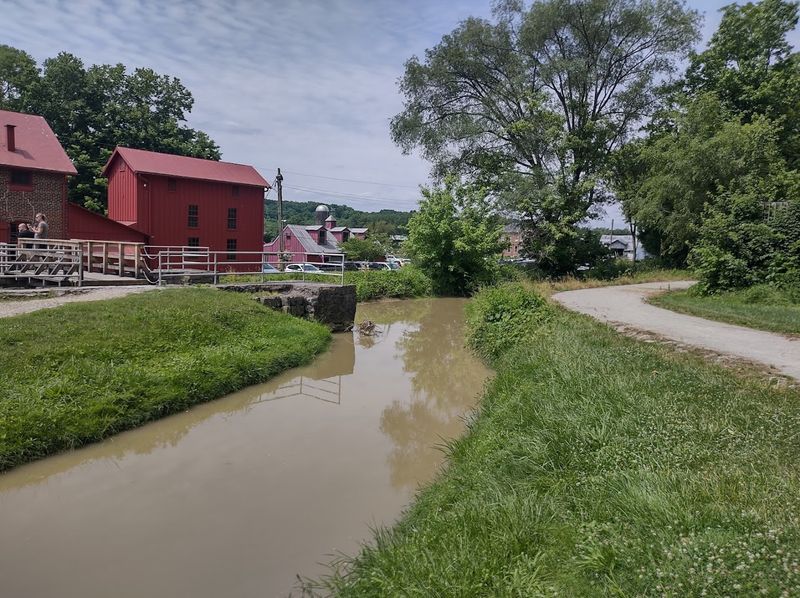
Not every great experience at Metamora involves a ticket or a guided tour. The Whitewater Trail is a 2.6-mile rustic path that runs right alongside the historic canal, and it might be the most quietly spectacular thing the site has to offer.
Gravel underfoot, trees overhead, and the sound of water moving beside you create a combination that feels genuinely restorative.
The trail is accessible to most fitness levels, though some sections are uneven enough that sturdy footwear makes a real difference. Mountain bikers and cyclocross riders have also discovered this route, and with the addition of the Laurel Feeder Trail, the connected network stretches to around 11 miles one way, reaching all the way down to the Laurel Feeder Dam near Brookville.
That makes it one of the more impressive trail systems in the region.
Wildlife sightings are common along the canal corridor. Great blue herons, turtles, and various songbirds are regular companions on a morning walk.
The trail connects to the broader site, and there is no fee to access it. Autumn is a particularly magical time to hike here when the maples and oaks along the canal turn gold and red.
Even a short 30-minute walk leaves most visitors feeling like they genuinely unplugged for a while.
The Metamora Grist Mill Still Grinds Corn the Old-Fashioned Way
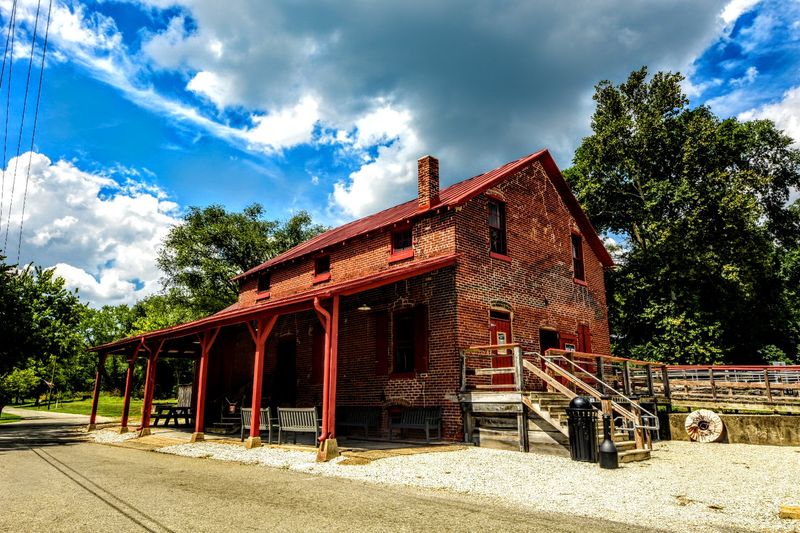
Some places make history feel like a museum exhibit behind glass. The Metamora Grist Mill is the opposite of that.
Built in 1893 and still fully operational, this working mill grinds corn into flour, meal, and grits using techniques that have barely changed in over a century. You can actually smell the grain as it moves through the stones.
Watching the millstones turn is oddly hypnotic. The rhythm of the machinery, the fine dust floating in the air, and the low rumble of the grinding process all combine to create something that feels more like time travel than a typical tourist stop.
Staff members are knowledgeable and genuinely enthusiastic about explaining every step of the milling process.
The best part? You can buy the freshly ground products right there on site.
Cornmeal from the Metamora Grist Mill has a flavor that store-bought versions simply cannot match. The ramp access makes it reachable for visitors with mobility needs.
Plan to spend at least 20 to 30 minutes here because once you start watching those stones turn, it is surprisingly hard to walk away. Kids especially love seeing where their cornbread actually starts.
Historic Canal Locks That Tell the Story of Indiana’s Waterway Network
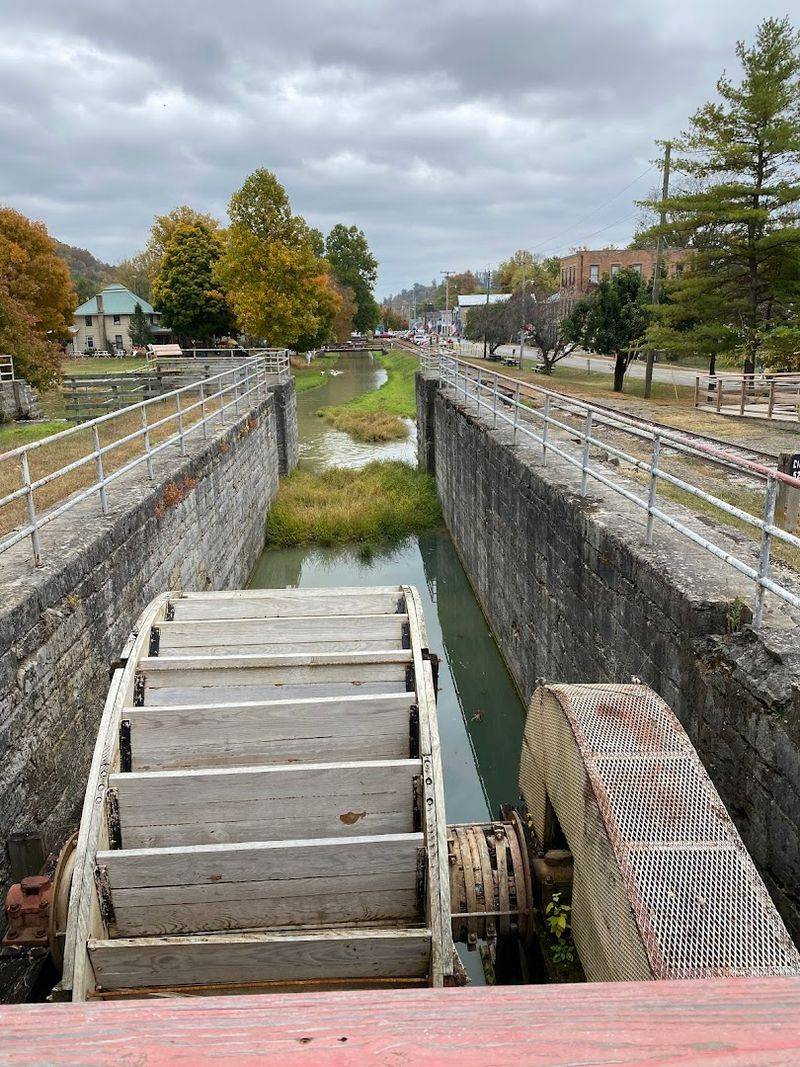
Before railroads took over, canals were Indiana’s highways. The Whitewater Canal was a major artery of commerce and travel in the mid-1800s, and the restored locks scattered along the route are the clearest window into that era.
Lock 24 is among the most well-preserved, and standing beside it gives you an immediate sense of the engineering challenge these builders faced.
Each lock worked like an elevator for boats. Wooden gates would open, water would flow in or out to match the elevation of the next section, and a boat loaded with goods would rise or sink accordingly before continuing its journey.
It sounds simple, but coordinating those movements across dozens of locks required precise planning and constant maintenance.
Interpretive signage along the towpath does a great job of breaking down how the lock system functioned without overwhelming visitors with technical jargon. Kids tend to get a kick out of imagining boats full of grain or lumber slowly rising through the stone chambers.
The locks are part of the broader site, and exploring them requires nothing more than comfortable walking shoes and a little curiosity. History does not get much more hands-on than this.
Metamora’s Charming Town Streets Are Worth Every Slow Stroll
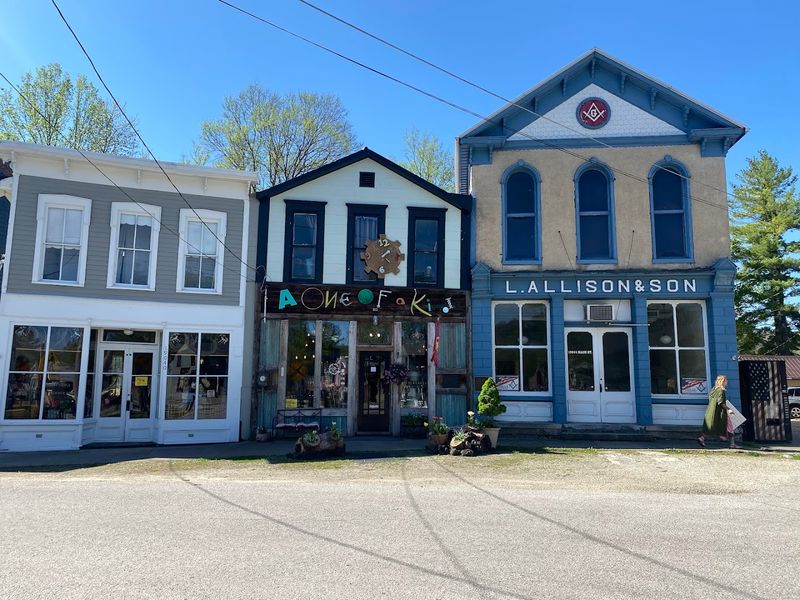
Wandering through Metamora itself is an experience that sneaks up on you. The streets are lined with buildings that date back to the 1800s, and many of them now house artisan shops, small galleries, and local food spots that feel genuinely personal rather than commercialized.
One reviewer put it perfectly by calling the town a hidden gem, and after a visit, it is hard to disagree.
Local fudge is practically a rite of passage here. Several shops along Main Street sell handmade fudge in flavors that rotate with the seasons, and picking up a bag to eat while walking the towpath is a Metamora tradition that visitors tend to repeat on return trips.
The coffee shop and pizza spot mentioned by past visitors are worth tracking down for a midday break.
The town hosts several beloved annual events including Canal Days in the fall, a Halloween haunted village, and a Christmas walk that draws visitors from across the state. Each event transforms the already-charming streetscape into something even more atmospheric.
The main town area sits directly adjacent to the historic site. Weekends bring more vendors and open shops, while weekdays offer a quieter, more personal experience.
Either way, Metamora has a way of making you want to come back before you have even left.
Seasonal Festivals and Events Make Every Visit Completely Different
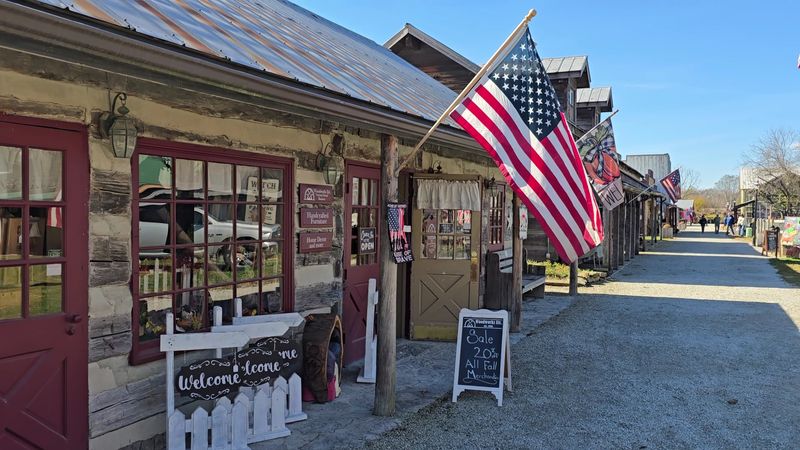
One of the most underrated things about Metamora is that it never quite feels the same twice. The site and surrounding town host a rotating calendar of events that transform the historic landscape into something fresh and celebratory throughout the year.
Canal Days, held each fall, is probably the most well-known, drawing vendors with unique handmade goods, food options that go well beyond the usual fair fare, and a crowd that genuinely loves being there.
The Halloween haunted village is another crowd favorite. Visitors have described going during the day just to enjoy the decorations without the nighttime scares, and even in that context, the spooky atmosphere layered over the 19th-century architecture creates something genuinely memorable.
The Christmas walk brings an entirely different kind of magic, with lights and seasonal vendors filling the historic streets.
Watching a solar eclipse from Metamora made it onto at least one visitor’s highlight reel, which says something about how the setting amplifies even unexpected events. The combination of natural scenery, historic structures, and community energy makes the site a backdrop that works for almost any occasion.
Always check the event calendar at indianamuseum.org or metamoraindiana.com before planning a trip since timing your visit around a festival can turn a good day into a genuinely great one.
Dear Reader: This page may contain affiliate links which may earn a commission if you click through and make a purchase. Our independent journalism is not influenced by any advertiser or commercial initiative unless it is clearly marked as sponsored content. As travel products change, please be sure to reconfirm all details and stay up to date with current events to ensure a safe and successful trip.
