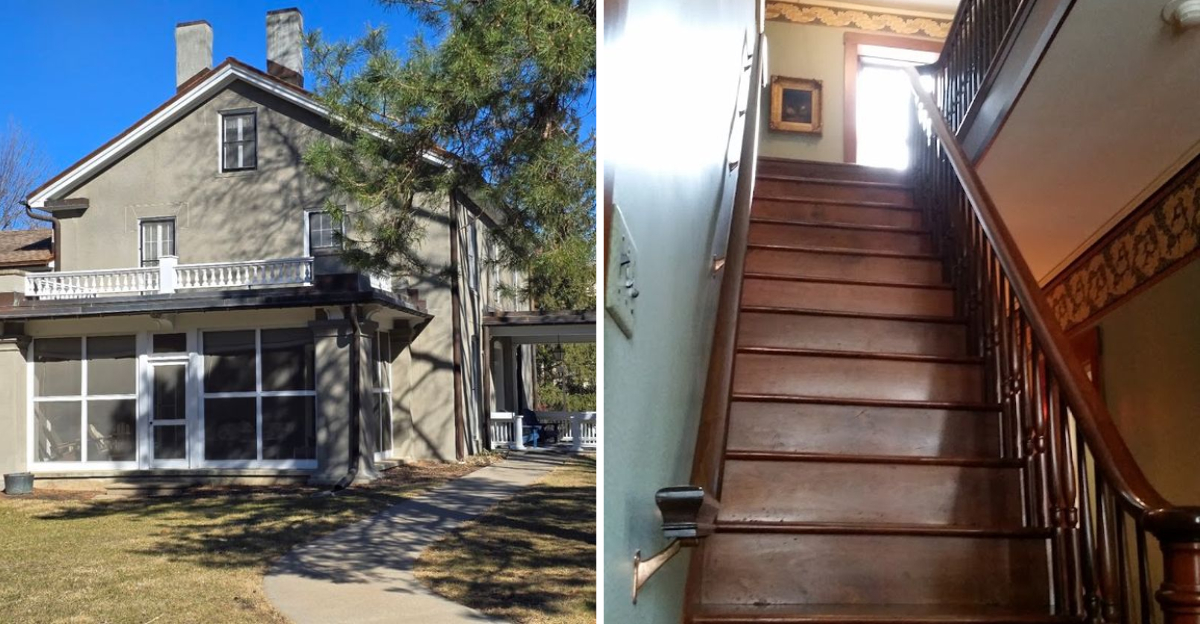
Iowa State University’s campus holds a building that has been standing since 1860, and it carries that weight in every creaking floorboard and dimly lit hallway.
I visited on a quiet Tuesday afternoon, and even with sunlight streaming through the windows, the place felt like it was holding its breath.
Whispers of two resident spirits, curtains that open on their own, and silverware that refuses to stay put have made that National Historic Landmark one of the most intriguing destinations on campus.
The oldest building on campus and a free museum since 1976, it shares stories from a household era spanning 1880 to 1920.
I stood in the parlor trying to imagine the lives that unfolded in those rooms, and felt a connection to the past that no history book could replicate.
Drawn by history, architecture, or something a little harder to explain, visitors will find that farmhouse speaks to them long after they have left.
The Oldest Building on Campus With the Loudest Silence
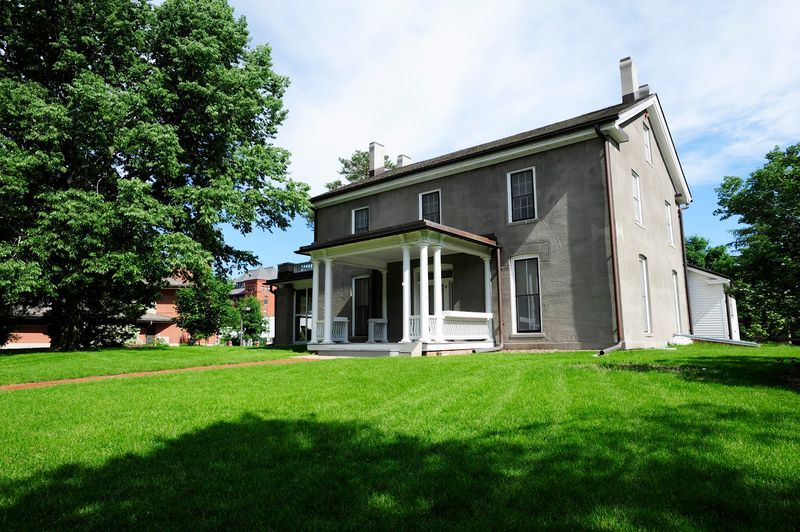
Most buildings on a university campus blend into the background after a few decades. The Farm House Museum does the opposite.
Built in 1860, it predates every other structure on the Iowa State University campus, and that seniority shows in every worn wooden step and every slightly uneven doorframe you notice as you move through its rooms.
The house was originally home to the deans of agriculture and their families. It was not just an administrative address.
It was a living, breathing household where children played, meals were cooked, and decisions about the early university were made around a dining room table.
Since 1976, the building has operated as a free museum open to the public, making it one of the most accessible historic sites in central Iowa. The exhibits cover a time period ranging from roughly 1880 to 1920, giving visitors a detailed window into domestic life during that era.
Three full floors of rooms are packed with period artifacts, furniture, and personal objects that belonged to real families who called this house home. It is a small museum by square footage, but it feels enormous in terms of what it holds.
Edith Curtiss and the Curtains That Open Themselves
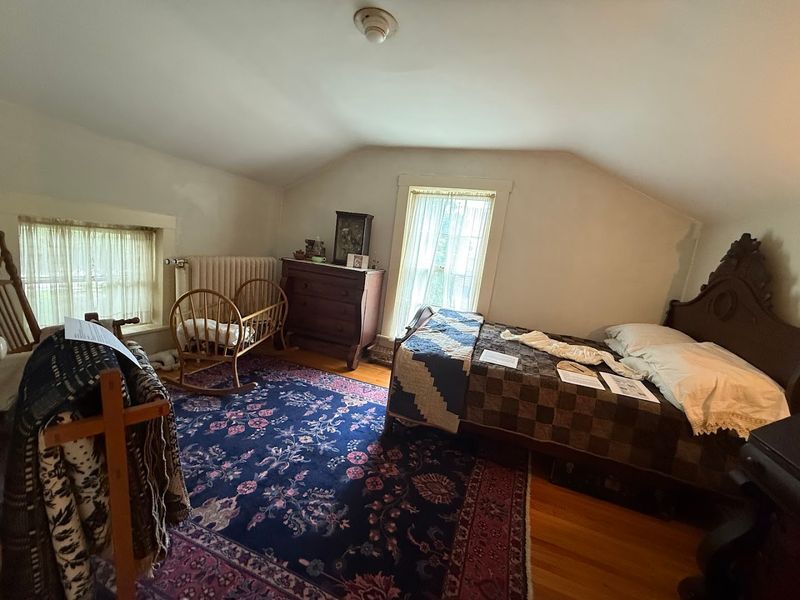
One of the most frequently discussed stories connected to the Farm House Museum involves a second-floor bedroom and a pair of curtains that simply will not stay closed. The room is associated with Edith Curtiss, daughter of a former dean of agriculture, who lived in the house for many years and clearly left a strong impression on the place.
Past curators reported arriving in the morning to find the curtains in her former bedroom pulled open, even on occasions when they had been pinned shut the night before. The pin would be found on the floor.
No windows had been opened. No explanation was ever confirmed.
I stood in that room for a few minutes longer than I planned to. There is a particular quality to the light in there, soft and slightly golden, that makes the space feel occupied even when it clearly is not.
The curtain story is easy to dismiss until you are actually standing next to that window. Then it becomes a little harder to wave away.
Whether you read it as paranormal activity or as the quirks of an old building settling, the room leaves a clear impression that something or someone is paying close attention.
Esther Wilson and the Silverware That Moves on Its Own
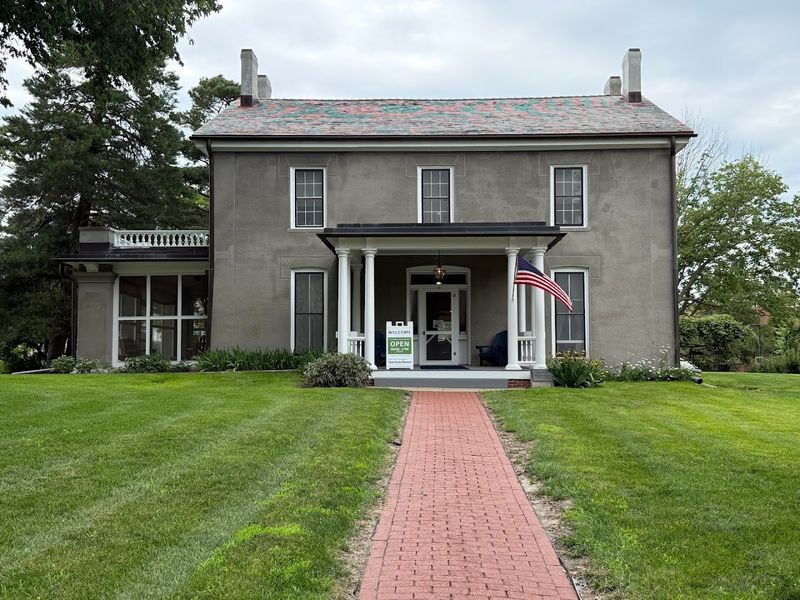
The dining room at the Farm House Museum is set up beautifully. Dishes are arranged with care, silverware is placed just so, and the whole table looks like it is waiting for guests to arrive.
The problem is that the silverware does not always stay where it is put.
Esther Wilson, whose husband James Wilson served as U.S. Secretary of Agriculture, is believed to be responsible for the rearrangement of objects throughout the museum, particularly items in the dining room.
Staff and visitors have reported finding silverware moved from its original position with no obvious cause. It is one of those details that sounds small until you realize it has happened more than once, in a locked building, overnight.
What makes this story interesting is that the activity associated with Esther is generally described as deliberate rather than chaotic. Objects are moved, not thrown.
It reads less like disturbance and more like someone quietly tidying up or rearranging to their own preference. Some who work at the museum have characterized the spirits here as well-behaved, which is a description you do not often hear attached to haunted locations.
The dining room still manages to feel both welcoming and slightly watchful at the same time.
Three Floors of History That Get Stranger as You Climb
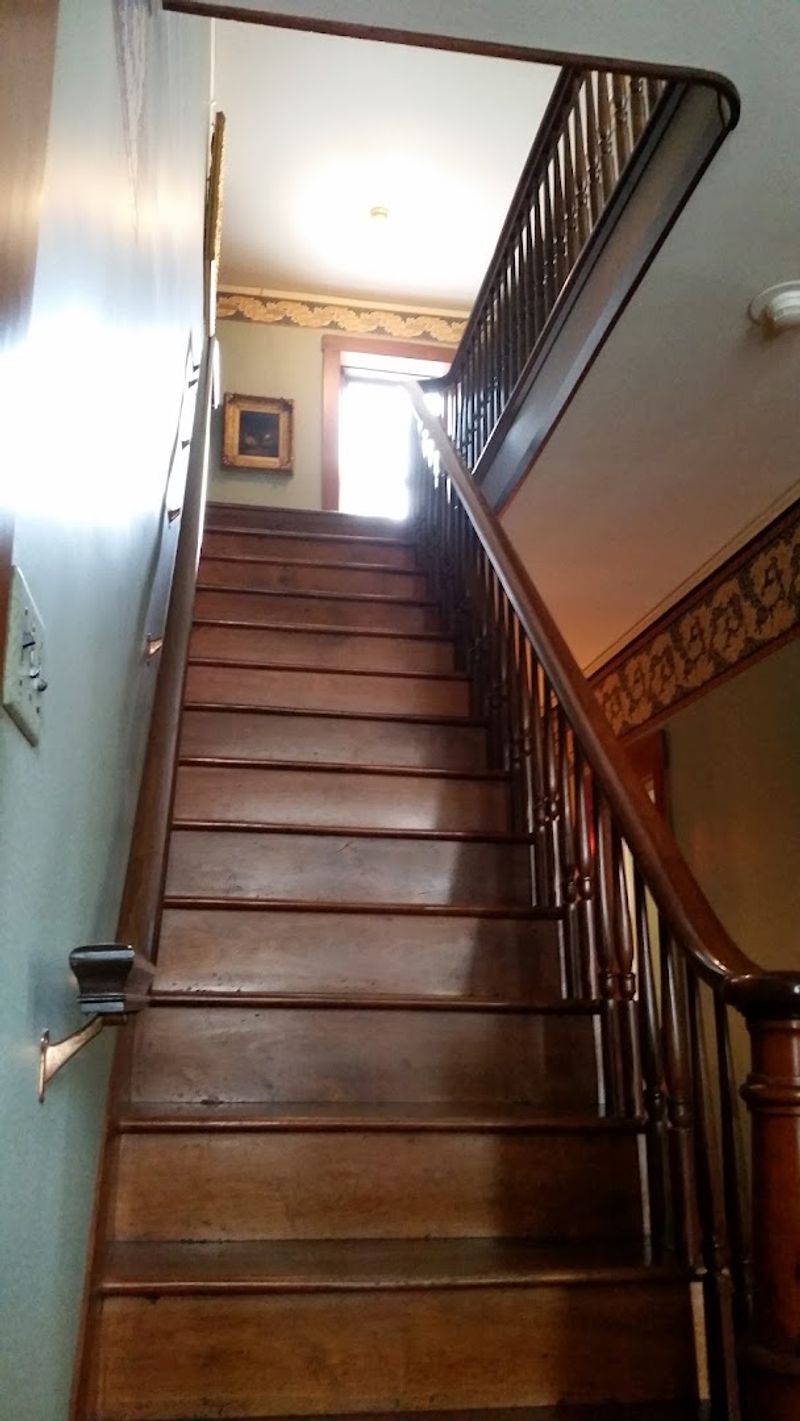
The ground floor of the Farm House Museum is warm and approachable. Rooms are well-lit, artifacts are clearly labeled, and the whole experience feels like a comfortable walk through a well-preserved home.
By the time you reach the third floor, the mood has shifted considerably.
The upper level is essentially the attic, and it earns that description fully. Ceilings are low, the space is tight, and the collection of objects stored there creates a slightly pressured feeling that is hard to shake.
Visitors have mentioned feeling watched in that part of the building more than anywhere else. Shadow figures moving through rooms and unexplained dark shapes near the attic and the children’s bedroom are among the more unsettling reports connected to this floor.
Even setting aside the paranormal angle, the third floor is genuinely fascinating from a historical standpoint. Objects stored there span decades of domestic life, and the closeness of the space makes everything feel more immediate and personal.
You are not looking at history through glass from a distance. You are standing inside it, with barely enough room to turn around.
That combination of physical closeness and accumulated history is what makes the upper floors feel so different from the rest of the house.
Lights That Flicker and Chairs That Prefer to Move Alone
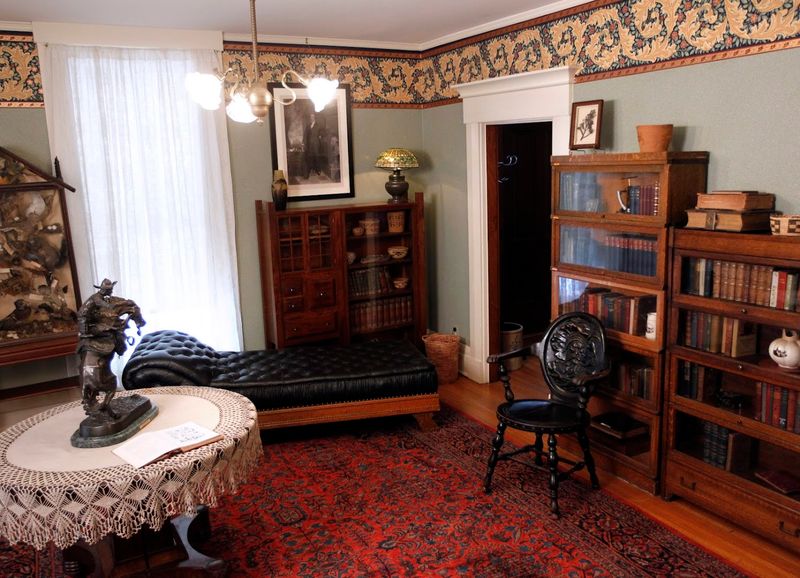
Flickering lights in an old building can usually be explained by aging wiring. A chair found in a different position than it was left the night before is a little harder to rationalize away.
The Farm House Museum has collected a steady stream of both types of reports over the years, and staff who work there regularly seem to accept these occurrences as part of the building’s personality.
Visitors have described odd feelings upon entering certain rooms, a kind of low-level unease that does not attach itself to anything specific but does not go away either. Loud creaks resembling an old door swinging open have been heard by people inside the building when no doors were actually being opened.
These are not dramatic, cinematic hauntings. They are quiet and persistent, which somehow makes them more believable.
The museum has been highlighted in Haunted Iowa State events, drawing visitors who are specifically interested in its mysterious reputation. But even people who arrive with zero interest in the paranormal tend to notice something off about the atmosphere in certain rooms.
The house has a presence that goes beyond its age and its artifacts. It feels like a place that is still in use, even during the hours when the doors are locked and the lights are supposed to be off.
Voices in the Walls When the Museum Is Locked Up Tight
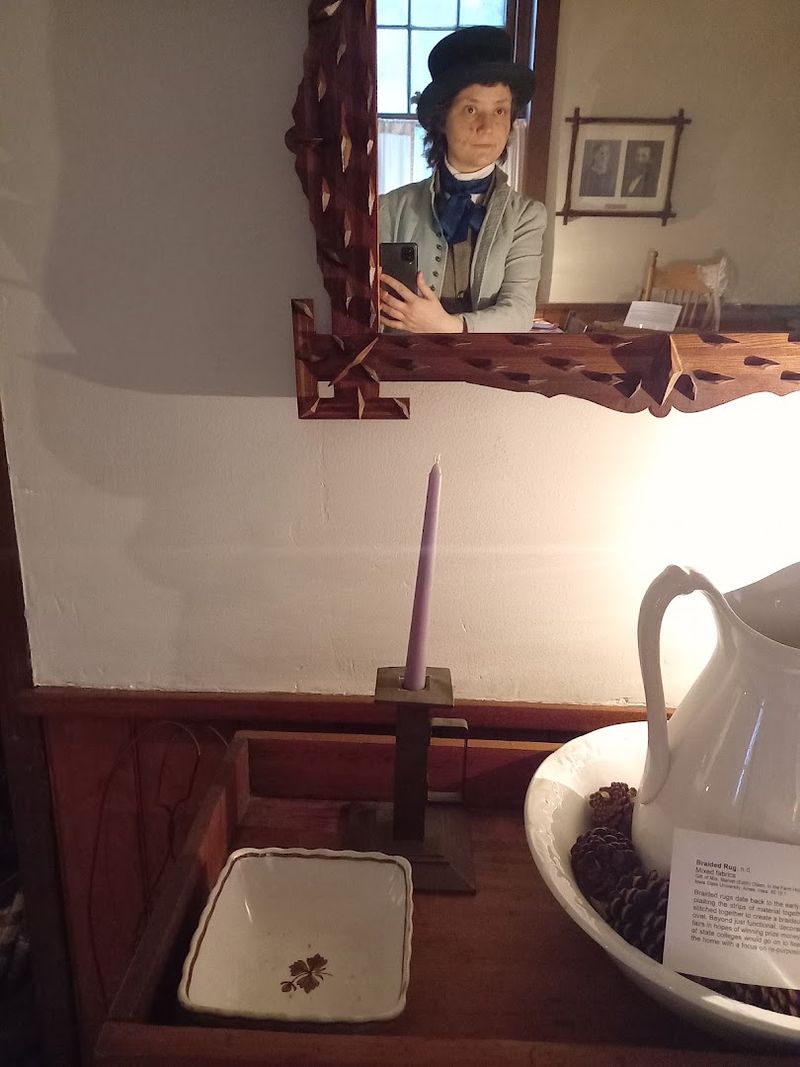
Among the stranger reports connected to the Farm House Museum are accounts of disembodied voices, whispers heard in rooms where no one is present. These are not stories told by one or two overly imaginative visitors.
Multiple people connected to the building, including those who have worked there, have described hearing sounds that had no clear source.
The children’s bedroom is mentioned frequently in these accounts. There is something about that particular room that generates more reports than others, a quality to the space that visitors consistently notice without being prompted.
Whether that is the result of suggestion, history, or something else entirely depends on who you ask.
What strikes me about this museum is how matter-of-fact the people associated with it tend to be about all of this. The spirits here are not described as threatening or aggressive.
They are described as present. Edith and Esther are talked about almost like former residents who never quite moved out, which, in a way, fits perfectly with what the museum is trying to do.
The whole point of the place is to keep the memory of the families who lived here alive. Maybe some of them took that mission more literally than others.
The museum is open Tuesday through Friday, noon to 4 PM.
Why This Free Museum on a College Campus Deserves a Full Afternoon
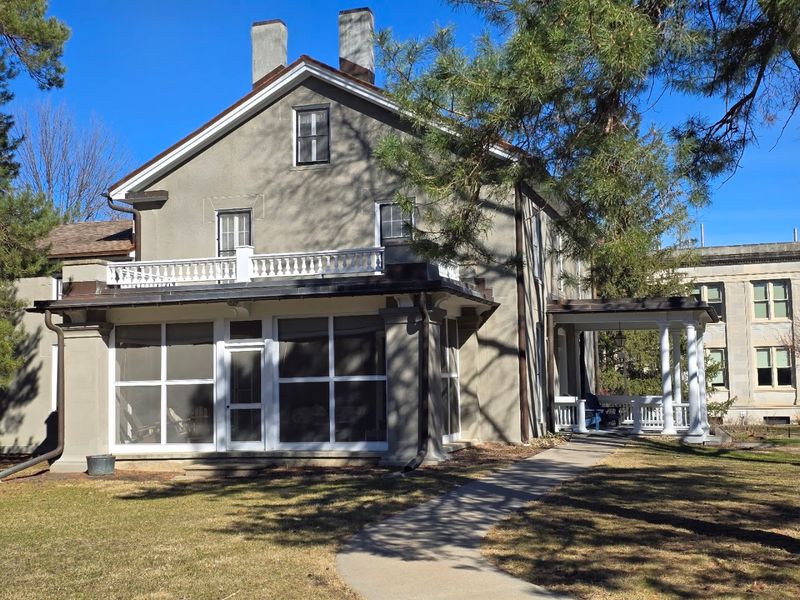
Free museums on college campuses tend to get overlooked, especially when they are tucked away on a route that most students pass without slowing down. The Farm House Museum is worth the deliberate detour.
It holds a 4.8-star rating from visitors, and that number reflects something genuine about the experience rather than just the novelty of the location.
The student guides who lead tours are consistently described as knowledgeable and enthusiastic. They know the history of the house in detail and are genuinely happy to answer questions, whether those questions are about Victorian domestic life or about the curtains on the second floor.
A visit takes around 45 minutes to an hour, which is enough time to move through all three floors without rushing.
If you are in Ames for any reason, whether you are visiting the university, passing through on a road trip, or just looking for something different to do on a weekday afternoon, this museum earns its place on the itinerary. The history is real, the atmosphere is unlike anything else in the area, and the stories attached to this house have a way of staying with you.
Some places just leave a mark, and the Farm House Museum is absolutely one of them. Address: 601 Farm House Ln, Ames, Iowa.
