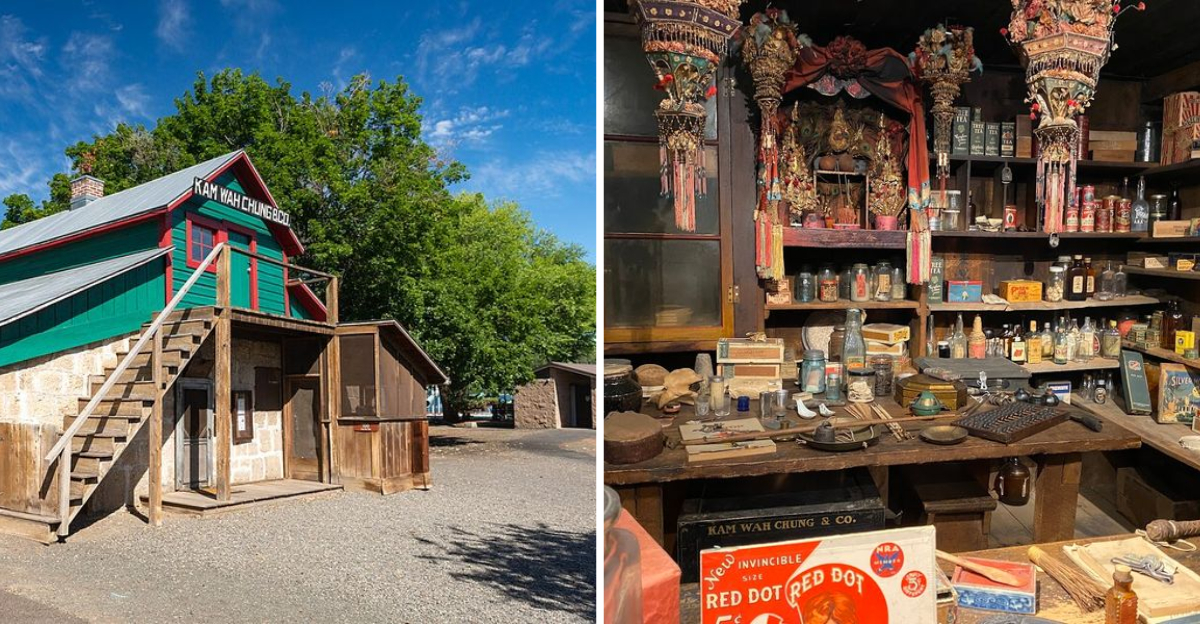
One stone building in the Oregon high desert stopped the clock somewhere around the mid-20th century, and the moment I heard about it, I knew I had to go. Not just a museum, but a genuine time capsule, a place where over 70,000 artifacts sit almost exactly where they were left decades ago.
Shelves still stacked, remedies still labeled, rooms still carrying the quiet energy of the two men who ran it for more than sixty years. I walked through those rooms in near silence, running my fingers along doorframes and reading labels that had not been touched in decades.
A general store, apothecary, community center, and safe harbor all rolled into one weathered building. That place feels less like a museum trip and more like being let into someone’s life that was simply paused, waiting for you to notice it.
The Building Itself: A Stone Time Capsule From 1865
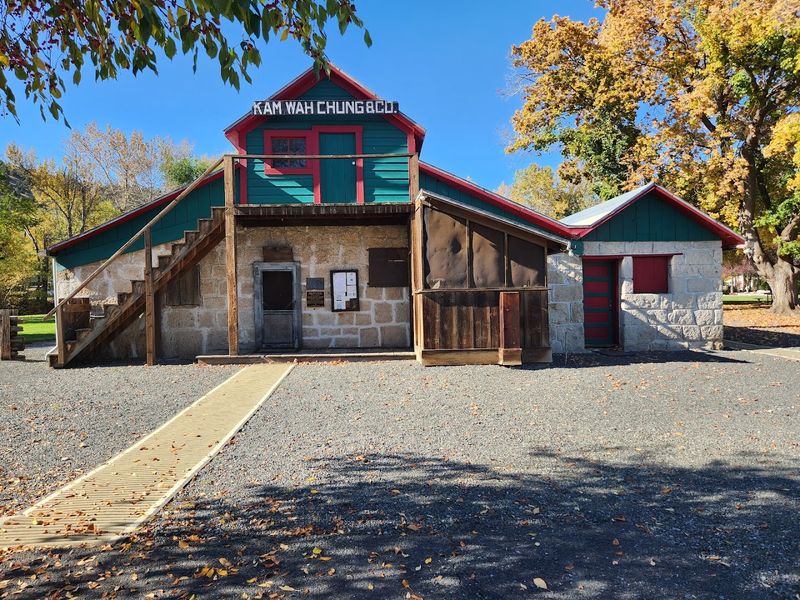
The first thing that gets you is the building. It does not look like a museum, and honestly, that is the whole point.
Constructed around 1865 or 1866, this compact stone structure was originally built as a trading post or stage stop along what would later be called The Dalles Military Road.
The walls are made from Rattlesnake Tuff volcanic rock, and you can actually see the tooling marks left by the workers who shaped each stone.
A ranger on-site once explained that cold chisels were likely used to flatten the stones for exterior use, which adds a surprisingly personal layer to something you might otherwise just walk past.
The dry climate of Eastern Oregon played a huge role in preserving everything inside. Low humidity and limited light exposure kept fabrics, paper, and organic materials from deteriorating the way they would in wetter regions.
The building itself is considered an artifact, not just a container for them.
It sits right in John Day, easy to miss if you are not looking, but impossible to forget once you have seen it. The structure alone tells a story that no display case could ever fully capture.
Doc Hay and Lung On: Two Men Who Built a Community
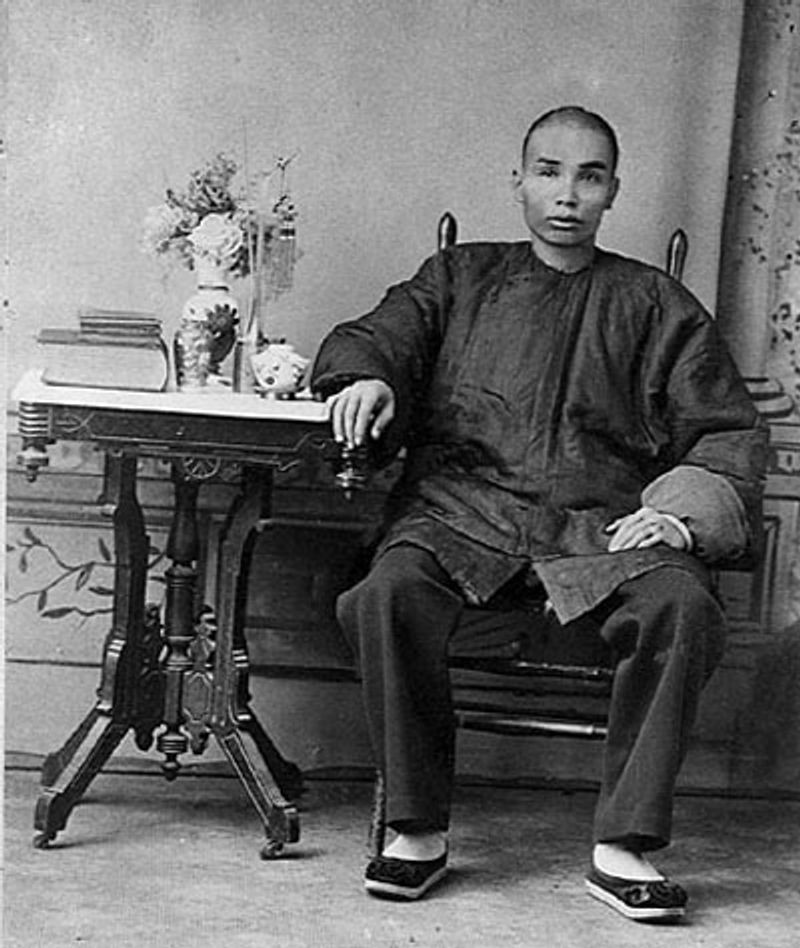
Behind every great historical site is a human story, and at Kam Wah Chung, that story belongs to two men. Ing “Doc” Hay was a trained herbalist who treated patients using traditional Chinese medicine.
Lung On was the businessman, the connector, the one who kept the commercial side of things running.
They acquired the building in 1887 or 1888 and spent the next six decades turning it into the heartbeat of the Chinese community in Eastern Oregon.
At its peak, the region around John Day was home to one of the largest Chinatowns on the entire West Coast.
That is a fact most people do not expect to hear about rural Oregon.
Doc Hay treated patients from all backgrounds, not just the Chinese community. Lung On handled trade, wrote letters, and served as an informal diplomat of sorts between immigrant workers and the broader frontier society.
Their partnership was practical, complementary, and clearly built on trust.
After Lung On passed in 1940 and Doc Hay retired in 1948 due to an injury, the building was locked up. It sat largely undisturbed for nearly 20 years, preserving everything inside almost perfectly.
The Apothecary Room: Where Chinese Medicine Met the American Frontier
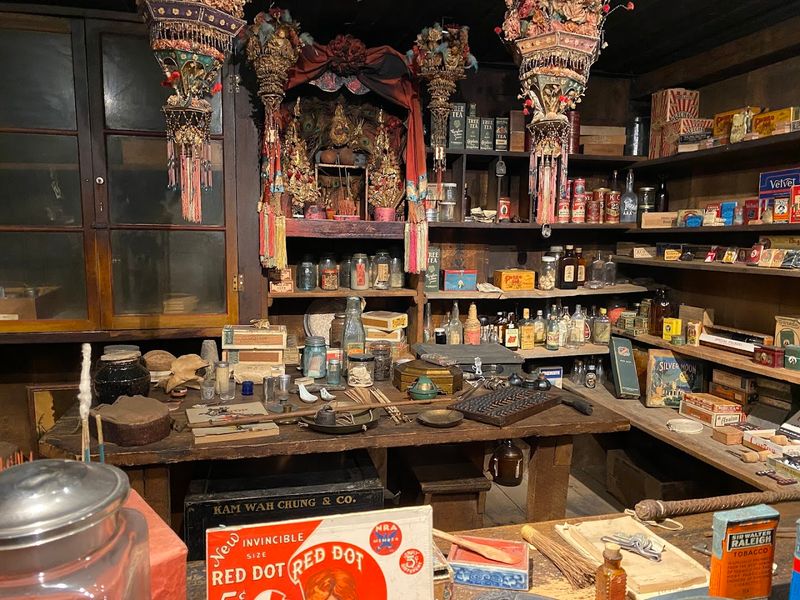
Nothing quite prepares you for the apothecary room. Shelves stretch from floor to ceiling, packed with neatly labeled boxes, tins, and jars filled with traditional Chinese herbal remedies.
The sheer volume of it is almost hard to process.
Researchers have described this collection as the largest intact collection of Chinese herbal medicine and formulas in the world.
That is not a small claim, and standing in that room, surrounded by hundreds of carefully organized remedies, it feels completely believable.
Doc Hay kept meticulous records of his formulas, patient treatments, and ingredient sources.
What makes this space so striking is that it was not a museum display when these items were arranged. This was a working clinic.
People came here sick and left with prescriptions filled from those very shelves. The treatment area is still part of the tour, giving visitors a real sense of how consultations worked.
For anyone even slightly interested in the history of medicine or immigration, this room is genuinely jaw-dropping.
It represents a living bridge between traditional Chinese healing practices and the raw, often harsh realities of frontier life in the American West.
Over 70,000 Artifacts: What a Real Time Capsule Looks Like
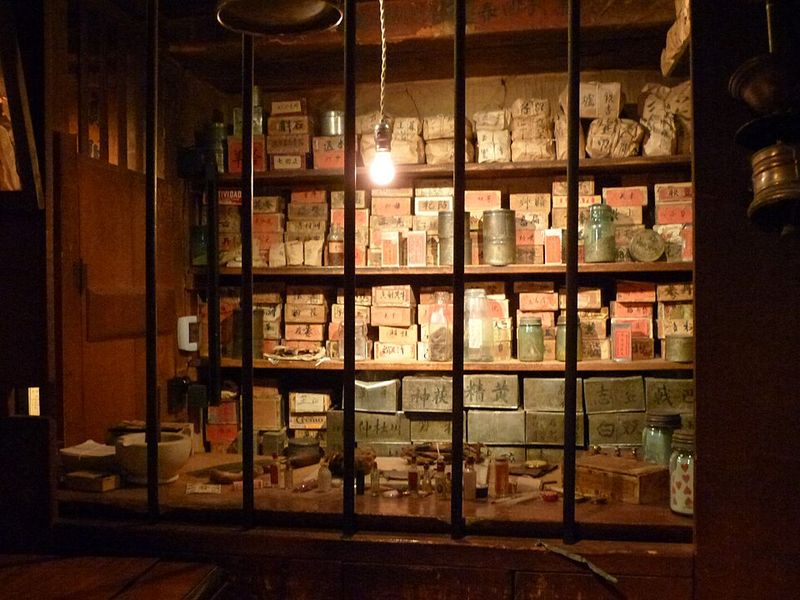
Seventy thousand artifacts is a number that sounds impressive in a headline, but it hits differently when you are actually standing inside a seven-room stone building looking at all of it.
The collection includes goods from the general store, personal clothing, financial records, private letters, religious items, and an enormous library of Chinese-language documents.
Scholars have noted that this may be one of the largest collections of primary Chinese documents in the United States, possibly in all of North America.
The personal letters alone offer a rare window into the emotional lives of Chinese immigrants who were far from home and navigating a world that was not always welcoming.
The general store shelves are still lined with old tin containers and wooden boxes, arranged just as they were when the building was last active. It genuinely looks like the owners stepped out and never came back.
That quality, the sense of interrupted daily life, is what separates Kam Wah Chung from almost every other historical site in the Pacific Northwest.
Everything here is original. Nothing is a reproduction.
That fact alone makes the collection extraordinary and worth protecting for future generations of researchers and visitors alike.
Guided Tours: The Only Way to Experience the Historic Building
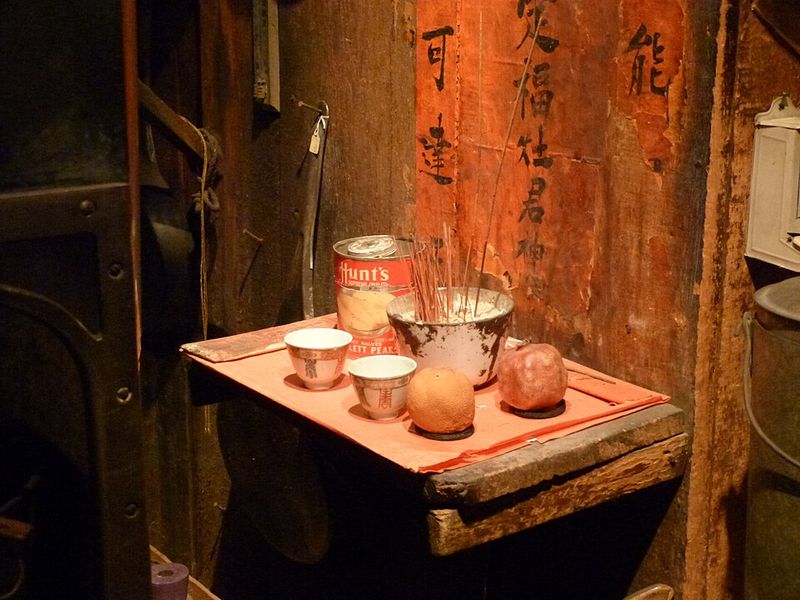
You cannot just walk into the historic building on your own, and honestly, that restriction makes the experience better. Guided tours are the only way to access the interior, and groups are capped at eight people per visit.
That small group size keeps things intimate and gives you real space to look, ask questions, and absorb what you are seeing.
Tours typically run between 45 minutes and an hour. The rangers and volunteers who lead them are genuinely enthusiastic, the kind of guides who clearly love what they do and know the material inside and out.
Visitors consistently mention how much the tour added to their understanding of the site.
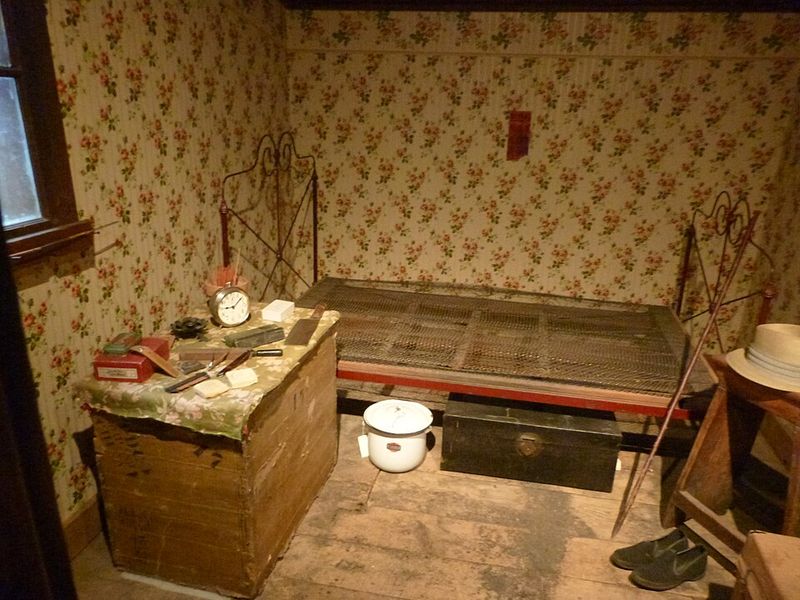
The historic building has seven distinct rooms: bedrooms, a bunk room, a kitchen, the general store, a stockroom, the apothecary, and the patient treatment area. Each room has its own character and its own stories.
The dim lighting inside is part of the authentic experience, a reminder that this was not built for modern convenience.
Tours are free, which makes this one of the most accessible historical experiences in the entire state. The interpretive center across the street is fully ADA accessible and offers additional context before or after your tour.
The Interpretive Center: Context That Makes Everything Richer
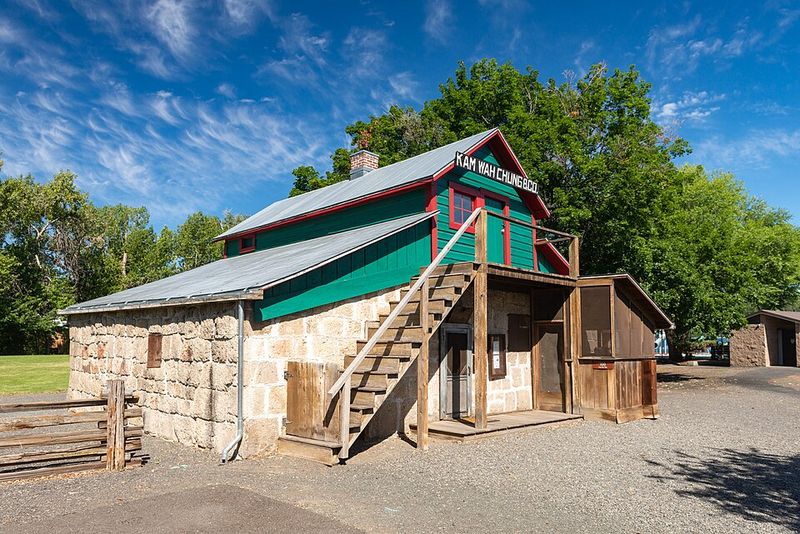
Right across the street from the historic building sits the interpretive center, and it deserves more credit than it usually gets.
Most visitors treat it as a warm-up stop before the main event, but the exhibits inside genuinely deepen everything you will see on the tour.
The center is fully ADA accessible, which makes it an important entry point for visitors who may not be able to navigate the historic building itself.
Displays cover the broader history of Chinese immigration to Oregon, the gold rush era that drew thousands of workers to the region, and the specific contributions of Doc Hay and Lung On to their community.
There are photographs, maps, and explanatory panels that put the artifacts in context.
Seeing a tin of herbal medicine means something different after you have read about the patients who traveled miles through the high desert to be treated.
The center helps you arrive at the historic building already emotionally connected to the story.
Staff at the interpretive center are also where you sign up for your tour. Spots fill up fast, especially on weekends, so arriving early is a smart move.
The center is open daily from 9 AM to 4 PM.
Why Kam Wah Chung Deserves a Place on Every Oregon Road Trip
Eastern Oregon road trips tend to revolve around the Painted Hills or Crater Lake, and those places are absolutely worth your time.
But Kam Wah Chung offers something different, a story that most people never knew existed, told through objects that have been sitting in the same spots for generations.
The site was designated a National Historic Landmark in 2005, which says a lot about its significance on a national level. This is not a regional curiosity.
It is a place that reshaped how historians understand Chinese immigrant life in the American West, and it continues to be an active subject of academic research.
John Day itself is a small, quiet town of around 2,000 people, which makes the depth of history here feel even more surprising.
Stopping here on a road trip through Grant County gives you something to carry with you long after the drive is done.
Practical tip: tours are free but fill up quickly, so plan to arrive when the site opens at 9 AM. No food or water is allowed inside the historic building, so leave bottles with staff before heading in.
This is one of those places that rewards a little planning with an experience that genuinely stays with you.
