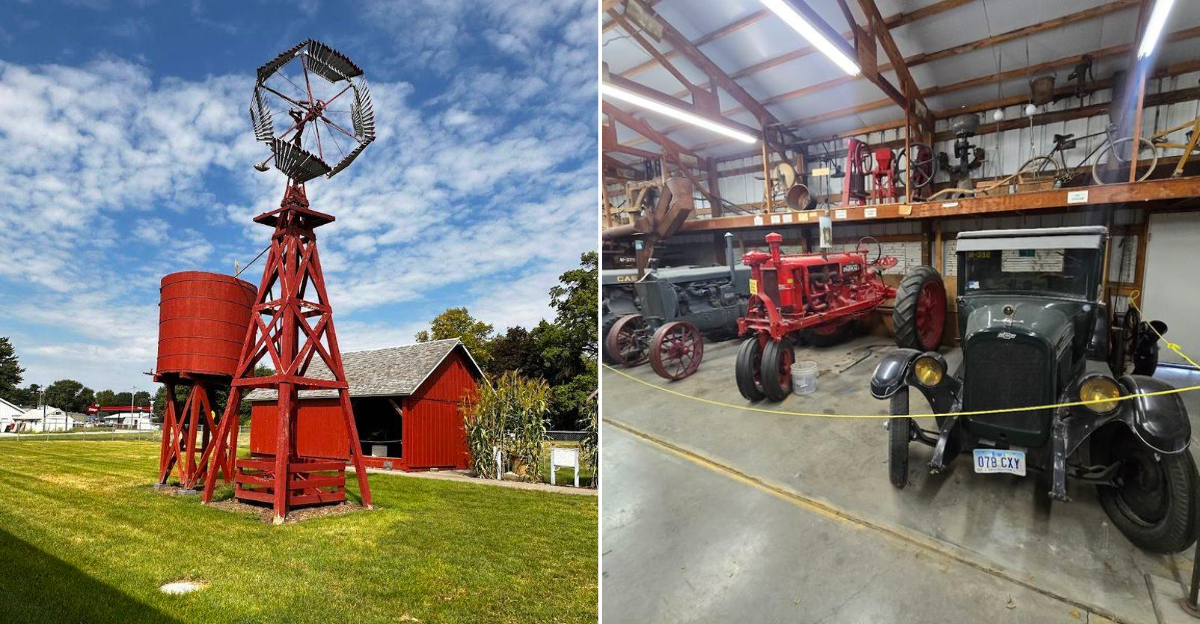
Some history stops stay a little too abstract until one detail suddenly makes the whole place come alive. This Iowa living history village has that exact advantage with its buggy shop, because it gives visitors something practical, specific, and easy to picture within the larger story.
Instead of just walking past old buildings and reading bits of background, you start to get a clearer sense of how everyday life actually worked. That is what makes the stop so satisfying.
The buggy shop adds a hands-on kind of context to the village, showing the kind of labor, skill, and routine that helped keep a community moving. It turns the visit from something you simply observe into something that feels easier to understand.
For anyone who likes historic places that do more than just look old, this Iowa stop has a way of making the past feel more real, more detailed, and a lot more interesting once the pieces start connecting.
Welcome Center, Where The Day Begins
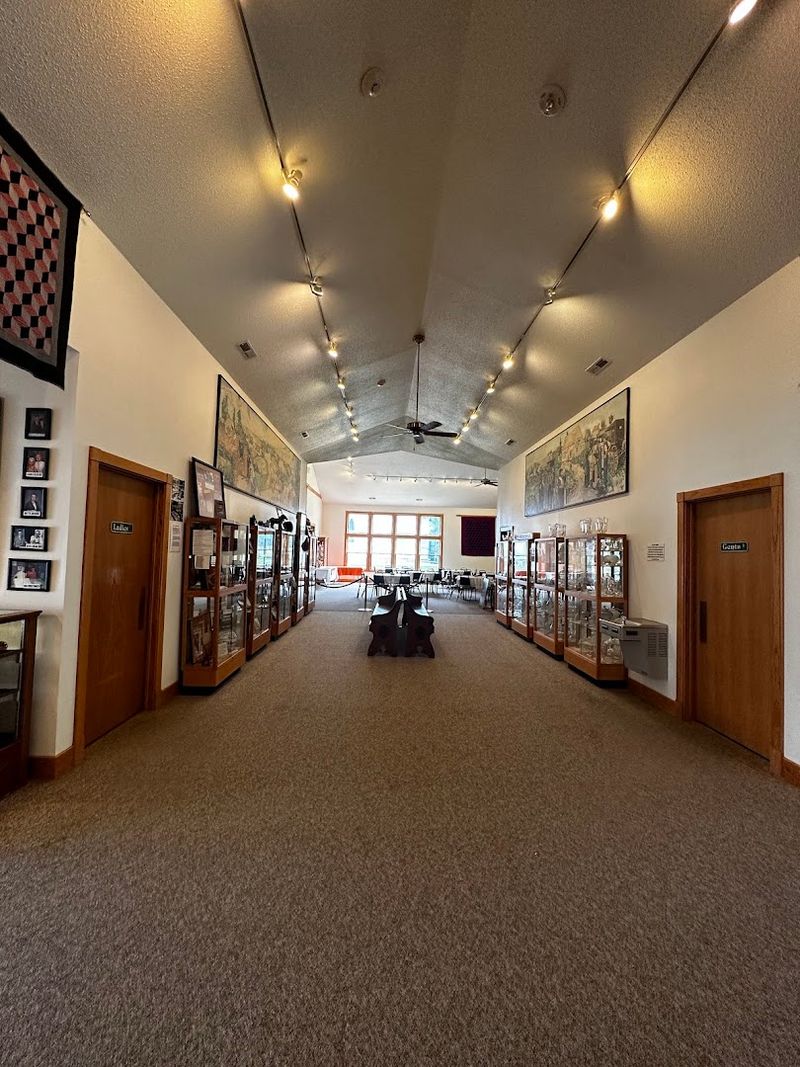
Before wandering too far, step into the Welcome Center, because it frames the day with a gentle, neighborly tone. Maps sit ready like friendly suggestions, and the staff speaks in that calm, unhurried way that makes planning feel like chatting on a porch.
You get simple guidance that still leaves room for your own detours, which feels right for a place built on everyday rhythms.
The interior is warm and bright, with wide windows that look out toward weathered wood and tidy paths. You can spot roofs and cupolas in the distance, and suddenly the village map becomes more than lines and labels.
It is nice when the first view gives you permission to meander, trusting that each building will tell its part of the Iowa story in its own voice.
I like asking tiny questions here, the small practical ones that keep you moving without fuss. Where should you loop first, and when does the light hit the Buggy Shop just right for photos?
Even if you are not a planner by nature, a quick minute here makes the rest of the walk feel smooth and open.
The Blacksmith Shop That Hums Without A Fire
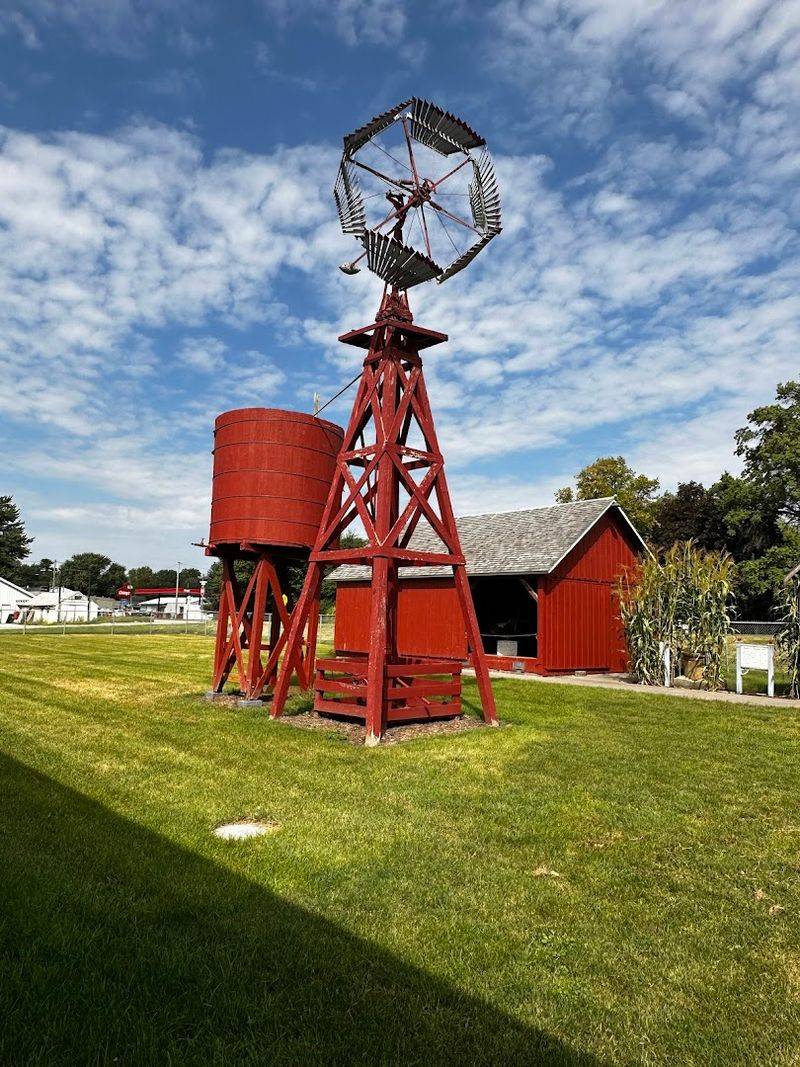
Walk into the Blacksmith Shop, and you will understand why metalwork shapes memory as much as woodwork. Even when the forge sits cold, the place carries this settled hum, like a song that never quite ends.
Hammers line the rack, tongs wait like patient hands, and the anvil holds its ground with the calm of a landmark.
Stand near the workbench and notice how the tools tell a routine without needing a narrator. There are dents where a blade met its edge, and a scatter of marks that sketch out years of sharpening and fitting.
In this light, every curve of iron makes plain sense, because utility here was always the first promise.
Think about the roads across Iowa, and how a good shoe on a horse meant a safer trip home. You can picture repairs done fast, not flashy, because the day had fences to fix and wagons to keep rolling.
The shop leaves you with respect for quiet skill, the kind that does not shout but always shows up.
Buggy Shop, Heartbeat Of The Village
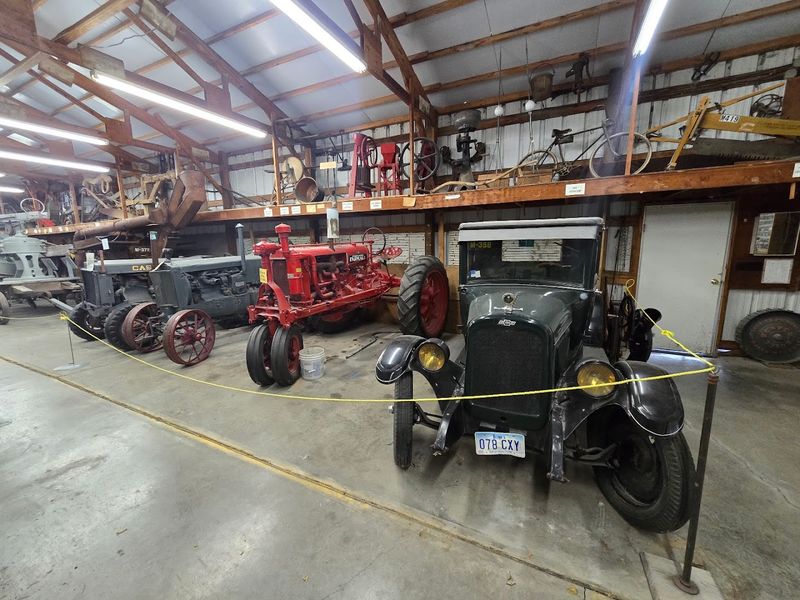
Start here, because the moment you step into the Buggy Shop, the story turns from general history into something you can actually feel in your hands. The benches carry the scuffs of years of work, and the air smells like cut wood with a quiet trace of old varnish that hangs in the rafters.
You can almost hear the soft ring of a hammer settling a rivet, and somehow that tiny sound makes the whole village feel alive.
This place shows how transportation shaped daily life, not in big museum labels, but in the subtle logic of parts laid out for a build. Wheels lean like steady shoulders against the wall, and the shafts stretch forward as if ready for a careful test outside.
If you watch the light move across the floor, you notice how the workspace functions, with every inch chosen for reach, safety, and speed.
It helps to stand still and imagine the route across Iowa gravel, where a buggy’s quiet patience still sets the pace. You do not need to know every tool to understand the flow, because the space reads like a friendly how-to without lecturing you.
Your steps slow, your attention sharpens, and the craft suddenly clicks as more than nostalgia, turning into a conversation between maker, road, and weather.
One-Room Schoolhouse With A Gentle Hush
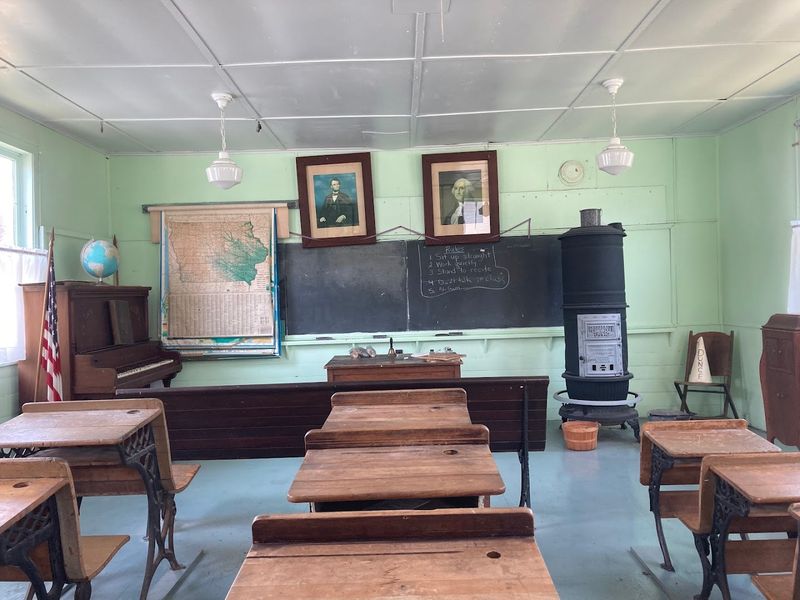
The schoolhouse is the softest surprise, because it wraps you in that honest hush you remember from rainy afternoons. Desks sit close, chalk waits by the slate, and the bell near the door looks ready for a steady hand.
You feel the tug of routine that built whole communities, one careful lesson at a time.
What stands out is how the room lets you breathe while still nudging you to pay attention. The windows pour in light that makes the boards glow, and the walls carry maps that seem to lean forward with quiet pride.
There is nothing stiff about it, just a steady rhythm that says learning was woven into daily life.
Imagine young voices sounding out a line, then folding coats by the stove as snow shook itself off the porch. That picture lands with real weight in Iowa, where weather and work always shared the schedule.
You head back outside a little steadier, like the bell rang for you too, in the best way.
General Store That Keeps Its Manners
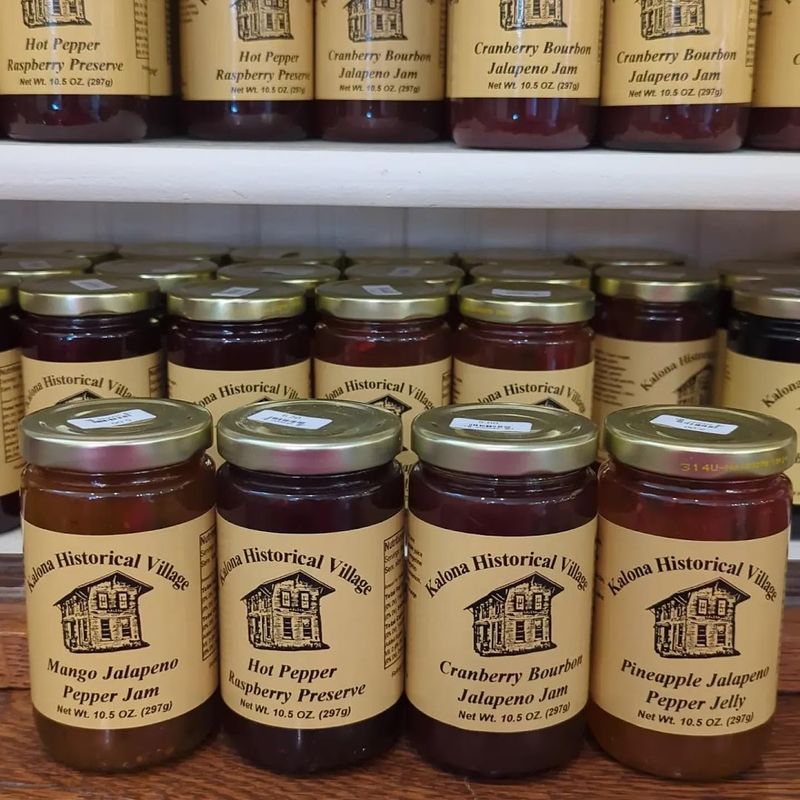
The General Store feels instantly familiar, even if you have never stepped in one before. Counters shine with earned wear, shelves line up with tidy labels, and the glass cases hold little comforts from another pace.
You can almost hear a screen door brush closed and a quiet hello settling the room.
Look closely at how the space handles traffic, with aisles wide enough for a neighborly pause. The checkout counter sits like a stage for small talk, the kind that oils the day better than any slogan.
It is not nostalgia for nostalgia’s sake, because the layout proves how community lives in simple design.
This kind of store mattered in Iowa towns where distances stretch and weather can decide your plans. Standing here, you can feel the relief of finding exactly what you need, plus a moment of kindness on top.
Step back outside, and the porch light in your head stays on a little longer.
Quilts And Textiles That Speak In Patterns
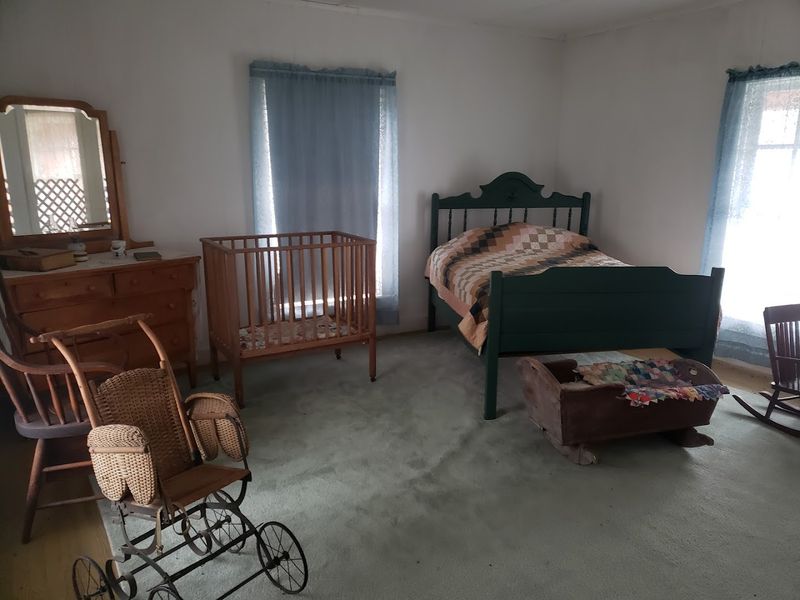
If color has a language, the quilts here speak it fluently. Panels hang like stories stitched by steady hands, each pattern nudging your eye along a path that quietly makes sense.
The room stays calm while the fabric sings, and that balance feels just right in a place built on care.
You start noticing the rhythm of small choices that add up to something generous. Lines match, corners meet, and the thread holds a kind of patience that you can feel even at a glance.
It is easy to linger, not because the display asks for it, but because the work earns it.
Textiles anchor family memory across Iowa, and you can tell how those memories travel well. A quilt might start at a kitchen table and end up warming a whole story, with color doing the carrying.
You leave more attentive to detail, because once you see the craft, you start spotting it everywhere.
Tin Shop With A Quick, Bright Confidence
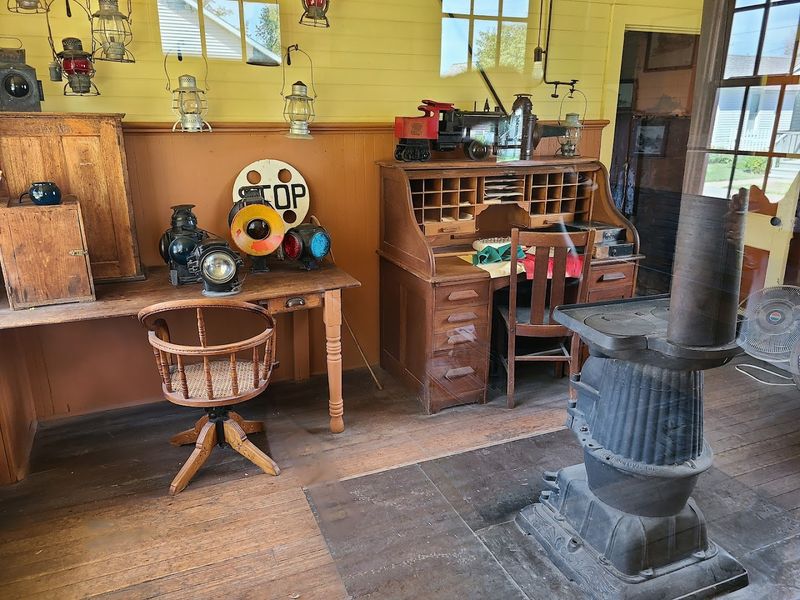
The Tin Shop has this crisp energy, like a place that lives on quick decisions and cleaner edges. Tools line up in tight order, and the workbench keeps a practical confidence that rubs off on you.
You can almost hear the snap of a cut and the neat tap of a seam settling into place.
What I love is how the room shows speed without hurrying you along. Patterns rest close by the shears, and finished pieces stand straight on the shelf, sunlight giving them an easy glow.
It is a workshop that reads like a checklist, yet somehow feels welcoming instead of strict.
Think about gutters, pails, lantern shades, and all the quiet helpers that keep a farm moving in Iowa. The shop makes their value obvious, not through speeches, but by stacking function in clear sight.
You leave sharper, looking for clean lines and honest fit in everything you touch for the rest of the day.
Farmstead That Slows Your Shoulders
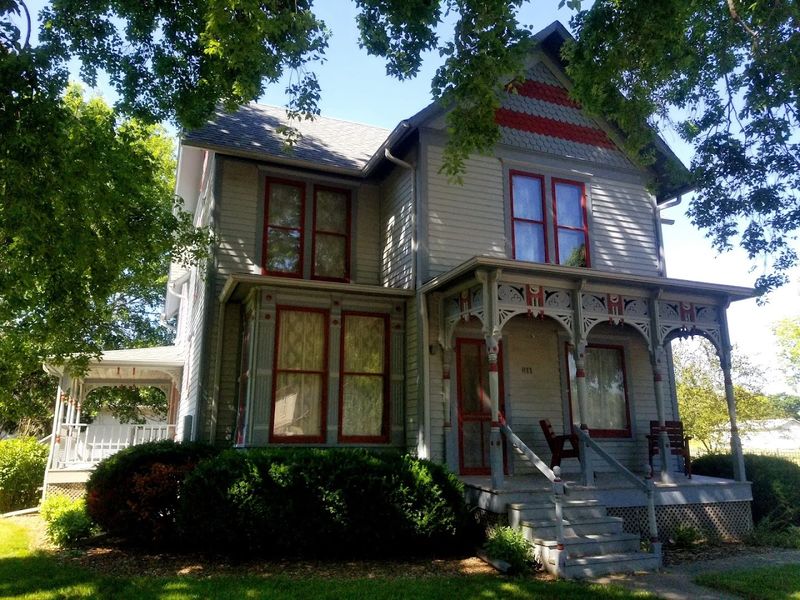
When the path opens to the farmstead, your shoulders drop a notch without asking permission. The farmhouse sits with that steady, square confidence that makes a yard feel kept and kind.
Barn doors hold their color like they mean it, and the fence lines draw simple, honest shapes around the grass.
It is not a showplace, and that is the charm you carry with you. The buildings read like a to-do list that fed a family, where every doorway and hook had a job.
You can stand a while and imagine morning chores playing out with the comfortable clatter of buckets and boots.
Places like this explain Iowa better than a speech ever could, because they show how routine makes room for grace. The farmstead teaches pace, reminding you that steady wins in weather and in work.
Walking away, you keep that unhurried rhythm, like you borrowed a little calm for later.
Rail Depot With Stories That Roll Forward
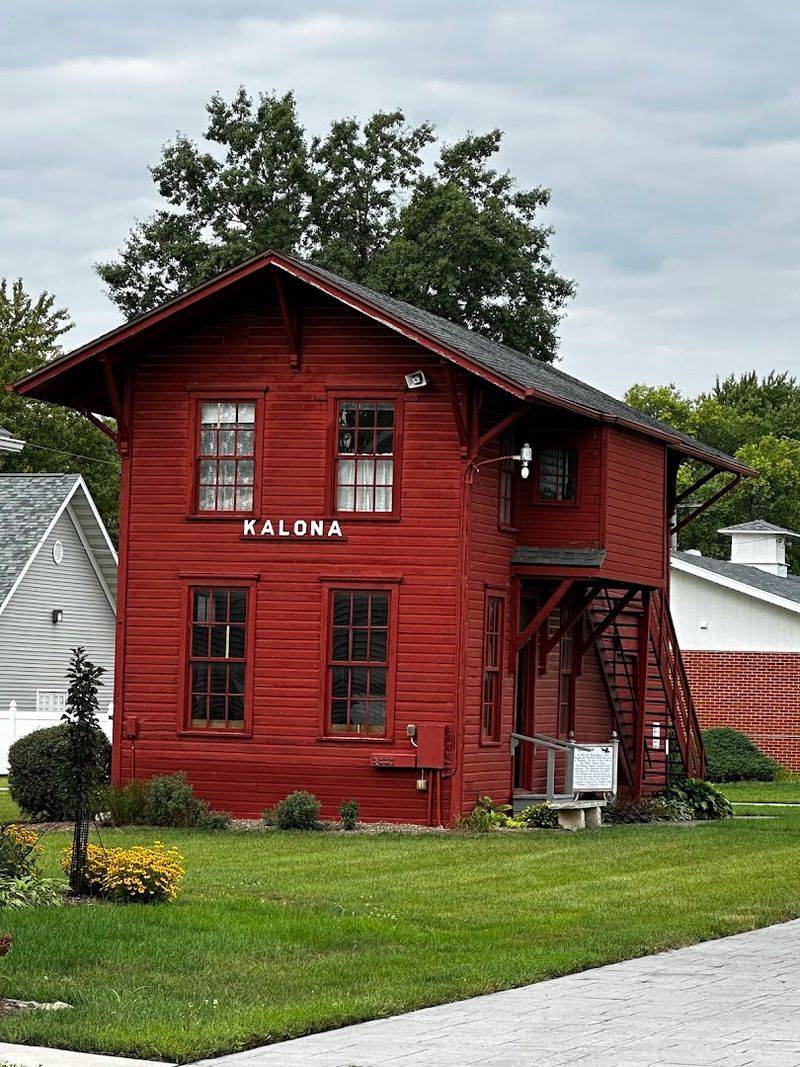
The depot is where motion gets a seat, even when no train pulls in. Benches line the room with a worn patience that feels friendly, and the ticket window stands like a promise kept simple.
You can sense departures and hellos layered into the walls, as if the paint learned to listen.
I like the way the room frames travel without rushing you out the door. A timetable on the wall steadies your eye, and the luggage by the bench looks ready for a last-minute pivot.
The whole space takes movement and trims it down to human scale.
Across Iowa, tracks stitched towns together, and a place like this shows the seam work up close. You start thinking about schedules as conversations, where time met weather and someone weighed the odds with care.
Step outside again, and even your walk between buildings feels a little more purposeful, like you have a quiet timetable of your own.
Log House That Wears Its Honesty Well
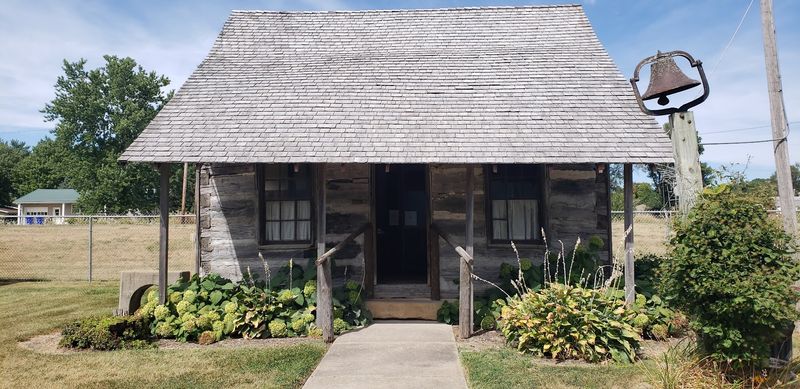
The Log House greets you with textures first, then everything else. The walls show their grain without apology, and the floorboards answer with a firm, friendly give underfoot.
It is the kind of room where you lower your voice without being told, because the space asks gently.
Look around, and you notice usefulness leading the way in every choice. The hearth sits where it can do the most good, and the table keeps to a size that fits actual days.
Nothing here wastes effort, which somehow makes the room feel generous rather than strict.
That practicality runs deep in Iowa, where weather keeps score and families plan accordingly. Standing in this light, you understand how comfort grows from good placement and thoughtful routine.
You step back out with quieter steps, carrying the sense that simple can be deeply kind when it is built to last.
Village Green, Where The Day Exhales
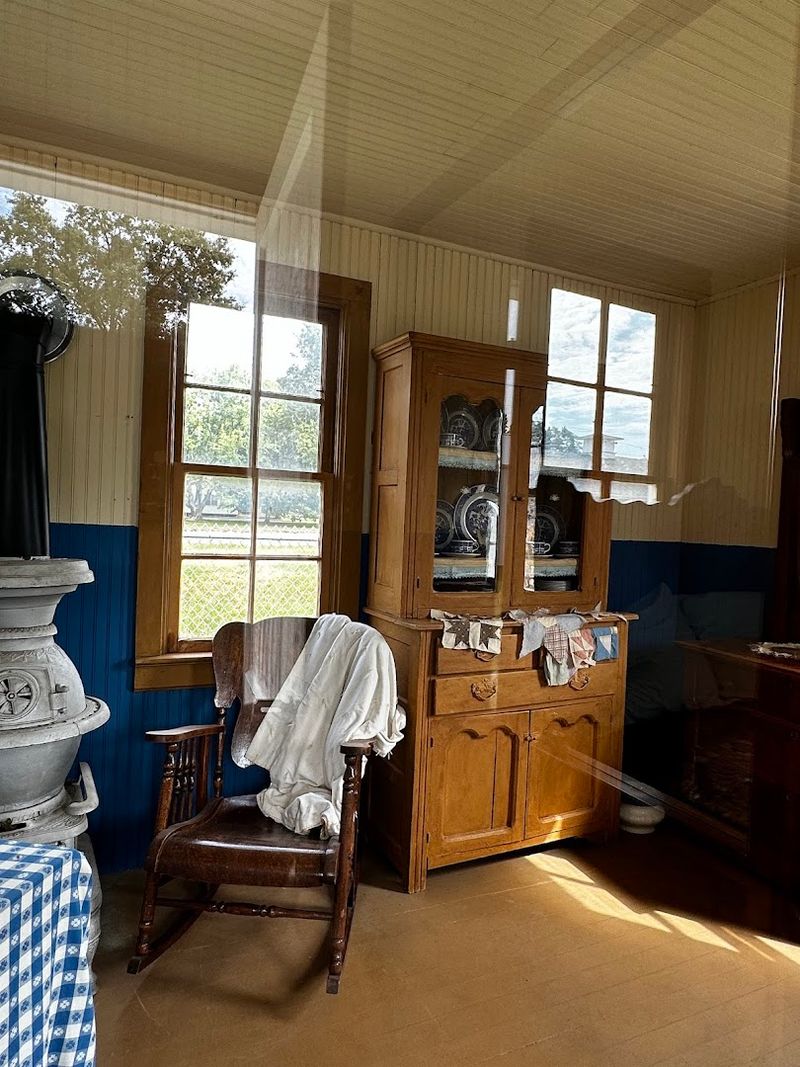
Give yourself a few minutes on the Village Green to let everything settle. Paths curve in easy arcs, and the benches sit where the shade lands just right across the grass.
You get a quiet view back at the buildings, and the whole picture suddenly makes more sense.
After the shops and exhibits, this open space feels like turning a page without closing the book. Kids walk by, a breeze nudges the leaves, and you find that sweet middle between seeing and remembering.
It is a good moment to ask yourself which building tugged the hardest, and why.
Places like this stick because they leave room around the details, and Iowa knows how to make that room without fuss. Take a slow lap, stand for a beat, then pick your next stop with easy confidence.
When you head out, the day keeps that calm cadence, like you packed a little of the green in your pocket.
Dear Reader: This page may contain affiliate links which may earn a commission if you click through and make a purchase. Our independent journalism is not influenced by any advertiser or commercial initiative unless it is clearly marked as sponsored content. As travel products change, please be sure to reconfirm all details and stay up to date with current events to ensure a safe and successful trip.
