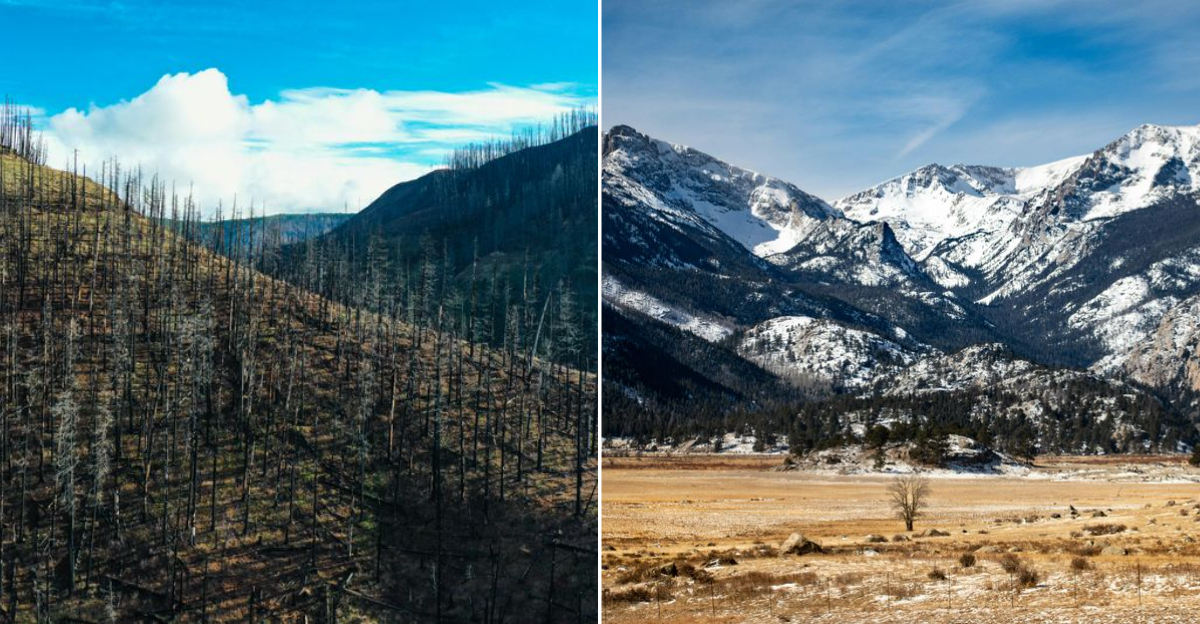
Most people head to Colorado’s national parks for the views, the trails, and the peace of being outdoors. But there’s one problem that keeps showing up: illegal fires.
They might seem small at first, but the damage they cause is anything but.
I remember hiking through one area and spotting a burned patch near a trail. It wasn’t part of a wildfire, just someone’s careless fire pit, but it stood out against the natural beauty.
It made me realize how quickly one bad choice can spoil the experience for everyone. Fires like these don’t just leave scars on the land.
They put wildlife at risk and create safety hazards for other visitors. The frustrating part is that it’s completely preventable.
The rules are clear, but not everyone follows them. That’s why protecting these parks matters, because once the damage is done, it’s hard to undo.
Keeping Colorado’s landscapes safe starts with one simple choice: don’t light the fire.
1. Wildfire Risk Skyrockets In Dry Conditions
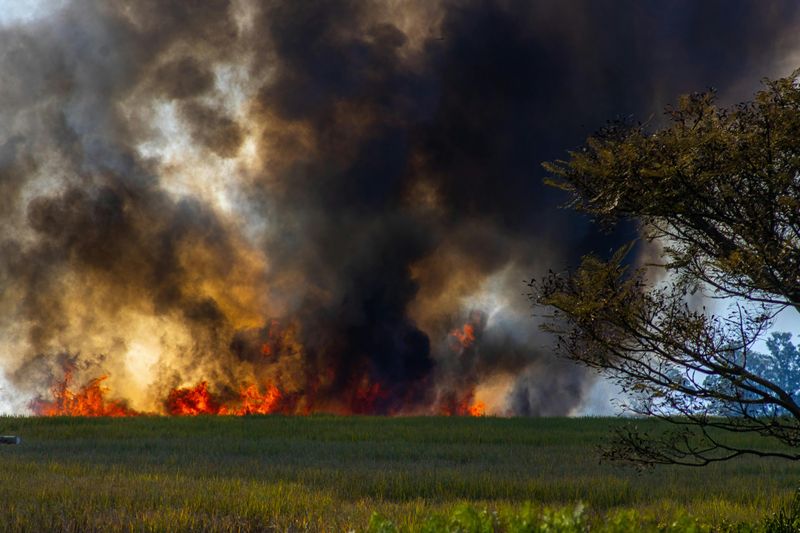
Wind in Colorado can turn a tiny flame into a racing wall of heat before you even register the danger.
In Colorado, illegal fires are one of the leading human-caused wildfire risks, especially during dry and windy seasons.
Even a small, unattended flame can spread rapidly in high-altitude forests and grasslands.
Park officials consistently warn that most wildfires are preventable, and they are not being dramatic.
You feel it on the trail when the air gets tight and the grass crunches under your boots. This is not just summer worry.
I have watched a ranger scan a hillside and read the wind like a book, pointing out trouble spots. It made me think about how one risky campfire can undo months of careful prep.
Crews clear brush, post alerts, and still get pulled away when someone ignores restrictions. A quick blaze steals time, money, and safety from everything else.
You might not mean harm, but harm does not need an invitation. It just needs a spark.
What helps is simple and not boring at all. Use legal fire rings only, and check current restrictions every single day of your trip.
Skip fires when it is windy or when fuels are crisp and loud underfoot. Keep water and a shovel on hand if a fire is allowed, and drown, stir, and feel until cold.
If it is not allowed, switch to a stove or enjoy the stars. That choice keeps the state breathing a little easier.
2. Fragile Alpine Ecosystems Burn Faster Than Expected
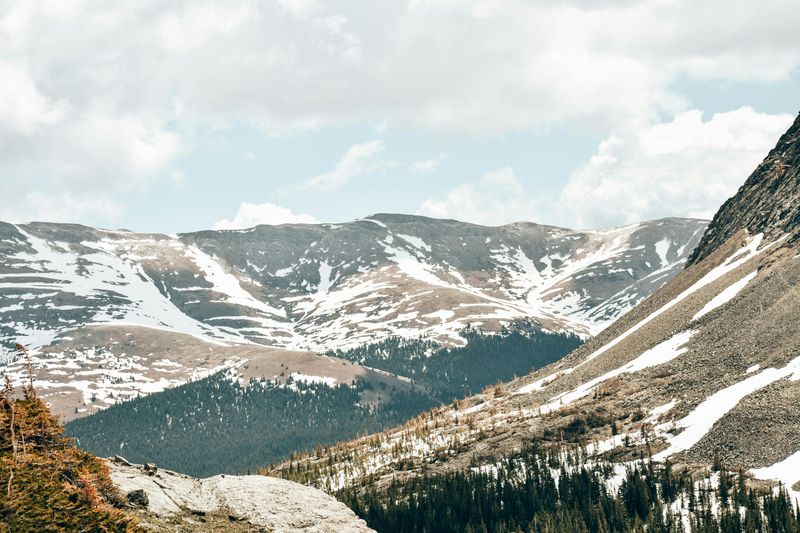
High country looks tough, but it is slower to heal than a low valley. Colorado’s alpine and subalpine environments regenerate very slowly.
Illegal fires can destroy decades of plant growth in minutes, which is wild to even say out loud.
Damage at high elevations often lasts far longer than visitors expect, because short growing seasons give plants very little time.
You see tiny cushion plants and think they are hardy. They are actually living on the edge.
Up there, soils are thin and easily blown away after heat loosens their grip. Roots that anchor the slope cook fast, and then the wind takes over.
A single burned spot becomes a scar that stretches with every storm. You can step around black patches near the treeline and feel the crunch.
It is not just dirt. It is a web of life that took ages to weave.
So what can you do when the tundra is calling? Keep fires out of the high zones completely, even where rules seem relaxed.
Use a stove, sit with a puffy, and let the sky do the glowing. If you see old fire rings above the treeline, report them and do not rebuild.
Stick to durable surfaces and keep camp low, where designated sites exist. That simple shift protects Colorado’s rare high places more than any sign ever could.
3. Fire Scars Linger For Generations
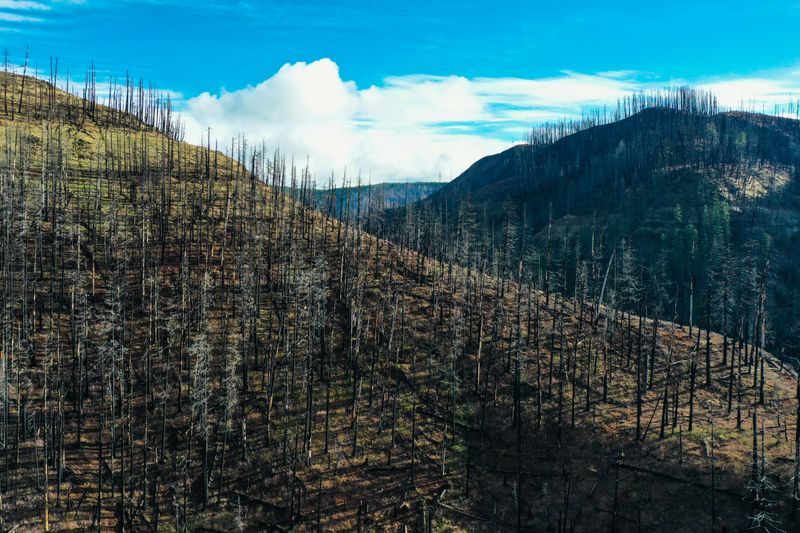
You can spot an old burn from across a valley by the shape of the trees and the color of the soil. Burn scars from illegal fires can remain visible for decades.
Soil erosion, invasive species, and altered drainage patterns often follow, changing how water moves through a slope.
What starts as a campfire can permanently change a landscape, even if you never see flames travel far. The memory sits there on the hillside.
It changes how trails and creeks behave long after the smoke clears.
I have walked through areas where the ground feels airy, like layers of ash still hiding under the duff. Every step tells you something happened that cannot be totally undone.
Crews try to stabilize the dirt, spread native seed, and pull weeds. All of that takes time, and even then the shape of the place shifts.
It is like the land keeps the story written in dark lines.
If you care about leaving a place better, start with no illegal fires, ever. Use established sites and follow seasonal rules to the letter.
Pack a small lantern for glow that does not scorch. If you witness a risky blaze starting to smolder, call it in.
A quick report can prevent another scar. That is how we keep the state’s hillsides from carrying new wounds into the future.
4. Wildlife Loses Critical Habitat
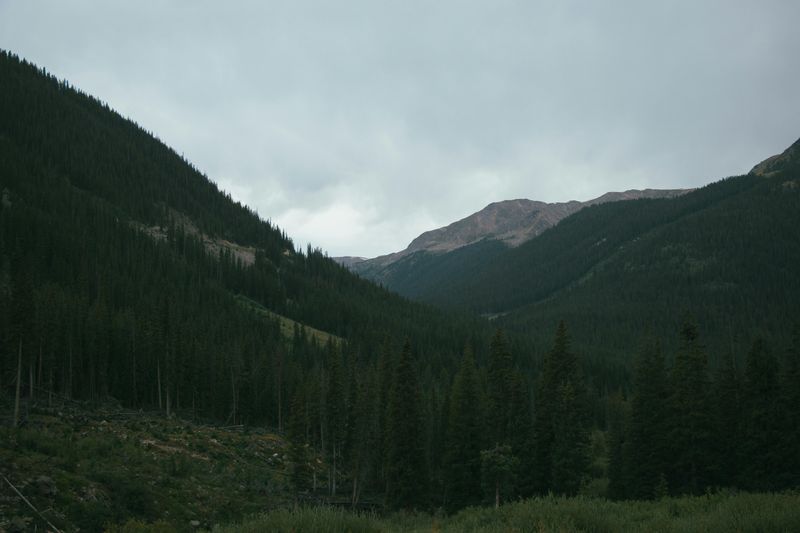
Silence after a burn feels different, like a room after someone steps out for good. Illegal fires destroy nesting areas, food sources, and shelter for wildlife.
Animals may abandon burned zones entirely, disrupting migration and breeding patterns, and that void hangs in the air.
This impact ripples far beyond the fire’s footprint because animals do not live in boxes. They follow scent lines, seasonal food, and safe cover.
I have waited beside a meadow hoping for elk, only to find a charred edge where they once bedded. Birds lose low limbs for perches and protection.
Smaller creatures that hide in downed wood do not have a plan B when it turns to cinders. The web is delicate, and it stretches across the state in ways we barely notice.
You feel the loss later when mornings are quiet.
Keeping habitat intact starts with respecting closures and fire bans. Skip illegal fires, stick to stoves, and camp where vegetation is already compacted.
Report new fire rings so rangers can remove them before they get used again. Give burned areas wide space and keep dogs close.
These small moves hold space for the animals that make the state feel alive. The forest will thank you in subtle ways, like hoof prints returning to damp soil.
5. Air Quality Suffers Far Beyond Park Boundaries
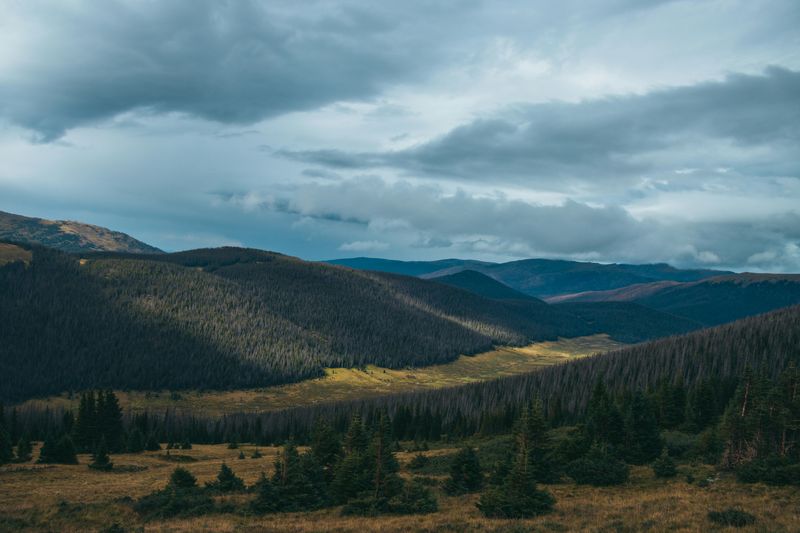
You smell it before you see it, and then the ridgelines fade like old film.
Smoke from wildfires triggered by illegal fires affects nearby towns and cities in a way that sticks in your throat.
Poor air quality can last days or weeks, impacting public health and changing travel plans fast. Visitors often underestimate how far smoke travels, especially with shifting mountain winds.
It moves down valleys and hangs in basins.
Your lungs notice even when your eyes pretend not to.
I have woken up to a smoky sunrise and scrapped a hike because breathing felt like work. Locals close windows and watch the index climb.
Kids miss time outdoors, and the day dulls. It is a quiet kind of disruption that stacks up over a season.
And honestly, it is avoidable when rules are followed.
To keep the air clearer, avoid any open flame when restrictions are posted. Use battery lanterns, cook on enclosed stoves, and enjoy early mornings when air can be cleaner.
Make sure to check forecasts and smoke maps before you drive hours toward a view you will not see. If you do encounter smoke, take it easy and hydrate.
Make the choice that keeps Colorado’s skies closer to blue than sepia, because everyone downwind is breathing what you light.
6. Closures Punish Responsible Visitors Too
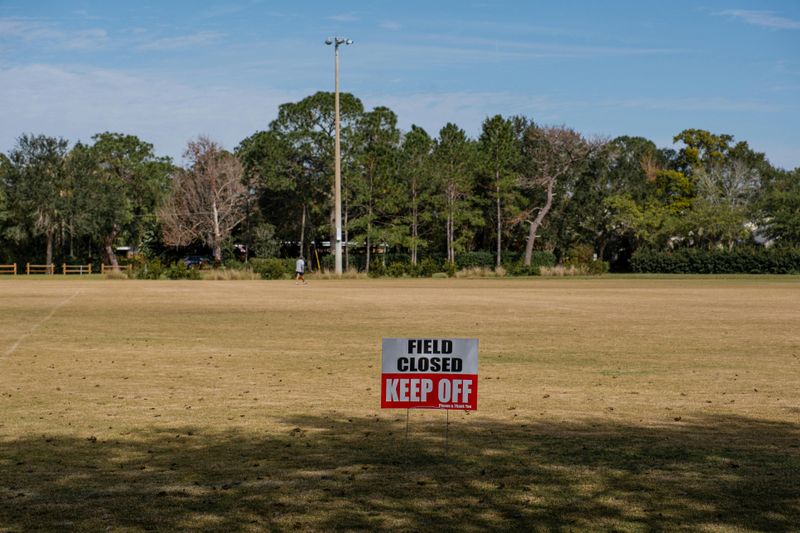
Nothing stings like rolling up to your dream trail and finding a locked gate. One illegal fire can trigger widespread park closures that shut down your plans without warning.
Trails, campgrounds, and scenic roads may shut down during investigations or fire danger periods, which nobody enjoys.
Responsible visitors lose access because of a single bad decision. It is a group consequence with a simple root.
You pay the same toll when one person cuts the line.
I have been turned around more than once and felt the slump in the car. You stare at the map, shuffle ideas, and still end up driving past what you came to see.
Rangers do not like closing areas either, but they will not risk safety. Closures help crews do their work without new sparks.
The fix is living the rules even when nobody is watching. Skip fires on windy nights and during bans.
Choose established sites and carry bright layers so evenings feel cozy without a flame. If a closure pops up, look for open zones that spread traffic gently.
Share updates with friends on the road. That is how you keep Colorado adventures open for the folks who play it straight.
7. Soil Damage Increases Flood Risk
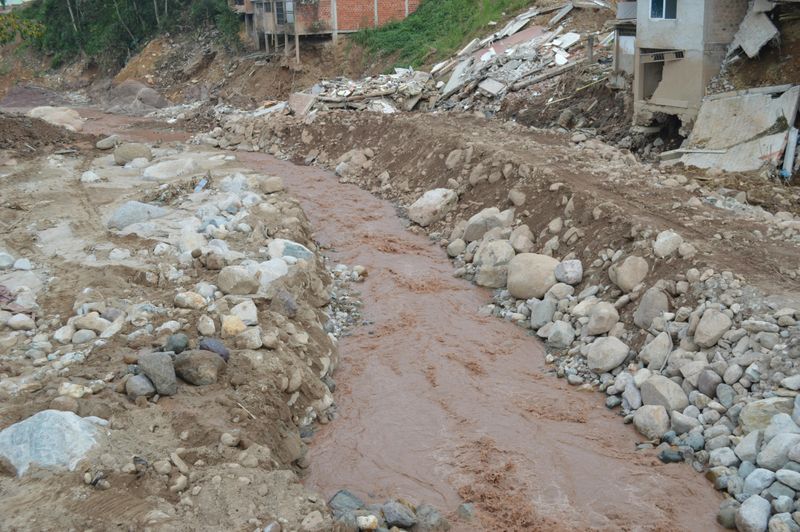
Here is the part people do not expect. Fire-damaged soil often becomes water-repellent, which means rain skates across instead of soaking in.
Afterward, heavy rain can cause flash flooding and mudslides that scare everyone in the canyon. This secondary damage sometimes exceeds the fire itself in impact on roads and trails.
You can hear rocks tumble after storms. It is a chain reaction that starts with heat and ends with a mess.
Crews lay down straw, dig drains, and try to slow runoff. Even then, the first big storm carves new channels.
Trails wash out and bridges tilt. Downstream, the water turns chocolate and fast.
I think the smartest move is simple prevention. Do not light illegal fires, and skip legal ones when conditions tilt risky.
Camp on durable surfaces, far from steep drainages, and respect post-fire closure signs. If storms are forecast, choose routes with solid footing and fewer crossings.
Report blocked culverts or fresh rills to rangers. Keeping the state’s soils intact protects everything below, from trailheads to tiny springs that start the whole river story.
8. Legal Penalties Are Severe And Enforced
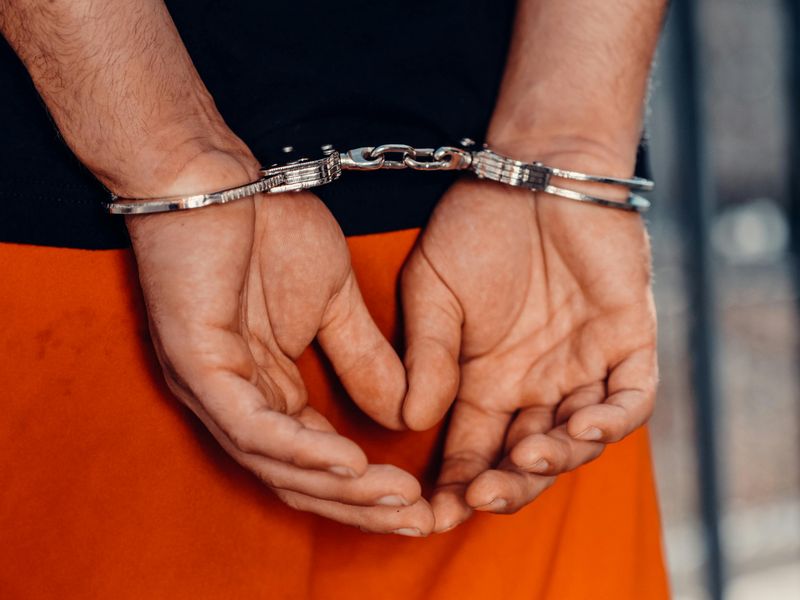
Rules are not suggestions out here. Illegal fires can lead to heavy fines, restitution costs, and even jail time, which can reshape any road trip fast.
Some cases involve paying for firefighting expenses, which can reach thousands of dollars and keep climbing with each hour.
Ignorance of fire restrictions is not considered a valid defense, and honestly, updates are easy to check. It is better to ask a ranger than to guess.
A short chat beats a long citation, trust me.
The mood shifts as everyone realizes this is not just about warmth. It is about safety for the entire park community.
Rangers carry the responsibility to protect, and they do it.
Here is the easy path: read current orders at kiosks and online before you strike anything. Use stoves that shut off cleanly and keep them on bare ground.
Pack extra layers so you do not light fires for comfort. If you mess up, own it and call it in before it grows.
Colorado rewards honest care with open gates and fewer warnings on the board.
9. Visitor Trust And Freedom Decline
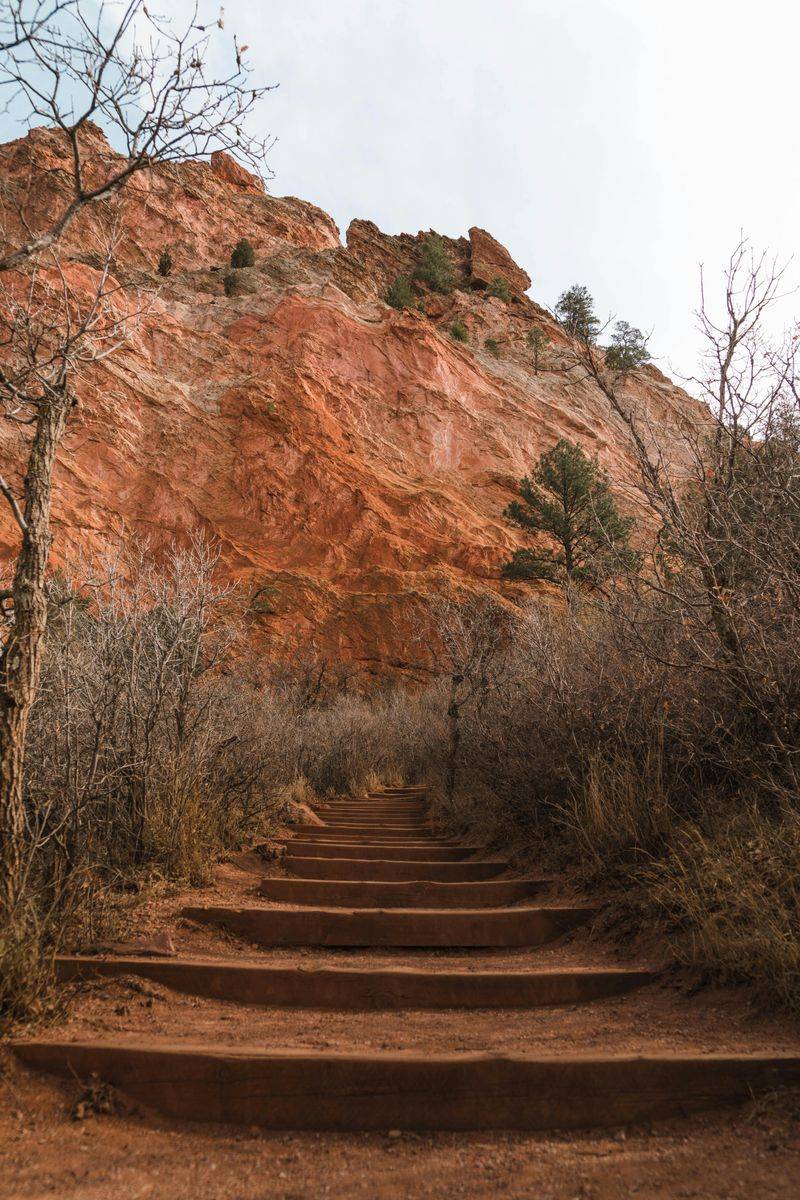
Trust is the quiet glue that holds outdoor life together. Repeated violations force parks to impose stricter fire bans and monitoring, which changes the whole vibe for everyone.
This limits flexibility for campers who follow the rules and like a little independence. Over time, everyone loses privileges once considered normal, and you feel it at every gate.
It is about patterns that push managers to tighten the screws.
I remember when some zones had more open-ended camping options. After a few messy seasons, new signs and patrols popped up.
It’s not hostile, just extra watchful, and that watchfulness nudges the experience from loose to structured. Some folks adapt, others drift away.
You can keep the trust bank full with steady, boring consistency. No illegal fires, clean camps, quick reports when something looks off.
Use stoves and lights that do not leave scars. Share the why with friends who are new to Colorado trips.
When visitors show they can handle freedom, parks often relax where they can. That is how you keep the outdoors feeling like a living room, not a hallway lined with rules.
10. Colorado’s Fire Season Keeps Getting Longer
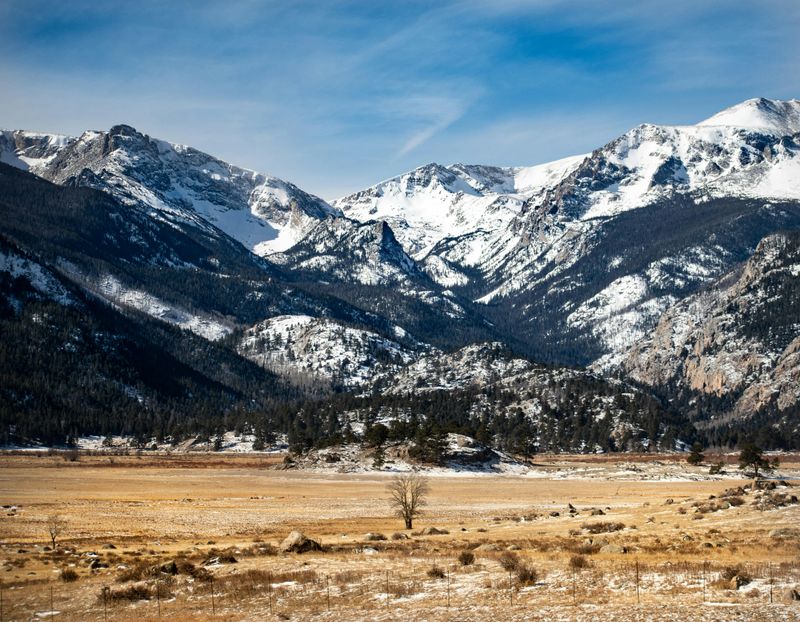
It used to feel like there was a tidy window for safe campfires. Climate trends have extended the fire season across the state, and the shoulder months now feel edgy.
Illegal fires during shoulder seasons are now just as dangerous as summer burns because fuels stay dry. What used to feel safe enough no longer is, even when nights run cold.
The calendar cannot be your guide. Conditions are the only voice that counts.
The good news is that trips keep their magic without flames. Mornings come bright and crisp, and stars handle the night show.
Check conditions daily, from valley to alpine, and assume risk runs longer than you remember. If rules say no, believe them.
That choice keeps rangers focused on stewardship, keeps lungs clearer, and keeps the state on your good side trip after trip.
