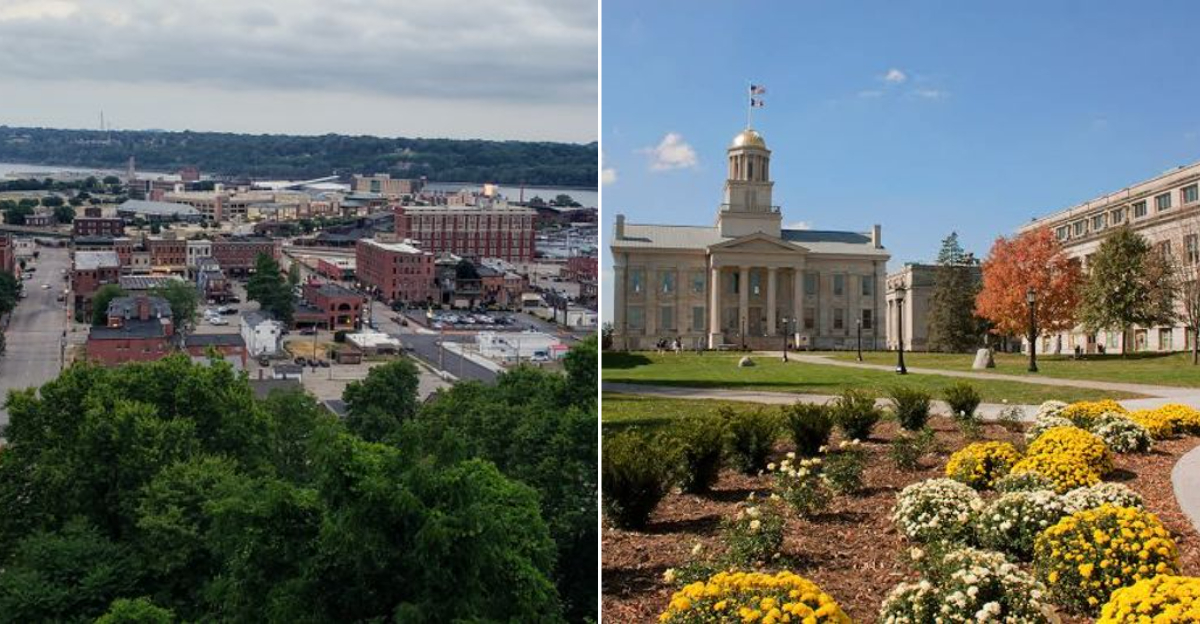
Have you ever noticed how a quiet place can feel completely different once tourists start showing up? That’s exactly what’s been happening in Iowa.
Known for its calm towns, open fields, and laid-back vibe, the state has always been a spot where life moves at a slower pace. But as more visitors discover it, things are starting to shift.
I remember driving through a small Iowa town a few years back, it was peaceful, almost sleepy.
Fast forward to now, and that same town has new shops, busier streets, and way more people stopping to take photos or grab a bite.
It’s not a bad change, but it does make you realize how much tourism can reshape a place.
The calm atmosphere that locals were used to is now mixed with energy, noise, and a steady stream of outsiders curious to see what Iowa has to offer. So, is this change for better or worse?
That depends on how you see it, but one thing’s clear: Iowa isn’t as quiet as it used to be.
1. Quiet Town Centers See More Seasonal Crowds
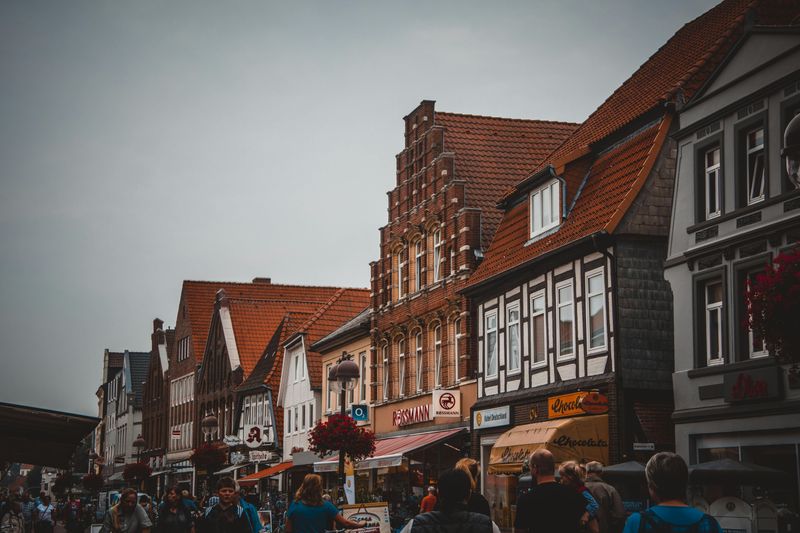
Walk a historic main street in Iowa on a summer Saturday and you feel it right away.
The pace picks up, strollers roll by, and window displays look brighter because someone is actually lingering. It feels friendly, just louder than the weekday hush that locals remember.
In parts of Iowa, tourism has shifted once sleepy downtowns into busier seasonal hubs. Weekend foot traffic spikes during festivals, fairs, and peak summer travel.
While this boosts local business, it changes the everyday calm residents were used to.
I noticed how conversations stretch to the curb and parking turns into a small strategy session. Shop owners talk about longer hours and more out of state plates.
The town still feels like itself, just wearing a slightly flashier jacket when the sun is high.
If you go, try early mornings or midweek for that old school quiet. You can still hear bikes clicking past and church bells settling into the air.
The same benches hold the same stories, but you will not have to wait your turn.
What I like most is the rhythm shift that teaches patience. Locals navigate it by running errands when the sidewalks relax.
Visitors learn it by slowing down and matching the town’s voice, which is gentler than the crowd suggests.
This new dance is not a loss, just a remix of time.
This state still knows how to pause. You just have to read the street and pick your moment.
2. County Fairs Became Regional Attractions
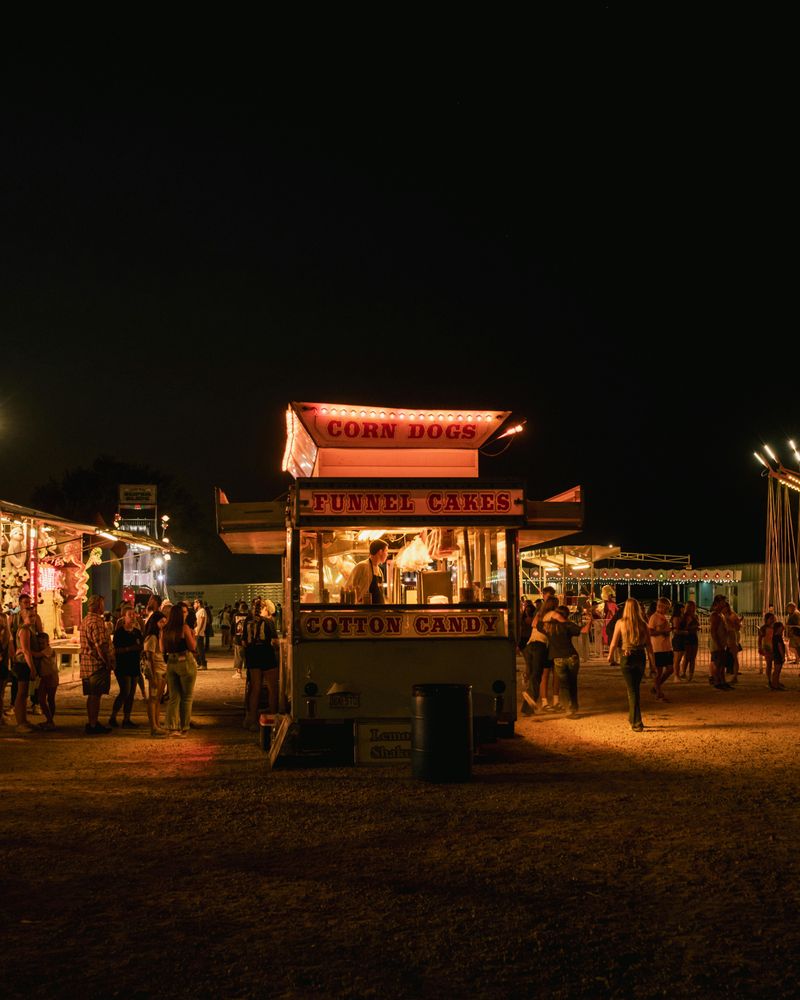
You can feel the scale the second you park on grass and see the skyline of rides. The crowd looks wider, not just neighbors but visitors who drove a long way.
That bigger circle changes the chatter and the pace.
Iowa’s county and state fairs have always mattered, but tourism scaled them up. Larger crowds, expanded entertainment, and higher vendor demand followed.
What once felt hyper local now feels regional and more commercial.
The upside is energy and variety you can sense from the gate. The barns and the arenas carry that pulse all day.
Even quiet corners hum like someone tuned the dial a notch higher.
If you want the calmer side, aim for early mornings when the grounds are still waking. You can wander the lanes, hear distant music checks, and move without weaving.
Later, patience helps, along with a plan for your must see spots.
Locals talk about how family routines stretch to fit the influx. Parking becomes a strategy and meeting spots matter more.
You can still run into familiar faces, just between waves of new ones.
What changed is the feeling that everyone is looking at Iowa at once. That attention brings pride with a little extra noise.
3. Scenic River Towns Feel Less Hidden
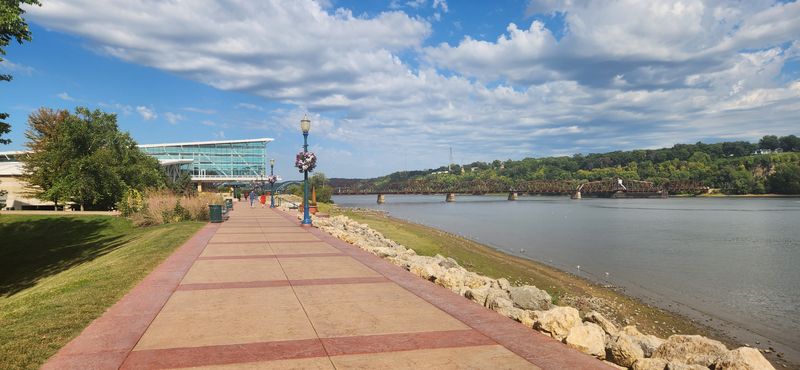
First glance at the bluff and you get why people keep coming back. The river looks unbothered, but the streets below carry a new buzz.
You hear more accents, you see more cameras, and you still catch that old charm between traffic waves.
Mississippi River towns like Dubuque and Burlington attract more visitors than they did decades ago.
Historic districts see heavier traffic during warm months and cruise related stops. The charm remains, but the sense of discovery is smaller.
Walking those brick blocks, I found the switch in small details. Crosswalks felt busier and shop doors stayed propped longer.
The river keeps things grounded, like a deep breath you can actually see.
For a softer pace, come early or drift toward side streets. You will spot faded signs, small museums, and quiet benches facing the water.
The steady current keeps the town’s voice from getting drowned out.
Locals seem to time errands around ships and festivals. They know when the sidewalks swell and when they exhale.
That rhythm lets them keep the day moving without much friction.
Tourists did not erase the feeling of place here, they just brought a brighter outline to it. If you listen, the river still tells the story first.
4. Road Trips Increased Traffic On Rural Routes
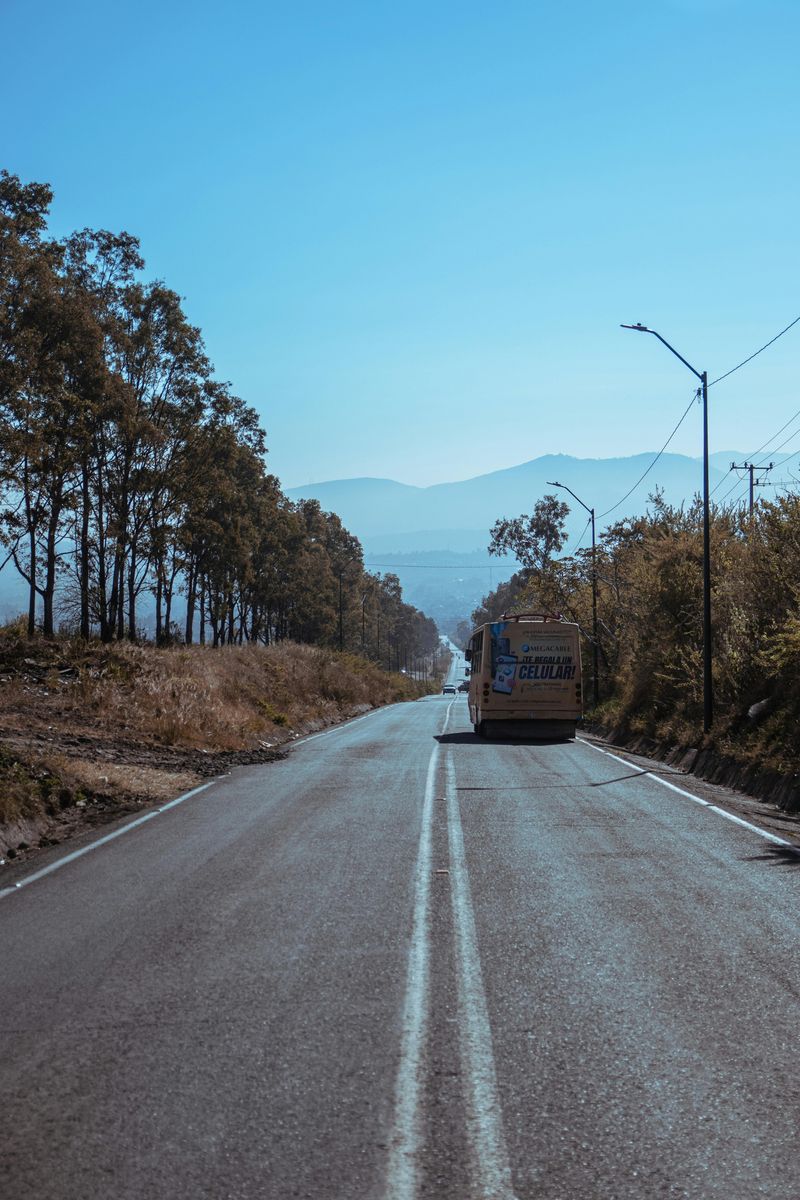
Out on those two lane ribbons, you used to wave at every passing truck. Lately, you still wave, but you are not sure who you waved at.
More roof racks, more packed trunks, and a few extra U turns at scenic signs.
Iowa’s reputation as an easy road trip state drew more travelers onto rural highways. Seasonal traffic around lakes, parks, and scenic byways increased noticeably.
The change shows up in simple moments like waiting behind a slow view seeker. It is not a headache, just a nudge to leave ten minutes earlier.
The landscape still calms you even when the lane feels busier.
If you are driving through, watch how shadows move across fields. That pace helps you settle even when the map adds a detour.
Pullouts and marked overlooks keep the flow from snagging.
Locals taught me to find back roads that run parallel to the main drag. They carry the same sky and fewer brake lights.
It feels like a secret handshake between farms and gravel.
Tourism added motion, not chaos, to these routes. The road still sounds like tires on old stories.
You just share it with more people chasing the same quiet.
5. Short-Term Rentals Changed Neighborhood Rhythms
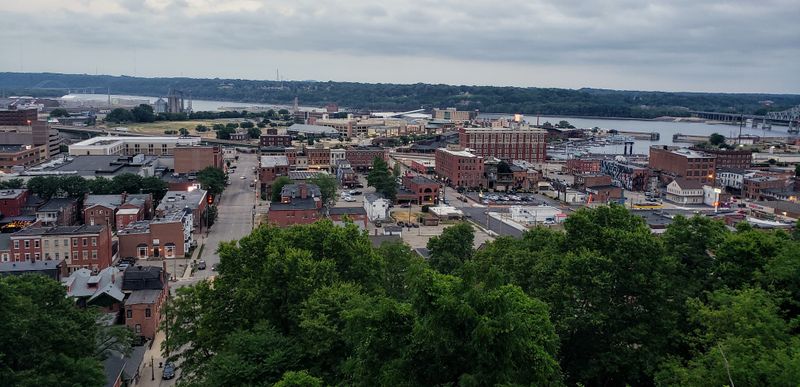
On a side street near a park, a porch light clicks on for new guests every weekend. That small detail reshapes the block’s heartbeat.
You notice rolling suitcases and a different license plate every few days.
Tourism growth encouraged more short term rentals in popular areas. Weekend turnover brings unfamiliar faces and busier streets.
Residents notice more transient movement where routines used to be predictable.
The vibe is not unfriendly, just more in motion. Conversations happen on the sidewalk between check-in and unpacking.
The neighborhood keeps its voice, it just speaks to more listeners.
If you are staying in one, read the room like a good neighbor. Wave to folks, keep porch chatter kind, and match the street’s volume.
I feel like that small effort blends travel with the local rhythm.
Locals adapt by scheduling yard work and errands around the weekend shuffle. They track trash pickup and driveway space like air traffic controllers.
It sounds dramatic but really it is just awareness turned up.
This shift sits somewhere between opportunity and adjustment. It brings fresh eyes to familiar blocks without erasing their shape.
The trees still hold shade for everyone who walks under them.
6. Popular State Parks See Peak-Season Pressure
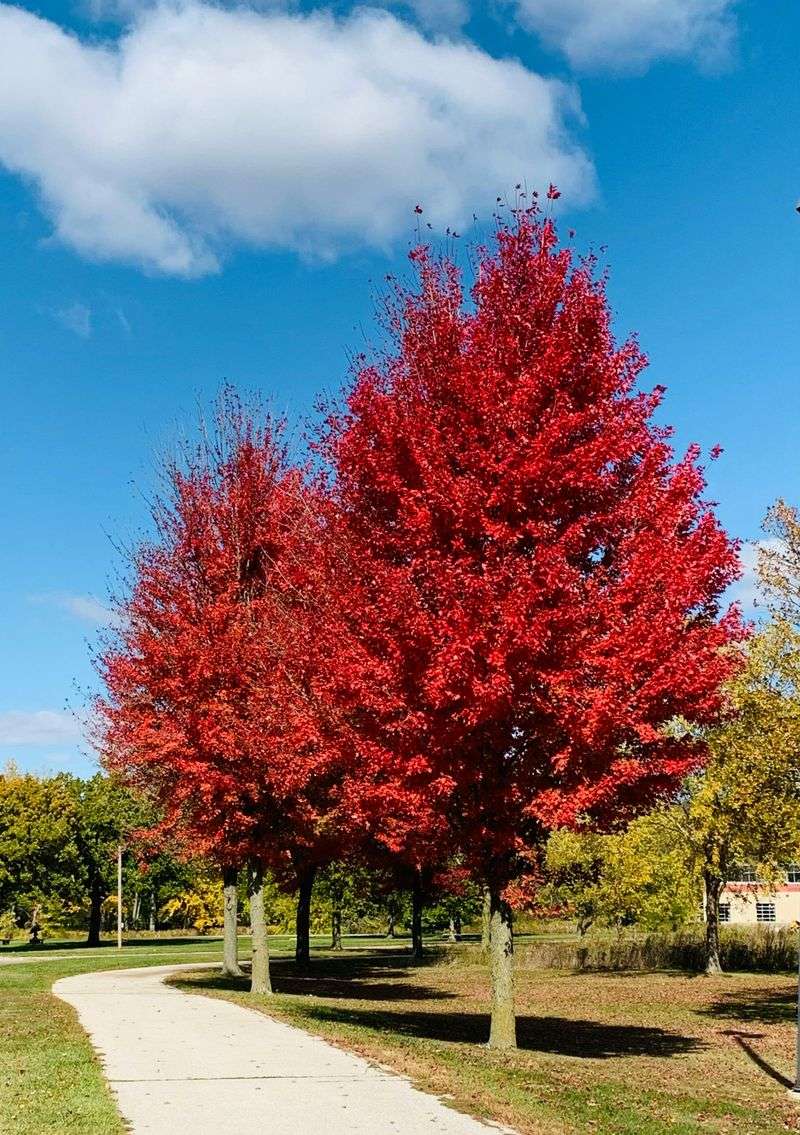
Pull into a favorite trailhead on a sunny weekend and the lot tells the story. Fewer open spaces, more roof racks, and that soft murmur of boots on gravel.
The woods still feel like a sanctuary once you get inside.
Iowa’s parks remain accessible, but popular ones feel busier in summer and fall. Parking fills faster and trails feel less secluded on weekends.
The calm returns quickly midweek, but timing now matters.
I time hikes around early light or late afternoon shadows. That stretch lets birdsong come through without extra chatter.
On those edges, even busy parks feel like whispered secrets.
Locals have it down to a science and pick loops that dodge the crowds. They know which trailheads split traffic and which ones funnel it.
That knowledge spreads kindly to anyone who asks.
Even with more visitors, the quiet is not gone, it is just tucked deeper. Pause at a bend and listen past your footsteps.
You will hear the place breathing underneath the day’s noise.
This pattern is a reminder to plan with intention. The path is still there, waiting for the right minute.
7. Local Dining Became More Destination-Driven
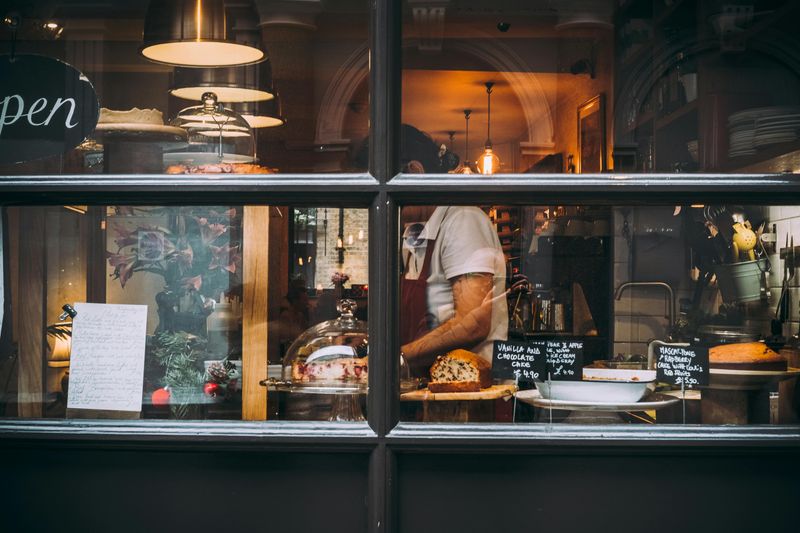
Ever pull into a diner thinking you would slide right in? Now there is a line that feels like a reunion even if you know no one.
People swap stories about routes and maps while the neon hums.
Certain diners, bakeries, and tenderloin spots gained statewide fame. Tourists line up where locals once walked right in.
The food did not change, but the pace did.
I like the buzz, but I also like a short wait. That is why I watch the clock and aim for off hours.
The conversation you hear in line is half the fun anyway.
Owners talk about how weekends stretch energy and staff. The door swings keep a rhythm like a metronome set one notch fast.
Weekdays feel more like the town I remember.
This shift turned eating into a small event, with a sidewalk preamble. It does not need to be rushed, just noticed.
A smile goes a long way when everyone is on the same quest.
This state still feeds people the way it always has. Now the invitation reaches farther down the road.
It is a change you can taste in the tempo, not just the plate.
8. Agritourism Brought New Activity To Farms
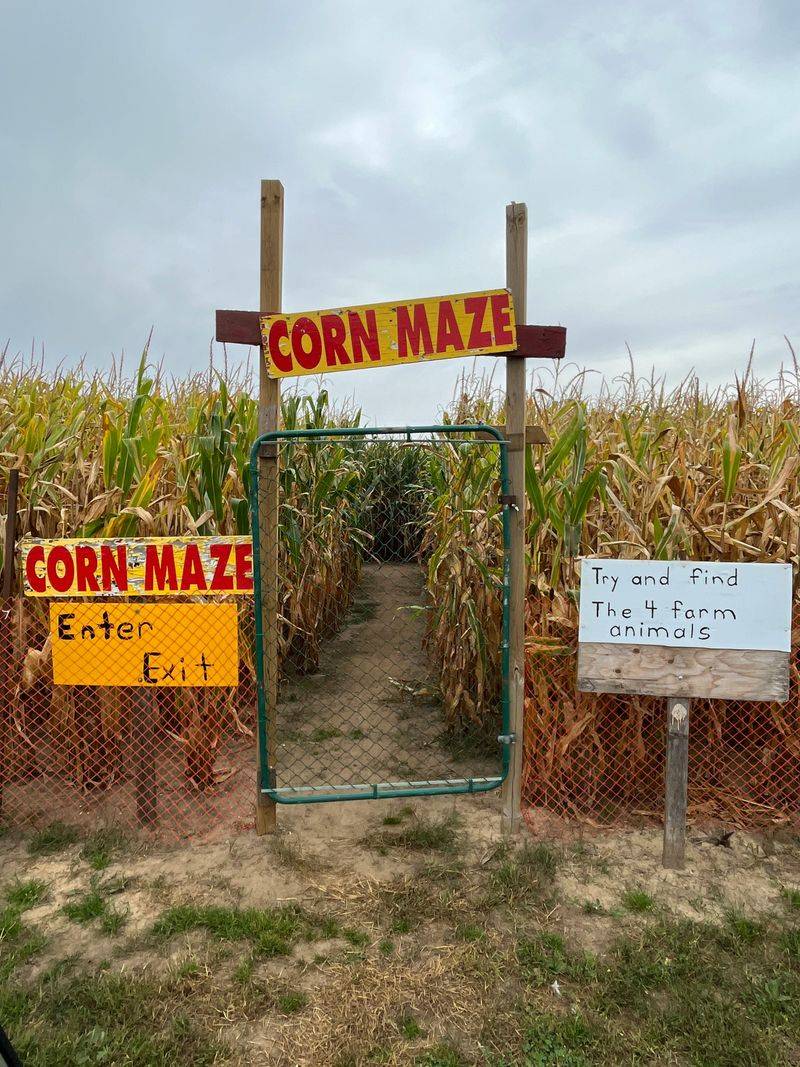
Drive a few miles past town and you might spot new signs along a fence. They point to seasonal fun that did not exist when the road felt emptier.
The farm looks the same, but the calendar got busier.
Pumpkin patches, corn mazes, and farm experiences draw thousands each season. These operations add traffic, signage, and event schedules to rural areas.
They boost income while subtly changing the landscape’s quiet rhythm.
I like how these places teach you something hands-on. You walk through a field and leave knowing more than when you arrived.
The trade is a livelier lane and more headlights on Saturday.
Locals handle it by planning around start times and end times. They know when the gravel will pop with tires and when it will settle.
For travelers, treat the space like someone’s backyard because it is. Be kind at gates, park where signs ask, and keep the vibe neighborly.
That is the secret to keeping the welcome warm.
This is the state adapting without losing its center. The fields still breathe, the barns still anchor the horizon.
The difference is a little more laughter riding the wind.
9. College Towns Feel Busier Year-Round
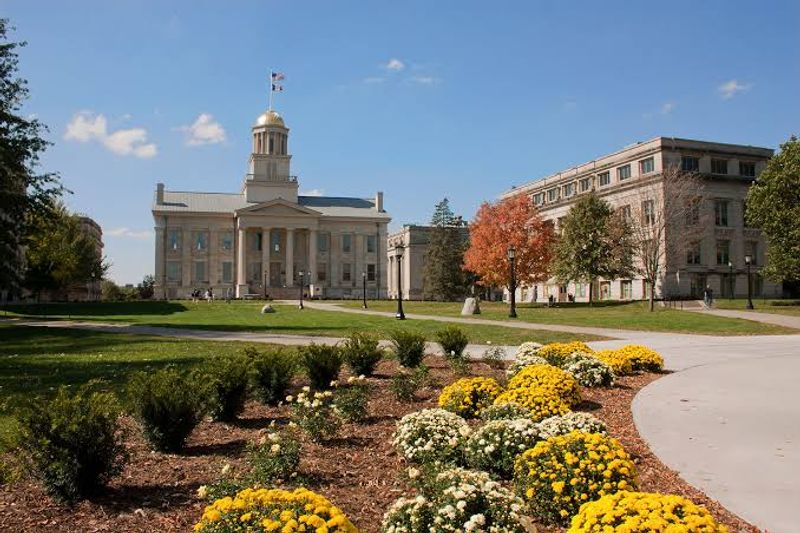
Walk near the campus and the air already has a steady hum. Then add visitors and the pitch rises a bit.
You can feel it on the sidewalks and around the venues.
Cities like Iowa City and Ames already had energy, but tourism added layers. Sporting events, arts festivals, and visiting families increased foot traffic.
The academic calm between semesters feels shorter now.
It is not chaos, just less empty space between moments. I time bookstore visits earlier and loop back for galleries later.
That small tweak gives the day more breathing room.
Locals show a knack for knowing which blocks clear first after events. They pick side streets that carry the same brightness with fewer steps.
That trick works for visitors willing to wander a little.
What changed most is the sense that the stage never fully goes dark. Even off season days feel lightly booked.
You can still find quiet corners, you just have to angle toward them.
Iowa thrives on that mix of study and play. Tourism did not replace it, it amplified the chorus.
The melody underneath still sounds like home.
10. Calm Did Not Disappear, It Became Seasonal
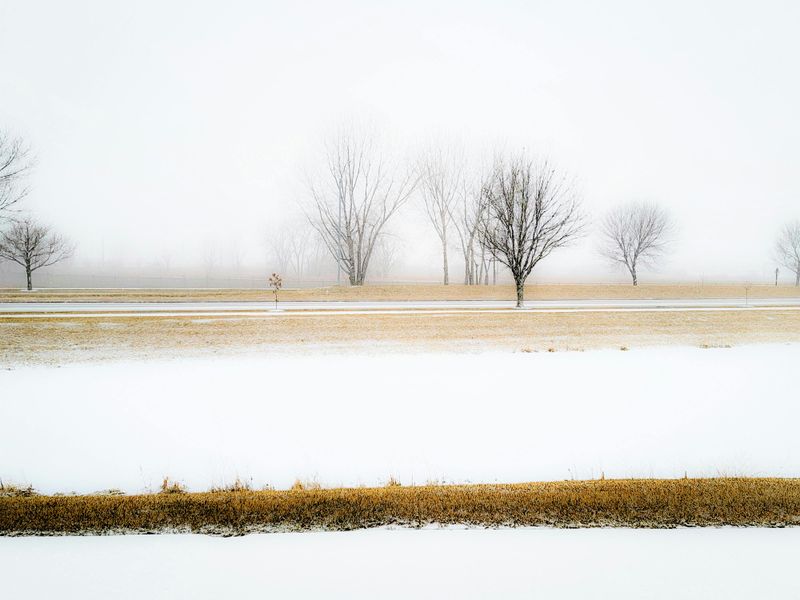
Here is the honest truth you feel after a few loops around the state. The calm is still here, but it likes a different schedule.
You meet it on Tuesdays, early mornings, and those soft afternoons after a storm.
Tourism did not erase Iowa’s calm atmosphere, it compressed it. Quiet still exists, just not always when or where it used to.
Locals adapted by traveling off hours and reclaiming midweek stillness.
When you lean into that timing, the state opens like a book. Trails empty, town squares breathe, and you hear your own footsteps again.
It becomes a kind of friendly secret you share by example.
I keep a short list of places that sing at sunrise. A bluff, a prairie patch, a river bend that catches first light.
That map changes with the season but the habit stays the same.
Locals showed me how to let weekends carry their celebration. Then they slide back into quiet without making a big deal of it.
That is the Iowa way I keep hearing about.
Tourists changed the tempo, not the soul. If you are patient, you will hear both.
