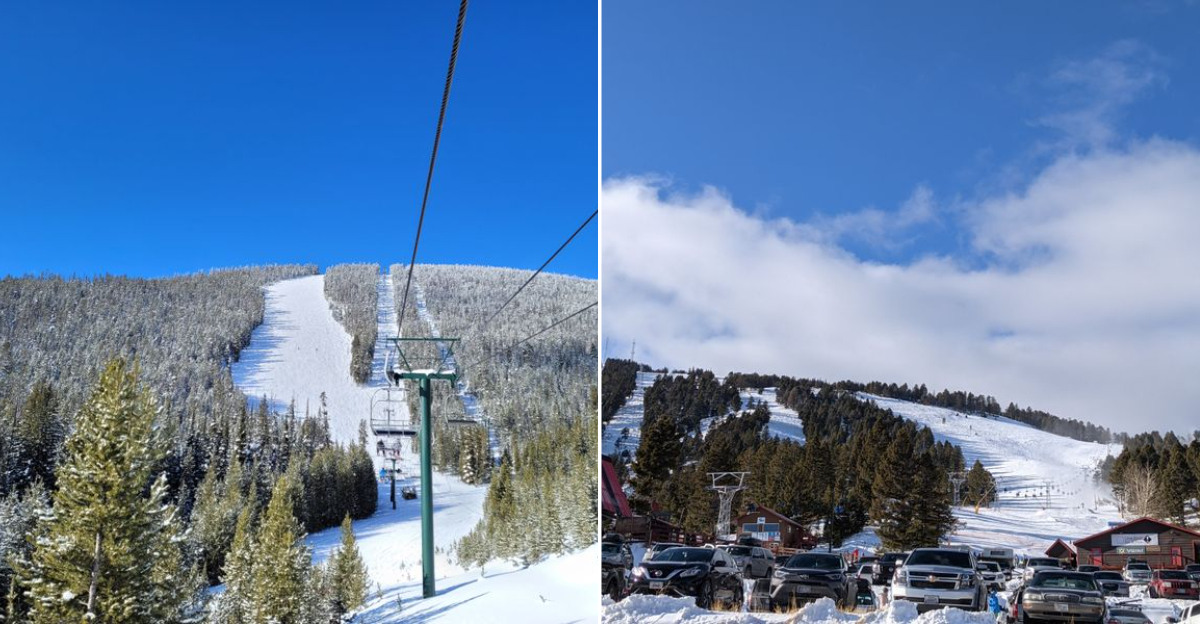
How can travelers change a town without even realizing it? In Montana’s ski towns, the answer is playing out in real time.
What used to be quiet mountain communities built around local slopes and family-owned lodges are now struggling with crowds, rising prices, and a culture shift that feels hard to reverse.
Locals talk about how things used to be: affordable cabins, familiar faces, and a pace that matched the rhythm of the mountains.
But as more visitors arrived, demand skyrocketed. Rentals replaced homes, traffic replaced calm, and the charm that made these towns appealing in the first place started to fade.
Travelers didn’t mean to ruin anything, but the sheer numbers changed the balance. It’s about whether these towns can hold onto their identity while catering to outsiders.
And maybe the real takeaway is this: when a place feels too perfect to share, protecting it might be the only way to keep it special.
1. Whitefish
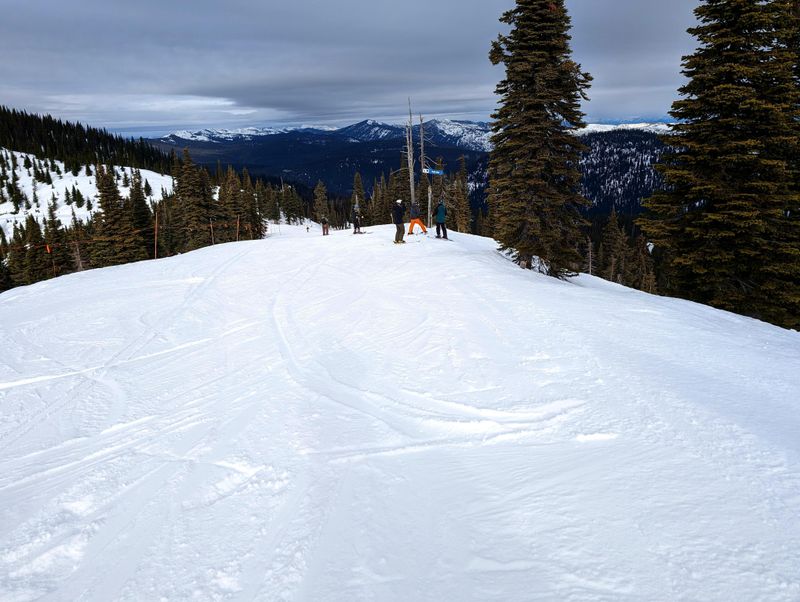
Let’s start with Whitefish, because it feels personal. Whitefish used to feel like a railroad town with a ski hill nearby, not a destination brand.
These days, the welcome sign might as well read trending, because the vibe flipped hard.
Tourism tied to Whitefish Mountain Resort at 1015 Glades Dr, Whitefish, MT 59937, drove up home prices and short term rentals, pushing workers farther out.
Friends who once walked to shifts now couch hop in neighboring valleys, timing the plows and praying the pass stays friendly.
Even quick errands take longer, and the small talk circles back to housing like clockwork.
Locals now talk more about traffic and seasonal crowds than powder days.
You can still find the early morning hush on side streets, but it gets swallowed by the mid morning cruise of rental SUVs.
The trains still roll through, and that sound hits different when the sidewalks feel curated.
I keep looking for the old corner spots where you could hear lift gossip and nobody hurried you. They exist, just thinner, and that tells the story better than any stat.
Driving away, the mountain shines and the billboards do too. There is beauty, for sure, and also a steady hum of brand energy.
If you come, come soft, and leave some space for the people who keep the lights on.
2. Big Sky
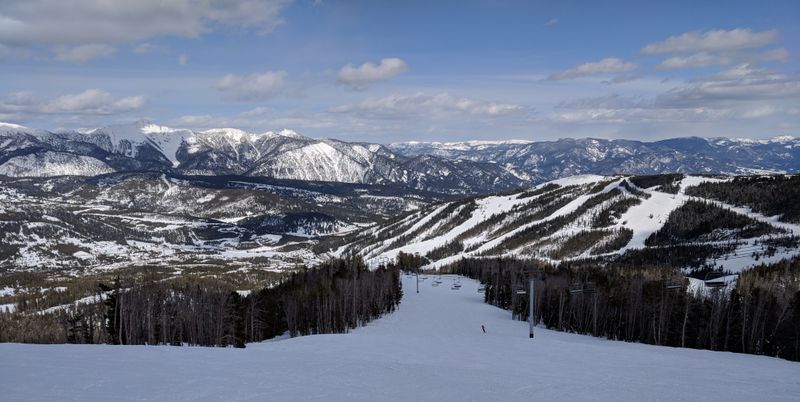
Big Sky does not whisper anymore. It transformed from a quiet ski area into a luxury resort zone.
The scale hits you before the turn, when the mountain looks both wild and carefully staged.
High end tourism brought massive development, private clubs, and soaring housing costs. That shine comes with gate codes and shuttles running like veins across the base.
You feel it most when the workday ends and the buses keep rolling past dark.
Many workers commute long distances because living in town is no longer realistic.
There is still real magic on storm mornings, when the ridge wakes and the wind writes its fast script. You drop in, and for a few minutes none of the money talk matters.
Then the day widens, and the old ease stays just out of reach.
I catch myself rooting for the people stitching this place together. The ones stacking chairs, fixing rails, and smiling through white breath.
Respect feels like the ticket price that actually counts here.
3. Bozeman
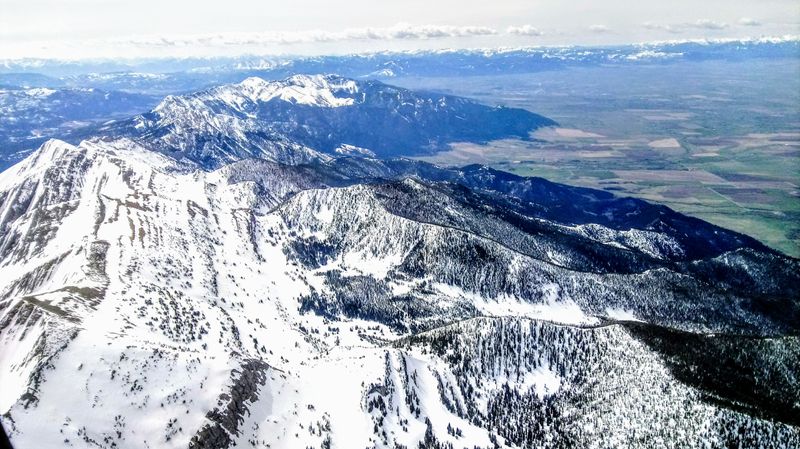
Bozeman is not a ski town by definition, but Bridger Bowl made it one by proximity.
That short drive turned errand runs into weather checks and moved a lot of folks here with skis strapped to a dream. It changed the cadence on sidewalks and at crosswalks.
Outdoor tourism and remote workers flooded the housing market, raising rents dramatically.
The pace shifted faster than infrastructure could keep up, and you feel it during school drop offs and evening merges. Neighborhoods that once napped now hum all day.
Locals say the town’s pace changed faster than infrastructure could keep up. You hear it in coffee lines and see it in the scramble for parking after a surprise storm.
The words are not bitter so much as tired in my opinion.
Bridger still throws those cold smoke days that make people write back home with too many exclamation points.
On those mornings the lift line becomes a reunion, and the rest of the week blurs with spreadsheets and night wax. Balance, if that word still fits, lives in the cracks.
Driving through at dusk, the lights feel bright and a little restless. I get why people came, and also why some step back.
Bozeman holds both truths in the same glove.
4. Red Lodge
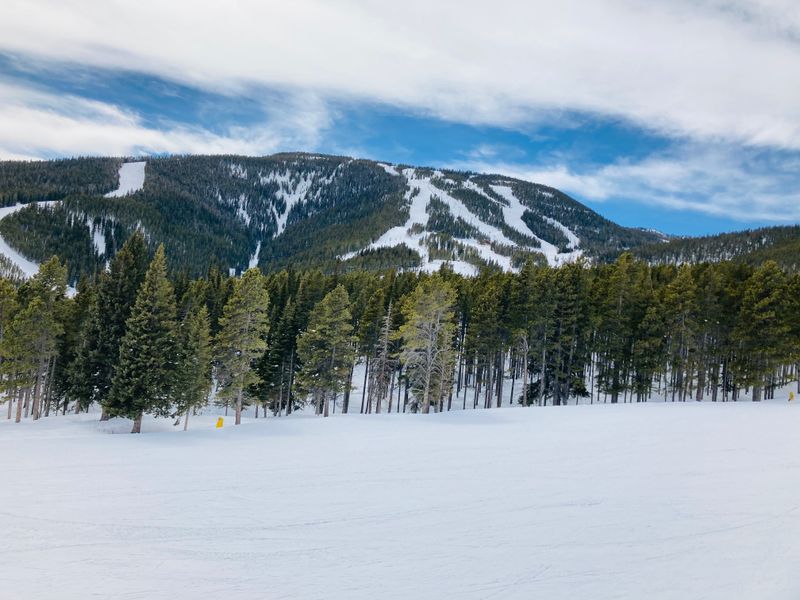
Red Lodge greets you with a grin that looks familiar until you look closer. Red Lodge Mountain brought visitors looking for a classic Montana ski town experience.
The script works, but the handwriting has changed.
Seasonal tourism increased short term rentals and second homes. You can feel it in the quiet Tuesday nights and the buzzing weekends that follow.
Locals stack errands before the surge, then stay home when the sidewalks crowd up.
Many longtime residents say Main Street now caters more to visitors than locals. I heard it from a clerk who grew up here and can map winter by license plates.
The pride is still real, but the pace has a showtime edge.
On the hill, storms still tuck into the trees and surprise you with soft turns. That part feels unbothered, which might be why people keep coming back.
The town has learned to hold both hospitality and boundaries at once.
I left with a note to be a better guest. Park smart, tread lighter, and remember someone’s Tuesday lives under your Saturday.
That small courtesy shows up where it counts.
5. Cooke City
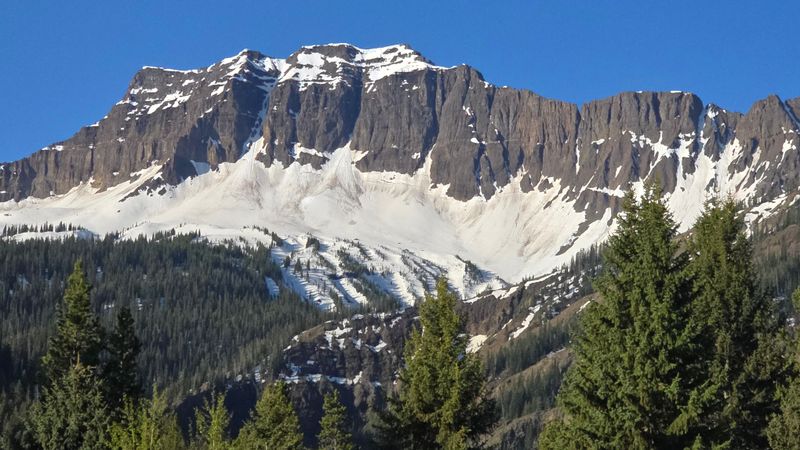
Cooke City does winter on hard mode. The backcountry skiing reputation exploded online.
The clips look unreal, and then reality steps in with the snow walls and tight logistics.
Winter crowds strain lodging, parking, and local services in a town with limited capacity. I watched plows thread needles while trucks played musical chairs.
When the lot fills, everything else does too.
Locals often say the town feels overwhelmed during peak snow seasons. I believe them, because even simple tasks turn into strategy games.
You plan your turns and your trash drop with the same care.
Out in the trees, it is gorgeous and serious. Partners speak clear, and maps matter more than hype.
Coming here means bringing patience and leaving a cleaner line than you found.
I drove out with the sky fading blue to steel. Gratitude sat next to caution on the dash.
The mountains will still be there tomorrow, and that is the point.
6. Seeley Lake
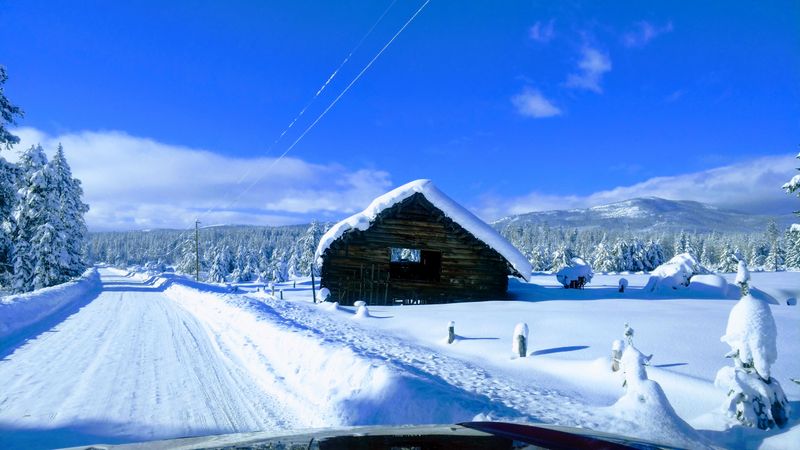
Seeley Lake feels like a postcard until the weekend lands. Nordic skiing and snowmobiling tourism put this place on winter maps.
The trails hum, and the lots bloom with trailers before breakfast.
Cabin demand and vacation rentals drove up property prices. That shifts who shows up and who can stay through the slow shoulder weeks.
You hear the gap in simple things, like who closes up and who shovels the steps on Monday.
The quiet, local first feel has slowly faded during winter weekends. It is not gone, just thinner, and you have to listen for it in the early hours.
The snow absorbs sound, which helps, but crowds fill the rest.
Driving north, I kept thinking about how quickly a destination happens to a place.
It starts with a few posts and ends with a lot of key codes. The lake still breathes calm when the wind turns, and that is worth guarding.
7. West Yellowstone
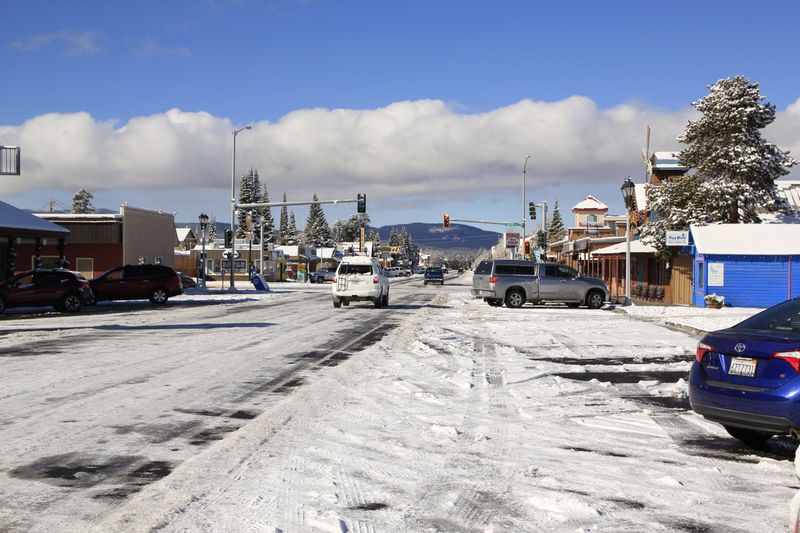
West Yellowstone feels like a gateway with its engine running. Snowmobiling and winter park tourism reshaped the town’s economy.
Everything points inward toward the boundary and back again.
Businesses now cater heavily to seasonal visitors rather than year round residents. Window displays speak to a few cold months, and staff chase the rush while it lasts.
The off-season quiet lands with a soft thud after the machines stop.
Housing shortages for workers remain a persistent issue. I heard about stacked rooms and rotating couches from people who keep the tours moving.
It is hard to build a year when the calendar is lopsided.
Snow hangs in the air here like a set stage. The light looks cinematic around dusk, and the streets carry that travel buzz.
Still, the best days are the considerate ones.
Show up ready for weather and patient lines. Tip your smile, give the plows space, and keep the noise down when the shifts change.
The town breathes easier when visitors read the room.
8. Libby
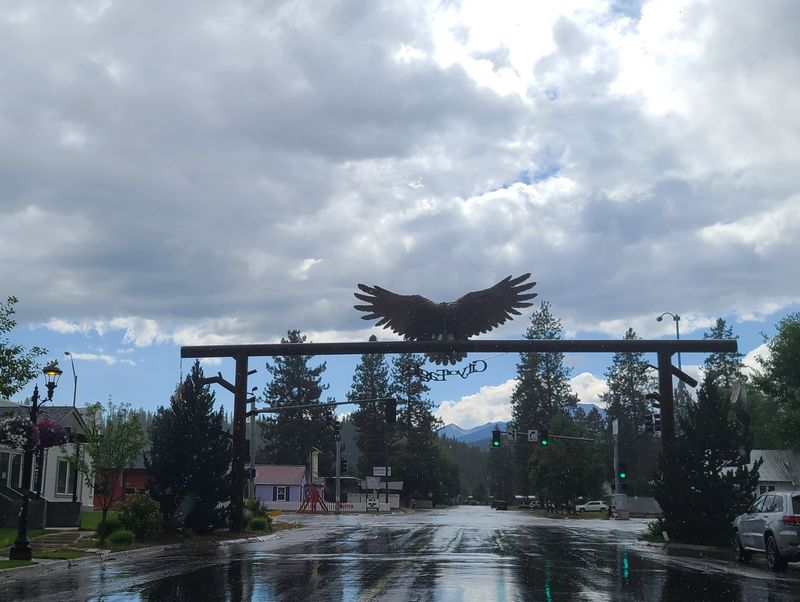
Libby sits quieter than the headliners, and that is part of the appeal.
Nearby backcountry skiing and winter recreation brought new attention. Word spread in small circles, then wider.
Tourism investment raised property interest without matching wage growth. You can feel the stretch in conversations about second shifts and side gigs.
The winter spikes land like heavy footsteps on a wooden floor.
Locals say services feel stretched during winter tourism spikes. The hardware store line grows, and the plow schedule gets second guessed.
The mountains around town hold a kind of steady beauty that does not brag. Skin a ridge and it answers with quiet.
That quiet is the currency worth protecting.
I parked by a blank river and watched the steam lift. It reminded me to keep my bootprints small.
Come curious, leave lighter, and let Libby stay Libby.
9. Troy
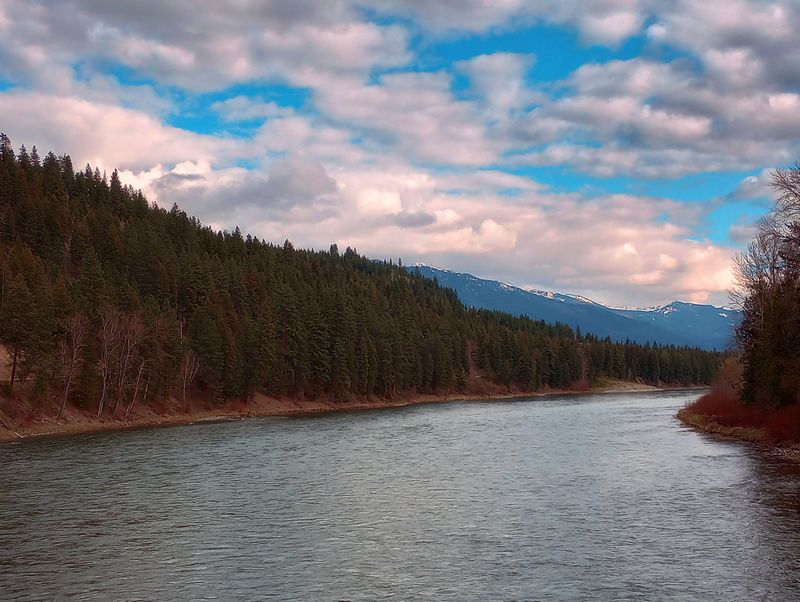
Troy is the kind of place you almost miss if you blink. It quietly entered the winter recreation scene through nearby terrain access.
The change shows up in little ways first.
Tourism remains small but noticeable, especially with remote buyers. A few new trucks, a couple more roof boxes, and a different rhythm at the gas pumps.
People are weighing what growth means before it arrives in capital letters.
Residents worry early changes mirror what happened in larger ski towns. I heard that concern between friendly waves and real curiosity about outsiders.
The line between welcome and caution is handwritten here.
Walk a side street and you hear your own steps more than anything else. The hills carry sound slowly, like a careful messenger.
I think that pace invites care in return.
My take is simple: show up ready to blend, not broadcast. If Troy stays small by choice, that is a win in my book.
10. Philipsburg
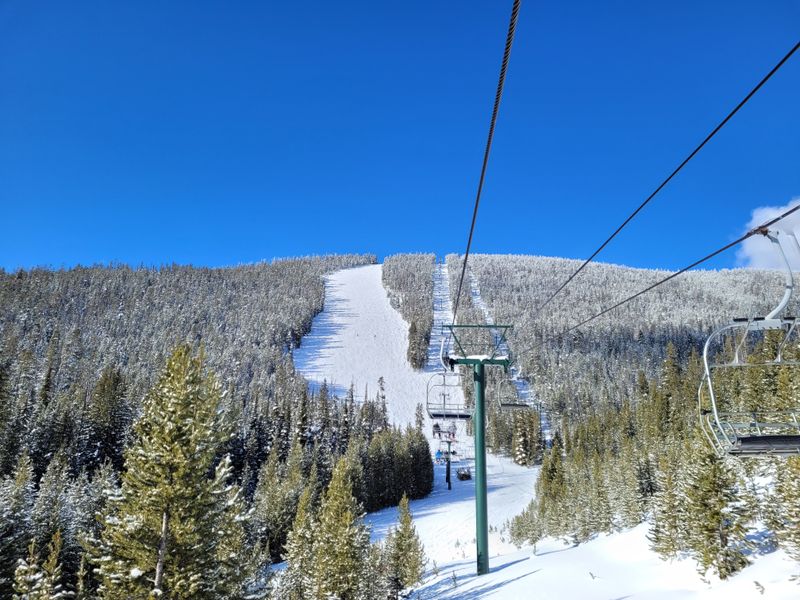
Philipsburg is lively in a way that makes you smile, then think twice.
Discovery Ski Area helped revive Philipsburg economically. The town tuned up its storefronts and now plays to a bigger room.
Tourism brought crowds, short term rentals, and a polished downtown feel.
It looks great in photos, which is part of the push and pull. Locals joke that weekends feel like a set change.
Some people feel the town now performs small town charm instead of living it. I get that, especially when every doorway seems staged for a selfie.
The warmth is real, but the volume knob moved.
Drive out toward the hills and the lights soften. Snow sticks to fence lines and the script quiets.
That balance still exists if you keep driving past the last hashtag.
I like Philipsburg best on a slow morning with fresh tracks of only birds. If you come to Montana, aim for that pace and let the day build naturally.
Charm works better when it is not choreographed.
11. Helena
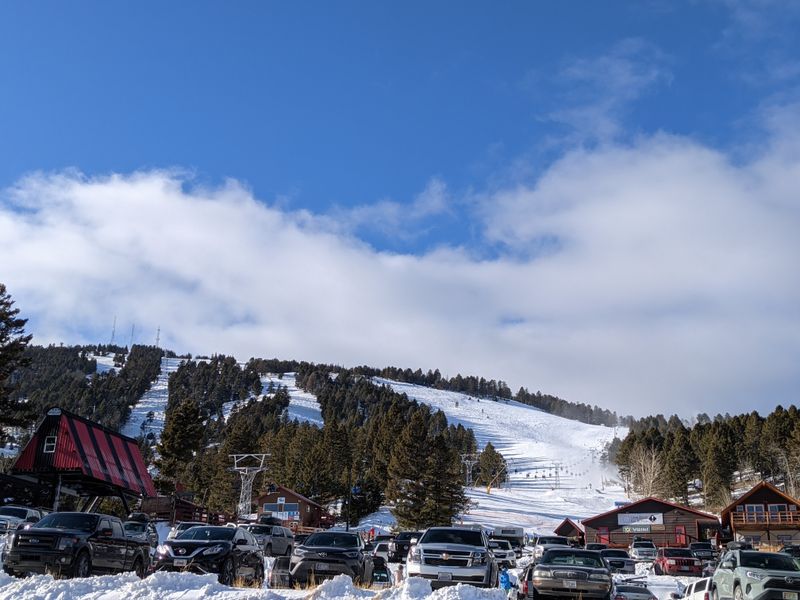
Helena wears winter with a steady face. Great Divide Ski Area drew steady winter tourism growth.
People stack errands with ski bags in the trunk and keep moving.
Outdoor recreation branding increased housing pressure and traffic. Commutes stretch, and neighborhoods trade quiet for a constant shuffle.
It is not dramatic, just persistent.
Locals say access is still good, but the town feels less relaxed than before. I felt that in small moments, like a long blinker and a short fuse.
The city bones hold, though, and that helps.
On clear days the ridge looks close enough to touch. You chase a few laps, then find the streets again with snow melting at the corners.
That rhythm makes sense, even if it is busier now.
I left this Montana town thinking about balance again. Growth is loud, but courtesy can be louder if we practice.
Small choices stack up like snowflakes, and suddenly there is a drift.
12. Livingston
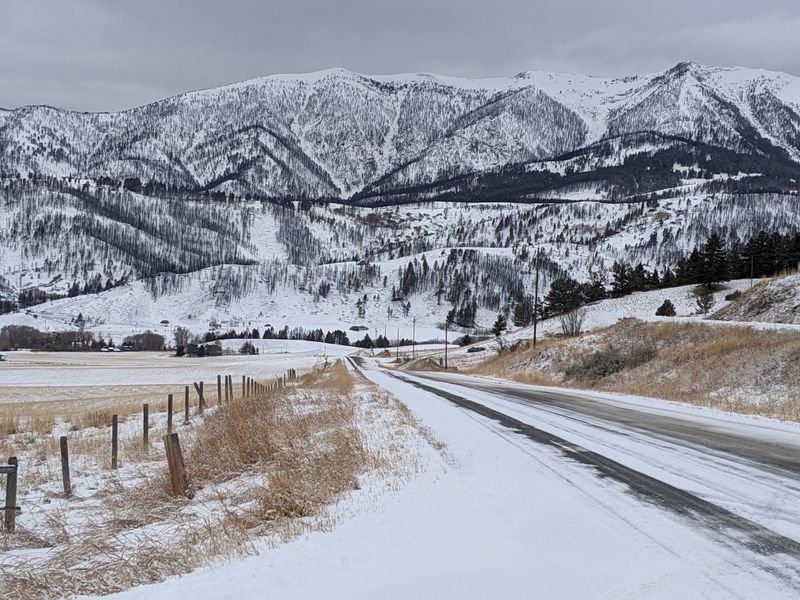
Livingston rides the wind and its own stories. It became a base town for skiers heading to Bridger and Yellowstone zones.
The trains still talk, and the mountains answer.
Tourism and second home ownership pushed prices beyond local wages. That math reshapes blocks and changes who shovels which porch.
The conversation shows up everywhere, from shop doors to trailheads.
Residents say the town still looks the same, but lives very differently. I noticed it in the pauses between jokes, and in quick glances at for sale signs.
The river knows, even if it keeps quiet.
There is grit here that does not perform. On a blue snap morning, people nod without fuss and keep moving.
That calm is the backbone worth guarding.
Dear Reader: This page may contain affiliate links which may earn a commission if you click through and make a purchase. Our independent journalism is not influenced by any advertiser or commercial initiative unless it is clearly marked as sponsored content. As travel products change, please be sure to reconfirm all details and stay up to date with current events to ensure a safe and successful trip.
