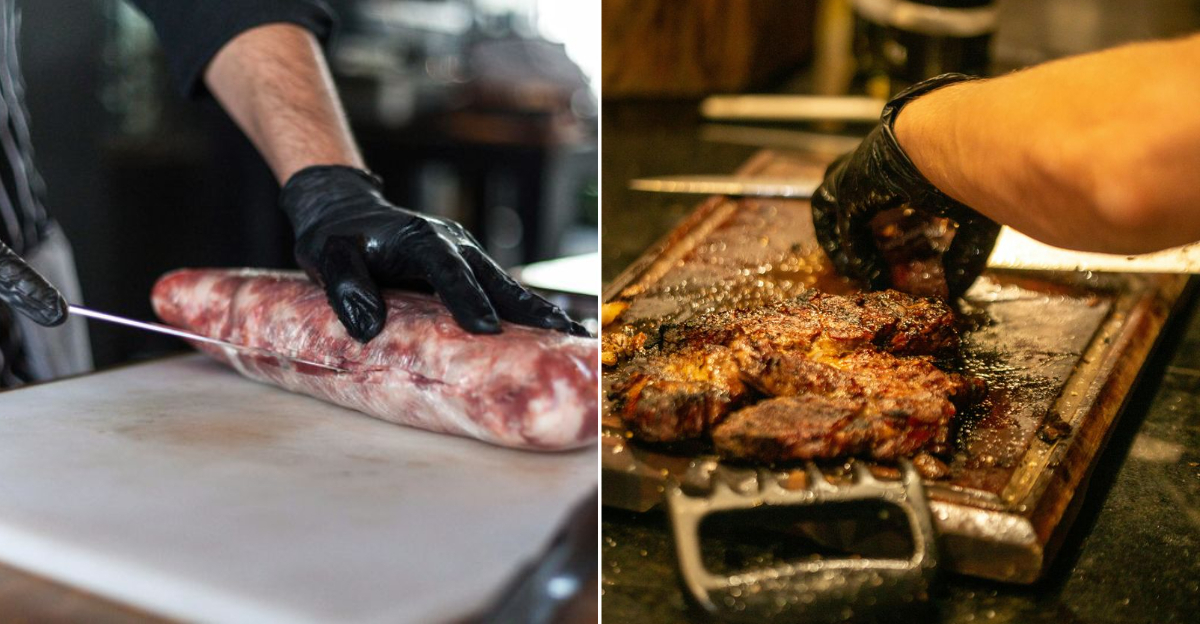
Have you ever thought about how supermarkets could actually change the way people travel for food? In California, that’s exactly what happened.
For years, meat shopping was something you did at a butcher or a specialty shop, but California supermarkets started shaking things up.
They turned meat shopping into more than just a routine stop, they made it part of the travel experience.
What stood out to me is how these stores mix convenience with variety. You’ll find everything from locally sourced cuts to international flavors, all under one roof.
Travelers who used to plan their food adventures around restaurants now find themselves exploring supermarket aisles, curious about what’s unique to California.
I think it’s about discovering something new, whether it’s a regional specialty or a creative take on classic favorites.
That shift has made supermarkets a surprising stop for visitors, changing the way people think about food shopping on the road.
So, why did California’s supermarkets end up redefining the meat travel scene? Let’s dig in.
1. Supermarkets Became Culinary Destinations
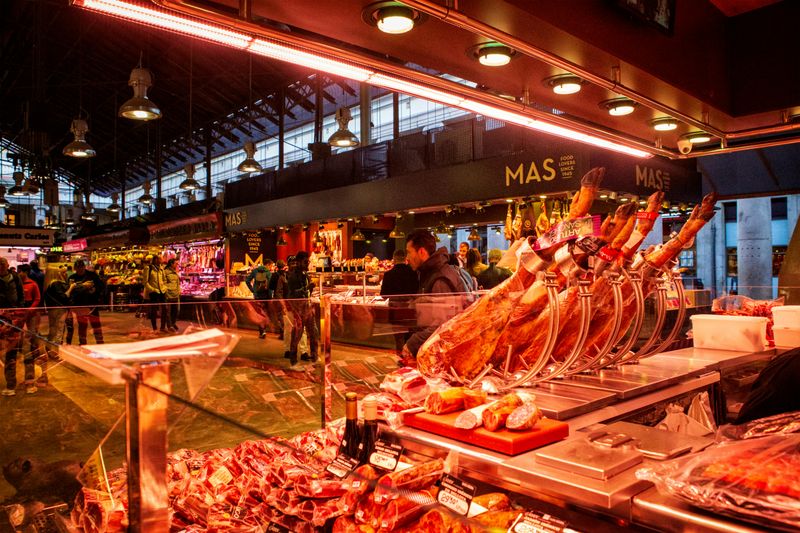
So, here is the twist you probably did not see coming. California grocery stores evolved beyond basic shopping stops, and they feel like little community hubs.
You wander in for paper towels and suddenly you are talking through a plan for dinner that feels like a tiny adventure.
Many are now places travelers intentionally visit, and I am not joking when I say I build a route around them.
The meat counter itself can justify the trip, because it sets the tone for what you cook later. You start imagining a meal while you are still rolling your cart forward.
In this state, you see bright signage about sourcing, and cheerful staff who actually want to guide you.
It feels casual, not salesy, and you leave with a clear idea of what will happen in your pan. I love that it turns shopping into part of the travel story.
On your road swing, make sure to keep a cooler in the trunk, just in case a butcher case winks at you. Supermarkets here make that a totally normal move.
It keeps the trip flexible and delicious without trying too hard.
And honestly, that is the real reason I stop so often. These stores embraced curiosity and gave it a home right by the ice bin.
You are not just buying dinner, you are picking a direction for the night.
2. Ethnic Butchers Expanded What Travelers Expect
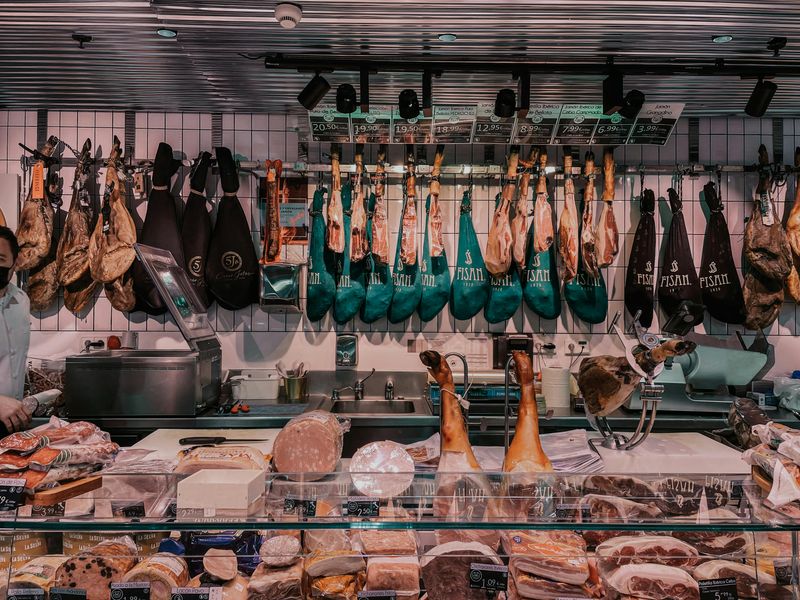
If you want to feel your world widen in a friendly way, start at a California ethnic butcher.
Mexican, Korean, Chinese, Armenian, and Middle Eastern markets reshaped meat selection by treating heritage like everyday normal.
Cuts, marinades, and preparations reflect real regional cooking, not novelty.
Walk the counter and you will see familiar names next to new ones that invite questions. Visitors experience global food culture without leaving the city, and that is the thrill.
You get to learn in small bites, with help from people who live this every day.
The staff will point out what cooks fast and what needs a low, patient heat. The conversation always feels grounded and kind.
Soon you are holding something you have never cooked before, and it feels oddly easy.
I love how these counters handle tradition with practical warmth. Nothing is precious, everything is useful, and you leave with a little confidence in the bag.
That confidence rides along for the rest of the trip.
What does that mean for travel planning? It means you can squeeze culture into a normal errand and still make the next stop on time.
3. Marinated Meats Made Cooking Accessible
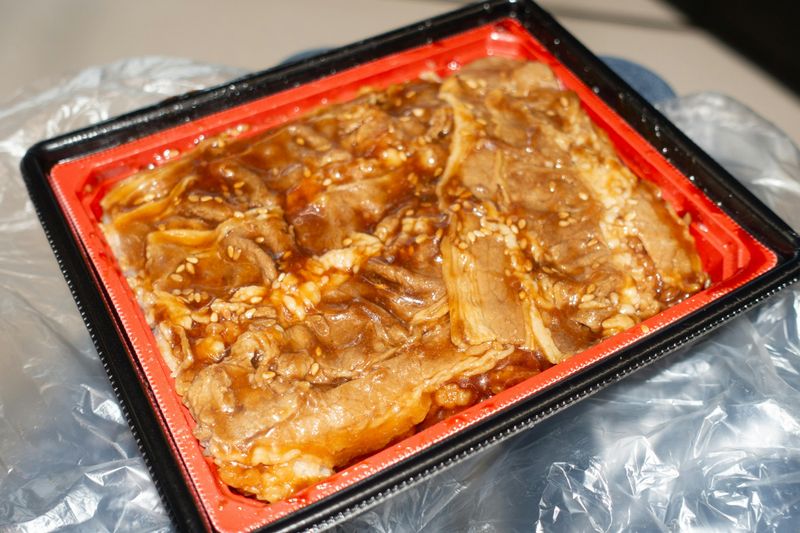
You know those moments when you are tired but still want a win? Ready to cook options in California supermarkets quietly rescue days like that.
Flavors are bold, regional, and tied to cultural traditions that carry the work for you.
These cases make it simple to cook memorable meals without specialized skills. You just follow a short set of directions and let heat do the rest.
It is like a friend whispering, you got this, right there under the fluorescent glow.
I tend to grab a couple of small packs and treat them like postcards. Each one becomes a quick memory from a different corner of the state.
You cook, you taste, you say yeah, that was worth the detour.
I think it also takes the pressure off road timing. You can roll into a rental or a campsite and know dinner is basically sorted.
That frees up brain space for the next morning plan.
And yes, the lineup changes often, which keeps it playful. The counter always has something new without feeling like a stunt.
It is regular cooking made a little brighter, and that is the sweet spot.
4. Transparency Changed Buying Habits
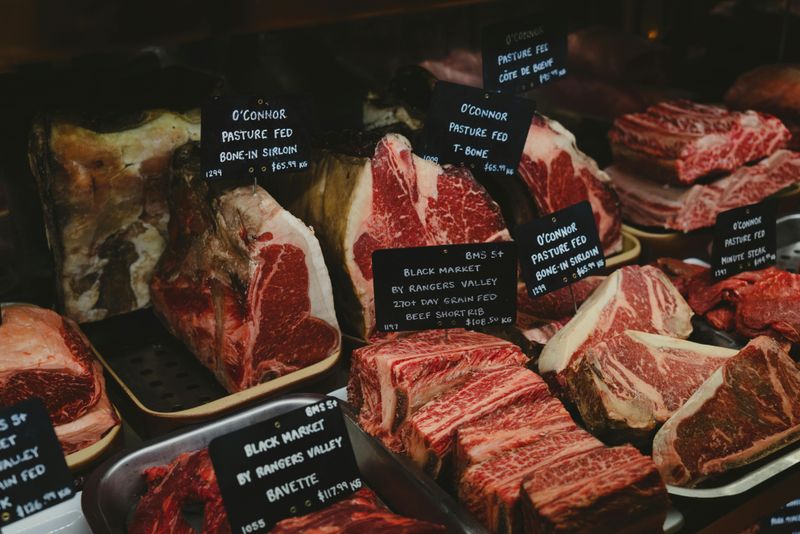
Here is what builds trust fast: labels often include sourcing, feeding practices, and handling details that make the choice feel grounded.
Shoppers know more about what they are buying, and that changes the mood at the counter.
I like how the staff backs the labels with simple explanations. No lecture, just clarity that tells you why a cut behaves a certain way.
This built curiosity around meat choices without pressure.
That openness pairs well with a wandering road plan. You can pop in anywhere, read a few lines, and feel oriented within minutes.
I feel like it turns a quick stop into a confident decision.
When a store is transparent, it makes cooking at a rental feel relaxed. You are not guessing in the dark, you are following a trail of helpful notes.
The result is less stress and better evenings.
And over time, the habit sticks. You start expecting these details and reward the places that provide them.
California made that expectation feel normal, and I am here for it.
5. Local Ranching Entered The Grocery Aisle
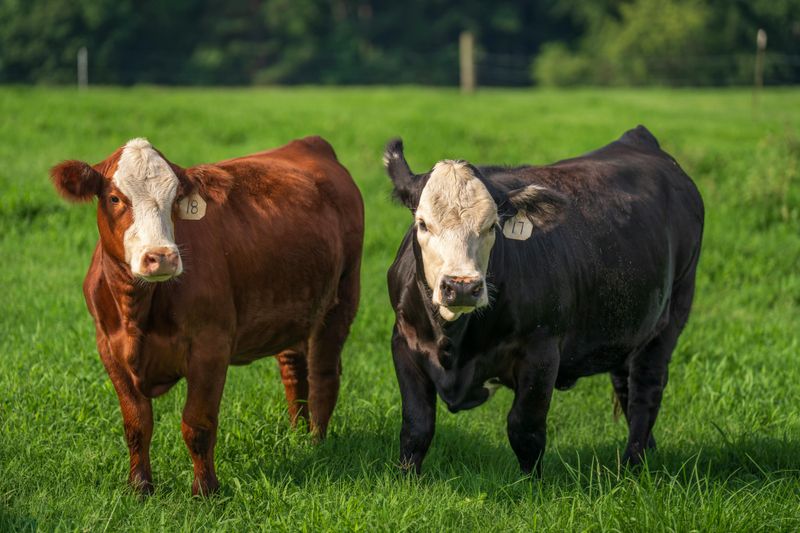
This part makes me smile every time. Many stores highlight California raised beef, pork, and lamb like a proud shout out.
Shorter supply chains improved freshness and flavor, and you can taste that in a simple pan sear.
Seeing local agriculture represented clearly turns shopping into a small handshake with the state. You feel the geography in the cooler.
It is a low-key way to support the place you are visiting.
I notice how these displays sit right by the counter where questions happen. It keeps the conversation grounded in real farms and real handling.
The whole setup feels honest and immediate, which I love.
On a long drive, that immediacy matters. You want quality without a puzzle, and this makes it happen fast.
Grab a cut, nod to the sign, and roll on with dinner figured out.
It also makes souvenirs edible, which is my favorite kind. You remember the ranch name, you remember the highway, and you remember the quiet, steady flavor.
That is travel you can taste later.
6. Butcher Counters Became Educational Spaces
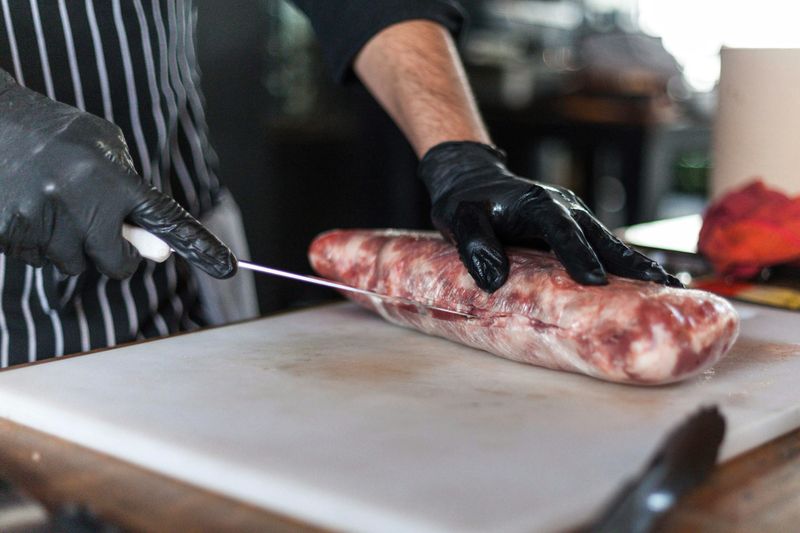
Ever wish a store felt like a class without the homework? Staff regularly explain cuts, cooking methods, and substitutions in plain language.
Shoppers are encouraged to ask questions, and it never feels awkward.
That chat turns buying meat into part of the travel experience. You pick up a technique you can use in any kitchen.
It sticks because you heard it while pointing at the cut itself.
I like when they sketch out timing with a pen on the label. Nothing fancy, just a small note that guides your evening.
Those notes save a lot of second guessing later.
With that kind of help, experimentation feels friendly. You try new textures and learn why they behave a certain way.
You go from curious to confident in the span of a checkout line.
California stores made this kind of guidance normal. It shows respect for home cooks and travelers with wobbly schedules.
The counter becomes a compass, and that is pretty great.
7. Uncommon Cuts Gained Mainstream Exposure
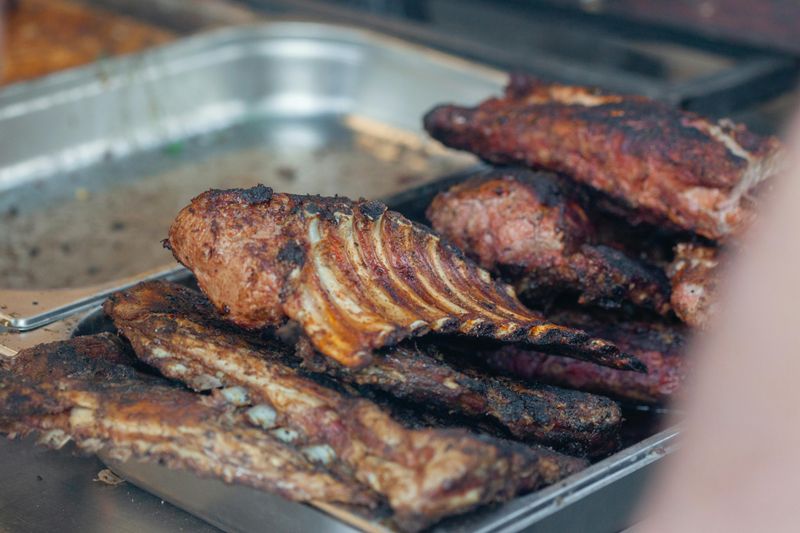
Okay, this is where curiosity really wakes up. Oxtail, tripe, short ribs, and off cuts became easier to find without hunting specialty shops.
These items reflect cultural cooking, not trends, and that matters for taste and story.
In this state, a walk past the case becomes a mini field trip. You see new pathways for soups, braises, and grills that do not demand a culinary degree.
The staff give you one or two pointers and wave you off smiling.
The presence of these cuts reshapes how travelers think about dinner. You are not stuck with the same rotation, and that feels liberating.
Suddenly a rental kitchen becomes a small studio for trying something gentle and slow.
I like how normal it feels to put something new in the basket. No big speech, no pressure, just small encouragement.
It makes a quiet evening turn into a memory.
That shift is the heart of the meat travel scene. Familiar meets unfamiliar in a neat, clean case with good light.
You walk out feeling like you learned a tiny, tasty secret.
8. Prepared Foods Bridged Restaurant And Home Cooking
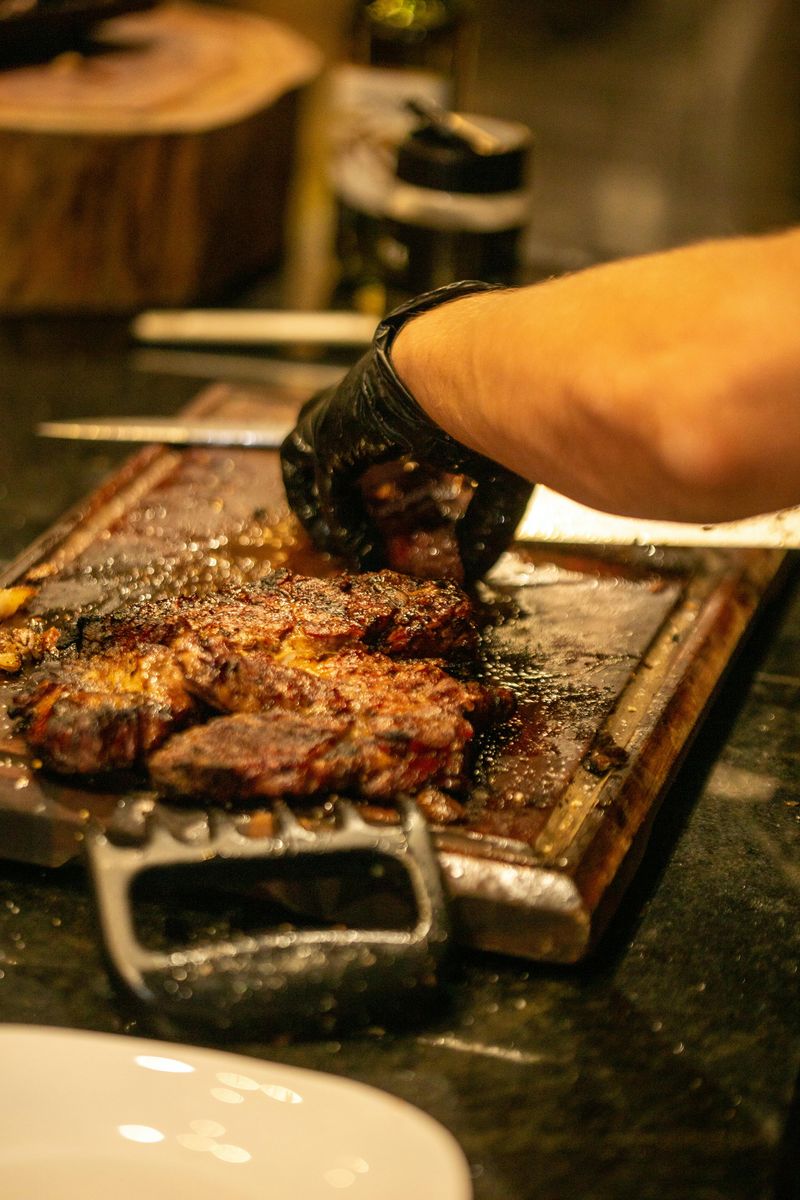
Sometimes you want the restaurant vibe without the whole outing. In house kitchens produce sausages, roasts, and slow cooked meats that slide into your plan.
Quality often rivals casual restaurants, and you can bring it back to wherever you are staying.
Visitors can taste local flavors without dining out, which is helpful on a road day. You can sit, breathe, and still feel like you treated yourself.
It turns a parking lot stop into a little pause that resets the afternoon.
I often pair something ready with a simple side and call it done. No drama, just comfort that travels well.
The staff packages everything with clarity and care.
Stores here take this bridge seriously, and it shows in the consistency. Counters sparkle, labels read clean, and the plan comes together fast.
You get the feeling that someone thought about your next hour.
That feeling might be the secret glue of these trips. Small wins stack up and keep the mood easy.
Prepared foods make sure at least one part of dinner is calm.
9. Price Range Opened The Door For Experimentation
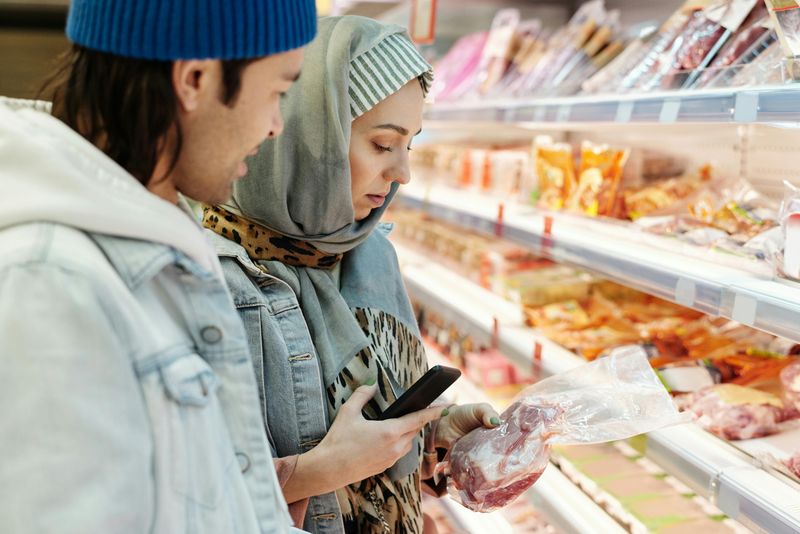
Here is the wallet friendly angle that keeps curiosity alive. Shoppers find premium cuts and budget friendly options side by side, which lowers the stakes.
Travelers feel comfortable trying something new because the buy in is flexible.
I like scanning a case that treats everything with equal respect. You can pick a small piece to test a method, or go bigger if the plan calls for it.
That choice is what makes exploration stick.
This setup encourages a playful mindset. You can pivot based on the day, the kitchen tools, or the energy you have left.
It is an easy way to keep dinner interesting without stress.
California stores seem to understand that variety equals access. The range invites more people into the conversation, and the conversation is where learning happens.
I think it feels generous without being flashy.
And when a store makes room for every appetite, the trip gets smoother. No one has to compromise, because the case holds a path for each person.
That kind of flexibility keeps spirits high in the car.
10. Food Laws Shaped Cleaner, Safer Counters
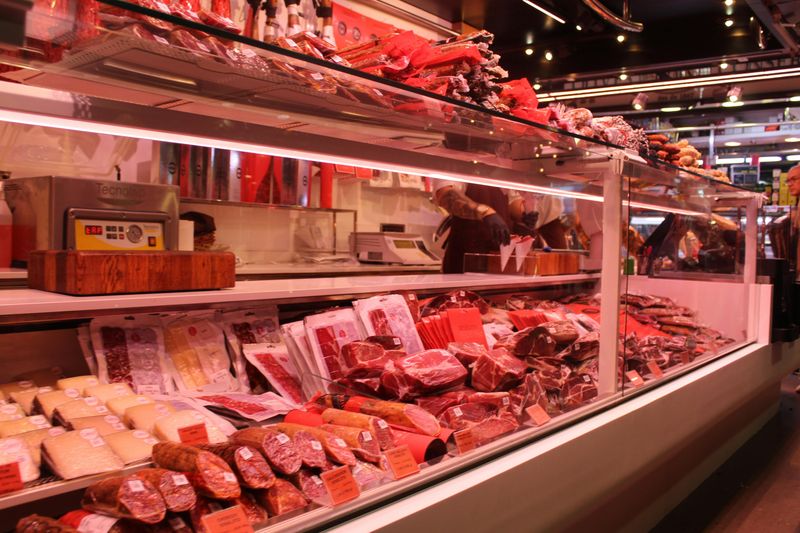
You can feel the structure the moment you lean on the glass. Regulations in this state emphasize food safety and labeling, and the results are easy to see.
Standards influenced how meat is displayed and handled, and it shows in the calm, clean layout.
Visitors notice consistency and cleanliness that take the worry out of a road meal. You are free to focus on the plan instead of the risk.
It is one less thing to juggle on a long day.
I appreciate how signs put key info in plain view. Nothing dramatic, just the basics you actually need.
The clarity helps you make quick, good choices.
That backbone also makes the staff more confident. When rules are clear, advice gets direct and helpful.
You can ask a quick question and get a steady answer.
Over time, this becomes part of why people trust these counters. Safety and transparency feel built in rather than extra.
It is a quiet strength that keeps travelers coming back.
11. Farmers Markets Fed Grocery Innovation
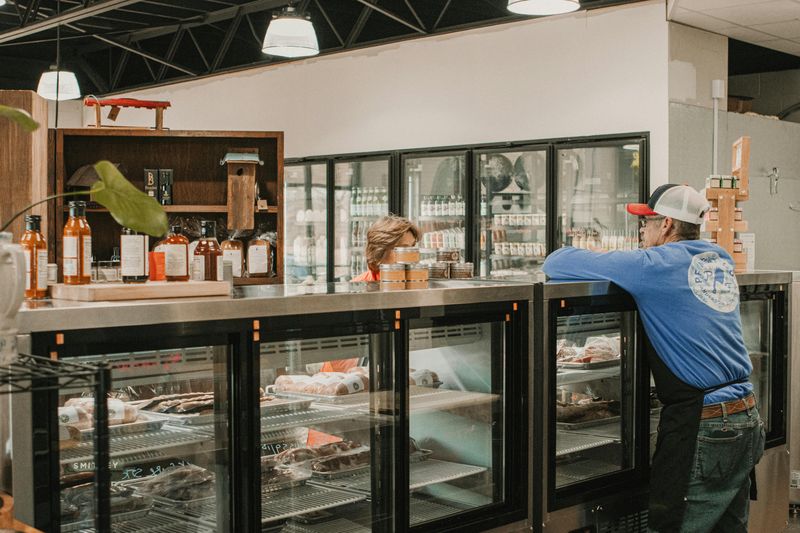
Spend a morning at a California farmers market and the connection snaps into focus. Farmers markets set expectations for freshness and variety, and supermarkets adapted to compete.
The result is higher quality meat in everyday stores, framed with farm names and clear notes.
That cross pollination raised the bar for presentation and selection. You see tidy cases, smart labels, and a sense of season even indoors.
It keeps shopping lively and tuned to the place you are visiting.
I like how the vibe encourages small questions, like “where did this come from, what should I do with it, when will it shine?”
Simple answers make you feel like part of the loop.
For a traveler, that loop is gold. You get the market spirit without scheduling your day around a special stop.
The store becomes a reliable stand in with steady hours.
The state leads here because the audience expects it. That expectation trickles into chain stores and neighborhood spots alike.
You feel it the second you touch the cart handle.
12. Meat Shopping Became A Travel Ritual
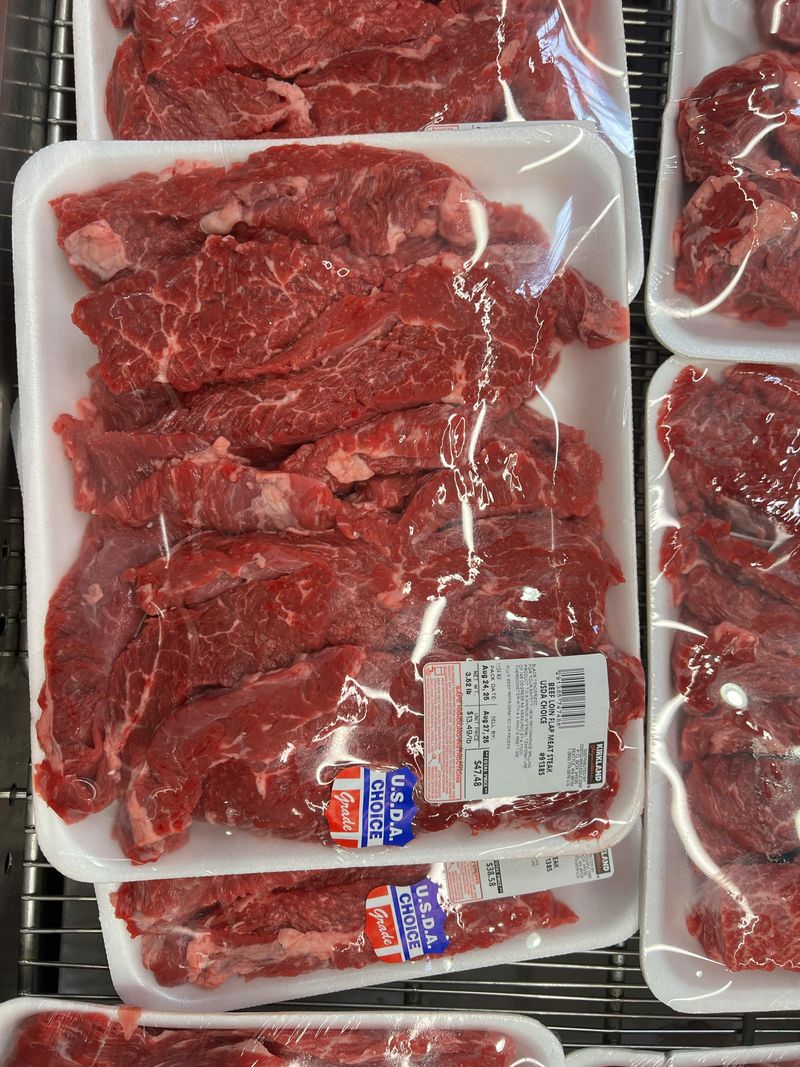
Somewhere along Highway miles, this became a thing I plan around. Visitors now weave grocery stops into their trips with no apology.
Coolers come out, recipes get shared, and souvenirs become edible and easy to pack.
California supermarkets quietly changed how food focused travel works. You plan a quick stop and come out with a storyline for the evening.
The ritual keeps morale high and the schedule flexible.
I love how calm it makes the whole day feel. There is comfort in knowing dinner is handled without a reservation.
That calm travels with you to the next viewpoint.
It also turns cooking into a shared mood. Someone chops, someone stirs, someone cues up music, and the room falls into rhythm.
The meat counter made that possible earlier in the day.
By the time you head home, the cooler tells a map of the state. Labels become markers, and your taste memory fills in the rest.
That is a ritual worth keeping, one road at a time, trust me.
