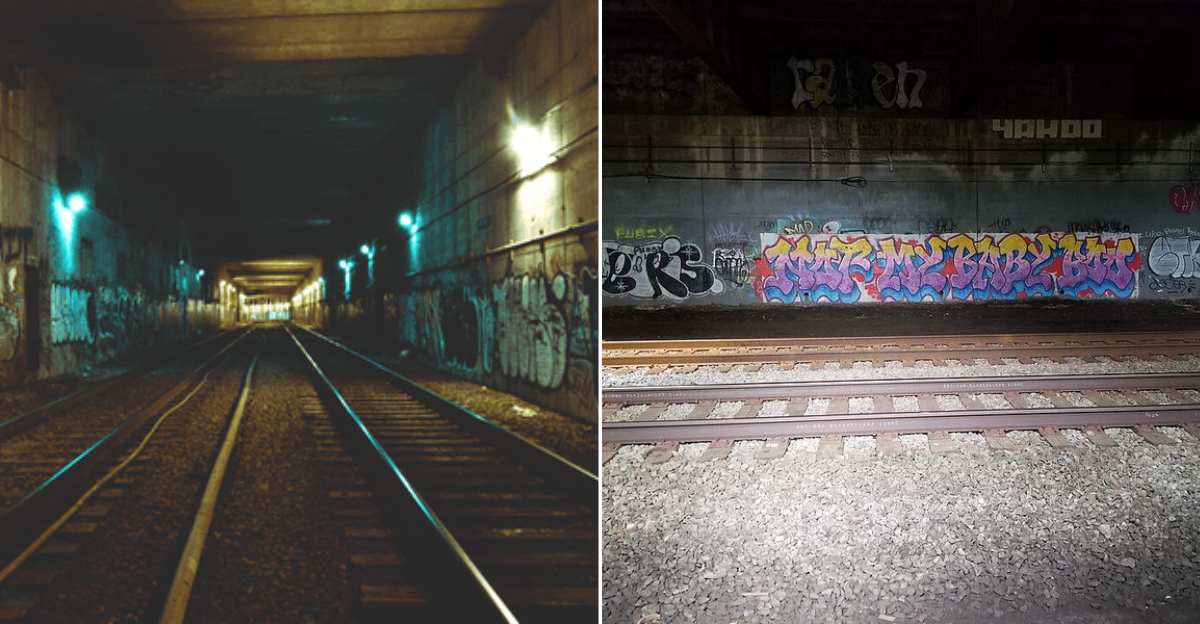
You know that tunnel under Riverside Park that people whisper about but never actually visit on purpose?
I’m talking about the Freedom Tunnel, the long rail passage running beneath the Upper West Side that locals side eye and steer clear of.
It shows up in photo books and random map pins, but the vibe on the ground is very different.
If you are road tripping through New York, this is one of those spots you observe from daylight and distance, not from inside the dark.
A Tunnel Hidden Beneath A Busy Park
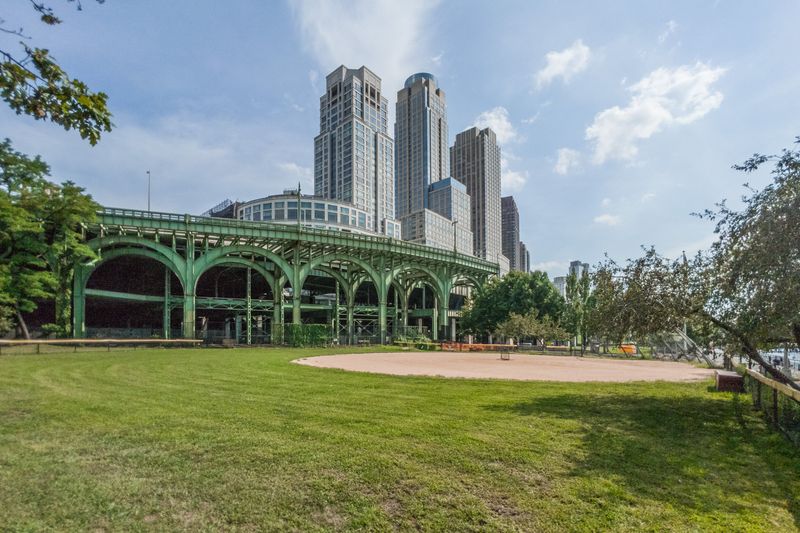
You would not spot it at first because Riverside Park is all sunshine, joggers, and dogs chasing tennis balls.
The surprise sits below at the Freedom Tunnel, threading under Riverside Park between West 72nd Street and West 125th Street.
You can walk the upper paths and never guess what stretches in the ground beneath you.
Stand on Riverside Drive and glance toward the Hudson River and the noise shifts.
Above ground you have strollers and bikes.
Below ground it is echoes and long concrete sighs.
If you want a simple landmark, think of the area near Riverside Park at West 96th Street, New York.
That is a clean way to orient yourself without hunting for anything risky.
Locals keep the day moving up here and leave the tunnel alone.
The entrances you see online are not an invitation.
They are warnings written in photos that look artsy until you imagine the silence inside.
People who grew up in New York learned this the usual way through stories from older neighbors.
The rule is straightforward. Enjoy Riverside Park, and let the tunnel stay a shadow beneath your steps.
How The Freedom Tunnel Was Originally Used
So here is the backstory people mention in bits while walking the park.
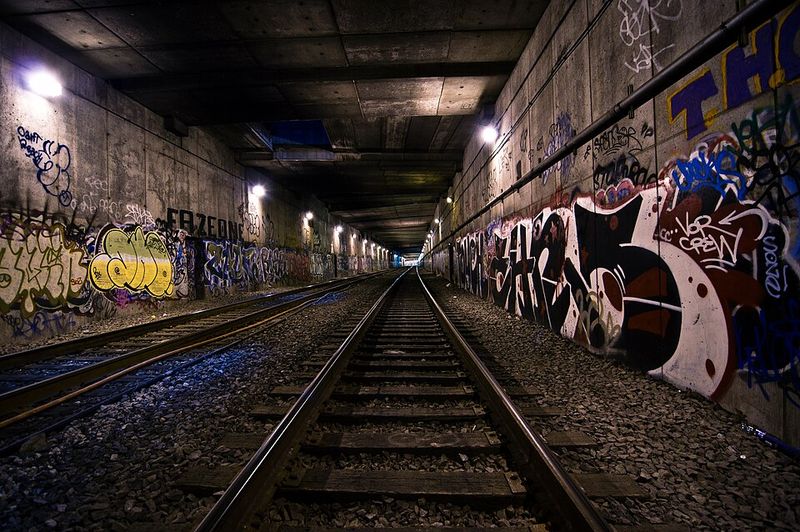
The Freedom Tunnel sat along the old rail line that hugged the Hudson and ducked under Riverside Park.
It moved freight beneath neighborhood streets instead of rumbling on the surface.
Picture long strings of cars whispering through the dark and sliding out near the river.
That setup kept noise away from apartment windows.
It also turned the ground into a corridor that outlived its purpose.
If you are tracing it on a map, follow Riverside Drive from around West 72nd Street to West 125th Street.
That span gives you the scale without needing to hunt for anything hidden.
New York state built layers like this to keep the city flowing.
The railroad years left hard edges, access points, and maintenance nooks.
When the trains slowed and then stopped, those spaces did not simply vanish.
They lingered, empty and echoing.
People still ask how freight once slid under a park.
The answer is simple engineering and a lot of concrete.
The results are still there under your feet.
When The Trains Stopped Running
There is always a moment when a system goes quiet and you can feel the shift.
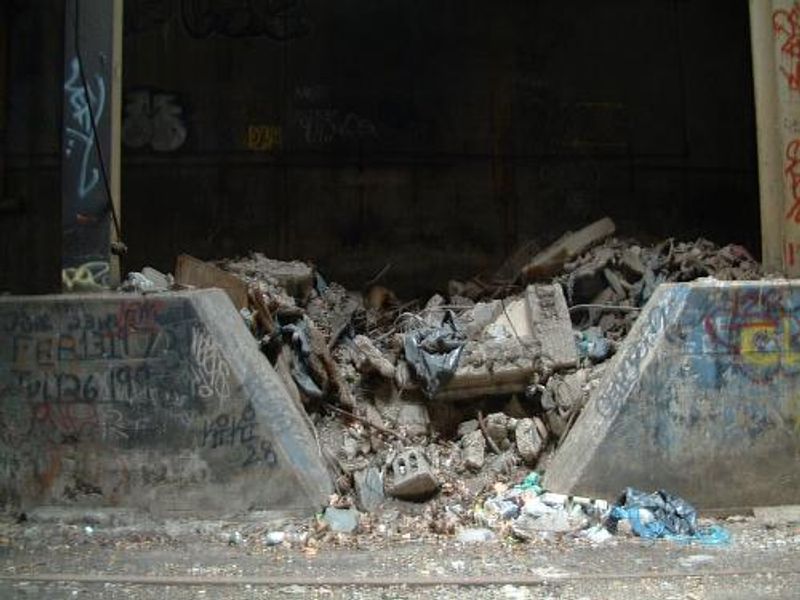
The rail service under Riverside Park slowed down and then settled into silence.
That silence changed the space more than any graffiti or camera could.
Once trains stop, maintenance patterns change and so does who shows up.
Empty places invite different kinds of use.
The tunnel moved from infrastructure to afterthought.
If you walk near Riverside Park South at West 72nd you would never know a timeline like that sits below.
Life above learned new rhythms while the space underneath went dark.
That is how New York keeps moving without pausing for ceremony.
Neighbors heard stories in pieces from workers, cyclists, and friends who knew the rail years.
Then the talk shifted toward caution.
Stay above the grade and keep the day easy.
Everything that came after begins with that quiet.
It is the hinge that turned a utility corridor into a different kind of place.
That is why people still speak about it carefully.
The Underground World That Formed Inside
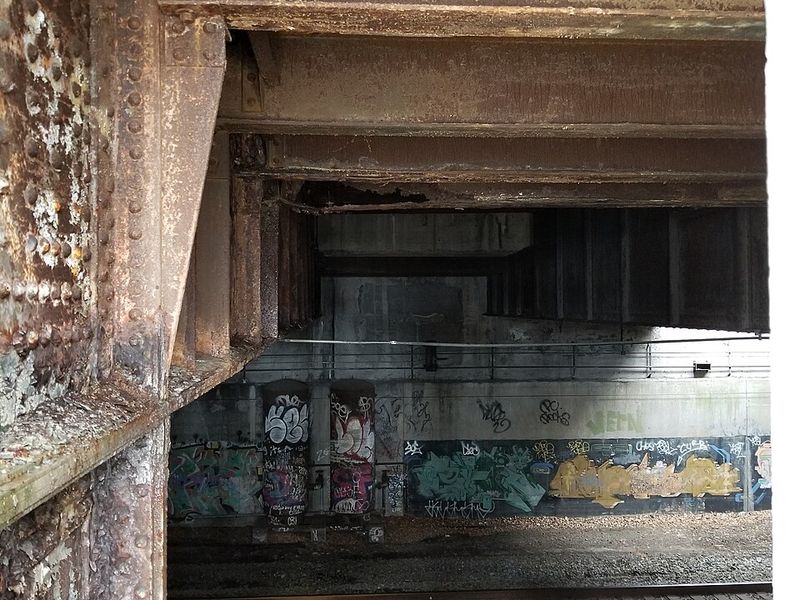
Once the trains faded, the space did what cities always do.
It adjusted and pulled in people who needed somewhere out of view.
The Freedom Tunnel under Riverside Park became a world inside the world.
Photographers wandered in with long exposures and tripods.
Writers came later and tried to label it.
Locals just kept walking above and told each other to be careful.
The walls filled with art and messages that changed with the seasons.
The corridors built their own set of routes that only made sense inside.
You learned the layout by being there, which is exactly why most people were not.
If you stand by Riverside Drive near West 108th Street, New York the park sounds ordinary.
Birds, dogs, bikes, and the River breeze do their thing.
The tunnel soundtrack below is something else entirely.
New York state carries so many stories, and this one is tender to some who lived there.
That is another reason people speak quietly and avoid turning it into casual tourism.
Respect starts with staying out.
Why Locals Learned To Stay Away
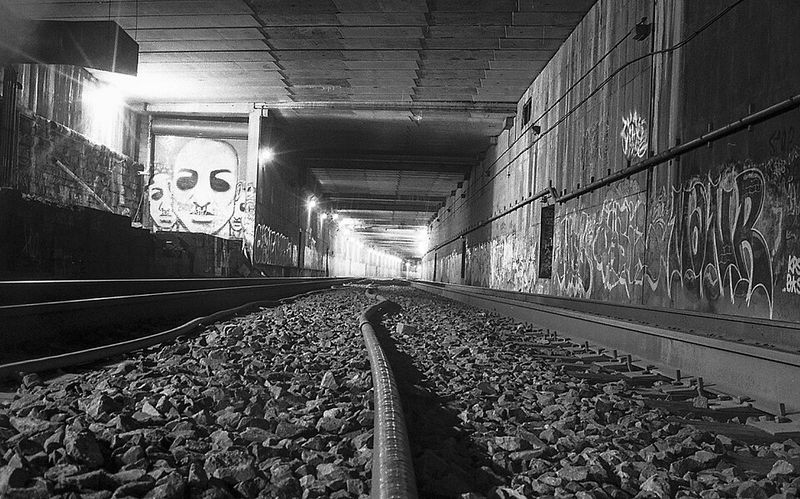
The logic is not dramatic. It is practical.
Dark, isolated, and hard to exit means you do not go in.
Ask someone who grew up near Riverside Park, and you will hear the same advice.
Look from above and keep moving.
The risks are not complicated but they do add up.
There are long stretches with poor sight lines.
Surfaces shift from ballast to broken concrete without warning.
Cell signals can be stubborn in spots where the ceiling thickens.
The map might tempt you because the line is so clean along Riverside Drive to West 125th Street.
Real life is messier inside.
Locals figured that out early and kept that knowledge in circulation.
If the goal is a calm day in New York state, the park paths are enough.
Benches, river views, and safe lighting do the job.
The tunnel does not add to that day.
Darkness That Lasts Longer Than Expected
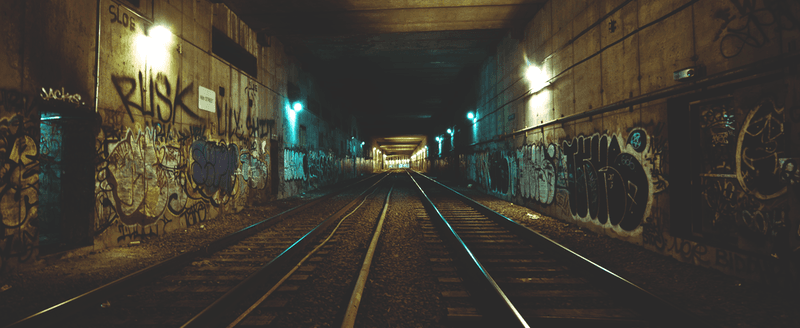
The thing that surprises people is how the dark keeps going.
You step a little and the brightness behind you thins faster than you expect.
Your eyes do not really catch up.
Inside the Freedom Tunnel under Riverside Park, light behaves like a shy visitor.
It peeks in and then backs away.
Corners stay corners no matter how long you stare.
Above ground, street lamps stitch together a soft path along Riverside Drive near West 96th Street.
Down below, the ceiling eats that glow.
You are left reading walls by guesswork.
Cameras make it look manageable because sensors cheat like that.
In person the contrast feels heavier.
That weight changes your judgment faster than you plan.
New York state parks are built for people.
This space was built for trains.
That is the whole story in one thought.
Graffiti That Turned Walls Into Landmarks
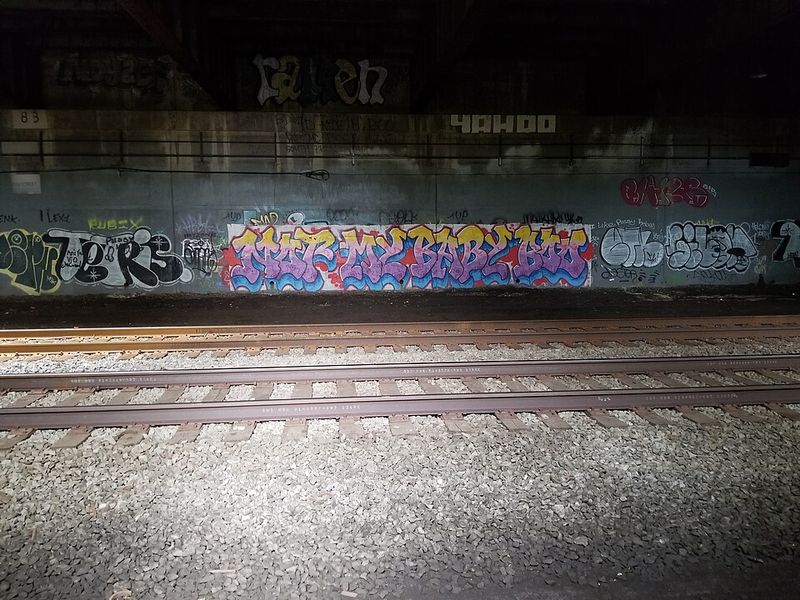
You have probably seen the photos of huge pieces layered like a moving mural.
The walls in the Freedom Tunnel became a running conversation.
It is art, history, and navigation all at once.
From Riverside Park, the world seems simple.
Inside the tunnel, every span looks like a chapter.
You track your progress by color more than distance.
Some murals gained reputations and drew more cameras.
Then they changed again because paint never stops in a place like this.
The cycle looks beautiful online and complicated in person.
It is easy to mistake the art as a welcome sign.
Locals will tell you it is not.
It is a memory wall that belongs to people who spent real time there.
If you love street art in New York state, there are plenty of legal walls and open spaces.
The park paths above give you safe, bright routes to appreciate the city.
Leave the tunnel to its own timeline.
The Risks That Never Went Away
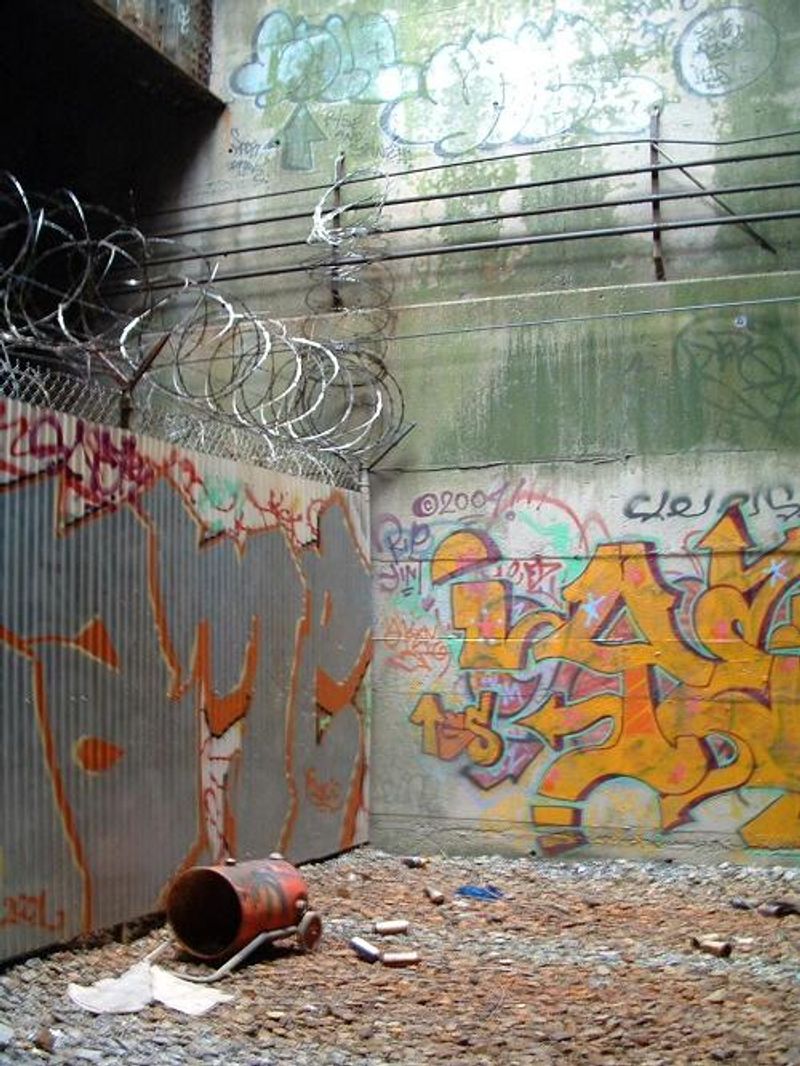
The hazards seem small on paper and large in real life.
Uneven ground sounds fine until your ankle twists.
Low light seems moody until you miss a step.
There are also long distances between exits.
If something feels wrong, turning around is your main plan.
That plan takes time when your reference points are spray paint and shadows.
Riverside Park above, gives you cross streets and light every few strides.
The tunnel gives you echoes. Those echoes do not help you decide anything.
Maps do not capture damp patches, loose stone, or sudden grade changes.
They also do not capture how quiet can make you second guess everything.
That is what locals remember most.
New York state has plenty of safe walks and views.
This spot is not built for that. The risk never got friendly.
Why Access Is Restricted Today
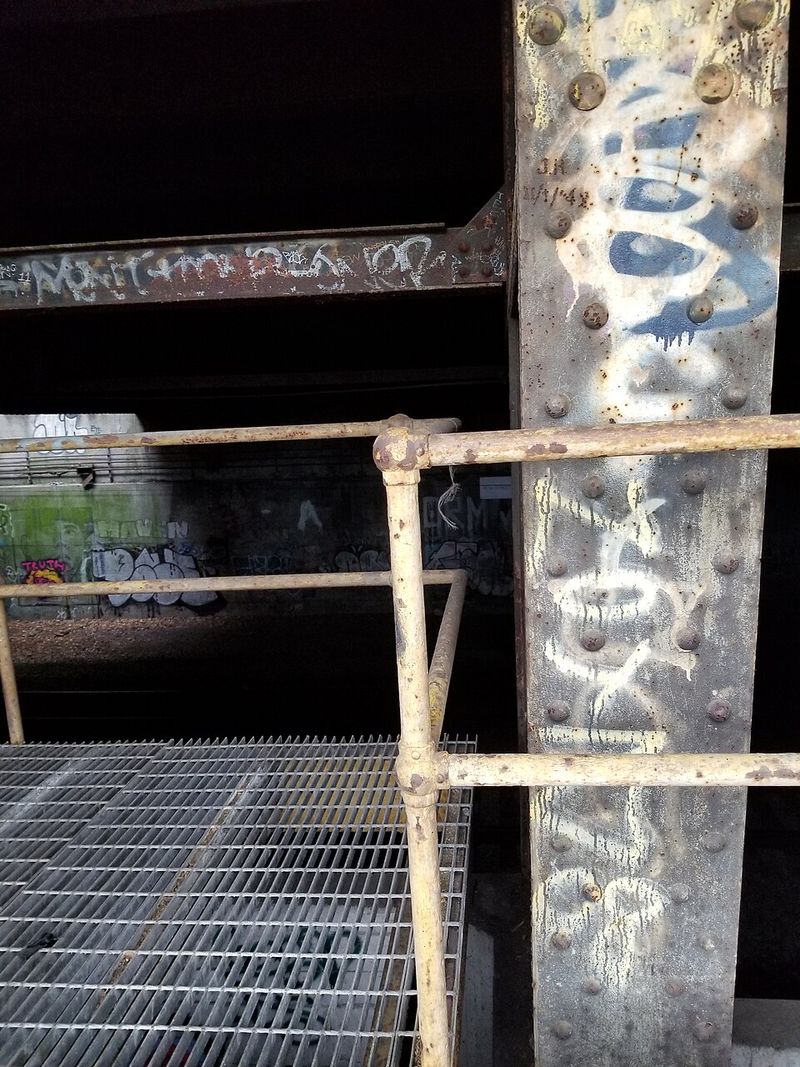
The short version is safety and stewardship.
When a place is not meant for visitors, the rules eventually catch up.
That is where the Freedom Tunnel sits now.
You will see more gates and clearer messaging near Riverside Park along Riverside Drive.
The goal is to keep people on the paths and away from interior spaces. It is not about mystery.
Enforcement tightened as attention grew online.
More photos brought more attempts.
The pattern became predictable and a little exhausting for everyone nearby.
So the current advice is the same as the old advice.
Stay on the park side of the railing and enjoy the day. Let the tunnel keep its quiet.
New York state agencies and city crews balance history with safety. They have to.
That is why the rules feel firm.
Why New Yorkers Still Warn Each Other
The warnings continue because the conditions have not changed in the ways that matter.
It is still dark, still isolated, and still built for trains not people. That is enough.
Even with gates and attention, the idea of exploring pops up now and then.
Curiosity is strong. Experience is stronger.
Walk the length of Riverside Park from West 72nd Street to West 125th Street, and you will feel the city breathing around you.
It is lively, clear, and open.
The tunnel is none of those things.
So the advice stays consistent and friendly.
Look from daylight and distance.
Keep your time for the bright parts of the day.
New York state is full of places that welcome you. This one does not.
That is why New Yorkers still nudge each other away from it.
Dear Reader: This page may contain affiliate links which may earn a commission if you click through and make a purchase. Our independent journalism is not influenced by any advertiser or commercial initiative unless it is clearly marked as sponsored content. As travel products change, please be sure to reconfirm all details and stay up to date with current events to ensure a safe and successful trip.
