Oklahoma sits in the heart of Tornado Alley, where dark clouds and rotating funnel storms arrive as predictably as spring rains. For people who grow up in this part of the country, tornadoes are not just weather events but woven into the fabric of daily life.
Residents learn to read the sky like a second language, spotting wall clouds and shelf formations with the ease most folks reserve for checking their phones. While outsiders might panic at the first siren, Oklahomans treat these storms with a blend of respect, preparation, and calm familiarity that can seem almost casual.
That confidence is not recklessness but rooted in generations of knowledge passed down through families, schools, and communities. Children practice tornado drills before they can read chapter books, and adults swap storm stories over coffee like fishermen trade tales of the one that got away.
Meteorologists in Oklahoma enjoy near celebrity status, their voices guiding decisions about whether to take shelter or simply keep an eye on the radar. This culture of readiness, mixed with an understanding that nature cannot be controlled, shapes how Oklahomans respond when the skies turn green and the wind shifts direction.
Growing Up With Storm Drills and Shelter Plans
Children across Oklahoma learn about tornadoes before they master multiplication tables. Schools conduct regular drills where students file quietly into interior hallways, crouch low, and cover their heads with their hands.
Teachers explain why bathrooms and closets offer the best protection, pointing out load bearing walls and the absence of windows. These exercises feel as routine as fire drills, embedding safety protocols deep into young minds so that when real sirens sound, the response becomes automatic rather than frantic.
Families discuss their own shelter plans around the dinner table, deciding whether the basement, an interior bathroom, or a neighbor’s storm cellar will serve as their safe spot. Parents quiz kids on what to grab in those crucial seconds, a flashlight, a weather radio, maybe a favorite stuffed animal for comfort.
This early education builds a foundation of preparedness that lasts a lifetime, transforming what could be paralyzing fear into calm, methodical action.
By the time Oklahomans reach adulthood, they have internalized these lessons so thoroughly that seeking shelter feels like second nature. The drills are not about creating panic but about normalizing the process, turning emergency response into muscle memory.
This cultural emphasis on education and repetition ensures that even young children understand the seriousness of tornadoes without being consumed by terror, striking a balance between caution and composure that defines the Oklahoma approach to severe weather.
Reading the Sky Like a Weather Map
Oklahomans possess an almost instinctive ability to interpret cloud formations and atmospheric shifts that would leave outsiders baffled. A greenish tint to the sky, a sudden drop in temperature, or an eerie stillness in the air triggers immediate recognition among locals who have spent years watching storms roll across the plains.
They scan the horizon for rotating wall clouds, mammatus formations, or the telltale lowering of a funnel, reading these signs with the fluency of someone deciphering a familiar text.
This skill is not taught in formal classrooms but passed down through observation and experience. Grandparents point out approaching storm systems to grandchildren, explaining how the anvil shape of a cumulonimbus cloud signals severe weather potential.
Neighbors step outside together when the air feels heavy, discussing wind direction and whether that dark band on the radar might produce rotation. Over time, these informal lessons accumulate into a deep understanding of meteorological patterns specific to the region.
The ability to read the sky provides Oklahomans with an extra layer of awareness that complements official warnings. While they trust meteorologists and radar technology, they also trust their own senses, knowing that conditions can change rapidly and that personal observation offers valuable real time information.
This dual approach, combining scientific data with ancestral knowledge, allows residents to make informed decisions about when to take cover and when to simply keep a watchful eye on the clouds gathering overhead.
The Celebrity Status of Local Meteorologists
In Oklahoma, weather forecasters enjoy a level of fame and trust usually reserved for star athletes or beloved teachers. Names like Gary England and Mike Morgan have become household fixtures, their voices providing reassurance during the most frightening moments of severe weather season.
Residents tune in not just for information but for the steady presence of meteorologists who have guided them through countless storms, their credibility earned through years of accurate forecasting and genuine concern for public safety.
These forecasters understand that their audience needs more than raw data; they require context, explanation, and a human connection during times of stress. They speak in clear, accessible language, avoiding jargon while explaining concepts like hook echoes and velocity couplets that indicate tornado formation.
Their broadcasts stretch for hours during major outbreaks, with meteorologists refusing to leave their posts until the danger has passed, demonstrating a commitment that resonates deeply with viewers who depend on their guidance.
The relationship between Oklahomans and their weather teams goes beyond professional duty, evolving into something more personal and communal. People follow their favorite meteorologists on social media, attend community events where forecasters speak, and express gratitude for the lives saved through timely warnings.
This bond reflects the central role that weather plays in Oklahoma life, where the person interpreting radar images can mean the difference between safety and catastrophe, elevating meteorology from a job to a trusted partnership with the community.
Storm Chasing as a Local Pastime
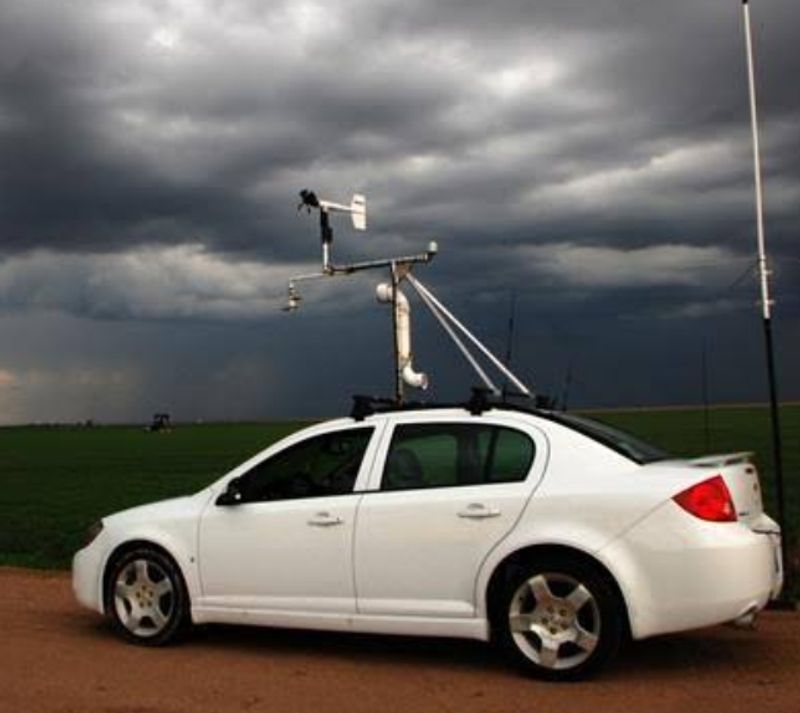
While storm chasing might seem reckless to outsiders, in Oklahoma it represents a blend of scientific curiosity, respect for nature’s power, and deep familiarity with severe weather behavior. Amateur chasers equipped with cameras and weather apps venture out during tornado warnings, maintaining safe distances while documenting storms that most people flee.
They understand escape routes, know which roads flood quickly, and can identify when a situation becomes too dangerous, applying years of local knowledge to their pursuits.
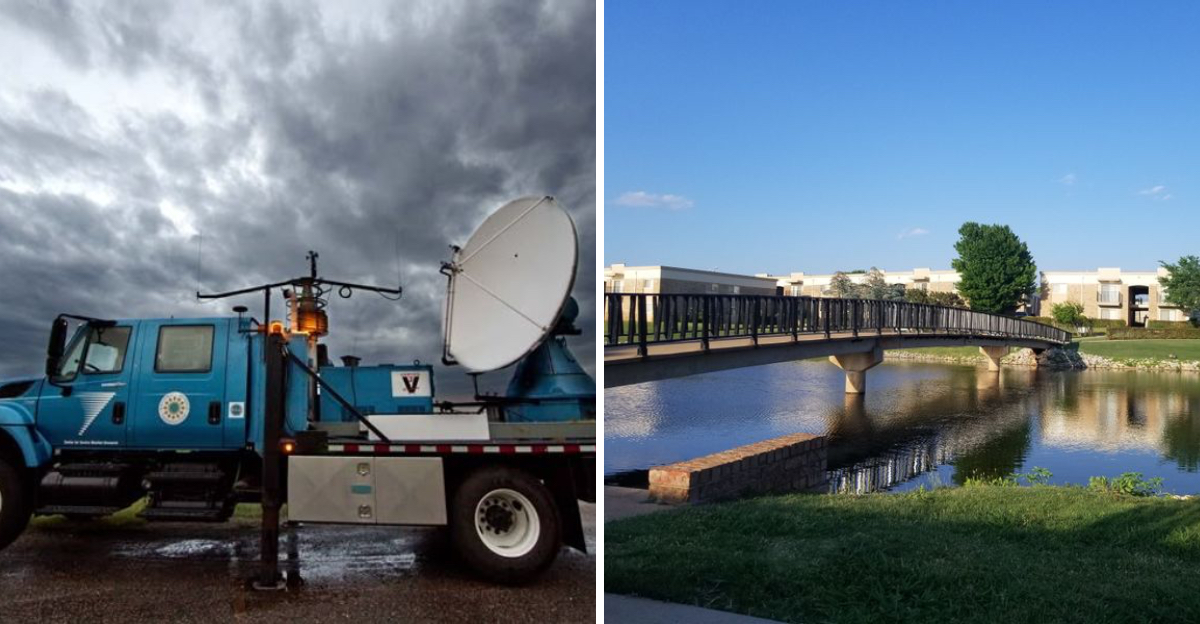
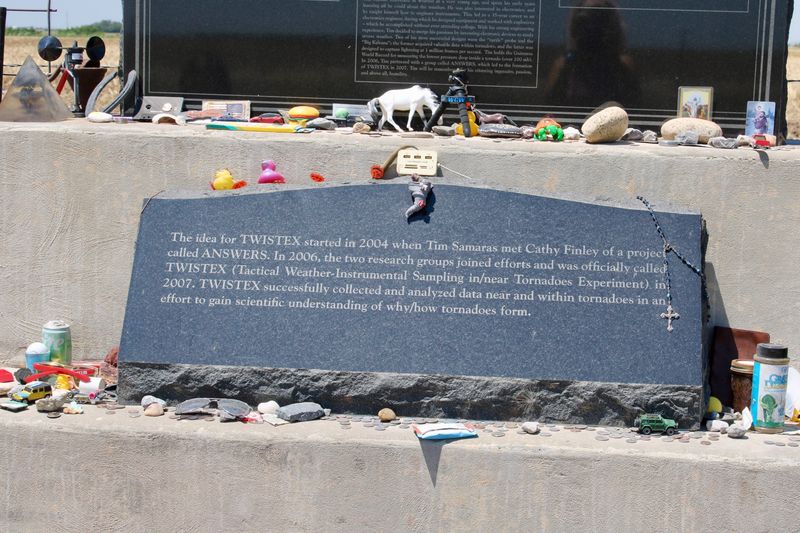
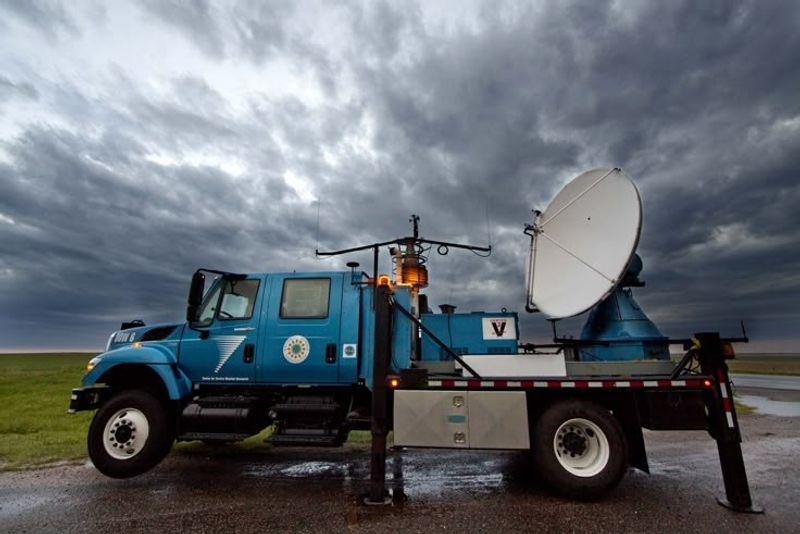
Professional storm chasers and researchers also flock to Oklahoma during peak season, drawn by the state’s position in Tornado Alley and its relatively open terrain that allows for visibility and maneuverability. Universities conduct field studies, collecting data that improves forecasting models and warning systems.
Local chasers often assist these efforts, sharing observations and photographs that contribute to the broader understanding of tornado formation and behavior, turning a hobby into citizen science.
The practice raises eyebrows among those unfamiliar with Oklahoma’s storm culture, but residents generally view chasers with a mix of admiration and amusement rather than alarm. They recognize that responsible chasing requires skill and preparation, and they appreciate the stunning imagery and valuable information that chasers provide.
This acceptance reflects the broader Oklahoma attitude toward tornadoes, acknowledging both the danger and the awe inspiring beauty of these atmospheric phenomena, treating them as natural events worthy of study rather than simply disasters to be feared.
Community Networks and Neighbor Watch Systems
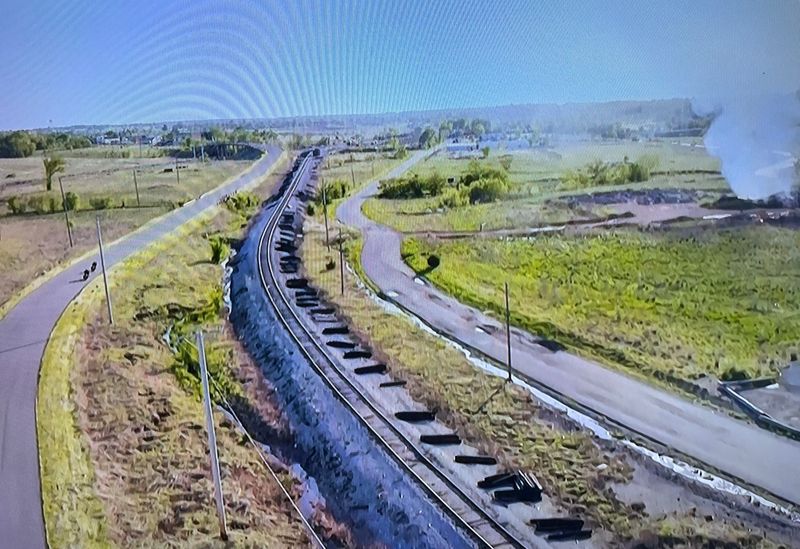
Oklahoma neighborhoods operate informal but highly effective communication networks during severe weather, with residents checking on elderly neighbors, sharing updates, and coordinating shelter plans. Text chains light up with real time reports about rotation spotted south of town or hail the size of golf balls pounding driveways three blocks over.
These grassroots systems supplement official warnings, providing hyperlocal information that helps people make split second decisions about safety.
Rural communities rely even more heavily on these networks, as farms and ranches spread across wide distances where sirens might not reach and where cell service can be spotty. Neighbors use CB radios, phone trees, and even old fashioned porch lights to signal when they have taken shelter or need assistance.
This mutual support system reflects values of self reliance and collective responsibility that run deep in Oklahoma culture, where people understand that survival sometimes depends on the person next door.
The strength of these networks becomes most apparent in the aftermath of tornadoes, when communities mobilize immediately to search for survivors, clear debris, and begin rebuilding.
But the foundation is laid during every storm season, as residents maintain connections and reinforce the understanding that they watch out for one another.
This social infrastructure, built on trust and shared experience, transforms tornado response from an individual emergency into a community effort, demonstrating how local knowledge extends beyond weather patterns to encompass the human relationships that sustain Oklahoma towns and neighborhoods through the most challenging moments.
The Practical Architecture of Storm Shelters
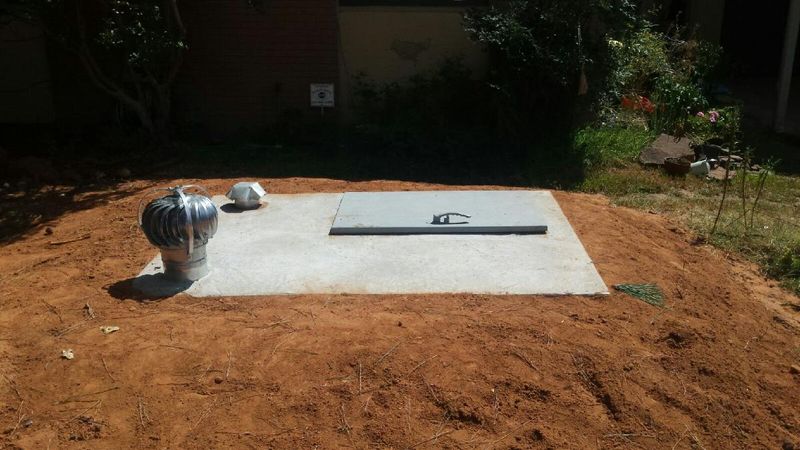
Across Oklahoma, storm shelters appear as common as garages, reflecting the practical acceptance that tornadoes are a recurring threat requiring permanent solutions.
Underground shelters built into backyards offer reinforced concrete protection, with ventilation systems and sturdy doors designed to withstand extreme winds and flying debris.
Above ground safe rooms constructed within homes provide alternatives for those unable to navigate stairs quickly, meeting FEMA standards for impact resistance and structural integrity.
The state has invested in public shelters as well, installing safe rooms in schools, community centers, and mobile home parks where residents might lack personal protection.
These facilities represent a collective acknowledgment that tornado safety is a public health issue, requiring resources and planning beyond individual responsibility.
Communities fundraise for shelter construction, recognizing that protecting the most vulnerable members strengthens everyone’s resilience during severe weather events.
The prevalence of storm shelters shapes daily life in subtle ways, as families store emergency supplies, maintain battery powered radios, and ensure that everyone knows the quickest route to safety. New construction often includes safe rooms as standard features, and real estate listings prominently mention shelter availability as a selling point.
This architectural adaptation to tornado risk demonstrates how Oklahomans have integrated severe weather preparedness into the physical landscape, creating spaces that acknowledge danger while refusing to let fear dominate.
The shelters stand as concrete expressions of the Oklahoma approach, prepared but not paralyzed, ready but not resigned, meeting nature’s power with human ingenuity and community investment.
Tornado Season as a Cultural Milestone
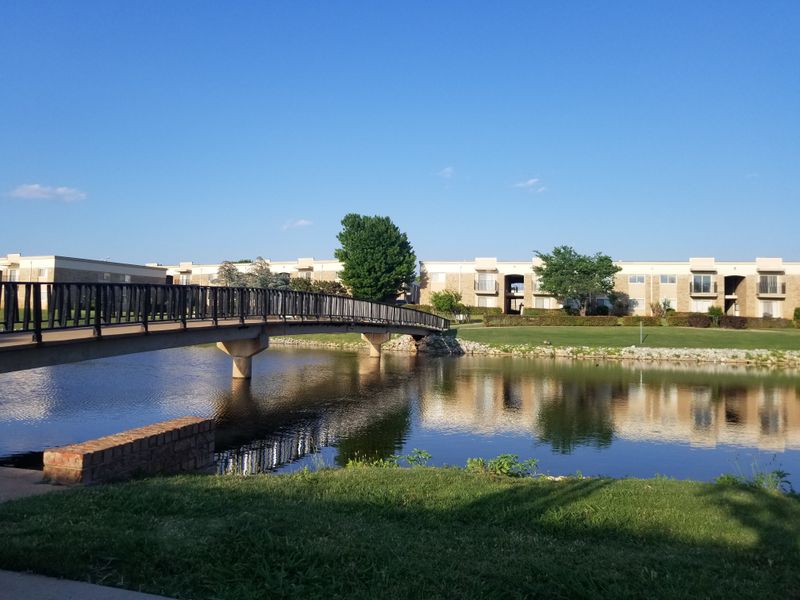
Spring in Oklahoma brings more than blooming wildflowers and warming temperatures; it marks the arrival of tornado season, a period that shapes social rhythms and collective consciousness.
Conversations shift to weather patterns, people check their emergency kits, and television stations begin their extended coverage preparations.
This seasonal transition feels as natural as the changing leaves of autumn elsewhere, a predictable cycle that Oklahomans navigate with practiced ease.
The heightened awareness during peak months, typically April through June, does not create constant anxiety but rather a state of informed vigilance. Residents go about their normal activities while keeping one eye on the sky and one ear tuned to weather updates.
Outdoor events include contingency plans, and parents coordinate schedules to ensure someone is always available to get children to shelter if warnings are issued during school hours. This balance between normalcy and readiness defines the Oklahoma experience during tornado season.
When the season passes without major incidents, there is quiet relief, and when tornadoes do strike, communities rally with the understanding that this is the price of living in a place they love despite its meteorological challenges.
The cyclical nature of tornado season creates a shared experience that binds Oklahomans together, a collective journey through months of heightened alertness that reinforces cultural identity.
It is a time that demands respect for nature’s power while celebrating the resilience and preparedness that allow life to continue, transforming what could be months of dread into a season of community strength and mutual support.
The Role of Weather Radios and Technology
Nearly every Oklahoma household owns at least one weather radio, those boxy devices with piercing alarms that activate automatically when the National Weather Service issues warnings. These radios sit on nightstands, kitchen counters, and workshop shelves, ready to sound alerts even when residents are asleep or distracted.
The distinctive tone has become so familiar that it triggers immediate recognition and response, a Pavlovian signal that shifts attention to the current threat level and necessary actions.
Modern technology has supplemented traditional weather radios with smartphone apps that provide radar imagery, storm tracks, and push notifications customized to specific locations. Oklahomans often run multiple apps simultaneously, cross referencing data to get the most complete picture of approaching storms.
Social media platforms buzz with real time updates from meteorologists, chasers, and ordinary citizens reporting conditions in their neighborhoods, creating a crowdsourced weather network that enhances official information.
Despite technological advances, many residents maintain old school methods alongside new tools, recognizing that power outages and cell tower failures can occur during severe weather. Battery powered radios, printed emergency contact lists, and physical maps provide backup when digital systems fail.
This layered approach to weather monitoring reflects the Oklahoma philosophy of redundancy in preparedness, using every available resource to stay informed.
The combination of cutting edge technology and reliable analog systems ensures that residents receive warnings through multiple channels, maximizing the chances that everyone gets the information needed to make life saving decisions when tornadoes threaten.
Stories Passed Down Through Generations
Oklahoma families carry tornado stories like heirlooms, narratives of survival and loss that shape how younger generations understand and respond to severe weather. Grandparents recount the tornado that took their barn but spared the house, or the time they huddled in a bathtub while the roof peeled away above them.
These stories are not told to frighten children but to impart lessons about preparation, quick thinking, and the importance of heeding warnings, turning personal history into practical education.
Major tornado outbreaks become reference points in community memory, markers by which people measure time and change. The Moore tornadoes, the El Reno event, and other devastating storms are invoked not with casual indifference but with somber recognition of their impact.
Survivors share their experiences at schools and community gatherings, bearing witness to the tornado’s power while emphasizing the actions that saved lives.
These testimonials reinforce the seriousness of tornado threats without creating paralyzing fear, striking the delicate balance that characterizes Oklahoma’s storm culture.
The oral tradition of tornado stories creates continuity across generations, connecting today’s residents with those who faced similar dangers decades earlier. Children learn that their great grandparents survived the same kinds of storms, that their community has weathered these events before and will do so again.
This historical perspective provides context and courage, reminding Oklahomans that while individual storms are unpredictable, the collective experience of facing them is a constant thread in the state’s identity, woven through family histories and community memories that honor both the danger and the resilience required to live in Tornado Alley.
Dear Reader: This page may contain affiliate links which may earn a commission if you click through and make a purchase. Our independent journalism is not influenced by any advertiser or commercial initiative unless it is clearly marked as sponsored content. As travel products change, please be sure to reconfirm all details and stay up to date with current events to ensure a safe and successful trip.
