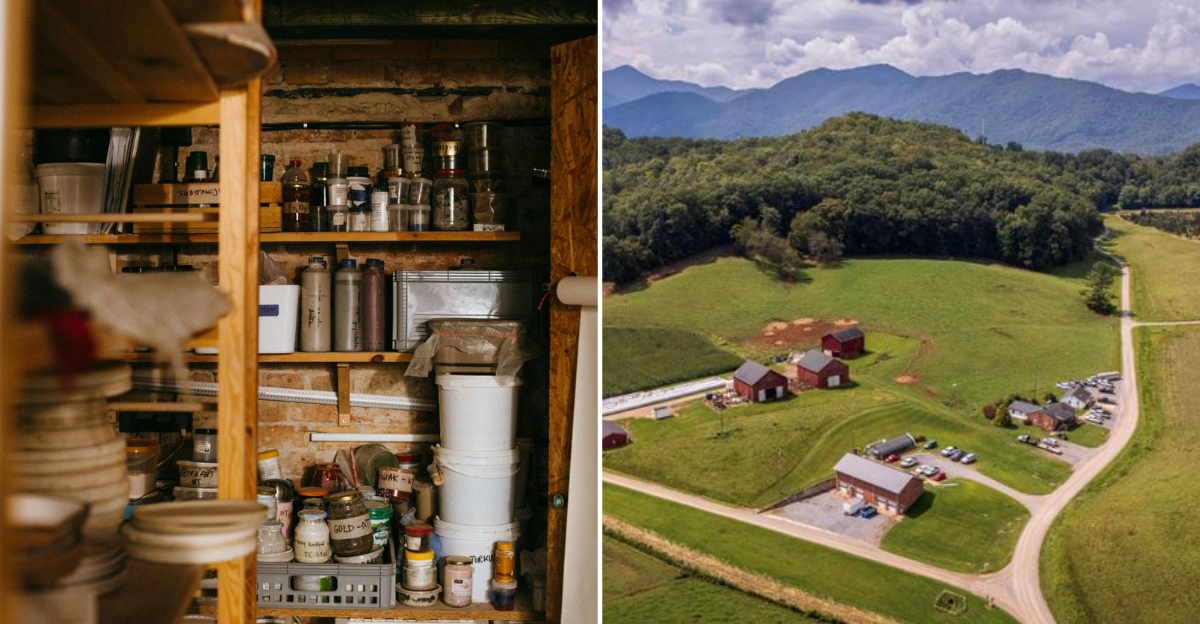
What makes a town feel timeless? In North Carolina’s Amish communities, locals believe the answer lies in the way life is lived every day.
These towns aren’t chasing trends or rushing to modernize.
Instead, they hold onto traditions that remind people of what really matters: family, community, and simplicity.
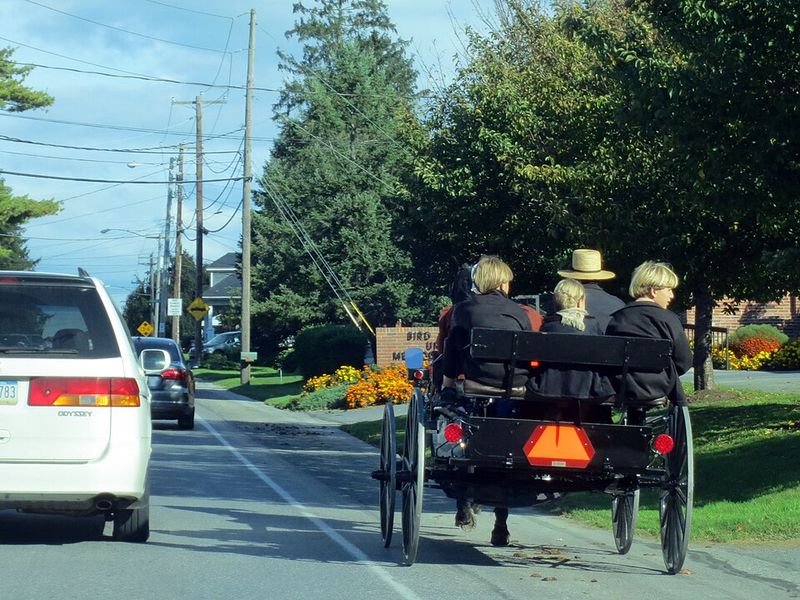
Walking through, you’ll notice the slower pace: horse-drawn buggies on quiet roads, handmade goods in small shops, and neighbors who genuinely know one another.
For visitors, it can feel like stepping back in time, but for locals, it’s simply life as it should be.
That’s why these towns are treasured, not because they resist change, but because they preserve values that many feel the world has forgotten.
It’s not about nostalgia or pretending the modern world doesn’t exist. It’s about balance, and the comfort of knowing some places still choose to live differently.
And maybe that’s the real lesson, timelessness isn’t about the past, it’s about holding onto what still matters today.
1. Slow Living Still Sets The Daily Pace
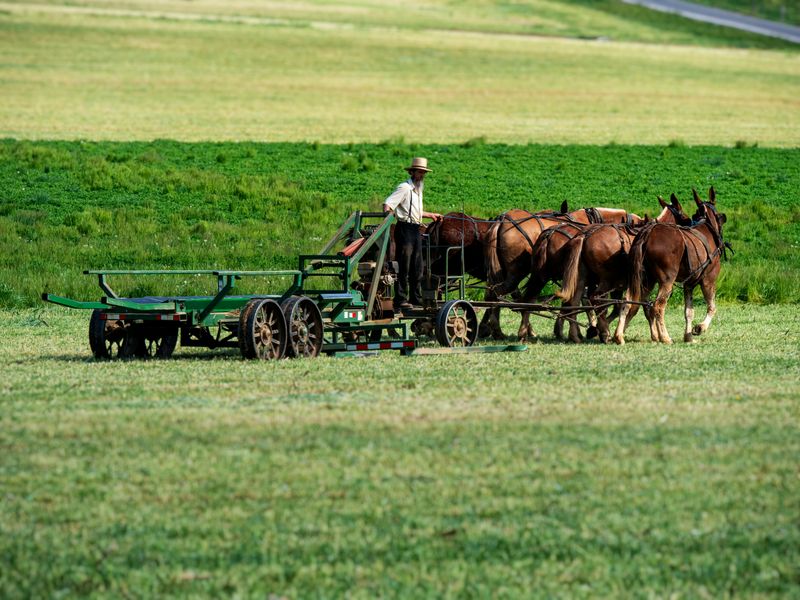
You notice it the moment you roll past Union Grove. In Amish communities around Union Grove and Hamptonville, daily life moves at a noticeably slower rhythm.
Farming, woodworking, and home-based businesses shape the schedule, not deadlines or screens.
There is practical music to it all that gets under your skin in the best way.
Locals respect that this pace hasn’t been rushed to match modern expectations. Conversations happen on porches, not through hurried taps.
I find myself relaxing because nothing is pushing me to go faster here. You match the rhythm or you don’t, and the roads will remind you to take it easy.
The quiet feels earned, not staged, and the North Carolina wind seems to agree.
There is also a gentleness to small courtesies, the kind that make daily tasks feel complete. People wave from a distance, and that little hello becomes part of your map.
This is not nostalgia for its own sake, just steady living.
Give it an hour and you start measuring time by sun and chores. The slower cadence turns into a guide rather than a limit.
When I leave, I keep that rhythm in my pocket a little longer.
2. Farming Still Comes Before Tourism
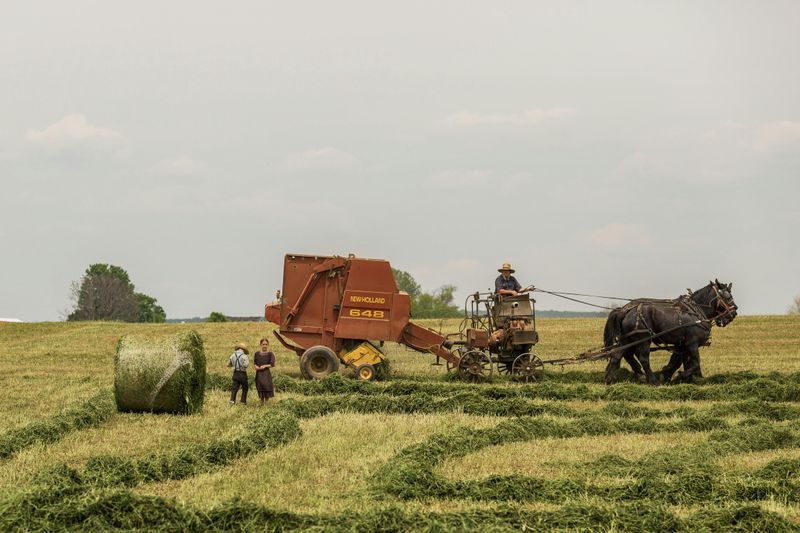
Here is the thing you feel first: these towns are working agricultural communities first, not visitor attractions. Fields, barns, and seasonal planting cycles define the landscape year-round.
Residents value that food production and self-sufficiency remain the priority.
That truth shifts how you move through Hamptonville and the backroads near it. You drive thoughtfully because fields are busy, even when they look still.
Tours are replaced by tasks, and the land sets the calendar in North Carolina.
I like the honesty in that arrangement. You are welcome as a neighbor passing through, not a customer.
The scenery is not curated or propped for photos, which makes it easier to really see.
Seasonal work colors the horizon with quiet purpose. Wagons, stacked lumber, and tidy barns become the day’s story.
You read the day like a field map, and it makes surprising sense.
There is respect in letting work be work without turning it into a show. That respect keeps the community’s center of gravity steady.
You leave reminded that productive ground needs fewer explanations and more listening.
3. Family And Community Stay Intertwined
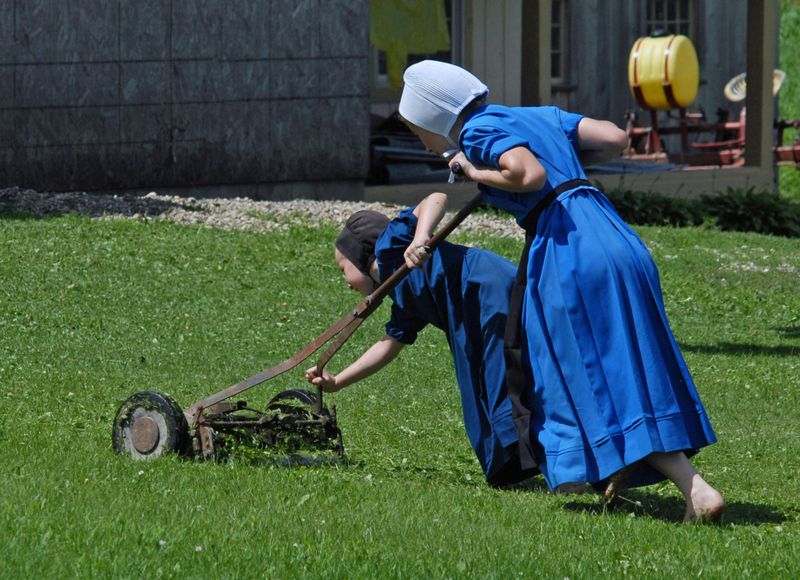
You sense the closeness in the way homes sit within eyesight of each other. Extended families often live close together, sharing work, meals, and responsibilities.
That tight-knit structure creates stability locals say is increasingly rare elsewhere.
It also keeps traditions intact across generations without needing formal preservation. Kids help with daily tasks, and elders guide what matters next.
The everyday pattern becomes a living archive that does not feel forced.
I felt that tone near Union Grove when I pulled over by a quiet lane. Distant voices carried like soft radio, and you could tell roles braided together.
No one is hurrying a connection here, and that makes it stronger.
Neighbors check in with steady regularity. A borrowed tool moves between barns like a handshake.
The line between family and community is more of a gentle overlap than a wall.
Standing there, I realized how rare it is to witness shared time like that.
Tasks, stories, and small kindnesses travel the same route every day. It is simple and durable, and the state feels kinder because of it.
4. Horse-Drawn Travel Shapes The Landscape
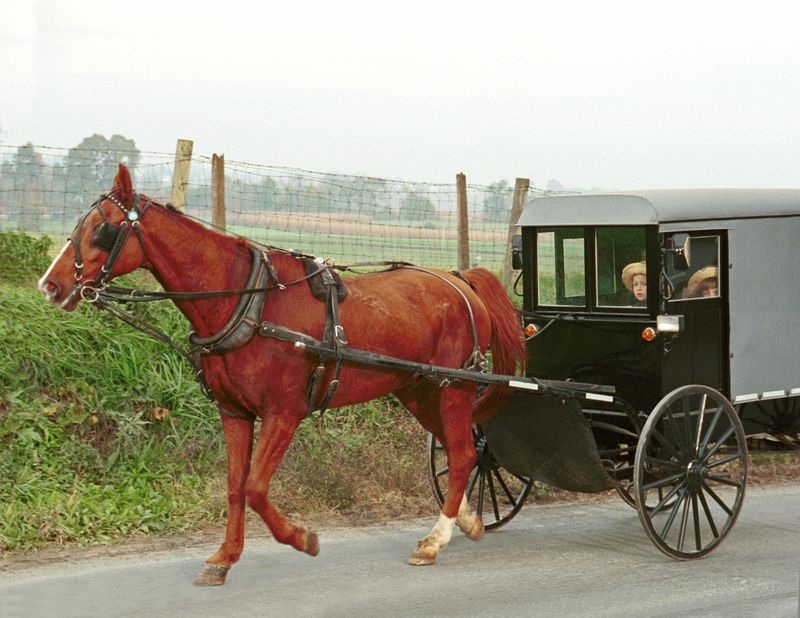
You change your driving the second you see the yellow buggy sign. Buggy travel still influences road use, signage, and daily routines in these areas.
Drivers slow down, roads stay quieter, and traffic rarely dominates town life.
Locals see this as a reminder that not every place needs to move faster. I like how it re-teaches patience without a lecture.
The road speaks through hoofbeats and careful turns, and the day follows.
Near Hamptonville, I pulled aside to let a buggy pass and felt time stretch. The sound was soft, like someone tapping a gentle metronome.
It made me breathe deeper and check my own pace.
These roads were shaped by travel that listens for weather and hills. Corners are calmer, and you anticipate rather than react.
That mindset travels with you long after you leave the fields here.
It is not quaint, just consistent. When the world gets loud, a painted caution sign feels like wisdom.
You respect the lane, and the lane gives you a better day.
5. Homes Are Built For Use, Not Show
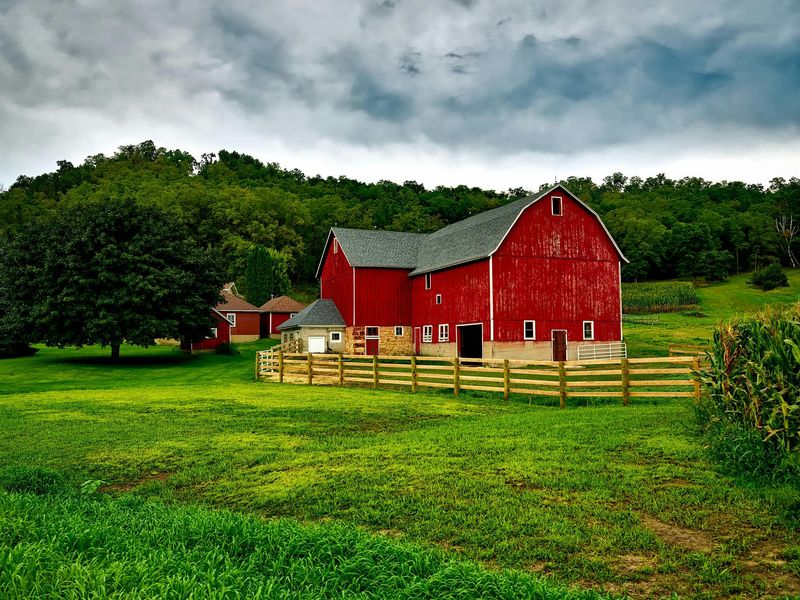
The houses keep a steady face to the road. Amish homes favor function over style, with simple layouts and practical materials.
There’s no pressure to renovate for trends or resale value.
That consistency helps the towns avoid the visual churn common in tourist-heavy areas. You see porches meant for work breaks, not staged photos.
Fences line up because they need to, and that is enough in North Carolina.
I caught myself admiring a row of outbuildings more than any single house. Everything fit like tools in a well-loved box.
There are no distractions, just the comfort of good use.
Windows are placed for light, not drama. Walkways go where boots actually travel.
Paint colors feel like decisions made once, then trusted for a long time.
There is relief in stepping away from trends that change with the breeze. When you pull away, you want your own spaces to be this honest.
6. Local Craftsmanship Still Has Real Value
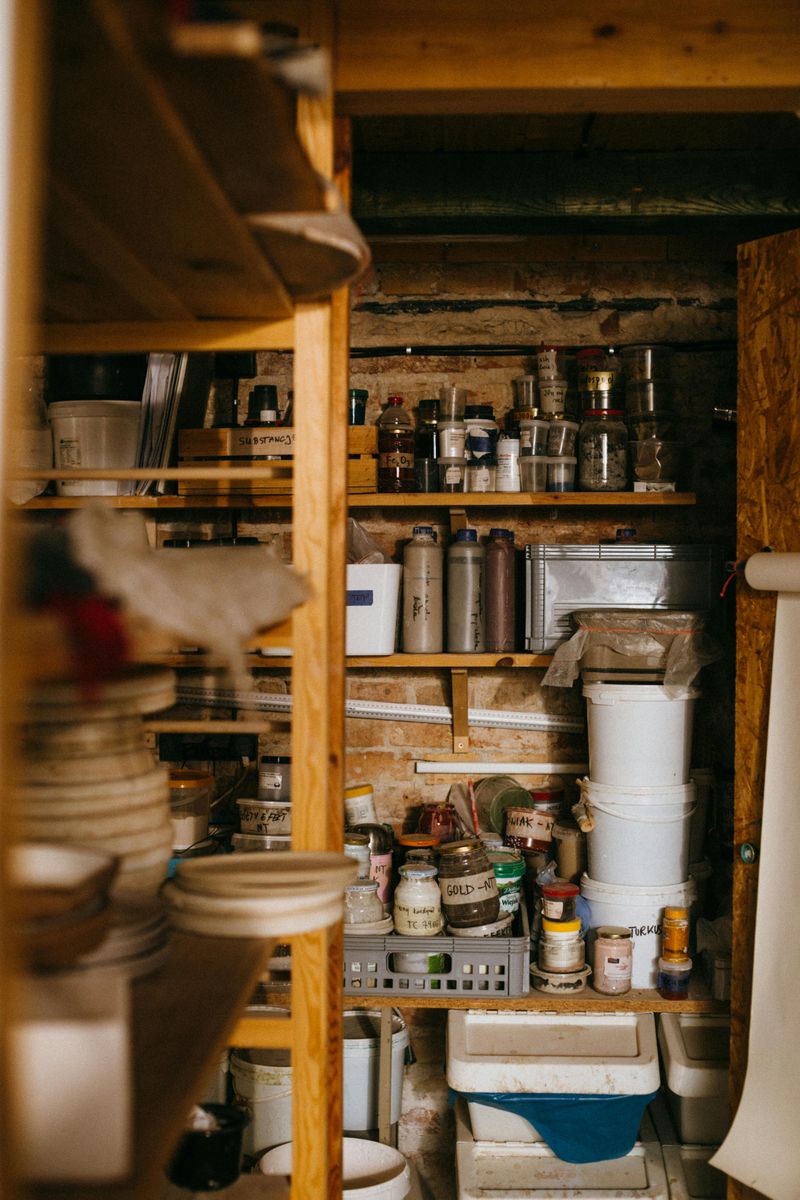
Step into a workshop and the air smells like fresh boards. Furniture making, carpentry, and small workshops remain essential local trades.
Products are built to last, not designed for fast turnover.
Nearby residents often buy directly, keeping money and trust within the community. You can see the relationship in how folks greet each other at the door.
It is business, sure, but it is also care spun into daily work.
I watched a craftsman measure twice, then pause like a musician finding tempo. That patience sits inside every joint and finish.
You carry that standard back to your own life without thinking.
North Carolina towns cherish this loop between maker and neighbor. Repairs are conversation starters rather than chores.
A chair becomes part of a family’s story, not just a purchase.
There is pride without showmanship, and that balance stays with you. The shop light glows warm while the afternoon cools outside.
When you leave, the quiet hum of skill follows you down the lane.
7. Schools Reinforce Tradition Instead Of Escaping It
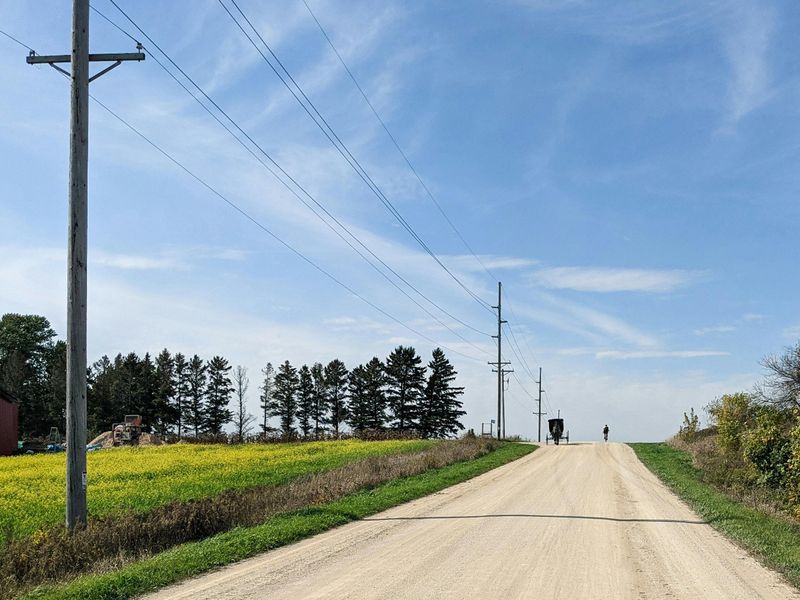
Drive a little farther and you might pass a one-room school. Amish schools focus on practical education tied to real-world skills.
Students are prepared for life inside the community, not pushed outward.
Locals admire how education supports continuity rather than disruption. Lessons lean into usefulness and memory.
I think it feels like learning that expects to be used the same afternoon.
I paused by a quiet yard where chalk dust floated in the sun. You could almost hear recitation drifting out a cracked window.
The scene felt solid, like it would hold through any season in North Carolina.
There is kindness in not forcing a race toward endless change. Parents and teachers share the same compass, and kids know it.
That clarity takes pressure off and leaves room for steady growth.
Driving away, I noticed how calm the road felt afterward. Maybe certainty is contagious when it is rooted in daily life.
Either way, the schoolhouse sits like a bookmark you want to keep.
8. Sundays Still Mean Quiet
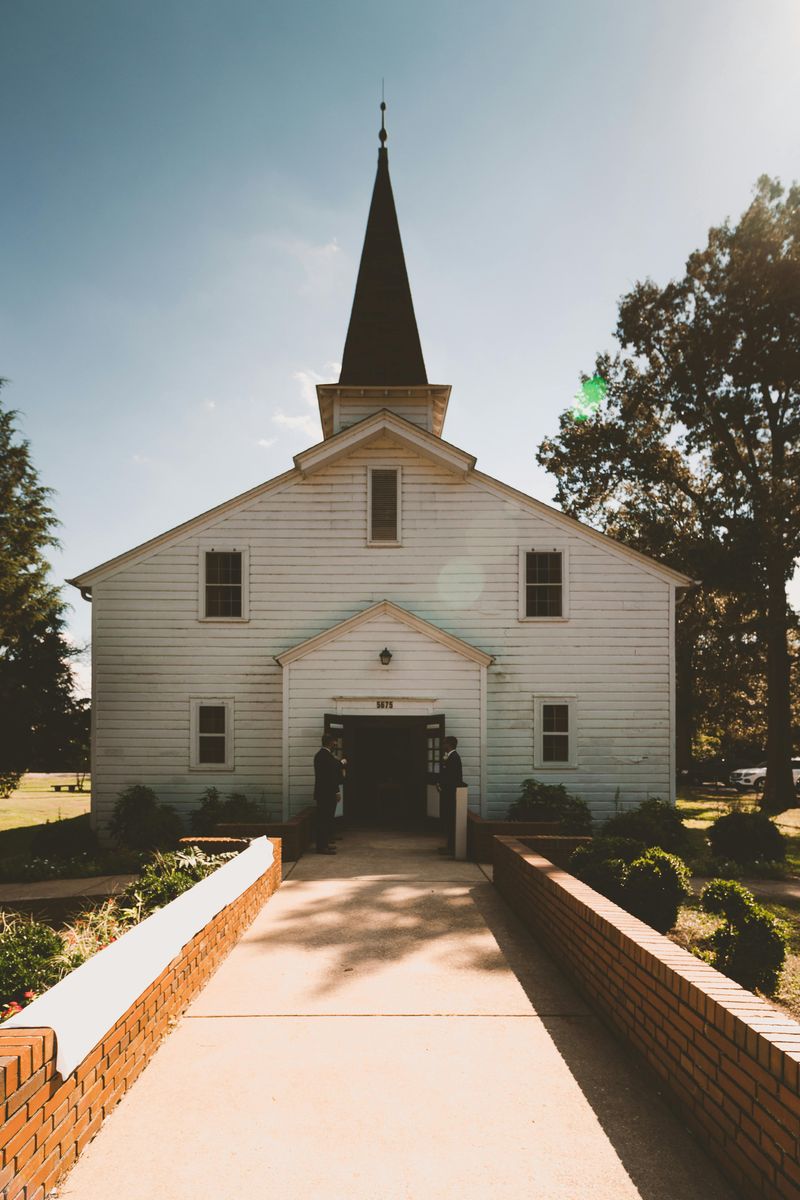
If you come on a Sunday, prepare for the hush. Sunday remains a true day of rest, with limited activity and no commercial buzz.
That weekly pause creates a rhythm many nearby residents appreciate deeply.
It’s one of the clearest contrasts with modern seven-day commerce culture. I like how it resets the week without any big announcement.
The quiet is shared, and that shared part matters in this state.
Streets feel softer, like a blanket pulled to the chin. You hear birds louder and notice fences you missed before.
Even the wind sounds like it is speaking a little lower.
Locals do not need reminders because the habit lives in them. You adapt quickly, and your shoulders drop.
Rest becomes something you do, not something you schedule.
By late afternoon, the light returns you gently to Monday thoughts. Nothing dramatic, just a clean page feeling.
I think it is strange how strong that small tradition feels when you let it.
9. Land Use Has Changed Very Little
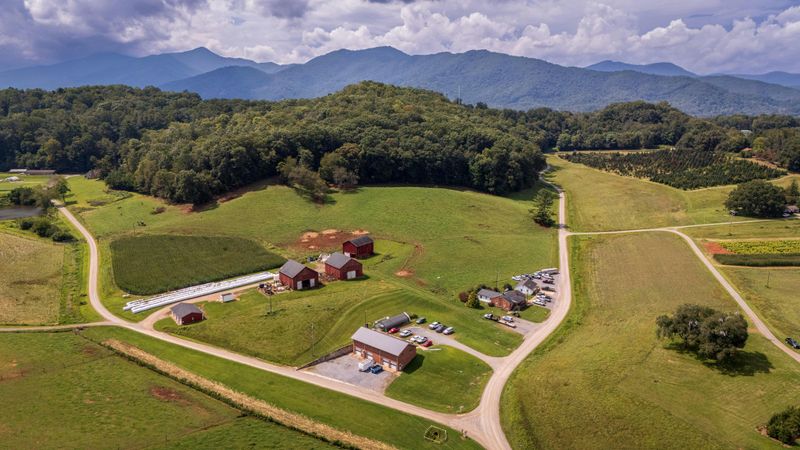
Look out across the fields and you will see continuity. Large developments, subdivisions, and commercial sprawl are mostly absent.
Fields, woods, and farm lanes still dominate the view.
Locals see this as intentional restraint rather than resistance to progress. Roads bend around farmland because that is the point here.
The landscape works, and there is no need to dress it up in North Carolina.
I love how the horizon reads like a well-kept promise. You can predict the next turn by a stand of trees or a silo.
That kind of map invites you to be present rather than impatient.
When land keeps its pattern, people keep theirs too. Fewer billboards, fewer flashing asks for attention.
It frees the mind the way a cleared table does before a meal.
By the time you head home, you feel lighter. Nothing was taken away from the land that did not need to be.
That steady choice shows up in every quiet mile.
10. Food Traditions Stay Seasonal And Local
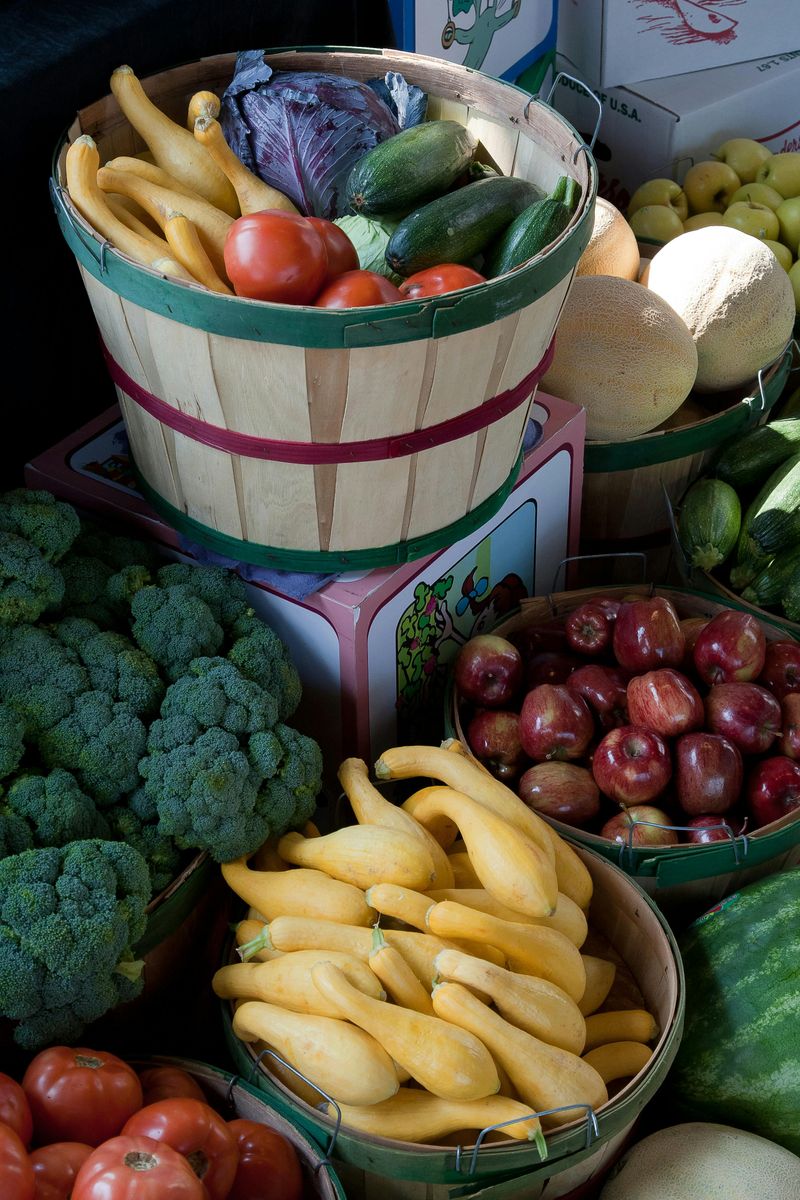
Step into a pantry here and the seasons line the shelves. Meals follow what’s grown, preserved, or produced nearby.
Canning, baking, and preserving are still everyday practices.
Residents value food systems that don’t rely on long supply chains. It tightens the bond between weather and kitchen, which feels grounding.
The cycle teaches patience, and patience tastes better than hurrying here.
I caught myself smiling at tidy rows of jars that looked like stained glass. Each one was a day captured and saved for later.
You start planning your own year by what the land wants to share.
There is comfort in those quiet routines. Labels made by hand, shelves wiped clean, lids checked with care.
That rhythm says we will be ready when the sky turns again.
Driving away, I thought about how often convenience steals the story. Here, the story is alive in the cellar and out in the field.
It is simple, useful, and it lasts.
11. Modesty Shapes Social Expectations
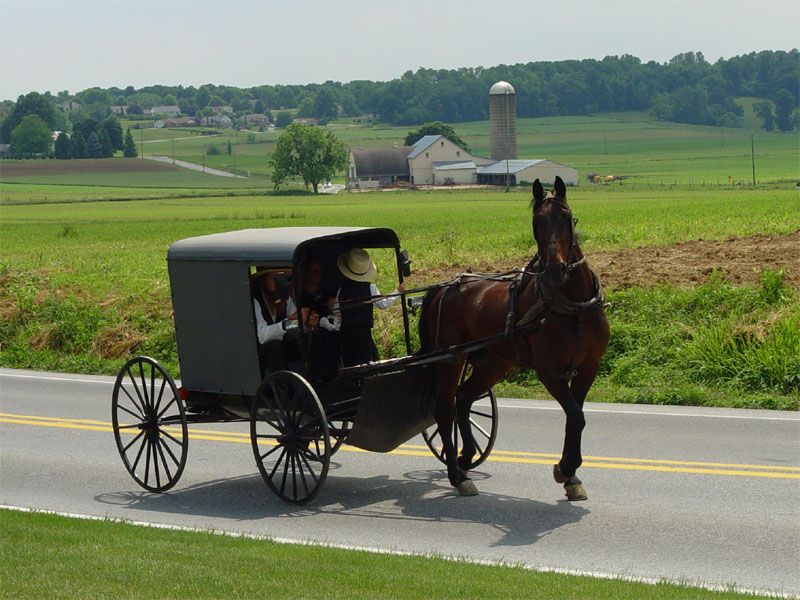
Social life runs quieter here, and it feels good. Dress, behavior, and community norms emphasize humility and restraint.
There’s little pressure to perform or impress.
Locals often say this creates a calmer social atmosphere overall. Conversations are plainspoken and kind.
You do not need a script to fit in, just steady manners in North Carolina.
I liked how pauses in conversation were treated as space, not awkwardness. People listen, then answer, like stones placed carefully in a path.
It slows you down in a way that brings out better words.
Modesty also shows up in shared decisions. Big gestures give way to dependable follow-through.
The community seems to prefer results that whisper and last.
By the time you leave, you start trimming your own need to announce. You realize quiet confidence can carry more weight than polish.
That lesson fits easily in a pocket and does not rattle.
12. Time Feels Anchored Instead Of Fleeting
This is the part I think about on the drive home. Days feel measured by tasks and seasons rather than constant change.
Nothing is rushed, but nothing feels stagnant either.
That balance is exactly why locals see these towns as timeless rather than frozen. It is motion with meaning, not noise.
The day has a shape you can trust in this state.
I watched the light slide across a barn roof and felt my shoulders drop. The simple shift from morning to afternoon did the work of any clock.
You start to believe that steady is not boring at all, and that matters to me.
Time gathers in familiar corners here. Porch steps, lane ruts, gate latches polished by a thousand grips.
Those markers tell stories better than any itinerary ever could.
When you finally roll away, the road feels like a bookmark holding your place. You can come back and pick up the sentence anytime.
That is the kind of time I want more of.
Dear Reader: This page may contain affiliate links which may earn a commission if you click through and make a purchase. Our independent journalism is not influenced by any advertiser or commercial initiative unless it is clearly marked as sponsored content. As travel products change, please be sure to reconfirm all details and stay up to date with current events to ensure a safe and successful trip.
