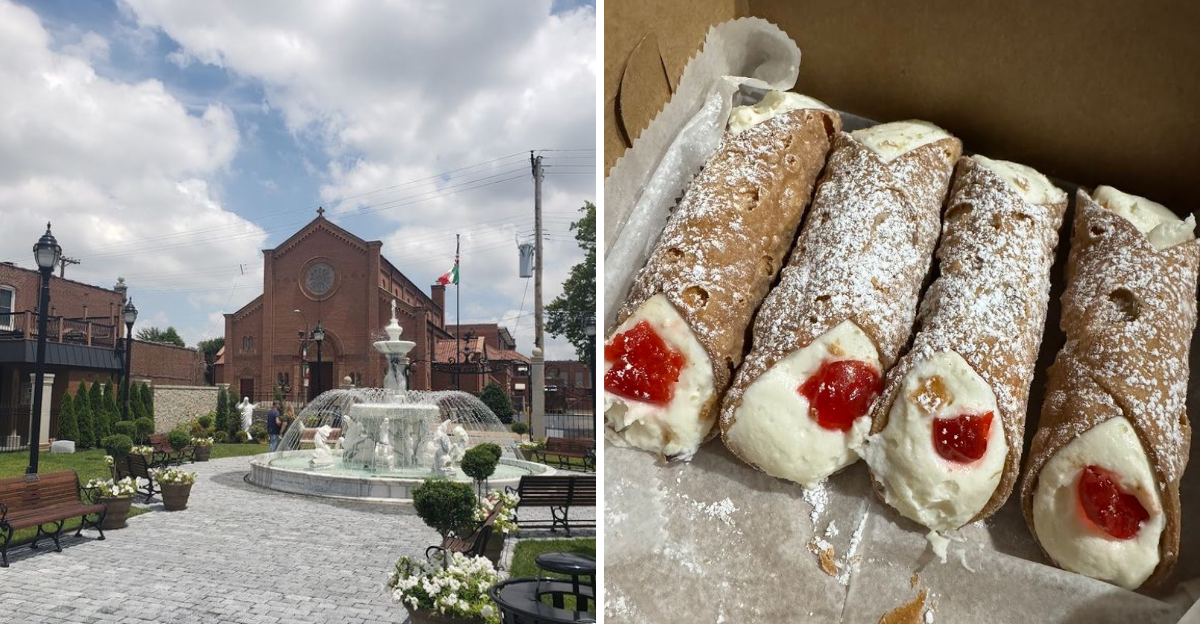
There is a neighborhood in St. Louis that smells like garlic, fresh bread, and Sunday sauce all at once. It has been the heart of Italian-American culture in Missouri for well over a century, and the moment you turn onto Marconi Avenue, something shifts.
The air feels warmer, the streets feel slower, and every storefront seems to be inviting you in for a meal. Family-owned delis sit next to old-school bakeries, and the trattorias on the side streets look like they have been feeding the same families for generations.
I grew up hearing about places like this, but nothing really prepares you for the real thing. It is the kind of neighborhood that makes you want to cancel your plans and just eat your way through the afternoon.
A Neighborhood Built on Italian Roots
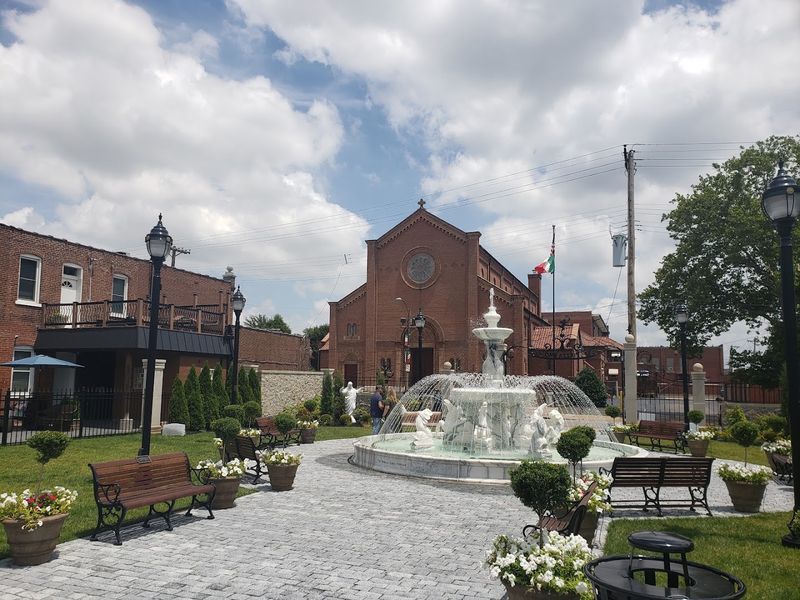
The Hill did not become a food destination overnight. It grew slowly, block by block, as Italian immigrant families settled in St. Louis and brought their recipes, traditions, and work ethic with them.
The neighborhood took shape over decades, and that history is still visible in every corner.
Marconi Avenue is the spine of it all. Family businesses line the street, many of them passed down through two or three generations.
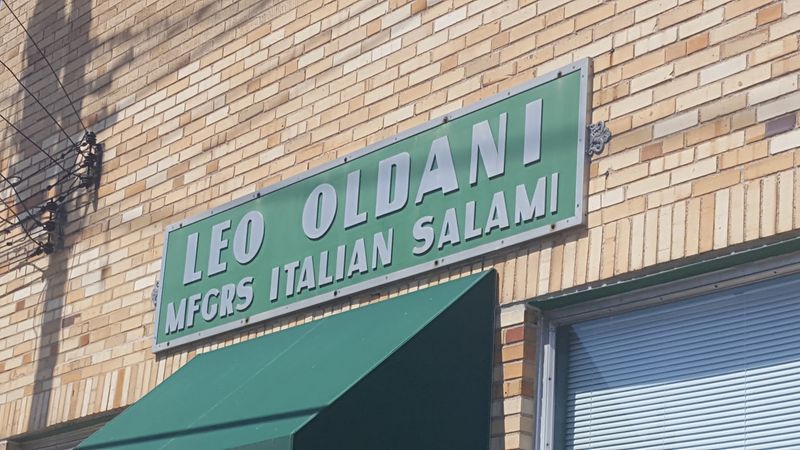
You can feel the pride in the painted signs, the hand-lettered menus, and the way the shop owners greet familiar faces at the door.
The Hill is not just a place to eat. It is a living record of what immigrant communities built in America.
The food here carries that story in every bite. Knowing that background makes the whole experience feel richer and more meaningful than a regular restaurant visit ever could.
Arriving on Marconi Avenue for the First Time
Pulling onto Marconi Avenue for the first time feels like a small surprise. The street is quieter than you might expect, lined with modest storefronts that carry decades of flavor behind their doors.
There is no flashy signage trying to grab your attention.
What catches the eye instead is the detail. Hand-painted window lettering, baskets of fresh bread visible through glass, and the unmistakable scent of something slow-cooked drifting out whenever a door swings open.
It is the kind of street that rewards the curious.
I took my time walking the block before choosing where to stop first. Every spot seemed worth it.
The Hill does not compete with itself the way a food court might. Each business has its own personality, its own specialty, and its own loyal following.
Coming here without a plan is actually part of the fun.
Family Delis Full of Old-World Flavor
The delis on The Hill are something special. They carry imported Italian ingredients alongside house-made specialties, and the selection is the kind that makes you want to point at everything behind the glass case.
Aged cheeses, cured meats, and house-made pastas sit side by side in a way that feels effortlessly curated.
Ordering at a deli like this is part of the experience. The staff knows their products well and are genuinely happy to let you try something before you commit.
That kind of personal touch is rare and worth appreciating.
A sandwich built here is not a quick grab-and-go item. It is carefully layered, thoughtfully seasoned, and wrapped with care.
Taking it outside to eat on a bench while watching the neighborhood go about its day is honestly one of the best meals you can have on The Hill. Simple, honest, and completely satisfying.
The Home of the Original Toasted Ravioli
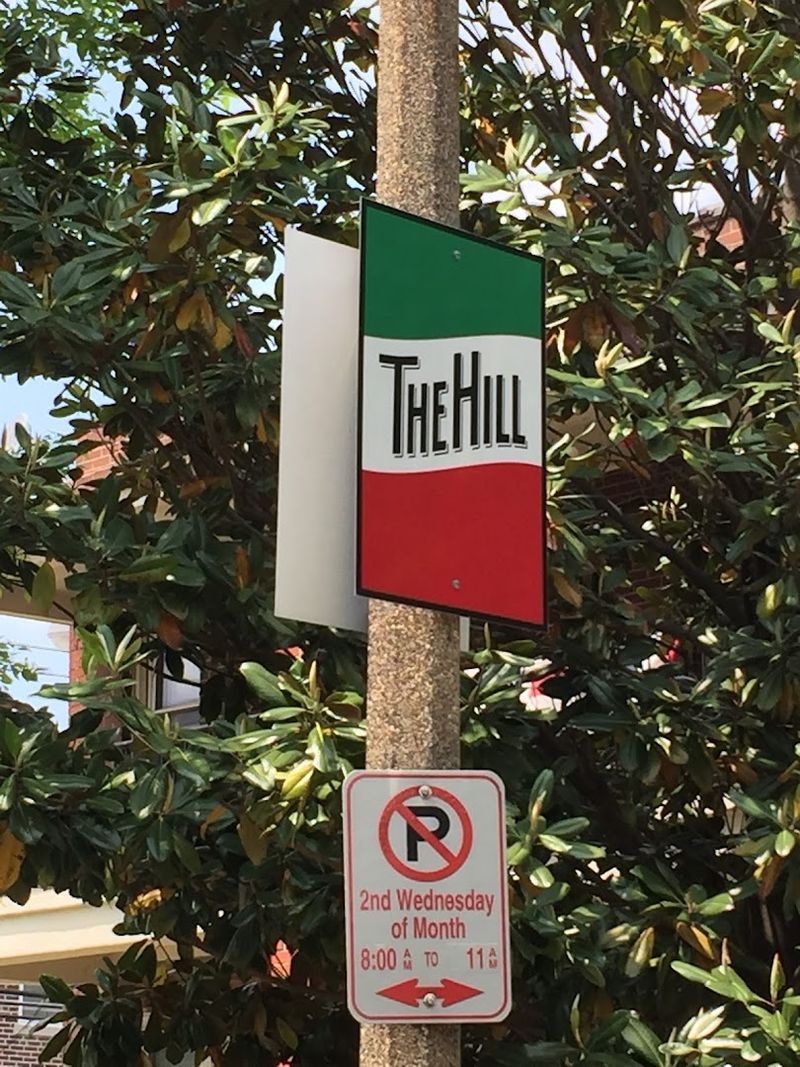
You can’t talk about The Hill without mentioning the legendary Toasted Ravioli. Invented right here in the 1940s, these crispy, breaded pillows of meat-filled pasta have become the unofficial snack of St. Louis.
Unlike a generic buffet, the food here is about specific, perfected specialties. Every restaurant on the block claims the “original” recipe, and part of the fun of visiting in 2026 is the unofficial “T-Rav Crawl”, trying a small plate at three or four different spots to find your personal favorite.
If you aren’t sitting down for a white-tablecloth dinner, you’re likely standing in line at one of the neighborhood’s world-famous delis. Spots like Gioia’s Deli (a James Beard Award winner) serve up sandwiches that have become local legends.
The “Hot Salami” is the undisputed king here, thick-cut, seasoned beef and pork salami that’s been a neighborhood staple since 1918.
What makes these delis better than any all-you-can-eat spread is the customization and quality. You aren’t just getting a sandwich; you’re getting a curated stack of premium cured meats, house-made giardiniera, and fresh-baked bread.
Taking a massive, foil-wrapped sandwich over to a bench near the St. Ambrose statue is a rite of passage for any food lover visiting St. Louis. It’s honest, oversized, and absolutely packed with a century of flavor.
Bakeries Baking Bread the Old Way
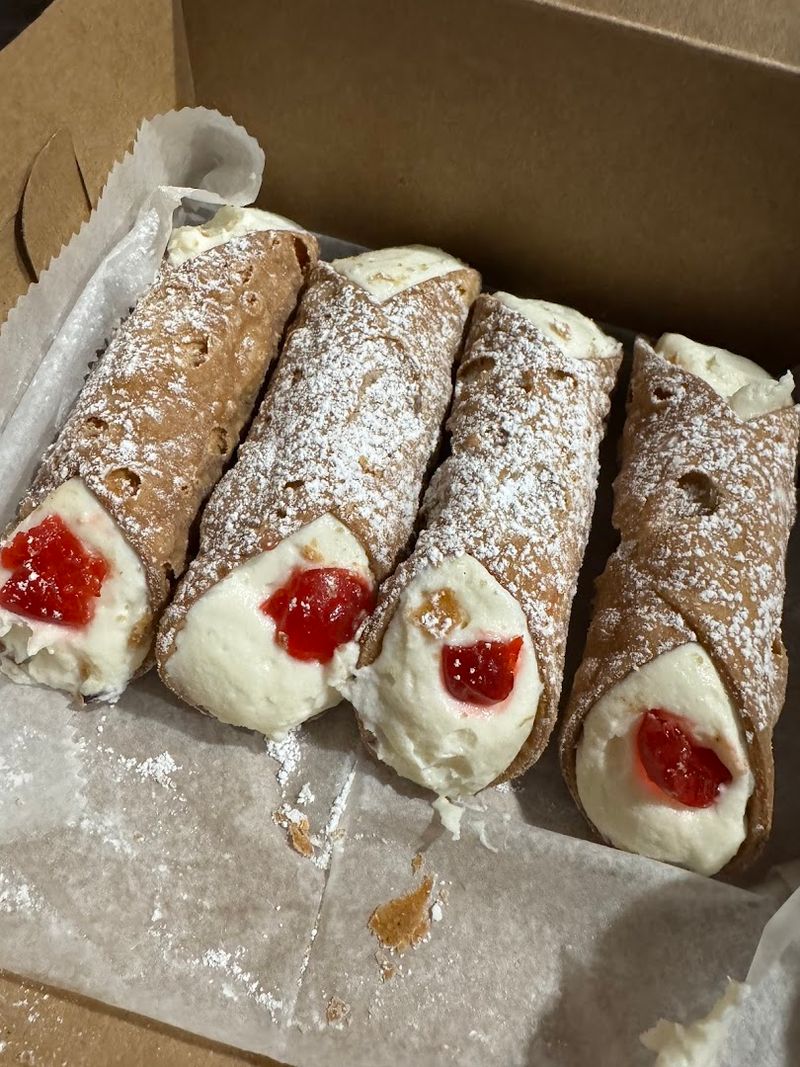
Bakeries on The Hill operate on a different clock than most of the city. The ovens start early, and by mid-morning the shelves are already stocked with things that are hard to walk past without stopping.
Round loaves, braided rolls, and butter-rich pastries fill the cases in a way that feels almost overwhelming in the best sense.
The bread here is the kind that has a real crust. It tears properly and smells the way bread is supposed to smell.
Buying a loaf to take home feels like a gift you are giving yourself for later.
Pastries are worth lingering over too. The recipes lean traditional, with flavors that are not trying to be trendy or updated.
There is something genuinely comforting about biting into something that tastes exactly as it should, with no surprises and no gimmicks. The Hill bakeries understand that restraint is its own form of skill.
Bocce at Milo’s and the Slower Pace of the Hill
Food is the main draw, but The Hill offers something else too. A slower rhythm.
Milo’s Bocce Garden is where locals gather to play the classic Italian lawn game, and watching a few rounds between bites is a reminder that this neighborhood was built for community, not just consumption.
Bocce is a game that does not require much explanation to enjoy watching. The goal is simple, the competition is friendly, and the laughter carries easily across the garden.
It fits perfectly with the unhurried mood that defines The Hill on a weekend afternoon.
Taking a break from eating to sit near the bocce courts and just absorb the atmosphere is time well spent. The Hill is not a place that rushes you.
It invites you to stay longer, eat more slowly, and actually pay attention to where you are. That kind of pace is increasingly rare, and it makes the whole visit feel more like a real experience than a tourist stop.
St. Ambrose Church and the Italian Immigrants Statue
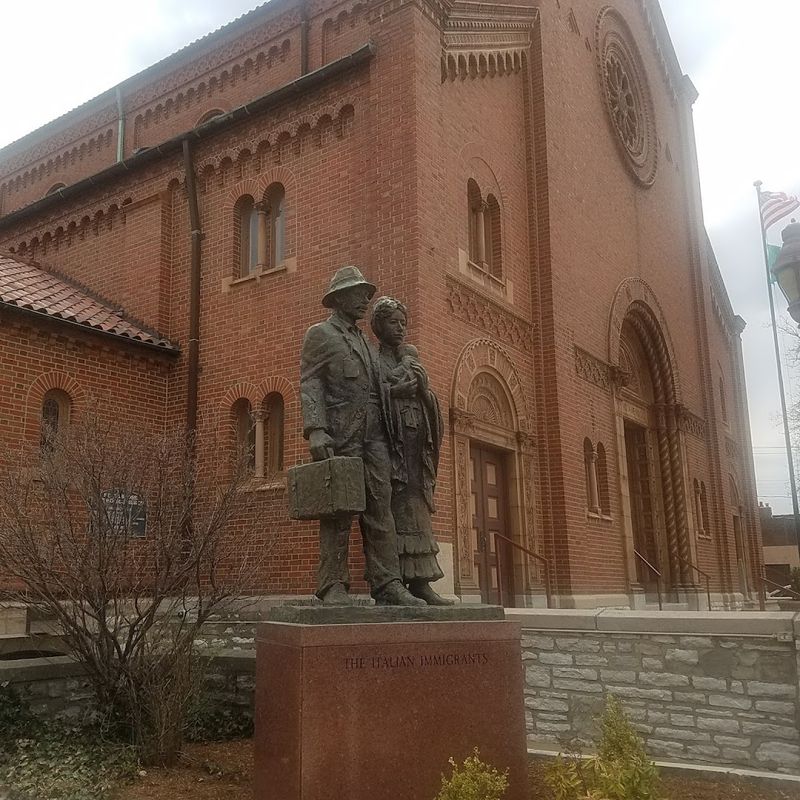
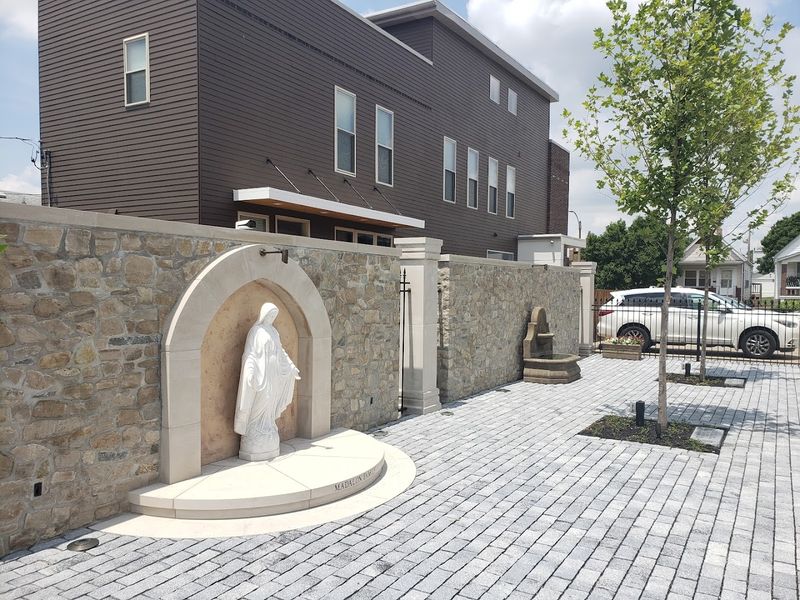
St. Ambrose Catholic Church has stood at the heart of The Hill for generations. It is more than a building.
It is the anchor of the community, the place where families have gathered for baptisms, weddings, and Sunday mornings for well over a hundred years.
Outside the church stands the Italian Immigrants statue, a tribute to the men and women who built this neighborhood from the ground up. The statue is modest in size but carries a lot of weight.
Pausing in front of it gives you a moment to connect the food and the streets to the actual human story behind them.
The church and the statue together make The Hill feel like more than a food destination. They remind you that what you are eating is tied to real sacrifice and real pride.
The meals here taste better when you understand that context. A short walk around the block before sitting down to eat is something worth doing.
Trattorias and Pizzerias Tucked Into Side Streets
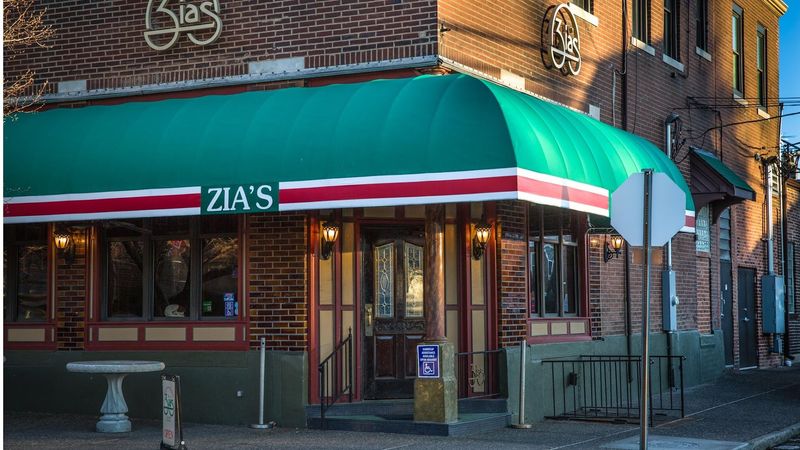
Shaw and Wilson avenues offer a different side of The Hill. This is where the sit-down trattorias and pizzerias are found, tucked into narrow side streets with small dining rooms and hand-written specials boards.
The atmosphere is quieter and more intimate than the main avenue.
Pizza here is made with care. The crust has character, the sauce is balanced, and the toppings do not try to overpower each other.
It is the kind of pizza that reminds you why the original version became so beloved in the first place.
Trattorias on these streets lean into the classic Italian-American canon without apology. Chicken dishes, baked pastas, and slow-cooked sauces anchor most menus.
The dining rooms are small enough that you feel like a guest rather than a customer. Finding a spot on these side streets and settling in for a long lunch is one of the better decisions you can make on a visit to The Hill.
Sandwich Shops Worth Every Bite
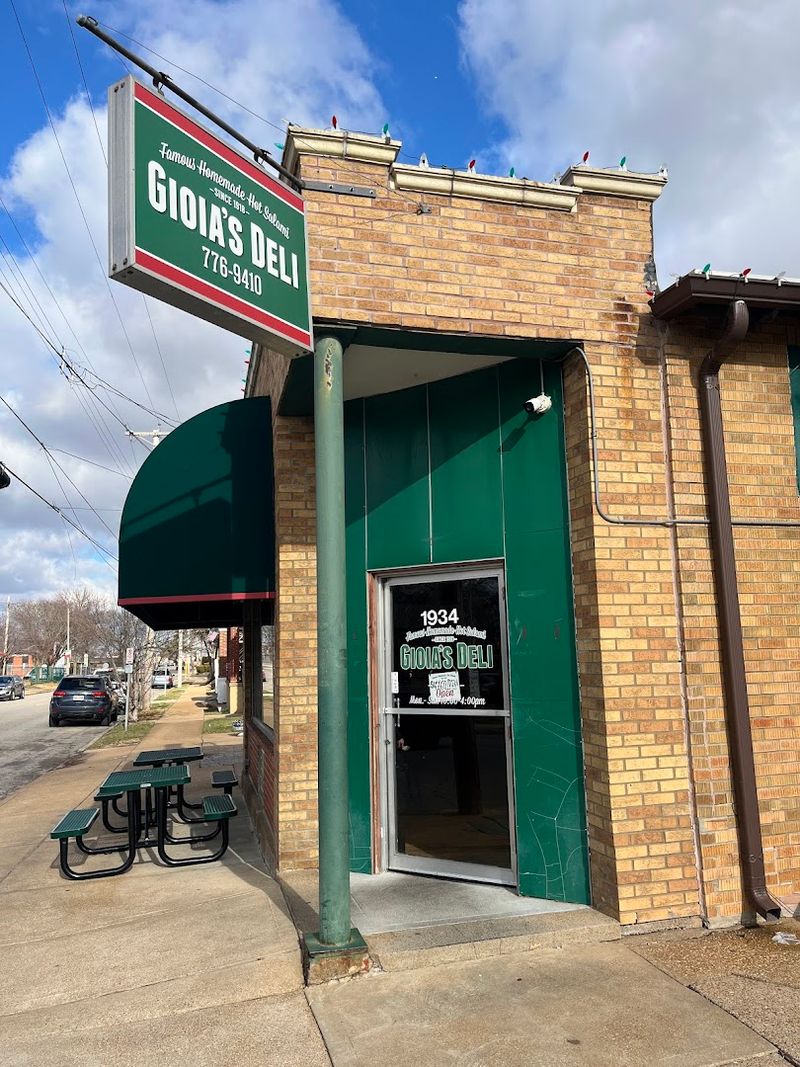
Sandwich shops on The Hill have a loyal following, and it does not take long to understand why. The bread is fresh, the fillings are generous, and the combinations have been refined through years of making the same recipes better.
There is no guesswork involved when you order here.
The Italian sandwich in this neighborhood is its own thing. Layers of cured meats, sharp provolone, pickled vegetables, and a drizzle of oil on bread that holds everything together without falling apart.
It is structured and satisfying in a way that feels almost architectural.
Eating one outside on a warm afternoon, with the sounds of the neighborhood around you, is a genuinely good moment. Sandwiches like these travel well too, which makes them a smart option if you want to grab lunch and keep exploring.
The Hill rewards slow wandering, and having a sandwich in hand while you do it is a perfectly reasonable approach to the afternoon.
Why The Hill Stays With You Long After You Leave

Some places are easy to forget once you leave. The Hill is not one of them.
The combination of great food, genuine history, and a neighborhood that has clearly held onto its identity through decades of change makes it stick in your memory in a way that is hard to explain.
The food is the hook, but the atmosphere is what keeps pulling you back. There is a warmth here that does not come from decor or marketing.
It comes from the fact that real people have been living, cooking, and building something meaningful on these streets for generations.
Planning a return trip before you even get back to your car is a sign that a place has done something right. The Hill does a lot of things right.
It is the kind of destination that earns its reputation quietly, through consistency and care rather than hype. Every food lover in Missouri should make the trip at least once, and most will find themselves making it again.
