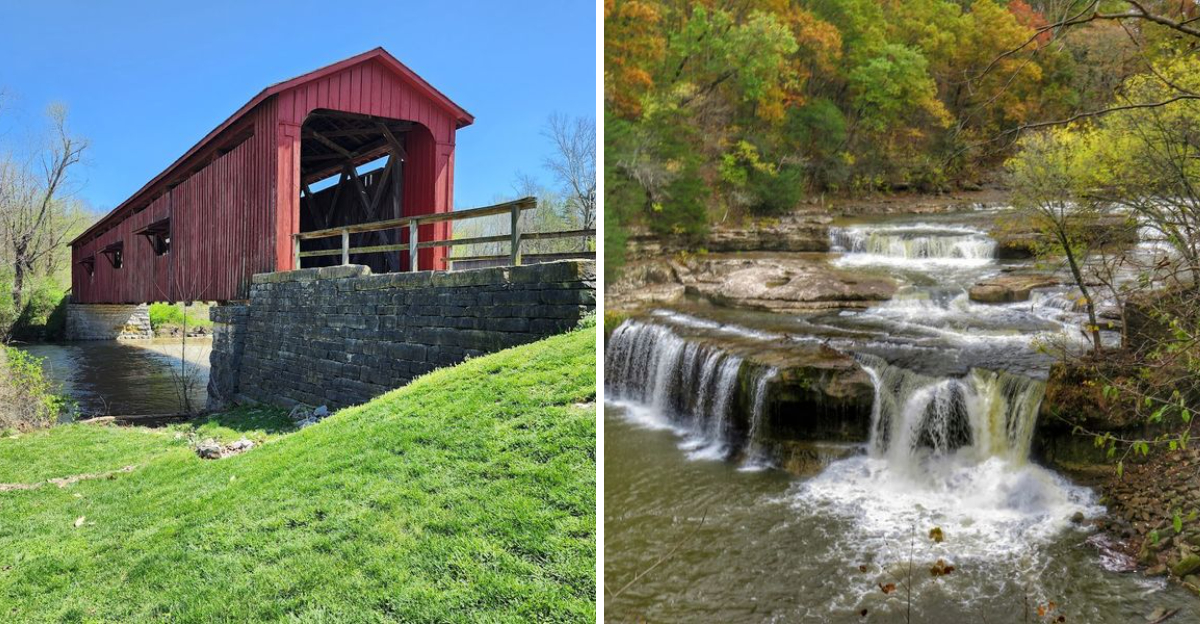
Some of the most breathtaking natural spots in the Midwest are hiding in plain sight, and a waterfall overlook in Spencer, Indiana is proof of that. Located within a large state recreation area, this site is home to the region’s most powerful waterfall by volume, drawing visitors from across surrounding states.
Whether you are a nature lover, a casual hiker, or just someone looking for a refreshing outdoor escape, the area delivers a mix of scenic viewpoints, wooded trails, and rushing water that changes dramatically with the seasons.
After heavy rain, the falls become especially dramatic, while quieter days reveal a more peaceful, steady flow surrounded by forest.
Viewing platforms and nearby paths make it easy to take in the scenery from different angles, offering both quick stops and longer explorations.
You Can See Indiana’s Largest Waterfall Up Close
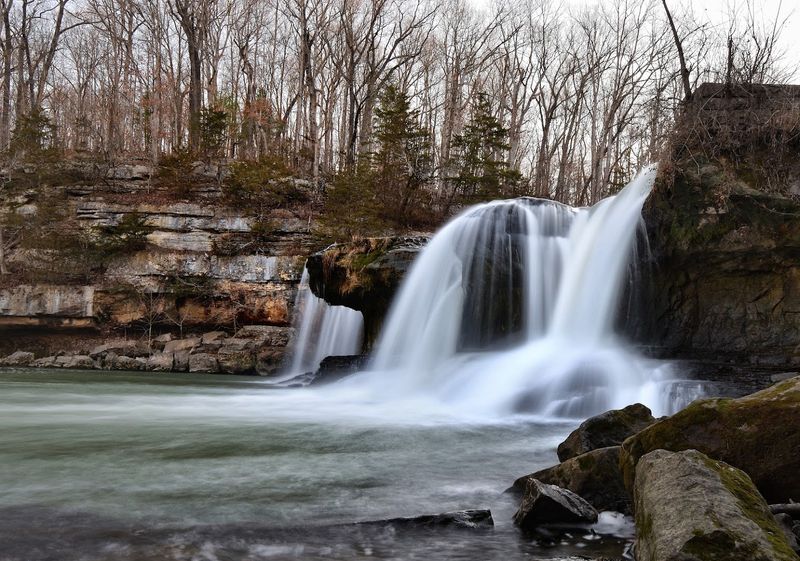
Not many people realize that Indiana has a waterfall powerful enough to stop you in your tracks. Cataract Falls holds the title of Indiana’s largest waterfall by volume, and standing near the overlook makes that fact feel very real.
The sheer sound of the rushing water before you even see it is enough to build excitement.
The Upper Falls drop roughly 45 feet over a rocky ledge, creating a wide curtain of white water that stretches across Mill Creek. After a good rain, the flow intensifies and the roar becomes almost thunderous.
Even on a calm day, the visual is genuinely impressive and worth every second of the short walk from the parking area.
Boardwalks and viewing platforms are set up near the Upper Falls, making it easy to get a clear, safe look without scrambling over uneven terrain. You do not need to be an experienced hiker to enjoy this view.
Families with young kids, older adults, and first-time visitors all find the access manageable and rewarding. The overlook frames the falls beautifully, giving you a front-row seat to one of Indiana’s most spectacular natural features.
Plan to linger here longer than you expect, because the scenery has a way of holding your attention.
Come Walk Across a Covered Bridge Built in 1876
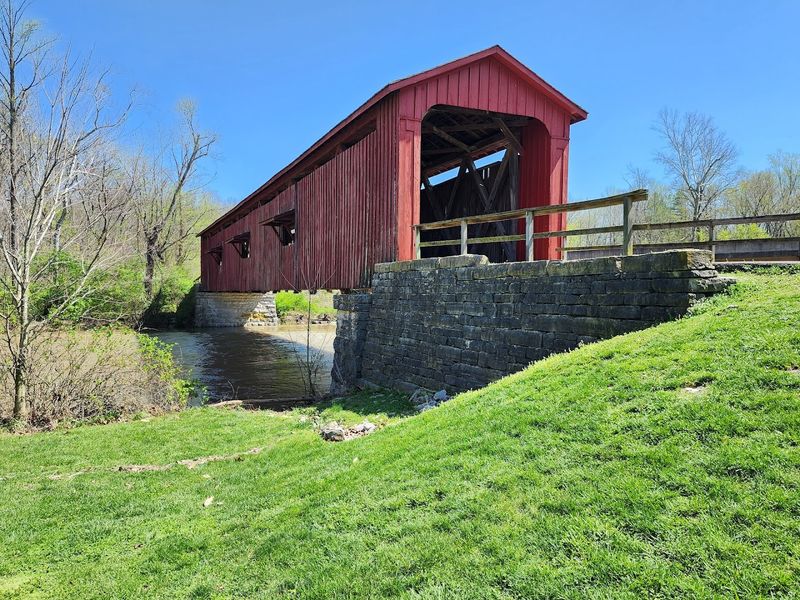
History and natural beauty rarely share the same spot so effortlessly, but at Cataract Falls they do. Upstream from the falls sits a red covered bridge that dates all the way back to 1876.
It is the last surviving covered bridge in Owen County, Indiana, and it has been standing longer than most things in this part of the state.
Walking across it feels like stepping into a quieter era. The wooden planks creak slightly underfoot, and the interior is dim and cool even on a warm afternoon.
Small observational cutouts along the sides let you peek out at Mill Creek below, framing the water in a way that almost looks like a painting.
Photographers tend to linger here longer than anywhere else on the property. The bridge works beautifully as a subject on its own, but it also creates a stunning foreground when the surrounding trees are changing color in the fall.
Even in winter, the weathered red wood against a snowy backdrop makes for a striking image. The bridge sits just a short walk or drive from the falls, so adding it to your visit takes almost no extra effort.
It is the kind of detail that elevates a good nature trip into something genuinely memorable and worth telling others about when you get back home.
Make the Most of Both Upper and Lower Falls
One waterfall is great. Two waterfalls connected by a scenic trail?
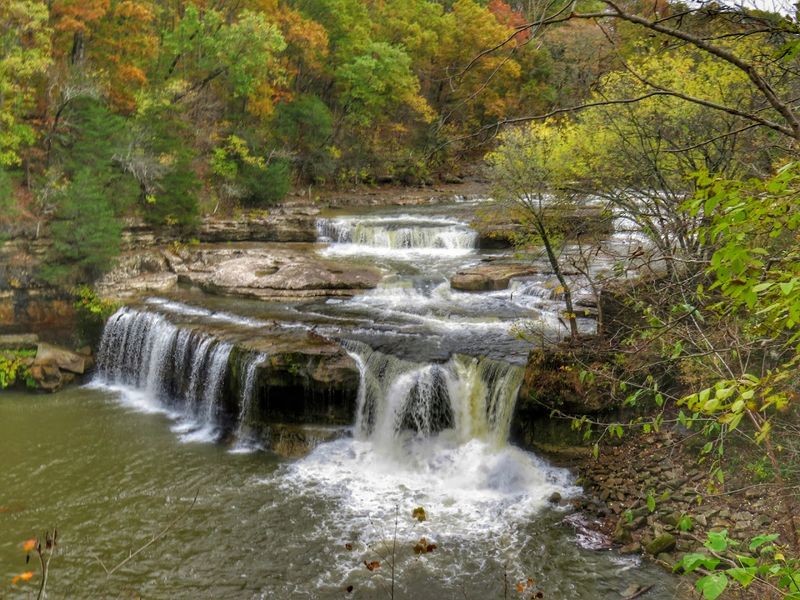
That is a full afternoon of exploration without needing a long drive or a complicated plan. Cataract Falls gives you both the Upper Falls and the Lower Falls, each with its own personality and appeal.
The Upper Falls are the showstopper, dropping about 45 feet in a wide, dramatic sheet of water. The Lower Falls, at around 30 feet, feel more intimate.
Paths lead down to the base of the Lower Falls, letting you get close enough to feel the mist and hear the water hit the rocks directly below. Restrooms are also located near the Lower Falls area, which is a practical bonus for families.
The two falls are separated by roughly one mile along Mill Creek. You can drive between them, or take the connecting trail on foot for a more immersive experience.
The Ed Dailey Nature Trail, a 1.6-mile loop, covers both falls and takes most visitors around 30 minutes to complete at a comfortable pace. The trail is shaded and relatively flat, making it accessible for a wide range of fitness levels.
Spotting wildlife along the way is common, and the sound of the creek follows you through most of the walk. It is the kind of outdoor experience that feels complete from start to finish without ever feeling rushed or overwhelming.
Try the Ed Dailey Nature Trail for Easy Scenic Hiking
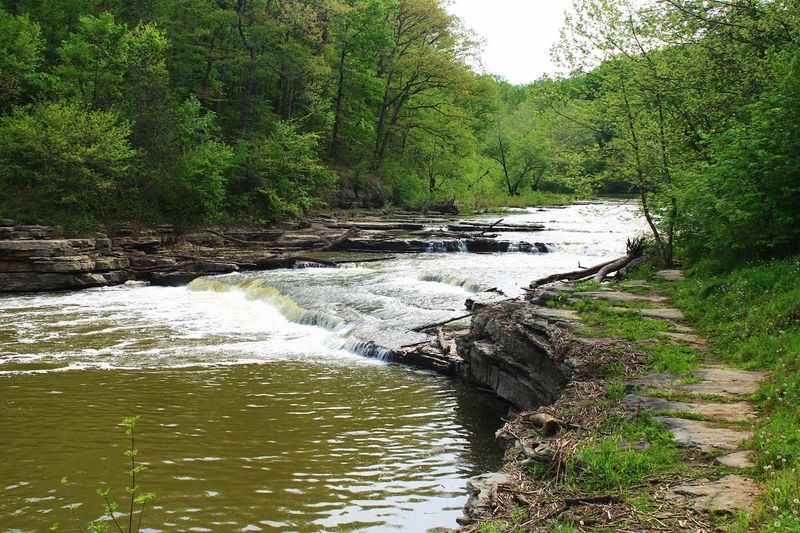
Not every great hike has to be a grueling, all-day commitment. The Ed Dailey Nature Trail at Cataract Falls State Recreation Area is a 1.6-mile loop that most people can complete in about 30 minutes.
It is the kind of trail that rewards you with beautiful scenery without asking much in return.
The path winds through shaded forest, running alongside Mill Creek for much of the route. You get views of both the Upper and Lower Falls along the way, plus the kind of quiet that is hard to find closer to the city.
Birds are active throughout the trees, and if you move slowly and stay observant, deer and other wildlife are not uncommon sightings near the water.
The terrain is mostly flat with a few gentle slopes, though some sections near the base of the falls can get muddy after rain. Wearing sturdy shoes is a smart call, especially in spring or after a wet stretch of weather.
The trail is dog-friendly, so bringing your pet along is perfectly welcome as long as you keep them on a leash. Families with children tend to enjoy this route because it holds interest at every turn without pushing anyone past their comfort zone.
For anyone who wants a low-key outdoor adventure with high-quality views, this trail checks every box without requiring any special gear or preparation ahead of time.
Plan a Picnic Right Next to the Roaring Falls
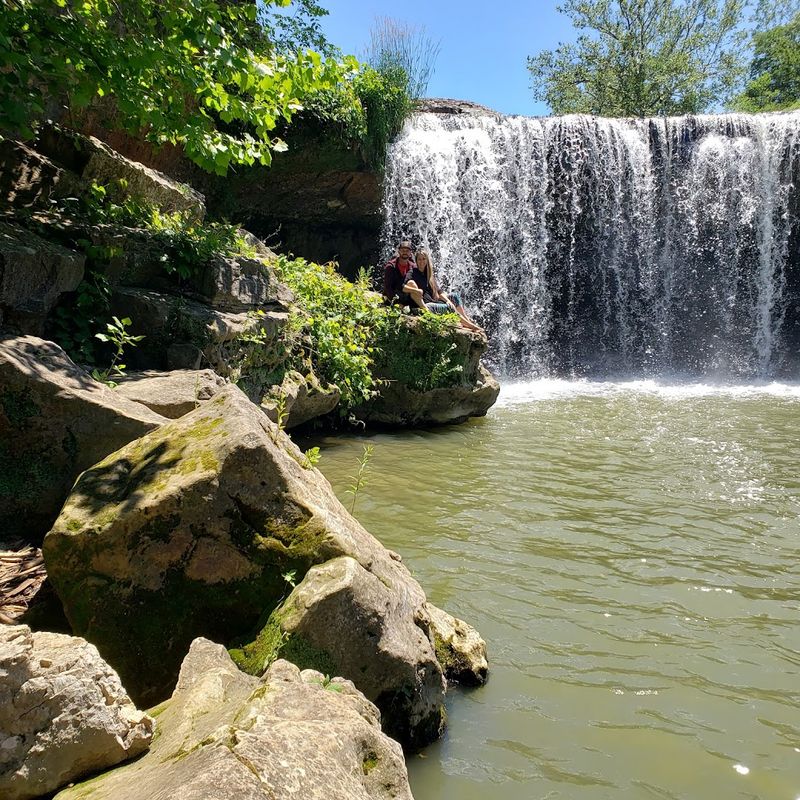
Eating lunch next to the sound of rushing water is one of those simple pleasures that people do not experience nearly enough.
Cataract Falls State Recreation Area has picnic tables spread throughout the property, giving visitors a ready-made spot to sit down, eat, and soak in the surroundings without any fuss.
The area near the Upper Falls is particularly well-suited for a mid-day break. The sound of the waterfall provides a natural soundtrack, the trees offer shade on warm days, and the overall atmosphere is calm and unhurried.
There is also a playground on site, which makes the location work well for families with younger children who need a bit of room to run around between trail sections.
Bringing your own food saves money and lets you stay as long as you like without needing to rush off to find a restaurant. Pack something simple and filling, grab a blanket if you prefer sitting on the grass, and give yourself permission to slow down for a while.
The park does not have a food vendor on site, so packing ahead is genuinely the best approach. Visiting on a weekday tends to mean fewer crowds, which makes the picnic experience even more relaxing.
Whether you are stopping for a quick snack or planning a full spread, the setting at Cataract Falls turns any ordinary meal into something that feels a little more special than usual.
Skip the Crowds and Visit in Winter for Frozen Beauty
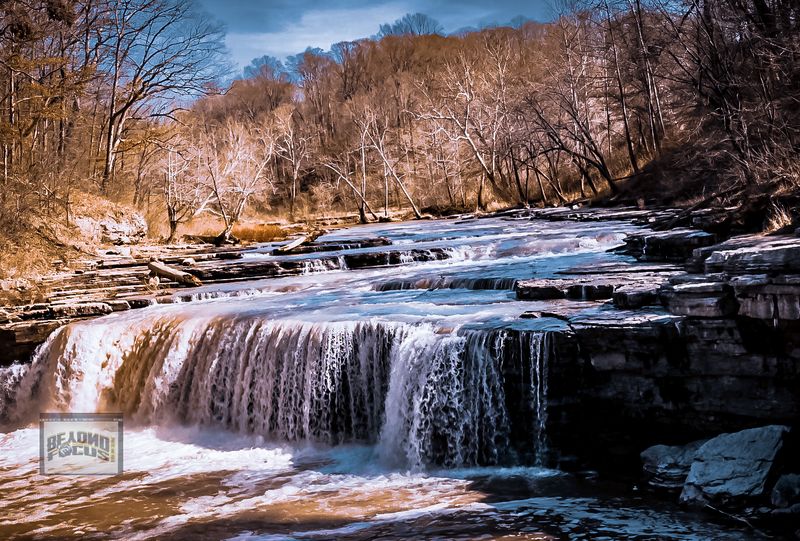
Most people think of waterfalls as a warm-weather destination, but Cataract Falls has a completely different kind of magic in the colder months.
When temperatures drop, the mist from the falls freezes along the rocks and surrounding vegetation, creating elaborate ice formations that look almost otherworldly.
It is one of those sights that genuinely surprises first-time winter visitors.
The crowds thin out significantly from late fall through early spring. If you value solitude and quiet, a winter visit is hard to beat.
The bare trees open up longer sightlines through the forest, and the contrast between the dark water and white ice creates a striking visual that photographers especially appreciate. Snow on the covered bridge adds another layer of scenery that feels almost cinematic.
Dressing in warm layers is essential, and waterproof footwear is strongly recommended since some paths can become icy or slippery near the water’s edge. The park remains open through winter, so access is not an issue as long as you check conditions before heading out.
Arriving in the morning on a clear day gives you the best light for photos and the most peaceful atmosphere overall. Some visitors have described the winter version of Cataract Falls as even more captivating than the summer experience, simply because the transformation is so unexpected.
If you have already visited in warmer months, coming back in January or February will feel like discovering an entirely different place.
Do Not Miss the Fall Foliage Views Along Mill Creek
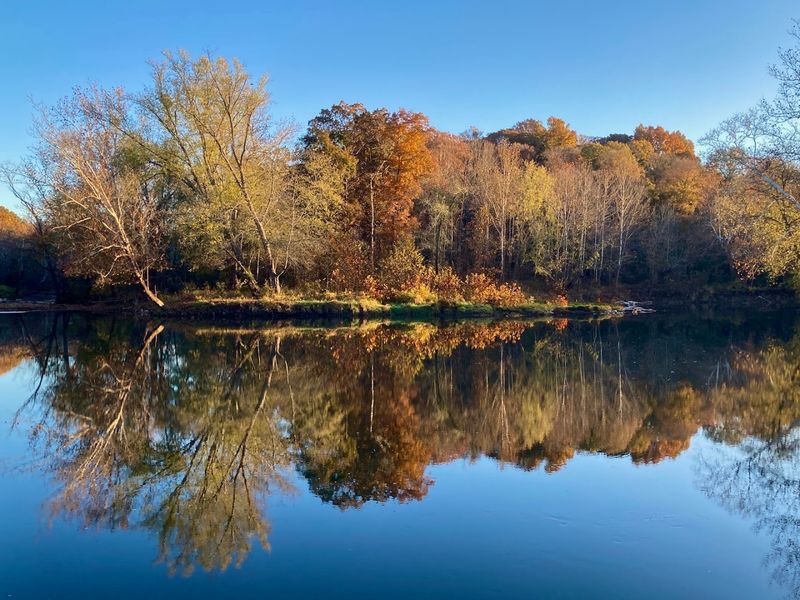
Autumn turns Cataract Falls into one of the most colorful natural settings in the entire state. The trees lining Mill Creek shift from green to rich shades of orange, red, and gold, and the waterfall provides a constant, dynamic centerpiece against all that warm color.
It is the kind of scene that makes you stop walking just to stare for a moment.
October tends to be the peak window for fall color in this part of Indiana, though the exact timing shifts slightly from year to year depending on temperatures. Arriving on a clear morning when the light is low and golden gives the foliage a warm, almost glowing quality that photographs exceptionally well.
The covered bridge from 1876 surrounded by autumn leaves is a particularly striking composition that many visitors seek out specifically during this season.
The trails remain comfortable to walk in fall, and the cooler air makes the hike between the Upper and Lower Falls feel refreshing rather than tiring.
Weekends in October do draw more visitors than usual, so arriving early in the morning or on a weekday gives you a better chance of experiencing the scenery without feeling rushed.
The address for the park is 2605 N Cataract Rd, Spencer, IN 47460, and it is open daily from 6 AM to 9 PM. An entrance fee of $7 per vehicle for Indiana residents and $9 to $10 for out-of-state visitors applies, and that same fee covers access to any other Indiana State Park on the same day.
