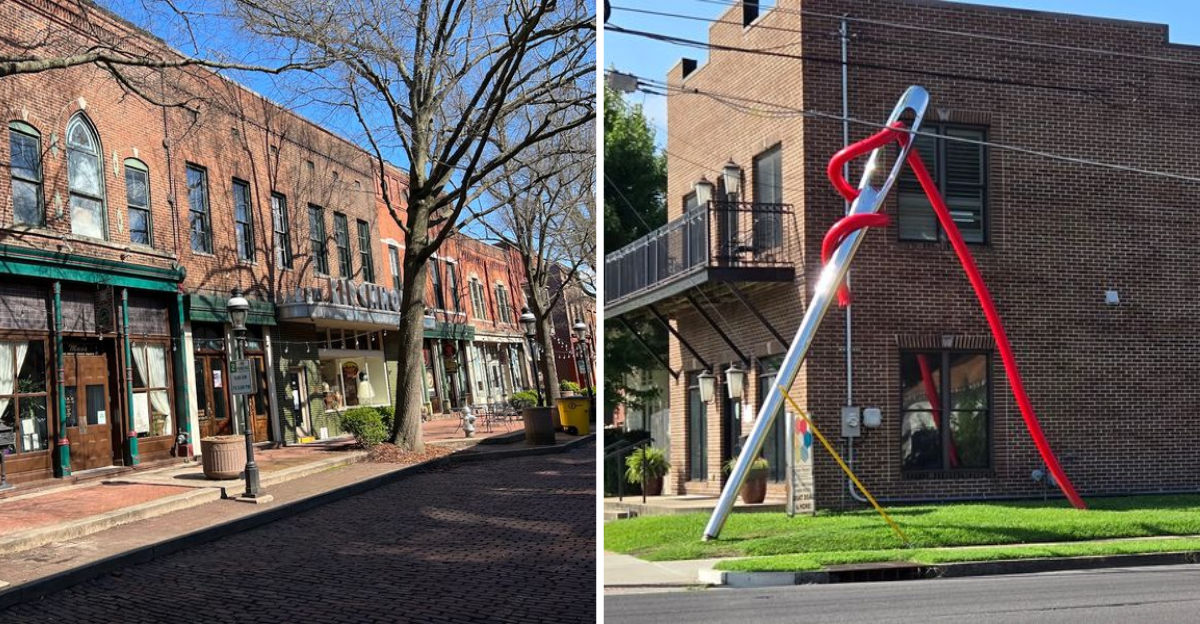
Empty storefronts used to line the main street of this Kentucky town. Boarded up windows.
Dusty signs. The kind of place you drove through without stopping.
Then someone had an idea. Give artists the empty buildings.
Let them paint in the windows. Let them hang work on the walls.
Let them turn front porches into galleries. The transformation did not happen overnight, but it happened. Now the street is full of color.
Murals cover brick walls. Sculptures sit on sidewalks.
Shops sell handmade goods instead of cheap souvenirs. I walked the whole downtown in an afternoon, talking to painters and potters who moved here because rent was affordable and the town actually wanted them.
Kentucky does not always get credit for its creative side. This place proves otherwise.
The Artist Relocation Program That Started It All
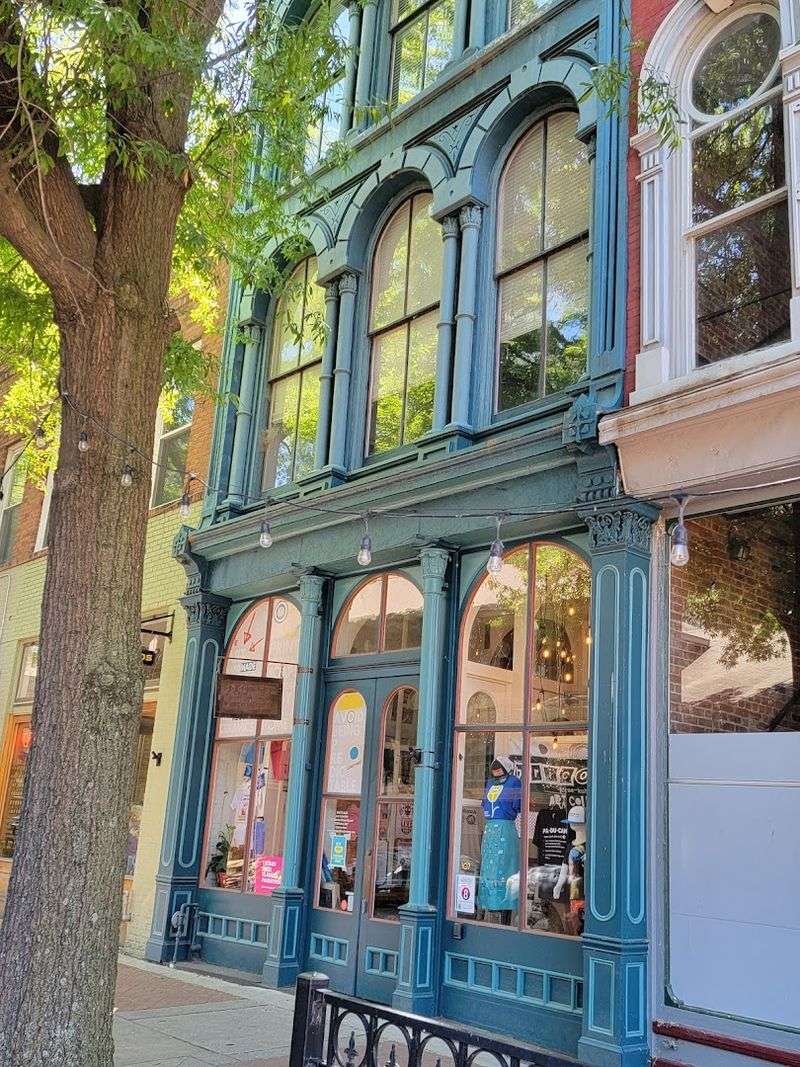
Not every city gets a second chance, but Paducah grabbed theirs with both hands. The Artist Relocation Program, launched in March 2000, was the spark that changed everything about Lower Town.
Local artist Mark Barone pushed for the initiative after watching his neighborhood decline, and city leaders actually listened.
The program offered artists something almost unbelievable: dilapidated Victorian homes for as little as one dollar. Vacant lots were available for free to build new studios and live-work spaces.
Financial incentives included up to $2,500 for architectural services and 100% financing through Paducah Bank.
What made this program different from other urban renewal efforts was its focus on people, not just buildings. Artists weren’t just buyers; they became neighbors, mentors, and community builders.
Materials used in the Lower Town Enterprise Zone were even tax-exempt, lowering the barrier further.
By 2007, over forty artists had relocated, investing an estimated $12 to $15 million into the local economy. That number climbed past $30 million by 2017.
The program became a nationally recognized model for arts-driven economic development, proving that creativity isn’t just culture, it’s a serious economic engine worth investing in.
Lower Town: A 25-Block Canvas Come to Life
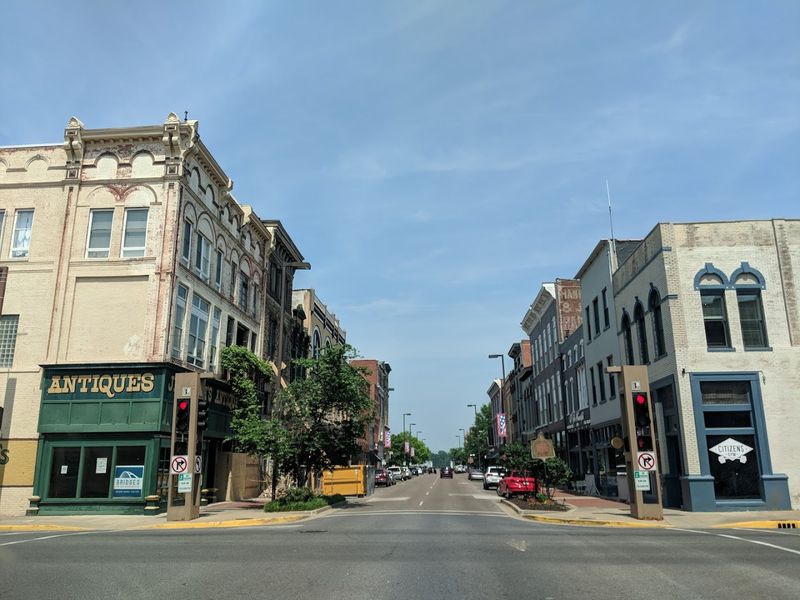
There is something genuinely different about the energy in Lower Town. The streets feel intentional, like every painted door and blooming window box was placed there with purpose.
This 25-block arts district hums with a quiet creative energy that you notice before you can even name it.
Fiber artists, painters, printmakers, potters, and jewelry makers all share this neighborhood. Studios double as storefronts, and residences blend seamlessly into gallery spaces.
The zoning was set up specifically to allow mixed commercial and residential use, which means the line between home and art is beautifully blurred.
The Paducah School of Art and Design anchors the district, giving the area both an educational foundation and a steady flow of young creative energy. Students and established artists work side by side, which keeps the neighborhood from feeling static or museum-like.
First Friday and Second Saturday events open studios and galleries to the public, turning casual visits into genuine experiences. You might catch a printmaker mid-pull or a jeweler setting a stone.
These aren’t staged demonstrations. They are real working moments, and being invited into them feels like a genuine privilege rather than a tourist attraction.
UNESCO Creative City Recognition and What It Means
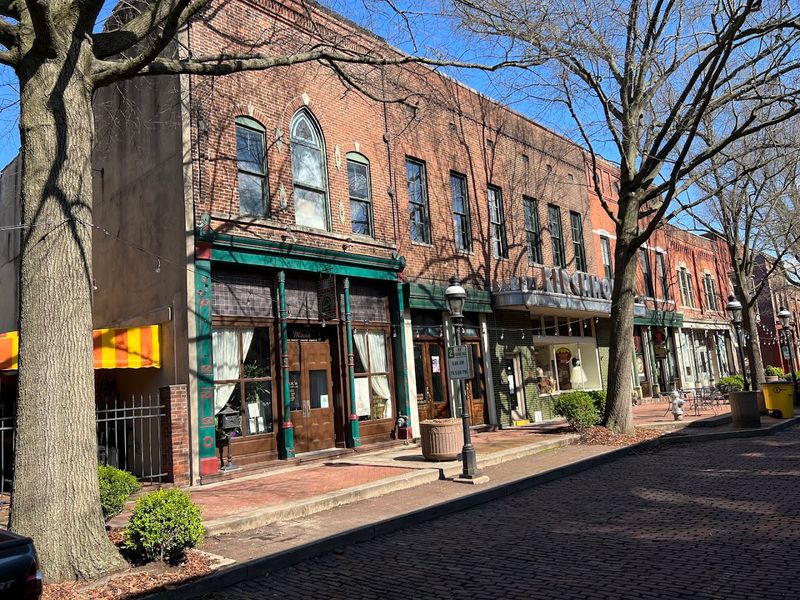
In 2013, Paducah earned a designation that very few American cities hold: UNESCO Creative City of Crafts and Folk Art. That title isn’t handed out casually.
It reflects a sustained, documented commitment to using creative culture as a foundation for community life and economic growth.
The designation recognized two distinct pillars of Paducah’s identity. First, the Lower Town revitalization effort demonstrated that arts-based urban renewal could actually work at scale.
Second, the region’s deep tradition of quilt making gave the city a craft heritage that stretches back generations.
Being part of the UNESCO Creative Cities Network also connected Paducah to a global community of cities prioritizing culture. That kind of recognition changes how a place sees itself.
It shifts the narrative from “struggling river town” to “internationally acknowledged creative hub.”
For residents, the designation brought pride and visibility. For artists considering relocation, it added credibility and appeal.
For tourists, it offered a reason to plan a trip specifically around the arts experience rather than treating it as a side note. Paducah used that recognition wisely, building programming and partnerships that kept the momentum going well beyond the initial announcement.
Quilt Making: The Craft That Runs Deep in Paducah
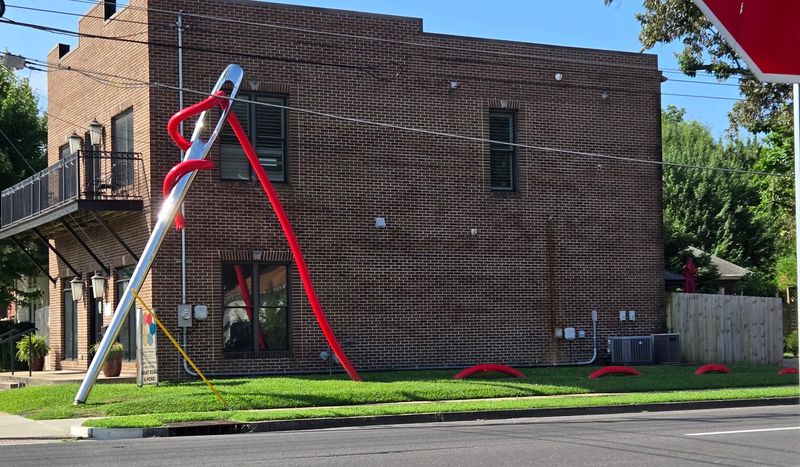
Few things in Paducah carry as much cultural weight as quilting. The National Quilt Museum, located at 215 Jefferson Street, is one of the most visited museums in Kentucky and a genuine destination for textile lovers from around the world.
I was honestly surprised by how emotionally powerful the exhibits felt.
The museum houses rotating collections of contemporary and traditional quilts, many of them competition winners with extraordinary levels of craftsmanship. Some pieces look more like paintings than fabric.
The level of detail in a single quilt can represent hundreds of hours of patient, skilled work.
Quilting in this region isn’t a relic of the past. It’s an active, evolving art form with a passionate community behind it.
Local guilds meet regularly, workshops run throughout the year, and the American Quilter’s Society hosts its annual show in Paducah each spring, drawing tens of thousands of attendees.
For visitors who don’t quilt themselves, the museum still delivers. There’s something deeply human about handmade fabric art, the choices of color, pattern, and texture tell stories without words.
Paducah understands this, and it has built an entire cultural identity around honoring that tradition while pushing it forward.
Front Porches as Community Spaces and Creative Hubs
One detail that keeps coming up when people describe Lower Town is the front porch. It sounds small, but it matters enormously.
These aren’t just architectural features. They are the social infrastructure of the neighborhood, the places where artists talk to neighbors, where strangers become regulars.
When the city offered properties to artists, the idea was never just about filling buildings. It was about filling streets with life.
Porches became informal galleries, conversation spots, and the kind of visible daily presence that makes a neighborhood feel genuinely inhabited rather than curated.
The live-work model was central to this dynamic. Because artists both lived in and worked from their properties, they were present in ways that absentee owners or purely commercial tenants never could be.
That presence changed how the whole neighborhood functioned and felt.
Visitors often mention that Lower Town feels more like a community than a district. That’s not accidental.
It’s the direct result of designing a program around people who would actually root themselves in the place. The front porch, humble and unhurried, turned out to be one of the most powerful tools in Paducah’s reinvention.
Sometimes the simplest ideas carry the most weight.
The Lower Town Art and Music Festival
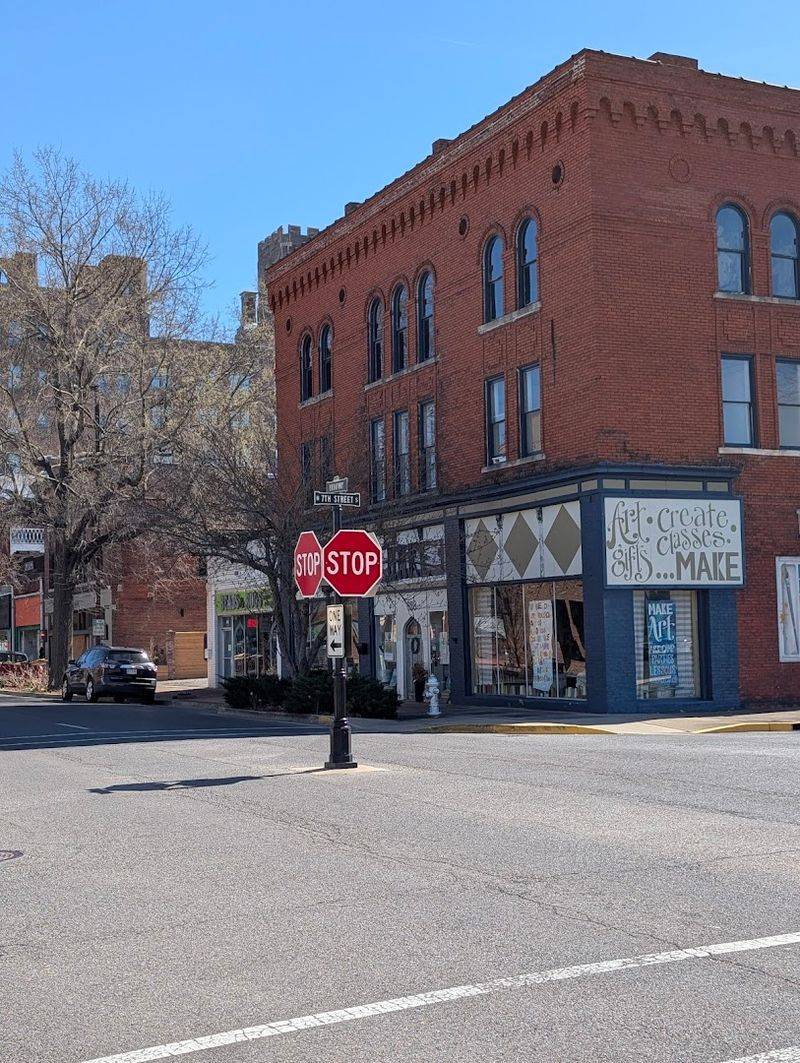
Every year, Lower Town fills up with something extra. The Lower Town Art and Music Festival brings artists, musicians, and visitors together in a celebration that feels genuinely rooted in the neighborhood rather than dropped into it from outside.
It’s one of those events where the setting is as much a part of the experience as the programming.
The festival showcases the diversity of art forms that call Paducah home. You’ll find fiber art alongside ceramics, original paintings next to handcrafted jewelry.
Live music runs throughout the day, and the performances feel appropriately unpretentious, matching the neighborhood’s overall vibe.
What I appreciate most about events like this is that they don’t feel manufactured. The artists showing work are the same people who live on these streets.
The musicians playing are often locals with real ties to the community. That authenticity is hard to fake and even harder to maintain, but Paducah seems to manage it consistently.
For first-time visitors, the festival is a perfect introduction to everything Lower Town represents. For returning visitors, it’s a reason to come back and see what’s new.
Either way, it captures the spirit of a city that chose creativity as its path forward and hasn’t looked back since.
Why Paducah’s Model Works as a Blueprint for Other Cities
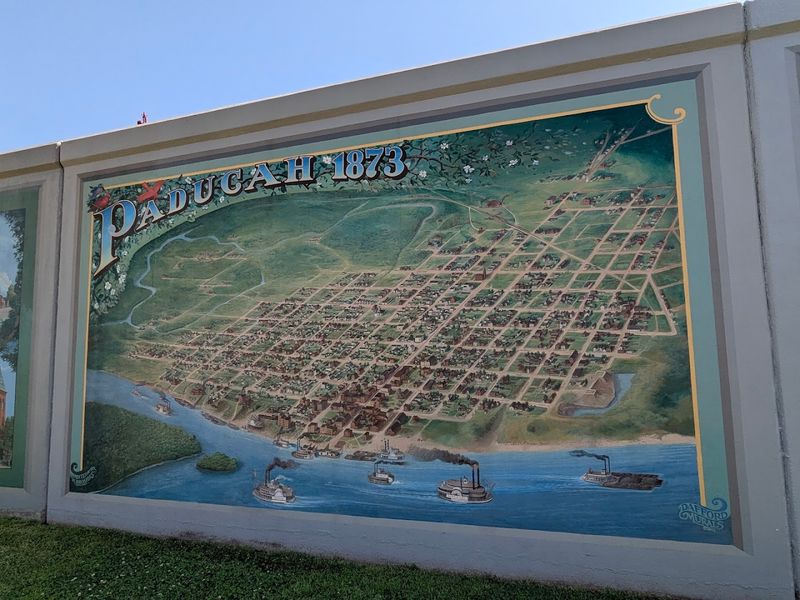
Cities across the country have looked at Paducah and asked the same question: could this work for us? The answer, based on what Lower Town accomplished, is that the core principles are transferable even if the specific details need to fit each community’s unique context.
The key ingredients weren’t complicated. Affordable properties, flexible zoning, real financial incentives, and a genuine commitment to letting artists lead rather than just decorate.
Paducah didn’t hire a branding agency to make the neighborhood look creative. It invited creative people to actually live there.
Community engagement was built into the model from the start. Artists in Lower Town participated in school mentoring programs and community workshops, weaving themselves into the social fabric rather than existing as a separate creative class.
That integration made the transformation durable rather than fragile.
The economic results speak clearly. Millions of dollars in private investment followed the initial program.
Property values rose. Tourism increased.
New businesses opened. All of this started with a decision to take empty buildings seriously and treat artists as economic partners rather than cultural ornaments.
Paducah’s story is proof that reinvention doesn’t always require massive resources. Sometimes it just requires imagination and the courage to act on it.
