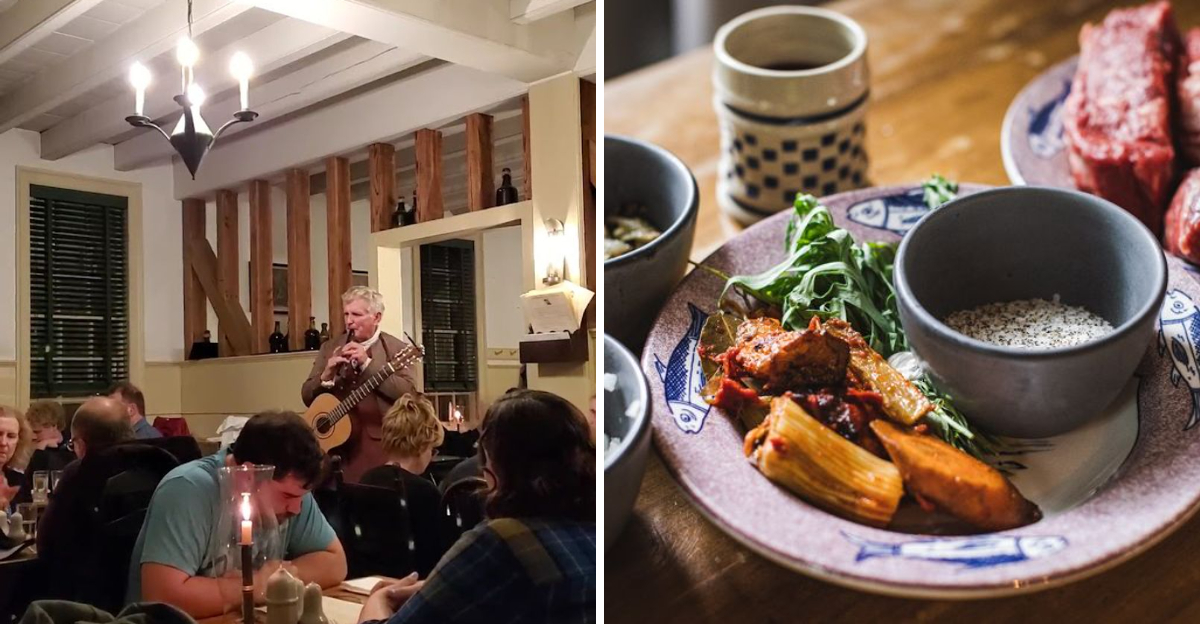
Step inside and the present fades faster than you expect. In the heart of Virginia stands a tavern that holds tightly to its colonial roots, offering a glimpse into a time when the country was still finding its footing.
The walls have witnessed centuries of conversation, and the dishes served today stay remarkably close to their original forms. There is something striking about sitting where early American figures once gathered, imagining the debates and decisions that shaped a nation.
It is not just a place to eat, but a rare chance to experience history in a way that feels immediate and real.
A Tavern Born From Colonial Virginia’s Most Spirited Era
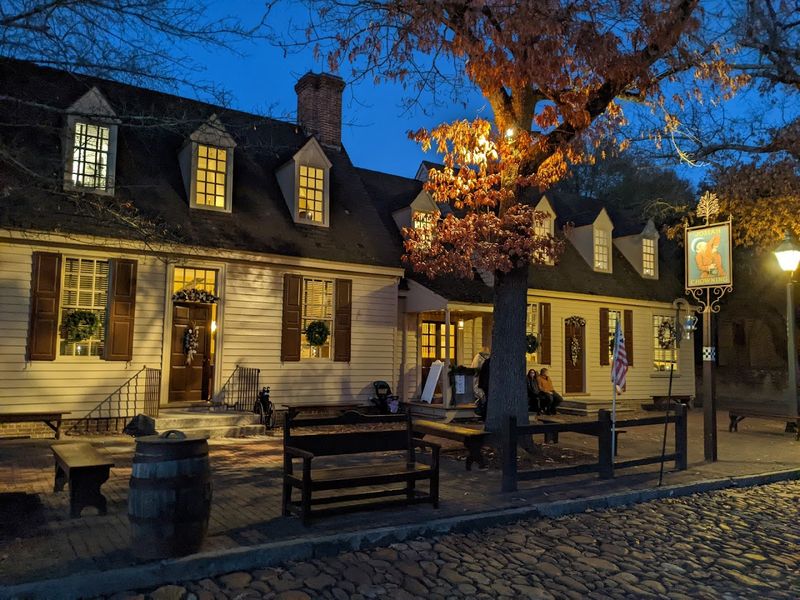
Walking up Duke of Gloucester Street in Williamsburg, Virginia, the first thing that catches your eye is the unmistakable white colonial facade of Chowning’s Tavern. It sits with quiet confidence among the cobblestones, looking exactly like the kind of place where serious colonial business once went down over a shared meal and lively debate.
Originally established by Josiah Chowning in 1766, this alehouse quickly became a buzzing social hub for everyday Virginians. It was not just a place to eat.
It was where neighbors argued politics, traders struck deals, and locals caught up on the latest news from the colonies.
The tavern eventually came down before the Civil War, but its legacy never truly disappeared. Colonial Williamsburg brought it back to life in 1941 after thorough historical research, faithfully restoring every architectural detail.
Today, Chowning’s Tavern stands as one of the most beloved landmarks in all of Virginia, drawing curious minds eager to taste what colonial life actually felt like from the inside out.
The Meticulous Restoration That Made History Breathe Again
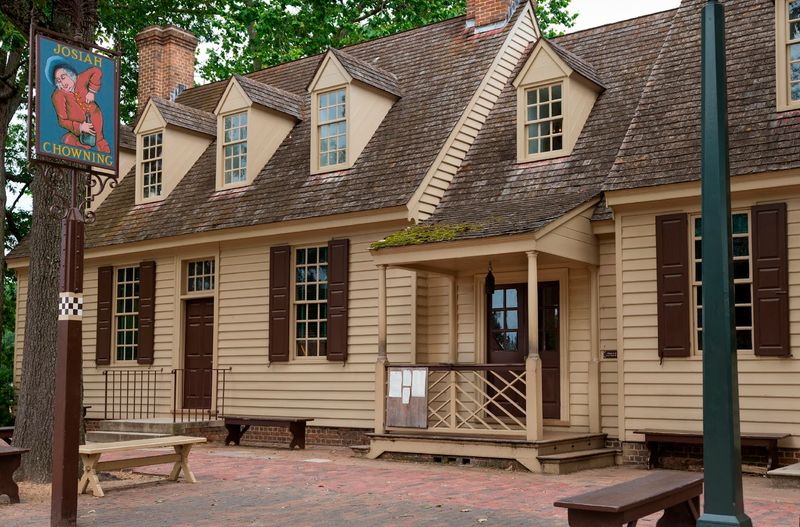
Bringing a tavern back from the 18th century is no small task, and Colonial Williamsburg did not cut corners. The restoration of Chowning’s Tavern in 1941 was driven by deep archival research, with historians combing through period records to get every plank, beam, and furnishing as close to the original as possible.
The result is a space that genuinely transports you. Low ceilings, rough-hewn wooden tables, and the warm glow of period-style lighting all work together to create an atmosphere that feels less like a museum recreation and more like an actual functioning colonial alehouse.
There is texture here that modern restaurants simply cannot manufacture.
Every detail serves a purpose. The furniture follows 18th-century joinery traditions.
The layout mirrors how colonial taverns operated as multi-use social spaces. Even the layout of the garden area reflects how outdoor space was used in the era.
Virginia takes its colonial heritage seriously, and this restoration is proof. Chowning’s Tavern does not just reference the past.
It inhabits it with a commitment that makes every visit feel genuinely educational and surprisingly emotional at the same time.
Recipes Pulled Straight From 18th-Century Cookbooks
The culinary team at Chowning’s Tavern does not just cook. They research.
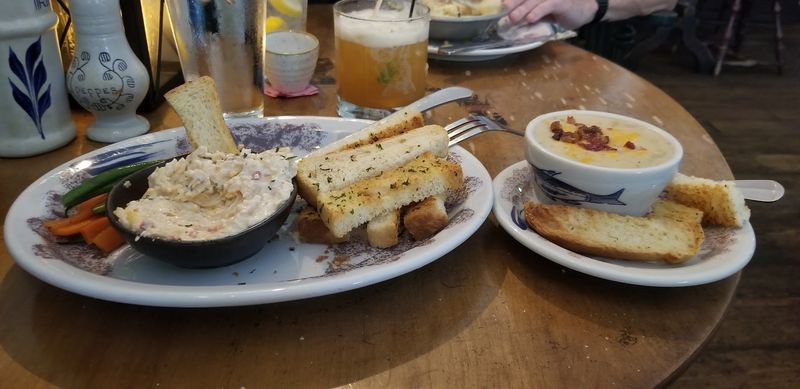
Many of the dishes on the menu trace directly back to historical cookbooks, including Martha Washington’s own personal cookbook, which provides a fascinating window into how colonial Virginians actually ate.
Dishes like Stewed Duck, Onion Pye, and Snow Eggs appear on the menu not because they sound quirky, but because they are genuinely authentic. Snow Eggs, a delicate dessert of whipped egg whites served on a custard sauce, has a particularly fascinating backstory.
It is credited to James Hemings, an enslaved African American chef who trained in France and worked at Thomas Jefferson’s Monticello.
Hoppin’ John Risotto is another standout, honoring the culinary contributions of enslaved Africans whose ingredients and cooking practices shaped so much of what we now call Southern food. These are not gimmick dishes.
They carry real historical weight and genuine flavor.
Eating at Chowning’s Tavern is a surprisingly moving experience. Each dish is a conversation with the past, served warm and with enough backstory to keep you thinking long after you have pushed back your chair.
The Atmosphere Inside Is Pure Colonial Theater
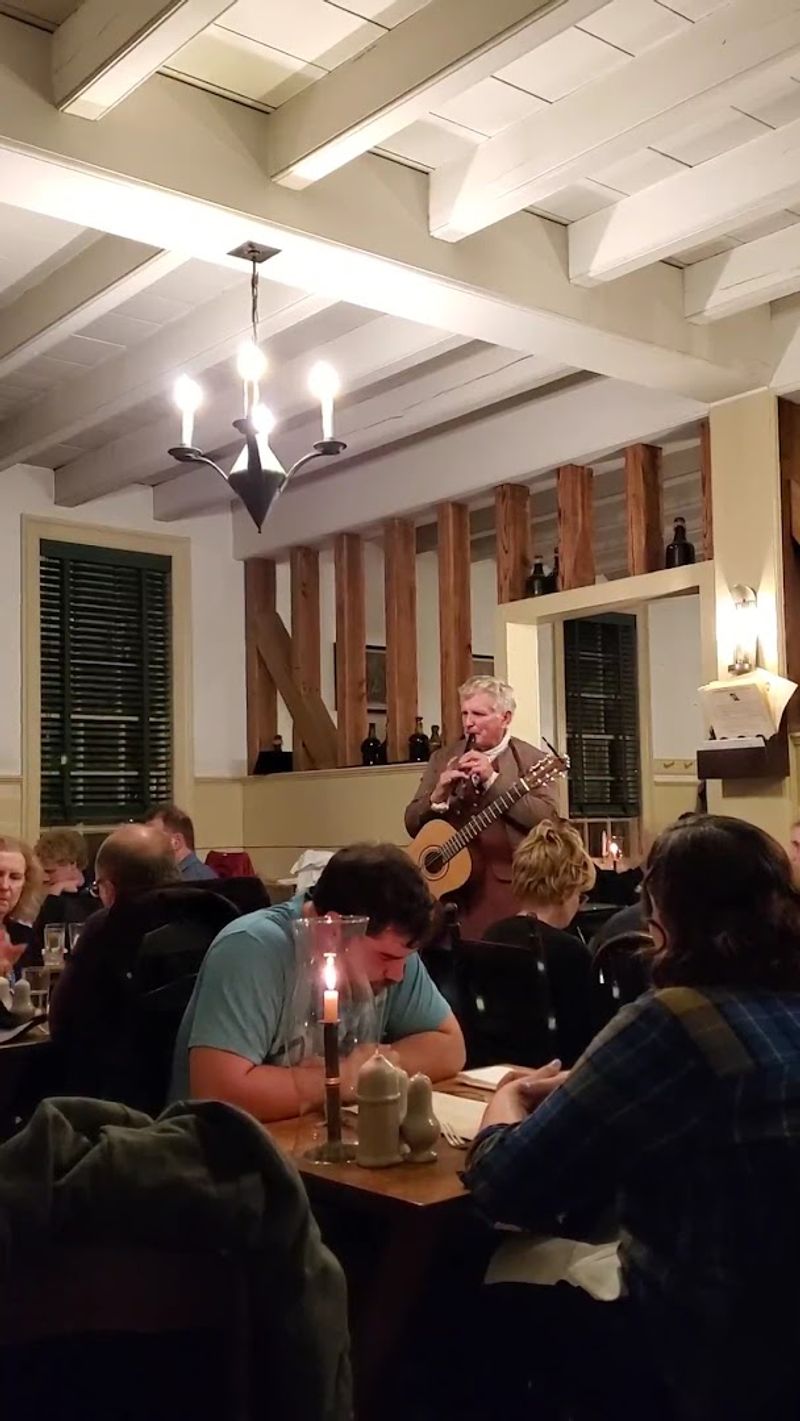
There is a specific kind of magic that happens the moment you cross the threshold into Chowning’s Tavern. The noise of the modern world drops away almost instantly.
What replaces it is the warm hum of a colonial alehouse doing exactly what it was designed to do: make people feel at home.
Staff dressed in period-appropriate colonial attire move through the low-ceilinged rooms with practiced ease. They do not break character unnecessarily, and many are remarkably knowledgeable about the history behind every corner of the building.
Asking questions here is genuinely rewarding because the answers tend to be fascinating.
The seating arrangements follow the colonial tradition of communal benches and shared tables, which naturally encourages conversation between strangers. It is a social setup that modern restaurants have almost entirely abandoned, and its absence in everyday life makes its presence here feel refreshing and oddly intimate.
Fireplaces anchor the main rooms with a warmth that goes beyond temperature. On a cool Virginia evening especially, sitting near one of those hearths while the tavern fills with chatter and the faint sound of period music feels genuinely extraordinary.
This is atmosphere done with absolute conviction.
Evening Entertainment That Sends You Back Two Centuries
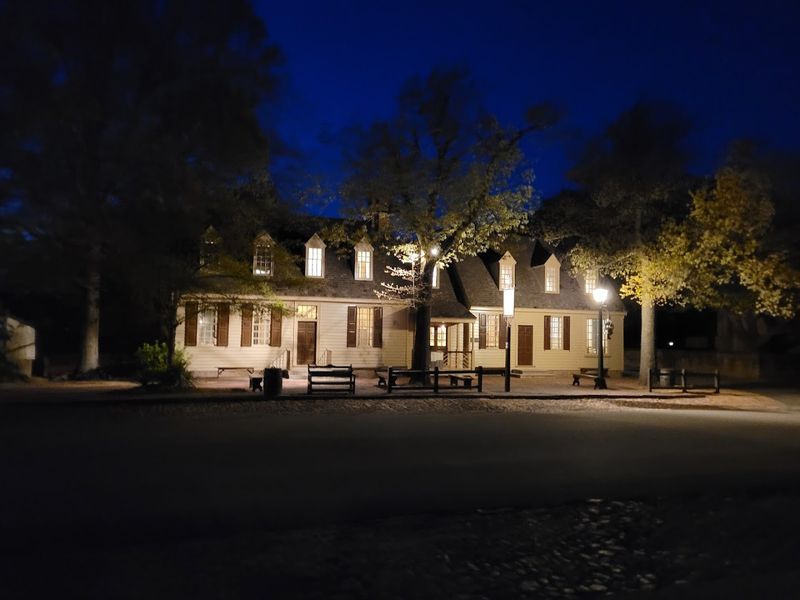
Once the sun dips below the roofline on Duke of Gloucester Street, Chowning’s Tavern shifts into a different gear entirely. The evening programs here are genuinely unlike anything you will find at a standard restaurant, blending period music, traditional games, and costumed performances into something that feels more like time travel than dining out.
Musicians dressed in colonial attire perform tunes that would have been familiar to 18th-century Virginians, filling the low-ceilinged rooms with melodies that sound both foreign and strangely comforting. One visitor famously described the experience as feeling like walking into a warm inn on a cold night, and that description lands perfectly.
Traditional period games are sometimes available for guests to try, adding a playful layer to the evening that kids and adults alike tend to enjoy more than they expected. Colonial parlor games have a surprisingly competitive edge once you get the hang of them.
The entertainment at Chowning’s Tavern is not background noise. It is a fully integrated part of the experience, designed to immerse you completely.
Virginia history has rarely been this entertaining, and rarely this genuinely fun to participate in rather than simply observe from a distance.
The Garden Seating Area That Blooms With Colonial Charm
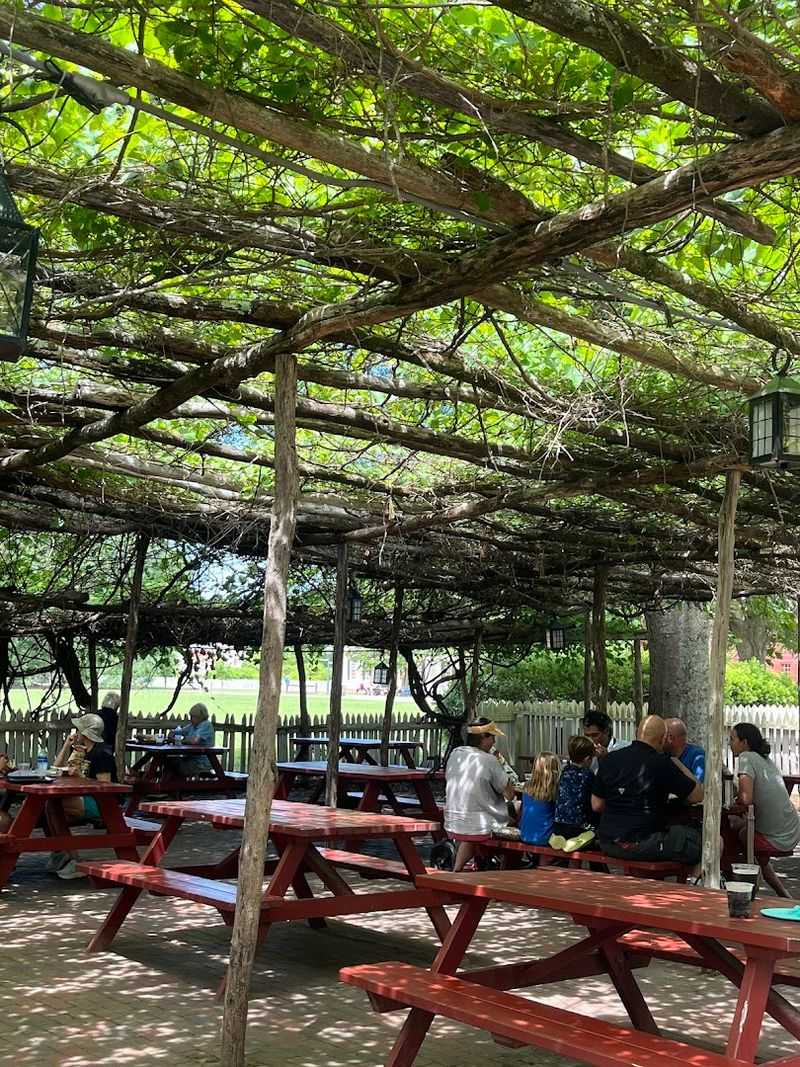
Not everything at Chowning’s Tavern happens indoors. The garden area out back is one of the most pleasant surprises the property has to offer, especially on a warm Virginia afternoon when the vine-laden canopy filters the sunlight into something genuinely dreamy.
The open-air setup has a relaxed, unhurried energy that contrasts beautifully with the more formal interior dining rooms. Seating here is casual and comfortable, with the white colonial building providing a picture-perfect backdrop that makes every photo look like it belongs on a travel magazine cover.
During warmer months, the garden operates as a counter-service spot, making it a great option for those who want to soak up the Colonial Williamsburg atmosphere without committing to a full sit-down experience. The surrounding greenery and period architecture create a setting that feels genuinely peaceful.
Locals and first-time visitors alike tend to linger here longer than planned. There is something about the combination of open sky, colonial architecture, and the faint sounds of Duke of Gloucester Street just beyond the fence that makes it very difficult to leave.
Chowning’s Tavern earns its reputation one garden visit at a time.
Honoring the Unsung Culinary Voices of Colonial America
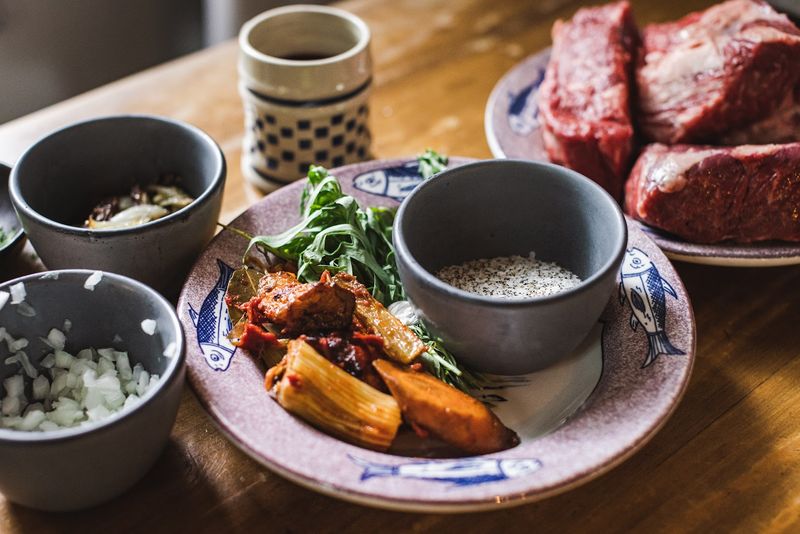
One of the most powerful things Chowning’s Tavern does is tell the full story of colonial cooking, not just the polished version. The culinary program here actively honors the contributions of Black chefs and enslaved Africans whose skills, ingredients, and techniques fundamentally shaped the food of early America.
James Hemings is perhaps the most notable figure recognized through the menu. Trained as a chef in France by Thomas Jefferson’s direction, Hemings brought sophisticated culinary techniques back to Virginia and created dishes that became staples at Monticello.
Snow Eggs, the ethereal dessert still served at Chowning’s Tavern today, is directly linked to his legacy.
Hoppin’ John Risotto tells another chapter of this story. The dish traces its roots to West African culinary traditions brought to America through the brutal reality of slavery.
Serving it here is a deliberate act of historical acknowledgment, giving credit where it has too often been denied.
This commitment to inclusive food history sets Chowning’s Tavern apart from being merely a novelty dining experience. It becomes something more meaningful: a place where the full, complicated, and deeply human story of American cuisine gets told with honesty and genuine respect.
Root Beer Brewed From a Recipe That Predates the Revolution
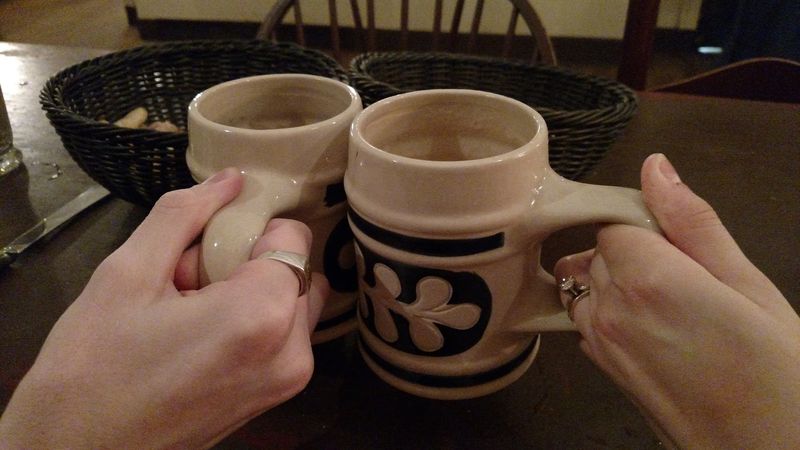
Among the more delightfully specific things you can take home from Chowning’s Tavern is a bottle of their non-alcoholic root beer, brewed from an 18th-century recipe. It is the kind of souvenir that actually tells a story, unlike a generic fridge magnet or a mass-produced colonial hat.
The recipe itself predates the American Revolution, which gives every sip a peculiar historical weight. Root beer in colonial America was brewed using a combination of roots, barks, and botanicals that varied by region and season.
The version produced for Chowning’s Tavern stays true to that tradition, resulting in a flavor profile that is noticeably different from anything you would find in a modern grocery store.
It is earthy, complex, and just a little surprising on the first taste. That surprise is part of the point.
Colonial palates were shaped by ingredients and preparation methods that have largely disappeared from mainstream cooking, and this root beer is a small but genuine taste of that lost world.
Picking up a bottle makes for an easy, conversation-starting gift. Back home in Virginia or anywhere else, cracking it open and explaining the backstory tends to make people genuinely curious about the history behind the brew.
Duke of Gloucester Street: The Address That Defines Colonial Cool
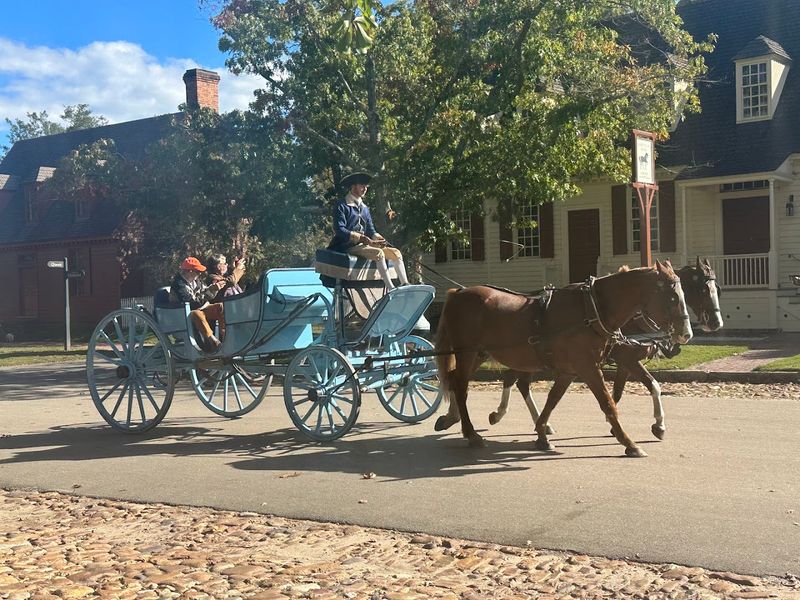
There are streets that carry history in their bones, and Duke of Gloucester Street in Williamsburg, Virginia, is absolutely one of them. Stretching through the heart of Colonial Williamsburg, this is the kind of road that makes you slow your pace instinctively because rushing through it would feel genuinely disrespectful to everything it represents.
Chowning’s Tavern sits at 109 E Duke of Gloucester Street, right in the thick of it all. The positioning is perfect.
Step outside after your meal and you are immediately surrounded by more colonial architecture, costumed interpreters, working craftspeople, and the general feeling that the 18th century never quite left.
The street itself has a rhythm that changes throughout the day. Morning walks are peaceful and photogenic.
Afternoon brings more activity as Colonial Williamsburg fills with curious explorers. By evening, the gas-style lanterns cast a golden glow that turns the whole scene into something almost theatrical.
Spending time on this street before or after visiting the tavern is not optional, it is essential. The two experiences reinforce each other beautifully.
Chowning’s Tavern makes the most sense when you understand the world it was built for, and that world is still very much alive just outside its front door.
Why Chowning’s Tavern Belongs on Every Virginia Bucket List
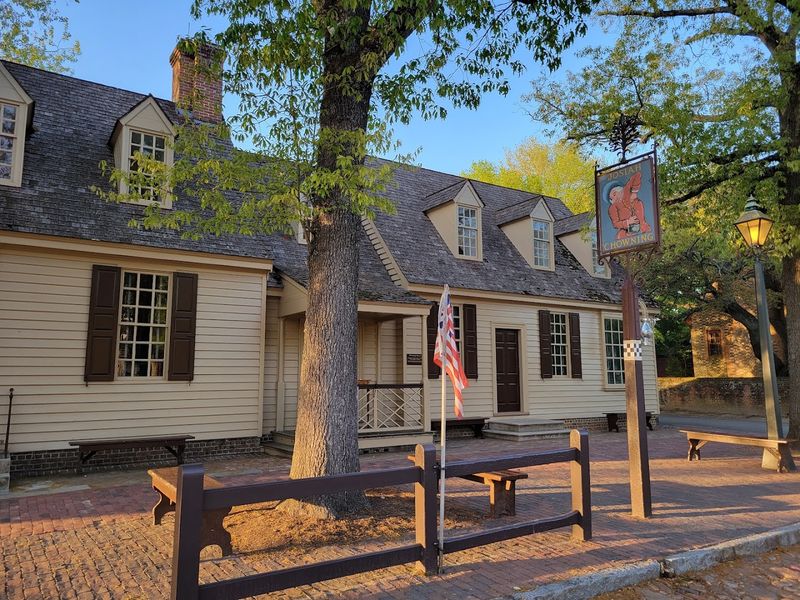
Virginia has no shortage of historic attractions, but very few of them manage to be simultaneously educational, delicious, entertaining, and emotionally resonant all in the same visit. Chowning’s Tavern pulls that off with apparent ease, which is exactly why it keeps drawing people back year after year.
The combination of meticulously researched food, period-authentic atmosphere, evening entertainment, and a setting that has barely changed since the colonial era creates an experience that is genuinely difficult to replicate anywhere else in the country. This is living history in the most literal and satisfying sense of the phrase.
Families find it engaging because the theatrical elements keep younger visitors hooked. History enthusiasts find it rewarding because the culinary and architectural details are rigorously accurate.
Food lovers find it surprising because the 18th-century recipes often deliver flavors that feel both ancient and unexpectedly satisfying.
Plan your visit to Chowning’s Tavern at 109 E Duke of Gloucester Street, Williamsburg, Virginia 23185. Go hungry, go curious, and go with enough time to linger.
The colonial era has been waiting a long time to impress you, and this tavern is absolutely ready to make its case. Pack your bags and get yourself to Williamsburg.
Dear Reader: This page may contain affiliate links which may earn a commission if you click through and make a purchase. Our independent journalism is not influenced by any advertiser or commercial initiative unless it is clearly marked as sponsored content. As travel products change, please be sure to reconfirm all details and stay up to date with current events to ensure a safe and successful trip.
