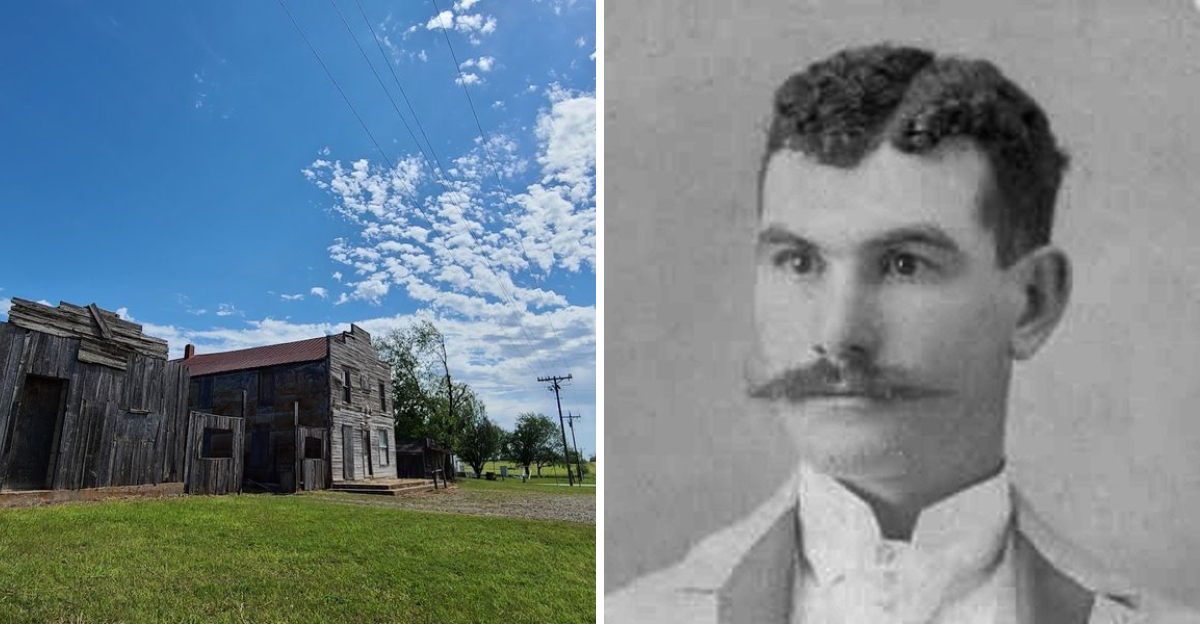
People pass through Payne County, Oklahoma all the time without realizing they’re right next to one of the most dramatic moments in frontier history.
This tiny settlement that barely appears on modern maps, was once the hideout of choice for the Doolin-Dalton Gang, a crew of outlaws bold enough to take on the law and wild enough to make national headlines.
On September 1, 1893, a gunfight now called the Battle of Ingalls turned this quiet prairie stop into a scene straight out of the most dramatic Western stories ever told.
If you have ever wanted to stand where real outlaws once stood and feel the weight of that raw, untamed era, Ingalls is the kind of place that delivers every bit of that history in the most honest and unhurried way possible.
The Battle of Ingalls and What Really Happened
On a hot September morning in 1893, the quiet settlement of Ingalls, Oklahoma, became the site of one of the most dramatic confrontations in frontier history. Deputy U.S.
Marshals had been tracking the Doolin-Dalton Gang for months, and they finally moved in on the gang’s favorite hideout.
The gang, led by Bill Doolin, had grown comfortable in Ingalls. They trusted the town, knew its layout, and believed they had enough warning systems in place to stay safe.
That confidence would be tested severely on that September day.
When the marshals arrived in covered wagons to disguise their approach, the outlaws were already inside a local saloon. The shooting that followed was fast, chaotic, and costly on both sides.
Three deputy marshals lost their lives, and two townspeople were also caught in the crossfire.
The gang managed to escape into the surrounding countryside, but the Battle of Ingalls became a defining moment in Oklahoma’s outlaw era. It showed just how dangerous and organized these frontier criminals truly were, and it cemented Ingalls as a permanent chapter in the story of the American West.
Bill Doolin and His Grip on the Territory
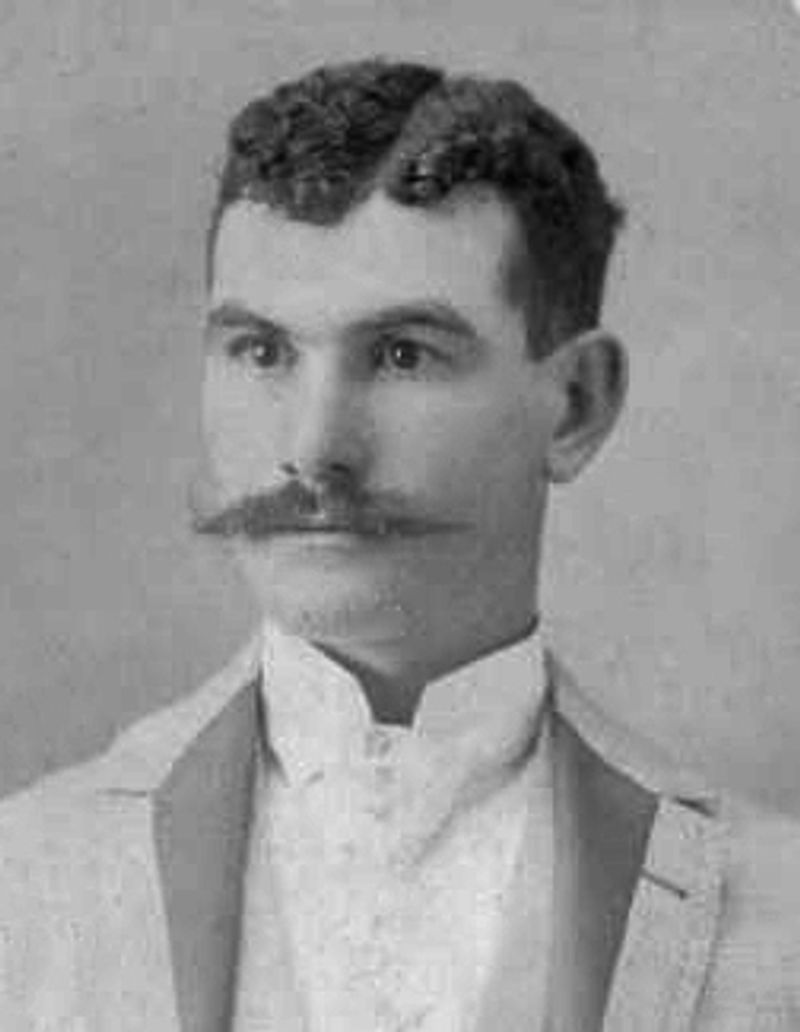
Bill Doolin was not just a criminal with a wanted poster. He was a strategist, a leader, and in some corners of Oklahoma Territory, something close to a folk hero.
He had a talent for picking hideouts that were hard to raid and easy to escape from, and Ingalls fit that description perfectly.
Born in Arkansas and drifting into the territory as a young man, Doolin eventually fell in with the Dalton Brothers before forming his own gang after a botched Dalton raid in Coffeyville, Kansas. That decision to go independent turned out to be both brilliant and dangerous.
The Wild Bunch, as his gang was sometimes called, pulled off a string of bank and train robberies across Oklahoma Territory throughout the early 1890s. Doolin used Ingalls as a base between jobs, and the town’s relative isolation made it a smart choice for a man constantly looking over his shoulder.
His story ended in 1896 when he was finally captured and then shot while attempting to escape custody. Even today, his name is the first one people mention when the history of outlaw Oklahoma comes up in conversation.
The Doolin-Dalton Gang and Their Notorious Crew
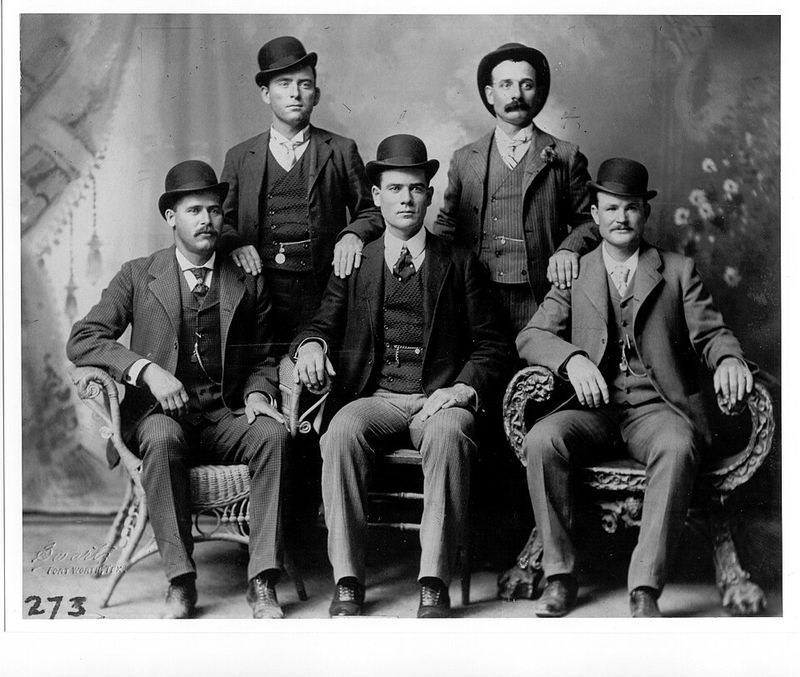
The Doolin-Dalton Gang was not a loosely connected band of drifters. It was a structured, disciplined operation with specific roles for each member, and the roster included some of the most colorful characters in frontier history.
Among the members were men with nicknames that sound almost invented: Bitter Creek Newcomb, Tulsa Jack Blake, and Little Dick West, to name just a few.
Each brought a particular skill to the group, whether that was sharpshooting, scouting, or simply the nerve to ride into a bank and demand compliance.
They operated mainly across Oklahoma Territory and Kansas, hitting banks and trains with a frequency that kept law enforcement in a constant state of frustration. Their success was partly due to local support from sympathetic settlers who sometimes provided food, shelter, or information.
Ingalls served as their informal headquarters, and the town’s residents had a complicated relationship with the gang. Some feared them, some admired them, and a few actively helped them.
That tension between outlaw loyalty and civil order is one of the most fascinating threads running through the history of this small Oklahoma settlement.
What Ingalls Looks Like Today
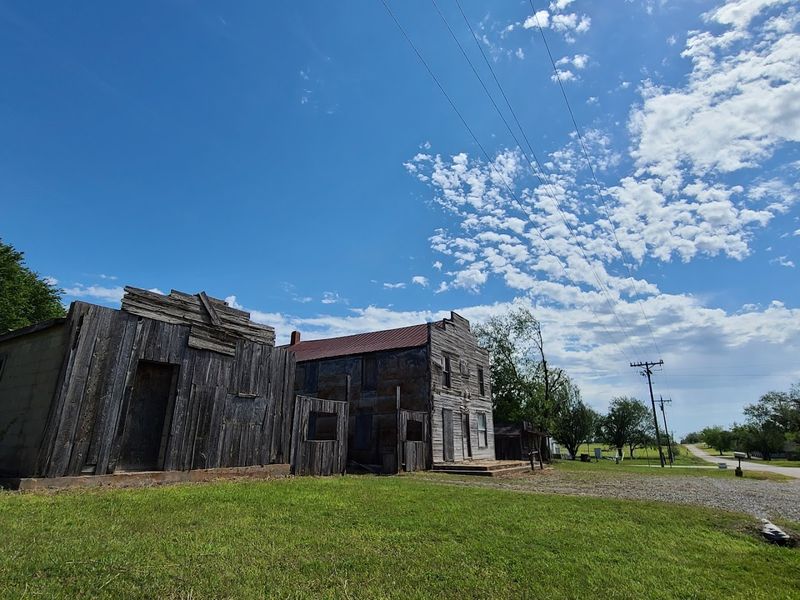
Standing in Ingalls today, it is almost impossible to picture the chaos that once played out on these quiet streets. The settlement has shrunk considerably from its 1890s peak, and what remains is a collection of modest structures spread across the flat Oklahoma prairie.
There are no flashing tourist signs, no gift shops selling outlaw merchandise, and no crowds competing for the best photo angle. What you get instead is the rare experience of standing in a genuinely historic place that has not been polished or packaged for mass consumption.
The landscape itself is part of the story. The wide open fields, the low horizon line, and the dry grass bending in the wind all feel connected to the era when this place mattered enormously to a group of men on the run.
The emptiness is not sad. It is honest.
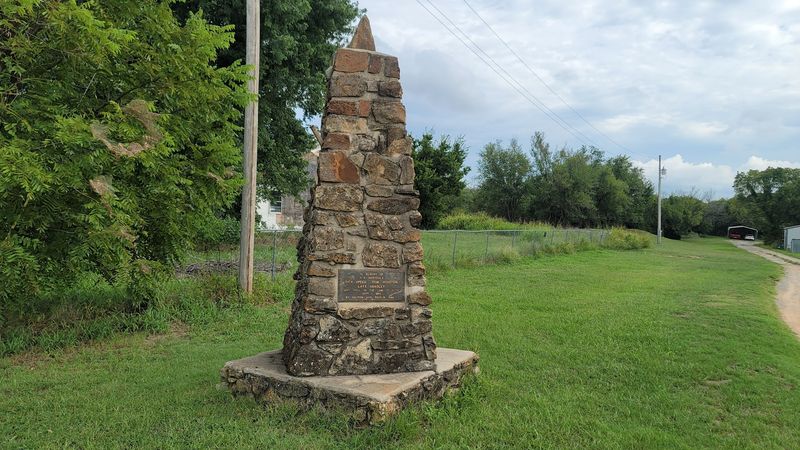
A historical marker near the site helps visitors orient themselves and understand the layout of the 1893 battle. For history enthusiasts willing to make the drive out to Payne County, the quiet authenticity of present-day Ingalls is one of the most rewarding surprises the region has to offer.
The Historical Marker and What It Tells You
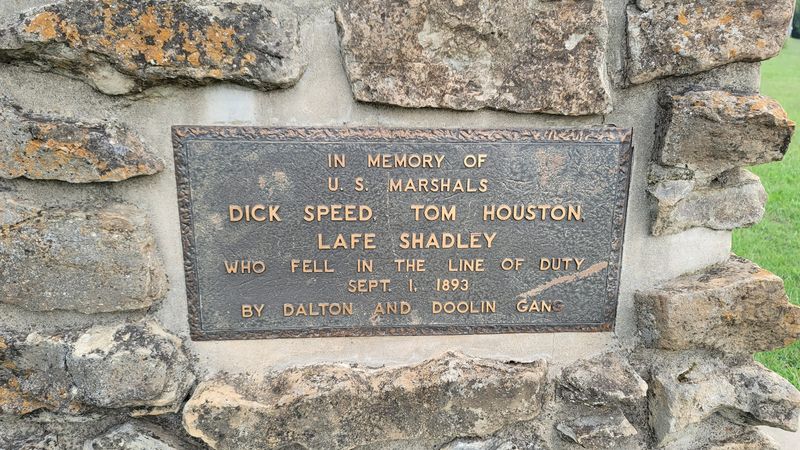
Historical markers do not always do justice to the events they commemorate, but the one standing near the site of the Battle of Ingalls earns its place. It lays out the essential facts of the 1893 confrontation with enough detail to make the event feel real rather than distant.
Reading it on a quiet afternoon, with nothing but the sound of wind and the occasional passing car, creates a surprisingly powerful connection to the past. The marker names the key figures, outlines the sequence of events, and acknowledges the lives lost on both sides of the confrontation.
For anyone visiting without prior knowledge of the battle, the marker serves as a solid entry point. It gives enough context to understand why this particular spot in rural Oklahoma carries so much historical weight without overwhelming the reader with academic detail.
I found myself re-reading it twice, partly because the story is genuinely gripping and partly because it is rare to find a historical marker that covers such a specific, dramatic event with this level of clarity. It is a small thing, but it makes the visit feel complete and worthwhile.
The Role of Payne County in Oklahoma’s Outlaw Era
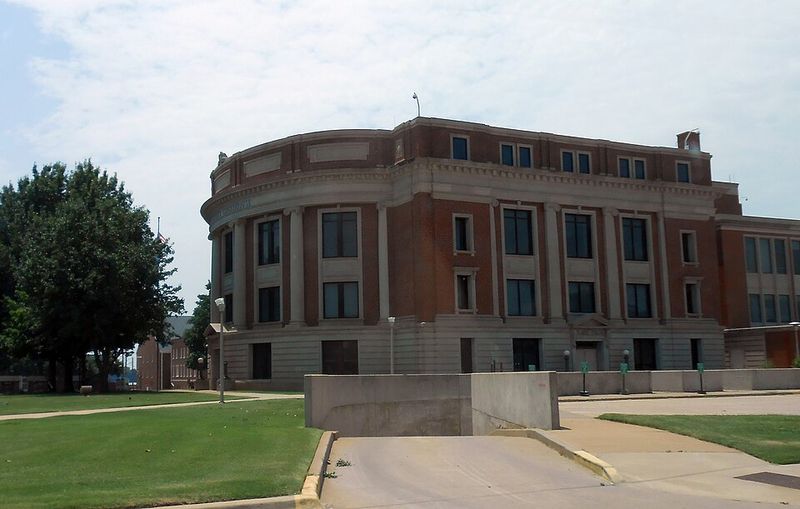
Payne County might not be the first place that comes to mind when people think about Wild West history, but it played a surprisingly central role in the outlaw era of the 1890s. Its geography made it useful for people trying to avoid the law.
The county’s mix of open grassland, creek bottoms, and scattered tree cover gave outlaws both clear sightlines and quick escape routes. Gangs like the Doolin-Dalton crew understood the terrain well and used it strategically when planning their movements between jobs.
Ingalls sat at a useful crossroads within the county, accessible enough for resupply and social activity, but remote enough to avoid constant law enforcement attention. That balance made it the perfect base of operations for a gang that needed to stay mobile.
Oklahoma Territory as a whole was a complicated place during this period. It was in the process of being settled and organized, which meant law enforcement was stretched thin and legal authority was sometimes unclear.
Payne County was one of many places where that uncertainty allowed outlaw culture to take root and grow into something genuinely formidable.
The Lawmen Who Came for the Gang
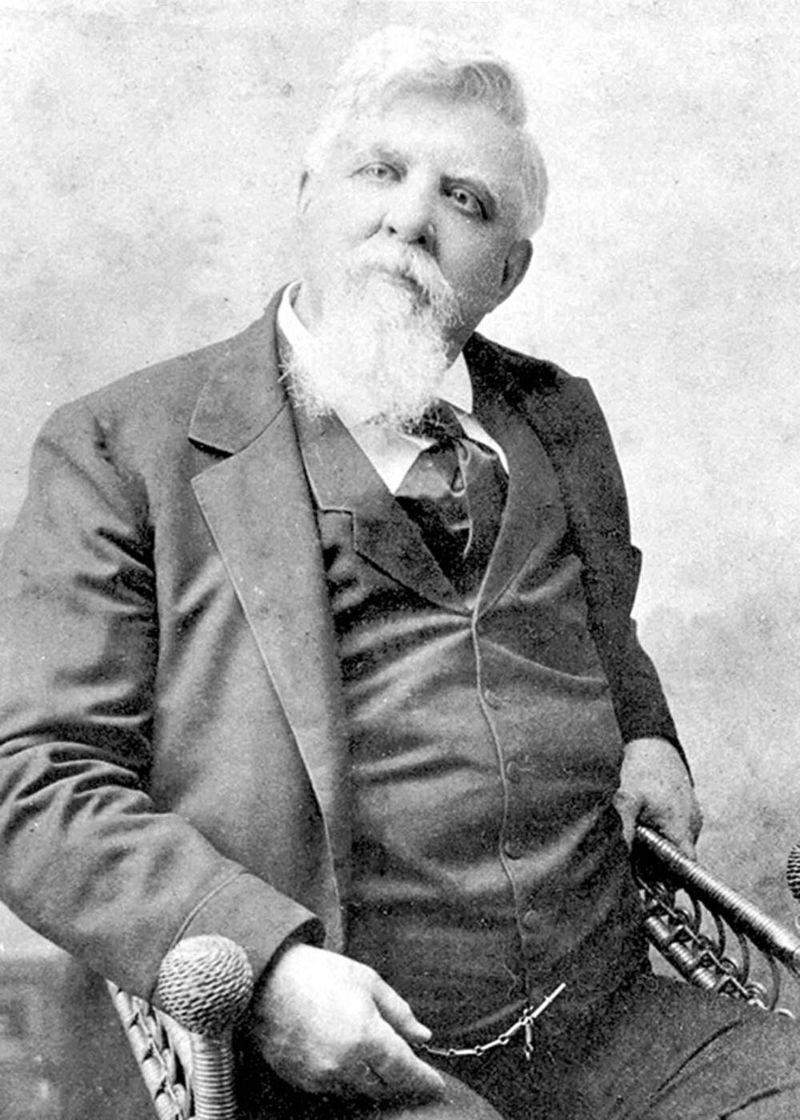
The men who rode into Ingalls on September 1, 1893, were not reckless. Deputy U.S.
Marshals working under the authority of Judge Isaac Parker’s court had planned the operation carefully, using covered wagons to conceal their approach and their numbers.
They knew the gang was well-armed and well-positioned. They also knew that Ingalls had residents who were sympathetic to the outlaws, which meant the element of surprise was their most valuable asset.
When that surprise evaporated, the situation became dangerous almost instantly.
Three marshals paid the ultimate price that day: Tom Hueston, Lafe Shadley, and Dick Speed. Their names are recorded on the historical marker and in the accounts of the battle, and their courage in facing a heavily armed gang in unfamiliar territory deserves acknowledgment.
The operation was considered a failure in tactical terms because the gang escaped, but it demonstrated the determination of federal law enforcement to bring order to Oklahoma Territory.
The marshals who served under Judge Parker were some of the most resilient and underappreciated figures in the history of the American frontier.
How to Get to Ingalls and What to Expect
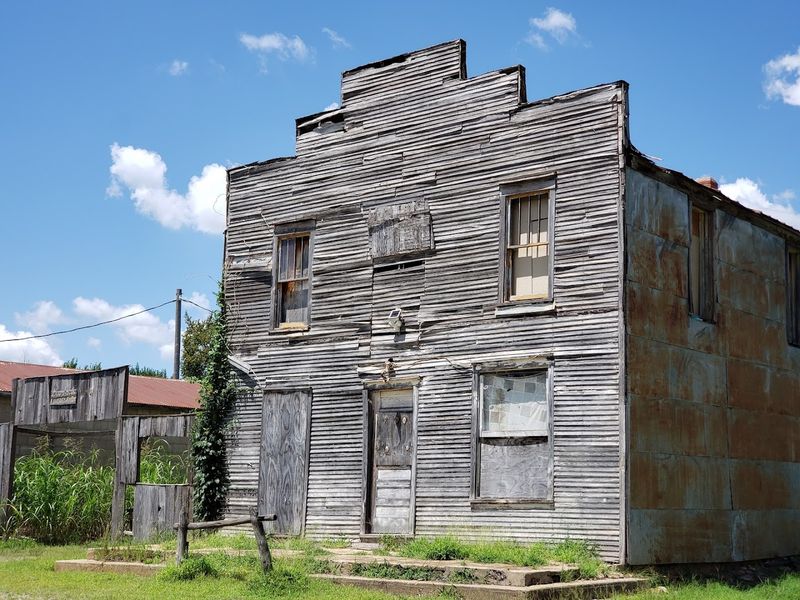
Getting to Ingalls requires a bit of commitment, which is honestly part of the appeal. The settlement sits in rural Payne County, roughly between Stillwater and Cushing, and the drive out involves leaving the main highway and following county roads through open farmland.
There are no services in Ingalls itself, so arriving with a full tank of fuel and any snacks or water you might need is genuinely important. The nearest towns with gas stations and restaurants are a short drive away, but the site itself offers nothing in the way of modern conveniences.
The best approach is to treat the visit as a short road trip rather than a destination stop. Give yourself at least an hour to drive out, walk the area, read the historical marker, and take in the landscape before heading back toward Stillwater or another nearby Oklahoma town.
Cell service can be inconsistent in this part of the county, so downloading offline maps before you leave is a smart move. The drive itself is pleasant, passing through the kind of wide-open Oklahoma scenery that reminds you just how vast and unhurried this part of the state can feel.
The Legacy of the Battle in Oklahoma History
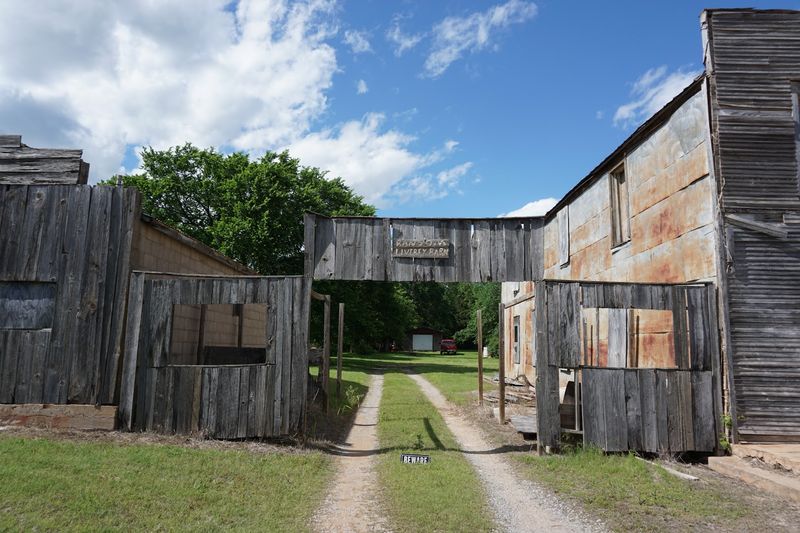
The Battle of Ingalls did not end the outlaw era in Oklahoma Territory, but it changed the dynamic significantly. After the confrontation, federal authorities intensified their efforts to dismantle the Doolin-Dalton Gang, and one by one, the members were captured or forced out of the territory.
Within a few years of the battle, most of the gang’s prominent members had been removed from the picture, and the era of organized outlaw activity in this part of Oklahoma was effectively over. The battle had been a turning point, even if it had not looked like a victory at the time.
For Oklahoma as a state, the story of Ingalls is part of a larger narrative about the transition from frontier territory to organized society. The conflicts between outlaws and lawmen were not just colorful episodes.
They were part of the process by which order was established across the region.
That context gives the Battle of Ingalls a significance that goes beyond the drama of a single gunfight. It is a chapter in the story of how Oklahoma became Oklahoma, and that is worth understanding before you make the drive out to Payne County.
Nearby Stillwater as a Base for Your Visit
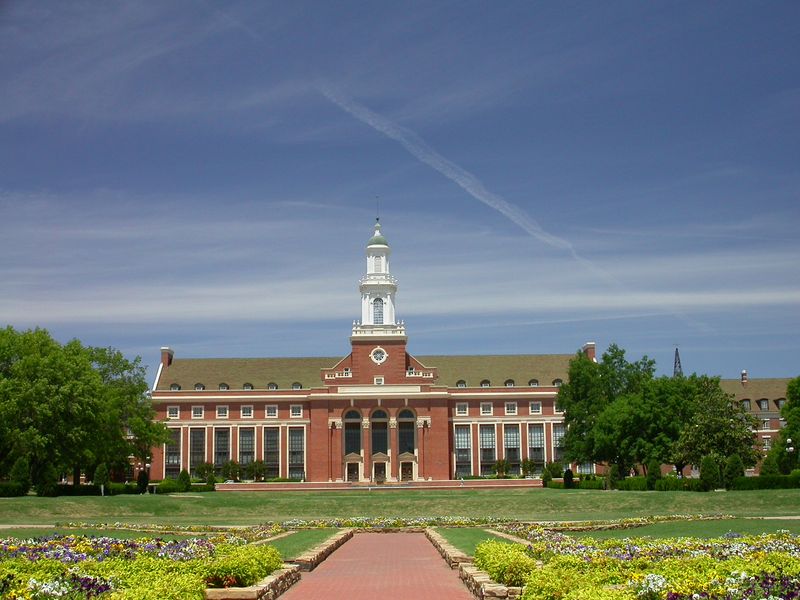
Stillwater, located about 15 miles west of Ingalls, is the most practical base for anyone planning to explore this corner of Oklahoma. As the home of Oklahoma State University, it has a lively and welcoming atmosphere that makes it a genuinely enjoyable place to spend a night or two.
The town has a good range of accommodations, from budget-friendly options near the university to more comfortable hotels closer to the main commercial areas. Finding a place to stay for a weekend is straightforward, and the town is easy to navigate even on a first visit.
Beyond its role as a logistical hub, Stillwater has its own character worth exploring. The downtown area has independent shops, casual eateries, and a campus energy that gives the whole place a sense of life and activity that contrasts nicely with the quiet solitude of Ingalls.
Making Stillwater your home base means you can do the Ingalls trip as a morning excursion and still have the afternoon free for other activities. The combination of frontier history and college-town energy makes for a surprisingly well-rounded Oklahoma road trip experience.
Why Ingalls Deserves More Attention Than It Gets
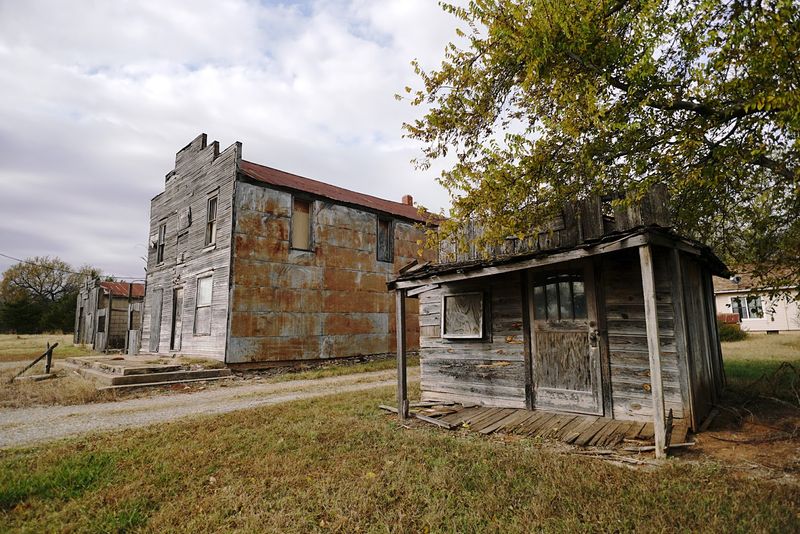
Places like Ingalls tend to fall through the cracks of mainstream tourism, and that is genuinely a shame. The story connected to this small Oklahoma settlement is as dramatic and historically significant as anything you will find at a major frontier museum or national park.
The difference is that Ingalls gives you the story without the crowds, the entrance fees, or the carefully managed visitor experience. You are standing in the actual place where the actual events happened, and the land around you has not changed dramatically in the past century.
That kind of raw, unfiltered historical connection is increasingly rare. Most significant historical sites have been developed, interpreted, and packaged to the point where the original feeling of the place is hard to access.
Ingalls has not gone through that process, and the result is something genuinely moving.
For history enthusiasts, road trip lovers, and anyone curious about the Wild West era beyond the Hollywood version, Ingalls is the kind of place that rewards the effort it takes to find it.
The drive out, the quiet, and the weight of the history all combine to make this one of the most memorable stops in all of Oklahoma.
Dear Reader: This page may contain affiliate links which may earn a commission if you click through and make a purchase. Our independent journalism is not influenced by any advertiser or commercial initiative unless it is clearly marked as sponsored content. As travel products change, please be sure to reconfirm all details and stay up to date with current events to ensure a safe and successful trip.
