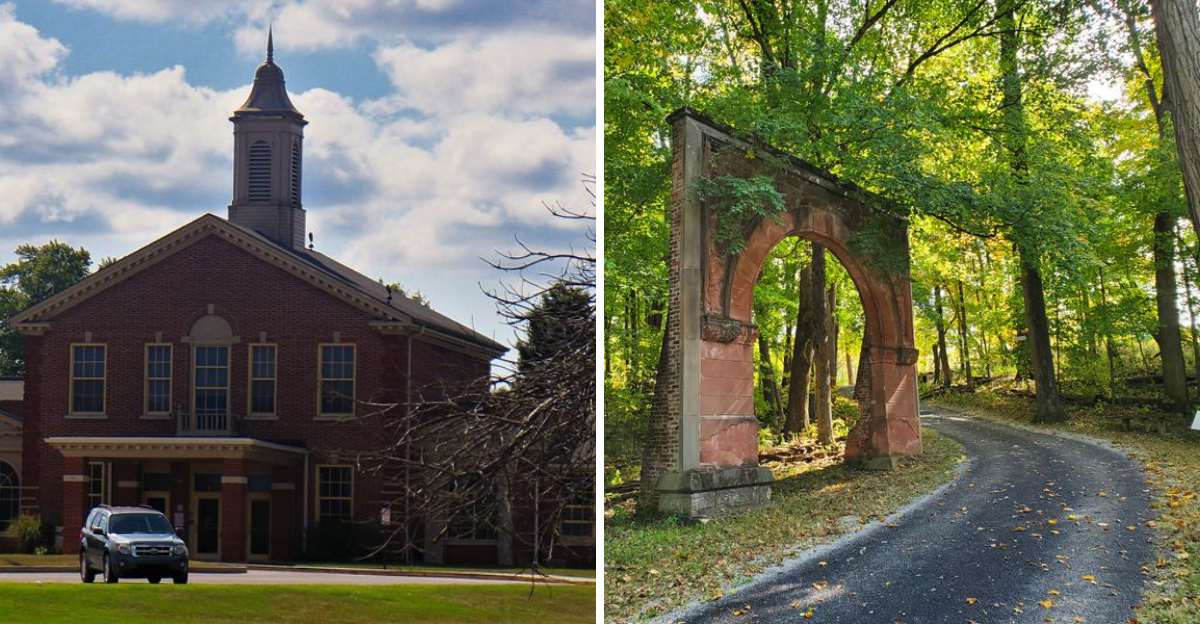
I never expected to find a hidden gem like Richmond tucked away in eastern Indiana, right on the Ohio border. When I first visited this city of about 35,000 people, I was struck by how much it offered without the high price tag you’d find in bigger cities.
The historic downtown, the parks, the cultural attractions, and the genuinely friendly people made me wonder why more retirees weren’t flocking here. Living comfortably on $1,200 a month might sound impossible in today’s economy, but Richmond proves it can be done.
The low cost of housing, affordable utilities, and reasonable prices for everyday needs create a budget that actually works for people on fixed incomes. I’ve spent time exploring this Wayne County seat, talking to locals, and discovering what makes it such a practical choice for retirement.
Richmond isn’t flashy or trendy, but it offers something more valuable: a genuine quality of life that doesn’t drain your savings account. Let me share what I’ve learned about this underrated Indiana city.
Remarkably Low Housing Costs Make Budgets Stretch
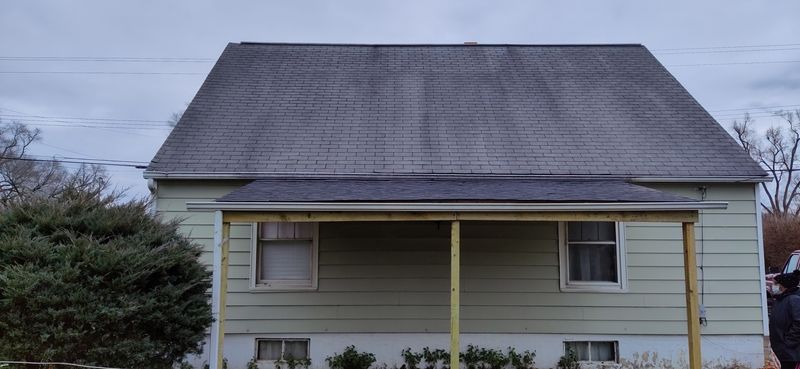
Housing expenses in Richmond run about 40% below the national average, which changes everything for retirees on fixed incomes. You can find decent two-bedroom apartments for $500 to $650 monthly, and that’s not in run-down buildings either.
Many of these rentals sit in safe, established neighborhoods where people know their neighbors and look out for each other.
Buying a home here costs far less than you’d imagine. Single-family houses in good condition regularly sell for under $100,000, with some fixer-uppers going for even less.
Property taxes stay reasonable too, typically running $800 to $1,200 annually for a modest home. That’s money you can keep in your pocket instead of sending to the government.
The historic districts near downtown offer charming older homes with character you won’t find in modern subdivisions. These neighborhoods have tree-lined streets, front porches, and the kind of architectural details that give a place real personality.
Maintenance costs stay manageable because local contractors charge fair rates without the markup you’d see in larger cities.
Utility bills add another layer of affordability, with combined gas, electric, and water often totaling less than $150 monthly for a typical home.
Glen Miller Park Offers Free Recreation and Natural Beauty
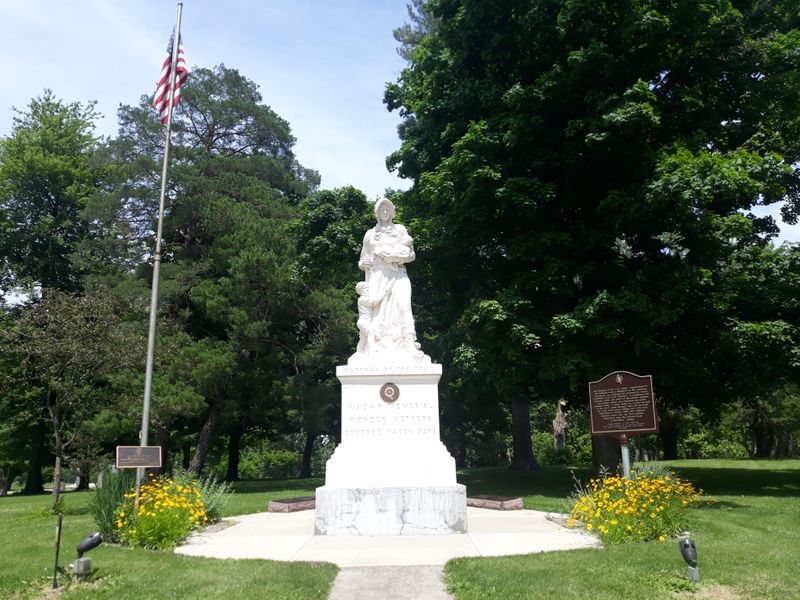
Glen Miller Park sprawls across 195 acres at 2200 East Main Street, providing retirees with endless free entertainment and exercise opportunities. I’ve walked these trails dozens of times, and I always notice how well-maintained everything stays despite the park costing nothing to enter.
The paved paths work perfectly for morning walks or gentle bike rides, with enough variety to keep things interesting without being too challenging.
The park features an 18-hole disc golf course that attracts players of all ages and skill levels. Even if you’ve never tried disc golf, it’s easy to learn and costs almost nothing to start.
You’ll often see groups of retirees out there getting exercise while enjoying friendly competition and conversation.
Rose gardens bloom spectacularly from late spring through fall, offering a peaceful spot to sit and read or just enjoy nature’s beauty. The park also has tennis courts, basketball courts, and open fields where community events happen regularly throughout the year.
These gatherings give retirees chances to connect with neighbors and stay socially engaged.
Wildlife viewing opportunities abound, with deer, rabbits, and numerous bird species calling the park home. Bringing a pair of binoculars and a field guide can turn a simple walk into an educational nature experience.
Richmond Art Museum Provides Cultural Enrichment Without the Cost

Located at 350 Hub Etchison Parkway, the Richmond Art Museum offers free admission to permanent collections that rival museums charging $15 or more elsewhere. I’ve spent entire afternoons wandering through galleries filled with American Impressionist paintings, contemporary works, and rotating exhibitions that keep things fresh.
The building itself dates back to 1898 and carries the kind of historical significance that adds depth to every visit.
The museum’s collection includes works by regional artists who captured Indiana’s landscape and culture over the past century. These pieces connect you to the area’s history in ways that history books simply can’t match.
Special exhibitions bring in works from across the country, exposing Richmond residents to art they’d otherwise need to travel to major cities to see.
Educational programs and workshops happen regularly, many of them free or very low-cost for seniors. You might learn watercolor techniques one week and pottery basics the next.
These classes provide both mental stimulation and social interaction, two things crucial for healthy aging.
The museum’s sculpture garden outside offers another peaceful spot to spend time when weather permits. Benches scattered throughout let you rest while contemplating the artwork, and the landscaping creates a serene environment that feels worlds away from everyday stress.
Hayes Arboretum Delivers 466 Acres of Natural Sanctuary
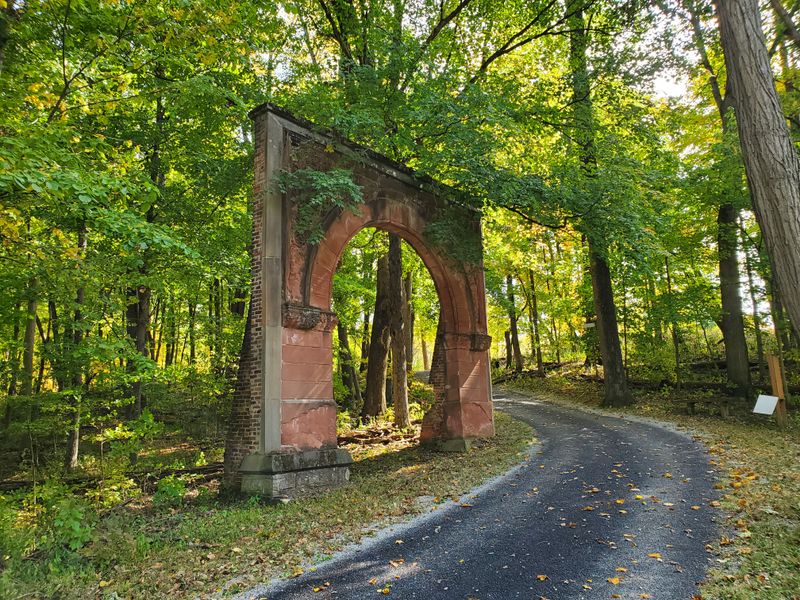
Hayes Arboretum sits at 801 Elks Road, protecting native Indiana ecosystems while providing free access to anyone wanting to explore nature. The 466 acres contain ten miles of trails winding through forests, prairies, and wetlands that showcase what this region looked like before development.
I find something meditative about walking these paths, surrounded by plants and trees that have grown here for generations.
The arboretum functions as a living museum of Indiana’s natural heritage, with labeled specimens helping visitors identify trees, wildflowers, and other plants. This educational aspect appeals to curious minds who enjoy learning something new during their outdoor time.
Bird watchers particularly love this spot, as the diverse habitats attract species you won’t easily see elsewhere in the area.
A nature center on the property offers exhibits explaining local ecology and conservation efforts. Staff members genuinely enjoy sharing their knowledge, answering questions, and helping visitors appreciate the natural world around them.
Programs throughout the year cover topics from maple syrup production to monarch butterfly migration.
The facility stays open year-round, giving retirees a place to stay active regardless of season. Winter walks through snow-covered trails offer their own special beauty, while spring brings wildflower blooms that transform the landscape into a colorful tapestry.
Downtown Richmond Farmers Market Keeps Food Costs Down
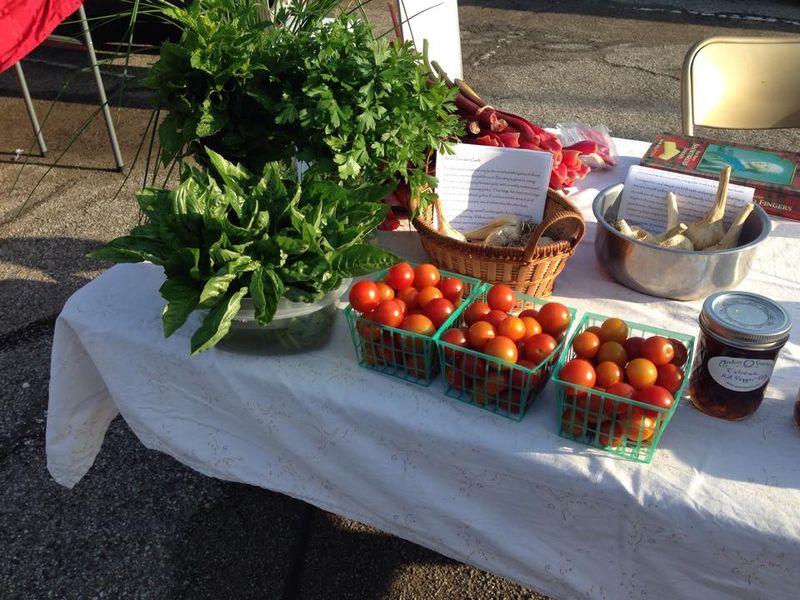
Every Saturday morning from May through October, downtown Richmond’s Promenade fills with farmers selling produce at prices that make grocery stores look expensive. I’ve bought tomatoes, sweet corn, green beans, and cucumbers here for a fraction of what supermarkets charge, and the quality absolutely blows store-bought produce away.
These vegetables come straight from local farms, often picked the same morning you buy them.
Beyond saving money, shopping at the farmers market connects you with the people growing your food. Farmers share recipes, cooking tips, and stories about their farms that make the whole experience more personal and meaningful.
You’re not just buying groceries; you’re supporting your neighbors and learning about local agriculture.
The market also features baked goods, honey, eggs, and handcrafted items from area artisans. A loaf of fresh bread might cost $4, but it tastes better than anything from a grocery store bakery.
Local honey helps with seasonal allergies while supporting beekeepers who maintain crucial pollinator populations.
Social aspects matter too, especially for retirees who might otherwise spend Saturdays alone. Regular market-goers recognize each other, strike up conversations, and build friendships over shared appreciation for fresh food.
Musicians often perform, adding entertainment to your shopping trip without any additional cost.
Affordable Dining Options Throughout the City
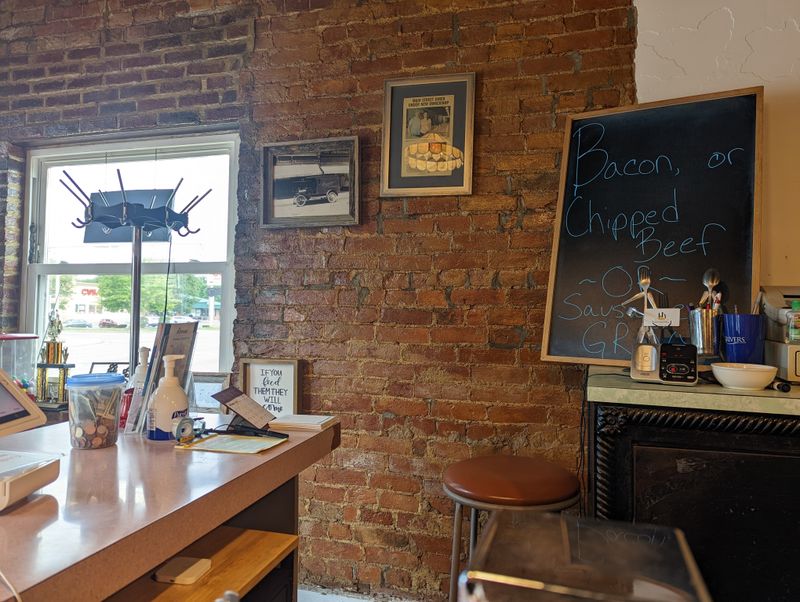
Richmond’s restaurant scene caters to budget-conscious diners without sacrificing quality or variety. You can find filling breakfast specials for under $6, lunch plates for $7 to $9, and dinner entrees rarely exceeding $12 at locally-owned establishments.
These aren’t fast food joints either, but real restaurants serving home-cooked meals made from scratch.
Places like the Little Sheba’s on North 10th Street have served the community for decades, building loyal followings through consistent quality and fair pricing. Their daily specials often feature comfort foods like meatloaf, fried chicken, and pot roast that remind you of Sunday dinners at grandma’s house.
Portions run generous, often providing enough for two meals if you take leftovers home.
Ethnic restaurants add international flavors without international prices. Mexican, Chinese, and Italian options give you variety when you want something different from traditional American fare.
Most offer senior discounts or early bird specials that make eating out even more affordable.
Coffee shops provide gathering spots where retirees meet friends without spending much. A cup of coffee and a pastry might cost $4 total, giving you a comfortable place to sit and socialize for an hour or two.
These establishments become like second living rooms for regulars who appreciate the community atmosphere.
Low Transportation Costs Keep More Money Available
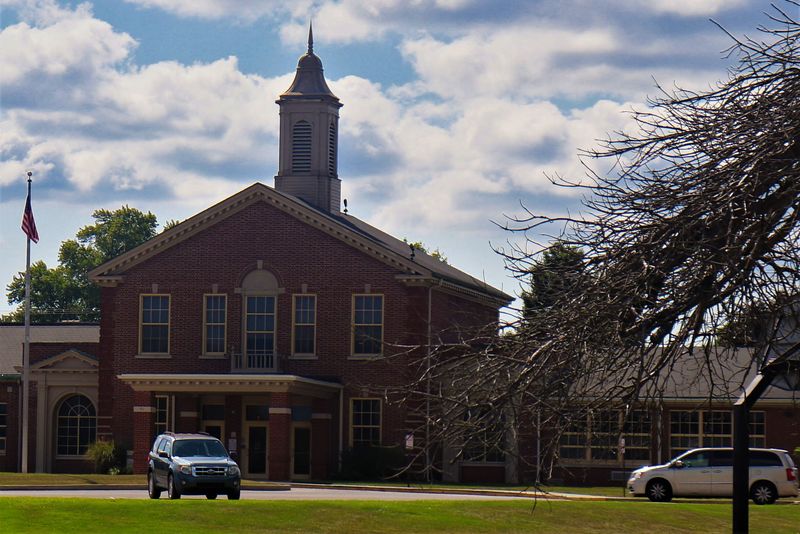
Richmond’s compact size means you’ll spend far less on transportation than in sprawling metropolitan areas. The city measures just over six square miles, putting most destinations within a few minutes’ drive of wherever you live.
Gas expenses drop dramatically when you’re not commuting long distances or fighting traffic for hours each week.
Many retirees find they can walk or bike to nearby stores, parks, and restaurants, eliminating vehicle costs entirely for short trips. Sidewalks throughout residential areas make walking safe and pleasant, while the relatively flat terrain keeps it accessible for people with limited mobility.
This built-in exercise opportunity improves health while saving money.
For those who need public transportation, Richmond offers Roseview Transit services with reduced fares for seniors. The system covers major shopping areas, medical facilities, and other essential destinations.
While not as extensive as big-city transit, it serves the community’s needs adequately.
Car insurance rates in Richmond run lower than in urban areas because of reduced traffic congestion and lower crime rates. You might save $30 to $50 monthly compared to what you’d pay in Indianapolis or Fort Wayne.
Vehicle maintenance costs less too, with honest mechanics charging reasonable labor rates and plenty of competition keeping prices fair.
Dear Reader: This page may contain affiliate links which may earn a commission if you click through and make a purchase. Our independent journalism is not influenced by any advertiser or commercial initiative unless it is clearly marked as sponsored content. As travel products change, please be sure to reconfirm all details and stay up to date with current events to ensure a safe and successful trip.
