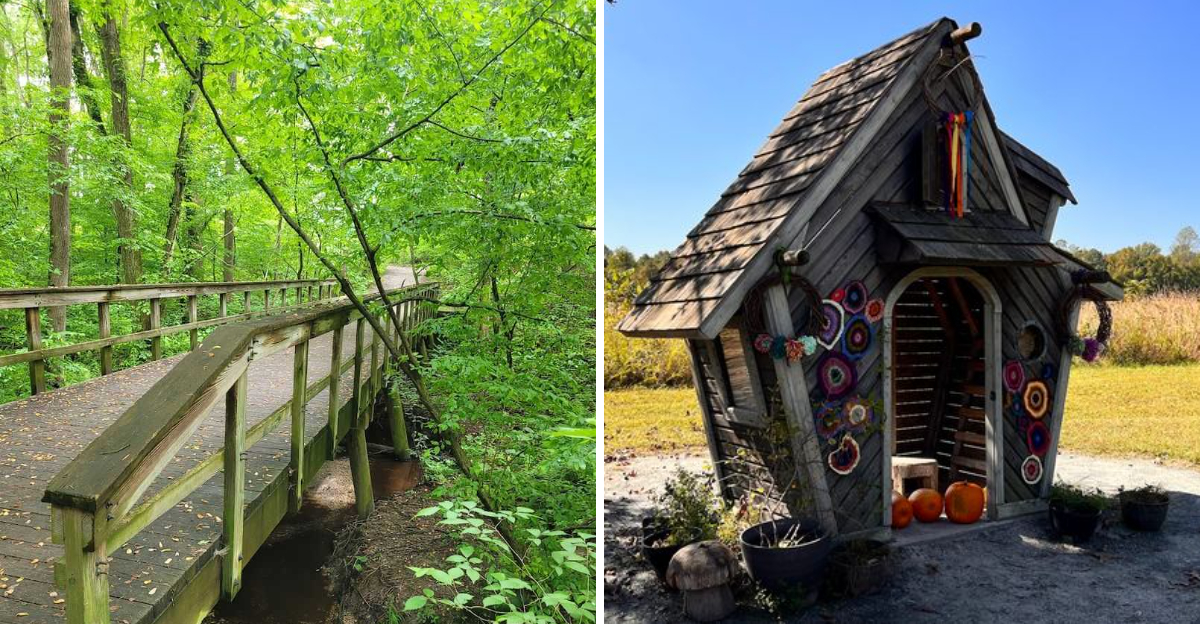
You do not need a grand adventure to find peace. Sometimes you just need a trail through giant trees.
This Maryland arboretum is exactly that. Miles of paths winding through towering trees, quiet meadows, and peaceful woodland.
The kind of place where you can walk for hours and barely see another person. The trees are old and impressive, the birds are singing, and the air smells like earth and green things.
You can go for a short stroll or a long wander. Either way, you will leave feeling calmer than when you arrived.
Birdwatchers love it. Walkers adore it.
Anyone who needs a break from screens and noise will appreciate it. That is the magic of a little known Maryland arboretum.
Quiet, beautiful, and always worth the visit.
A 400-Acre Native Landscape That Feels Genuinely Untouched
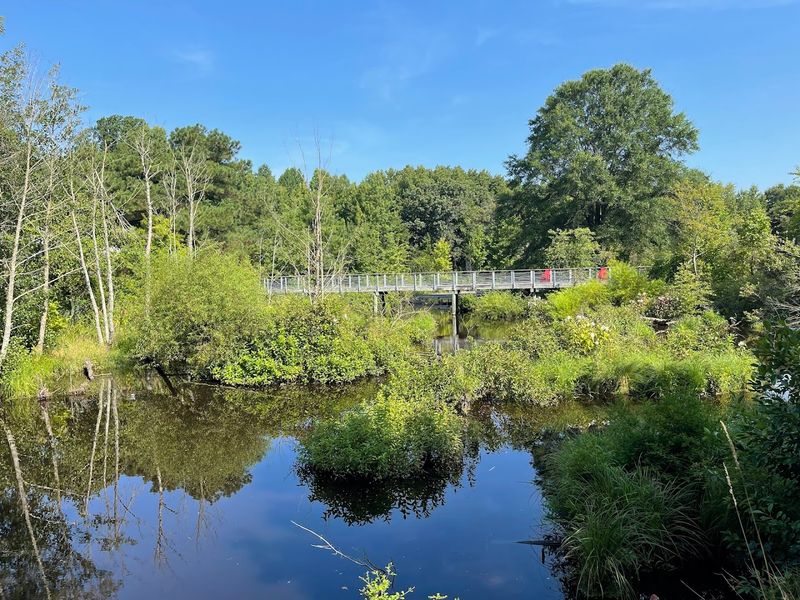
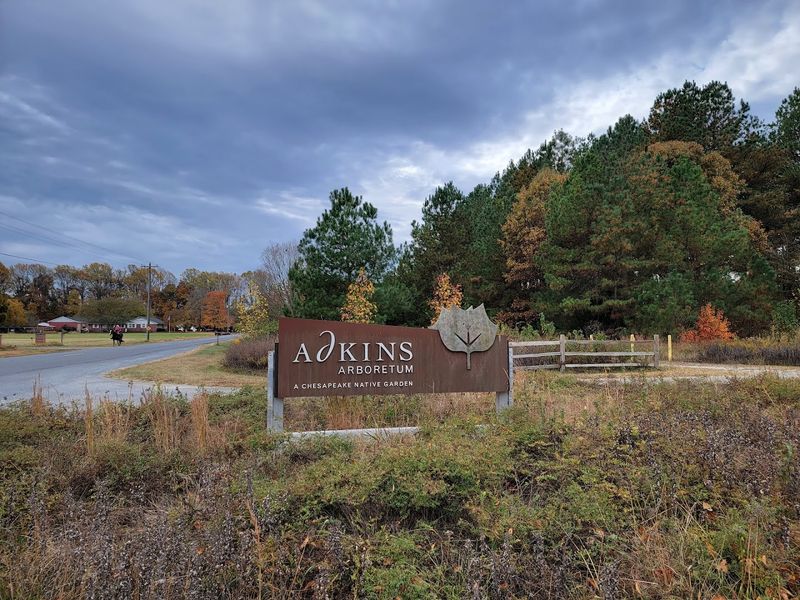
Most parks feel managed. Adkins Arboretum feels alive in a way that is harder to explain than it sounds.
The 400 acres here are dedicated entirely to plants native to the Mid-Atlantic Coastal Plain, which means every tree, shrub, and wildflower you see actually belongs here. Nothing feels out of place or planted just for show.
The arboretum functions as both a public garden and a conservation preserve, serving as a working model for ecological restoration and land management. That dual purpose gives the whole place a kind of quiet seriousness.
You are not just walking through a pretty park. You are walking through a living experiment in how land can heal and thrive when given the right conditions.
The diversity of habitats packed into those 400 acres is genuinely impressive. Woodlands give way to open meadows, which then soften into wetland edges and stream corridors.
Each zone carries its own mood and its own cast of species. I kept stopping to notice small things, a cluster of ferns, a flash of color in the understory, a tree I had never thought to look at closely before.
For anyone who loves nature but also appreciates knowing what they are looking at, this place delivers on both counts. Interpretive signage and trail maps help visitors make sense of the landscape without over-explaining it.
The result is an experience that feels educational without ever feeling like homework. It is the kind of place that makes you want to come back in a different season just to see what has changed.
The Giant Trees That Make You Feel Wonderfully Small
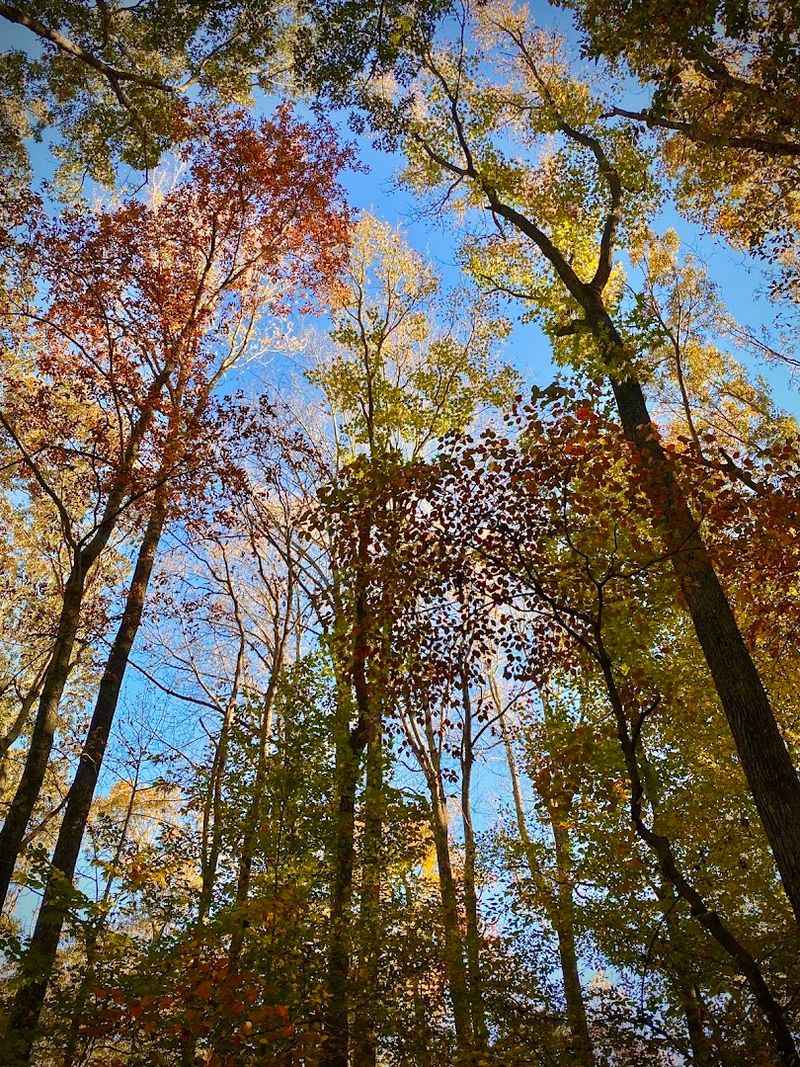
There is a specific feeling you get when a tree is genuinely old and enormous, and Adkins Arboretum delivers that feeling repeatedly. The mature upland and bottomland hardwood forests here include some seriously impressive specimens.
Tulip trees climb to heights that make the forest feel more like a cathedral than a park. American beeches with their smooth silver bark line certain stretches of trail in a way that feels almost theatrical.
The arboretum has identified 44 different tree species with plaques and marked them on the trail map, which turns a walk into a low-key scavenger hunt for anyone who enjoys that sort of thing.
Pawpaw, American persimmon, sycamore, various oaks and hickories, seaside alder, and overcup oak all make appearances.
Some of these species are uncommon enough that even longtime Maryland residents may never have encountered them before visiting here.
What makes the tree collection feel special is that it is not arranged like a museum display. The trees grow in their natural communities, surrounded by the understory plants and ground cover they evolved alongside.
That context makes each species easier to understand and more interesting to observe. You are seeing how these trees actually live, not just what they look like in isolation.
I spent longer than I expected just standing near a few of the larger bottomland hardwoods, trying to estimate their age. It is humbling in the best possible way.
The scale of these trees has a way of resetting your sense of time and proportion that no photograph can fully capture.
The Blockston Branch Path and Its Accessible Bottomland Forest
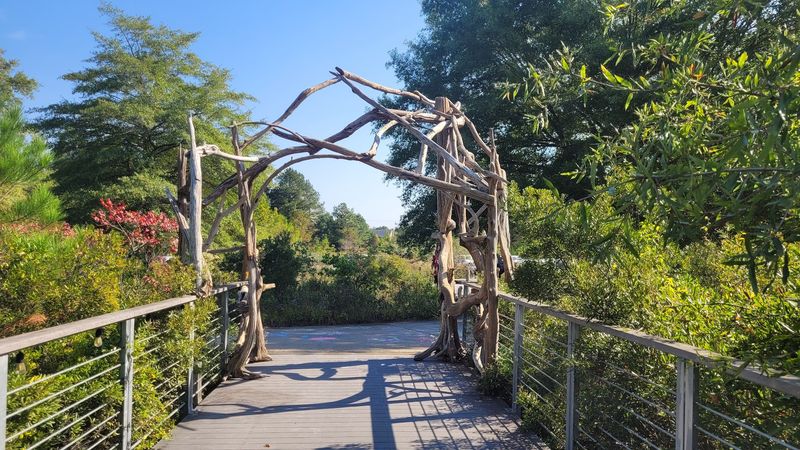
Not every beautiful trail is accessible to every visitor, and that is a genuine problem at a lot of natural areas. Adkins Arboretum takes a different approach.
The Blockston Branch path is fully wheelchair-accessible, surfaced with compacted stone dust, and it leads directly through one of the most impressive stretches of mature bottomland hardwood forest on the property.
Bottomland forests are a specific and somewhat rare habitat type, shaped by periodic flooding and rich, moist soils. The trees that thrive here tend to grow large and old, and the understory is dense with ferns, sedges, and moisture-loving shrubs.
Walking the Blockston Branch path feels like moving through a different ecological world than the upland sections of the arboretum. The light is softer, the air is cooler, and the whole atmosphere shifts noticeably.
For visitors with limited mobility, golf cart tours can also be arranged through the arboretum staff, which opens up even more of the property to those who might otherwise miss it. That kind of intentional accessibility is worth acknowledging.
It reflects a genuine commitment to making the natural world available to as many people as possible, not just those who can handle rough terrain.
The Visitor Center itself is ADA accessible as well, with restrooms, maps, and audio tour options available for those who want a more guided experience. The combination of accessible infrastructure and genuinely beautiful habitat makes Blockston Branch a highlight of the arboretum for visitors of all abilities.
It is a quiet stretch of trail that earns its reputation.
Five Miles of Trails That Wind Through Every Kind of Habitat
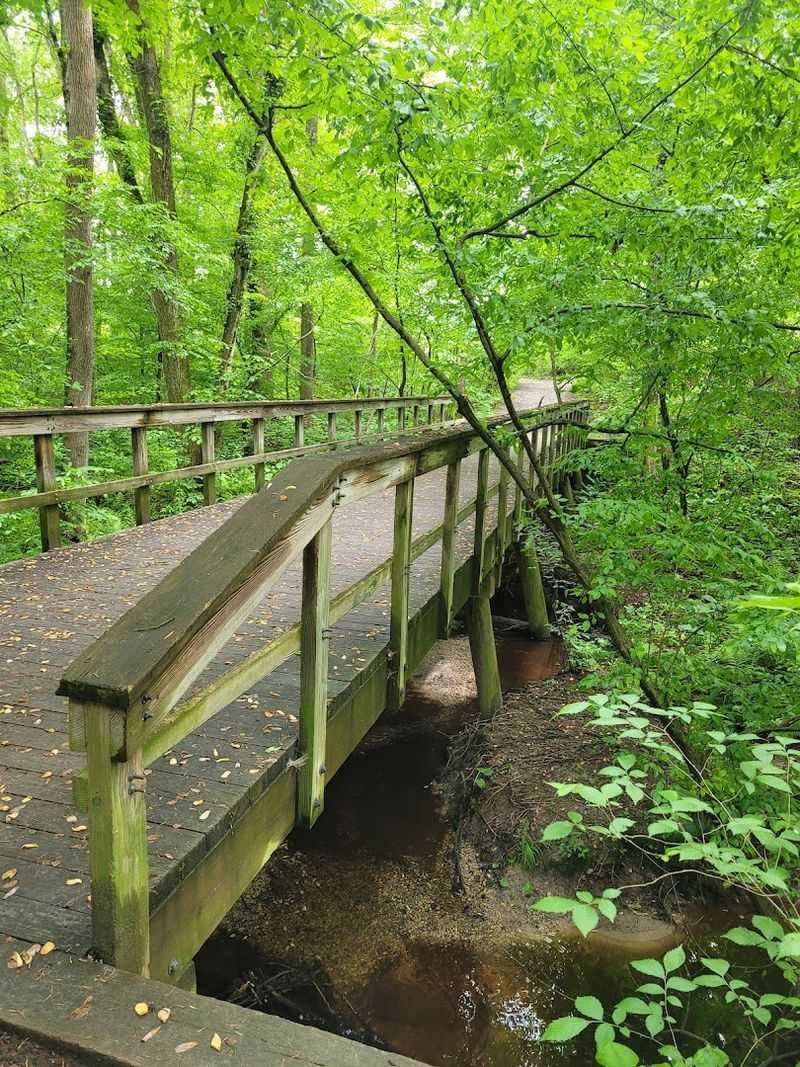
Five miles sounds modest until you realize how much variety is packed into those trails. At Adkins Arboretum, the path surfaces alone tell you something is different here.
Stone dust, gravel, mowed grass, mulch, and natural woodland dirt all show up depending on where you are on the trail system. Each surface brings a slightly different feel underfoot and a slightly different relationship with the landscape around you.
The trails are genuinely well-maintained without feeling overly groomed. There is a looseness to the experience, a sense that you are moving through real terrain rather than a manicured loop.
I found myself slowing down naturally, not because the trail was difficult, but because there was always something worth pausing for. A particularly massive beech tree.
A patch of wildflowers catching afternoon light. A sudden opening where the canopy pulls back and the sky comes rushing in.
Trail options range from easy flat loops to slightly longer routes that connect with the broader Tuckahoe Valley trail system and Tuckahoe State Park nearby. That connection means you can extend your hike well beyond the arboretum boundaries if you are feeling ambitious.
The trails are also open to joggers and cyclists, which adds a nice flexibility to how you can use the space.
Leashed dogs are welcome on the trails and inside the Visitor Center, so bringing your four-legged companion along is entirely possible. The whole system is thoughtfully designed to serve a wide range of visitors without ever feeling crowded or overrun.
Most visits here feel genuinely peaceful.
Over 180 Bird Species and Why This Place Is a Certified Bird Area
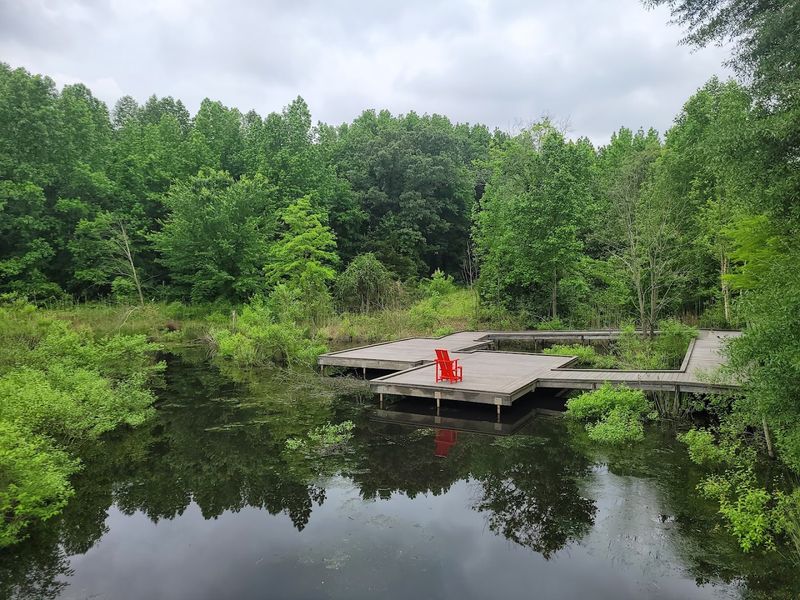
Birding at Adkins Arboretum is not something you have to seek out aggressively. It tends to find you.
More than 180 bird species have been reported here, which is a number that reflects the remarkable habitat diversity packed into those 400 acres. The arboretum holds official Important Bird Area designation, and spending even a short time on the trails makes it easy to understand why.
Wood ducks are among the more charismatic regulars, often spotted near the wetland edges and boardwalk areas. The variety of habitats, from open meadow to dense woodland to standing water, creates conditions that attract both migratory and resident species across all seasons.
Spring and fall migrations bring the biggest surges of activity, but even a mid-summer visit turns up a solid list of species if you are paying attention.
You do not need to be a serious birder to enjoy this aspect of the arboretum. Even casual visitors tend to notice the birdsong layering through the trees, the flash of wings in the meadow, or the sudden stillness that settles over the trail when something interesting moves through.
It adds a layer of aliveness to the experience that is hard to manufacture.
Bringing binoculars is genuinely worth it here. The open overlooks and the wetland boardwalk both offer sightlines that reward a closer look.
Beavers, frogs, and turtles also make regular appearances near the water, which keeps the wildlife watching interesting even during slower birding periods. The arboretum feels like a place that is always doing something.
The Wetland Boardwalk and the Wildlife That Lives There
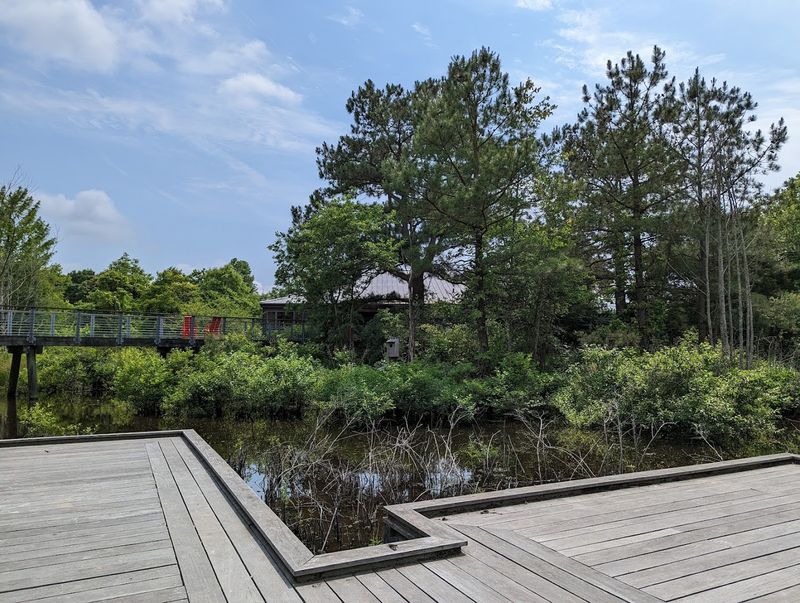
Some of the most interesting moments at Adkins Arboretum happen at the water’s edge, and the Wetland Boardwalk is where that becomes most obvious.
The boardwalk extends out over a genuine wetland habitat, putting you directly above the water and eye-level with the kind of wildlife that usually keeps its distance.
Turtles sun themselves on logs with impressive commitment. Frogs disappear into the water with a splash you hear before you see it.
Wetlands are some of the most ecologically productive habitats on the planet, and this one is no exception. The native aquatic and emergent plants create structure that supports an entire food web.
Beavers have been active in parts of the arboretum’s waterways, and their work reshapes the landscape in ways that benefit dozens of other species. Seeing evidence of that activity up close is genuinely fascinating.
The boardwalk itself is well-constructed and wide enough to feel comfortable even when other visitors are nearby. It offers a vantage point that is simply not available from the regular trail system, and the views out across the open water and into the surrounding tree line are worth the short walk to reach it.
Early morning visits tend to be especially rewarding here, when the light is low and the wildlife is most active.
Standing on the boardwalk with the sounds of frogs and birds mixing together, it is easy to forget you are only a short drive from everyday life. That quality of genuine escape is one of the things that makes Adkins Arboretum worth the trip.
The wetland feels wild in a way that refreshes you.
Emily’s Garden, First Light Village, and the Playful Side of the Arboretum
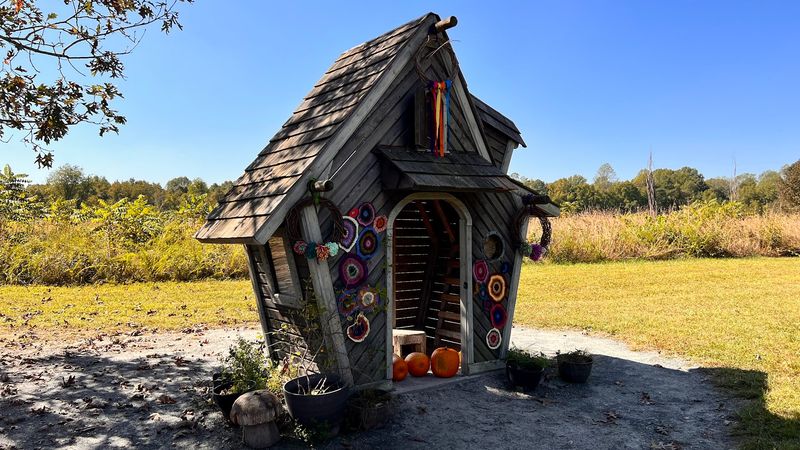
Adkins Arboretum is not just for adults who want a quiet walk. There is a genuinely playful side to this place that makes it an excellent destination for families with kids.
Emily’s Garden and First Light Village are two nature-based playspaces on the property, designed to get younger visitors interacting with the natural world in hands-on, imaginative ways.
Nature playspaces like these are a relatively recent development in the world of outdoor education, and they are a significant improvement over the standard playground model. Instead of manufactured equipment, children are encouraged to explore natural materials, textures, and environments.
The result tends to be more creative, more engaging, and more connected to the actual landscape around them. Kids tend to stay longer and engage more deeply than they do in traditional park settings.
First Light Village in particular has an almost storybook quality to it, hidden into the landscape in a way that feels discovered rather than installed. It is the kind of spot that sparks imagination without needing to spell out exactly how to use it.
Emily’s Garden adds a horticultural dimension, introducing younger visitors to native plants in a context that feels approachable and tactile.
Bringing children to Adkins Arboretum is a genuinely good idea on multiple levels. The trails are manageable for young legs, the wildlife sightings keep attention levels high, and the playspaces give kids a destination within the destination.
It turns a nature walk into an adventure with multiple chapters, which is exactly what a good family outing should feel like. The arboretum handles families with real thoughtfulness.
The Native Plant Nursery and Why It Matters Beyond the Arboretum
One of the more practical and underappreciated parts of a visit to Adkins Arboretum is the native plant nursery. It is not just a gift shop add-on.
The nursery offers what is described as the largest selection of native plants in the region, and it operates with a clear ecological commitment. None of the plants sold here are treated with neonicotinoid pesticides, which are widely recognized as harmful to bees and other pollinators.
For anyone interested in gardening, this is a meaningful detail. Native plants are increasingly understood to be the foundation of healthy backyard ecosystems, supporting pollinators, birds, and beneficial insects in ways that non-native ornamentals simply cannot match.
Buying from a nursery that grows its stock responsibly and without harmful chemicals takes that commitment a step further.
The plant sales that happen at the arboretum throughout the season draw serious gardeners from across the region. The selection changes with the seasons and availability, but the range of species on offer at any given time tends to reflect the same diversity you see on the trails.
You can walk the arboretum, fall in love with a particular shrub or wildflower, and then potentially take one home with you.
That direct connection between what you experience in the landscape and what you can bring into your own yard is something special about this place. It turns a visit into a longer conversation about how native plants can transform a home garden into a genuine habitat.
The nursery is a quiet highlight that deserves more attention than it usually gets from first-time visitors.
The Visitor Center, Programs, and How to Make the Most of Your Trip
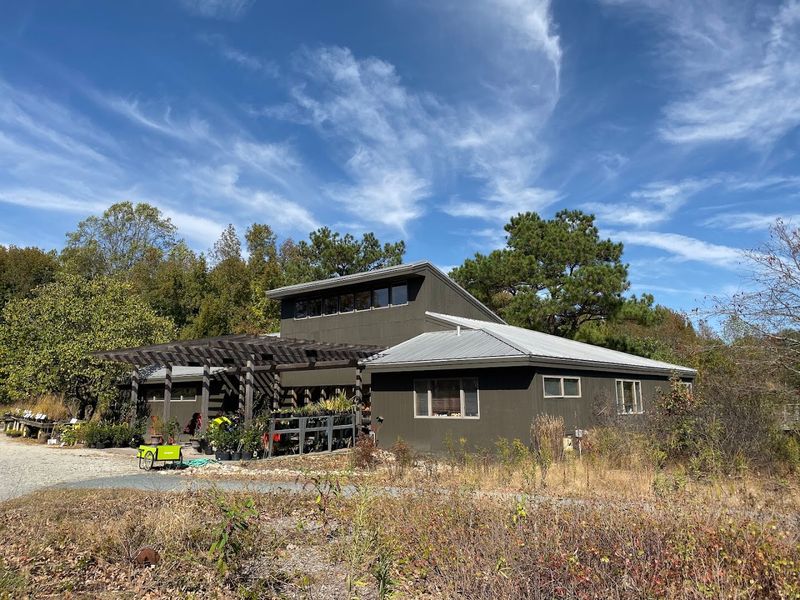
Arriving at Adkins Arboretum without stopping at the Visitor Center first is a bit like skipping the introduction of a really good book. The center is small but genuinely useful, stocked with trail maps, audio tour equipment, a bookstore with nature-focused titles, and clean restrooms.
Staff are typically knowledgeable and happy to point you toward whatever part of the arboretum best suits what you are looking for that day.
The audio tour option is worth mentioning specifically. It lets you move through the landscape at your own pace while still getting interpretive context about what you are seeing.
For visitors who want more than a quiet walk but less than a guided group experience, it hits a nice middle ground.
The arboretum also hosts a rotating schedule of educational programs, guided walks, and art exhibits throughout the year, so checking the calendar before your visit can reveal something worth timing your trip around.
Guided walks led by knowledgeable naturalists happen regularly and cover topics ranging from tree identification to bird behavior to wetland ecology. These programs tend to draw a mix of serious naturalists and curious beginners, and the format is always approachable.
I have found that attending even one guided walk at a natural area completely changes how you see the rest of the property afterward.
Planning a visit is straightforward. The arboretum is located at 12610 Eveland Rd in Ridgely, Maryland, and the trails and Visitor Center are accessible to a wide range of visitors.
Whether you come for an hour or spend a full afternoon, the experience tends to leave you wanting to return.
