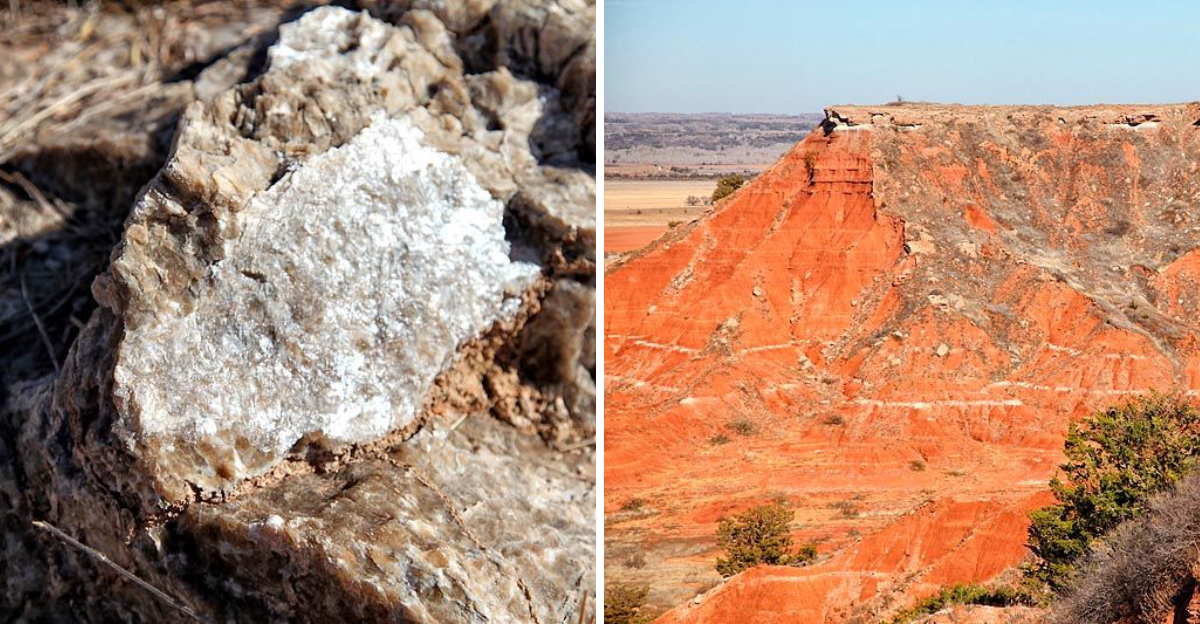
Northwestern Oklahoma holds landscapes that feel borrowed from another world.
Among rolling plains and wheat fields, a sudden burst of color and texture emerges where ancient seabeds have transformed into shimmering red and pink mesas.
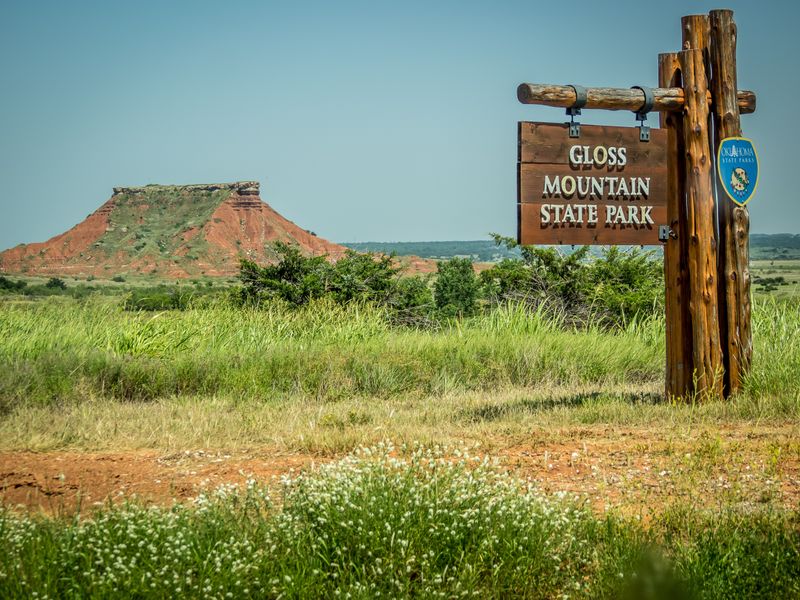
Gloss Mountain State Park sits in this unexpected terrain, offering visitors a rare glimpse into geological forces that shaped the earth millions of years ago.
The selenite crystals embedded in the rock catch sunlight and create an almost otherworldly sparkle across the formations, giving the mountains their distinctive gloss.
Travelers seeking something beyond the ordinary find themselves drawn to this remote corner of Oklahoma.
The park invites exploration along trails that wind up steep staircases and across flat mesa tops where views stretch for miles in every direction.
Wildlife, native plants, and the constant presence of wind create an atmosphere that feels both rugged and serene.
Whether you arrive during the golden glow of sunrise or the softer hues of late afternoon, the landscape transforms with the changing light.
This is a place where geology becomes poetry, where a short hike rewards you with panoramas that few expect to find in Oklahoma, and where the quiet beauty of the high plains reveals itself in layers of ancient stone.
Selenite Crystal Shimmer That Defines the Mountains
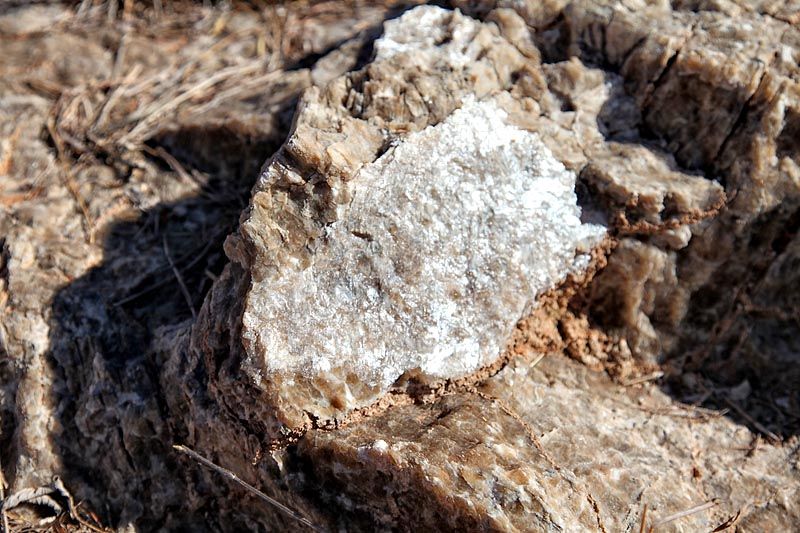
Selenite crystals give Gloss Mountain its signature sparkle, embedded throughout the red and pink rock layers like nature’s glitter.
These gypsum-based minerals catch and reflect sunlight in a way that makes the entire mountainside gleam, especially during midday when the sun hits the formations directly.
Walking along the trails, you notice flecks of crystal underfoot and scattered across the mesa surface, remnants of an ancient sea that covered this region roughly 250 million years ago.
The crystals form naturally as water evaporates from gypsum deposits, leaving behind transparent or translucent fragments that range from tiny specks to larger chunks.
Visitors often pause to examine the ground closely, discovering small treasures that catch the light.
The effect is most dramatic when viewed from a distance, where the entire mountain appears to glow with an inner radiance.
Photographers love the interplay of light and mineral, capturing images that showcase the unique geology of northwestern Oklahoma.
The selenite also contributes to the fragility of the terrain, so stepping carefully helps preserve the natural beauty for future visitors.
Bringing binoculars allows you to appreciate the crystal formations on distant buttes without disturbing the landscape.
The shimmer changes throughout the day as the sun moves across the sky, offering different visual experiences depending on when you visit.
Early morning and late afternoon provide softer light that highlights the texture and color variations in the rock.
This natural phenomenon makes Gloss Mountain unlike any other destination in Oklahoma, a place where geology and beauty intersect in a truly memorable way.
Mesa Top Views That Stretch for Miles
Reaching the top of the mesa at Gloss Mountain rewards hikers with panoramic views that extend far beyond what you might expect from Oklahoma.
The elevation gain, though modest compared to mountain ranges in other states, provides enough height to see across the plains for miles in every direction.
On clear days, you can spot distant buttes, farmland patchworks, and the subtle curves of the land that define northwestern Oklahoma.
The mesa top itself offers multiple viewpoints, each providing a slightly different perspective on the surrounding terrain.
Some visitors walk to the edges to peer down at the colorful rock layers below, while others find comfortable spots to sit and simply absorb the vastness of the landscape.
The wind at the summit can be strong, adding to the sense of being perched high above the world.
Binoculars enhance the experience significantly, allowing you to pick out details in the distance and observe birds soaring at eye level.
The lack of trees or tall structures means nothing obstructs your line of sight, creating an open, expansive feeling that contrasts sharply with more forested regions.
Educational signs placed at strategic points help identify landmarks and explain the geological history visible in the rock layers.
Sunrise and sunset visits offer particularly stunning light conditions, with the low angle of the sun painting the landscape in warm tones and long shadows.
The mesa top becomes a natural observation deck where the quiet beauty of the high plains reveals itself in full.
Many visitors describe the views as unexpectedly moving, a reminder that dramatic scenery exists in places often overlooked by travelers rushing between more famous destinations.
Ancient Seabed Geology Written in Stone
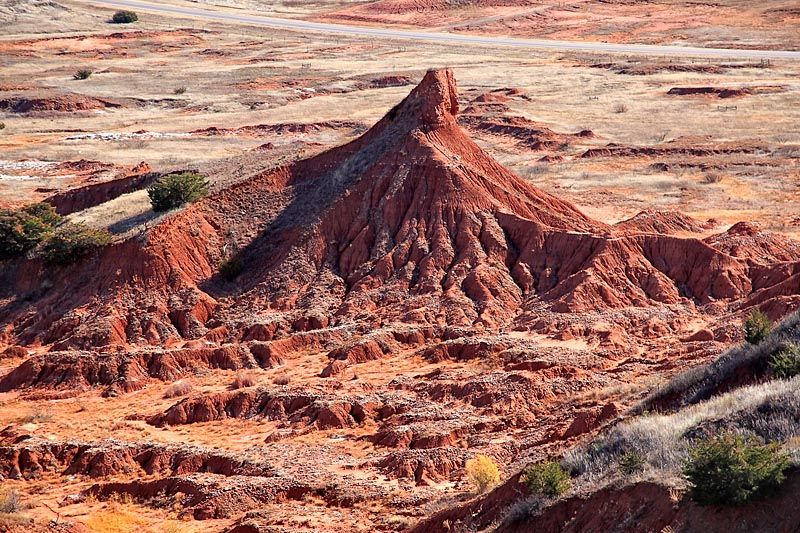
Gloss Mountain tells a geological story that reaches back roughly 250 million years to the Permian Period when a vast inland sea covered much of what is now Oklahoma.
As the sea evaporated over millennia, it left behind thick deposits of gypsum, salt, and other minerals that eventually compressed into the rock layers visible today.
The distinctive red and pink coloration comes from iron oxide, while the white and gray bands represent different mineral compositions deposited at various times.
Erosion has carved these ancient seabed deposits into the dramatic buttes and mesas that define the park today.
Wind and water continue to shape the landscape, slowly revealing new layers and creating the textured surfaces that make the formations so visually striking.
The rock is relatively soft compared to granite or limestone, which explains both the ease of erosion and the presence of selenite crystals that formed within the gypsum.
Walking across the mesa top, you literally traverse the floor of an ancient ocean, a concept that adds depth to the hiking experience.
The layers visible in the cliff faces represent different environmental conditions over millions of years, each band a chapter in earth’s history.
Geologists find the area fascinating for the clarity with which these layers are displayed, making Gloss Mountain an outdoor classroom for understanding sedimentary processes.
The presence of mica and other minerals adds complexity to the formations, creating variations in texture and sparkle throughout the rock.
This geological heritage makes the park unique not just in Oklahoma but across the broader region, a place where deep time becomes tangible and the forces that shape our planet are written clearly in stone.
Wildlife Encounters in Desert-Like Terrain
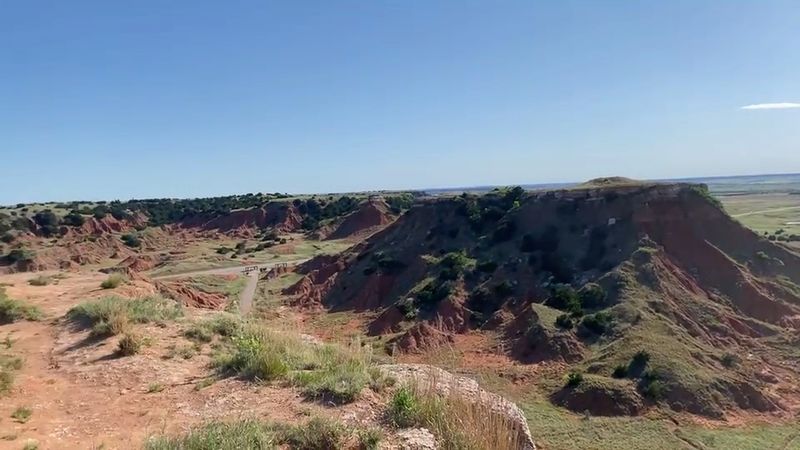
Gloss Mountain State Park supports a surprising variety of wildlife adapted to the semi-arid conditions of northwestern Oklahoma.
Rattlesnakes inhabit the rocky terrain, particularly during warmer months, so watching where you step and staying alert on the trail is important for safety.
Most snakes prefer to avoid humans and will retreat if given the opportunity, but awareness helps prevent unwanted encounters.
Lizards are far more commonly spotted, darting across rocks and basking in sunny spots throughout the day.
Vultures circle overhead, riding thermal currents that rise from the heated rock surfaces, their presence adding to the wild, remote atmosphere of the park.
Smaller birds nest in crevices and among the scattered vegetation, their songs providing a soundtrack to your hike.
Patient observers might spot hawks perched on high points, scanning for prey across the open terrain.
The park’s isolation and relatively low visitor numbers create conditions where wildlife feels less pressured, making sightings more likely for those who move quietly and pay attention.
Coyotes and other mammals leave tracks in dusty areas, evidence of their presence even when the animals themselves remain hidden.
The best times for wildlife observation are early morning and late afternoon when temperatures moderate and animals become more active.
Native plants like sage, yucca, and various grasses provide habitat and food sources for the park’s wildlife community.
The vegetation has adapted to the harsh conditions, with many species sporting thorns, thick leaves, or other features that help them conserve water.
This ecosystem, though sparse compared to more humid regions, demonstrates remarkable resilience and supports a web of life that thrives in challenging conditions.
Photography Opportunities at Every Turn
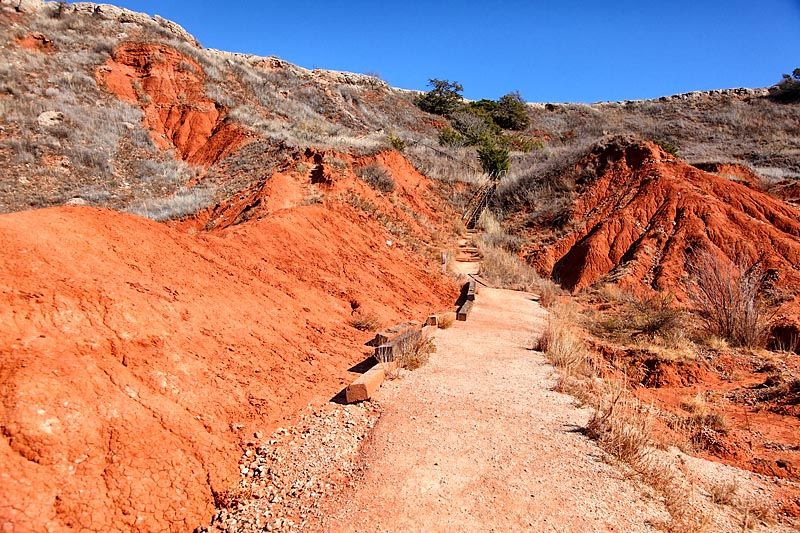
Gloss Mountain State Park ranks among the most photogenic locations in Oklahoma, offering countless opportunities for capturing striking images.
The colorful rock formations provide natural subjects that photograph well in almost any light, though golden hour shots at sunrise and sunset produce particularly dramatic results.
The selenite crystals add texture and sparkle to close-up shots, while the sweeping mesa top views allow for grand landscape compositions.
The contrast between the red rock and blue sky creates bold, saturated images that need little editing to look impressive.
Cloud formations add drama to sky shots, especially when storms approach and create interesting light conditions.
The stairway trail itself makes for compelling compositions, with the wooden steps leading the eye upward through the frame toward the mesa top.
Macro photography enthusiasts find endless subjects in the small details: crystal formations, lichen patterns on rocks, native flowers, and the textured surfaces of eroded stone.
Wildlife photography requires patience and a telephoto lens, but the vultures, lizards, and occasional larger animals provide worthwhile subjects for those willing to wait.
The changing light throughout the day means the same scene can be photographed multiple times with completely different results.
Social media has helped raise awareness of Gloss Mountain, with many visitors sharing their images and inspiring others to make the trip.
The park’s relatively compact size means you can thoroughly explore and photograph the main features in a single visit, though serious photographers often return multiple times to capture different seasonal conditions and lighting situations.
Bringing a tripod helps with low-light shots and allows for long exposures that smooth out clouds and create artistic effects in the sky.
Visitor Facilities and Practical Considerations
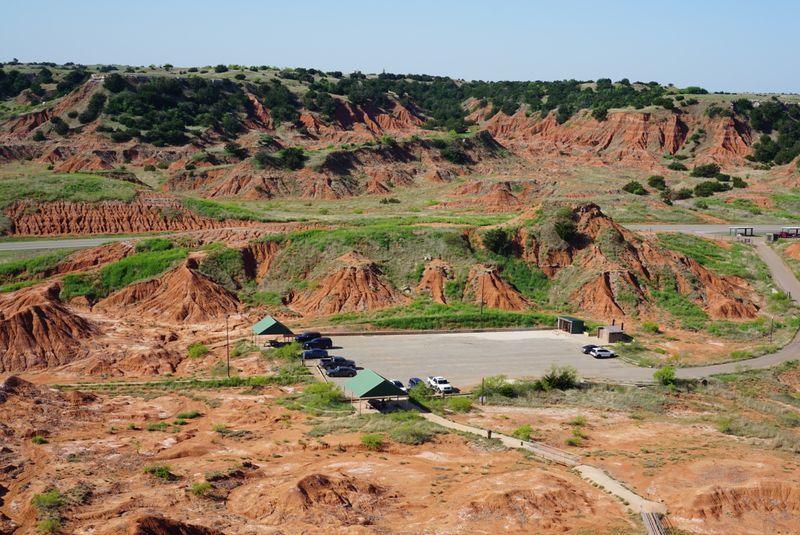
Gloss Mountain State Park maintains basic but adequate facilities that serve visitors without detracting from the natural setting.
A parking area at the trailhead provides space for vehicles, and portable restrooms offer necessary amenities, though they are basic in nature.
A surprising perk is the presence of working vending machines that dispense cold drinks, a welcome sight after descending from the mesa on a hot day.
Covered picnic tables near the parking area provide shaded spots for meals or rest before or after hiking.
The park operates daily from early morning until evening, giving visitors flexibility in timing their visits.
No entrance fee is charged, making this an accessible destination for budget-conscious travelers.
Cell phone service can be spotty in the area, so downloading maps and information before arrival is recommended.
The nearest towns with full services are Fairview and other communities along Highway 412, so filling gas tanks and stocking up on supplies before arriving makes sense.
Bringing plenty of water is essential, as the exposed terrain and often hot conditions make dehydration a real risk.
Sunscreen, hats, and appropriate clothing protect against the intense sun exposure on the mesa top.
Proper footwear cannot be overstated in importance; the stairs require good traction, and the rocky mesa surface can be uneven and slippery when wet.
The park lacks camping facilities, so day visits are the norm, though the nearby region offers various lodging options for those making a longer trip.
Visiting during weekdays or off-peak times often means having the trails largely to yourself, enhancing the sense of solitude and connection with the landscape that makes Gloss Mountain special.
Address: US-412, Fairview, Oklahoma
Best Times to Visit for Optimal Experiences
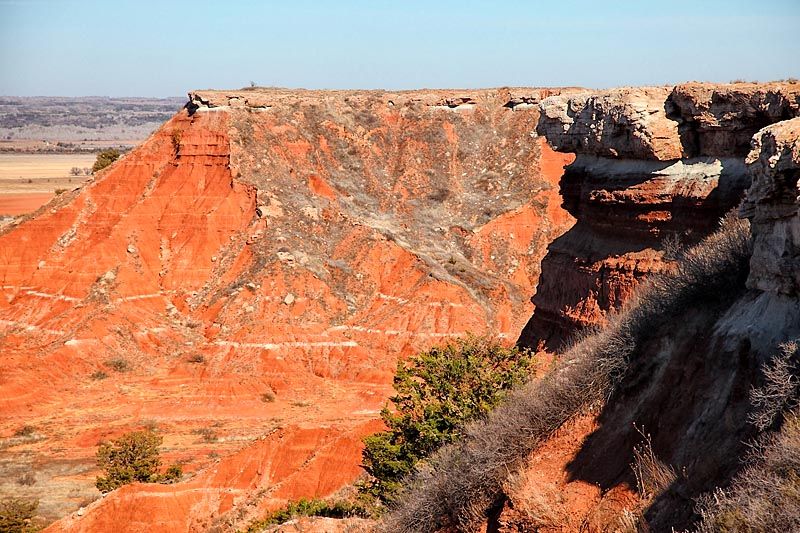
Timing your visit to Gloss Mountain State Park can significantly impact your experience, with different seasons and times of day offering distinct advantages.
Spring and fall provide the most comfortable temperatures for hiking, with moderate conditions that make the climb enjoyable rather than exhausting.
Spring wildflowers add visual interest, while fall’s clear skies and crisp air create ideal conditions for photography and long-distance viewing.
Early morning visits offer cooler temperatures and softer light that highlights the texture and color of the rock formations without the harsh shadows of midday sun.
The park opens at seven-thirty in the morning, allowing dedicated visitors to catch sunrise from the mesa top, an experience that bathes the landscape in golden and pink tones.
Morning also tends to bring calmer winds, making the summit more pleasant for lingering and exploring.
Late afternoon and evening visits provide similar lighting advantages, with the added benefit of potentially catching sunset from the top.
The selenite crystals sparkle most dramatically when the sun hits them at lower angles, creating that signature gloss effect that gives the mountain its name.
Evening light also brings out the red and pink tones in the rock more vividly than the bleaching effect of midday sun.
Summer visits require more preparation and caution due to heat, but early morning or evening timing makes them manageable.
Winter offers solitude and unique photographic opportunities, though checking weather conditions before heading out is important due to potential ice on the stairs.
Weekdays generally see fewer visitors than weekends, providing a more peaceful experience for those who can schedule their trip accordingly.
Avoiding the hottest part of the day during summer months is simply practical, as the exposed terrain offers no shade and temperatures can become uncomfortable quickly.
Dear Reader: This page may contain affiliate links which may earn a commission if you click through and make a purchase. Our independent journalism is not influenced by any advertiser or commercial initiative unless it is clearly marked as sponsored content. As travel products change, please be sure to reconfirm all details and stay up to date with current events to ensure a safe and successful trip.
