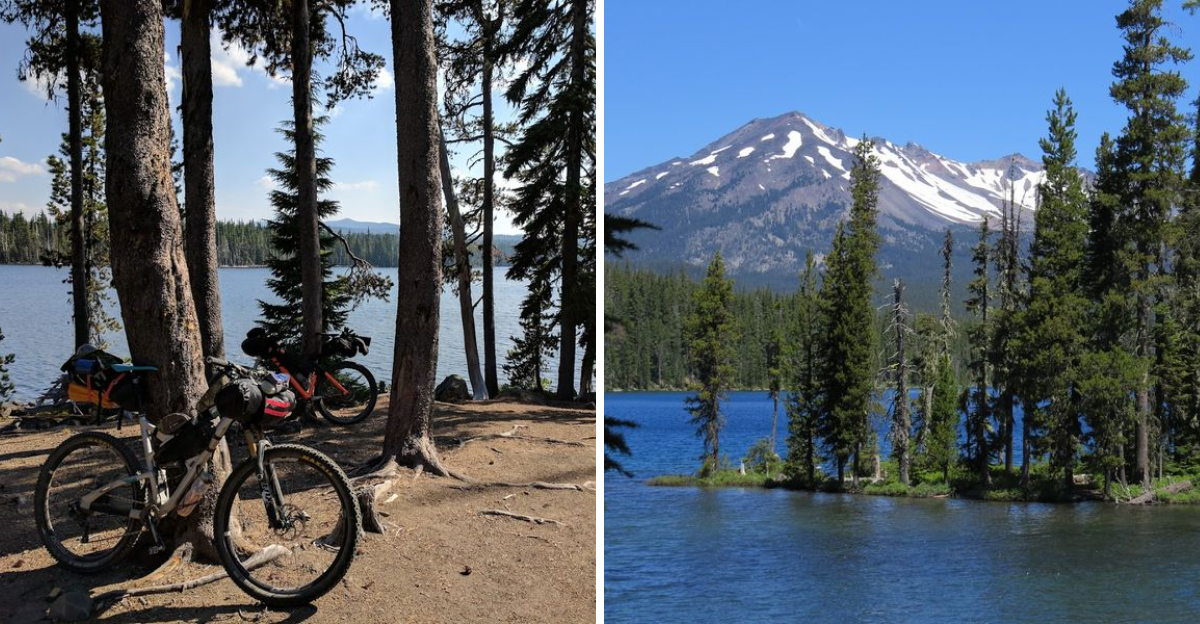
You have to work to get here. That is the first warning.
The road is bumpy, the directions are vague, and your phone will lose signal a few miles before you arrive. All of that is part of the plan.
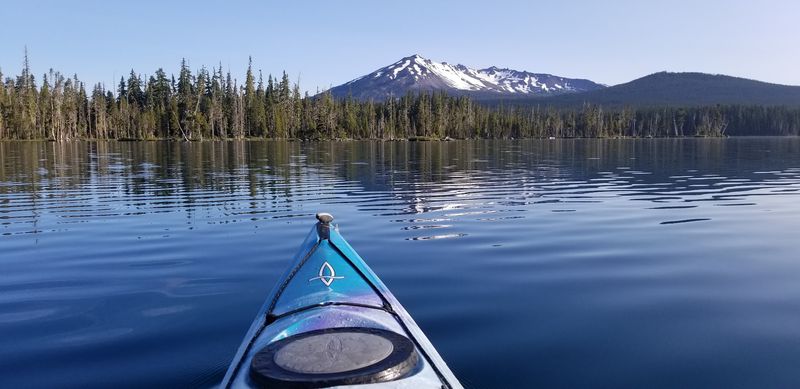
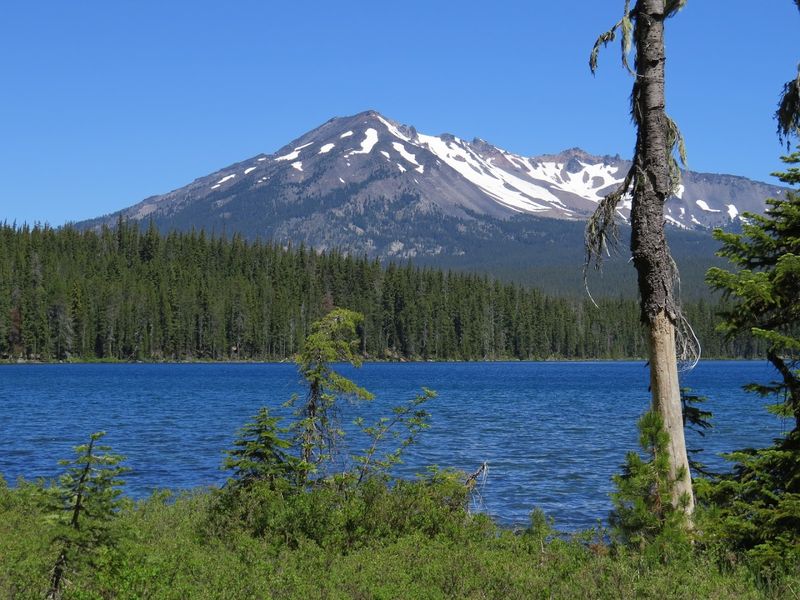
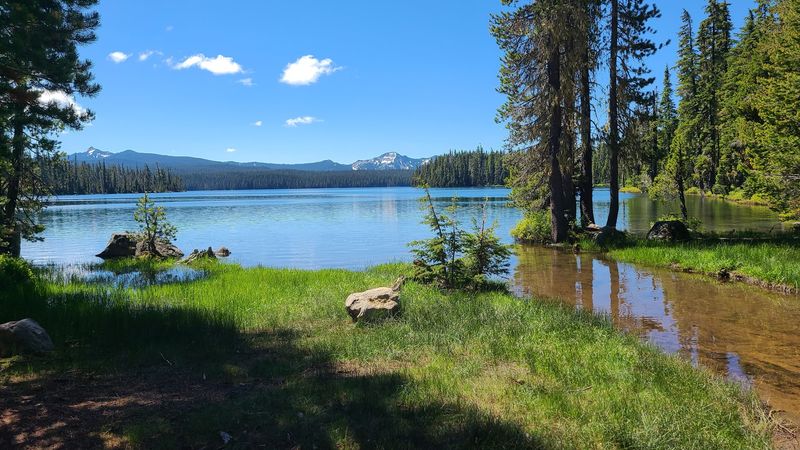
When you finally step out of the car, the lake sits there like it has been waiting for you forever. The water is so clear you can see every rock, every shadow, every fish pretending you do not exist.
No motorboats or jet skis. No floating inflatable swans full of screaming children. Just silence and mountains and water that looks fake but is actually real.
You will stand there and say “wow” out loud like a simpleton. Everyone does.
The charm is not manufactured. It is just there, surrounding you, asking nothing in return.
Bring a snack. Stay awhile. Do not tell too many people.
The Road to Summit Lake: An Adventure Before the Destination
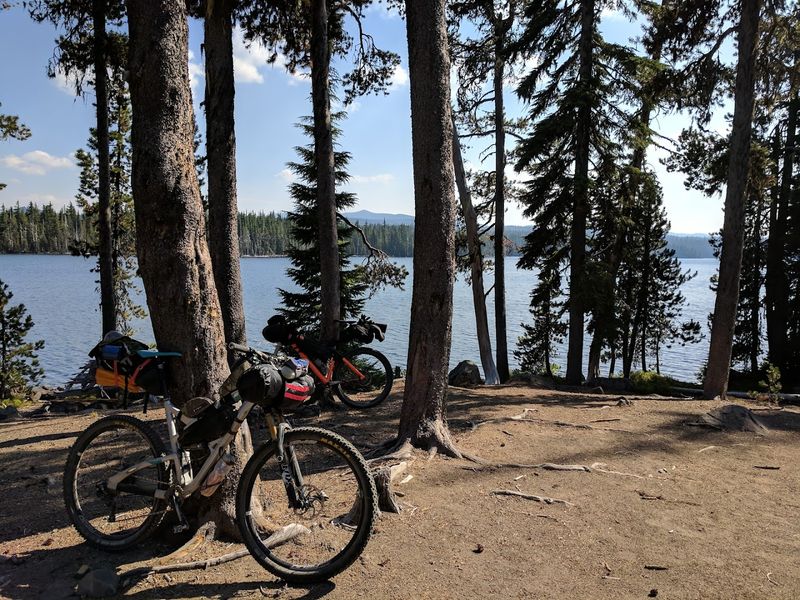
Getting to Summit Lake is not a casual Sunday drive. The road demands respect, and it will test your vehicle before you ever see the water.
Ruts are deep. Rocks are sharp.
Washouts appear without warning.
Most visitors agree that a 4×4 with solid ground clearance is the only smart choice here. Low-clearance vehicles risk serious damage on this stretch.
Even experienced off-road drivers stay alert the entire way.
The Hills Creek side is rough but manageable for most capable 4WD rigs. The Crescent Lake approach is considered far more challenging.
Pick your route wisely and check current road conditions before leaving home.
Check your spare tire before heading out. A flat on this road with no backup is a bad situation.
Bring tools, extra water, and a good attitude.
The reward waiting at the end makes every bump worthwhile. Arriving at the lake after that journey feels genuinely earned.
That feeling of arrival is something you will not forget anytime soon.
Crystal-Clear Water That Feels Almost Unreal
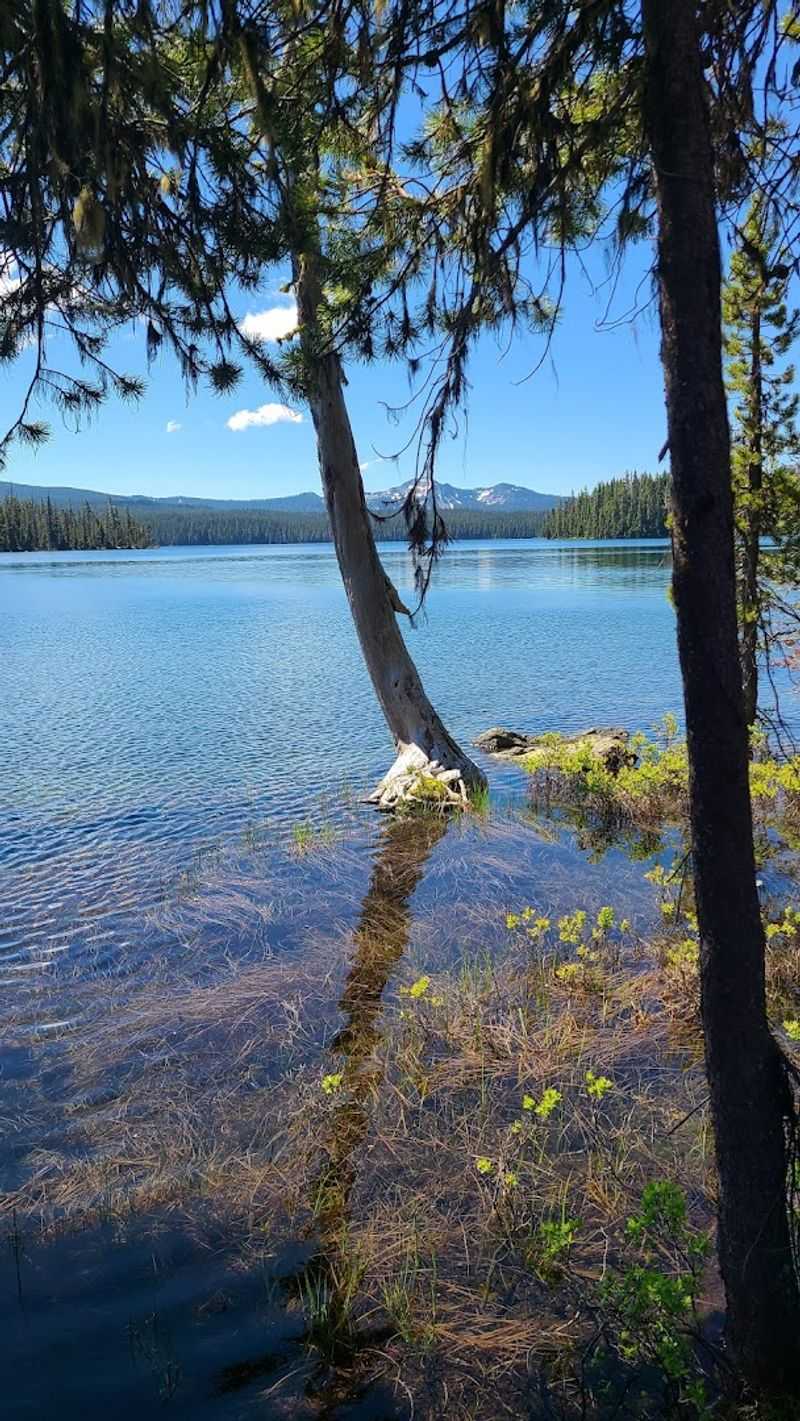
Standing at the edge of Summit Lake for the first time, the water stopped me completely. It does not look like a real lake at first.
The clarity is startling, like staring into glass.
You can see the rocky bottom clearly, even in deeper areas near the shore. The water holds a cool, blue-green tone that shifts depending on the light.
Morning light makes it glow. Afternoon turns it deeper and richer.
This kind of clarity comes from the lake sitting high in the Cascades, fed by clean snowmelt and surrounded by dense forest. There are no busy roads or development nearby to disturb it.
The ecosystem here stays remarkably intact.
Swimming in water this clear feels different from any other lake experience. Every ripple you make is visible beneath you.
It is refreshing in the most literal sense of the word.
Photographers absolutely love this spot. The reflections on calm mornings are extraordinary.
Pack a camera and wake up early for the best light.
Primitive Camping Around the Lake Shore
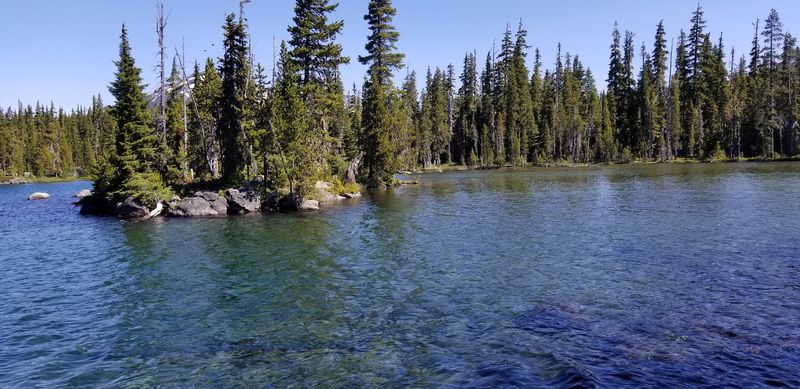
Camping at Summit Lake is about as simple and satisfying as it gets. Sites are primitive and first-come, first-served.
No reservations, no crowds of RVs, no noise ordinances posted on signs.
Each site comes with a fire pit and access to basic restroom facilities nearby. You bring everything else yourself.
That simplicity is actually part of the charm here.
Waking up with the lake just steps away is a feeling hard to describe. Morning mist sits low over the water.
Birds move through the trees before anything else stirs.
Weekends fill up faster than you might expect. This spot has a loyal following among Oregon outdoor lovers.
Arriving on a Thursday or Friday gives you a much better shot at a good site.
Nights out here are genuinely dark. The Cascade Mountains block most light pollution from nearby towns.
Stargazing from your campsite is an unexpected bonus that surprises nearly every first-time visitor.
Bug Spray Is Not Optional Here
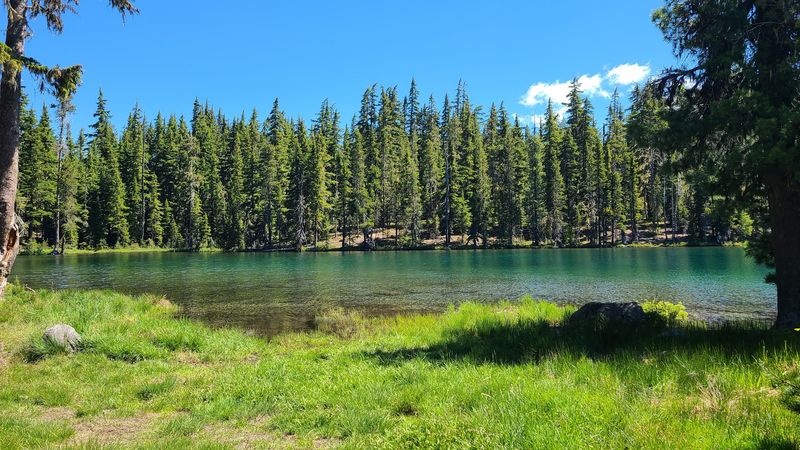
Summit Lake is stunning in every season, but early summer comes with a catch. The mosquitoes here are legendary among regular visitors.
Pack bug spray, and then pack more.
The moisture from snowmelt and the dense forest canopy creates perfect conditions for insects. Early June through mid-July tends to be the worst period.
Visitors who come unprepared often cut their trips short.
DEET-based repellents work best in this environment. Lightweight long-sleeve shirts and pants help too.
A head net sounds extreme until you are standing in a cloud of mosquitoes at dusk.
Later in the summer, conditions improve noticeably. By August, the bugs thin out significantly.
The trade-off is that popular campsites become even harder to snag during those peak weeks.
Experienced campers here call it a small price for such a remarkable place. They are not wrong.
A little preparation means the bugs become a minor footnote in an otherwise incredible trip.
The Pacific Crest Trail Runs Nearby
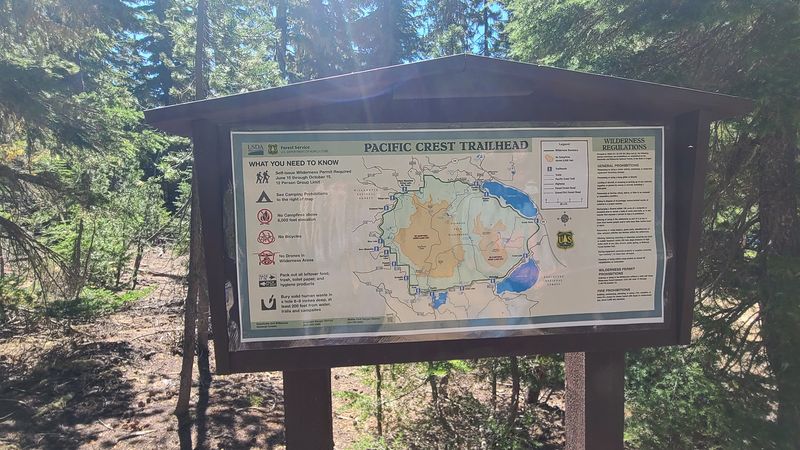
One of the quiet thrills of visiting Summit Lake is realizing how close you are to one of America’s most iconic trails. The Pacific Crest Trail passes near the lake.
Stepping onto it, even briefly, feels significant.
Thru-hikers cover thousands of miles on the PCT each year. Seeing the trail markers in person makes the scale of that journey feel real.
You gain a new respect for the people who walk it end to end.
Day hikers can explore short sections without committing to a multi-day adventure. The terrain near Summit Lake offers beautiful views of the Cascade range.
Tall pines, open ridges, and quiet forest paths make for rewarding walks.
Proper footwear matters on these trails. Solid hiking boots with ankle support handle the terrain well.
Bring water, a map, and let someone know your plan before heading out.
Connecting a lake visit with a few miles on the PCT makes the whole trip feel richer. Two iconic Oregon experiences happen in the same afternoon.
That combination is hard to beat.
Wildlife and Nature Surrounding the Lake
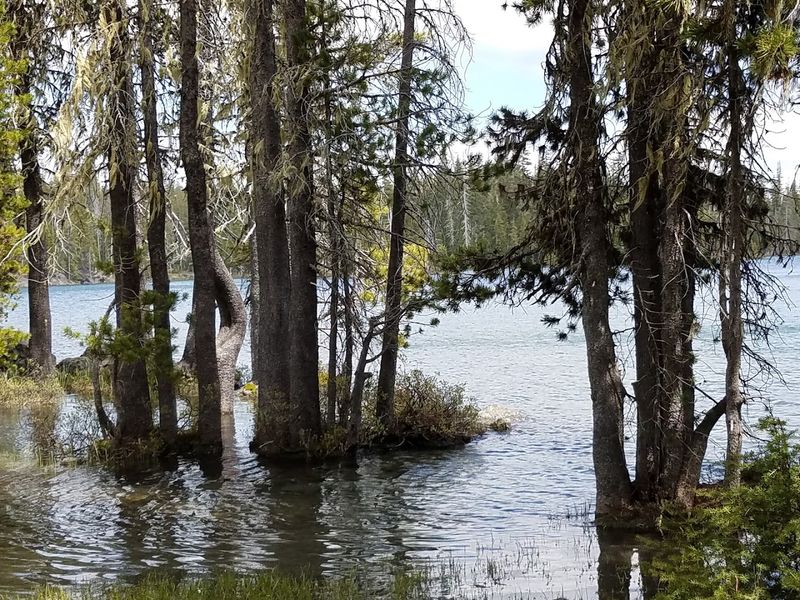
Summit Lake does not just offer beautiful water. The forest around it buzzes with life in the best possible way.
Wildlife sightings are common and genuinely exciting.
Deer move through the campsites at dawn with casual confidence. Birds fill the canopy with sound from early morning onward.
Smaller creatures like squirrels and chipmunks appear constantly near the picnic areas.
The forest here is old and layered. Fallen logs host whole communities of insects and fungi.
Moss covers rocks and roots in thick, vivid green carpets that feel almost tropical.
Bring binoculars if birdwatching interests you. The variety of species in this part of the Cascades is impressive.
Quiet visitors who move slowly tend to spot far more than those who rush through.
Fishing in the lake is another draw for nature lovers. The clear water makes spotting fish near the surface surprisingly easy.
Check Oregon fishing regulations and get a valid license before casting a line.
Photography Opportunities at Every Turn
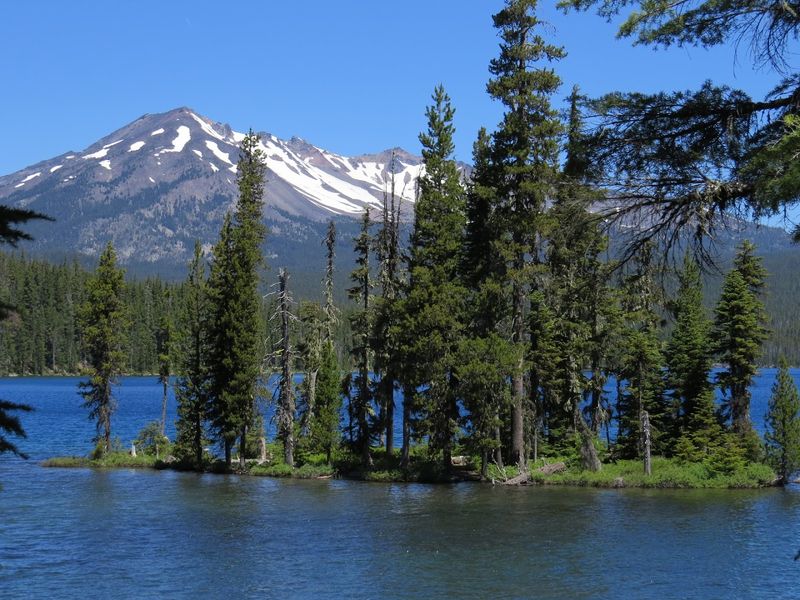
Few places in Oregon reward a camera the way Summit Lake does. Every angle holds something worth capturing.
The challenge is not finding a good shot. It is choosing just one.
Golden hour here is extraordinary. The low sun hits the water and turns everything warm and soft.
Reflections on a calm morning are so sharp they look like paintings.
The surrounding forest adds incredible texture to wide-angle shots. Tall pines frame the lake perfectly from the eastern shoreline.
Shooting from low near the water gives dramatic, layered compositions.
Night photography is another option worth exploring. The dark skies above the Cascades reveal stars in numbers that surprise even experienced photographers.
A tripod is essential for long-exposure lake shots after dark.
Macro photography finds plenty of subjects too. Wildflowers, mossy logs, and insects near the shoreline offer detailed, colorful close-up opportunities.
Summit Lake is genuinely a multi-day destination just for photographers who want to go deep.
What to Pack for a Summit Lake Trip
Packing right makes the difference between a great trip and a frustrating one. Summit Lake is remote.
There are no stores, no gas stations, and no cell signal waiting for you there. Plan accordingly.
Water is essential. Bring more than you think you need.
A portable filter also helps if you plan to be out for multiple days.
Layers are important in the Cascades. Mornings are cold even in summer.
Temperatures can drop quickly after sunset, even in July and August.
A well-stocked first aid kit belongs in every pack. Road hazards and trail terrain both carry real risk.
Being prepared is not paranoia. It is just smart travel.
Food storage matters in bear country. Use a bear canister or hang your food properly at camp.
Check current guidelines from the Willamette National Forest before your visit for specific requirements.
Finally, leave your expectations for comfort at home. This is primitive camping in a wild place.
That rawness is exactly what makes it so memorable and worth every mile.
Best Time of Year to Visit Summit Lake
Timing a visit to Summit Lake takes a little thought. The lake sits at elevation, and snow can linger on the access roads well into spring.
Early season visits often end before they begin.
Late July through September is generally the sweet spot. Roads are more passable.
Mosquitoes thin out. Days are long and warm enough for swimming and hiking.
August tends to be the most popular month. Campsites fill up fast on weekends during this window.
Arriving mid-week dramatically improves your chances of securing a good spot.
Fall visits carry a different kind of magic. The crowds disappear almost entirely after Labor Day.
Foliage in the Cascades turns gold and orange in September and October.
Winter access is essentially impossible without specialized equipment. The area gets significant snowfall, and the roads become impassable for most vehicles.
Spring shoulder season requires checking road conditions daily before attempting the drive.
Planning around the season makes every aspect of the trip better. A little research goes a long way out here.
Why Summit Lake Deserves a Spot on Your Oregon Bucket List
Some places earn their reputation through heavy marketing. Summit Lake earned nothing that way.
Word spreads slowly, quietly, among people who actually made the trip and could not stop thinking about it afterward.
The combination of factors here is genuinely rare. Crystal-clear water, old-growth forest, PCT trail access, dark skies, and primitive camping all exist in one remote package.
Very few spots in Oregon offer that range.
The effort required to get there actually protects the experience. People who are not serious about the outdoors tend to turn back.
Those who push through find something truly unspoiled waiting for them.
Families with capable vehicles and older kids find it magical. Solo travelers and couples looking for quiet find exactly that.
The lake accommodates different kinds of visitors without feeling crowded or commercialized.
Oregon has no shortage of beautiful places. Summit Lake still manages to stand out among them.
Once you have been, you will understand why people keep coming back year after year without hesitation.
