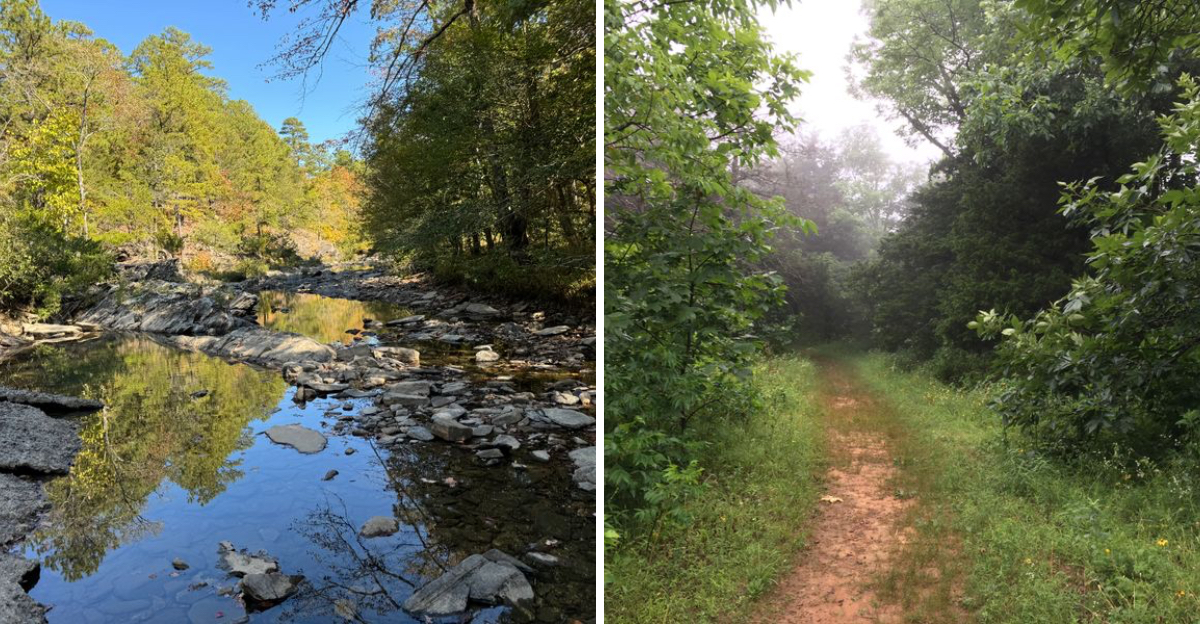
Most people picture Oklahoma as flat prairie stretching endlessly under wide skies, but tucked away in the southeastern corner lies a landscape that flips that image completely. The Ouachita Mountains rise unexpectedly from the plains, creating a rugged terrain of forested ridges, winding valleys, and scenic overlooks that feel worlds away from the stereotypical heartland scenery.
This ancient mountain range, pronounced “WAH-shi-tah,” extends from Arkansas into Oklahoma, offering travelers a side of the state that surprises even longtime residents.
Visitors who venture into this region discover a place where twisting roads snake through dense woodlands, crystal-clear streams tumble over rocky beds, and wildlife roams freely across untouched wilderness. The fall season transforms these mountains into a tapestry of brilliant reds, oranges, and golds, while spring brings wildflowers carpeting the forest floor.
Whether you seek challenging trails, peaceful drives, or simply a quiet escape from everyday life, the Ouachita Mountains deliver an experience that challenges every preconception about Oklahoma’s landscape and reveals a hidden gem that few travelers know exists.
Ancient Geological Wonders Spanning Millions of Years
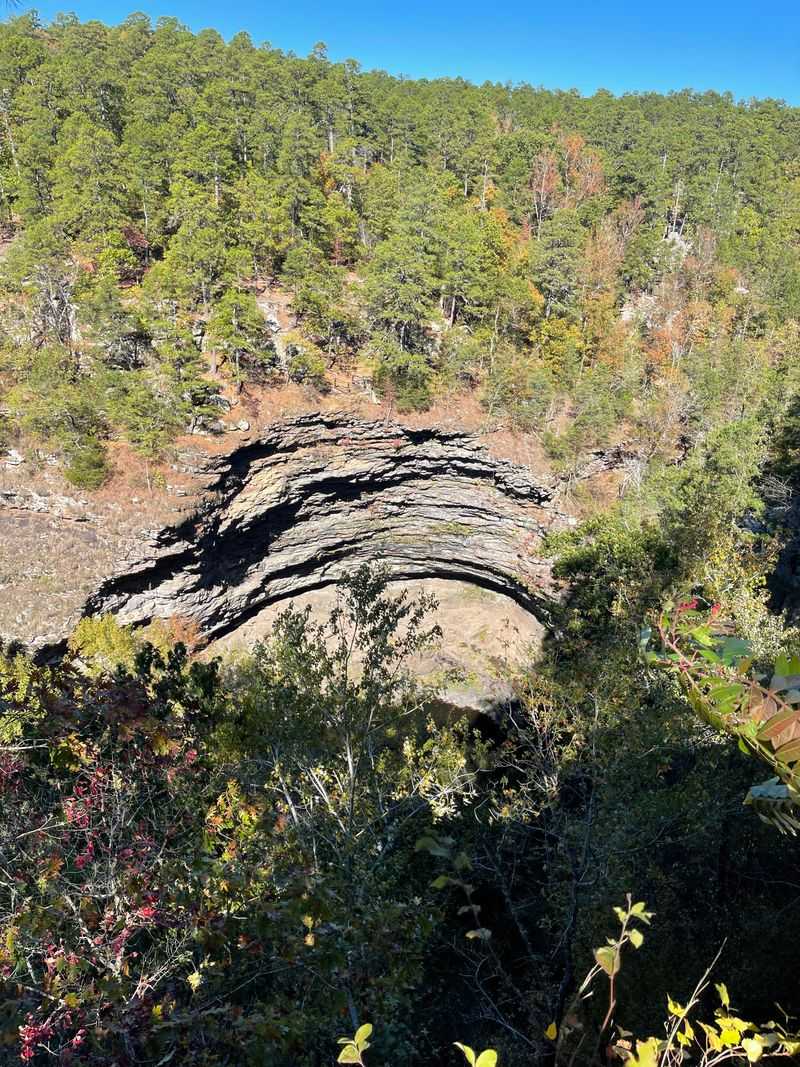
Standing among the oldest mountain ranges in North America, the Ouachita Mountains formed roughly 300 million years ago during a massive collision between continental plates. Unlike most North American ranges that run north to south, these mountains stretch east to west, creating a unique geological fingerprint across the landscape.
The folded and faulted rock layers tell stories of ancient seas, volcanic activity, and tremendous pressures that shaped the region long before dinosaurs walked the earth.
Sandstone and shale dominate the exposed rock faces, with layers tilted at dramatic angles that reveal the violent forces that created these peaks. Erosion over countless millennia carved deep valleys and exposed mineral deposits, including quartz crystals that sparkle in streambeds and roadside cuts.
Geologists travel from across the country to study these formations, which provide rare insights into continental collision zones and mountain-building processes.
The mountains reach their highest elevations along the Oklahoma-Arkansas border, where peaks rise above 2,600 feet. Though modest compared to western ranges, these summits offer commanding views across forested ridges that roll like waves toward distant horizons.
The unique east-west orientation creates distinct microclimates on north-facing and south-facing slopes, supporting diverse plant communities that change dramatically within short distances.
Exploring these geological marvels requires no special equipment or expertise. Roadside pullouts and overlooks provide easy access to stunning rock formations, while hiking trails lead deeper into areas where ancient stones lie undisturbed.
Each season reveals different aspects of the geology, from winter ice highlighting rock textures to spring rains exposing fresh mineral surfaces.
Talimena Scenic Drive Winds Through Mountain Splendor
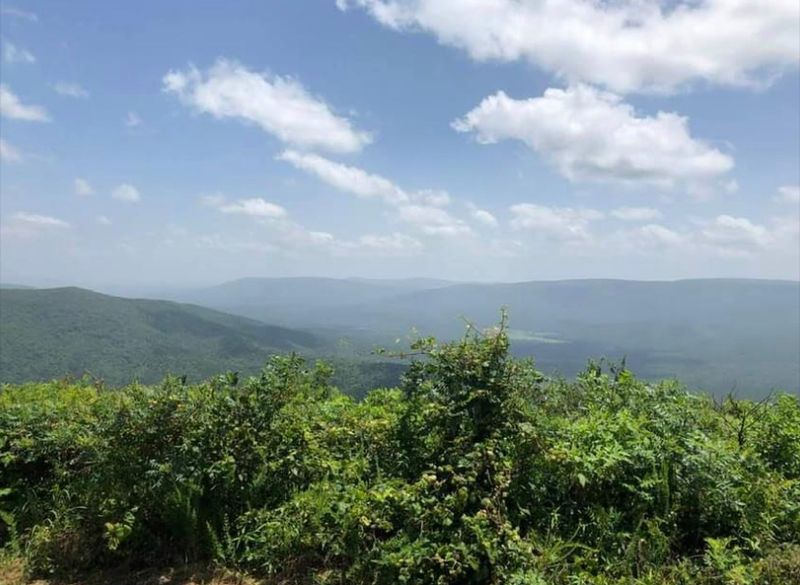
Stretching 54 miles from Talihina, Oklahoma, to Mena, Arkansas, the Talimena Scenic Drive ranks among America’s most breathtaking mountain roads. This designated National Scenic Byway follows ridgeline crests through the heart of the Ouachitas, offering continuous panoramic views that change with every curve.
Construction began in the 1960s specifically to showcase the region’s natural beauty, and engineers deliberately routed the highway along the highest elevations to maximize scenic impact.
Twenty-two designated vista points punctuate the route, each providing unique perspectives across forested valleys and distant peaks. Some overlooks face north toward Oklahoma’s interior, while others gaze south into Arkansas wilderness areas.
Interpretive signs at major stops explain the natural and cultural history visible from each vantage point, helping visitors understand the landscape’s complex story.
Autumn transforms this drive into one of Oklahoma’s premier leaf-peeping destinations. Hardwood forests covering the mountainsides burst into brilliant colors, typically peaking in late October.
Oaks, hickories, and maples create a patchwork of reds, oranges, yellows, and purples that rivals any New England display. Spring brings different pleasures, with dogwoods and redbuds adding white and pink accents to the emerging green canopy.
The road itself demands attention, with tight curves, steep grades, and occasional hairpin turns that require careful navigation. Large vehicles and trailers face particular challenges on the narrower sections.
Most travelers budget two to three hours for the complete journey, though photography enthusiasts and nature lovers often spend entire days exploring the various pullouts and short trails branching from overlooks.
Ouachita National Recreation Trail Challenges Hikers
Adventure seekers who crave serious backcountry experiences find their match in the Ouachita National Recreation Trail, a 223-mile footpath traversing the entire mountain range from Talihina, Oklahoma, to Pinnacle Mountain State Park near Little Rock, Arkansas. This long-distance trail ranks among the most challenging in the central United States, with constant elevation changes, rocky terrain, and remote sections that test both physical stamina and wilderness skills.
The Oklahoma portion covers approximately 40 miles of rugged mountain terrain, passing through pristine forests where black bears, deer, and wild turkeys roam freely. Hikers navigate steep ascents and descents, cross clear mountain streams, and camp at designated primitive sites scattered along the route.
Spring wildflowers carpet the forest floor, while summer’s thick canopy provides welcome shade during challenging climbs.
Trail markers bearing a distinctive logo guide hikers through sections where the path might otherwise disappear into leaf litter or rocky outcrops. Blazes appear regularly on trees, though careful navigation skills remain essential, especially in areas where logging roads and game trails create potential confusion.
Topographic maps and compass skills prove invaluable for anyone attempting extended sections.
Day hikers can sample the trail’s character without committing to multiday expeditions. Several access points along Highway 1 and other forest roads allow shorter out-and-back hikes ranging from a few miles to full-day adventures.
Water sources become scarce during summer droughts, making careful planning essential. Winter hiking offers solitude and easier navigation through leafless forests, though temperatures can drop dramatically at higher elevations.
Crystal-Clear Streams Harbor Hidden Treasures
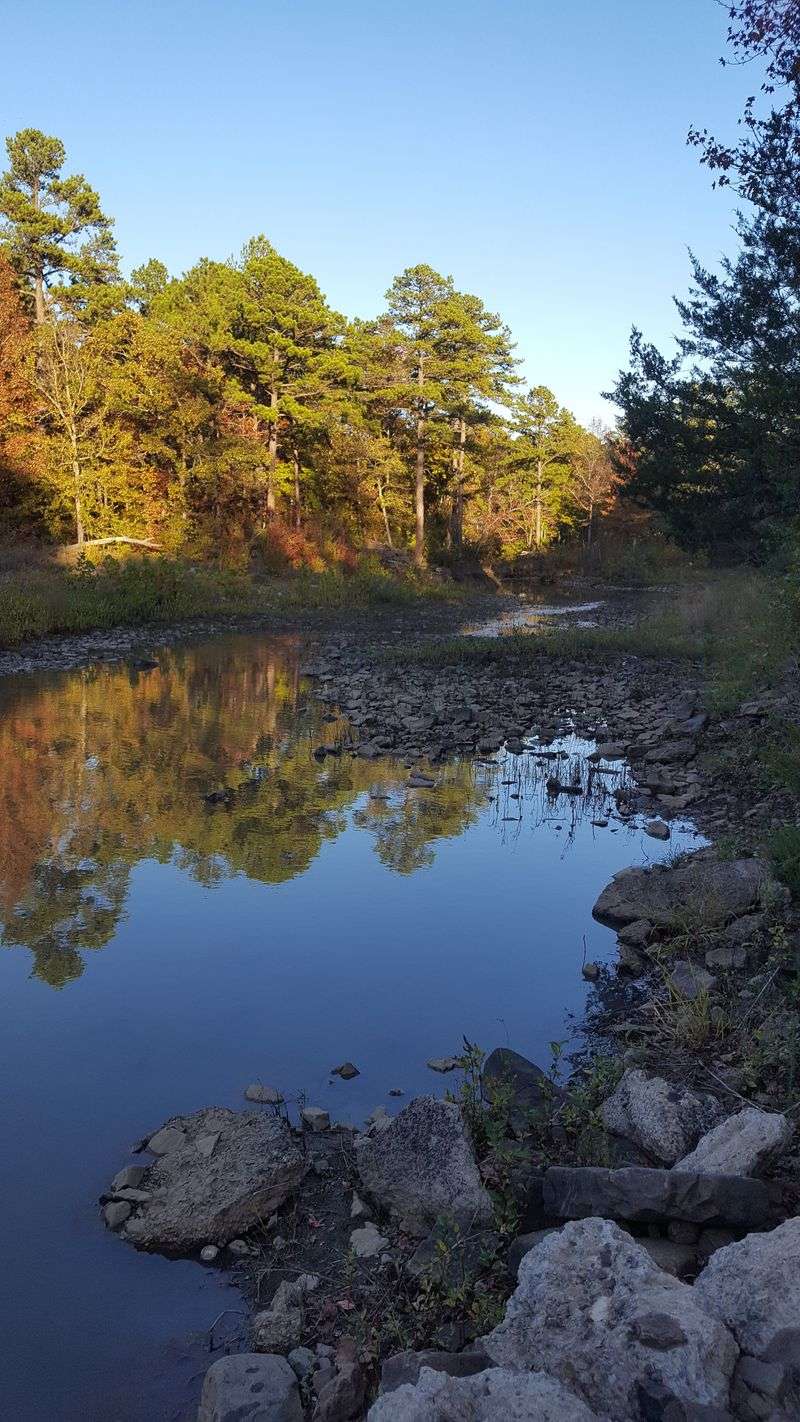
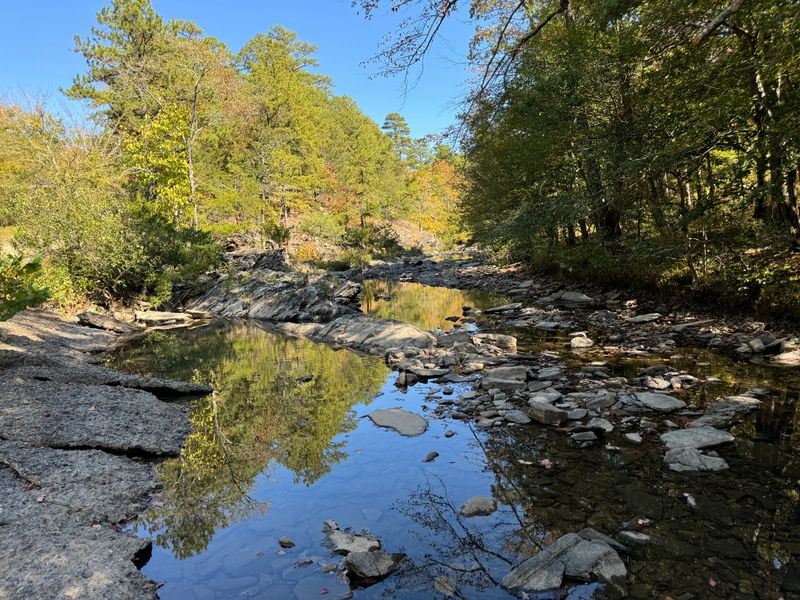
Water defines much of the Ouachita experience, with countless streams tumbling down mountainsides and gathering in valleys before flowing toward larger river systems. These waterways run remarkably clear, their sandy or rocky bottoms visible even in pools several feet deep.
The purity results from the mountains’ sandstone geology, which filters water naturally as it percolates through porous rock layers before emerging in springs and seeps.
Amateur rockhounds flock to these streams searching for quartz crystals, which wash down from higher elevations where they form in rock cavities and fractures. Patient searchers find specimens ranging from tiny points to impressive clusters several inches across.
The best hunting follows heavy rains that expose fresh material, though some crystals lie waiting in gravel bars year-round. No special permits are required for casual collecting in most areas, making this an accessible hobby for visitors of all ages.
Beyond treasure hunting, the streams provide perfect settings for wading, photography, and wildlife observation. Small waterfalls cascade over rock ledges, creating pools where minnows dart through dappled sunlight.
Dragonflies patrol the water’s surface while songbirds flit through overhanging branches. The constant sound of flowing water creates a natural soundtrack that drowns out modern noise and encourages deep relaxation.
Access varies considerably depending on land ownership and terrain. Some streams flow alongside forest roads, offering easy approaches, while others hide in steep valleys requiring significant hiking to reach.
Spring and early summer bring the highest flows and most dramatic cascades, while late summer and fall reveal more rocks and crystals as water levels drop.
Wildlife Thrives in Undisturbed Mountain Habitat
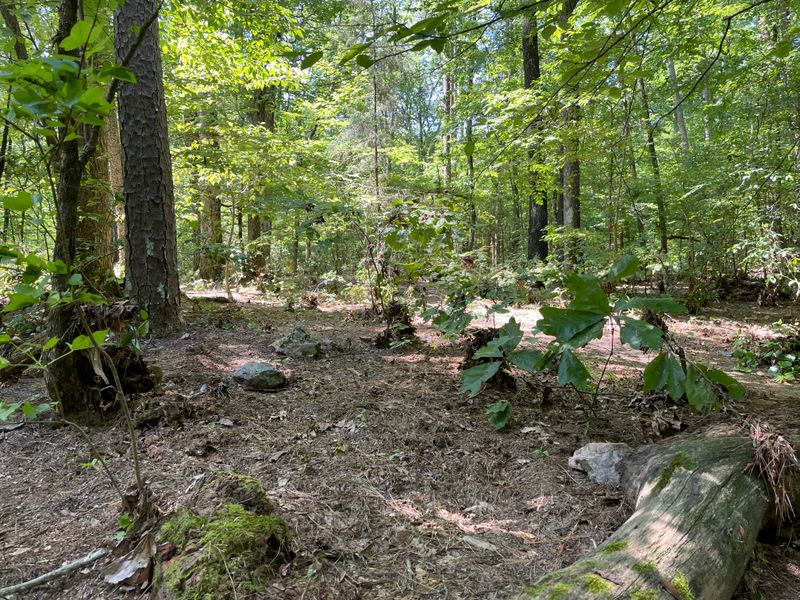
The Ouachita Mountains’ extensive forests and limited human population create ideal conditions for wildlife, with species ranging from common deer to elusive black bears calling these ridges home. Morning and evening hours bring the best viewing opportunities, when animals emerge from daytime cover to feed and travel.
Patient observers stationed at forest edges or near water sources often witness remarkable encounters with creatures living their lives largely undisturbed by human presence.
Black bears have made a remarkable comeback in recent decades after near extirpation in the early 1900s. These intelligent omnivores roam throughout the mountain range, feeding on acorns, berries, insects, and whatever else their varied diet includes.
Though naturally shy and typically avoiding humans, bears occasionally appear along roadsides or near campgrounds, creating memorable moments for surprised visitors. Proper food storage and awareness of bear behavior ensure safe coexistence.
White-tailed deer populate the mountains in healthy numbers, their russet summer coats giving way to gray winter pelage as seasons change. Turkeys strut through oak forests, their calls echoing through morning mist.
Smaller mammals including raccoons, opossums, armadillos, and various squirrel species contribute to the ecosystem’s complexity. Coyotes and bobcats fill predator niches, though their secretive nature makes sightings relatively rare.
Birdwatchers find exceptional diversity, with species ranging from massive pileated woodpeckers to tiny warblers that migrate through during spring and fall. Hawks soar on thermals rising from sun-warmed ridges, while owls hunt silently through nighttime forests.
Keeping binoculars handy and moving quietly through the landscape greatly increases chances of meaningful wildlife encounters that reveal Oklahoma’s wild side.
Mountain Biking Trails Challenge Riders of All Levels
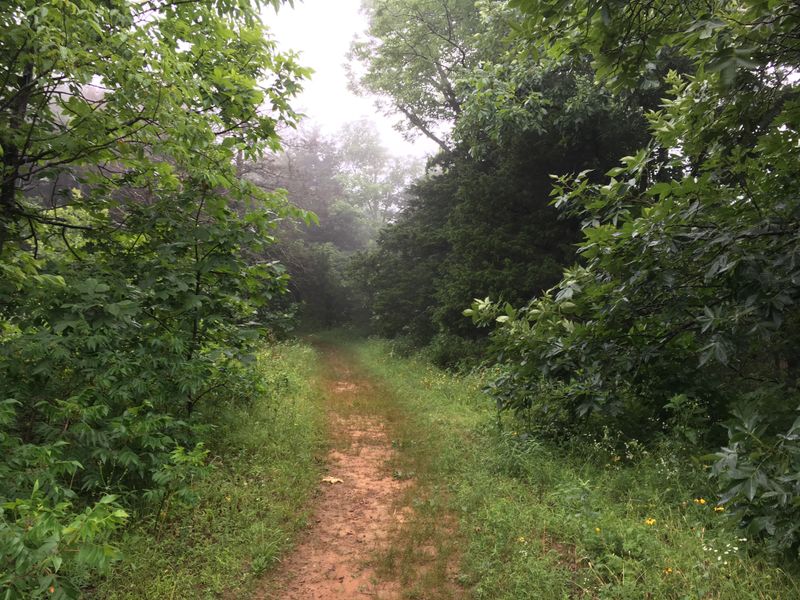
Two-wheeled adventurers have discovered the Ouachita Mountains in recent years, with mountain biking growing increasingly popular as trail networks expand and word spreads about the challenging terrain. The same rocky paths and steep grades that test hikers provide thrilling descents and grueling climbs for cyclists willing to tackle technical singletrack through remote forests.
Several designated mountain bike trails now exist, while portions of the Ouachita National Recreation Trail welcome bikes in certain sections.
The terrain demands solid technical skills and good physical conditioning. Riders navigate loose rocks, exposed roots, tight switchbacks, and stream crossings that require quick reflexes and precise bike handling.
Climbs can seem endless as trails ascend ridges, but the payoff comes during exhilarating descents where gravity takes over and forest scenery blurs past. Intermediate and advanced riders find these trails perfectly suited to their abilities, while beginners might struggle with the constant challenges.
Trail conditions vary significantly with seasons and recent weather. Spring rains can create muddy sections that damage trails when ridden, leading to temporary closures or requests that bikers avoid certain areas.
Summer brings dry, fast conditions but also high temperatures that test endurance. Fall offers ideal riding with cooler weather and hard-packed trails, while winter provides opportunities for hardy souls who don’t mind cold temperatures and occasional ice patches.
Local bike shops in nearby communities provide trail information, maps, and equipment for visitors who fly in without their own bikes. Group rides organized through social media and cycling clubs offer chances to explore with experienced locals who know the best routes and can provide guidance on technical sections.
The mountain biking scene remains relatively undiscovered compared to destinations in Colorado or Utah, meaning riders often have trails largely to themselves.
Seasonal Weather Patterns Create Distinct Visitor Experiences
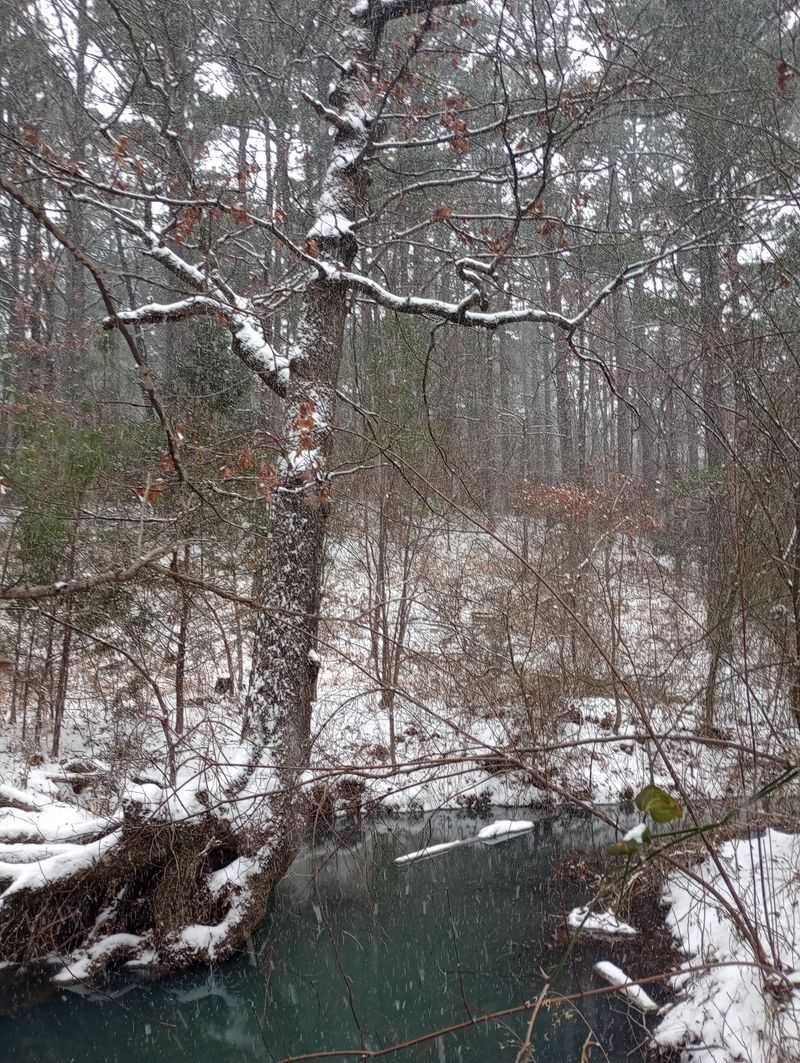
Each season brings its own character to the Ouachita Mountains, with weather patterns creating dramatically different experiences for visitors throughout the year. Understanding these seasonal variations helps travelers choose the best time for their interests and prepare appropriately for conditions they’ll encounter.
The mountains’ elevation creates slightly cooler temperatures than surrounding lowlands, a difference particularly noticeable during summer heat waves.
Spring arrives gradually, with wildflowers beginning to bloom in March and continuing through May. Dogwoods and redbuds add splashes of white and pink to hillsides still showing winter’s brown tones.
Rainfall peaks during this season, keeping streams full and waterfalls flowing vigorously. Thunderstorms rumble through regularly, sometimes producing dramatic lightning displays visible from mountain overlooks.
Temperatures range from cool mornings requiring jackets to warm afternoons perfect for hiking in short sleeves.
Summer brings heat and humidity typical of Oklahoma, though mountain elevations provide slight relief compared to lower terrain. Afternoon temperatures regularly reach the 80s and sometimes the 90s, making early morning and evening the most comfortable times for strenuous activities.
Thunderstorms develop frequently, often producing brief but intense downpours that cool the air temporarily. The forest canopy reaches full density, providing shade along trails but limiting long-distance views.
Winter transforms the mountains into a quiet, peaceful landscape where visitor numbers drop dramatically. Freezing temperatures occur regularly, and occasional snow or ice storms coat the ridges in white.
Bare trees allow views impossible during leafy seasons, and wildlife becomes easier to spot. Driving requires extra caution on mountain roads, where ice can linger in shaded areas even after temperatures rise above freezing elsewhere in Oklahoma.
Native American Heritage Predates Modern Development
Long before European settlers arrived, Native American peoples knew these mountains intimately, living within their valleys and hunting across their ridges for thousands of years. The Caddo people particularly associated with this region, establishing villages and trading networks that extended across the southeastern United States.
Later, the Choctaw Nation received these lands during forced relocations in the 1830s, making the mountains part of their new territory in Indian Territory, which eventually became Oklahoma.
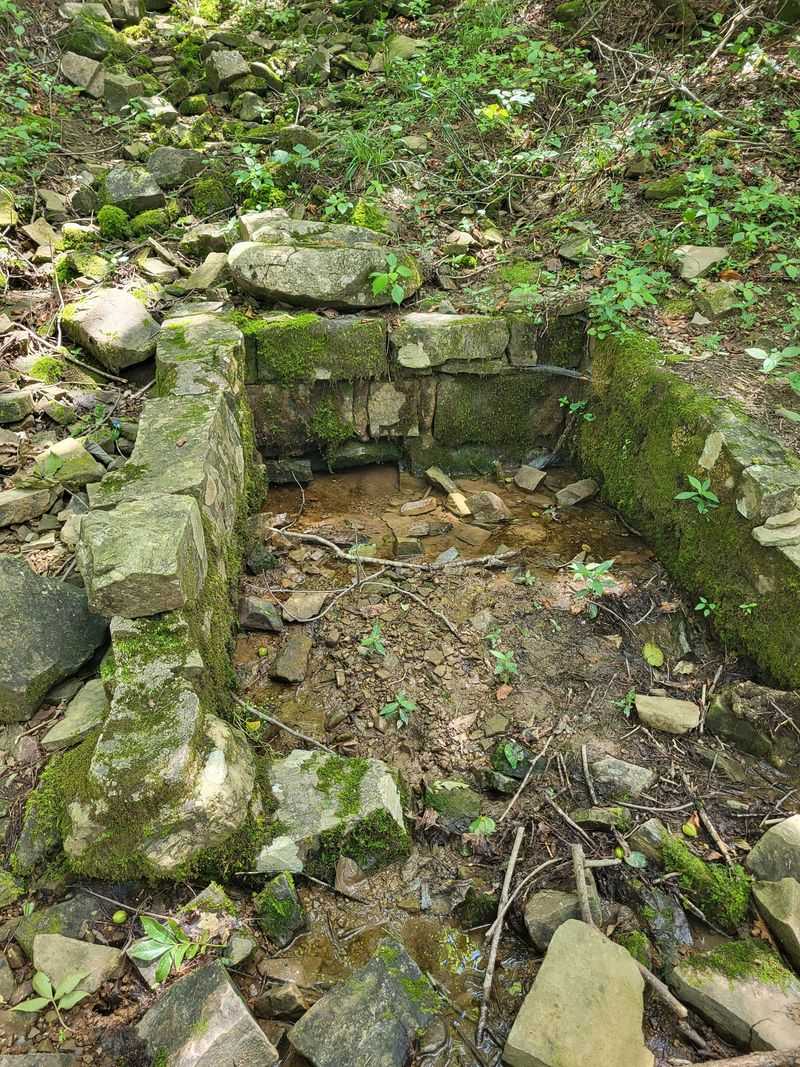
Archaeological evidence scattered throughout the mountains includes stone tools, pottery fragments, and rock shelters that provided temporary housing for hunting parties. Springs and streams that modern hikers depend on also sustained ancient peoples, who knew every reliable water source and seasonal food plant growing in these forests.
Their trails followed ridgelines and valley bottoms, choosing routes that later settlers and modern road builders often adopted for the same practical reasons.
Place names preserve linguistic connections to indigenous heritage, with Ouachita itself deriving from a Native American word whose exact meaning remains debated but likely references the people or places of the region. Other geographic features bear names from Choctaw and other tribal languages, creating a subtle but persistent reminder of the deep human history these mountains contain.
The Choctaw Nation maintains significant presence in southeastern Oklahoma today, with tribal lands and facilities located in communities near the mountains. Cultural centers and museums in the region interpret Native American history and contemporary tribal life, offering visitors opportunities to understand perspectives that extend far beyond the recreational use that dominates current mountain tourism.
This heritage adds depth to any visit, reminding travelers that these landscapes hold meaning beyond their scenic beauty.
Gateway Communities Provide Essential Services and Local Flavor

Small towns scattered around the Ouachita Mountains serve as essential base camps for visitors, providing accommodations, supplies, and connections to local culture that enhance mountain adventures. Talihina stands out as the primary gateway community on the Oklahoma side, sitting at the western terminus of the Talimena Scenic Drive and offering the closest services to major recreation areas.
This modest town of fewer than 1,000 residents punches above its weight in hospitality and mountain access.
Local businesses cater to outdoor enthusiasts while maintaining authentic small-town character that hasn’t been polished into tourist-oriented blandness. Cafes serve hearty breakfasts to fuel daylong hikes, while convenience stores stock last-minute camping supplies and snacks for the road.
Motels provide clean, affordable rooms for visitors who prefer beds to sleeping bags, and local residents often share trail recommendations and insider knowledge with friendly travelers who take time to chat.
Other communities including Heavener, Poteau, and Clayton offer additional access points and services, each with its own character and advantages depending on which part of the mountains visitors plan to explore. These towns represent working Oklahoma communities where agriculture, forestry, and small businesses sustain local economies.
Tourism provides supplemental income but hasn’t overwhelmed the authentic rural culture that makes these places interesting beyond their proximity to mountains.
Visiting during local events like fall festivals or community celebrations provides glimpses into mountain life beyond recreation. These gatherings showcase regional food, crafts, and music traditions while allowing outsiders to connect with residents whose families have called these mountains home for generations.
Such experiences round out mountain visits, adding human dimensions to the natural beauty that initially draws travelers to this unexpected corner of Oklahoma.
Dear Reader: This page may contain affiliate links which may earn a commission if you click through and make a purchase. Our independent journalism is not influenced by any advertiser or commercial initiative unless it is clearly marked as sponsored content. As travel products change, please be sure to reconfirm all details and stay up to date with current events to ensure a safe and successful trip.
