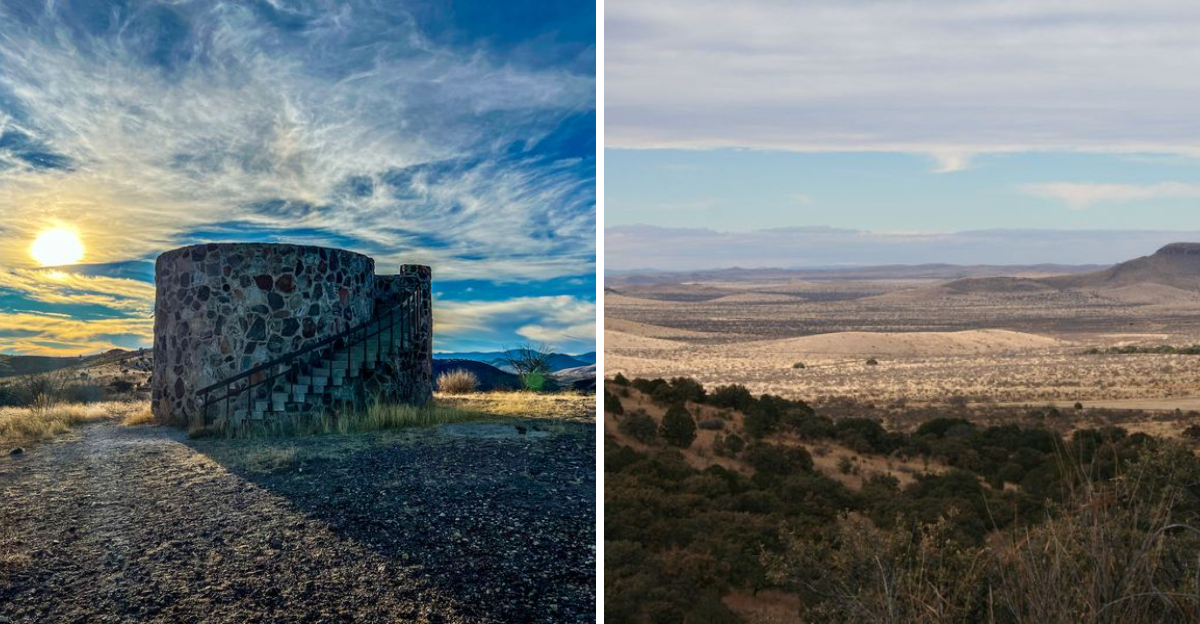
Highway 17 narrows your focus in the best way as you head toward Fort Davis. The desert opens up, mountains cut sharp lines against the sky, and the air shifts as you climb higher into the Davis Mountains.
Rolling into town at 5,000 feet, I felt it right away, that cooler breeze, the clean scent in the air, the way the old stone buildings catch the light just before sunset. It is small, no doubt about that, but it never feels insignificant.
With fewer than a thousand residents, Fort Davis carries itself with a steady kind of pride, the kind that does not need to announce itself. By the time I pulled away, I already understood how easy it would be to make the drive back again.
A Town Built on Frontier History
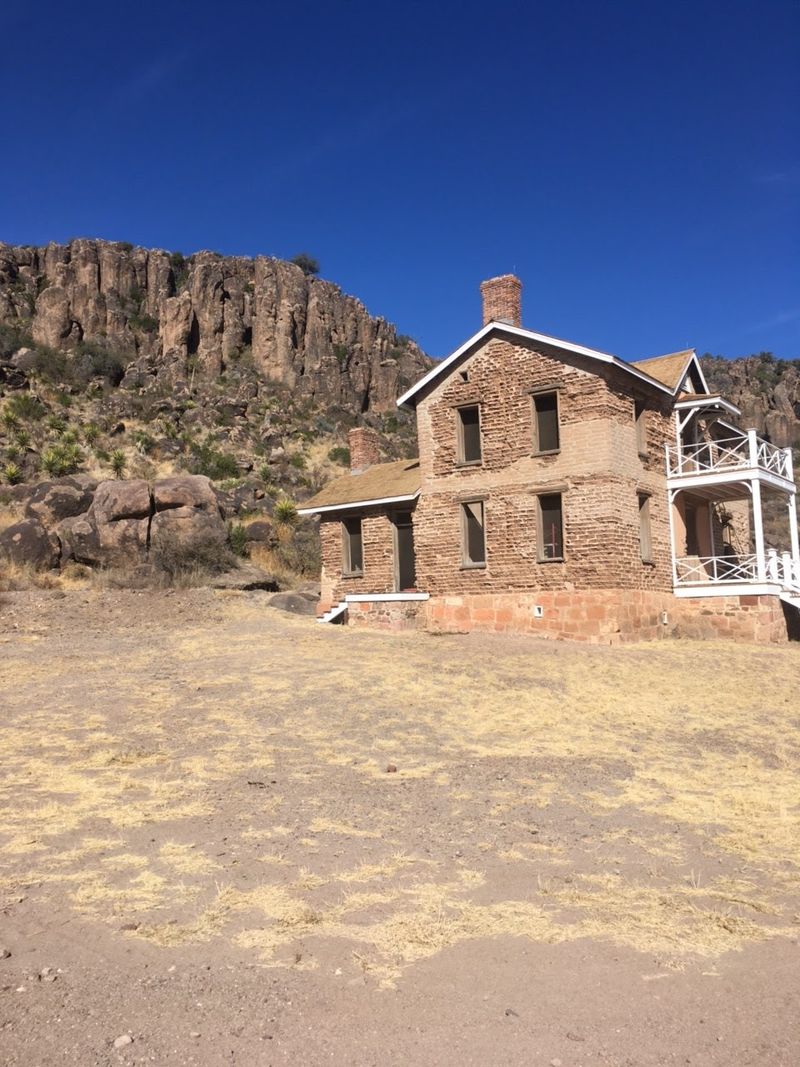
Fort Davis got its name from the actual military fort established here in 1854, and you can still walk through those old limestone structures today. The fort was built to protect travelers and mail routes from attacks, sitting strategically in a mountain pass that everyone had to use.
Soldiers stationed here dealt with scorching summers and freezing winters, all while trying to maintain order in one of the most remote outposts in Texas.
What strikes you immediately is how well preserved everything is. The officers’ quarters, barracks, and hospital buildings stand much as they did over a century ago.
You can peer into rooms where soldiers slept, see where they took their meals, and imagine the isolation they must have felt so far from civilization. The National Park Service does an excellent job of bringing the history to life without making it feel like a dusty museum.
Walking these grounds on a quiet afternoon, with mountains rising all around and hawks circling overhead, you get a real sense of what frontier life demanded. The fort operated until 1891, and its presence shaped everything about this community.
Even now, that military history runs through the town’s DNA, giving Fort Davis a sense of purpose and identity that many small towns have lost.
Stargazing Like Nowhere Else
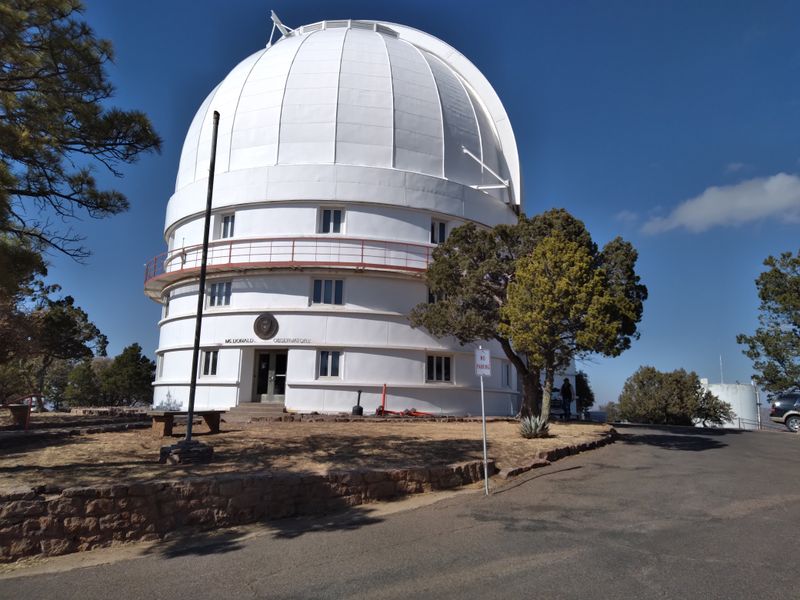
The McDonald Observatory sits just up the mountain from town, and it’s one of the reasons serious astronomers and casual sky watchers make pilgrimages to Fort Davis. The high elevation, dry air, and distance from city lights create some of the darkest skies in North America.
On a clear night, the Milky Way stretches across the heavens so vividly it looks like someone spilled cream across black velvet.
I attended one of the star parties they hold several times a week, and it completely changed how I think about our place in the universe. Volunteers set up telescopes and point them at planets, nebulae, and distant galaxies while explaining what you’re seeing in terms anyone can understand.
Looking at Saturn’s rings through a telescope for the first time, or seeing the craters on the moon in sharp detail, creates a sense of wonder that no photograph can match.
Even if you don’t visit the observatory itself, just step outside your hotel at night and look up. The sheer number of stars visible from Fort Davis makes you realize how much we’ve lost in cities where light pollution washes out the sky.
People have driven hundreds of miles just for this view, and after one night, you’ll understand why.
Mountains in the Middle of Nowhere
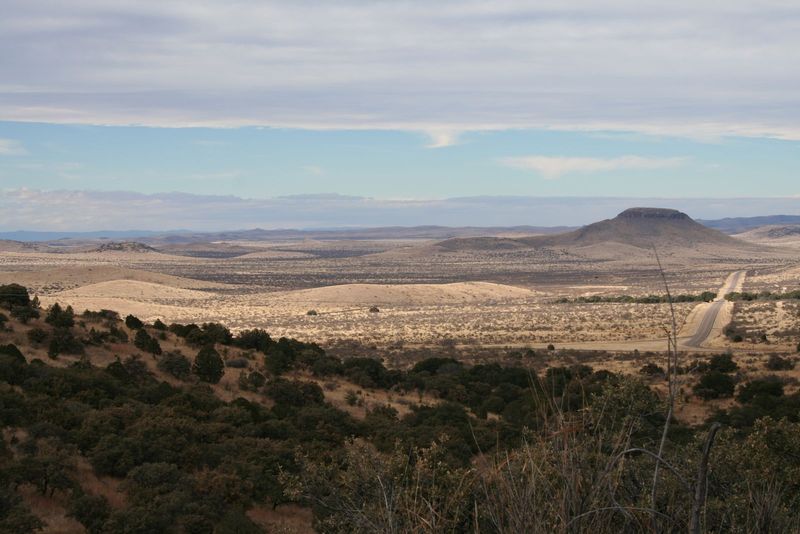
Fort Davis sits in the heart of the Davis Mountains, which rise unexpectedly from the Chihuahuan Desert like a green island in a sea of brown. These aren’t the dramatic, snow-capped peaks you might picture when someone says mountains, but they have their own rugged beauty.
Covered in juniper, oak, and pine at higher elevations, they create a landscape that feels more like New Mexico or Arizona than what most people imagine when they think of Texas.
The scenic loop that winds through the mountains offers pullouts where you can stop and take in views that stretch for miles. I drove it on a morning when clouds hung low in the valleys, and the peaks poked through like islands.
The road climbs and dips, passing through different ecological zones, and if you’re lucky, you might spot mule deer, javelinas, or even a black bear, though they’re rare and shy.
What makes these mountains special isn’t their size but their isolation. They’re far from everything, which means they’ve remained relatively untouched.
No ski resorts, no condos, no development creeping up the slopes. Just mountains doing what mountains do, providing habitat for wildlife and offering humans a place to remember what quiet actually sounds like.
The Smallest County Seat You’ll Find
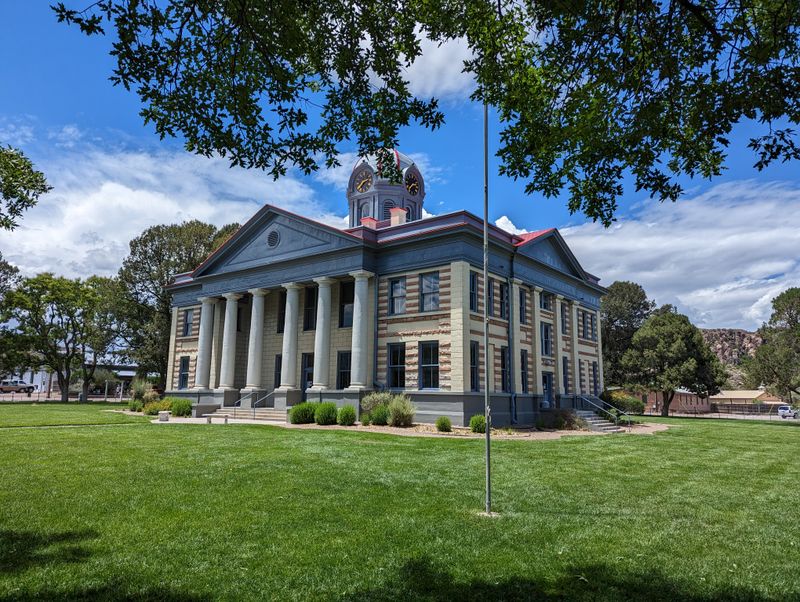
Fort Davis serves as the county seat of Jeff Davis County, which means it has a courthouse, government offices, and all the trappings of civic life despite having barely a thousand residents.
The courthouse itself is a handsome stone building that anchors the town square, and the whole setup feels like stepping back to a time when communities were built around central gathering places.
Everything you need is within a few blocks. The post office, a couple of cafes, a grocery store, and a handful of shops occupy historic buildings with thick walls and shaded porches.
People actually know each other here, and strangers get friendly nods as they walk down the sidewalk. I watched the mail carrier stop to chat with someone for ten minutes, and nobody seemed in any hurry to move along.
Being a county seat gives Fort Davis a permanence that many small towns lack. Government jobs provide stability, and the courthouse draws people from across the county for business, which keeps the local economy alive.
It’s a reminder that even in our modern world, these old governmental structures still matter. The town feels lived in rather than preserved, which makes all the difference between a place that’s dying and one that’s simply small by choice.
Where Cool Summers Are the Norm
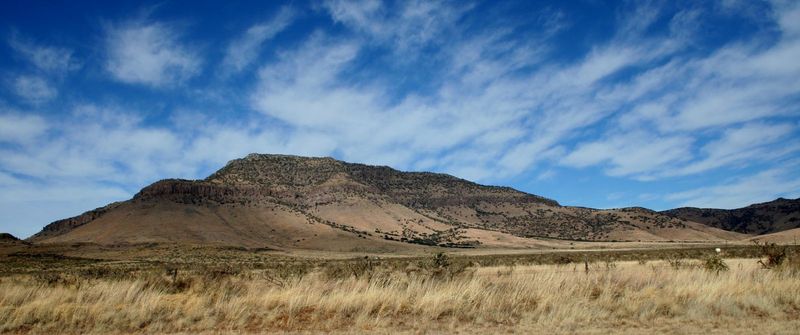
While the rest of Texas bakes under triple-digit heat every summer, Fort Davis enjoys temperatures that rarely climb above the mid-80s. That 5,000-foot elevation makes all the difference, creating a climate that feels more like Colorado than the Lone Star State.
Locals joke that they don’t need air conditioning, and they’re not exaggerating by much. Even on the hottest days, the temperature drops pleasantly once the sun goes down.
I visited in July, expecting to suffer through typical Texas summer weather, and instead found myself reaching for a light jacket in the evenings. The low humidity helps too.
Your sweat actually evaporates and cools you down instead of just making you sticky. Afternoons might see brief thunderstorms roll through the mountains, dramatic displays of lightning and rain that cool things off even more before moving on.
This climate is one of Fort Davis’s best-kept secrets and a major reason why people choose to live here or visit during the brutal summer months. While cities like Dallas and Houston become barely habitable from June through September, Fort Davis remains comfortable.
It’s the kind of natural advantage that no amount of money or development can replicate, and it shapes everything about life in this little town.
Indian Lodge and State Park Wonders
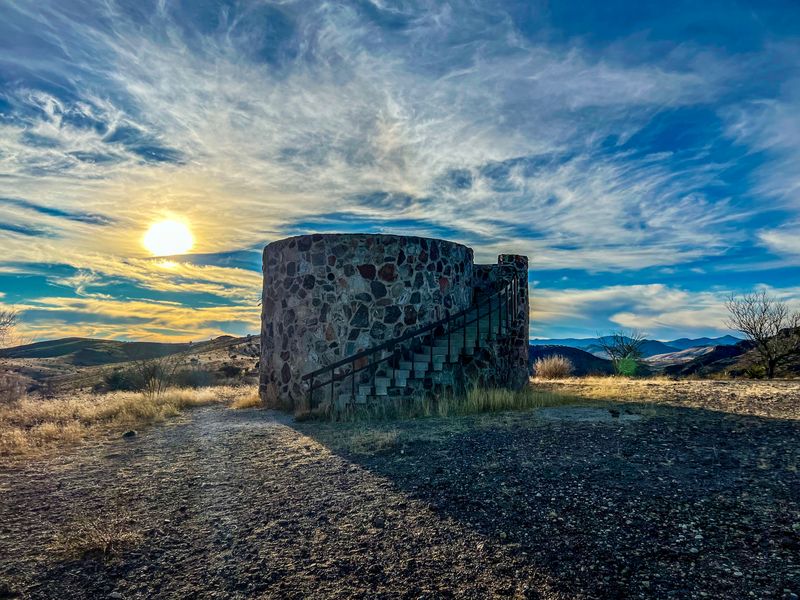
Just a few miles outside town, Davis Mountains State Park offers camping, hiking, and one of the most unusual lodges you’ll find anywhere in Texas. Indian Lodge was built in the 1930s by the Civilian Conservation Corps in a pueblo-style that looks like it belongs in New Mexico.
The thick adobe walls, wooden beams, and handcrafted details give it character that modern hotels can’t touch. Staying there feels like sleeping in a piece of history.
The park itself covers several thousand acres of mountain terrain with trails that range from easy walks to challenging climbs. I hiked the Skyline Drive Trail early one morning and had sweeping views of the surrounding peaks with not another person in sight.
The trail winds through different vegetation zones, and you can see how the landscape changes as you gain elevation. Birds are everywhere, and if you’re quiet, you might spot larger wildlife too.
What I appreciated most was how undeveloped everything felt. There’s a campground and the lodge, but mostly it’s just protected wilderness where you can hike, think, and disconnect.
The park doesn’t try to be Disneyland. It’s just mountains and trails and sky, which is exactly what you want when you’re trying to escape the noise of everyday life.
A Community That Takes Care of Its Own
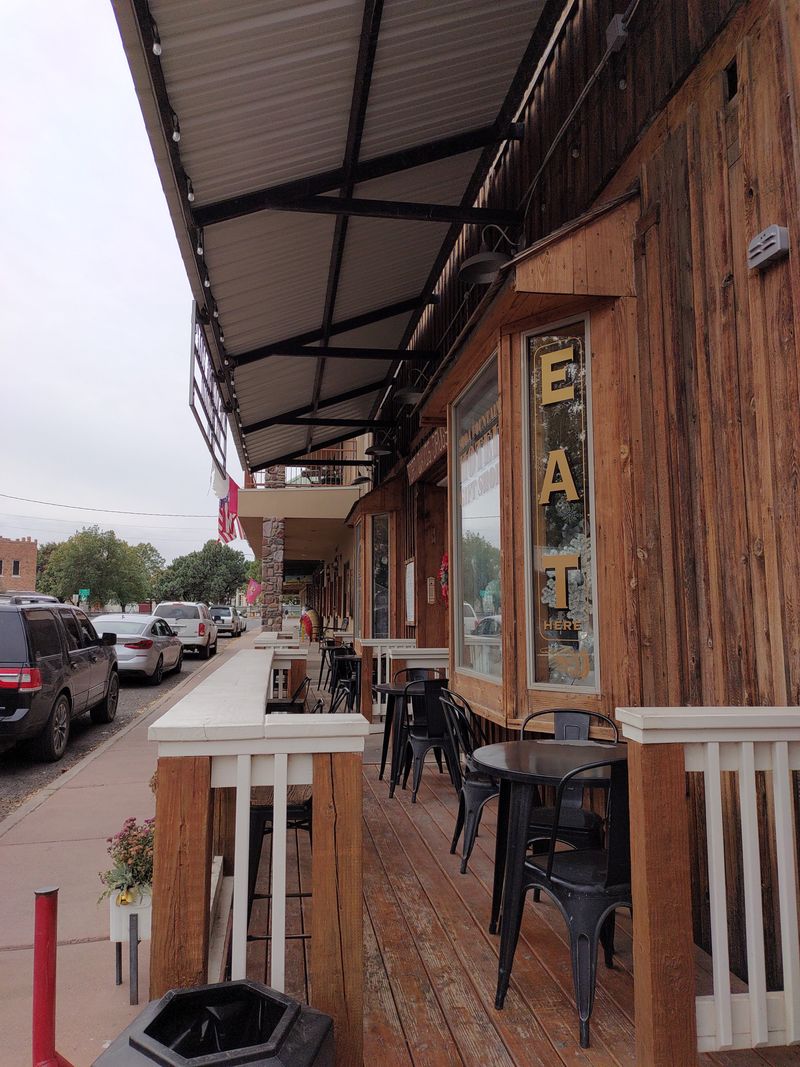
Small towns can go one of two ways. They either become insular and suspicious of outsiders, or they maintain a genuine friendliness that makes visitors feel welcome.
Fort Davis falls firmly in the second category. People here seem to understand that their town’s survival depends partly on tourism, but the hospitality feels real rather than calculated.
Shop owners take time to chat, locals offer directions without being asked, and there’s a general sense that everyone’s looking out for each other.
I noticed this particularly at the local cafe where I had breakfast several mornings. Regulars clearly had their favorite tables and usual orders, but they also made room for visitors and struck up conversations.
One morning, an older rancher spent twenty minutes telling me about the history of water rights in the area, a topic I never knew could be so fascinating. He didn’t want anything, he just liked talking about his home.
This sense of community isn’t something you can manufacture. It develops over generations when people choose to stay in a place despite economic pressures that push others toward cities.
Fort Davis has held onto something precious, a social fabric where people still know their neighbors and feel responsible for maintaining their shared home. That’s increasingly rare, and worth experiencing.
Art Galleries in Unexpected Places
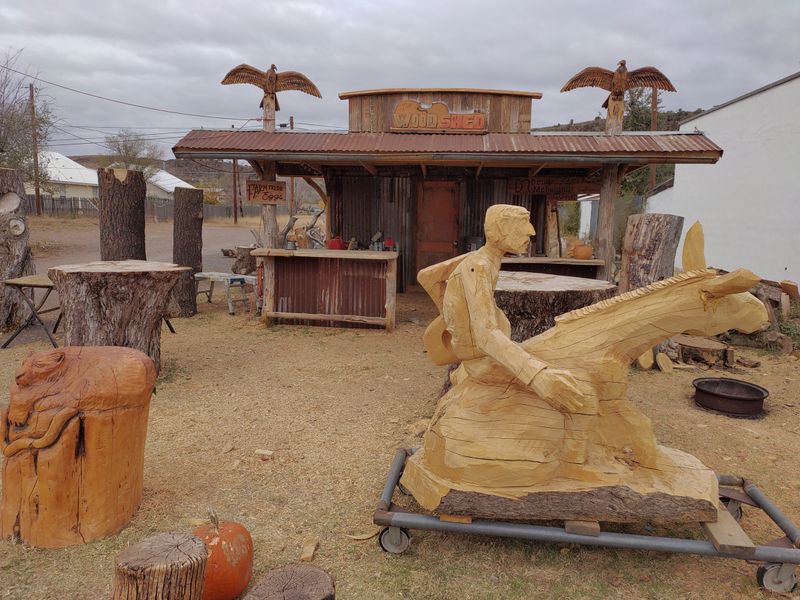
You don’t expect to find serious art galleries in a town this small, but Fort Davis has several, and they’re not selling mass-produced southwestern cliches. Real artists have moved here, drawn by the light, the landscape, and the affordable space to work.
Their galleries showcase paintings, sculptures, and photography that capture something essential about this place. The work ranges from traditional landscapes to more abstract pieces, but all of it feels rooted in the environment.
I spent an afternoon gallery hopping and talking with artists about why they chose Fort Davis. Several mentioned the quality of light, which apparently has something to do with the altitude and clarity of the air.
Photographers particularly love it here. Others talked about the isolation allowing them to focus on their work without the distractions and pressures of bigger art scenes.
They can create without worrying about trends or what’s selling in Dallas or Austin.
What struck me was how accessible these artists were. In bigger cities, gallery owners often hover and make you feel like you’re intruding.
Here, artists themselves often staff their galleries and genuinely enjoy talking about their process and inspiration. You might not leave with a painting, but you’ll leave with a deeper appreciation for how landscape shapes creativity and why some people need wild places to make their best work.
Historic Hotels with Character
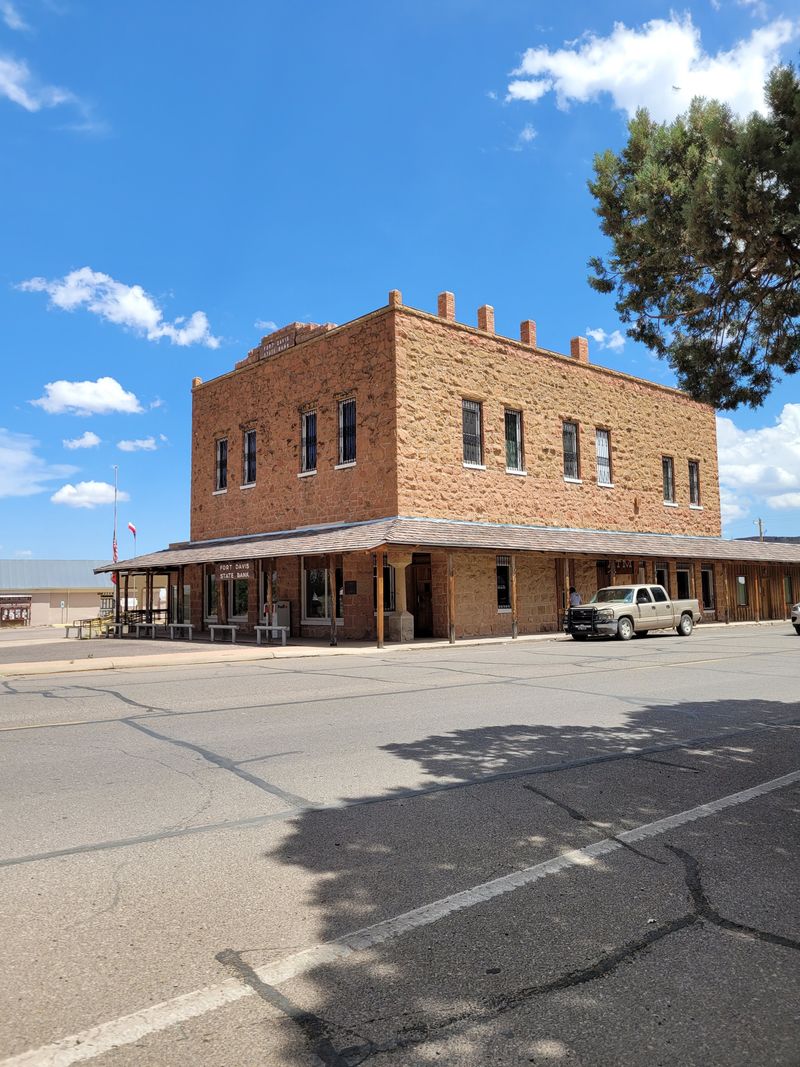
Hotel Limpia has been welcoming travelers since 1912, and staying there is like stepping into a different era. The main building features thick limestone walls, wooden floors that creak just right, and period furnishings that feel authentic rather than staged.
They’ve added modern conveniences like private bathrooms and wifi, but they’ve done it without destroying the building’s character. Rocking chairs line the front porch, and guests actually use them, sitting outside in the evening and watching the town wind down.
The hotel sits right on the main street, so you can walk to everything Fort Davis offers. I liked being able to step out my door and be in the middle of whatever passes for action in a town this size.
Mornings, I’d grab coffee and sit on that porch, watching the sun hit the mountains and planning the day. Evenings, I’d do the same thing with different light and reflect on what I’d seen.
Historic hotels like this are disappearing across America, replaced by chain motels that look the same whether you’re in Texas or Ohio. Hotel Limpia represents something worth preserving, the idea that where you stay should be part of the experience rather than just a place to sleep between activities.
The owners clearly understand this, maintaining the building with care while keeping prices reasonable enough that regular people can afford to experience it.
The Quiet That Changes You
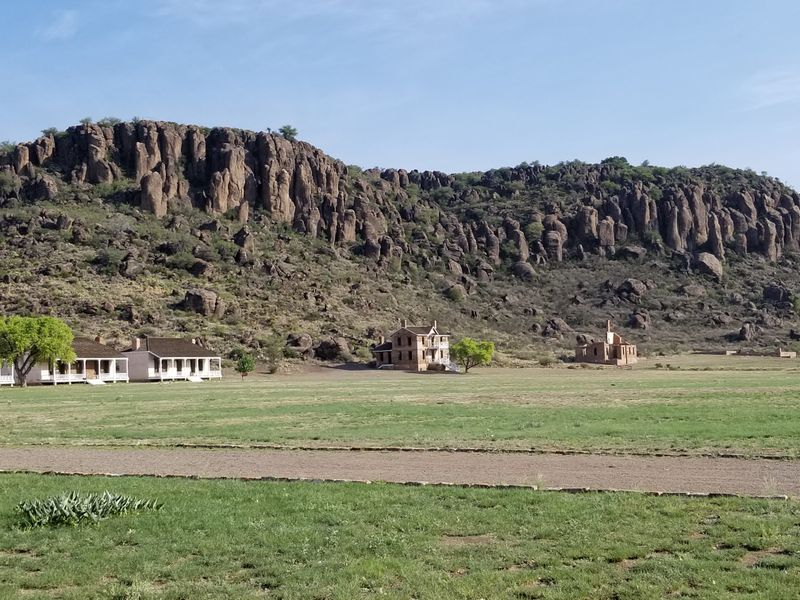
The thing about Fort Davis that sneaks up on you is the quiet. Not just the absence of traffic noise or sirens, though that’s part of it, but a deeper quiet that comes from being far from the constant hum of modern life.
At night, you hear crickets and wind and sometimes a distant dog barking. During the day, bird songs carry clearly through the thin mountain air.
Your nervous system, wound tight by months or years of urban noise, slowly begins to unwind.
I noticed this most clearly on my third day there. I woke up naturally without an alarm, something that almost never happens at home.
My shoulders, which I didn’t realize I’d been holding tense, had relaxed. I felt more present, more aware of small details like the way shadows moved across the mountains as clouds passed overhead.
This wasn’t some mystical transformation, just my body remembering what it feels like to exist without constant stimulation and stress.
That quiet is Fort Davis’s greatest gift. You can’t buy it, and you can’t fake it.
It comes from geography and population density and a community that’s chosen to remain small. Whether you stay three days or three weeks, you’ll leave different than you arrived, carrying some of that quiet inside you and remembering what peace actually feels like.
Dear Reader: This page may contain affiliate links which may earn a commission if you click through and make a purchase. Our independent journalism is not influenced by any advertiser or commercial initiative unless it is clearly marked as sponsored content. As travel products change, please be sure to reconfirm all details and stay up to date with current events to ensure a safe and successful trip.
