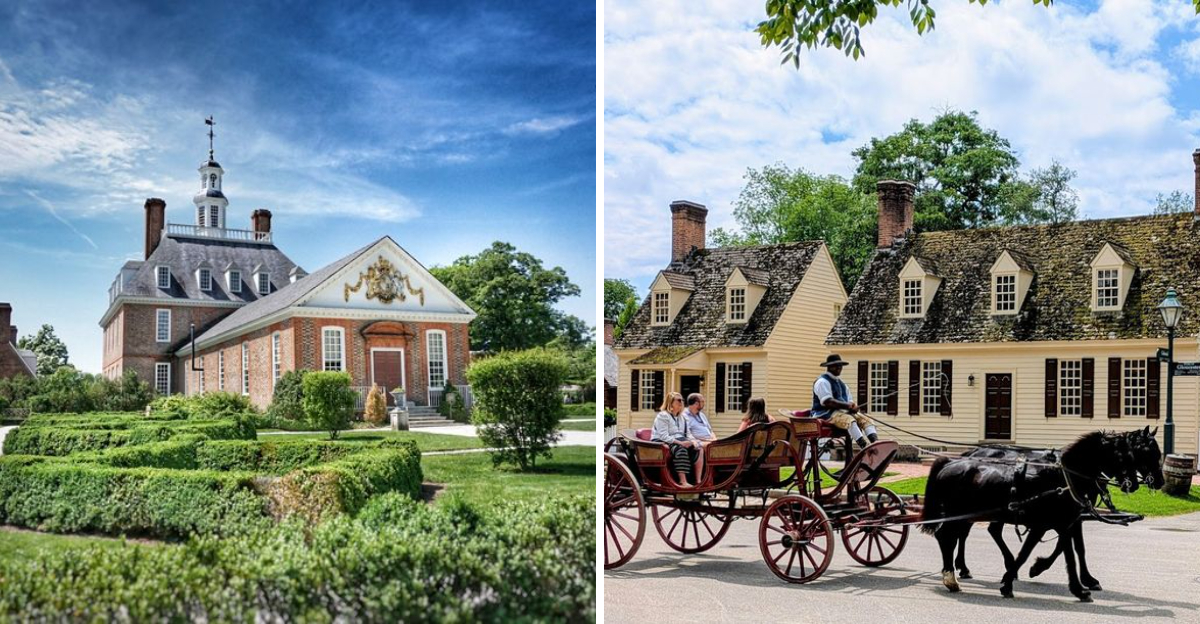
Think your local history museum is impressive? Try stepping into an entire town frozen in time, where every cobblestone street, every handcrafted horseshoe, and every powdered wig tells the story of America before it was America.
Colonial Williamsburg isn’t just a museum with glass cases and velvet ropes. It’s a sprawling, breathing snapshot of life in the 1700s, where costumed interpreters don’t just recite facts but live them, debate them, and challenge you to think about what freedom really meant back then.
Stretching across hundreds of acres in the heart of Virginia, this isn’t some cheesy theme park with modern conveniences hidden behind fake facades. This is the real deal: restored buildings, working trade shops, and stories that’ll make you rethink everything you thought you knew about the Revolutionary era.
Ready to trade your smartphone for a tricorn hat, even if just for a day? Pack your comfiest walking shoes and prepare for a history lesson that actually sticks.
Governor’s Palace: Power and Prestige on Full Display
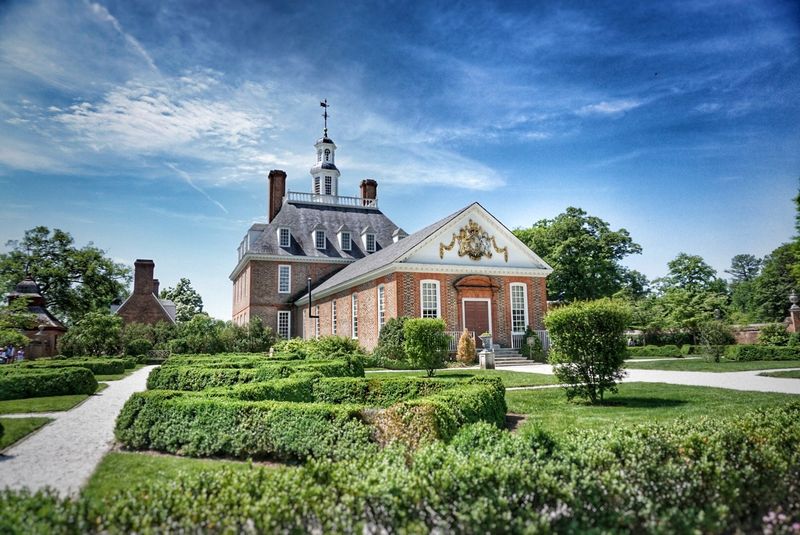
Walking up to the Governor’s Palace feels like approaching royalty. This isn’t some modest cottage where decisions were whispered over tea.
This is where the king’s representative lived, ruled, and reminded everyone who held the power in colonial Virginia.
The palace drips with opulence, from the gleaming chandeliers to the meticulously arranged weaponry on the walls. Every room tells a story of influence, wealth, and the delicate dance between authority and rebellion.
Guides dressed in period attire explain how governors entertained, negotiated, and occasionally fled when tensions boiled over.
Outside, the gardens are equally impressive. Geometric hedges, blooming flowers, and gravel paths create a serene contrast to the political drama that unfolded indoors.
You can almost picture colonial elites strolling these grounds, plotting the future of a nation that didn’t yet exist.
Visiting the Governor’s Palace isn’t just about admiring architecture. It’s about understanding the contradictions of the era: a place of beauty built on inequality, a symbol of British control in a land yearning for independence.
History lives here, complicated and compelling.
Capitol Building: Where Revolution Was Debated
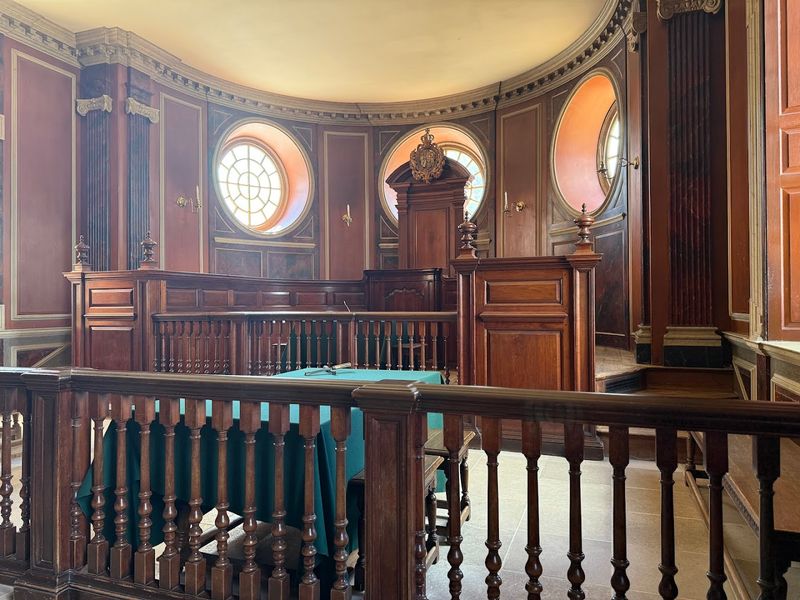
Stand inside the Capitol building and you’re standing where history pivoted. This is where Patrick Henry delivered his fiery speeches, where Thomas Jefferson served as a young legislator, and where the seeds of independence were planted long before the Declaration was signed.
The building’s H-shaped design is striking, with two rounded ends connected by an open-air arcade. Inside, the General Court and House of Burgesses chambers are set up exactly as they were centuries ago.
Benches, desks, and even the smell of old wood transport you back to heated debates about liberty, taxation, and representation.
Interpreters often stage reenactments, arguing cases or debating colonial laws with such passion you’ll forget you’re watching a performance. These aren’t dry recitations.
They’re lively, sometimes contentious exchanges that show how messy democracy really was, even in its infancy.
The Capitol isn’t just a building. It’s a reminder that change doesn’t happen quietly.
It happens through argument, compromise, and the courage to challenge the status quo.
Walk these halls and you’ll understand why Virginia was called the cradle of democracy.
Trade Shops: Watching History Get Made by Hand
Forget factories and assembly lines. At Colonial Williamsburg, everything is made the old-fashioned way: slowly, skillfully, and with a whole lot of elbow grease.
Trade shops scattered throughout the village showcase blacksmiths hammering iron, coopers shaping barrels, and silversmiths crafting intricate jewelry.
The blacksmith shop is a sensory overload. The clang of hammer on anvil, the glow of red-hot metal, the acrid smell of coal smoke.
Watching a skilled craftsman shape a horseshoe or a decorative hinge is mesmerizing. These aren’t hobbyists playing dress-up.
They’re trained artisans using authentic techniques passed down through generations.
Over at the wigmaker’s shop, you’ll learn why powdered wigs were all the rage and how much effort went into maintaining them. Spoiler: it was a lot.
Meanwhile, the apothecary mixes herbal remedies that smell both intriguing and slightly terrifying, depending on the ingredient.
Each trade shop offers a window into daily life during the colonial period. These weren’t just jobs.
They were lifelong crafts requiring patience, precision, and pride.
Watching these artisans work is a humbling reminder of how much we’ve lost in the age of instant everything.
Costumed Interpreters: Living, Breathing History Lessons
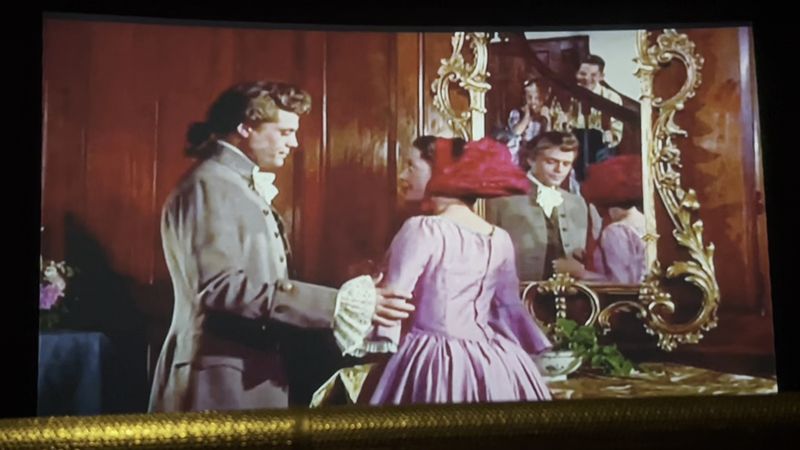
The people at Colonial Williamsburg aren’t just employees in costumes. They’re time travelers who refuse to break character, even when you ask about parking or bathrooms.
These interpreters embody real historical figures or represent typical colonists, from enslaved workers to wealthy merchants, and they take their roles seriously.
Strike up a conversation with Patrick Henry and he’ll passionately defend colonial rights, his voice rising with every word. Chat with a tavern keeper and she’ll complain about the latest British tax while offering insights into daily struggles.
Ask an enslaved interpreter about their experiences and you’ll hear stories that are heartbreaking, infuriating, and essential to understanding the full picture of colonial life.
What makes these interpreters remarkable is their depth of knowledge. They don’t recite scripts.
They answer questions, debate ideas, and engage with visitors in ways that feel authentic and unscripted. History becomes a conversation, not a lecture.
This approach forces visitors to confront uncomfortable truths. Colonial Williamsburg doesn’t shy away from slavery, inequality, or the contradictions of founding fathers who championed liberty while denying it to others.
The interpreters make sure you leave thinking, questioning, and maybe a little uncomfortable.
That’s exactly the point.
Duke of Gloucester Street: The Heart of Colonial Life
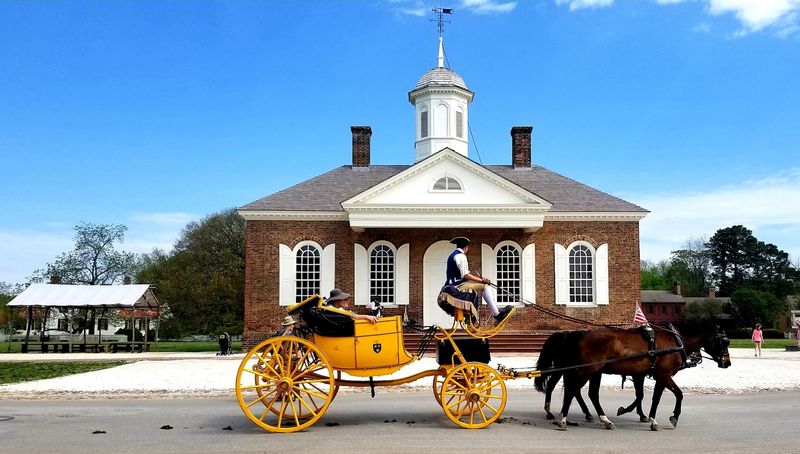
Duke of Gloucester Street is the main artery of Colonial Williamsburg, stretching nearly a mile from the Capitol to the College of William and Mary. This isn’t some side alley.
This was the center of colonial commerce, politics, and social life, and it still feels that way today.
Walking this street is like flipping through a living history book. On one side, you’ll find the Raleigh Tavern, where revolutionaries gathered to plot independence.
On the other, shops selling handmade goods, from leather-bound journals to hand-dipped candles. No cars, no pavement, just packed dirt and cobblestones that make every step feel intentional.
Street performers, fife and drum corps, and wandering interpreters add to the atmosphere. You might stumble upon a public reading of the latest news from London or a heated debate about colonial policy.
Every corner offers something unexpected, whether it’s a craftsman demonstrating his trade or a guided tour led by someone who knows every brick’s backstory.
Duke of Gloucester Street isn’t just a thoroughfare. It’s the stage where colonial life unfolds daily, inviting you to slow down, observe, and imagine what it was like when this street buzzed with the energy of a society on the brink of revolution.
Bruton Parish Church: Faith and Community Through the Centuries
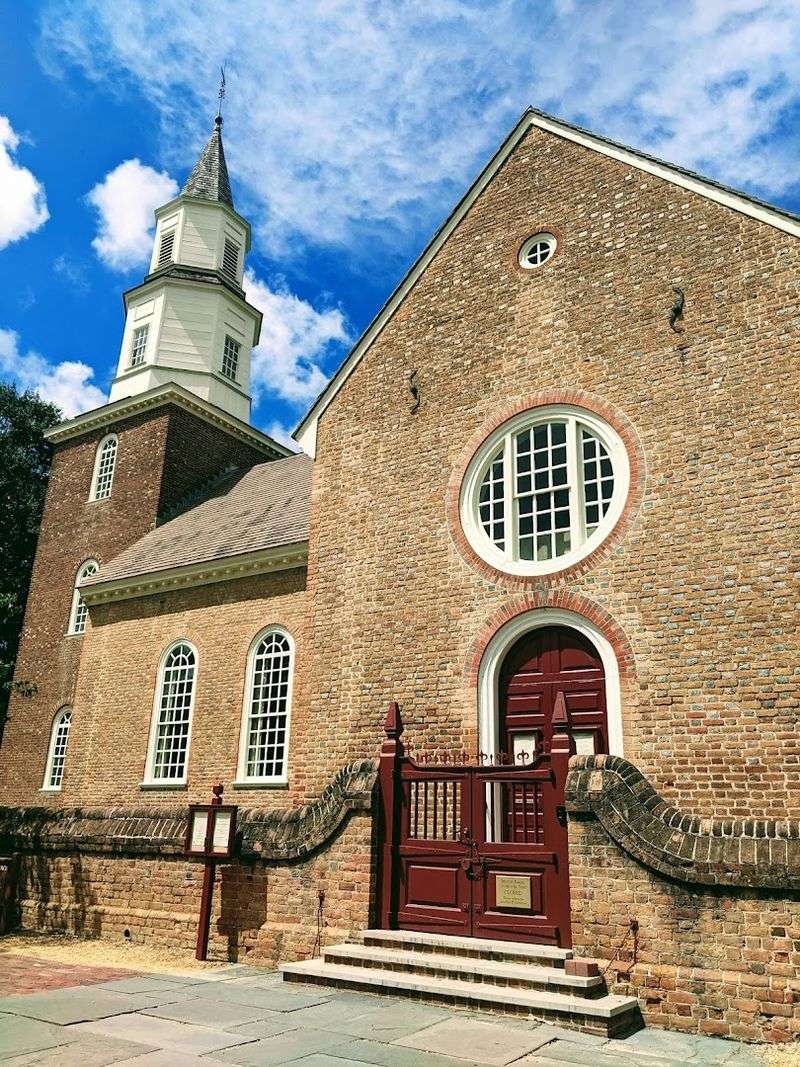
Bruton Parish Church has been standing since the early 1700s, and unlike many structures at Colonial Williamsburg, it’s still an active Episcopal congregation. Step inside and you’re walking on the same floors where colonial governors, founding fathers, and everyday citizens once prayed, argued, and sought solace.
The church’s simple brick exterior belies the rich history within. High-backed pews, many marked with brass plaques indicating who sat where, line the aisles.
George Washington, Thomas Jefferson, and other luminaries worshiped here, making this one of the few places where you can literally sit where history sat.
The churchyard cemetery is equally compelling. Weathered headstones lean at odd angles, their inscriptions faded but still legible.
Some mark the graves of influential colonists, while others remember ordinary people whose stories have been lost to time. Walking among these graves is a sobering reminder of how fleeting life was in the 18th century.
Bruton Parish Church isn’t just a relic. It’s a living connection to the past, where faith, community, and history intersect.
Whether you’re religious or not, standing in this space inspires reflection on continuity, change, and the enduring human need for meaning.
Rare Breeds Program: Animals from Another Era
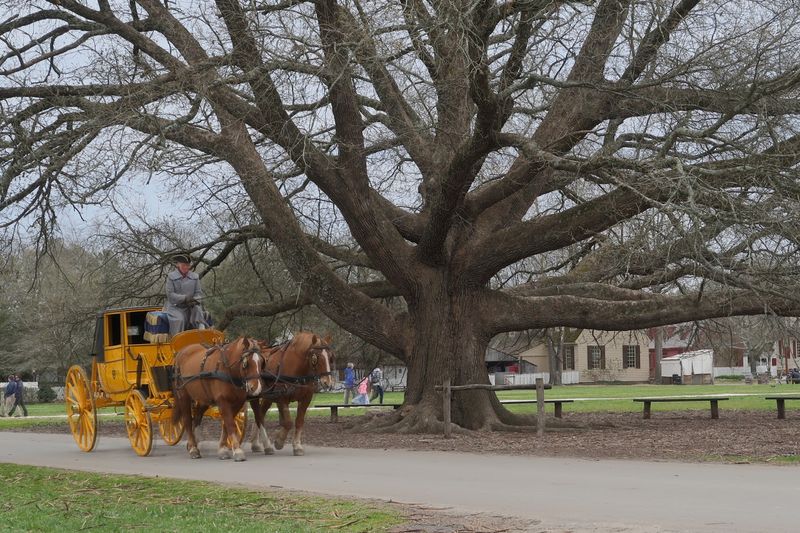
Colonial Williamsburg doesn’t just recreate buildings and trades. It brings back the animals that once roamed these streets and farms, thanks to its Rare Breeds Program.
These aren’t your average barnyard critters. They’re heritage breeds that were common in the 18th century but are now endangered or extinct in the wild.
Stroll through the pastures and you’ll meet Leicester Longwool sheep, their fleece so thick and luxurious it was prized for spinning. Nearby, American Milking Devon cattle graze peacefully, a breed that colonial farmers depended on for milk, meat, and labor.
Even the chickens are historically accurate, clucking around in breeds that predate modern factory farming.
This program isn’t just about nostalgia. It’s about preservation.
Many of these breeds nearly vanished as industrial agriculture favored faster-growing, higher-yield animals. Colonial Williamsburg’s efforts help ensure genetic diversity and keep these living pieces of history alive for future generations.
Watching these animals is strangely grounding. They remind you that history isn’t just about people and politics.
It’s also about the daily rhythms of farm life, the bond between humans and animals, and the practical realities of survival in a pre-industrial world.
Ghost Tours: When History Gets Spooky After Dark
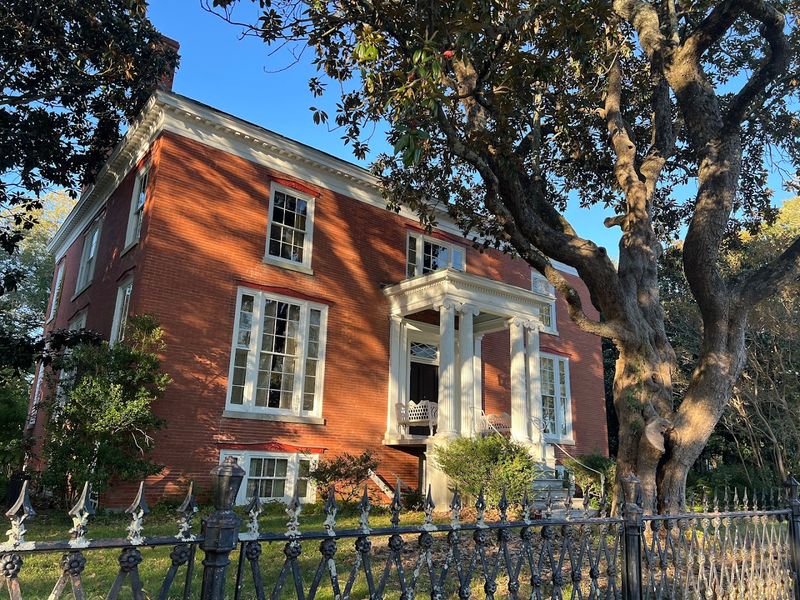
Once the sun sets, Colonial Williamsburg takes on a whole new personality. The cheerful daytime crowds thin out, lanterns flicker to life, and the ghost tours begin.
These aren’t campy haunted house experiences. They’re atmospheric, storytelling-driven walks through the darker side of colonial history.
Guides lead small groups down dimly lit streets, sharing tales of restless spirits, unsolved mysteries, and eerie occurrences reported over the centuries. You’ll hear about the ghosts said to haunt the Peyton Randolph House, the tragic stories behind certain gravesites, and unexplained phenomena that even skeptics find unsettling.
What makes these tours compelling is their grounding in real history. The stories aren’t fabricated for shock value.
They’re rooted in documented events, local legends, and the very real tragedies that unfolded in this town. Death was common in the 18th century, from disease to conflict, and those losses left echoes that some believe still linger.
Whether you believe in ghosts or not, the tours offer a unique perspective on Colonial Williamsburg. They strip away the sanitized version of history and remind you that this place has seen joy, suffering, and everything in between.
Walking these streets at night, you can’t help but feel the weight of all those untold stories.
Art Museums: Unexpected Treasures Tucked Into History
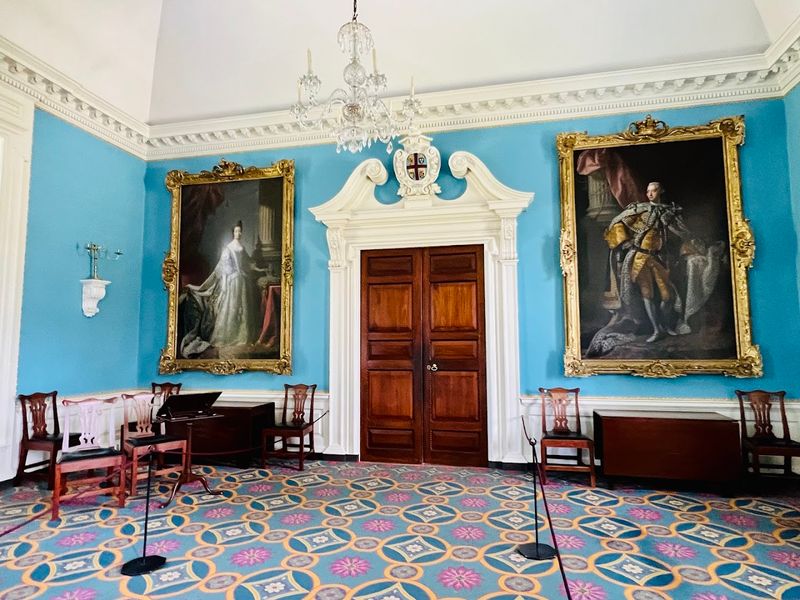
Most visitors come to Colonial Williamsburg for the living history, but the art museums are hidden gems that deserve just as much attention. The DeWitt Wallace Decorative Arts Museum and the Abby Aldrich Rockefeller Folk Art Museum house incredible collections that provide context and beauty beyond the village streets.
The DeWitt Wallace Museum focuses on decorative arts from the 17th through 19th centuries. Think intricately carved furniture, delicate porcelain, elaborate silver pieces, and paintings that showcase the craftsmanship of the era.
Each object tells a story about taste, wealth, and the cultural exchange between Europe and the American colonies.
Meanwhile, the Folk Art Museum celebrates the creativity of everyday people. Quilts, weathervanes, portraits, and whimsical sculptures reveal the artistic impulses that thrived outside formal training and elite circles.
These pieces are charming, sometimes quirky, and deeply human.
Best of all, admission to both museums is free, making them accessible to everyone. Spend an hour or two wandering the galleries and you’ll gain a deeper appreciation for the artistry that defined colonial and early American life.
These museums prove that history isn’t just about big events.
It’s also about beauty, creativity, and the objects people cherished.
Plan Your Visit: Making the Most of Your Time Travel
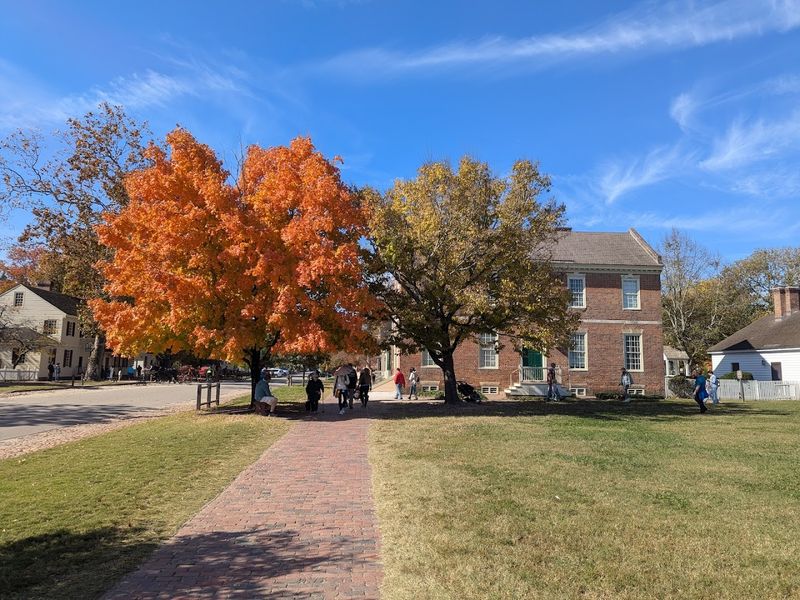
Colonial Williamsburg is massive, and trying to see everything in one day is a recipe for exhaustion and disappointment. Smart visitors start at the Visitor Center, where you can buy tickets, grab maps, watch an orientation film, and plan your itinerary based on what’s open and happening that day.
Tickets grant access to most buildings, trade shops, and programs, but some special events require separate reservations. Check the website before you go to see what’s on the schedule.
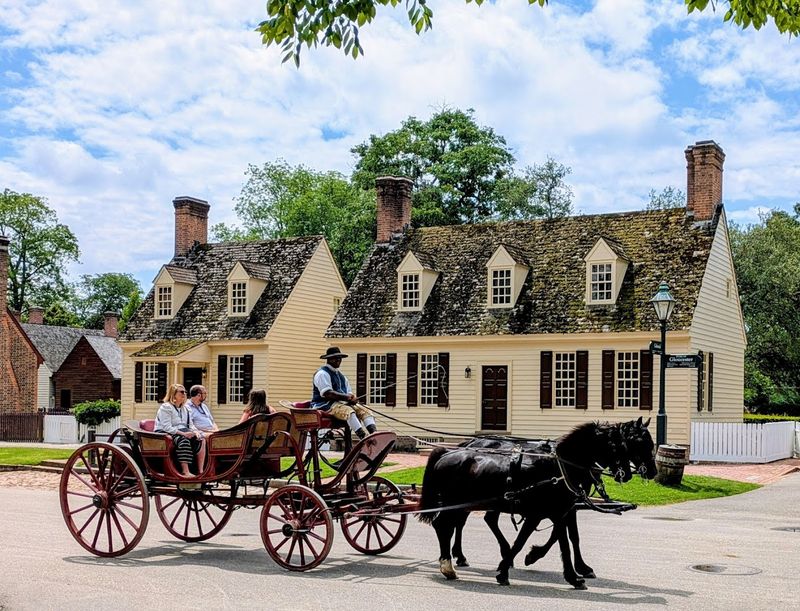
Certain experiences, like carriage rides or specialized tours, fill up fast, so booking ahead is wise.
Comfortable shoes are non-negotiable. You’ll be walking miles on uneven surfaces, from cobblestones to dirt paths.
Dress for the weather, bring water, and don’t underestimate how much time you’ll want to spend exploring. Many visitors recommend at least two days to truly soak in the experience without rushing.
The village is located at 101 Visitor Center Dr, Williamsburg, Virginia, and it’s open daily from 10 AM to 5 PM. Peak times can get crowded, so weekdays or off-season visits offer a more relaxed pace.
Whether you’re a history buff or just curious, Colonial Williamsburg delivers an experience that’s equal parts educational, entertaining, and unforgettable.
Dear Reader: This page may contain affiliate links which may earn a commission if you click through and make a purchase. Our independent journalism is not influenced by any advertiser or commercial initiative unless it is clearly marked as sponsored content. As travel products change, please be sure to reconfirm all details and stay up to date with current events to ensure a safe and successful trip.
