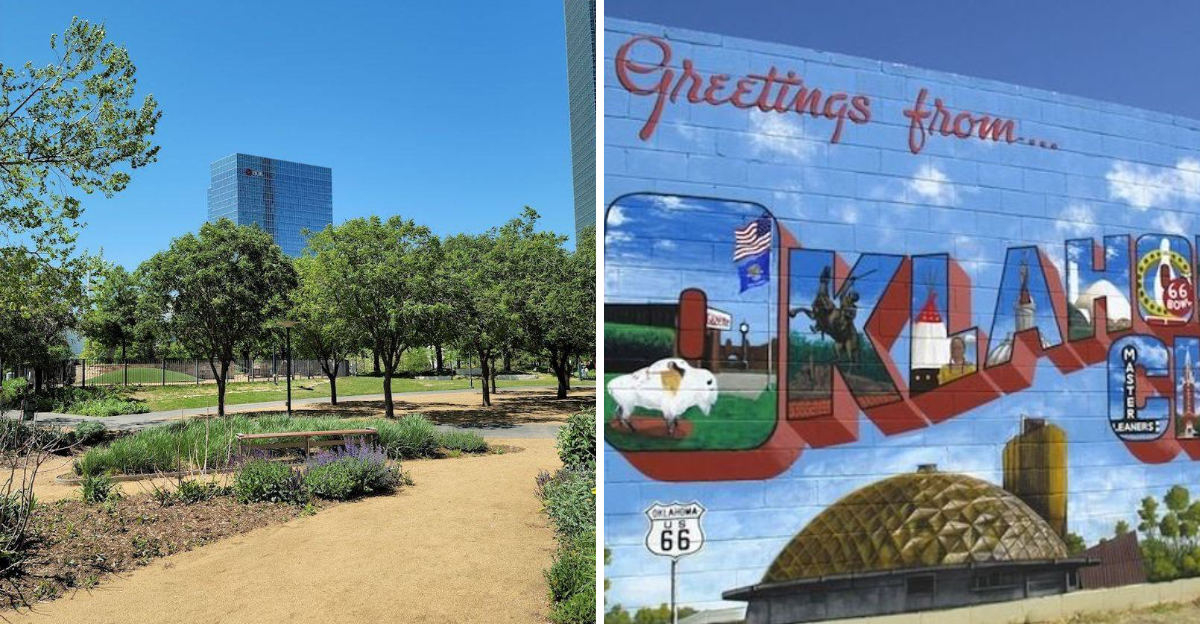
You think you know Oklahoma until you follow an old railroad line straight into its past. The Katy Trail in Oklahoma City is not flashy.
It does not try to compete with mountain vistas or dramatic cliffs. It simply stretches north to south through the city, tracing the former Missouri Kansas Texas Railroad corridor and quietly carrying more history than most people notice.
I laced up expecting a decent urban run. I got a moving history lesson instead.
What started as a simple workout turned into something more layered, more surprising. Each mile revealed another fragment of the city’s story, another forgotten corner where industry once thrived and neighborhoods took shape around steel rails and steam engines.
Today, the Katy Trail in Oklahoma City stretches roughly 7 miles from Washington Park north toward Deep Fork Creek near Interstate 44 and Grand Boulevard, offering one of the longest continuous paved urban trail experiences in the city.
It Starts in the Middle of the City and Somehow Feels Removed
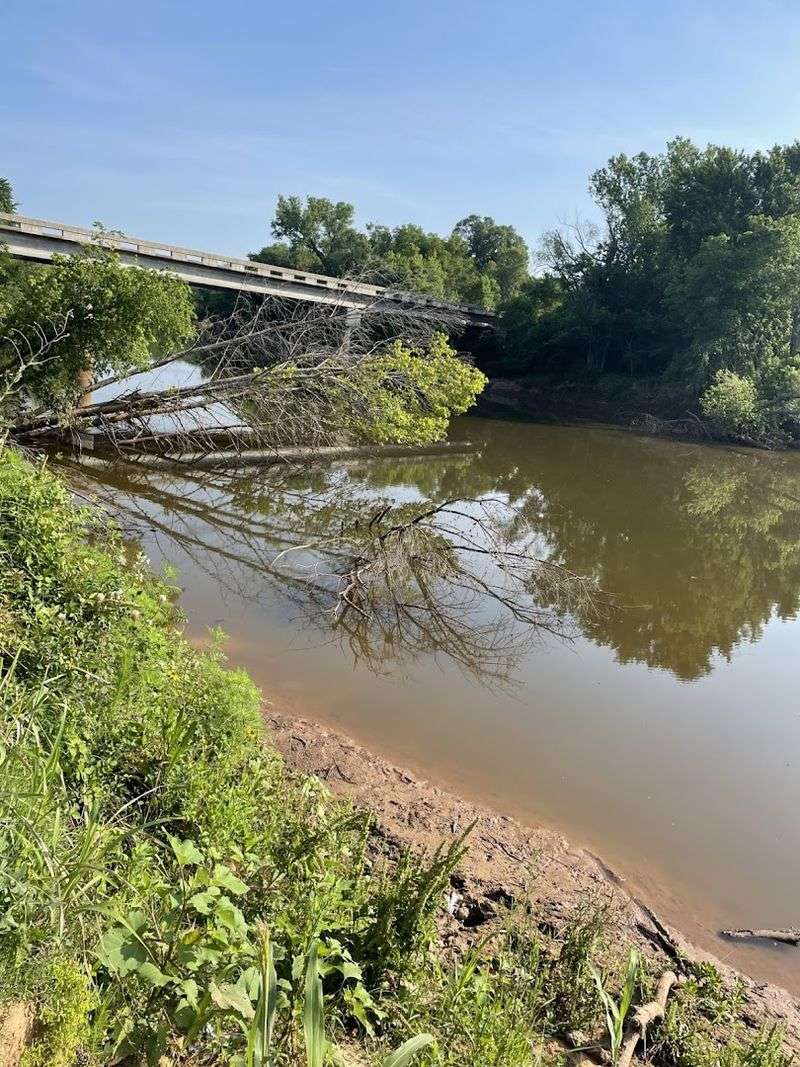
The southern end begins near Washington Park, just northwest of downtown Oklahoma City. From Washington Park north through the Adventure District and toward the Deep Fork corridor, each section offers a slightly different character.
Warehouses, brick buildings, and modern apartments line the opening stretch. Then, almost without warning, the noise fades.
Trees arch overhead. The path narrows visually.
The city softens around you like someone turned down the volume on everything except the sound of your own footsteps.
Running here feels like slipping between chapters of Oklahoma City’s story. Each mile shifts tone.
What begins as pure urban energy gradually transforms into something quieter, more introspective.
I remember hitting that first stretch and thinking it would be all concrete and car horns. Instead, within ten minutes, I found myself surrounded by greenery, the traffic sounds replaced by birdsong and the rhythmic crunch of gravel under bike tires passing by.
That transition happens so naturally you barely register it until you look back and realize how far the city center has receded. It is one of those rare urban trails that manages to feel both connected and separate at the same time.
The Railroad Past Is Still Written Into the Route
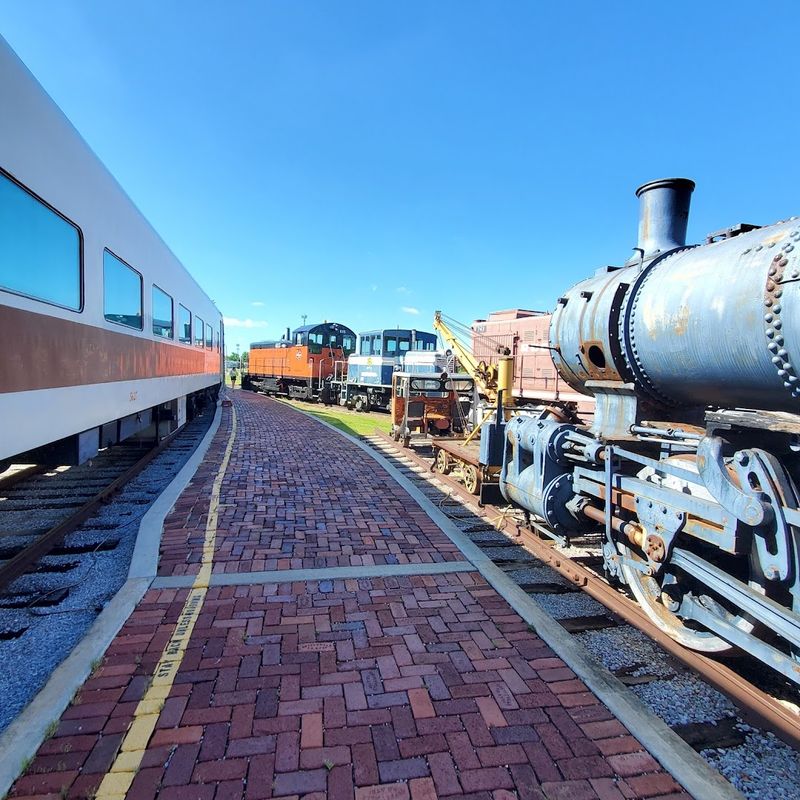
This path follows portions of the former Missouri–Kansas–Texas Railroad corridor, commonly known as the Katy line, and you can feel that heritage in the long, straight alignments. Rail corridors were designed for efficiency, not scenery.
Long, level stretches make it ideal for steady miles on foot or bike.
Occasionally, you pass subtle reminders of its origins. Old rail infrastructure nearby.
Historic warehouse districts that grew because trains once stopped there, their loading docks now converted into coffee shops and art galleries.
The geometry of the trail tells you everything. Rails do not curve unless absolutely necessary.
They favor directness over charm, which means you can settle into a rhythm and just go.
I found myself noticing the way certain streets intersect at odd angles, clearly designed around the original track layout. Buildings that seem randomly positioned suddenly make sense when you realize they were oriented toward platforms and freight yards that no longer exist.
It is easy to forget that this corridor once carried freight and passengers along the MKT route through Oklahoma. Now it moves joggers and cyclists instead, but the bones of that industrial past remain if you know where to look.
Historic Neighborhoods Unfold One by One
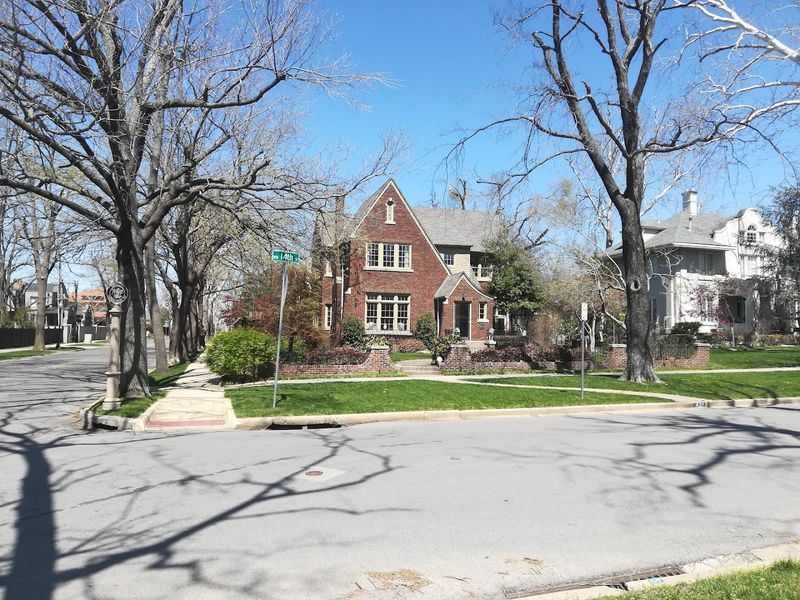
One of the best surprises is how many distinct neighborhoods the trail connects. From Washington Park north past Douglass Park and toward the Deep Fork corridor, each section offers a slightly different personality.
Early 20th century homes sit just beyond the tree line in some stretches.
In others, modern development stands where rail yards once operated. The architectural timeline plays out in real time as you move north.
Craftsman bungalows give way to mid-century ranch houses, then suddenly you are passing contemporary builds that could have gone up last year.
It feels like flipping through an album of Oklahoma City architecture at a human pace. No car window blur.
No highway speed distortion. Just you and the gradual evolution of how people chose to live here across generations.
I remember slowing down near Douglass Park just to take in the character of the surrounding residential streets. The kind of craftsmanship that does not exist anymore, replaced by efficiency and cost cutting.
Each neighborhood has its own rhythm, its own relationship to the trail. Some treat it as their backyard.
Others barely acknowledge it. But together, they create a mosaic of urban life that most cities would struggle to replicate.
The Landscape Changes as You Head North
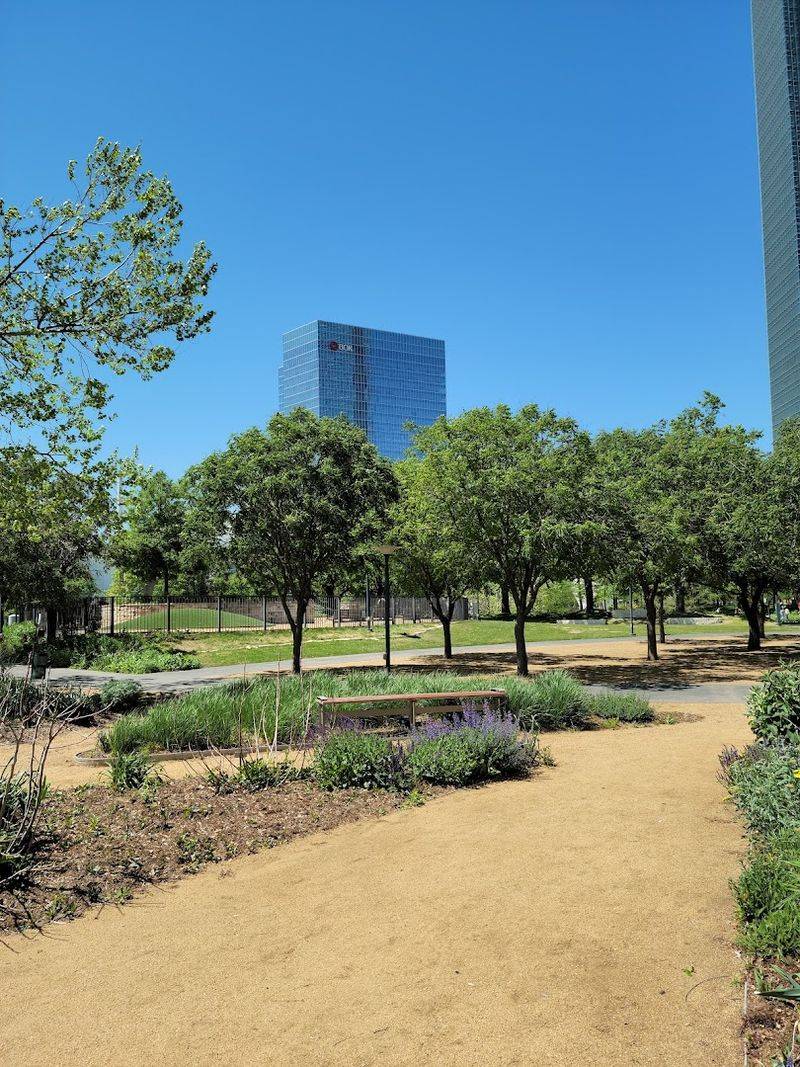
The farther north you go, the greener it feels. As you move north past Douglass Park, the path becomes quieter and more residential.
Shade increases noticeably, which on a summer afternoon makes all the difference between a pleasant ride and a survival exercise.
The air feels lighter somehow. Cleaner.
Much of the route is a dedicated paved path separated from traffic, though there is a short on-street segment between NE 36th and NE 50th where cyclists share marked bike lanes. Even with that section, the majority of the trail allows for steady, uninterrupted miles.
I watched a group of them fly past me one morning, moving in tight formation like they were racing the Tour de France through suburban Oklahoma. Their focus was absolute.
No sightseeing for them, just pure athletic purpose.
Meanwhile, I was taking my time, noticing how the residential streets on either side had this calm, almost sleepy quality. Kids on bikes.
People walking dogs. The kind of everyday normalcy that feels increasingly rare in modern cities.
It is long enough to turn into a proper workout, not just a casual stroll. If you want to push yourself, the distance is there.
But if you just want to move at a human pace and take in your surroundings, that works too.
Forgotten Industry Hides in Plain Sight
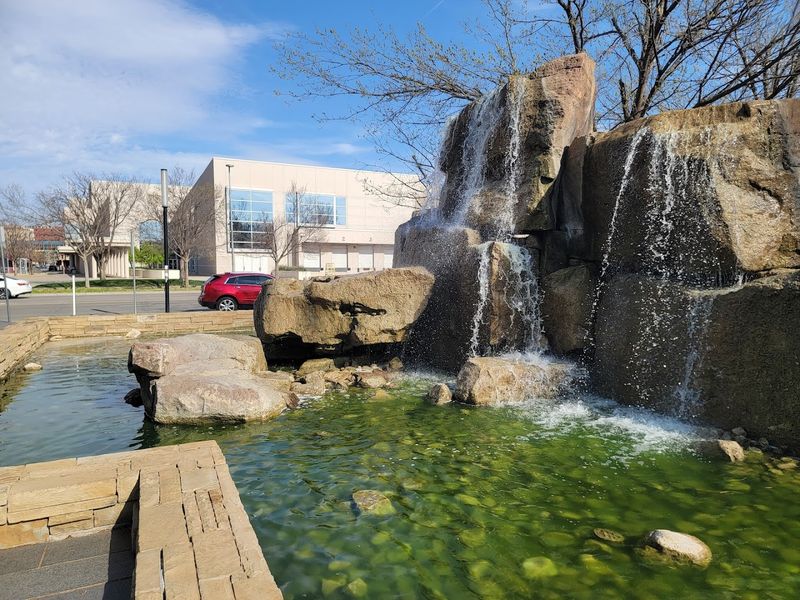
Pay attention near the southern sections and you will notice hints of the city’s industrial roots. Old brick buildings near the corridor once depended on rail access.
The alignment of streets and warehouses still reflects that era, even though the actual tracks disappeared decades ago.
Even if the tracks are gone, their logic remains. Loading docks that now face nothing.
Wide streets designed for truck traffic that never materialized. Buildings positioned at angles that only make sense if you imagine a rail line running between them.
It is one of those moments where you realize how infrastructure shapes a city long after the original purpose disappears. The ghost of the railroad still dictates how traffic flows, where businesses locate, which blocks feel connected and which feel isolated.
I stopped once near an old warehouse that had been converted into artist studios. The loading bay doors were still there, now painted bright colors and propped open to let in afternoon light.
Inside, people were making pottery and welding sculptures where freight cars once unloaded goods from across the country.
That kind of adaptive reuse tells its own story about how cities evolve. Nothing truly vanishes.
It just transforms into something new while carrying traces of what came before.
It Is Built for Movement, Not Distraction
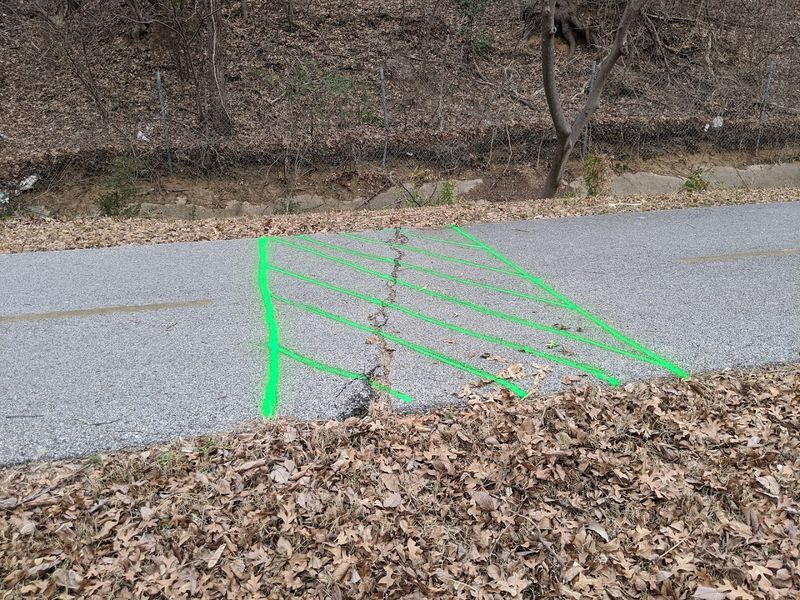
The surface is paved and well maintained, making it ideal for runners, cyclists, and walkers. Long stretches allow you to maintain rhythm, though there are road crossings and a brief on-street segment where you stay alert.
Even so, most of the path feels thoughtfully designed for continuous movement.
Just steady forward motion. Mile after mile of consistent pavement that lets you focus on your breathing, your pace, your thoughts.
I found myself clocking miles almost without noticing. The kind of path that makes distance feel manageable.
When you are not constantly stopping and starting, when the surface does not fight you with cracks and potholes, you can just go.
Other trails I have run felt like obstacle courses. This one felt like someone actually thought about what runners and cyclists need.
Smooth transitions. Gentle grades.
Wide enough that faster riders can pass without drama.
It sounds basic, but basic done right is rare. Most multi-use paths compromise.
They add decorative elements that create bottlenecks. They prioritize aesthetics over function.
This trail does not make that mistake. It knows what it is and does not apologize for being straightforward about it.
Public Art and Small Details Break Up the Miles
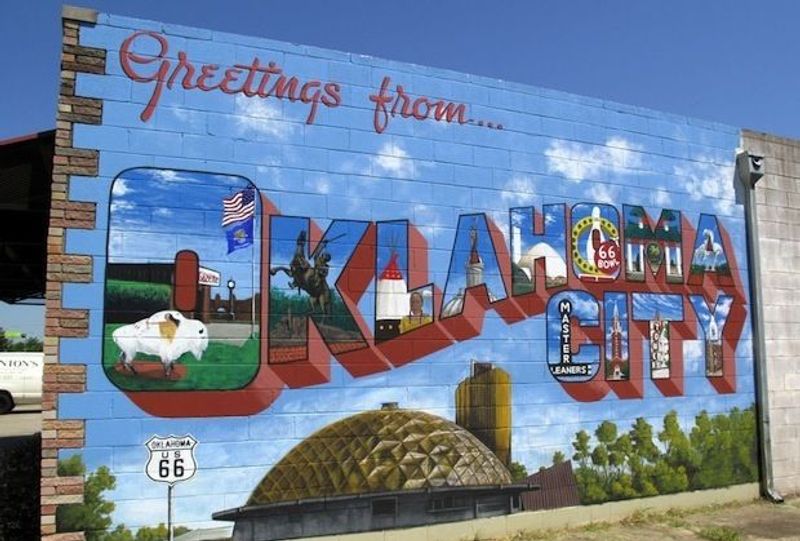
Along the way, you will spot murals and subtle design elements that add texture without overwhelming the experience. These touches connect the present day city to its evolving identity.
They do not erase the railroad history. They layer onto it.
One mural near Midtown caught my attention with its geometric patterns and bold colors. It felt intentional but not precious, the kind of public art that enhances a space without demanding you stop and contemplate its deeper meaning.
It keeps the run visually interesting without feeling curated or forced. Some trails go overboard with installations and signage until the whole experience feels like walking through a museum exhibit.
This one shows restraint.
I appreciated that balance. Enough visual interest to keep things from feeling monotonous, but not so much that it distracts from the primary purpose of just moving through space.
The art here feels like it belongs to the community rather than being imposed on it. Local artists.
Local themes. Nothing trying too hard to be Instagram-worthy or tourist-friendly.
Just honest creative expression that happens to live alongside a trail where people run and bike every day.
The Quiet Sneaks Up on You
Somewhere between Washington Park and the northern stretches near Deep Fork Creek, I realized I had stopped thinking about traffic entirely. All I could hear was my breathing, the hum of bike tires on pavement, and wind in the trees.
In the center of Oklahoma City, that feels almost improbable.
Cities are supposed to be loud. Constant.
Demanding of your attention. But this trail carves out space where those rules do not apply.
The quiet does not announce itself. It just gradually replaces the urban noise until you notice the absence more than the presence.
No sirens. No construction.
No car stereos rattling past at uncomfortable volumes.
I have run trails in mountain towns that were noisier than this stretch of urban Oklahoma. The difference is intentional design.
Trees buffer sound. The corridor itself creates a kind of acoustic shelter.
Distance from major roads helps.
But more than any technical explanation, it just feels like the city decided to give people a break. A place to move without constant sensory input.
A corridor where your own thoughts can actually form complete sentences before being interrupted by external chaos. That might be the trail’s greatest gift.
Connections to Oklahoma City’s Evolving Identity
The Katy Trail proves something simple about Oklahoma City. This is not a city stuck in its past or desperate to erase it.
It is a place figuring out how to honor history while moving forward, and this trail embodies that tension perfectly.
Old rail corridor turned recreational path. Industrial zones becoming creative districts.
Neighborhoods adapting while maintaining character. The trail connects all of it without trying to force a single narrative.
I have watched Oklahoma City change over the years, and this trail feels like a physical manifestation of that evolution. It acknowledges the railroad era without turning it into a museum piece.
It serves modern needs without pretending the past never happened.
Other cities might have paved over the old rail line completely or turned it into some kind of heritage attraction with interpretive signs every fifty feet. Oklahoma City just made it useful again in a different way.
That pragmatic approach feels very Oklahoman. No grand gestures.
No excessive sentimentality. Just take what exists and make it work for the people who live here now.
The trail succeeds because it does not try too hard to be anything other than what it is.
Where History Runs Beside You
The Katy Trail proves something simple. You do not need mountains to find a scenic run.
Sometimes all it takes is an old railroad line, a stretch of open pavement, and the patience to notice the history running right beside you.
I came for exercise and left with a different understanding of Oklahoma City. Not the tourism board version.
Not the highway exit impression. The real version that emerges when you slow down and pay attention to how a place was built and rebuilt over time.
Every city has layers if you know where to look. This trail makes those layers visible without requiring a history degree or guided tour.
Just show up. Start moving.
Let the landscape tell its own story.
Head north or south. Pick your distance.
The trail will meet you wherever your fitness level and curiosity intersect.
Bring water. Bring sunscreen if it is summer.
Bring nothing but your willingness to see a city from a different angle. That is all you really need.
Primary Access Points:
Washington Park (400 N High Avenue, Oklahoma City)
Douglass Park (900 Carverdale Drive, Oklahoma City)
From either location, you can head north or south depending on your distance goals.
Dear Reader: This page may contain affiliate links which may earn a commission if you click through and make a purchase. Our independent journalism is not influenced by any advertiser or commercial initiative unless it is clearly marked as sponsored content. As travel products change, please be sure to reconfirm all details and stay up to date with current events to ensure a safe and successful trip.
