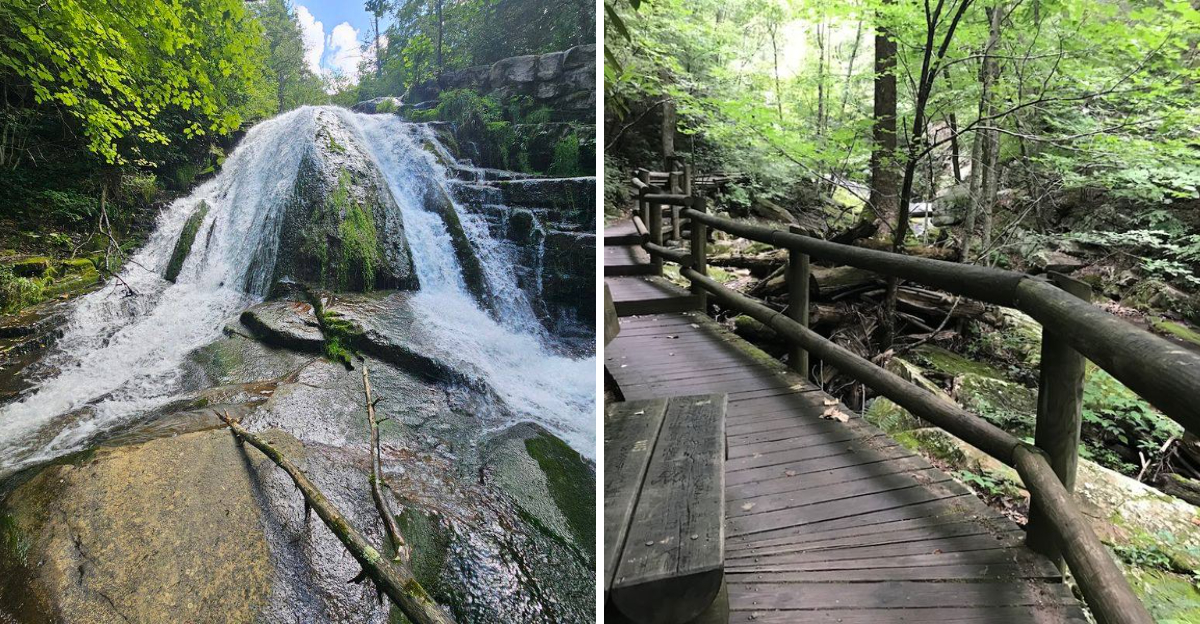
Most people drive right past this corner of Botetourt County without a second glance, and honestly, that is their loss. I stumbled onto this place looking for a quick weekend escape, and what I found completely rewired my expectations for what a short hike in Virginia can deliver.
The combination of a crumbling iron furnace from the 1800s and a cascade of tumbling falls along a mossy creek is the kind of thing that makes you want to call in sick on Monday and stay just one more day.
The Roaring Run Furnace: Where Iron Met the Wilderness
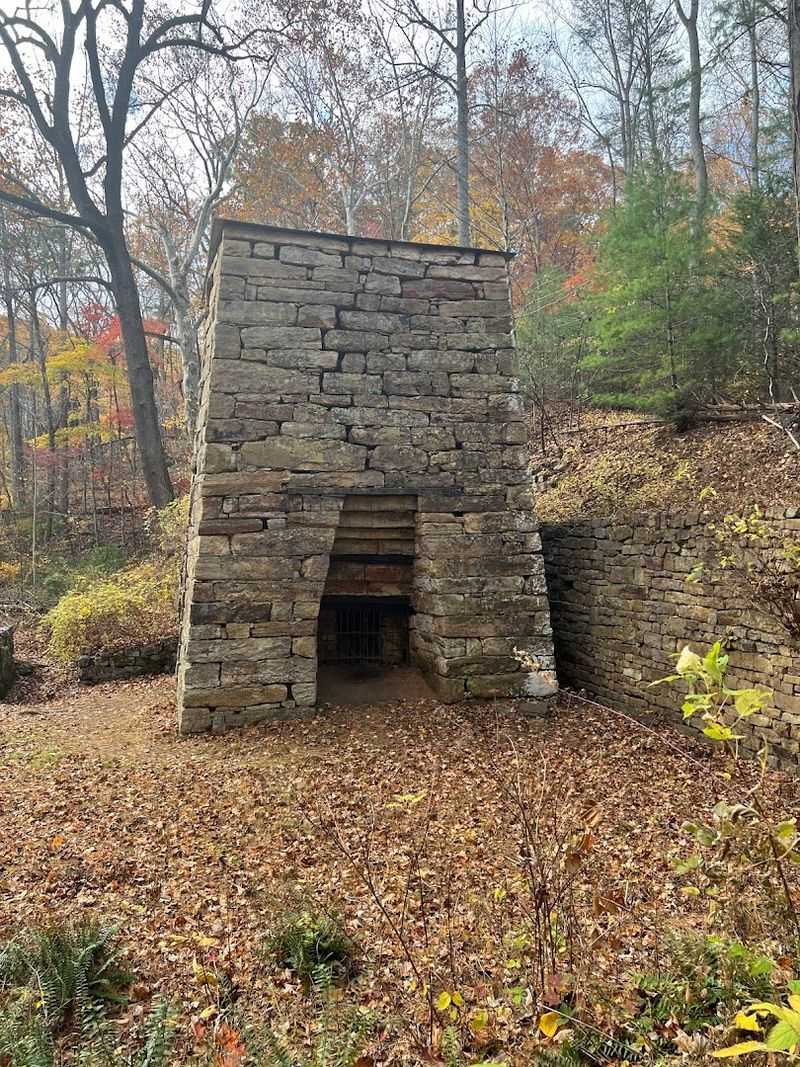
Standing just a few hundred feet from the parking lot, the Roaring Run Furnace hits you like a history lesson you actually want to attend. This massive stone structure was built around 1832 and once churned out pig iron using the local bounty of limestone, iron ore, and water rushing down from the surrounding hills.
The furnace is listed on the National Register of Historic Places, and it honestly deserves every bit of that recognition. The stonework is remarkably intact, giving you a real sense of the industrial muscle that once powered this quiet corner of Virginia.
Informational signs posted around the site explain how the furnace operated, who worked it, and what role it played in the regional economy of the 19th century. Reading those panels while standing next to the actual structure creates a surprisingly powerful moment.
Families with kids will love this stop because it sparks genuine curiosity without feeling like a museum visit. Dogs are welcome on leash, and there is plenty of open space around the furnace to let little ones roam safely.
Start your loop here before heading toward the water, and let the history set the mood for everything that follows on the trail.
The Loop Trail That Rewards Every Step
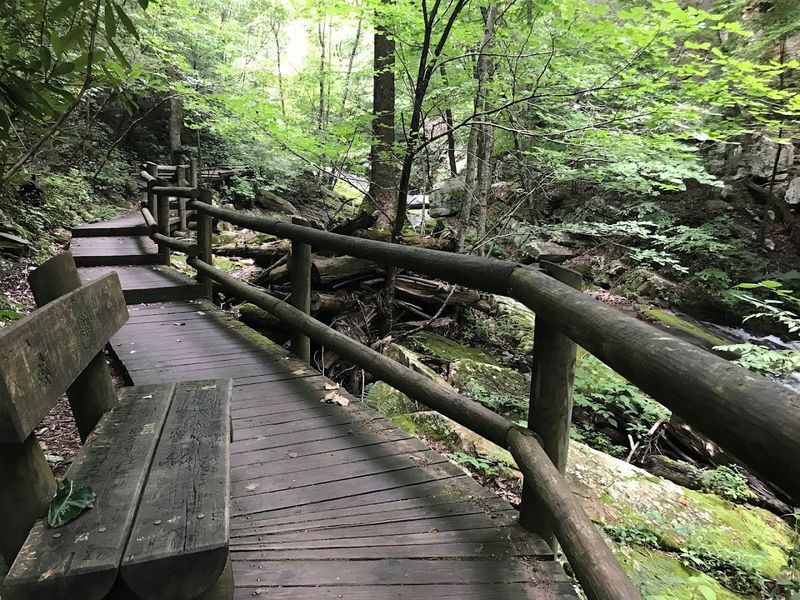
Few trails in Virginia manage to feel both effortless and endlessly rewarding, but the loop at Roaring Run pulls it off with style. The full circuit runs about a mile and a half, making it approachable for young kids, older hikers, and everyone in between.
The trail splits near the trailhead into two distinct experiences. Going left takes you along the creekside path, where the sound of rushing water never really leaves you.
Going right sends you up through the woodland route, which involves a bit more elevation and a steeper climb, but delivers sweeping views through the tree canopy.
Most people prefer to hike up through the woods and return along the creek, and after doing both directions myself, I completely understand why. The contrast between the two paths keeps the experience feeling fresh all the way around.
Trail markers are clear and easy to follow, so getting lost is genuinely not a concern. The surface alternates between packed dirt, wooden boardwalks, and rocky stretches that keep your feet guessing in the best possible way.
Sunrise hikes here produce a soft, golden-lit forest scene that feels almost cinematic, especially in autumn when the leaves start turning across the Blue Ridge.
Cascading Waterfalls That Steal the Show
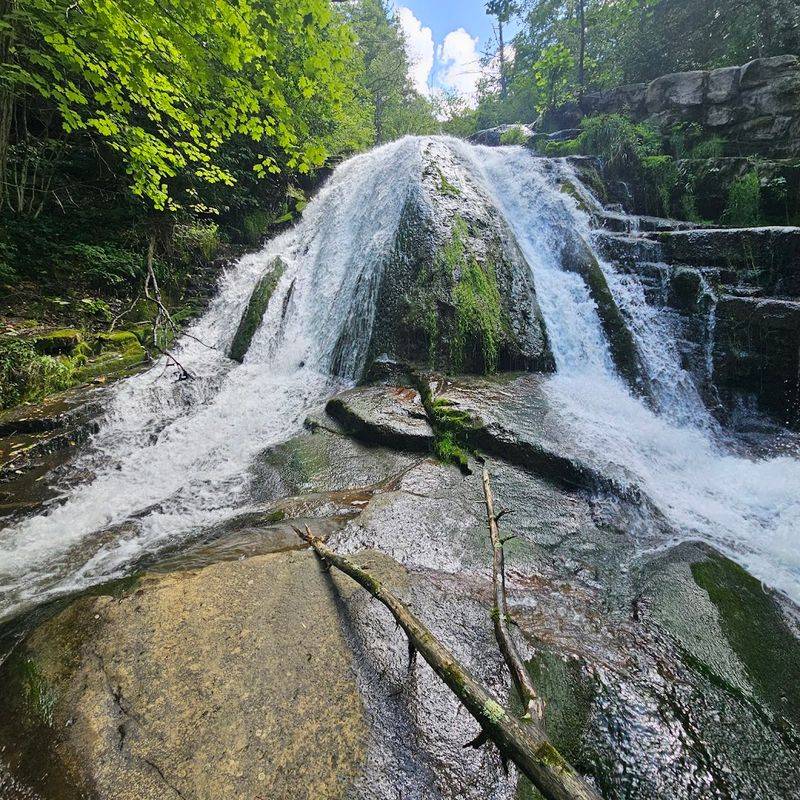
The main attraction at Roaring Run Falls is exactly what it sounds like, and it does not disappoint. A short spur trail branches off the main loop and leads you directly to the primary waterfall, where the creek drops roughly 35 feet over a broad rock face in a sheet of white water that sends cool mist drifting across your face.
What makes this falls special is not just the drop itself but the whole setting around it. Mossy boulders frame the base of the falls, ferns crowd every available crack in the rock, and the sound of the water echoes off the surrounding hillside in a way that feels almost theatrical.
After significant rainfall, the falls run at full blast and the noise alone is worth the hike. On quieter days, the water moves in delicate ribbons that catch the light beautifully.
Either version is photogenic in completely different ways.
Natural rock formations along the creek also create smaller cascades and pools throughout the trail, so the waterfall experience actually begins well before you reach the main drop. Virginia has plenty of waterfall hikes, but this one delivers a surprisingly dramatic payoff for such a short distance from the trailhead.
Natural Rock Slides That Kids Absolutely Love
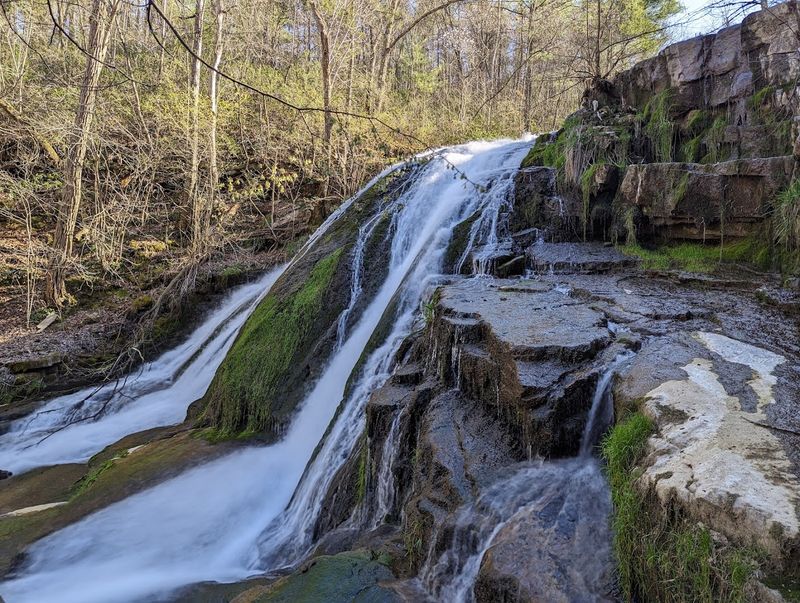
Halfway up the trail, the creek reveals one of its best-kept secrets: a series of smooth, water-polished rock faces that slope gently into natural pools below. These rock slides have become something of a legend among families who visit Roaring Run, and once you see them in person, you understand the excitement completely.
Kids absolutely go wild for these formations, and a fair number of adventurous adults follow suit. The rock surfaces are worn smooth by years of rushing water, creating natural chutes that send you gliding into the creek below with a satisfying splash.
A word of caution worth mentioning: some signs along the trail discourage climbing on certain rocks, particularly near the top of the falls where the drop becomes more serious. Use good judgment and keep an eye on younger hikers around these areas.
On warm weekends, the pools near the rock slides become a lively gathering spot where families cool off and kids dare each other to take the plunge. The water runs cold even in summer, which honestly makes the whole thing more refreshing.
Bring a change of clothes if you plan to visit between late spring and early fall, because staying dry is a lot harder than it sounds.
Wildflowers That Turn the Trail Into a Living Garden
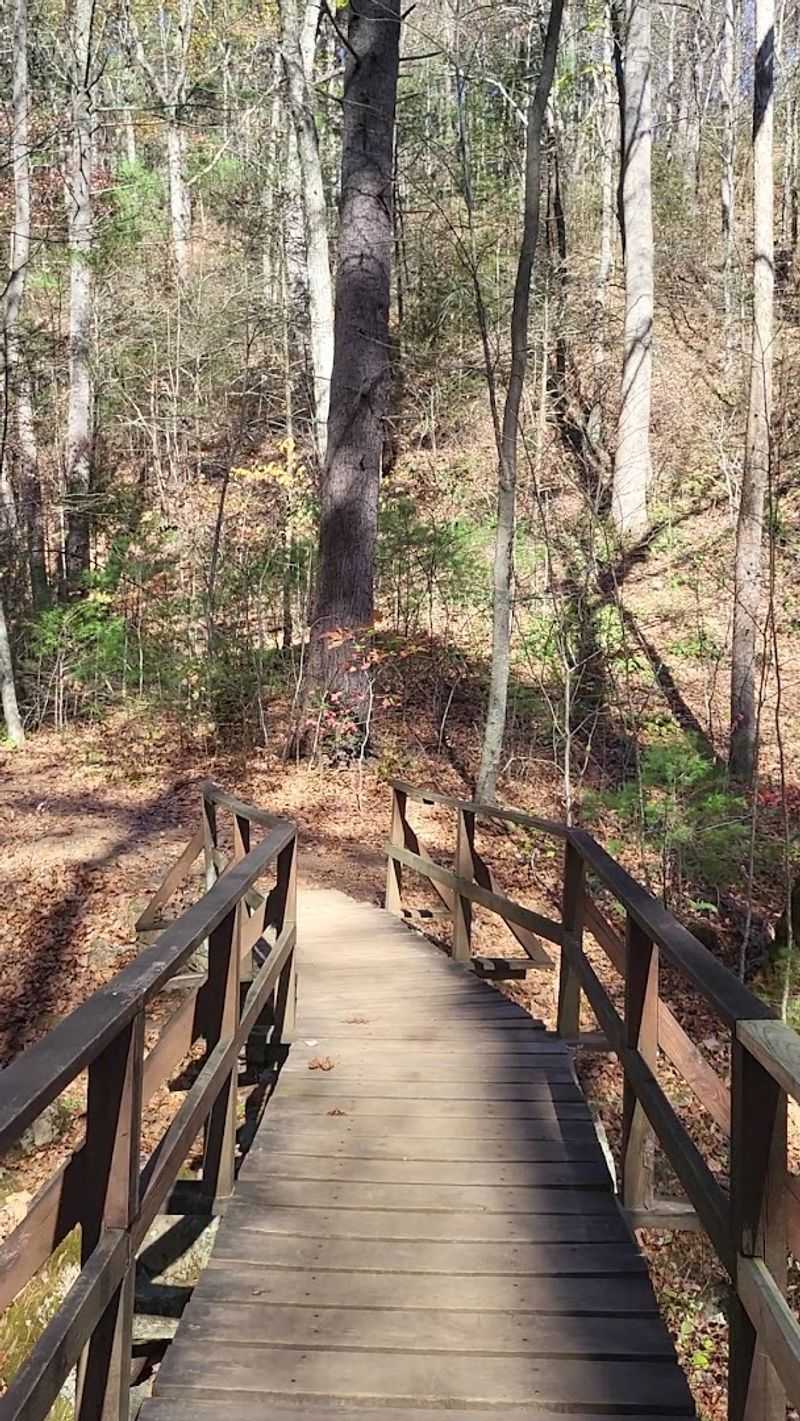
Spring at Roaring Run is something genuinely special, and the wildflower display along the trail is a big reason why. The forest floor erupts in color during the warmer months, with pink lady-slippers and showy orchis appearing in clusters along the creekside path.
Pink lady-slippers are native orchids that take years to establish and are notoriously finicky about where they grow. Finding them thriving in abundance along this trail is a real botanical treat, and spotting one for the first time has a way of stopping you mid-stride.
The showy orchis, with its purple-hooded blooms and white lip petals, appears a bit earlier in the season and adds another layer of color to the forest understory. Both species are protected, so admiring them from the trail is the move here, not picking them.
Even outside of peak bloom season, the trail stays lush and green thanks to the constant moisture from the creek and the dense tree canopy overhead. Ferns, mosses, and wildflowers of various kinds keep the landscape feeling alive year-round.
Virginia wildflower enthusiasts regularly make the drive to Eagle Rock specifically for this trail, and the spring timing is absolutely worth planning around if you can manage it.
Rustic Stone Bridges That Look Straight Out of a Fairy Tale
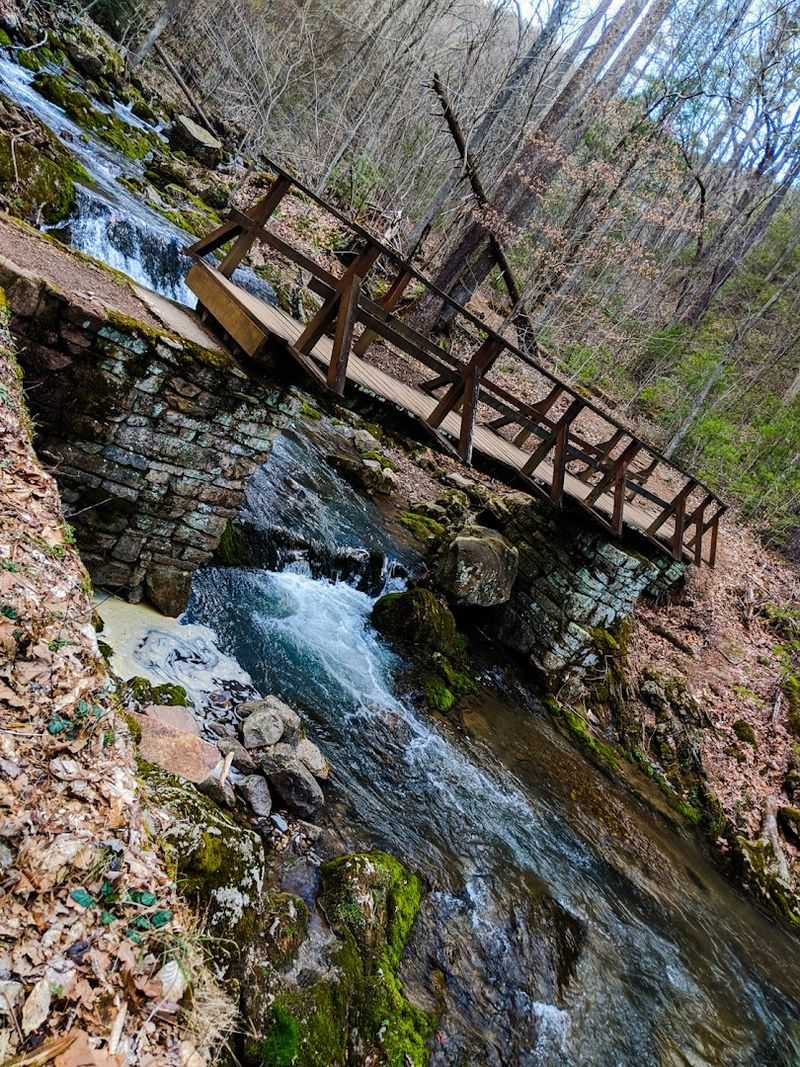
One of the quietly charming features of the Roaring Run trail is its collection of rustic footbridges scattered along the creekside path. These small crossings mix stone and wood in a way that feels completely at home in the surrounding forest, and they make for some of the best photo opportunities on the entire hike.
Each bridge gives you a slightly different perspective on the creek below, whether the water is rushing fast after a storm or gliding calmly over smooth stones on a dry summer day. Pausing on one of these bridges to watch the current move is one of those small pleasures that makes a short hike feel longer in the best possible sense.
The bridges also serve a practical purpose by keeping your feet dry on a trail that crosses the creek multiple times. After heavy rain, some of the lower crossings can get splashed, but nothing that a decent pair of trail shoes cannot handle.
Photographers visiting Roaring Run specifically seek out these bridge crossings during the golden hour, when the warm light filters through the canopy and turns the creek into something glowing and magical. Even a basic smartphone camera produces stunning results from these spots, which says a lot about how naturally photogenic the whole trail really is.
Trout Fishing in a Native Stream
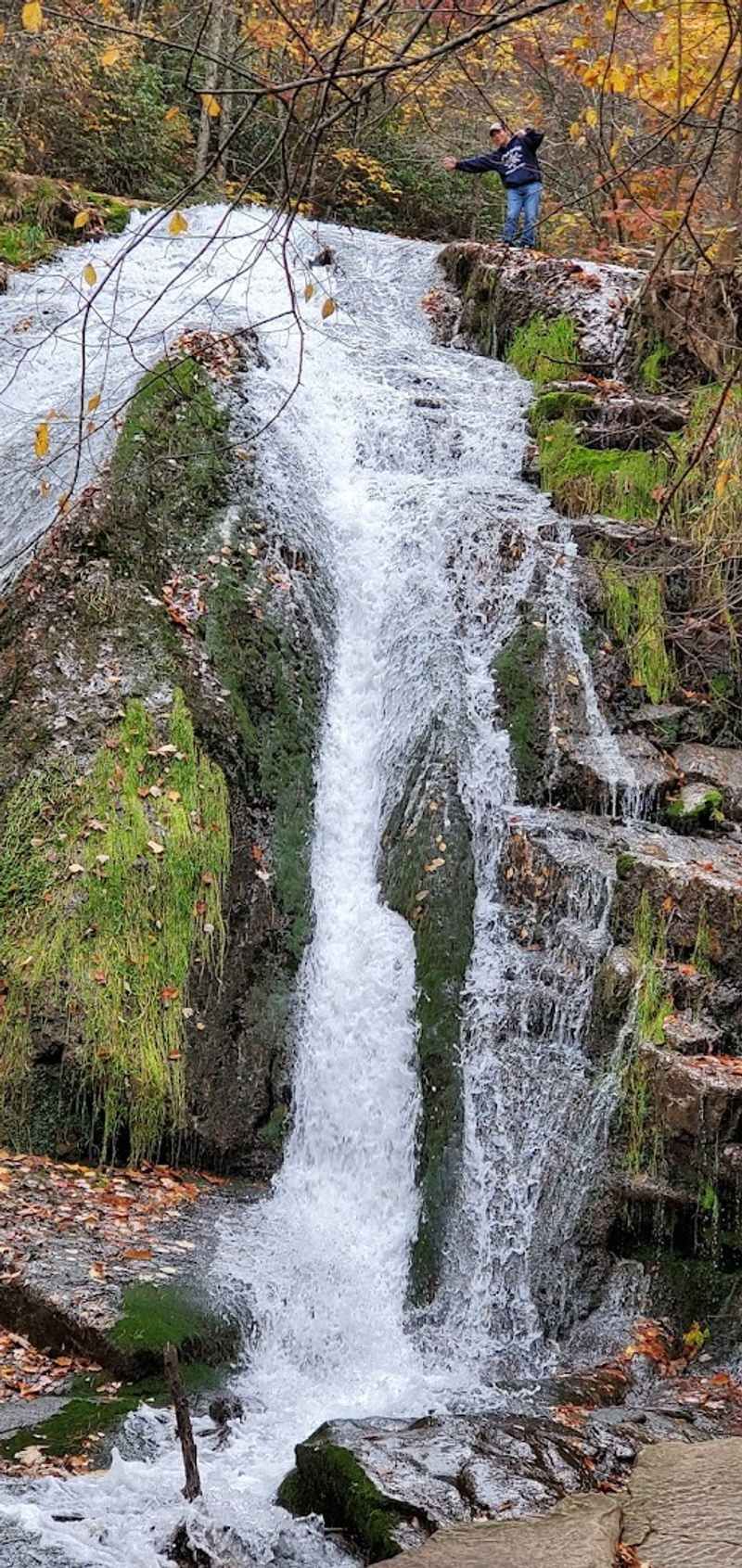
Roaring Run Creek is not just a pretty backdrop for hikers. It is a legitimate native trout stream that draws anglers looking for a peaceful morning on the water in one of Virginia’s most scenic natural corridors.
The creek supports a healthy native trout population, and the clear, cold water running off the surrounding mountains creates ideal conditions for the fish year-round. Casting a line here feels less like a sport and more like a meditation, with the sound of the falls in the distance and hemlocks leaning over the water on both sides.
A valid Virginia Fishing License is required before you drop a line, so make sure that paperwork is sorted before you arrive. The license is easy to obtain online through the Virginia Department of Wildlife Resources, and the process takes only a few minutes.
Even non-anglers tend to enjoy watching the creek for a few minutes while passing through, because the water is clear enough to spot fish holding in the current beneath the surface. The combination of active fishing and a scenic hike makes Roaring Run a genuinely versatile destination, the kind of place where one person in your group can fish while everyone else explores the trail and falls nearby.
Wildlife Encounters Along the Way
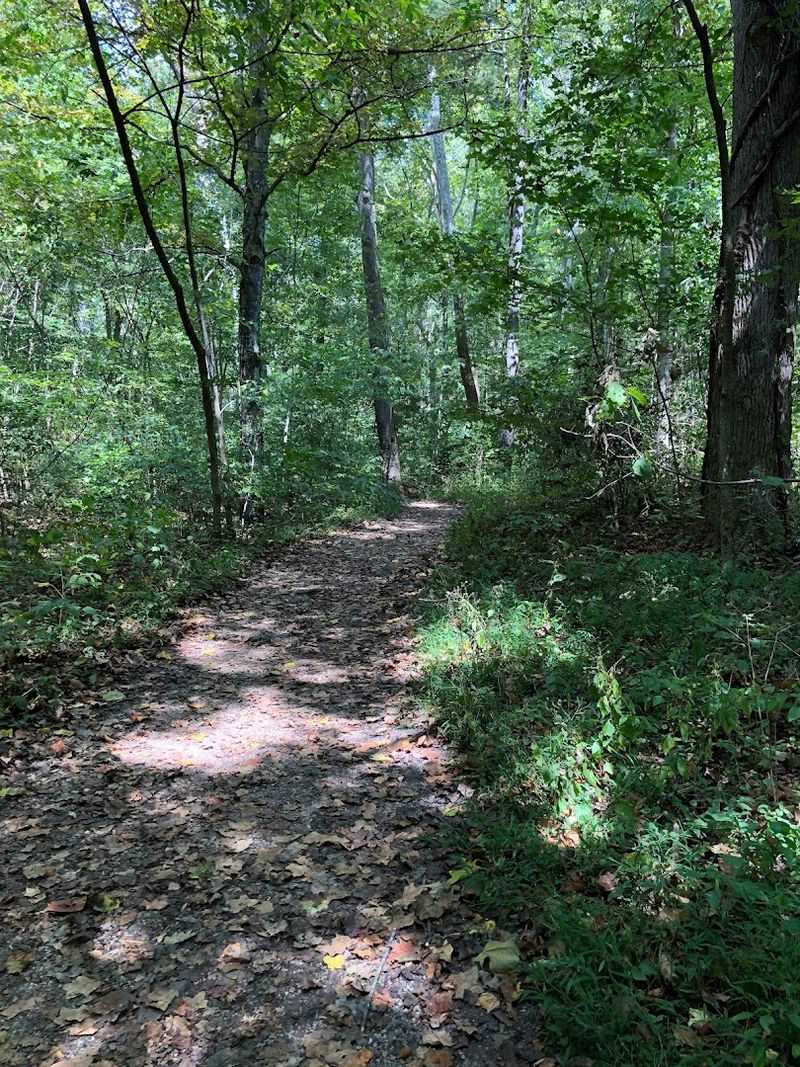
Roaring Run does not just deliver scenery. It delivers genuine wildlife moments that remind you how wild this corner of Virginia still is.
The dense forest canopy and creek corridor create ideal habitat for a surprising range of animals, and sightings are common enough that keeping your eyes open is always worth it.
Black bears have been spotted just off the trail, particularly in the early morning and late afternoon hours when they are most active. A bear sighting sounds alarming until you experience one at a respectful distance, and then it becomes the story you tell for years afterward.
White-tailed deer are practically guaranteed on the drive in, especially along the winding road that leads to the trailhead. More than one driver has had a close encounter with a deer bounding across the road, so slowing down on that approach is genuinely good advice.
Birdlife along the creek is consistently impressive, with woodland species flitting through the understory and the occasional belted kingfisher patrolling the water’s edge. The combination of forest, creek, and open canopy gaps creates a layered habitat that attracts more variety than you might expect from such a short trail.
Bring binoculars if birding is your thing, because this trail rewards the patient observer generously.
All-Season Beauty That Never Gets Old
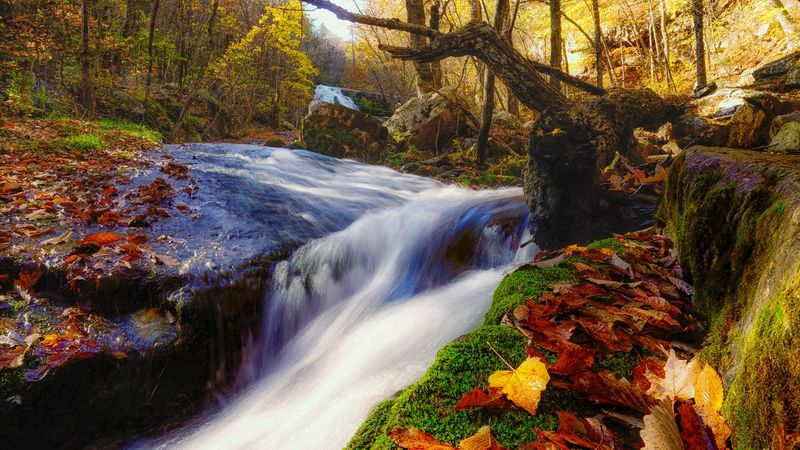
Roaring Run is one of those rare trails that genuinely delivers something worth seeing in every single season, and that is not a claim many short hikes can make honestly. Spring brings the wildflower explosion and fresh green growth that makes the forest feel newly painted.
Summer turns the creek into a cooling destination where the shade and cold water offer serious relief from Virginia heat.
Autumn is arguably the most dramatic season on the trail. The hardwood canopy ignites in shades of amber, crimson, and gold, and the fallen leaves collect in the creek pools in arrangements that look almost deliberately artistic.
The contrast between the colorful foliage and the dark, wet stone of the furnace walls is particularly striking in October.
Winter brings a quieter, more contemplative version of the trail. The bare trees open up views through the forest that are completely hidden during leafy months, and the creek takes on a steely, crystalline quality when temperatures drop.
Ice formations sometimes appear around the base of the falls after a hard freeze, turning the familiar waterfall into something entirely new.
No matter when you visit Roaring Run Falls, the experience shifts just enough to feel fresh. That consistency across seasons is a big part of why so many people return to this trail year after year without ever feeling like they are repeating themselves.
Getting There and Making the Most of Your Visit
Finding Roaring Run Falls requires a bit of a scenic detour from the main highway, and that short drive through the Craig Creek Valley is honestly part of the experience. The address is 450 Roaring Run Rd, Eagle Rock, VA 24085, and GPS handles the route well from most starting points in the region.
From Eagle Rock, head north on US Highway 220 and turn left onto Craig Creek Road, which is State Route 615. After about five and a half miles, turn right onto Roaring Run Road, State Route 621, and follow it one mile to the day-use area entrance.
Parking is free and the lot is reasonably sized, though it fills up fast on summer weekends and holiday Mondays.
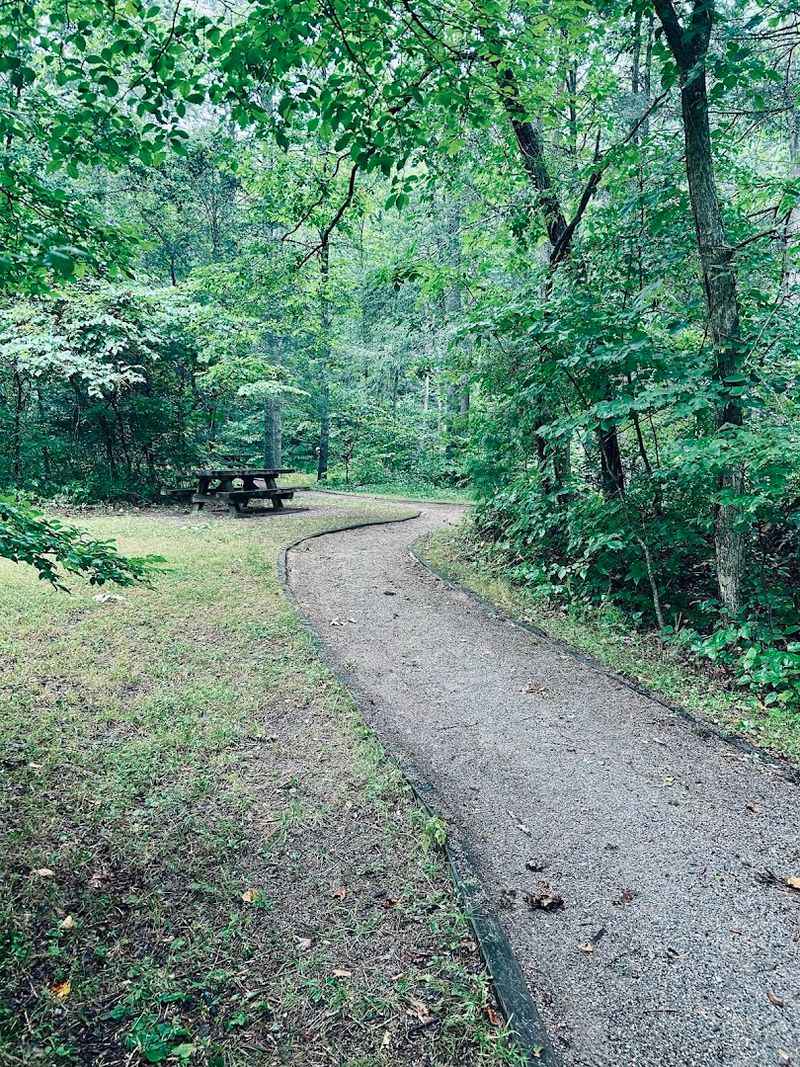
The area is open year-round from sunrise to sunset, which makes early morning visits particularly rewarding since the trail is quiet and the light through the forest canopy is extraordinary. Restrooms are available at the trailhead, and picnic tables near the parking area make it easy to turn the outing into a full afternoon.
Pack your own food and water since there are no concessions nearby, and make sure your gas tank is topped off before you head out. Virginia’s Blue Ridge countryside is stunning on the drive in, but services are sparse in this stretch of Botetourt County.
Leave No Trace principles apply, so pack out everything you bring in.
Dear Reader: This page may contain affiliate links which may earn a commission if you click through and make a purchase. Our independent journalism is not influenced by any advertiser or commercial initiative unless it is clearly marked as sponsored content. As travel products change, please be sure to reconfirm all details and stay up to date with current events to ensure a safe and successful trip.
