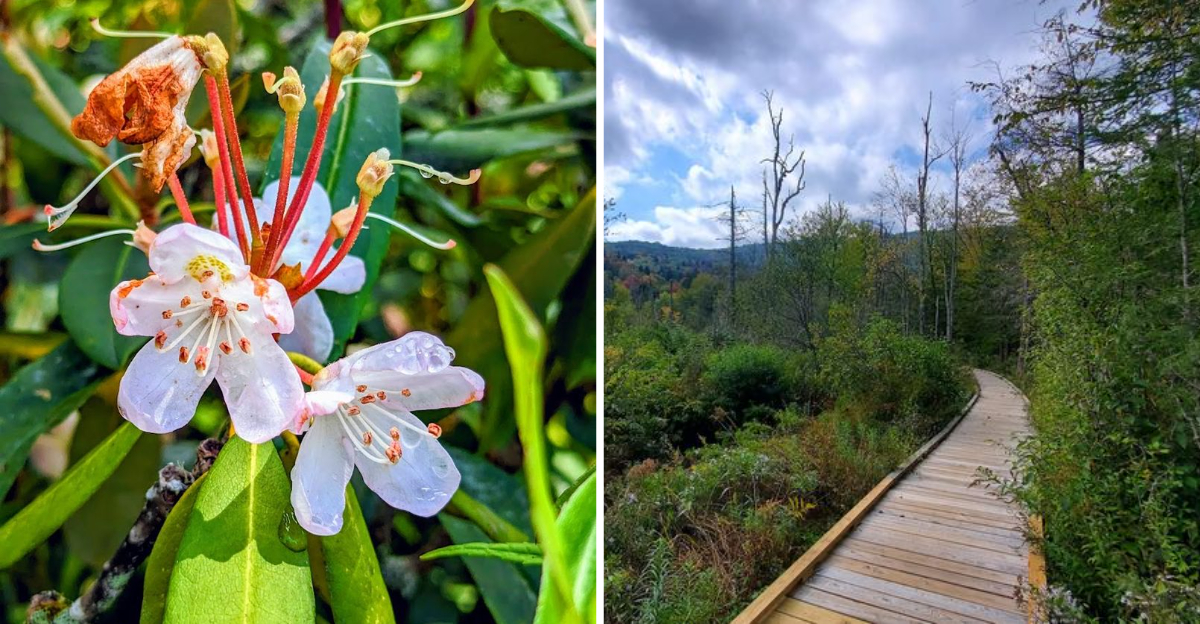
I did not believe a bog could be beautiful until I saw this one with my own eyes.
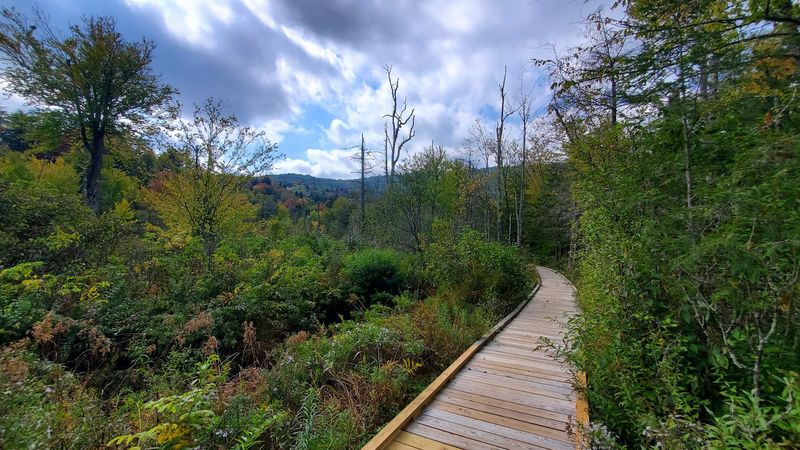
You start on a half mile boardwalk surrounded by ordinary West Virginia forest, and then suddenly the trees vanish.
What replaces them looks like someone picked up a chunk of Canada and dropped it right here in the mountains.
Carnivorous plants lurk in the moss, waiting for unsuspecting bugs.
Cranberries spread their vines across a spongy ground that bounces slightly with each step.
The silence is deep and strange, like nature holding its breath.
How did this pocket of Arctic tundra end up in the Appalachian hills?
Blame the last ice age and some very stubborn seeds that refused to leave.
West Virginia keeps its weirdest secret hidden at 3,400 feet.
Just stay on the boardwalk. The bog bites back.
The Spongy, Bouncing Ground Beneath Your Feet
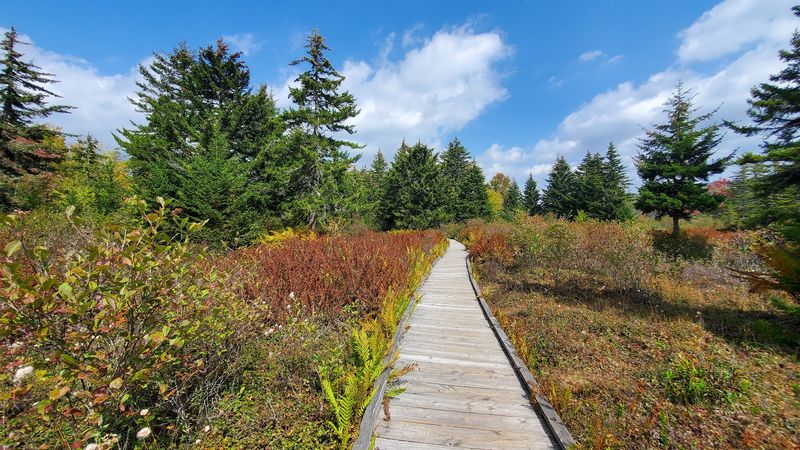
Few things in nature genuinely surprise you the way this bog’s ground does. Step off the boardwalk for even a second, and you’ll feel the earth move like a slow, living trampoline.
That’s peat, partially decayed plant material that has been building up for over 10,000 years, sometimes reaching depths of 10 to 20 feet beneath your boots.
The whole ecosystem sits at roughly 3,400 feet elevation in the Allegheny Mountains. Cold air drains into the basin, keeping things cool and wet even in summer.
It feels like West Virginia borrowed a small corner of Canada and tucked it into the mountains.
Walking the half-mile boardwalk, you can feel the subtle give of the earth even through the wooden planks. It’s a reminder that you’re floating above something ancient.
The Glades formed after the last Ice Age, and every spongy step is a kind of accidental time travel back to a prehistoric climate that somehow survived here against all odds.
Carnivorous Plants That Actually Eat Things
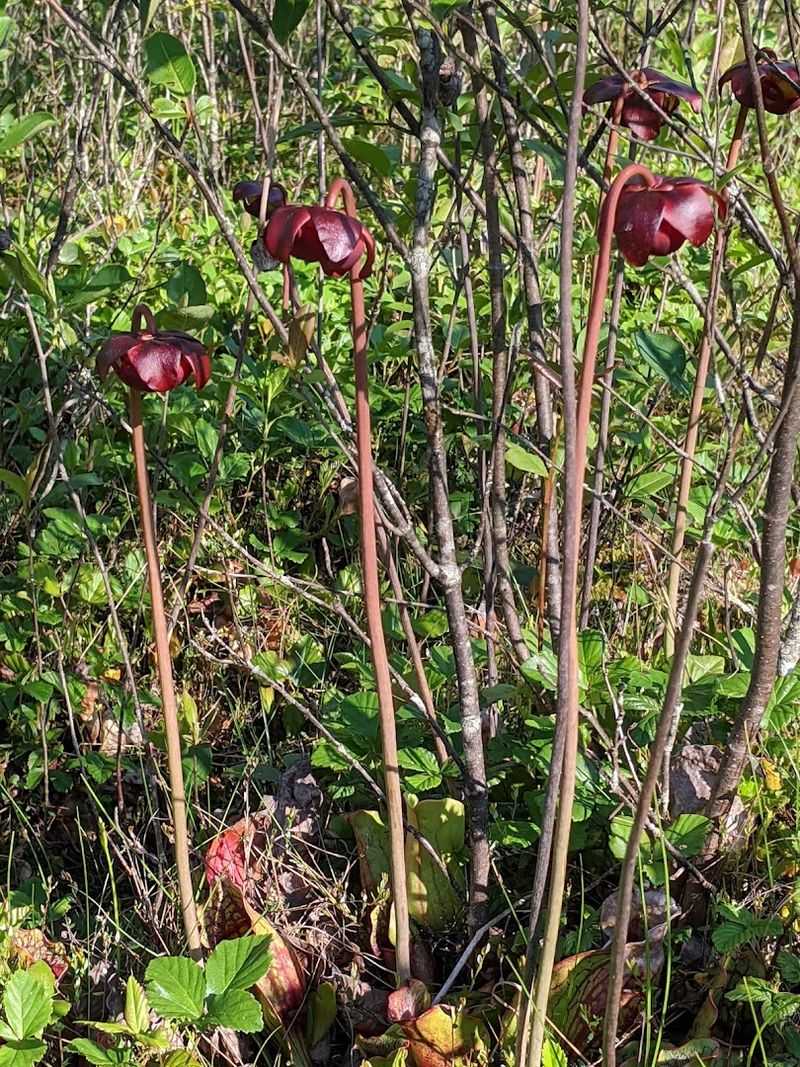
There’s something almost mischievous about a plant that eats bugs for breakfast. The Cranberry Glades are home to two carnivorous species: the purple pitcher plant and the sundew.
Both adapted to life in nutrient-poor, acidic soil by finding a creative workaround for the lack of food at the root level.
The pitcher plant lures insects into a tube-shaped leaf filled with digestive fluid. The sundew, meanwhile, uses sticky, glistening droplets on its leaves to trap prey.
Seeing them clustered in the moss feels genuinely surreal, like stumbling across something from a science fiction story.
What makes this even more remarkable is that these plants have been growing here since seeds took root more than 10,000 years ago. They are relics of a different climate era, surviving in this pocket of the Appalachians long after similar habitats disappeared further south.
Spotting them up close along the boardwalk is one of those moments that makes the whole trip feel completely worth it.
A Boardwalk That Crosses Yew Creek Multiple Times
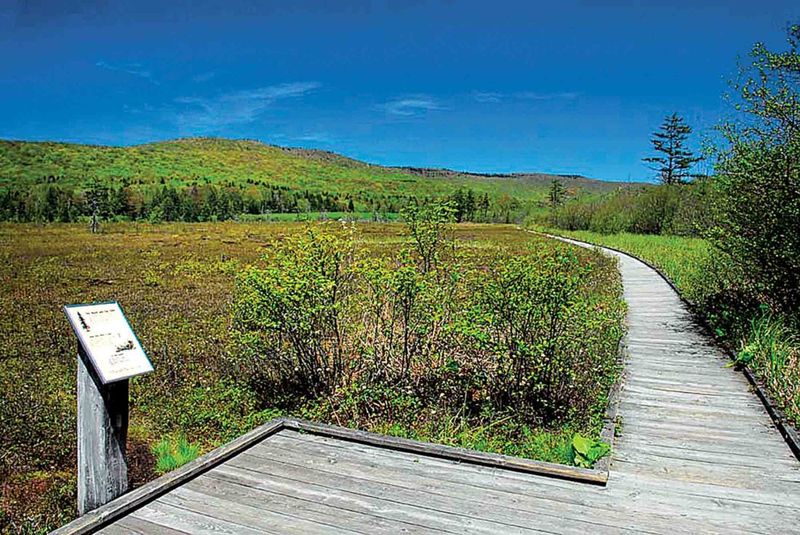
Yew Creek winds quietly through the glades, and the boardwalk crosses it more than once as you loop through the bogs. Each crossing feels like a small pause, a moment to lean over and watch clear water slide over rocks while birds call from the tree line.
It’s genuinely calming in a way that’s hard to manufacture.
The creek adds a soundtrack to the whole walk. Moving water, rustling sedges, and the occasional frog splashing into the shallows all layer together into something that feels more like a nature documentary than a casual afternoon stroll.
Some sections of the boardwalk are low enough that you can almost trail a hand through the moss on either side.
Visitors have spotted fish in the creek, along with water snakes that cruise the shallows without much interest in human company. The whole corridor along Yew Creek feels like its own micro-world, separate from the open glades yet deeply connected.
It’s the kind of detail that makes a second visit feel just as rewarding as the first.
Rare Boreal Plants Found Nowhere Else This Far South
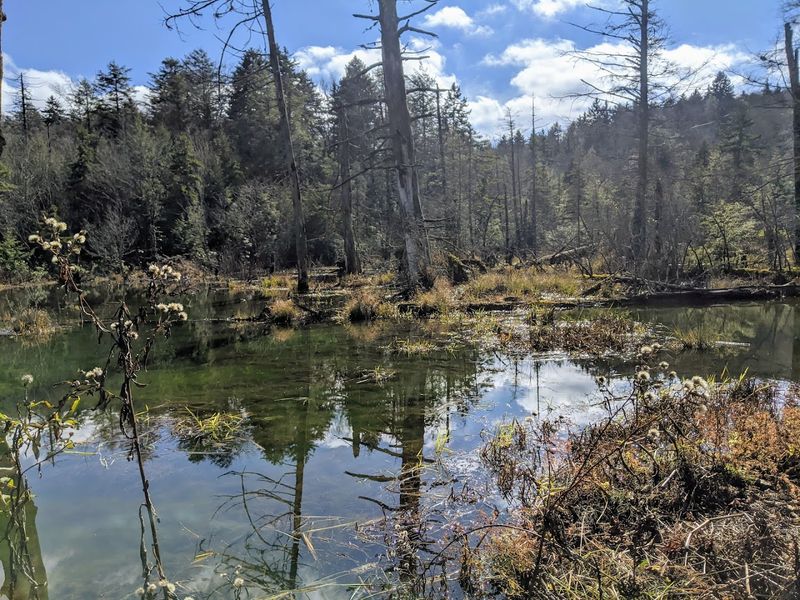
Bog rosemary sounds like something you’d find at a farmers market, but here it’s a genuine botanical rarity. Cranberry Glades is the southernmost known location where bog rosemary grows.
That single fact is enough to make plant enthusiasts plan entire road trips around this place.
Buckbean also grows here, along with orchids that bloom in late June and early July.
The greater purple fringed orchid and the grass pink orchid both appear in the glades during that window, and if your timing is right, the whole area takes on a delicate, almost ethereal quality.
These aren’t plants you stumble across every day.
Many of these species are direct descendants of seeds that settled here after the last Ice Age, roughly 10,000 to 12,200 years ago. The Glades act as a kind of biological time capsule, preserving northern species that migrated south with changing climates and simply never left.
Walking among them feels less like a hike and more like visiting a living museum that forgot to charge admission.
The Atmosphere Changes Completely With the Seasons
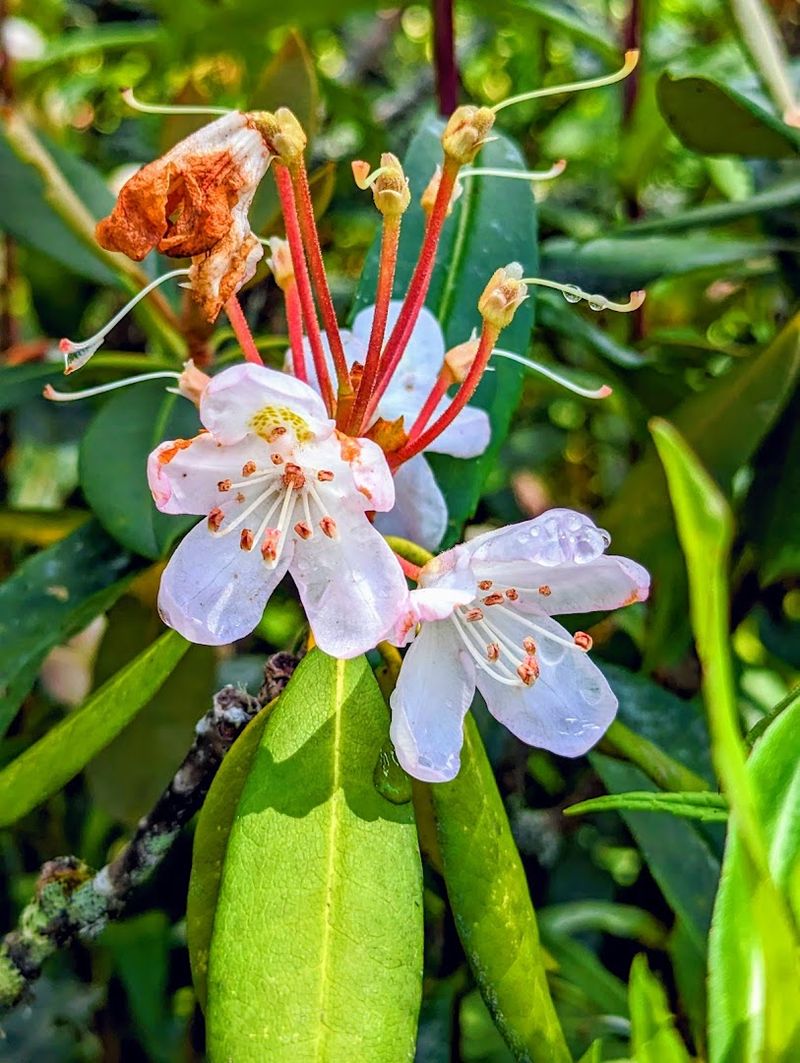
Every season brings a completely different version of this place. Fall turns the bog landscape into a wash of deep reds and burnt oranges, with cranberry plants and sphagnum moss shifting color across the open glades.
Even a cold, grey November day here has a stark, haunting beauty to it.
Spring wakes everything up fast. Skunk cabbage pushes through the peat before almost anything else dares to grow, and the whole area starts to hum with returning bird species.
Summer is lush and green and humid, with orchids blooming and carnivorous plants at their most active.
Winter, surprisingly, has its own charm. Frost can occur here at any time of year, and early snowfall dusts the moss in a way that makes the whole place look like a scene from a storybook.
Visitors have described finding pitcher plants still visible beneath a light snow cover. The landscape never fully shuts down.
It just puts on a different outfit and keeps going, season after season, year after year.
Bird Watching That Rewards Patience and Quiet Steps
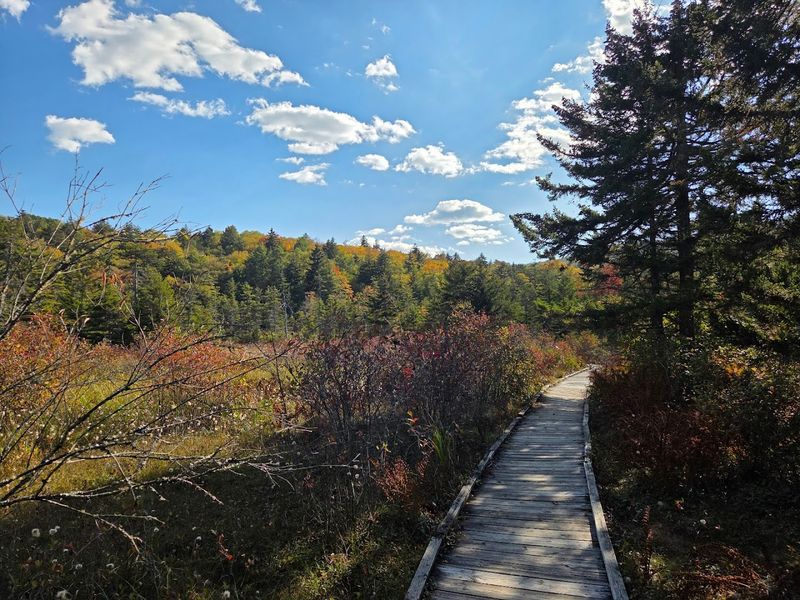
Bring binoculars. Seriously.
The Cranberry Glades are a genuinely productive birding spot, and the variety of species that pass through or nest here is impressive for such a compact area.
American goldfinches, black-billed cuckoos, and multiple warbler species have all been spotted along the boardwalk and surrounding trails.
The bog’s edge habitat, where open wetland meets dense forest, creates ideal conditions for birds that like both cover and open foraging ground. Early morning visits are particularly rewarding.
The light is softer, the birds are more active, and the whole place carries a quiet energy that feels almost meditative.
Even if you don’t know your warblers from your wrens, the birdsong alone is worth the visit. Walking the boardwalk with that layered chorus around you adds something to the experience that no photograph can fully capture.
The Glades sit within the Monongahela National Forest, which means the surrounding habitat is vast and largely undisturbed.
That depth of wild space keeps the bird life here consistently rich and varied throughout the year.
The Cranberry Mountain Nature Center Adds Real Context
Before or after the boardwalk, the Cranberry Mountain Nature Center is worth a stop.
Open during summer months, it provides exhibits and information about the ecology of the glades, the history of the National Natural Landmark designation, and the unusual climate conditions that make this place so ecologically distinct.
Understanding why the Glades exist makes the walk through them considerably richer.
Knowing that glaciers never actually reached this part of West Virginia, but that the high elevation and cold air drainage recreated glacial conditions anyway, reframes everything you see underfoot.
The science behind this place is as fascinating as the scenery.
The Nature Center also serves as a trailhead for the surrounding trail system. Parking, bathrooms, and a small picnic area are available nearby, making it a practical base for a longer visit.
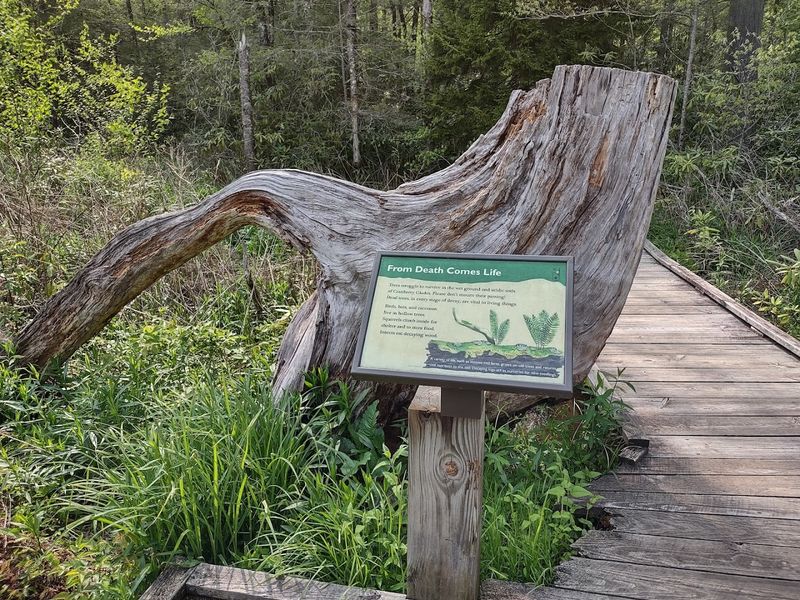
If the center happens to be closed for the season during your trip, the boardwalk itself has informational signs carved into the planks and posted along the route, so the self-guided experience remains genuinely educational and engaging.
A Place That Holds a 10,000-Year-Old Secret
Ten thousand years is a number that’s hard to actually feel. But standing in the middle of the Cranberry Glades, surrounded by plants whose ancestors rooted here at the end of the last Ice Age, that number starts to land differently.
This ecosystem is one of the oldest continuously functioning bogs in the eastern United States.
The peat beneath the boardwalk holds a record of everything that has grown and died here over millennia. Scientists can core into it and read the history of the climate like pages in a very slow book.
Each layer tells a story about temperature shifts, species changes, and the gradual transformation of this high Appalachian valley.
It was designated a National Natural Landmark in 1974, recognizing its scientific and ecological significance. The 750 acres protected here represent the largest bog complex in West Virginia.
Visiting feels less like sightseeing and more like bearing witness to something that has been quietly doing its thing for longer than any recorded human history in this region. That’s a genuinely humbling thought to carry home with you.
Practical Tips for Getting the Most Out of Your Visit
Getting here takes a little planning, and that’s part of what keeps the crowds manageable. The parking area off Forest Route 102 holds about 12 vehicles, so arriving early on weekends is genuinely smart.
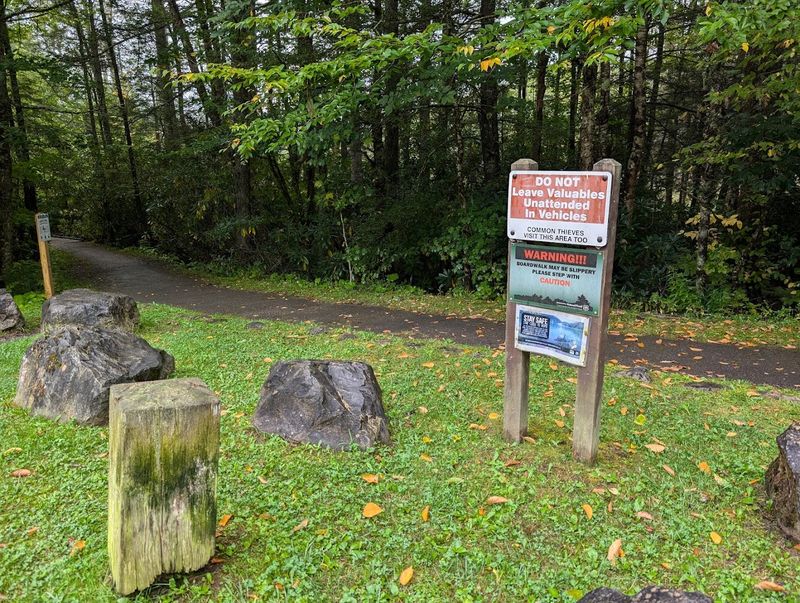
Bathrooms are available at the parking lot, which is a welcome detail after a long drive through Pocahontas County.
Wear solid footwear with grip. The boardwalk becomes slick when wet, and rain is common at this elevation.
Layers are a good call regardless of the season since frost can technically occur here any time of year. The open glades also offer no shelter from wind, so a light jacket earns its place in your pack.
There is no entry fee, which feels almost too good given how special this place is. Cell service is limited in the area, so download any maps you need before heading out.
Gas stations are sparse in the surrounding region, so fill up before you go. The drive in through the Monongahela National Forest is beautiful on its own, and arriving with a full tank means you can take the scenic way home without any stress.
Address: Hillsboro, WV 24946
