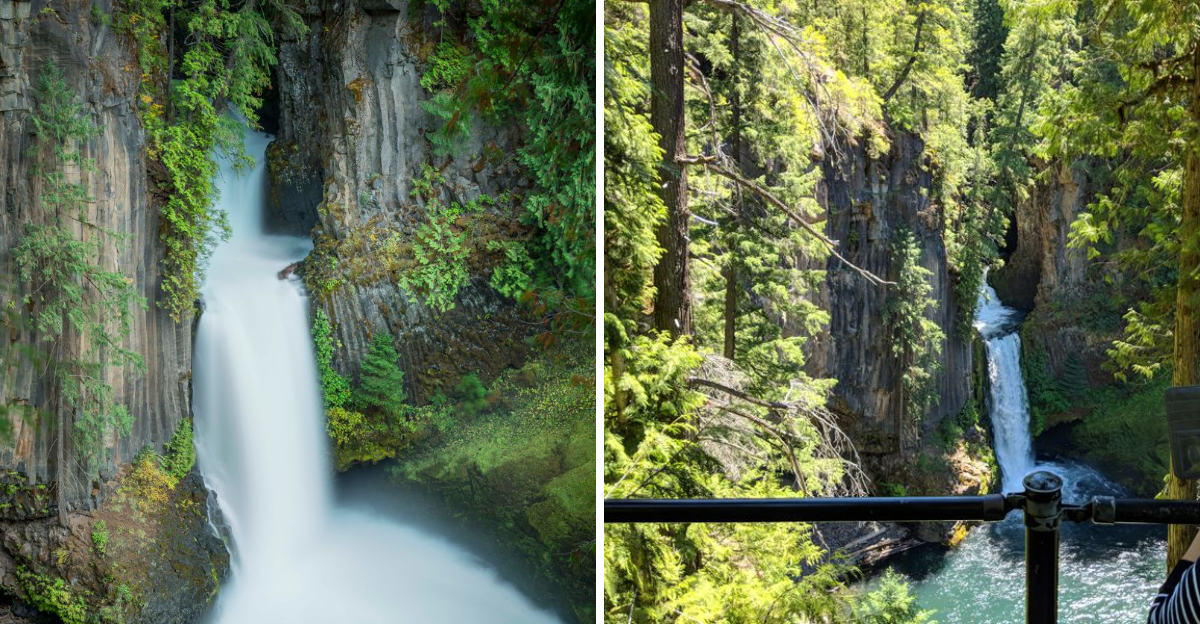
I still remember the first time I stumbled upon Toketee Falls in Oregon, tucked away in the Umpqua National Forest like a secret waiting to be discovered. The drive alone felt like a journey into another world, winding through towering trees and rugged landscapes that seemed untouched by time.
When I finally reached the trailhead and caught my first glimpse of those dramatic basalt columns framing the cascading water, I knew I had found something truly special. This 113-foot beauty drops in two stunning tiers, creating a turquoise pool that looks almost too perfect to be real.
Most people racing down the highway have no idea this magical waterfall even exists, which is exactly what makes it so enchanting.
Want to see a waterfall that looks like it belongs in a fantasy novel? Toketee Falls is calling your name.
Pack your camera and your sense of adventure because this place is about to blow your mind. Trust me, your Instagram feed has been waiting for this moment.
The Name That Says It All
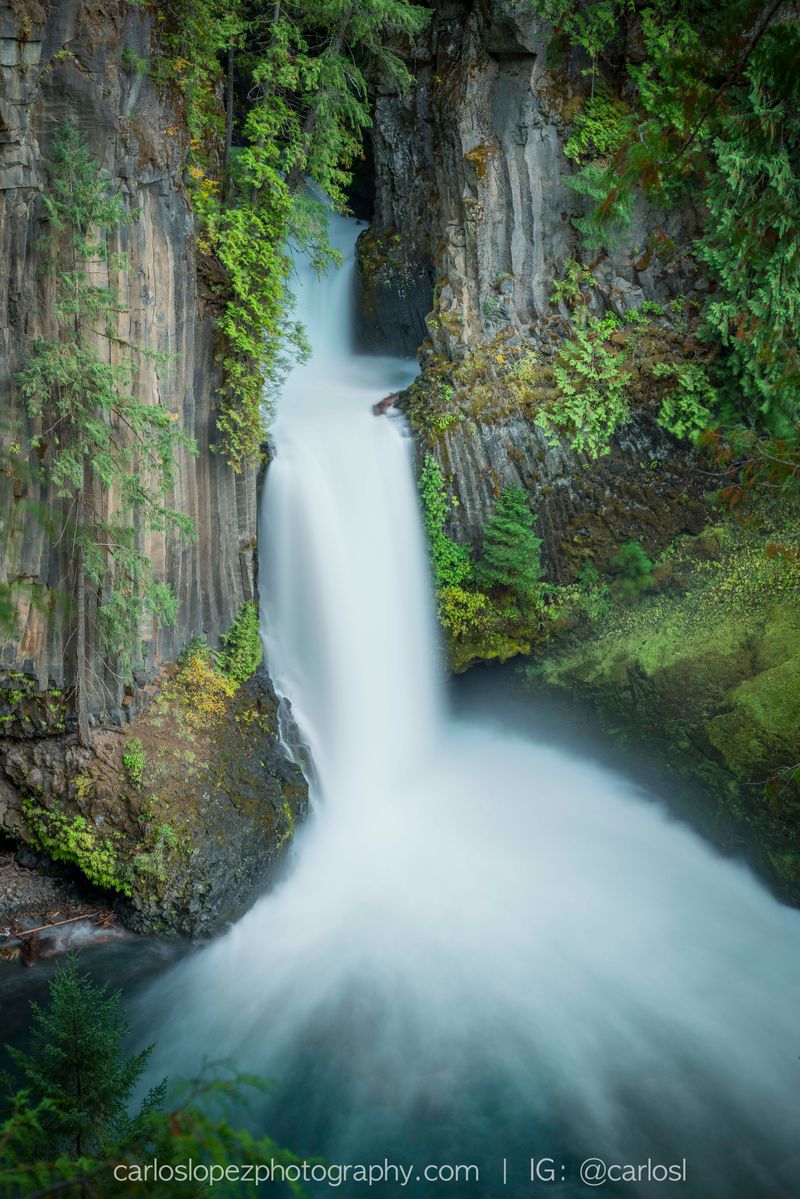
Toketee comes from Chinook Jargon, an old trade language used by Native American tribes and early settlers in the Pacific Northwest. The word translates to graceful or pretty, and honestly, whoever named this waterfall absolutely nailed it.
Standing at the viewing platform, watching the water tumble down those ancient rock formations, I understood why this particular word was chosen.
Chinook Jargon was a blend of various Indigenous languages, French, and English, creating a unique communication tool that connected different communities. Learning this linguistic history added another layer of appreciation to my visit.
The name feels like a gift from the past, reminding us that people have been mesmerized by this spot for generations.
Every time I mention Toketee Falls to friends, they ask how to pronounce it. I tell them to say TOE-kuh-tee, and then I watch their faces light up when they see photos.
The name perfectly captures the elegant, almost delicate way the water flows over the rocks, even though the force behind it is incredibly powerful. Words really do matter, and this one sets the perfect expectation for what you will experience.
Two Tiers of Pure Magic
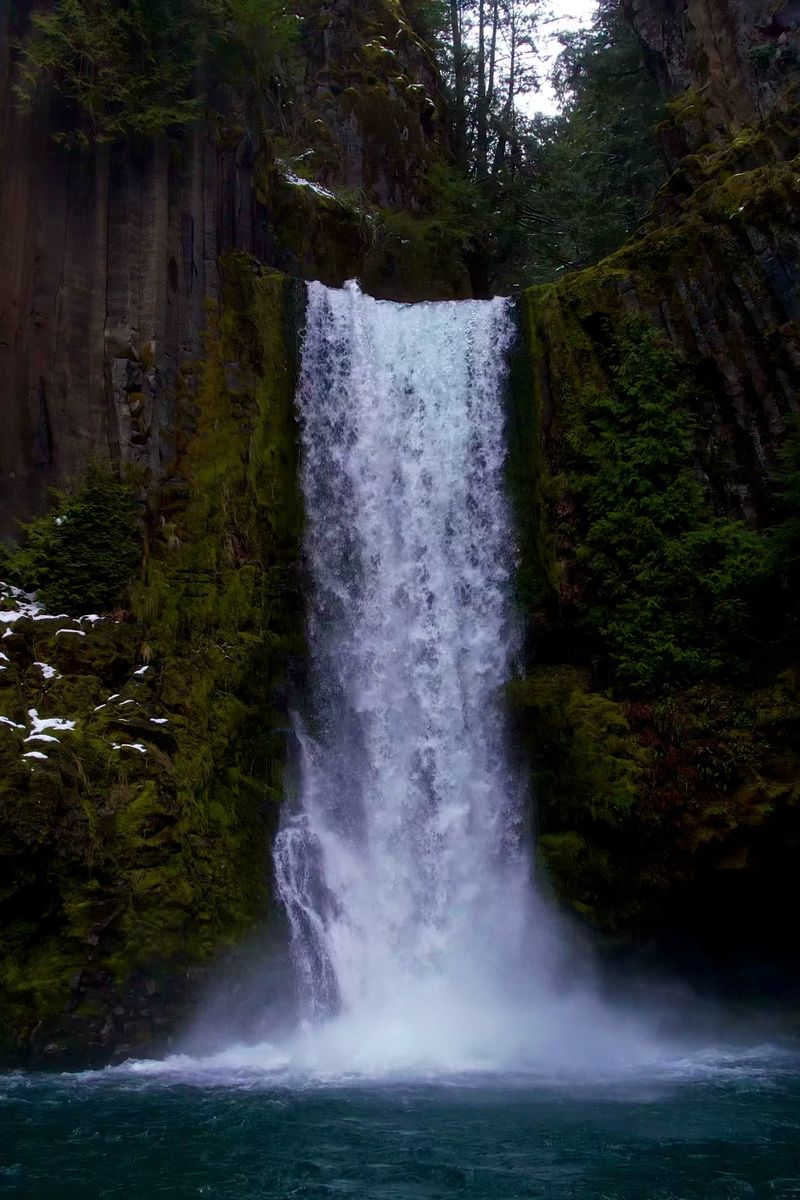
Walking up to Toketee Falls feels like watching a performance unfold in two acts. The upper tier drops about 28 feet into a shallow pool, creating this beautiful curtain of white water that seems to pause for just a moment before the main event.
Then comes the showstopper: an 85-foot plunge into a deep, impossibly turquoise basin that looks like something out of a travel magazine.
I spent at least twenty minutes just staring at the way the two tiers work together. The upper cascade adds this rhythmic sound that echoes through the canyon, while the lower drop creates the visual drama.
Both sections are framed by those incredible hexagonal basalt columns that make the whole scene feel almost architectural, like nature hired a designer.
What amazed me most was how each tier has its own personality. The upper one feels gentle and approachable, while the lower one commands respect with its sheer power and height.
Together, they create a waterfall experience that feels complete and balanced. I have visited plenty of waterfalls across Oregon, but this two-tiered structure makes Toketee stand out in my memory.
Basalt Columns That Steal the Show
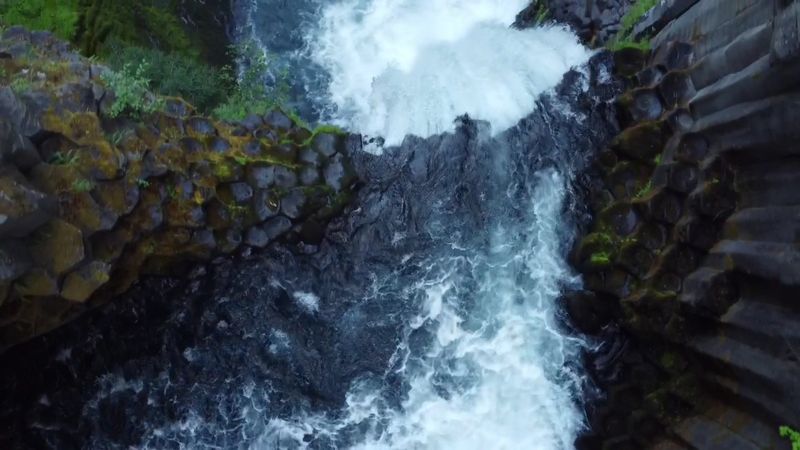
Geology class never prepared me for how cool basalt columns look in real life. These hexagonal formations were created thousands of years ago when lava flows cooled and cracked into these perfect geometric shapes.
At Toketee Falls, they frame the water like a natural cathedral, creating this dramatic backdrop that photographers absolutely love.
The columns are so precise and uniform that they almost look man-made. I found myself tracing the lines with my eyes, following the patterns up and down the cliff face.
These formations are the result of volcanic activity that shaped much of Oregon, leaving behind this stunning geological legacy. The dark, almost black color of the basalt contrasts beautifully with the white water and green forest.
What really struck me was how the basalt creates little alcoves and ledges where plants have taken root. Ferns and moss cling to the rock face, adding splashes of green that soften the stark geometry.
The combination of ancient volcanic rock and living plants creates this perfect balance between permanence and change. Every angle offers a different perspective on how these columns interact with the waterfall.
A Hike Anyone Can Handle
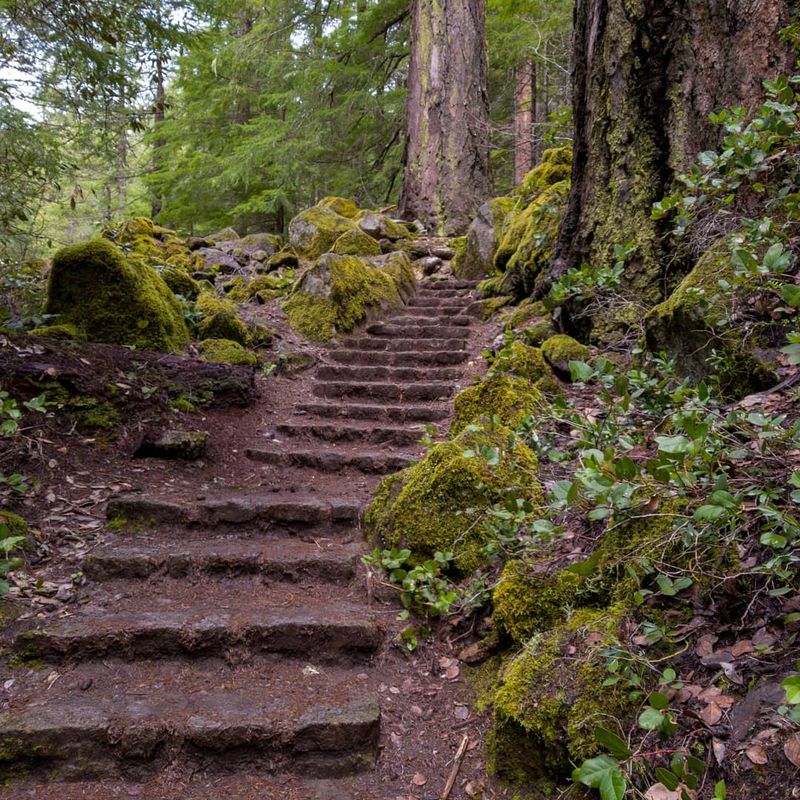
One of my favorite things about Toketee Falls is that you do not need to be an experienced hiker to reach it. The trail is only 0.8 miles round trip, which means you can get from your car to that stunning viewpoint in about fifteen to twenty minutes.
The path is well-maintained with clear signage, making it perfect for families, casual visitors, and anyone who wants big rewards without a major time commitment.
That said, do not let the short distance fool you into thinking it is completely effortless. The trail includes about 100 wooden stairs that wind through the forest, and there are some uneven sections with tree roots and rocks.
I was breathing a bit harder by the time I reached the top, but it felt good to earn that view. The elevation gain is around 200 feet, which is noticeable but totally manageable.
I loved how the trail meanders through old-growth forest, giving you plenty of beautiful scenery along the way. You are not just walking to a destination; you are enjoying the journey through towering Douglas firs and lush undergrowth.
The whole experience feels like a mini-adventure.
Year-Round Flow That Never Disappoints
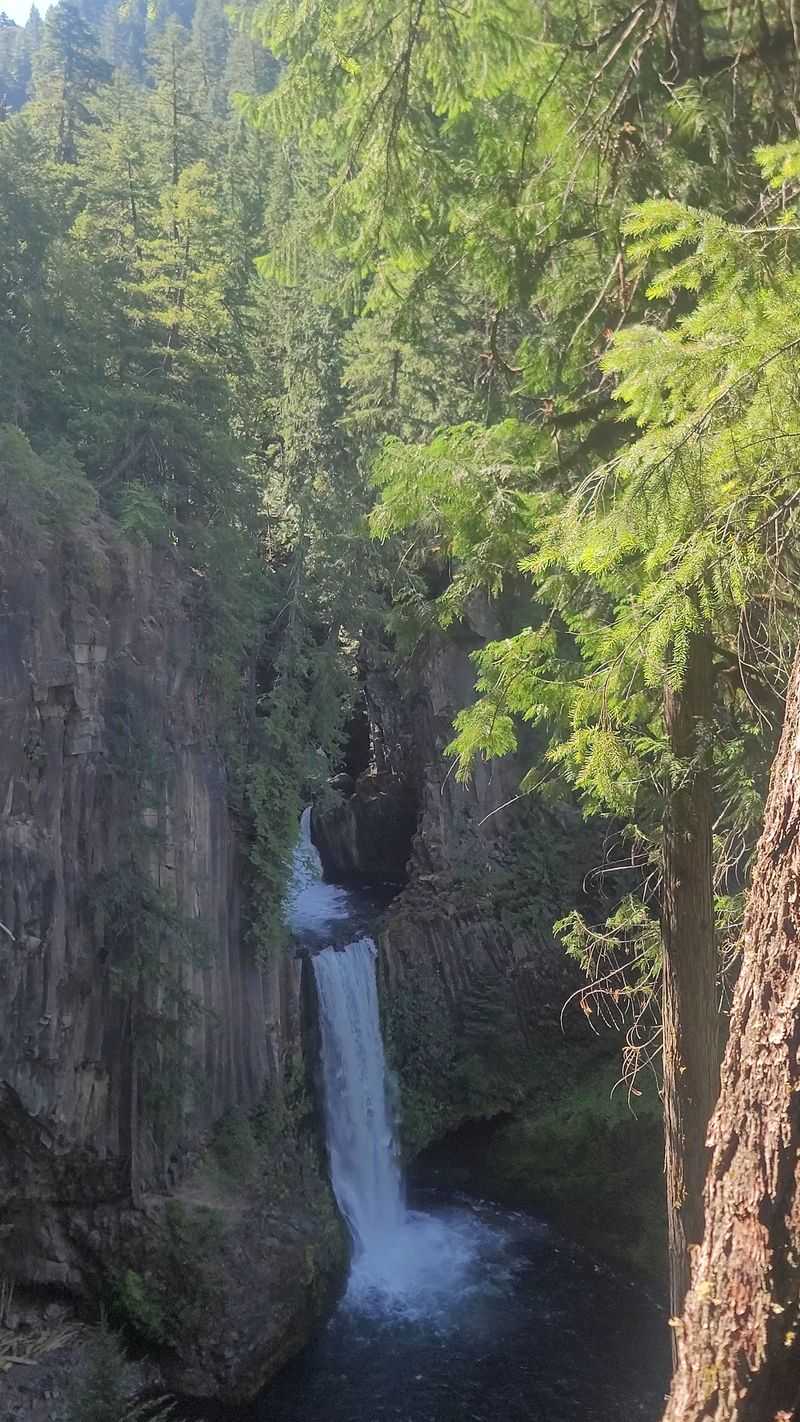
Many waterfalls in Oregon turn into mere trickles by late summer, which always breaks my heart a little. Toketee Falls is different because it maintains a consistent, powerful flow throughout the entire year.
This reliability comes from the North Umpqua River being regulated by upstream hydroelectric projects, which means the water supply stays steady regardless of the season.
I visited once in August, typically the driest month in Oregon, and was thrilled to see the falls still roaring with impressive force. The turquoise pool at the base was just as vibrant and full as in all the spring photos I had seen online.
This year-round consistency makes trip planning so much easier because you do not have to worry about timing your visit perfectly.
The modified flow from the hydroelectric project is actually visible along the trail, where you will pass that massive wooden pipeline. Some purists might argue this takes away from the natural experience, but I appreciated knowing the falls would be spectacular whenever I could make the drive.
Whether you visit during spring snowmelt or summer sunshine, Toketee delivers the goods every single time.
The Mysterious Giant Pipeline
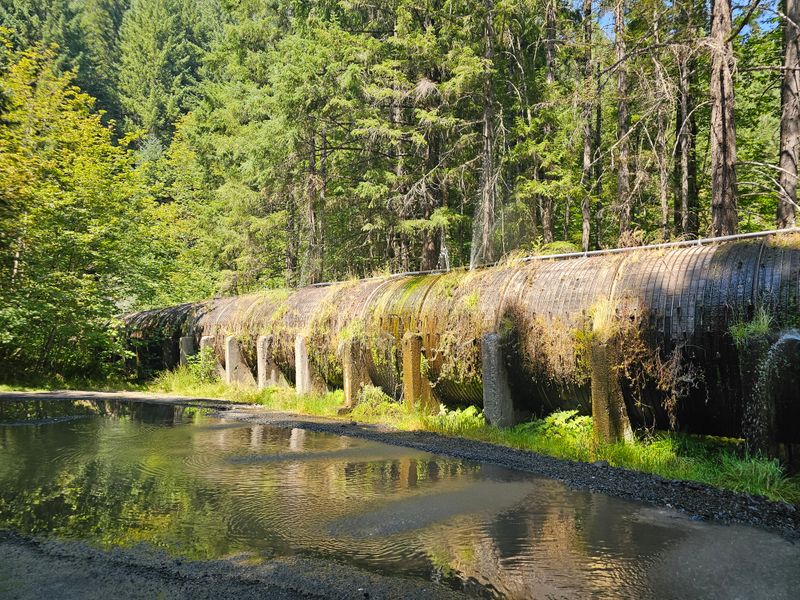
Right at the trailhead, you will encounter something totally unexpected: a massive wooden pipeline that looks like it belongs in an industrial museum. This 12-foot diameter tube carries water from the North Umpqua River to a hydroelectric facility downstream, and it is honestly kind of fascinating.
I stood there for several minutes just marveling at the engineering and craftsmanship involved in building something this substantial out of wood.
The pipeline has plenty of leaks where water sprays out in various directions, creating impromptu shower opportunities for hot hikers. Some visitors even drive their dusty cars under the spray for a free rinse, which I found hilarious and charming.
The whole thing feels a bit surreal, like stumbling onto a secret piece of infrastructure hidden in the forest.
While the pipeline is technically part of a water diversion project that alters the natural flow of the river, it adds an interesting human element to the wilderness experience. I appreciated seeing how people have worked with this landscape over the decades, even if it is not entirely natural.
The pipeline has become almost as much of a landmark as the falls itself.
An Enchanted Forest Setting
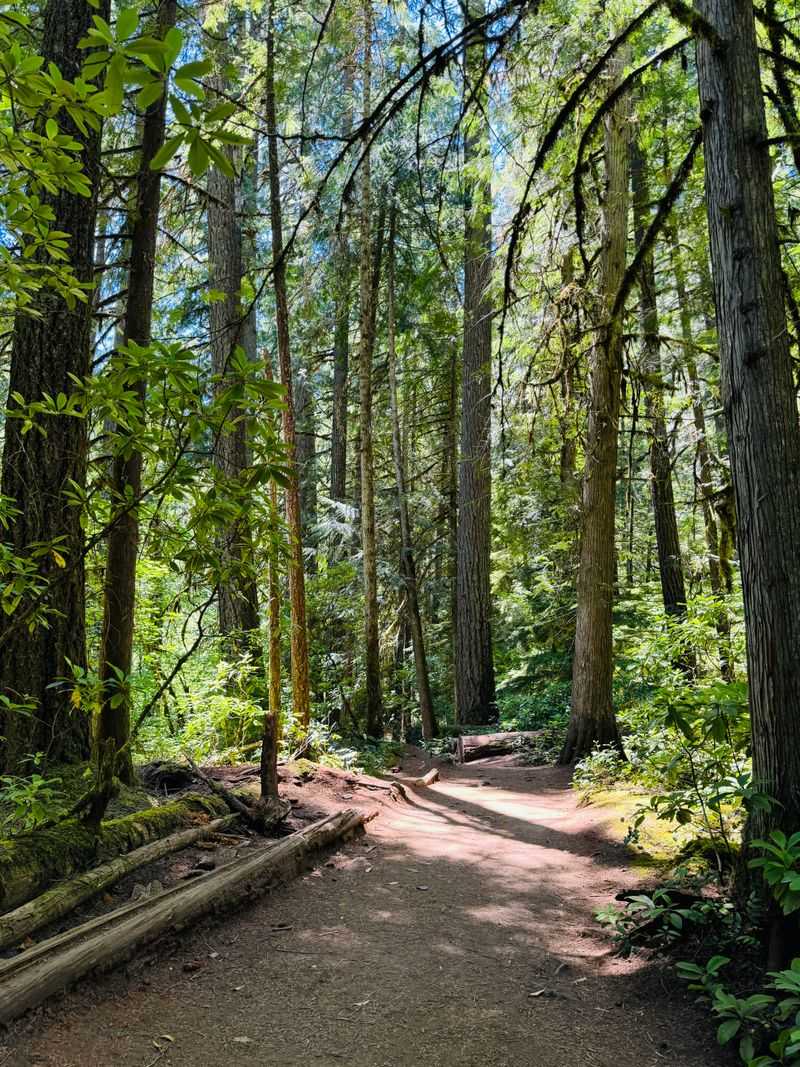
Before you even reach the waterfall, the trail itself feels like walking through a storybook. Towering Douglas firs create a canopy overhead, filtering the sunlight into soft, dappled patterns on the forest floor.
Ferns unfurl in every direction, and moss drapes over fallen logs like green velvet. I felt like I should be looking for fairies hiding behind the tree trunks.
The old-growth forest here is the real deal, with some trees easily hundreds of years old. Their massive trunks and gnarled roots tell stories of survival through countless seasons.
The air smells fresh and earthy, with that distinctive Pacific Northwest scent of damp soil and evergreen needles. Every breath felt cleansing, like the forest was scrubbing my lungs clean of city air.
I noticed so many small details along the trail: tiny mushrooms poking through the undergrowth, the sound of birds calling from the canopy, the way light caught on spider webs strung between branches. This forest setting transforms the hike into something more than just a means to an end.
It is an immersive experience that engages all your senses.
Perfect Location in Southern Oregon
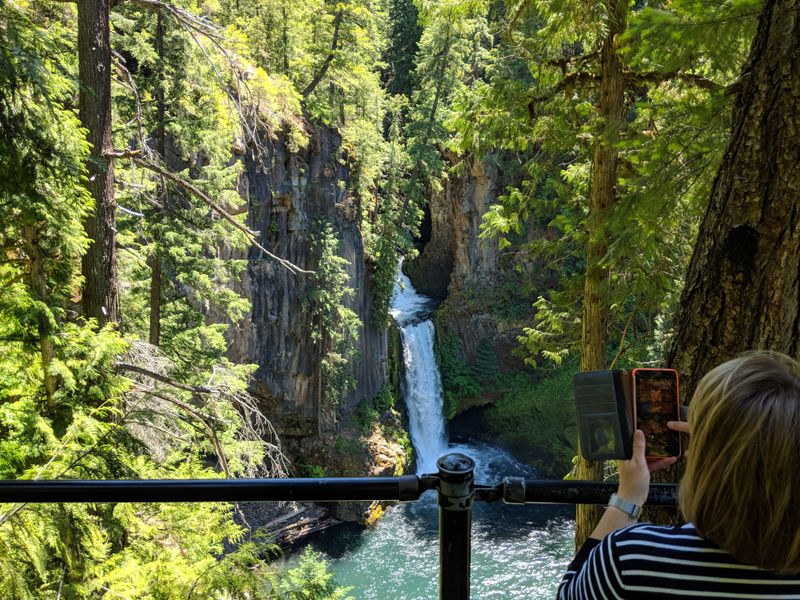
Toketee Falls sits in the heart of the Umpqua National Forest in Southern Oregon, about two hours east of Eugene. This location puts it within striking distance of several other incredible natural attractions, making it perfect for a multi-day adventure through this lesser-known region.
I love how the drive itself becomes part of the experience, following the scenic North Umpqua River through forested valleys and past smaller cascades.
The falls are located near the tiny community of Idleyld Park, which barely qualifies as a town but serves as a useful landmark. From there, you follow Highway 138 east, watching for the well-marked turnoff.
The drive takes you deeper into the Cascade Range, where volcanic geology dominates the landscape and creates all these spectacular waterfalls and rock formations.
What I appreciate about this location is how it feels genuinely remote without being impossibly hard to reach. You get that sense of escaping civilization and diving into wilderness, but you are never more than a couple hours from services and amenities.
Southern Oregon has so many hidden treasures, and Toketee Falls serves as a perfect introduction to what this region offers.
The Staircase Challenge
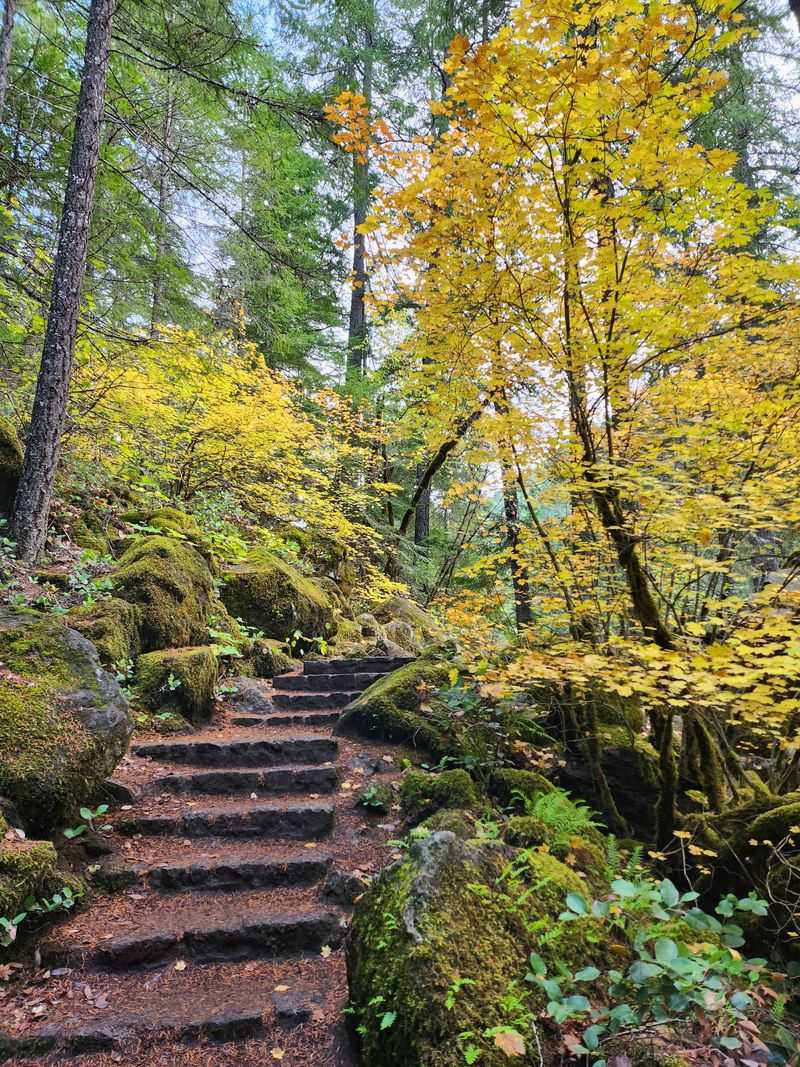
Those 100 wooden steps I mentioned earlier deserve their own section because they definitely make an impression. The stairs are well-constructed and sturdy, but they still require a bit of effort, especially on the way back up.
I watched families with young kids tackle them successfully, though some little ones needed encouragement and maybe a piggyback ride or two.
The stairs are not all in one continuous flight, which actually helps. They are broken up into sections with flat stretches in between, giving you natural places to pause and catch your breath.
I used these breaks as excuses to turn around and admire the forest views behind me. The steps wind through the trees in a way that feels integrated into the landscape rather than imposed on it.
For anyone with mobility challenges, I will be honest: these stairs might pose a significant obstacle. There is no wheelchair-accessible route to the viewing platform, and the uneven terrain combined with the elevation gain makes this trail challenging for anyone with limited mobility.
I saw hikers of all ages and fitness levels making it work, but it is worth knowing what you are signing up for before you start.
Dear Reader: This page may contain affiliate links which may earn a commission if you click through and make a purchase. Our independent journalism is not influenced by any advertiser or commercial initiative unless it is clearly marked as sponsored content. As travel products change, please be sure to reconfirm all details and stay up to date with current events to ensure a safe and successful trip.
