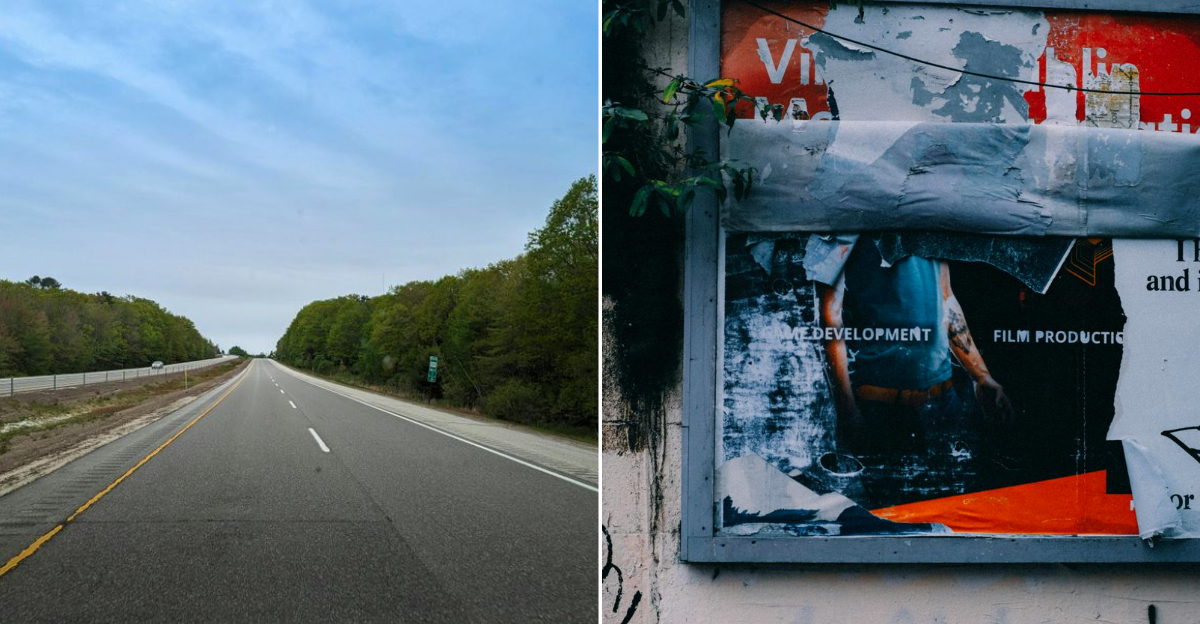
Have you ever driven somewhere beautiful and felt weirdly grateful that giant signs were not fighting for your attention every few seconds? That is part of what makes Maine road trips feel so different.
The state’s billboard law helps keep the scenery front and center, so the drive stays focused on mountains, trees, coastline, and small-town views instead of turning into a nonstop wall of ads. That might sound like a small detail at first, but it changes the whole mood once you are actually on the road.
The trip feels calmer, cleaner, and a lot less cluttered than what many drivers are used to. That is exactly why the law stands out.
It protects the kind of visual breathing room that makes a drive feel like an experience instead of just a way to get somewhere. For anyone who loves scenic routes that still feel open and unspoiled, Maine makes a very strong case from behind the wheel.
Why Maine Roads Feel So Different From The Start
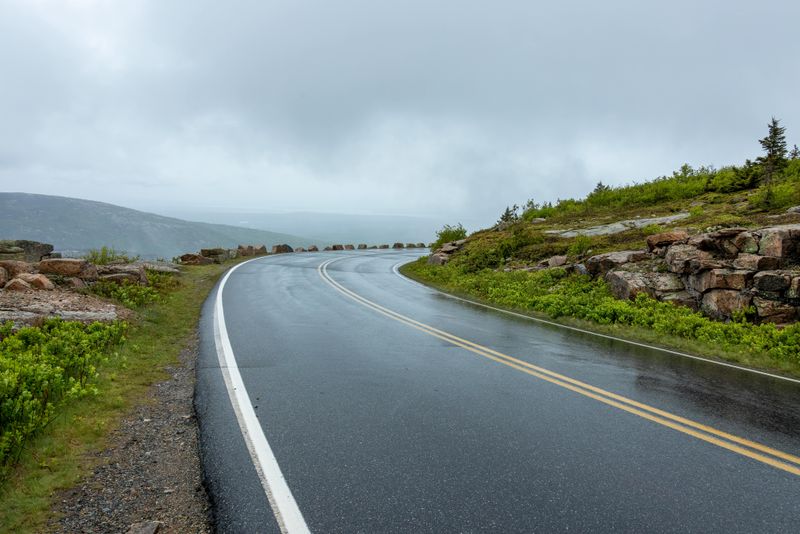
You feel it as soon as the state line rolls under the tires, because the noise just drops away and the view widens without a single board shouting at you. Trees take over the edges, and the sky decides how big the day gets, not a row of ads trying to steer your attention.
It changes your pace, like someone suggests a slower song and the whole car nods without needing to talk about it.
The road does its job without stage lights, and that is the beauty, because your eyes start to settle on real things. You notice power lines dipping between poles, a marsh moving with the wind, and a clapboard church tucked beside a curve that you might have missed if the horizon were crowded.
Maine knows that quiet does not mean empty, and the miles prove it by handing you steady little scenes that feel unhurried and honest.
Every time you crest a hill, there is another stretch that looks like it was left the way someone loved it. The law keeps the margins clean, so your thoughts do not get yanked around by whatever would have been taller and brighter than the shoreline.
It is not about being strict for the sake of it, because it is really about respect, both for drivers and for the look of the land. That calm starts at the start, and it keeps you company the whole way.
The Billboard Rule That Keeps The Scenery Front And Center

The rule is simple in spirit, and you can see it out your window, because the state decided the view should not be for sale to the highest bidder. Instead of giant ads, you get long, steady slices of coastline, low marshes, and dense woods that hold their own space.
It tells you exactly what matters here, since the background is not treated like a blank wall for slogans.
You will still spot guidance where you need it, because Maine is practical, and travelers do need to find a museum, a park, or a trailhead without circling forever. Directional signs exist, smaller and measured, and they point, then step aside, which is really all a sign needs to do.
There is a courtesy in that balance that you feel, especially when the weather clears and the horizon stretches wider than expected.
Because nothing oversized is muscling in, color carries better, and each town name reads clean against the day. The scenery is not just pretty, it is legible, which sounds funny until you realize how relaxing it is to process only what you need.
Maine keeps the frame tidy so the picture can be the point, and the drive becomes the show you came to watch. It is still a road, with all the usual rules of attention, yet somehow your head is less crowded, and that feels like a gift.
How A 1970s Law Changed The Look Of Everyday Drives
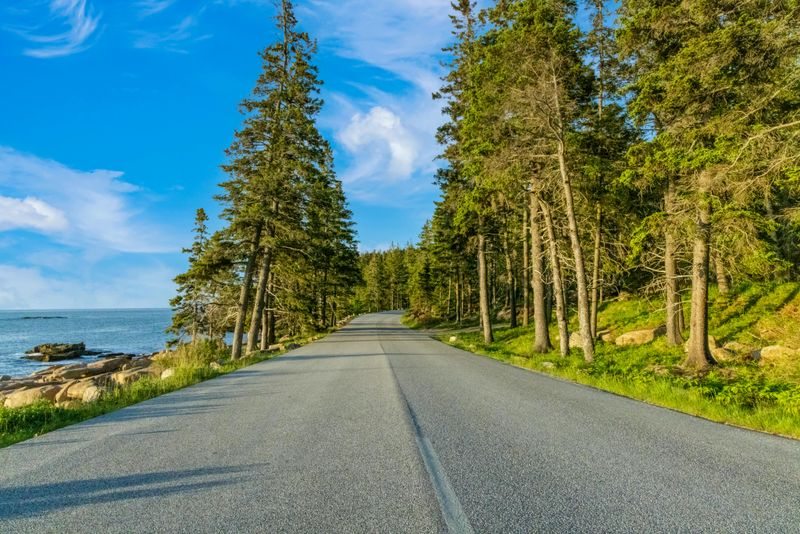
Before the ban settled in, the roadside was headed the way many places went, stacking ads higher and louder until the view became a backdrop for sales pitches. Maine chose differently, and that choice changed the daily rhythm of driving, not with fanfare, but with a quiet reset you feel along rural stretches and coastal routes.
The upgrade was invisible on paper and obvious in person, because absence can be the best kind of improvement.
What shifted for travelers is simple to name and hard to fake, since the road now lets you relax into whatever landscape you are passing. Town by town, the sense of place comes through, whether it is clapboard salt air or deep woods and granite seams holding steady through the season.
The car becomes a front row seat to Maine being Maine, not a tunnel where someone keeps tapping your shoulder for attention.
Residents will tell you they do not miss what they lost, because what they gained feels truer over time. Even errands benefit, since everyday drives are calmer with sightlines that stretch and breathe without surprise distractions planted at every bend.
The law grew into a habit, and the habit grew into identity, which explains why visitors talk about the drive like it is part of the destination. That is the legacy playing out at regular speed, and it is still reshaping how the next mile feels.
Fewer Giant Ads, More Coastline, Woods, And Small-Town Views
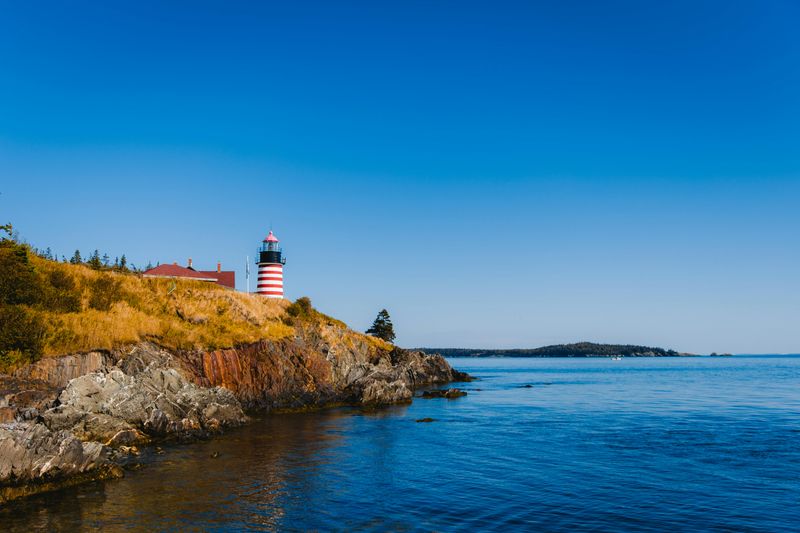
You notice right away that the trade is worth it, because losing towering ads means gaining a clean sweep of shoreline and forest that lands with full volume. From Kittery up the coast and inland toward Moosehead country, the rhythm is water, rock, and evergreens, and it repeats in the best possible way.
Small towns slide into view with steeples, piers, and shingles, and nothing big is blocking the handshake.
Even the practical parts of driving get better, because your eyes rest between signs and curves, and that makes long days feel easier. When the road tilts toward the ocean, you catch the light bouncing off coves without a wall of plastic trying to steal the moment.
Maine is not hiding its proudest scenes behind marketing, and that honesty shows up in how the edges of the drive stay open.
What you get are real introductions to places, not samples cut by a committee, and that feels friendly in a grounded way. The woods roll along without interruption, the coastline breathes between points, and downtowns arrive with their own pace rather than a preview screaming at the exit.
You can still plan, you can still search, and you can still find what you need, but your first impression is not choreographed by the tallest sign. It is shaped by what is there, which is the whole reason you came.
What Maine Still Allows Along The Road And Why It Matters
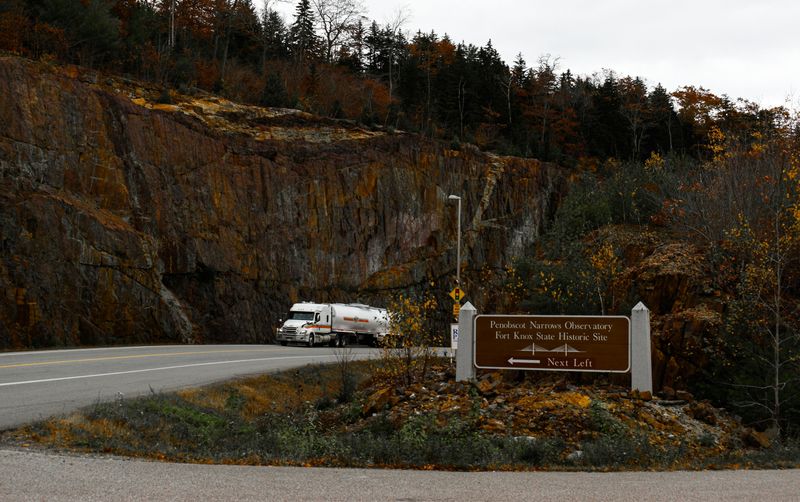
You will still see signs, just the kind that help, because the state is not trying to make driving a puzzle. Small directional markers point you toward parks, museums, trailheads, and public places, and they keep the tone polite by staying modest in size.
Businesses use on-premise signs at their own locations, which is a fair compromise that helps you find a door without taking over the whole skyline.
This mix matters more than it sounds, since it keeps the hierarchy clear between information and persuasion. You get what you need to stay oriented, and you skip the visual tug-of-war that happens when ads fight for a second of your attention.
Maine puts travel information in the helpful column and keeps everything else from sprawling into the view, and that choice keeps the mood steady mile after mile.
It is also safer in a common sense way, because there is less sudden stimulus pulling your eyes away from whatever the curve or weather is doing. When the signs that remain are intentional and restrained, you can spot them, use them, and then get back to watching the road.
That gives the scenery room to work, and it lets you plan your stops with less stress. In a practical way, the rules act like a friendly co-pilot, pointing and then staying quiet.
Why This Law Makes Even Ordinary Road Trips Feel Less Cluttered

There is something sneaky about how calm arrives, because nothing in particular announces it, yet you start to feel lighter as the miles add up. Without oversized ads, your brain is not bracing for sudden color blasts, and your breathing actually falls into step with the road.
That means errands feel shorter, long weekends feel longer, and the quiet kind of sticks to you even when you are not thinking about it.
On gray days, the muted palette becomes its own comfort, and on clear days the sky earns its role as the big storyteller. You glance around more, partly because there is room to look, and partly because the view seems to invite you in with steady confidence.
Maine is doing hospitality the old fashioned way, by not interrupting, and the result is a drive that feels like an unhurried conversation.
Even when traffic picks up near a busy stretch, you can still see ahead without a barricade of bright rectangles pinballing your focus. You follow the land, you read the water, you recognize the clapboard downtown before the sign tells you its name.
That sort of order does not happen by accident, and it explains why people come back and talk about the drive like it was part of the trip. It is ordinary, but it leaves a trace that is easy to love.
The Contrast That Hits Fast If You’ve Driven In Other States
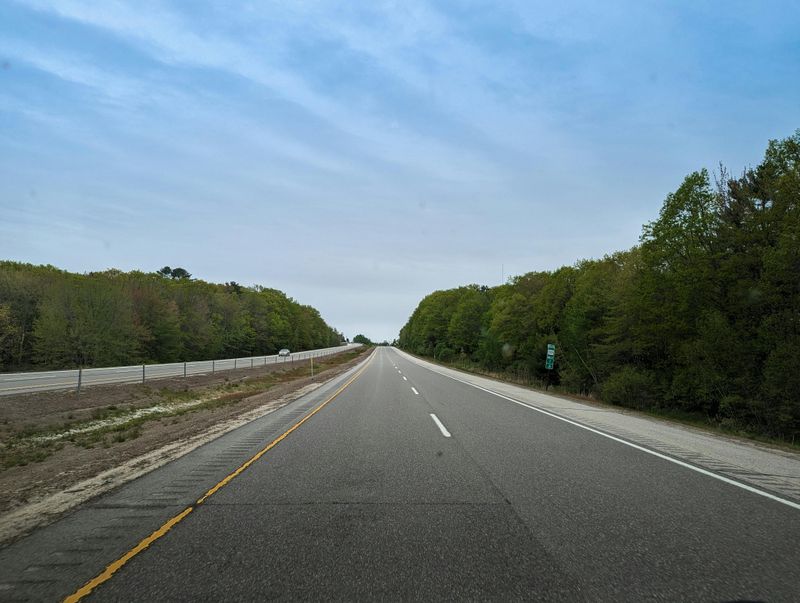
If you crossed in from a busier corridor, the change lands almost instantly, like taking off headphones you forgot you were wearing. The horizon cleans up, the treeline comes forward, and your shoulders tell you something got easier before your head catches up.
It is not a knock on anyone else, just a reminder that choices show up fast when you are rolling at highway speed.
You start grading every new stretch by how much it talks, and Maine barely raises its voice while still giving you everything you need to stay oriented. On the return trip, the chatter elsewhere feels louder than you remembered, which is funny until you realize your eyes are working harder.
The side effect is that you begin to crave the quiet, and that craving sends you back north whenever you can find the time.
The difference makes the state line feel ceremonial, like the beginning of a calmer chapter you get to reread. That is part of the pleasure here, because predictability is underrated and open views never get old.
Maine has turned a rule into a welcome mat, and the message is clear without being cute. Come see what is here, and bring your attention, because it will be well used.
How The Rule Helps Preserve Maine’s Quiet, Uncrowded Feel
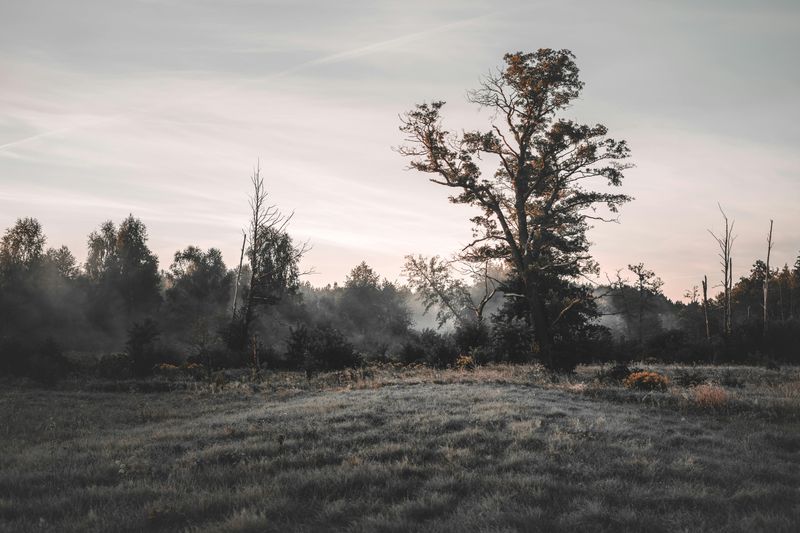
There is a reason the state still feels spacious even on days when everyone is moving, and it is not just about lanes and timing. The empty margins create an illusion of more room, and that changes how the whole drive plays in your head.
When the edges are quiet, the middle feels generous, and you find yourself lingering at overlooks or rolling with the windows cracked just to hear the trees.
This is where the policy turns into texture, because the silence outside becomes part of the story inside the car. You remember more of what you passed, since memory is not crowded out by constant persuasion, and that makes the trip feel intentional.
Maine benefits from that longer attention span, because visitors take in trails, town greens, and shorelines instead of plugging holes with distractions.
It also supports the mood that locals love, which is a kind of unflashy pride in letting things be themselves. The road does not compete with the view, and that courtesy is contagious, showing up in how people give space and time to each other.
You come for the scenery, and you leave talking about the quiet, which is exactly the feeling the rule protects. That is how a guideline becomes part of the landscape without trying to be noticed.
Why A Simple Sign Law Became Part Of The State’s Identity
Ask around and you will hear it in how people describe home, because the quiet roadside is not just a travel perk, it is a point of pride. The law is one of those choices that tells a bigger story about values, like patience, restraint, and the belief that scenery deserves the front seat.
Over time, that choice shaped how postcards look, how road trip photos feel, and how visitors talk about the place after they leave.
Identity sneaks up on you through repetition, and the drive delivers the same message every mile without sounding rehearsed. Maine is not trying to be different for the sake of it, but it is choosing its lane and staying with it even when trends tempt shortcuts.
Businesses still communicate, towns still welcome, and travelers still find their turns, but nobody is shouting over the view to do it.
When a state builds that kind of consistency, the whole experience starts to cohere in a way you can trust. You could close your eyes and describe the road shoulder, the color of the guide signs, and the way a harbor reveals itself beyond a knoll.
That is identity at work, not as a logo, but as a daily promise kept. It lives in the quiet space where the trees meet the sky.
The Road Trip Detail You Notice More With Every Mile
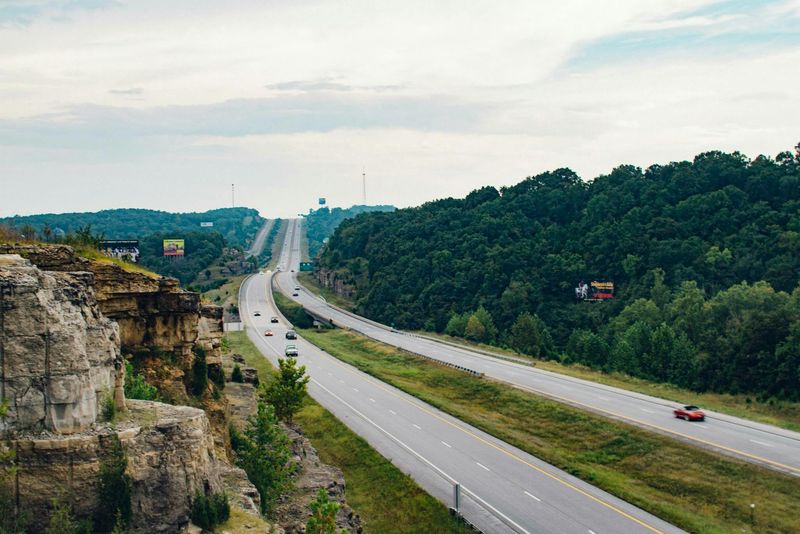
By the time you have a couple of drives under your belt, you start anticipating the clean horizon like a favorite turn of phrase. It becomes the tiny luxury you look forward to, the unbothered middle distance that keeps your eyes relaxed and your thoughts easy.
Funny how you do not miss what you used to tune out elsewhere, because silence becomes its own kind of soundtrack.
This is when the state really gets under your skin, not with a single overlook or a famous loop, but with the steady calm between destinations. You keep seeing the same kindness play out, where signs help and then hush, and the trees shoulder the rest.
Maine does not take credit for it out loud, but you feel the intention in the way each mile unspools like a measured breath.
So the detail you end up talking about is not flashy, yet it colors everything you remember from the trip. The water seemed bluer because nothing competed with it, the hills felt taller because the sky had room, and the towns read clearer without a carnival at the edge.
That is the magic of a good boundary, where less turns into more and it keeps paying off. You notice it, then you expect it, and then you count on it.
Dear Reader: This page may contain affiliate links which may earn a commission if you click through and make a purchase. Our independent journalism is not influenced by any advertiser or commercial initiative unless it is clearly marked as sponsored content. As travel products change, please be sure to reconfirm all details and stay up to date with current events to ensure a safe and successful trip.
