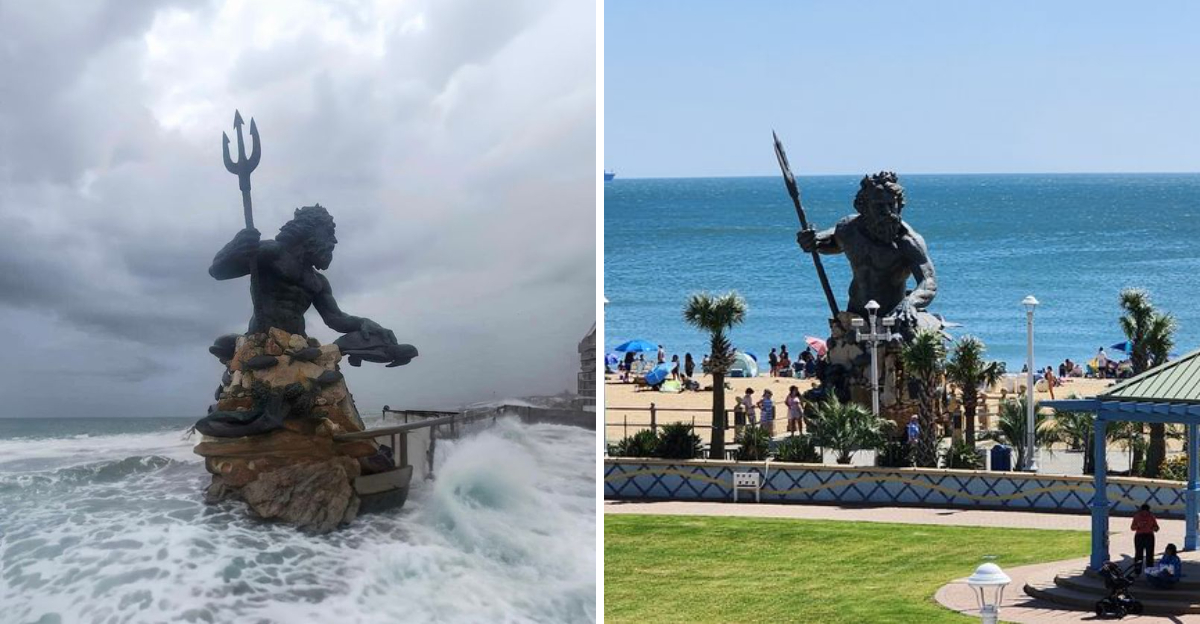
Standing tall on the Virginia Beach Boardwalk, a bronze giant commands the Atlantic with a trident in hand and the ocean at his back. This is King Neptune, Virginia Beach’s most iconic landmark, and trust me, no photo album from this stretch of coast is complete without him.
At 34 feet of pure mythological majesty, this sculpture turns every snapshot into a postcard-worthy moment. Locals love him, first-timers are floored by him, and the Atlantic seems to roar its approval every single time the sea breeze rolls in.
The Bronze Giant That Rules the Boardwalk
Some statues politely stand in a corner. King Neptune absolutely does not.
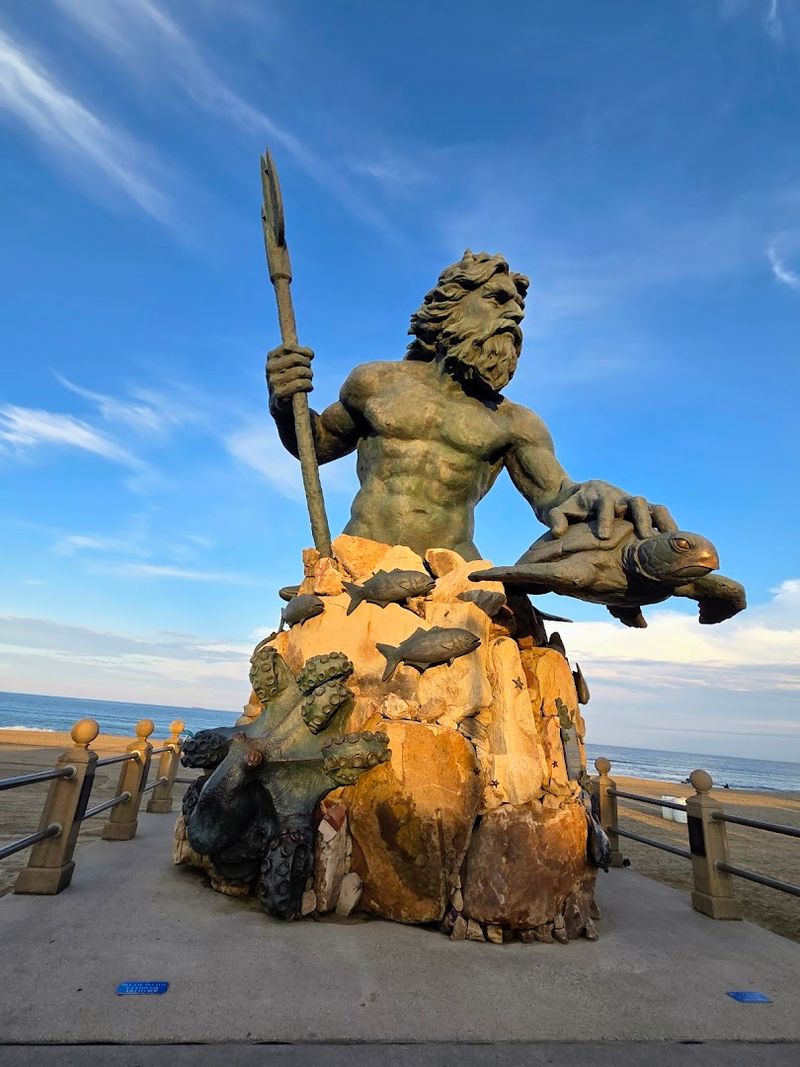
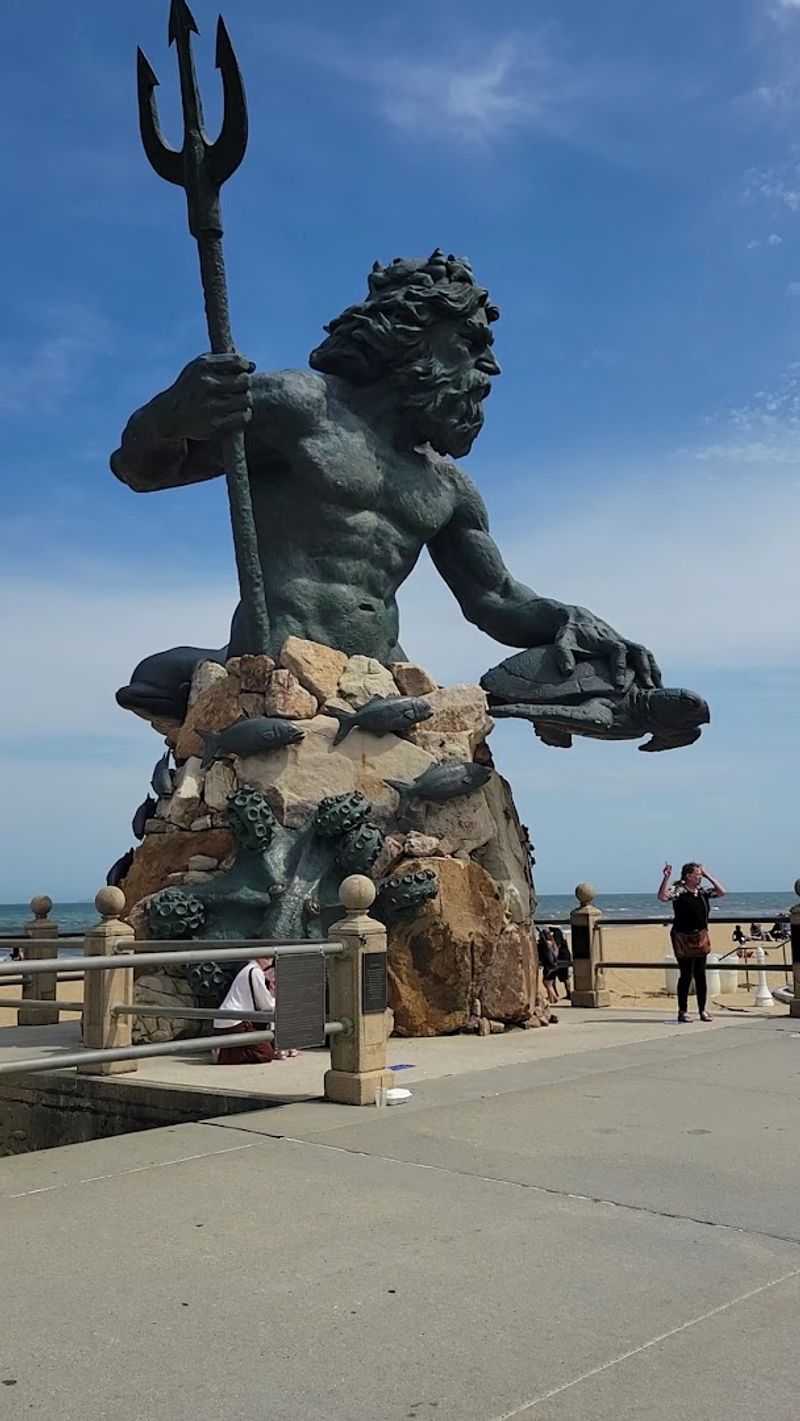
Rising a jaw-dropping 34 feet above the Virginia Beach Boardwalk, this bronze titan grabs your attention before you even realize you’ve stopped walking. Sculptor Paul DiPasquale poured extraordinary detail into every inch of this figure, and the result is nothing short of breathtaking.
The statue depicts Neptune, the Roman god of the sea, gripping a massive trident in his right hand with the kind of authority that makes ocean storms seem like minor inconveniences. His left hand rests on a loggerhead sea turtle, a nod to the coastal wildlife that calls Virginia home.
Standing at the base, you feel genuinely small, which is entirely the point. The scale is intentional, dramatic, and perfectly suited for a landmark that anchors one of the most popular boardwalks on the entire East Coast.
Morning light catches the bronze in golden tones, while sunset wraps the whole scene in warm amber. Every angle delivers a different mood.
Photographers, casual tourists, and longtime Virginia Beach fans all agree: this statue is pure visual gold from every direction you approach it.
Paul DiPasquale’s Masterpiece Up Close
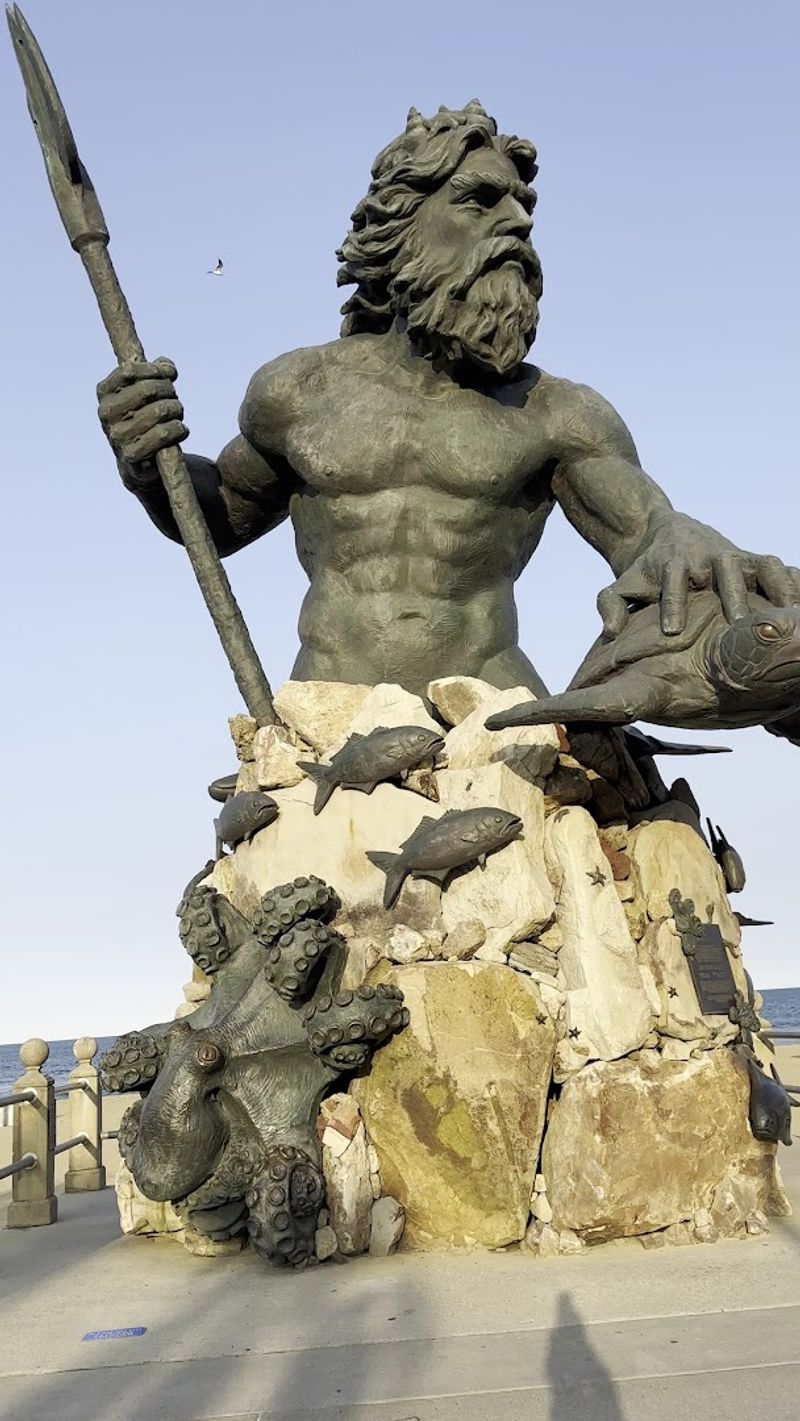
Once you stop staring at the full statue and actually crouch down to study the base, a whole underwater world opens up. Paul DiPasquale packed the 12-foot rock base with an astonishing cast of sea creatures that most people walk right past without noticing.
Two dolphins leap mid-splash, an octopus coils dramatically, and fish dart between rocky crevices.
DiPasquale, a Richmond-based sculptor with a serious talent for breathing life into bronze, spent considerable time researching both the mythology and the marine biology behind each element. The result feels less like a public art installation and more like a freeze-frame of the ocean floor suddenly lifted onto the boardwalk.
Up close, the texture of Neptune’s beard, the scales on the sea creatures, and the rough surface of the rock base reveal a level of craftsmanship that rewards patience. Most people snap a quick photo and move on.
The ones who linger, tilting their heads and tracing the details with their eyes, walk away with something much richer. Virginia Beach gave this city a landmark that genuinely earns every second of your attention, and DiPasquale delivered far beyond what a public commission typically demands.
Neptune Park: The Stage That Sets the Scene
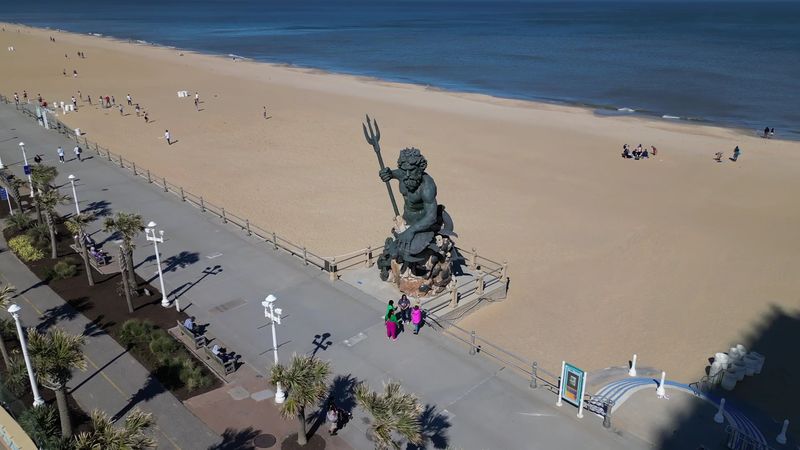
The statue does not exist in isolation. Neptune Park, the open plaza surrounding the sculpture at 31st Street, serves as a natural gathering point along the Virginia Beach Boardwalk that pulses with energy throughout the year.
The layout is clever: wide enough to accommodate crowds, intimate enough to feel personal.
Benches ring the perimeter, the ocean stretches out just beyond the sand, and the boardwalk hums with cyclists, joggers, and strollers in every direction. On weekends, the park transforms into a festival hub, hosting live performances, art shows, and seasonal celebrations that draw the entire Virginia Beach community together.
The Neptune Festival Boardwalk Weekend, held annually in late September, turns this park into a full-blown cultural celebration. Sand sculpting competitions, live music stages, and art exhibitions fill the surrounding space with color and noise.
Even on a quiet Tuesday morning in the off-season, the park retains a magnetic quality. The combination of public art, open sky, salt air, and Atlantic views creates an atmosphere that no indoor venue can replicate.
Virginia has countless beautiful spots, but Neptune Park earns its reputation as one of the most effortlessly enjoyable public spaces on the entire East Coast.
The Neptune Festival: A Coastal Celebration Worth Planning Around
Mark your calendar in bold, because the Neptune Festival Boardwalk Weekend is the kind of event that makes you rearrange your entire autumn schedule. Held each September in Virginia Beach, this multi-day festival transforms the boardwalk and beach into a sprawling outdoor showcase of art, music, and coastal culture.
The sand sculpting competition alone is worth the trip. Professional sculptors from across the country descend on the beach and carve impossibly detailed masterpieces from nothing but sand and seawater.
The results are genuinely stunning, the kind of temporary art that makes you wish you could freeze time.
The festival was originally created to extend the summer tourism season in Virginia, but it has long since outgrown that practical origin. It now stands as one of the region’s most beloved annual traditions, drawing enormous crowds who come specifically for the combination of beach, boardwalk, and big bronze Neptune presiding over the whole affair.
The statue itself was unveiled during the Neptune Festival in September 2005, making the annual event feel even more connected to the landmark’s identity. If your visit happens to align with festival weekend, you will absolutely not regret it.
Golden Hour Photography at the Statue
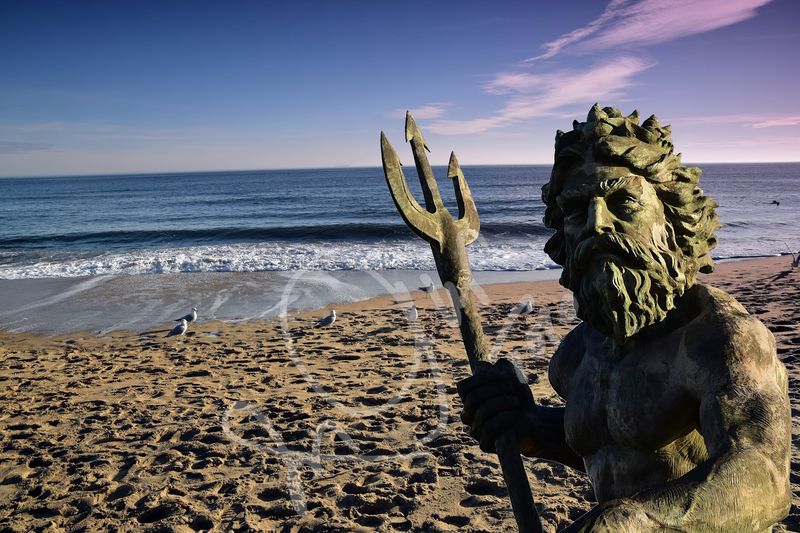
Photographers, both professional and phone-wielding amateurs, have a not-so-secret obsession with King Neptune at sunset. The way the late afternoon light hits the bronze surface transforms the statue from impressive to absolutely cinematic.
Golden hour here is not just good, it is genuinely spectacular.
The west-facing angle of the boardwalk means the setting sun paints the sky behind Neptune in layers of orange, pink, and deep violet. The ocean reflects those colors back, and suddenly you are standing inside what looks like a painting.
Getting the shot requires nothing more than showing up with your camera and waiting for the light to do its thing.
Sunrise works beautifully too, especially for early risers who want the statue without the crowds. The soft morning light brings out cooler tones in the bronze and gives the whole scene a peaceful, almost meditative quality.
The statue is accessible around the clock, every single day of the year, which means your ideal lighting conditions are always within reach. Virginia Beach sunsets are legendary along the Atlantic coast, and having King Neptune in the foreground takes an already gorgeous view and turns it into something truly unforgettable.
The Mythology Behind the Man With the Trident
Neptune was the Roman god of the sea, earthquakes, and horses, a combination that sounds random until you learn how deeply the ancient Romans connected water, land, and movement. His Greek counterpart, Poseidon, carried the same trident and the same stormy temperament.
Placing a statue of Neptune at the edge of the Atlantic is not just decorative, it is genuinely symbolic.
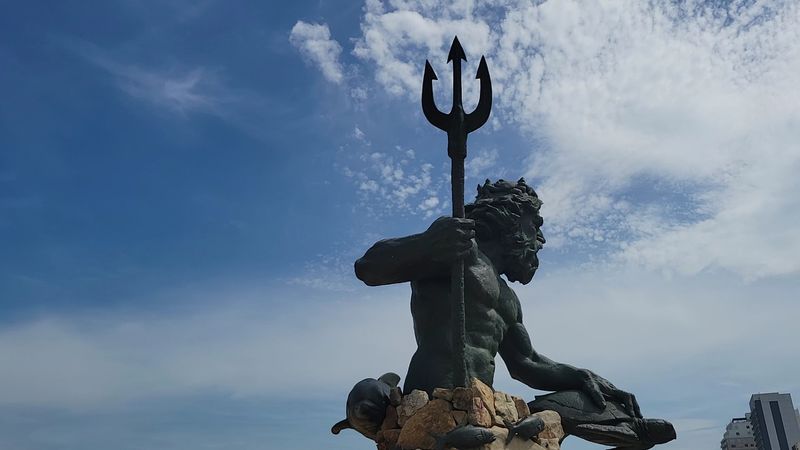
The trident he holds was traditionally used to stir up storms, calm the seas, and shatter rock. In Virginia Beach, it points skyward like a declaration: this ocean has a ruler, and he is watching.
The loggerhead sea turtle beneath his left hand adds a distinctly local layer to the universal mythology, connecting ancient symbolism to the very real marine life that inhabits these Virginia waters.
Understanding the mythology makes the statue richer. Neptune was not a gentle deity, he was powerful, unpredictable, and deeply respected by ancient seafarers who depended on his favor for safe passage.
That history gives the Virginia Beach landmark a weight that goes beyond public art. Standing before it, knowing what Neptune represented to civilizations that lived and died by the sea, you feel the full gravity of what this sculpture is actually saying.
The Virginia Beach Boardwalk Experience Around the Statue
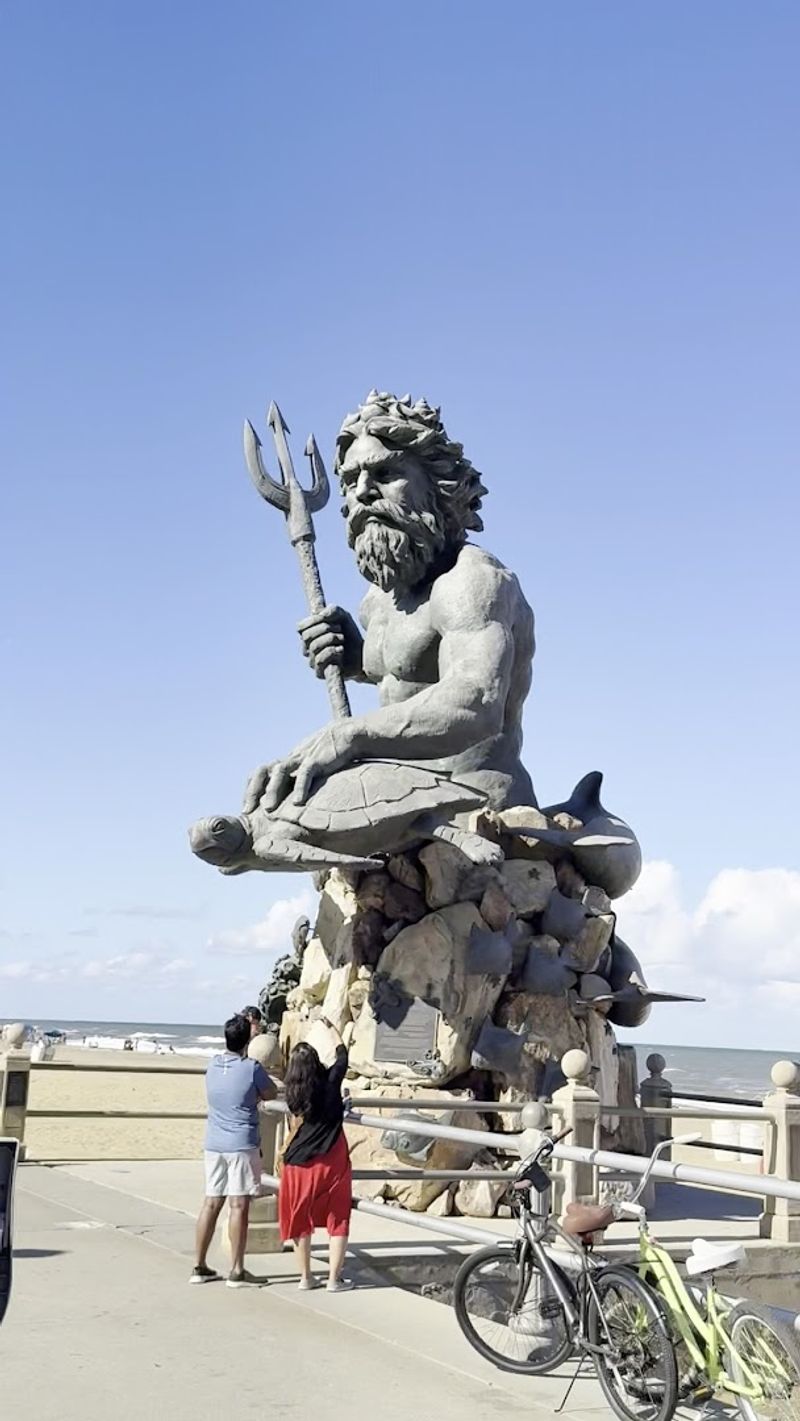
The boardwalk surrounding King Neptune is one of the finest stretches of coastal promenade in all of Virginia. Paved, wide, and running parallel to miles of sandy beach, it invites every kind of movement: jogging, cycling, leisurely strolling, or simply sitting on a bench and watching the Atlantic roll in.
The area around 31st Street, where the statue stands, sits at a particularly lively section of the boardwalk. Restaurants, shops, and hotels line the inland side while the beach sprawls endlessly to the east.
The energy shifts throughout the day, from quiet morning walks with coffee in hand to bustling afternoon crowds filling the sand.
Cycling the boardwalk is a local tradition worth embracing. Rental bikes are available nearby, and the flat, smooth path makes for an effortless ride with ocean views the entire way.
Walking south from the statue, you pass a parade of Virginia Beach landmarks, murals, and beachfront access points that keep the experience fresh around every bend. The boardwalk is the connective tissue of this entire coastal community, and King Neptune sits right at its beating heart, giving every stroll a destination worth working toward.
A 20th Anniversary Worth Celebrating
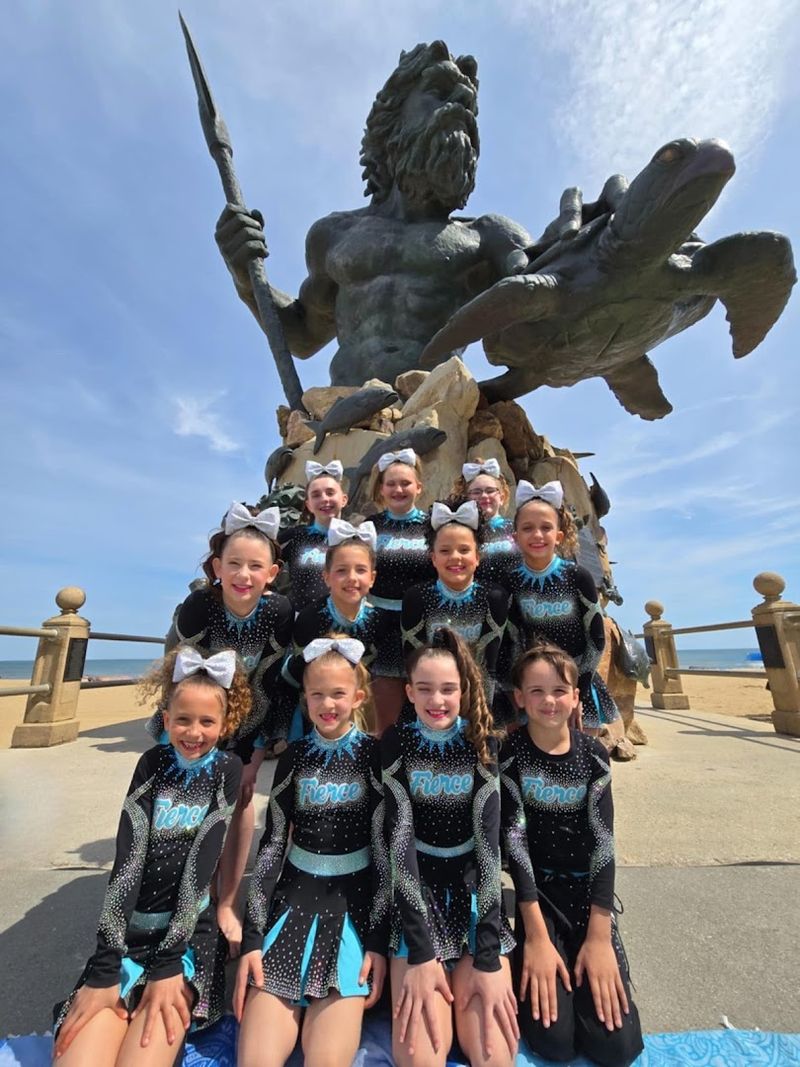
In 2025, the King Neptune statue marked its 20th anniversary, and Virginia Beach celebrated in style. The Neptune Festival launched a photo campaign encouraging locals and out-of-towners alike to share selfies with the statue, flooding social media with images of the beloved bronze figure from every conceivable angle and in every kind of light.
Two decades of standing at the edge of the Atlantic have done nothing to diminish the statue’s power. If anything, the anniversary coverage reminded a whole new generation of Virginia Beach fans that this landmark is more than a photo backdrop.
It is a genuine piece of the city’s cultural identity, as inseparable from Virginia Beach as the ocean itself.
The anniversary also sparked renewed interest in the story behind the statue’s creation, its unveiling during the Neptune Festival in September 2005, and the artistic vision Paul DiPasquale brought to the project. Local media covered the milestone extensively, and the resulting attention brought fresh foot traffic to Neptune Park throughout the year.
Virginia Beach has a talent for honoring its landmarks with genuine enthusiasm, and the 20th anniversary celebration proved that King Neptune’s place in the city’s heart is absolutely permanent.
Off-Season Magic at Neptune Park
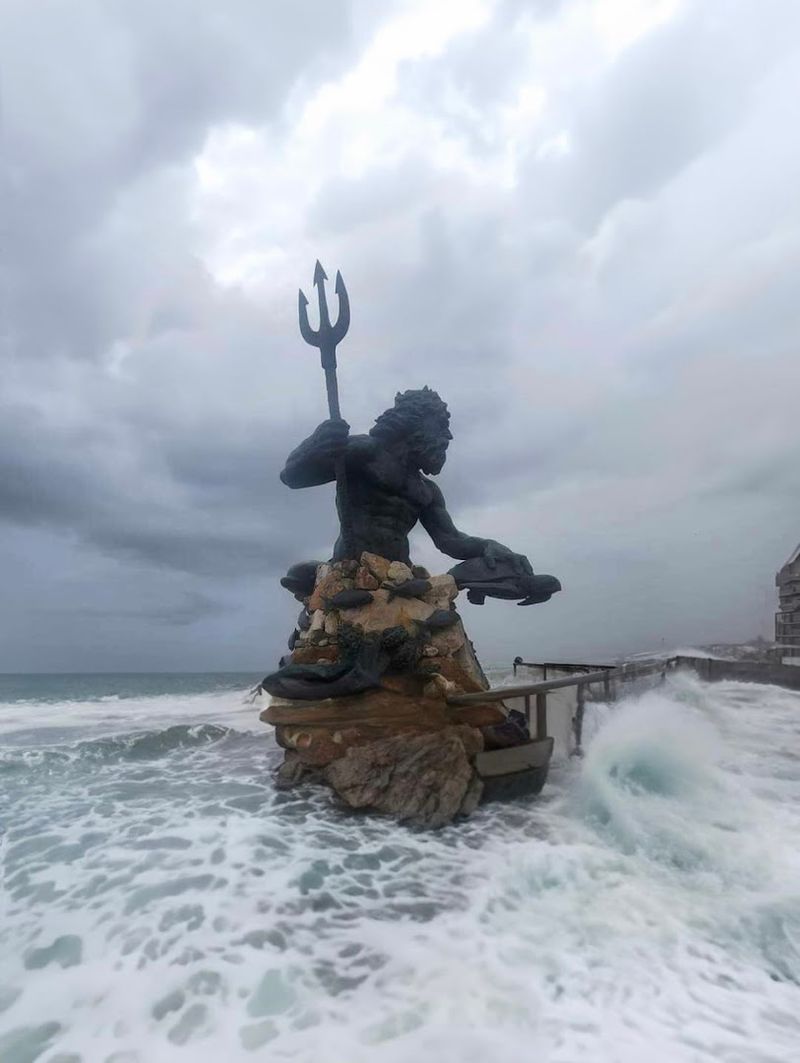
Most people assume Virginia Beach is strictly a summer destination. Those people are missing out on something genuinely special.
The off-season, roughly October through April, strips away the crowds and reveals a quieter, more contemplative version of the boardwalk that has its own distinct appeal.
On a cool November morning, with the Atlantic grey and restless and the boardwalk nearly empty, King Neptune takes on a completely different character. The statue feels more monumental somehow, more ancient, more connected to the mythology it represents.
There are no lines for photos, no competition for the perfect angle, just you and a 34-foot bronze god staring each other down.
Parking is dramatically easier in the off-season, often free on nearby streets, which removes one of the main frustrations of a summer boardwalk visit. The surrounding restaurants and shops maintain their hours through most of the cooler months, so the experience remains full and satisfying without the peak-season chaos.
Virginia rewards the travelers who venture beyond the obvious summer window, and Neptune Park in the off-season is one of those rewards that feels like a personal discovery every single time. Come in February, come in March.
King Neptune will absolutely be there waiting.
Plan Your Visit: Getting There and What to Expect
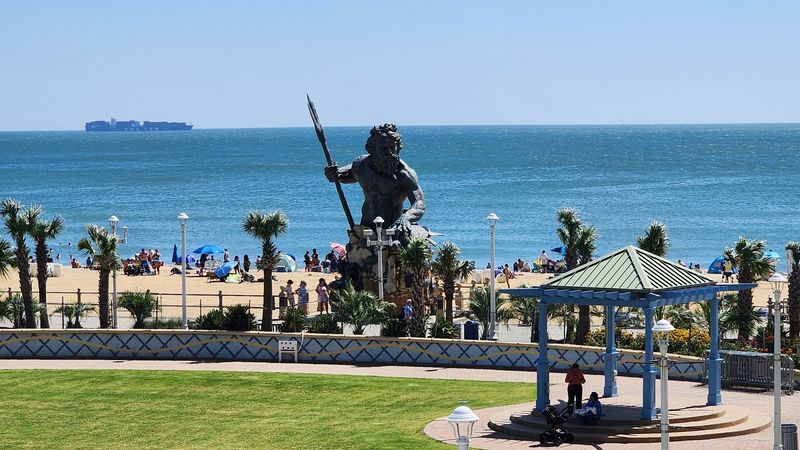
Getting to King Neptune is refreshingly straightforward. The statue stands at Neptune Park on the Virginia Beach Boardwalk, at the intersection of Atlantic Avenue and 31st Street.
The address is 3101 Atlantic Ave, Virginia Beach, VA 23451, and the park is open around the clock, every day of the year, completely free of charge.
Parking along Atlantic Avenue fills quickly during summer weekends, so arriving early or visiting on a weekday makes the experience considerably smoother. The surrounding area is extremely walkable, with the boardwalk itself stretching for miles in both directions and offering plenty to explore before or after your time at the statue.
Bringing a wide-angle lens or using your phone’s panoramic mode captures the full scale of the statue alongside the Atlantic backdrop. The base details reward close inspection, so budget extra time to circle the sculpture completely rather than just snapping a quick front-facing shot.
Virginia Beach is easily accessible from major East Coast cities, making it a practical day trip or weekend destination for much of the mid-Atlantic region. Pack comfortable shoes, charge your camera, and let King Neptune do what he does best: make everyone who stands before him feel the full, magnificent weight of the sea.
Dear Reader: This page may contain affiliate links which may earn a commission if you click through and make a purchase. Our independent journalism is not influenced by any advertiser or commercial initiative unless it is clearly marked as sponsored content. As travel products change, please be sure to reconfirm all details and stay up to date with current events to ensure a safe and successful trip.
