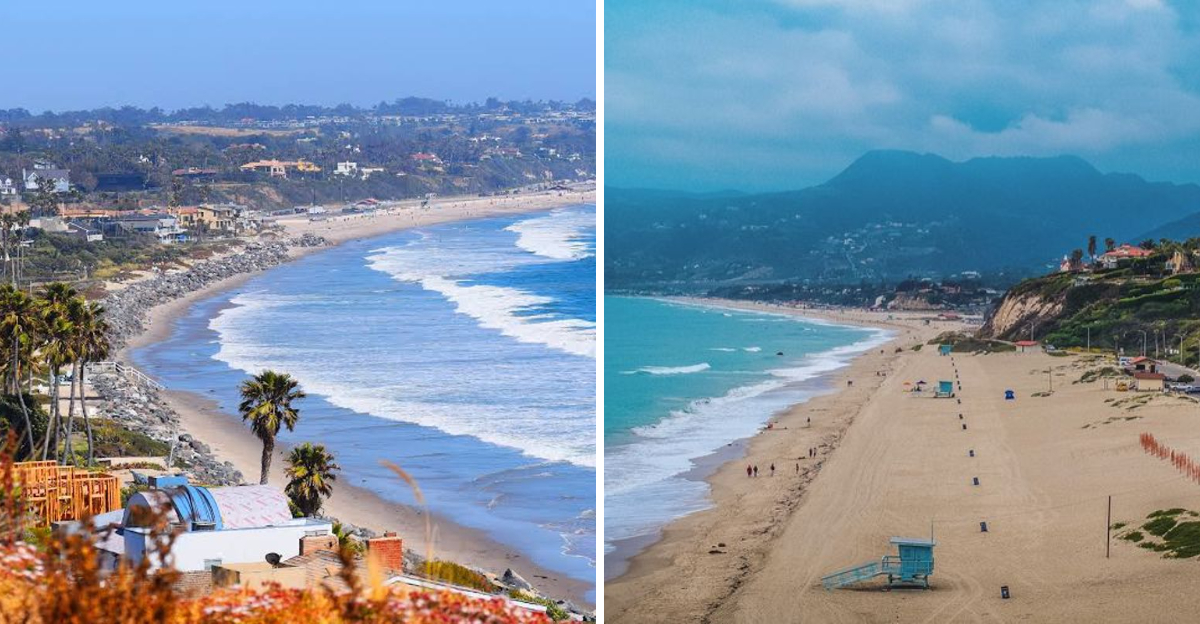
Malibu Beach draws millions of visitors every year who come to experience its stunning coastline, celebrity culture, and world-class surfing spots.
This famous stretch of California shoreline has become one of the most recognizable beach destinations in the United States.
While tourism brings economic benefits and global attention, it also creates significant challenges for the people who call Malibu home.
The relationship between local residents and the constant flow of tourists reveals important lessons about how popular destinations manage growth and preserve community character.
Understanding these impacts helps us appreciate the delicate balance between welcoming visitors and protecting the quality of life for those who live in these sought-after locations.
Malibu’s experience offers valuable insights into the broader conversation about sustainable tourism and community preservation in beautiful coastal areas.
Traffic Congestion Along Pacific Coast Highway Disrupts Daily Routines
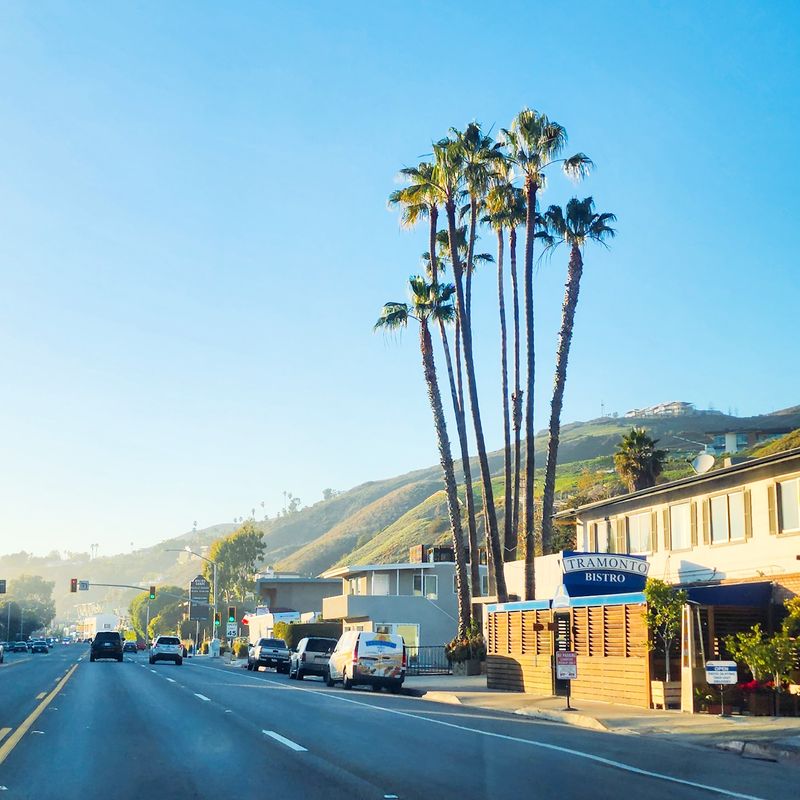
Pacific Coast Highway transforms into a slow-moving parking lot during peak tourist seasons, creating frustration for residents who need to navigate the iconic roadway for basic errands and work commutes.
What locals can complete in fifteen minutes during off-season stretches into hour-long ordeals when summer visitors pack the two-lane highway.
Emergency services face challenges responding quickly to calls when traffic backs up for miles in both directions.
Residents have adapted their schedules around tourist patterns, shopping early in the morning before crowds arrive or running errands on weekdays when visitor numbers drop slightly.
Many locals avoid Pacific Coast Highway altogether during weekends and holidays, taking longer inland routes to reach destinations.
The constant gridlock has changed how Malibu residents plan their days and interact with their own community.
Local businesses experience mixed feelings about the traffic situation since tourists bring revenue but deterred locals mean lost repeat customers.
Restaurant owners along the highway report that regular patrons sometimes skip visits during busy months rather than battle the congestion.
Real estate agents note that some potential buyers reconsider purchasing homes in Malibu after experiencing the traffic firsthand during property viewings.
City officials have explored various solutions including traffic management systems, encouraging public transportation, and promoting off-peak visiting times.
Despite these efforts, the fundamental challenge remains that a narrow coastal highway designed decades ago now serves as the primary access point for millions of annual visitors.
The traffic issue exemplifies how infrastructure built for a small beach community struggles to accommodate modern tourism levels without massive reconstruction that would disrupt the very character that attracts visitors in the first place.
Parking Shortages Force Residents to Compete for Spaces Near Their Own Homes
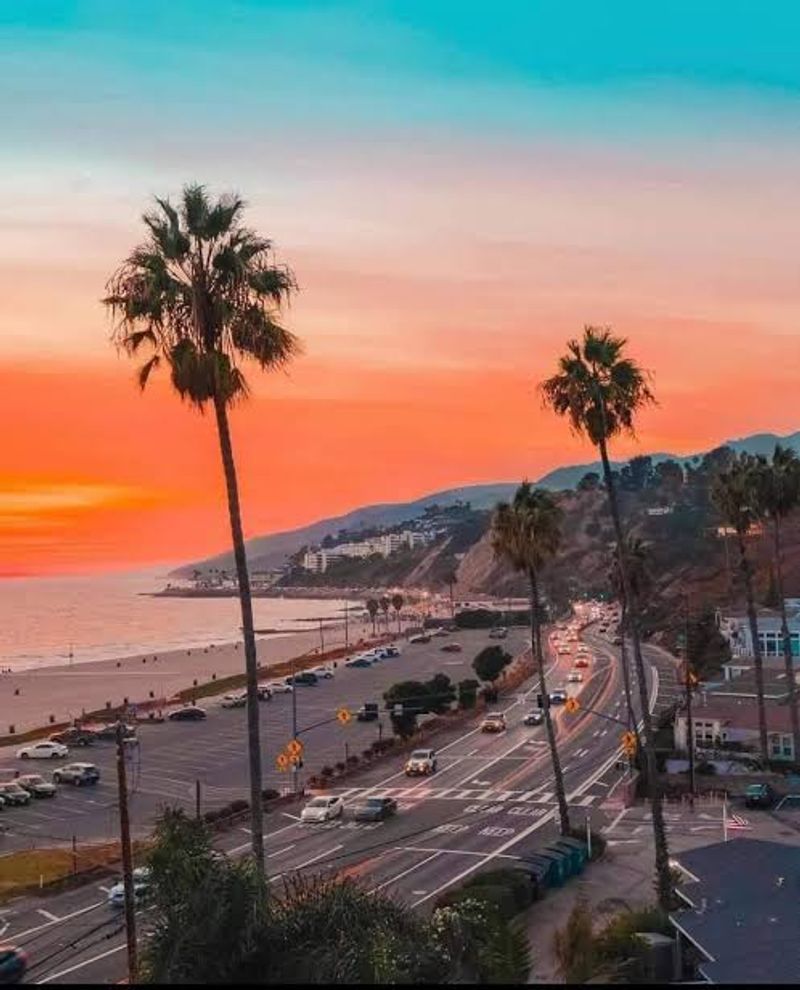
Finding a parking spot near popular Malibu beaches has become a competitive sport where residents often lose to tourists willing to circle neighborhoods for hours.
Limited public parking lots fill by mid-morning on weekends, sending overflow visitors into residential streets where they occupy spaces locals depend on for their vehicles.
Some homeowners report returning from grocery shopping to find no available parking within several blocks of their residences.
The parking crisis has sparked tension between residents and visitors, with some locals feeling their neighborhoods have become extensions of beach parking facilities.
Homeowners have installed private gates, posted no-parking signs, and even hired security to prevent tourists from blocking driveways or using private property as turnaround spots.
These measures create an unwelcoming atmosphere that conflicts with Malibu’s traditionally relaxed beach culture.
City regulations have attempted to address the problem through permit parking zones in residential areas, but enforcement remains challenging given the sprawling geography and limited code enforcement staff.
Tourists unfamiliar with parking rules accumulate tickets, leading to complaints and negative reviews that paint Malibu as unfriendly to visitors.
Meanwhile, residents argue that stricter enforcement and expanded public parking facilities are necessary to restore livability to their neighborhoods.
The economic impact extends beyond convenience, as some residents have considered selling their homes partly due to parking frustrations.
Property values near popular beaches remain high, but the daily hassle of competing for parking diminishes the quality of life that originally attracted people to coastal living.
This situation demonstrates how inadequate infrastructure planning for tourism growth can erode the residential experience in desirable locations, creating conflict between economic benefits and community wellbeing.
Rising Property Values and Rental Costs Price Out Long-Time Community Members
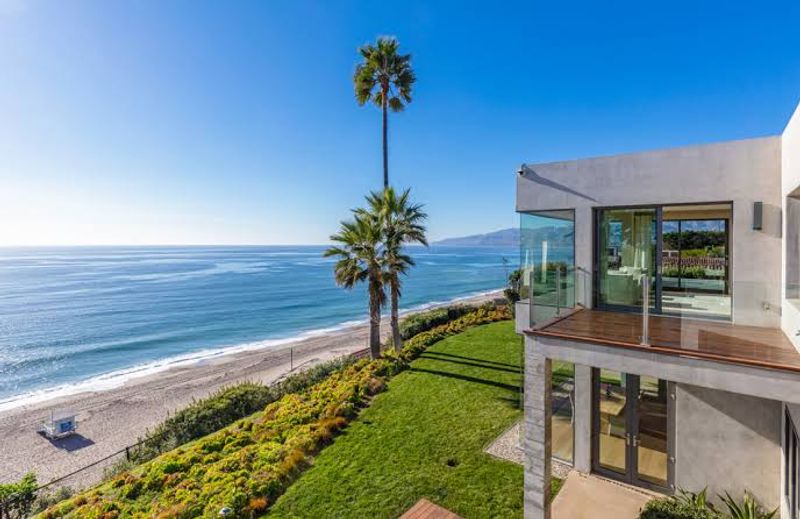
Malibu’s global fame as a tourist destination and celebrity enclave has driven property values to levels that make homeownership impossible for many families who have lived in the area for generations.
Teachers, firefighters, and service workers who form the backbone of the local community increasingly cannot afford to live where they work.
The median home price has climbed well beyond seven figures, transforming Malibu from a diverse beach community into an exclusive playground for the wealthy.
Rental properties have shifted focus from long-term residential leases to lucrative short-term vacation rentals that generate significantly higher income for property owners.
A house that might rent for five thousand dollars monthly to a local family can earn that amount in a single weekend from tourists during peak season.
This economic reality has prompted many landlords to convert traditional rentals into vacation properties, shrinking the available housing stock for residents.
Families with multi-generational roots in Malibu have been forced to relocate to more affordable communities inland, breaking connections to schools, friends, and the coastal lifestyle they’ve always known.
Local employees now face lengthy commutes from distant neighborhoods, adding transportation costs and time to their daily routines.
The demographic shift has altered the community’s character, replacing year-round residents who participated in civic life with a rotating population of short-term visitors.
City officials have debated regulations limiting vacation rentals and requiring affordable housing components in new developments, but legal challenges and property rights concerns complicate implementation.
The displacement of working-class and middle-income residents represents a common pattern in tourist-heavy destinations where market forces favor wealth concentration.
Malibu’s transformation illustrates how tourism success can fundamentally reshape who gets to live in a place, sometimes erasing the authentic community character that made the destination appealing originally.
Environmental Strain on Beaches and Coastal Ecosystems From Visitor Volume
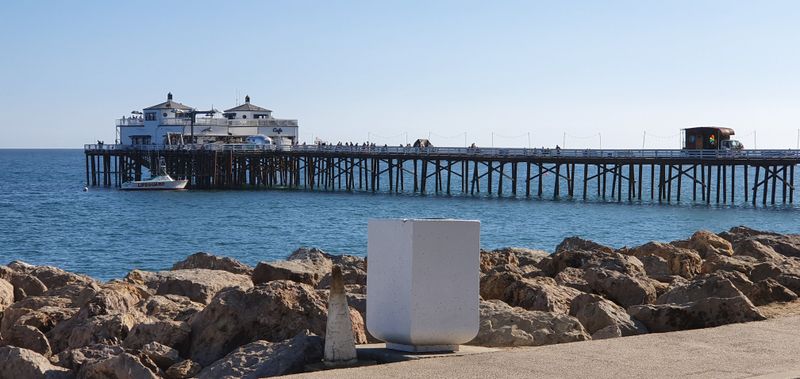
Millions of annual visitors leave their mark on Malibu’s delicate coastal ecosystems through trampled vegetation, disturbed wildlife habitats, and massive amounts of trash that accumulate despite cleanup efforts.
Popular beaches like Zuma and Surfrider experience erosion patterns accelerated by constant foot traffic that compacts sand and destroys natural dune formations that protect against storm surge.
Marine biologists have documented changes in tide pool ecosystems where curious tourists frequently handle sea creatures and disturb rocky habitat structures.
Litter remains a persistent problem despite trash receptacles and volunteer cleanup programs, with plastic bottles, food wrappers, and cigarette butts washing into the ocean and harming marine life.
Sea birds and marine mammals sometimes ingest plastic debris or become entangled in discarded fishing line and beach toys left behind by careless visitors.
The cumulative environmental impact extends beyond visible trash to include sunscreen chemicals that damage coral reefs and increased bacterial levels in ocean water from runoff and waste.
Local conservation groups have organized regular beach cleanups and educational programs to raise awareness about protecting coastal environments, but the sheer volume of visitors makes maintaining pristine conditions nearly impossible.
Residents who remember cleaner, less crowded beaches from decades past feel frustrated watching environmental degradation occur despite their stewardship efforts.
Some native plant species have disappeared from areas that once supported diverse coastal vegetation, replaced by trampled dirt paths and invasive species that thrive in disturbed habitats.
City and state agencies have implemented measures including restricted access to sensitive areas, increased ranger patrols, and educational signage about environmental protection, yet enforcement challenges persist.
The environmental toll of heavy tourism raises questions about carrying capacity and whether popular destinations should limit visitor numbers to protect natural resources.
Malibu’s ecological struggles demonstrate that even well-intentioned tourists collectively create significant environmental impacts that threaten the very natural beauty that attracts them to these special places.
Strain on Public Services and Infrastructure Beyond Original Design Capacity
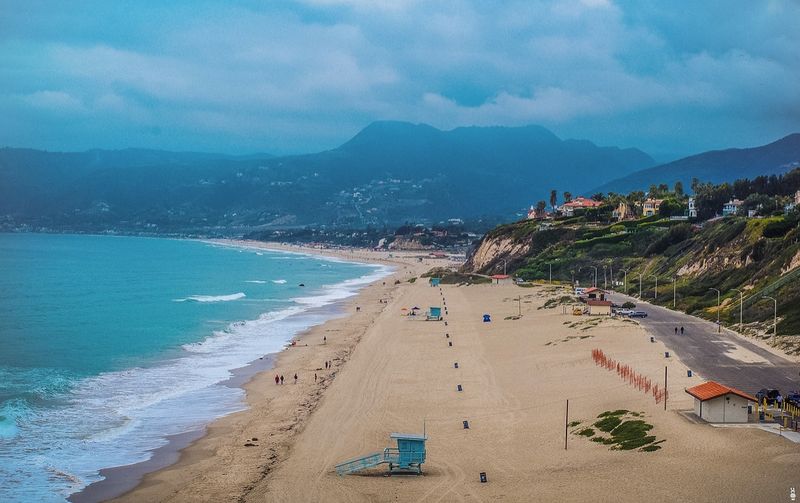
Malibu’s public services system was designed for a small residential population, not the millions of annual visitors who now utilize restrooms, lifeguards, law enforcement, and emergency medical services.
Public restroom facilities at beach access points experience constant use that leads to maintenance challenges, sanitation issues, and frequent closures for repairs.
Lines for bathrooms can stretch dozens of people long during peak summer weekends, creating uncomfortable situations for families with young children.
Lifeguard services face increased demands as more swimmers, surfers, and water sport enthusiasts enter the ocean, sometimes with limited experience in handling strong currents and rip tides common along the Malibu coast.
Rescue operations consume resources and put lifeguard staff at risk when inexperienced visitors ignore warning flags and safety guidelines.
The ratio of lifeguards to beachgoers becomes dangerously low during crowded periods, compromising safety for everyone in the water.
Law enforcement handles increased calls related to parking disputes, public intoxication, theft from vehicles, and occasional conflicts between visitors and residents.
The small sheriff’s station serving Malibu was not staffed or equipped to manage the volume of incidents that occur during tourist season.
Emergency medical services face access challenges when traffic congestion delays ambulance response times to accidents and medical emergencies throughout the coastal area.
Water and sewer systems experience stress from the additional usage, particularly in older infrastructure not designed for current population levels.
City budgets struggle to balance the costs of maintaining and upgrading public services against revenue generated from tourism-related taxes and fees.
Residents effectively subsidize services for visitors through their tax dollars while experiencing diminished service quality due to overtaxed systems.
This infrastructure strain illustrates a common challenge for tourist destinations where visitor volume far exceeds the permanent population, creating financial and operational pressures on local government resources.
Changes to Local Business Character Favoring Tourist-Oriented Establishments
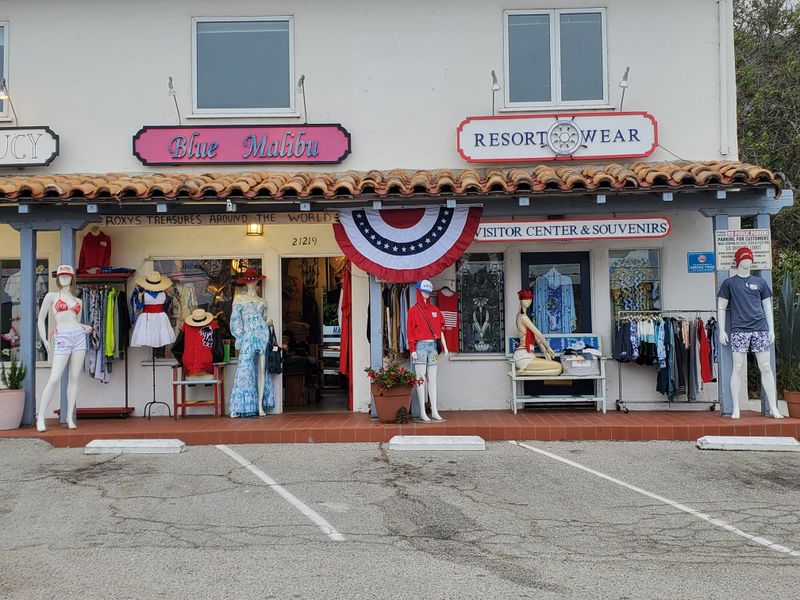
Traditional businesses that served Malibu residents for decades have gradually been replaced by tourist-oriented shops, restaurants, and services that cater to visitors rather than local needs.
The neighborhood hardware store closed after the building owner tripled rent to lease the space to a beachwear boutique charging premium prices for swimsuits and souvenirs.
Longtime family restaurants serving affordable meals have given way to trendy establishments with Instagram-worthy presentations and prices that locals find prohibitive for regular dining.
Grocery stores and pharmacies that once anchored shopping centers now share space with surf shops, art galleries featuring expensive coastal paintings, and cafes serving twenty-dollar smoothie bowls.
While these businesses contribute to the local economy, residents must travel farther for basic necessities as everyday services relocate to more affordable areas.
The transformation has created a downtown area that feels designed for visitors rather than the people who live there year-round.
Small business owners face difficult decisions between adapting their offerings to tourist preferences or maintaining their traditional customer base while struggling with rising commercial rents.
Some establishments have found success serving both markets, but many feel pressure to prioritize tourists who spend more per visit even if locals provide steady year-round business.
The shift has altered the community’s social fabric as gathering places where residents knew each other disappear in favor of transient retail experiences.
Commercial property owners naturally seek maximum returns on their investments, which often means leasing to businesses that can afford tourist-area rents by charging premium prices.
This economic reality has accelerated the transformation of Malibu’s business district from a functional town center into a curated tourist experience.
Residents mourn the loss of authentic local character while acknowledging that economic forces make these changes nearly inevitable in popular destinations.
The business transformation demonstrates how tourism can reshape not just the physical landscape but the entire commercial ecosystem of a community.
Loss of Community Privacy and Quiet Enjoyment of Public Spaces
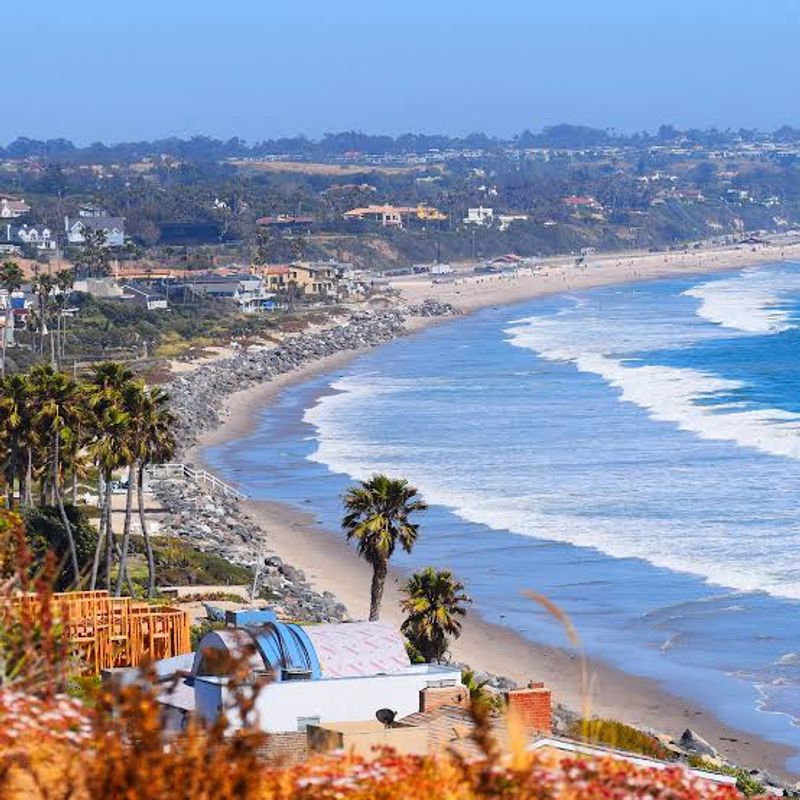
Residents once enjoyed peaceful morning walks on beaches that now fill with tourists before sunrise, eliminating the quiet solitude that locals treasured as part of their coastal lifestyle.
Popular surf breaks where local surfers have gathered for decades now see crowded lineups with visiting surfers unfamiliar with local etiquette and wave priority customs.
The constant presence of strangers photographing every scenic vista makes residents feel like they’re living in a theme park rather than a residential community.
Neighborhoods near beach access points experience steady streams of pedestrians peering into yards, taking photos of homes, and sometimes trespassing on private property for better ocean views.
Celebrity home tours bring busloads of tourists through residential streets, with guides pointing out houses and sharing gossip about famous residents.
This invasion of privacy has prompted some homeowners to install tall fences and security systems, creating a fortress mentality that conflicts with the open, relaxed atmosphere that traditionally characterized beach communities.
Noise levels have increased significantly with crowds of visitors, music from beach parties, and traffic sounds replacing the natural soundtrack of waves and seabirds.
Residents near popular beaches report difficulty sleeping during summer months when parties and gatherings continue late into the night.
The loss of tranquility represents an intangible but significant quality-of-life issue for people who chose coastal living partly for its peaceful environment.
Public spaces like parks and scenic overlooks that locals once used for quiet reflection or family picnics now require arriving early to claim spots before tourist crowds arrive.
The constant need to compete for access to public amenities in their own community creates resentment and a sense that residents have become secondary to tourism priorities.
Some longtime Malibu residents describe feeling like strangers in their own town, displaced by the very popularity that has made their community famous.
This erosion of community space and privacy illustrates how tourism success can fundamentally alter the lived experience of residents in desirable destinations.
Dear Reader: This page may contain affiliate links which may earn a commission if you click through and make a purchase. Our independent journalism is not influenced by any advertiser or commercial initiative unless it is clearly marked as sponsored content. As travel products change, please be sure to reconfirm all details and stay up to date with current events to ensure a safe and successful trip.
