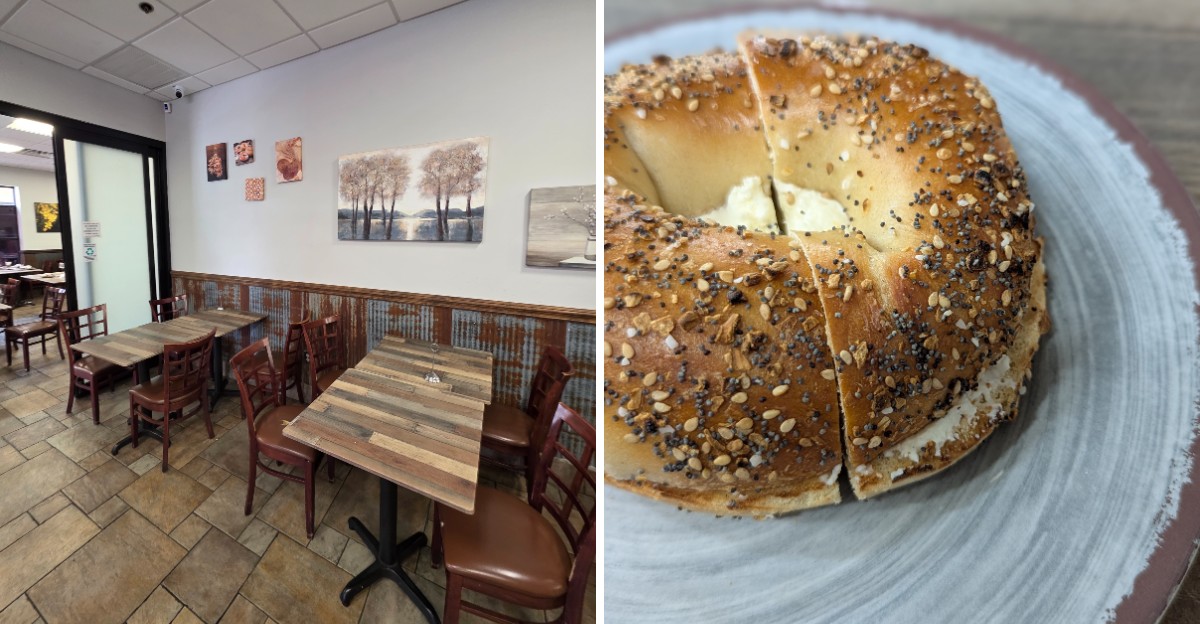
A real bagel is not just bread with a hole. It is boiled before it is baked, a step that gives it that signature chew and shine.
This Maryland shop does it the right way, making every bagel from scratch and sticking to the traditional process. The result is a bagel that holds up to cream cheese, stands on its own with butter, and tastes like it came from a proper deli.
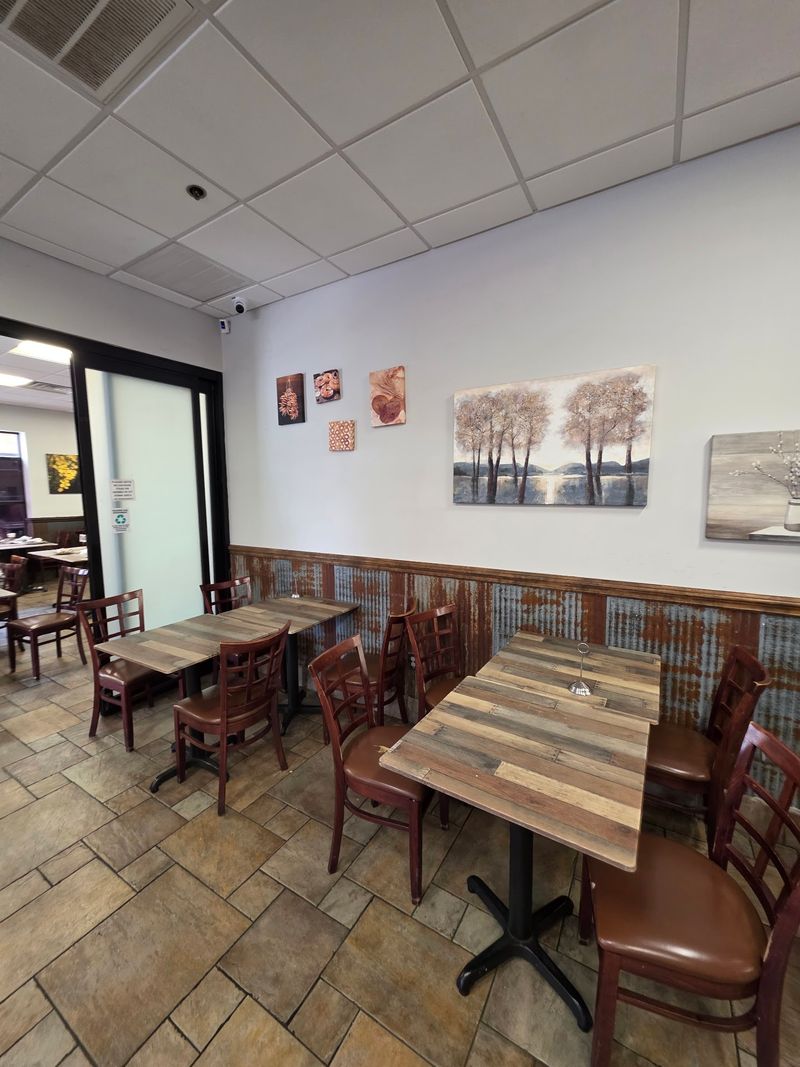
The shop itself is simple, focused on the product rather than the decor. You can watch the process, grab a fresh one, and understand why locals line up on weekend mornings.
Visitors often leave with a half dozen. A reminder that some methods are worth preserving.
The kind of bagel that makes the extra step taste obvious.
A Family Recipe With Old World Roots
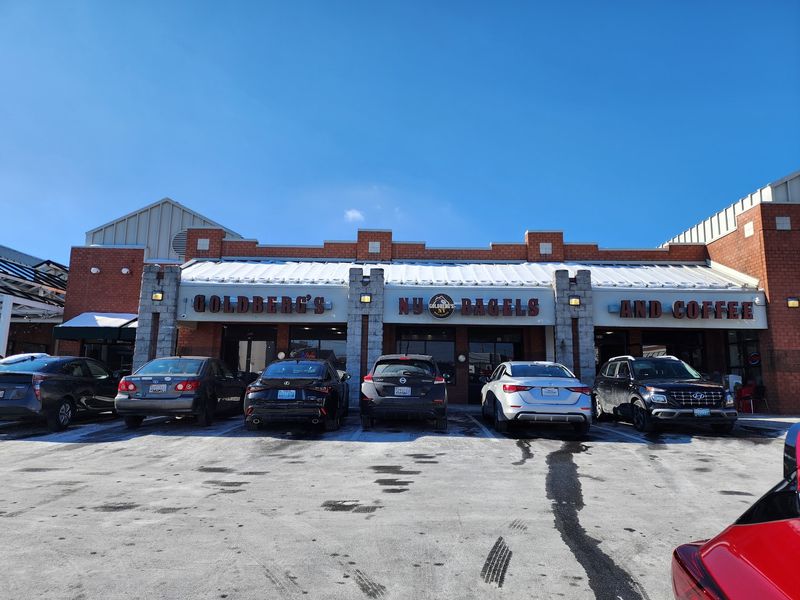
Good bagels usually have a story, and this one starts over a hundred years ago. In the early 1900s, a Polish immigrant named Isador Goldberg carried a carefully guarded bagel recipe all the way to New York.
He did not hand it to strangers. Instead, it stayed in the family and moved down through three generations.
In 1949, Arthur Goldberg, known to friends as Artie, took the family name deeper into the bagel world. He worked as a baker and ran his own store.
The recipe kept its place at the center of everything, like a treasured heirloom that actually gets used every day.
The Pikesville shop is a modern chapter in that long tale. Fans of history will enjoy knowing that the bagel in their hand connects to a real immigrant journey.
It is a small reminder that food often travels with people, packed into memories rather than suitcases.
That sense of heritage shows up in how the shop works. The bagels are not shortcuts or frozen pucks warmed up in a back room.
They are made from scratch with methods that respect the way bagels were made long ago. Honestly, that is kind of comforting.
For visitors, the history adds flavor in a way no topping can. Try asking yourself, while chewing, how many hands this recipe has passed through.
It makes a plain bagel feel a little more special. A sesame one might even feel downright historic.
The One Minute Bath That Changes Everything
Sixty seconds. That is roughly how long each bagel spends bobbing in a pot of boiling water, and it might be the most important minute of its life.
Here is the science, kept simple. When the dough hits hot water, the outer layer cooks quickly and turns slightly gel-like.
Bakers call this gelatinizing. It seals the surface and sets up the shiny, firm crust that a real New York style bagel is known for.
Skip the bath, and the result is basically a round bread roll with a hole in it. Not terrible, but not a bagel either.
The boil is what creates that famous contrast of crisp outside and dense, chewy inside.
Lots of shops today steam their bagels or bake them straight from the proofing rack. It saves time and space.
Goldberg’s sticks with the boil, which takes more effort but honors the traditional method passed down through the family.
Curious eaters can test the difference themselves. Grab a bagel here, then compare it with a grocery store version at home.
Press the crust gently and feel the snap. Pull it apart and notice how the inside stretches rather than crumbles.
A little fun fact for the road. Many bagel historians believe boiling became common partly because it helped bagels stay fresh longer in busy city neighborhoods.
So that steamy pot is not just about texture. It is a bit of practical old school wisdom still bubbling away today.
Burlap Boards, a Flip, and a Golden Finish
Once the boiling is done, the oven takes over, and the method gets even more old fashioned in the best way. The wet bagels are first placed on bagel boards lined with burlap.
Yes, actual burlap, the rough fabric often used for sacks.
They bake on those boards for a short time, which lets them start to firm up and pick up some color. Then comes the clever move.
Bakers flip the bagels off the boards so they land right on the oven floor.
From there, they keep baking for about 18 more minutes at high heat. Direct contact with the hot oven floor helps build a sturdy, golden crust on the bottom.
It also cooks the inside all the way through, so the middle turns dense and tender instead of doughy.
This board and flip routine is a classic technique in traditional bagel bakeries. It takes skill, quick hands, and a good sense of timing.
One slow moment and the bagels could scorch.
The payoff is easy to taste. A properly finished bagel has a slight crunch when bitten, followed by that satisfying chew.
Toasting is optional here, though plenty of regulars like theirs warm.
A handy tip is to ask for a bagel that just came out of the oven if the timing works out. Fresh from the heat, the crust crackles a little and the inside is soft and steamy.
Few breakfast moments beat that one, honestly.
So Many Flavors, So Little Room in the Bag
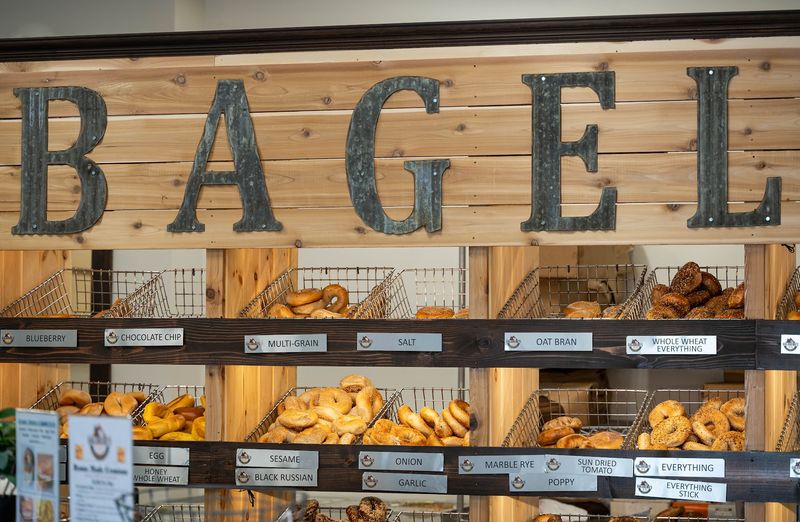
Choosing just one bagel here can feel like a tiny life decision. The lineup covers the classics, like plain, sesame, poppy seed, and onion.
Then it wanders into more playful territory with blueberry, cinnamon raisin, jalapeno, and sun-dried tomato.
Black Russian deserves a special mention. It is a dark, rich bagel that loyal fans seek out, and it pairs nicely with savory toppings like whitefish.
Bialys and flat bagels also show up on the menu, giving thinner, crispier options for anyone who likes more crust than chew.
Spreads are where things get personal. There is a big selection of cream cheeses, including chive and scallion styles, plus lox spread and vegetable toppings.
A toasted jalapeno bagel with lox spread and capers is a combo worth trying at least once.
Gluten-free bagels are also available, which is helpful for groups with different needs. Nobody has to sit out the bagel party.
For anyone grabbing a dozen, a smart move is to mix it up. Get a few safe picks for the picky eaters and a few bold ones for the adventurous crowd.
Then slice and freeze extras at home so they stay tasty for later mornings.
One last idea is to build a tasting board. Cut several flavors into quarters, set out a few spreads, and let everyone vote.
It turns breakfast into a game, and nobody really loses.
Breakfast Plates, Lox Platters, and Sweet Extras
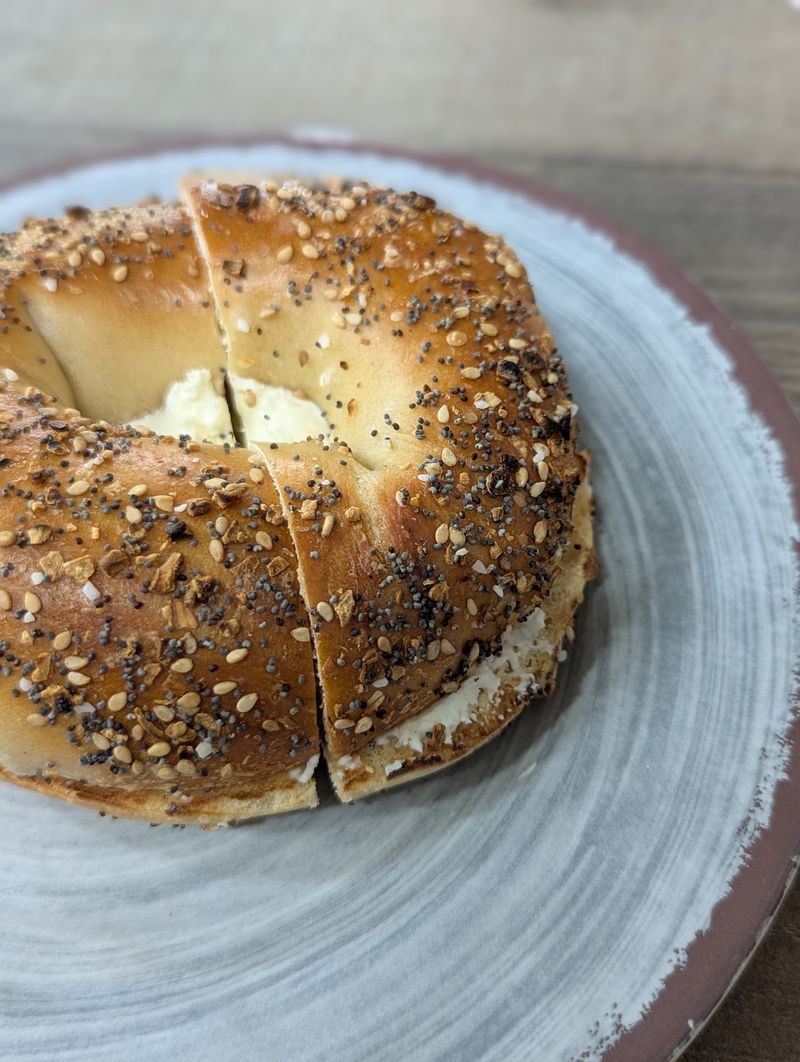
Bagels may be the headliner, but the supporting cast here is surprisingly large. Hungry visitors can order full breakfast plates with pancakes, waffles, or French toast.
Kids especially seem to love the waffles.
Egg dishes come in many forms. There are scrambled eggs, omelets, cheese combinations, and the classic lox, eggs, and onions.
Home fries make a popular side, and the breakfast burrito has its own group of fans. Shakshouka also appears, a saucy tomato and egg dish that feels hearty on chilly days.
Later in the day, the menu shifts toward sandwiches, salads, and platters. Nova lox platters and tuna salad platters are popular picks.
A tuna melt on a bagel is another comfort food winner, though maybe not ideal for anyone with freshly tightened braces.
The bakery side keeps things sweet. Challah, muffins, New York style pastries, cookies, and rugelach fill out the options.
Rugelach, those small rolled pastries with fillings, make a great snack for the car ride home. Around Hanukkah, soft donuts have been known to show up too.
Coffee rounds out the experience, brewed fresh to go with the morning rush.
A practical tip is to plan around the menu size. If a group cannot agree, order a few dishes to share family style.
That way everyone gets a taste of eggs, bagels, and pastries without needing three separate breakfasts. Sharing is caring, and also delicious.
A Kosher Gathering Spot on Reisterstown Road
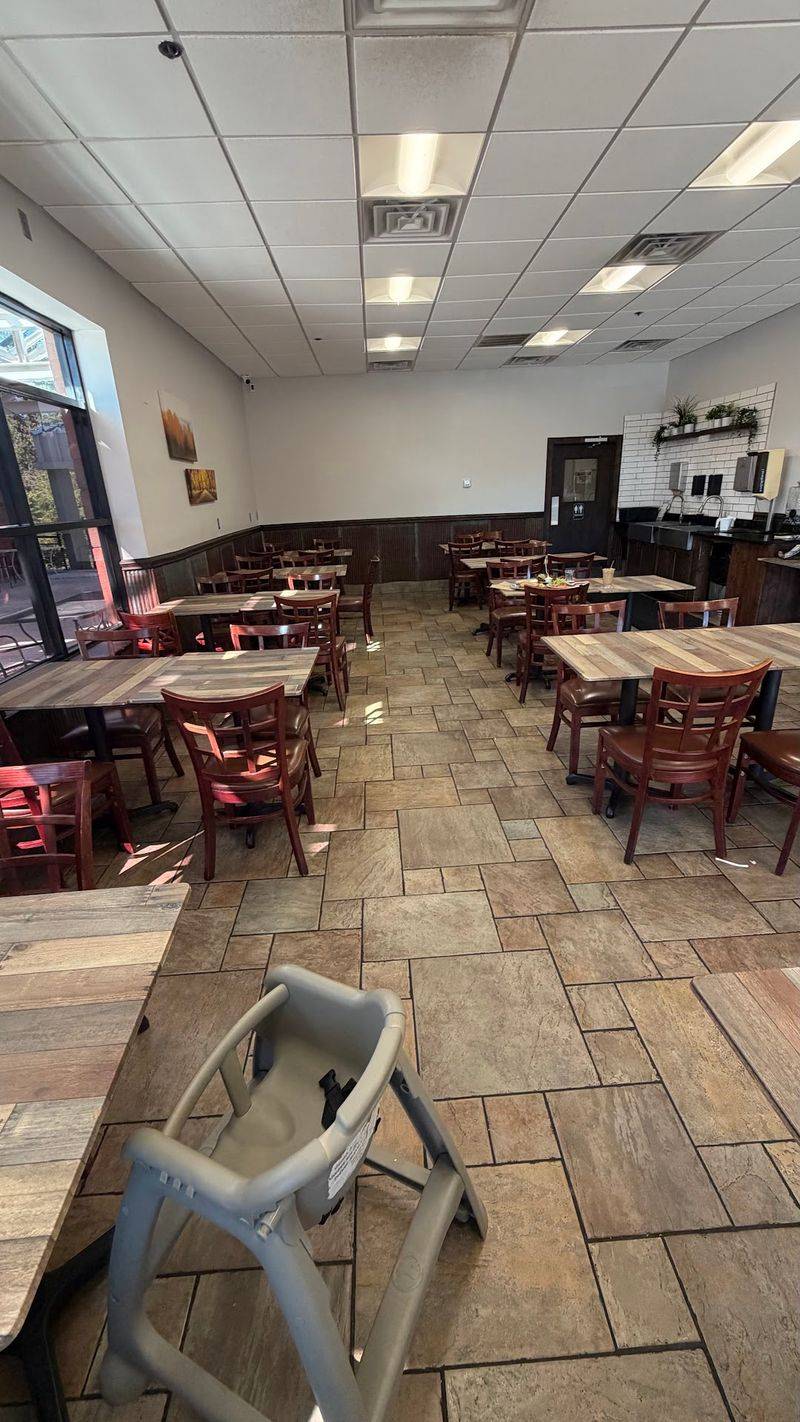
Some places feed people, and some places hold a neighborhood together. Goldberg’s leans toward the second kind.
The shop sits at 1500 Reisterstown Rd #211, Pikesville, MD 21208, along a busy road that is central to the local Jewish community.
Everything here operates under Star-K supervision, a well known kosher certification. That makes it a dependable stop for families who keep kosher and need a trustworthy place to eat or order food.
Of course, everyone is welcome, kosher or not.
Catering is a big part of the story. Families plan platters for events like Bar Mitzvahs, office meetings, and holiday gatherings.
Staff can help talk through ideas for how to serve and present food for guests. For last minute kosher platters, the shop has a reputation for coming through.
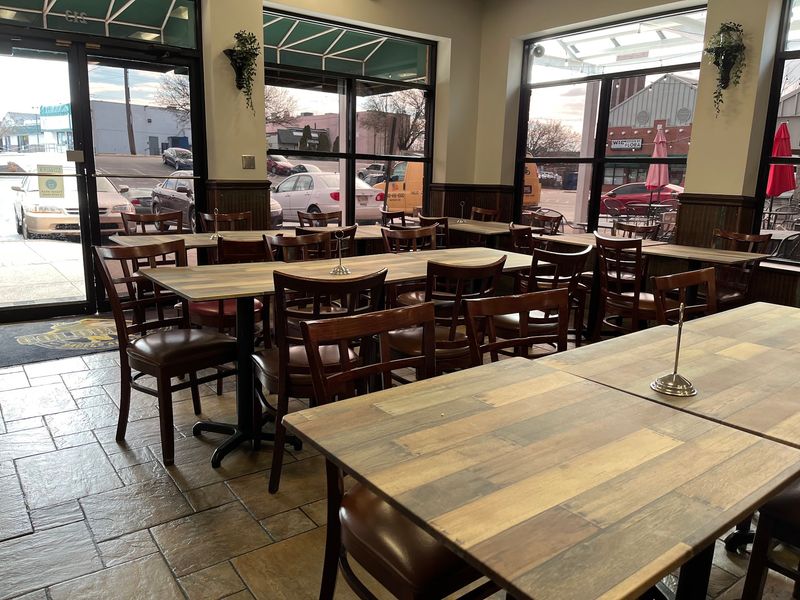
Inside, there is plenty of seating, and the parking lot usually has room, especially mid-morning. The space is casual and counter-serve, with a lively, slightly hectic energy during the breakfast rush.
Travelers passing through Baltimore on a road trip will find it an easy detour. It is a nice way to see how a suburban community starts its day.
Families chat, workers grab coffee, and bags of bagels head out the door.
A friendly suggestion is to order catering well ahead of time and confirm the pickup details. Busy mornings move fast, and a quick check helps everything go smoothly for big events.
Smart Tips for a Smooth Bagel Run
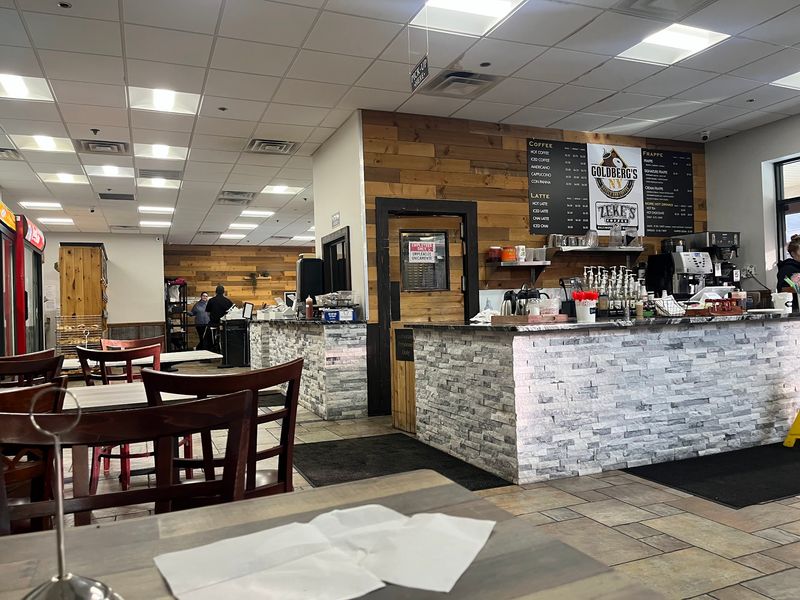
First-timers sometimes find the counters a little puzzling. There can be several ordering spots, and it is not always obvious which line is for what.
A quick question to a staff member clears things up fast.
Timing helps a lot. The shop opens at 6 AM most days and closes in the afternoon, usually around 4 PM.
On Fridays it closes earlier, around 3 PM, and it stays closed on Saturdays, in keeping with Shabbat. Planning a visit around these hours saves a disappointing drive.
Online ordering is a handy option for busy mornings. Ordering ahead means the bag is often ready on arrival, with coffee freshly brewed.
Still, give the kitchen a little extra time during peak hours, since the breakfast crowd can be big.
Here is a small but useful habit. Before leaving, peek inside the bag to make sure everything is there.
That goes for any busy bakery, and it beats discovering a missing sandwich halfway home.
Coffee drinkers should know there is a wide choice of sweeteners at the coffee station. Bringing a favorite creamer preference in mind, or asking at the counter, can help.
The 2021 change in ownership brought updates and a fresher look to the space. The heart of the shop stayed the same, though.
Scratch-made dough, a quick boil, and a hot oven still define every batch. Go early, stay curious, and take home more than planned.
Leftover bagels never seem to last long anyway.
